ARTE LA SAGA DU DOUGLAS DC3 AVION DE LÉGENDE
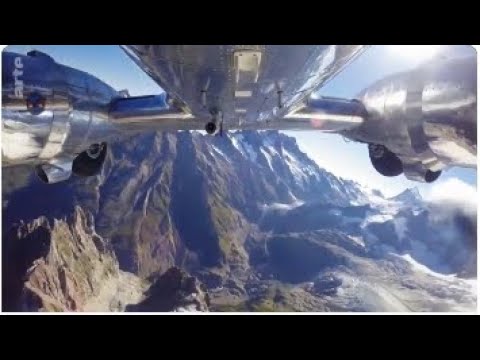
Video from the channel AIRLINER FRANCE about Douglas DC-3, linked on its Above Ten Thousand entry. Duration: 52:32. Language: French. Video type: Documentary.
What it's about
A television documentary that traces the Douglas DC-3's story from its launch to the present day, alternating archive footage with reports on those who keep it flying: Swiss businessman Hugo Mathys, who is restoring a C-47 named Judy; the Basler workshop in Oshkosh, Wisconsin, devoted entirely to this aircraft; the Moss family in Florida, owners of the sixth DC-3 ever built, a former Sleeper they want to return to its 1936 configuration; a Berlin association preparing a "raisin bomber" to fly with passengers; and the Alfred Wegener Institute, which uses one in the Arctic.
Historical context
Launched in California in 1936, it outclassed the Junkers Ju 52, limited to 15 passengers, by offering twice the seats and better performance. American Airlines, its first customer, used it in the Sleeper version with berths, linking the East Coast and Los Angeles in about 15 hours with three stops. Switzerland chose it in 1936, and its airline became Douglas's first European customer. From 1941 most civilian examples were requisitioned as C-47s. During the Normandy landings, 850 aircraft dropped 17,000 paratroopers in a first wave and towed gliders; D-Day veteran of the 101st Airborne Division Ed Shames recounts jumping under anti-aircraft fire. During the Berlin blockade, from June 1948, the airlift supplied 2 million people through corridors from Hamburg and Frankfurt, and pilot Gail Halvorsen dropped chocolate to children on small parachutes. In Vietnam, from 1964, it returned as a gunship nicknamed Puff the Magic Dragon.
Key facts
About 16,000 were built by 1946. The C-47 That's All, Brother, whose footage provided the American public's first images of the landings, turned up years later at Basler's depot and ended up with an American foundation. Each DC-3 engine has 14 cylinders arranged in two rows, delivering 2,400 horsepower between them; new cylinders for Judy cost $50,000, and the engines are assembled using Second World War spare parts. Since the 1990s Basler has converted the aircraft to turboprop power with a modern cockpit. The Bremen institute's Polar 6 measures sea ice thickness, which in its study area fell from 2.20 m in 2001 to around half that.