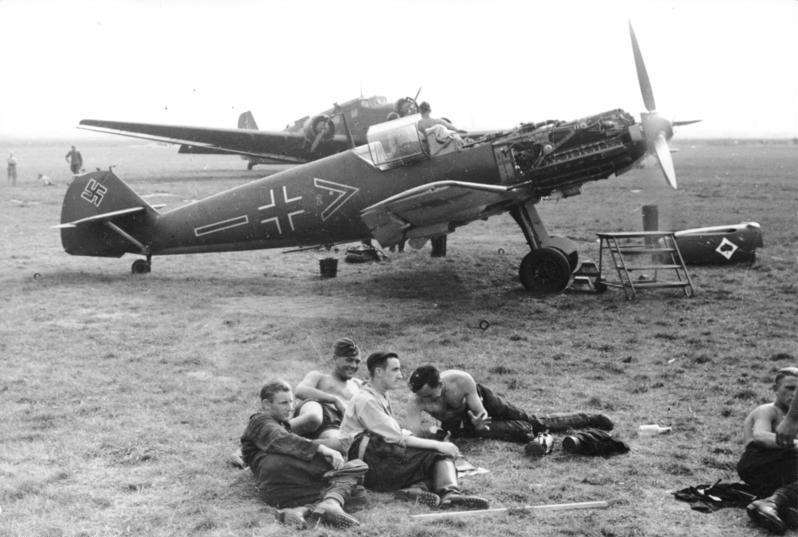
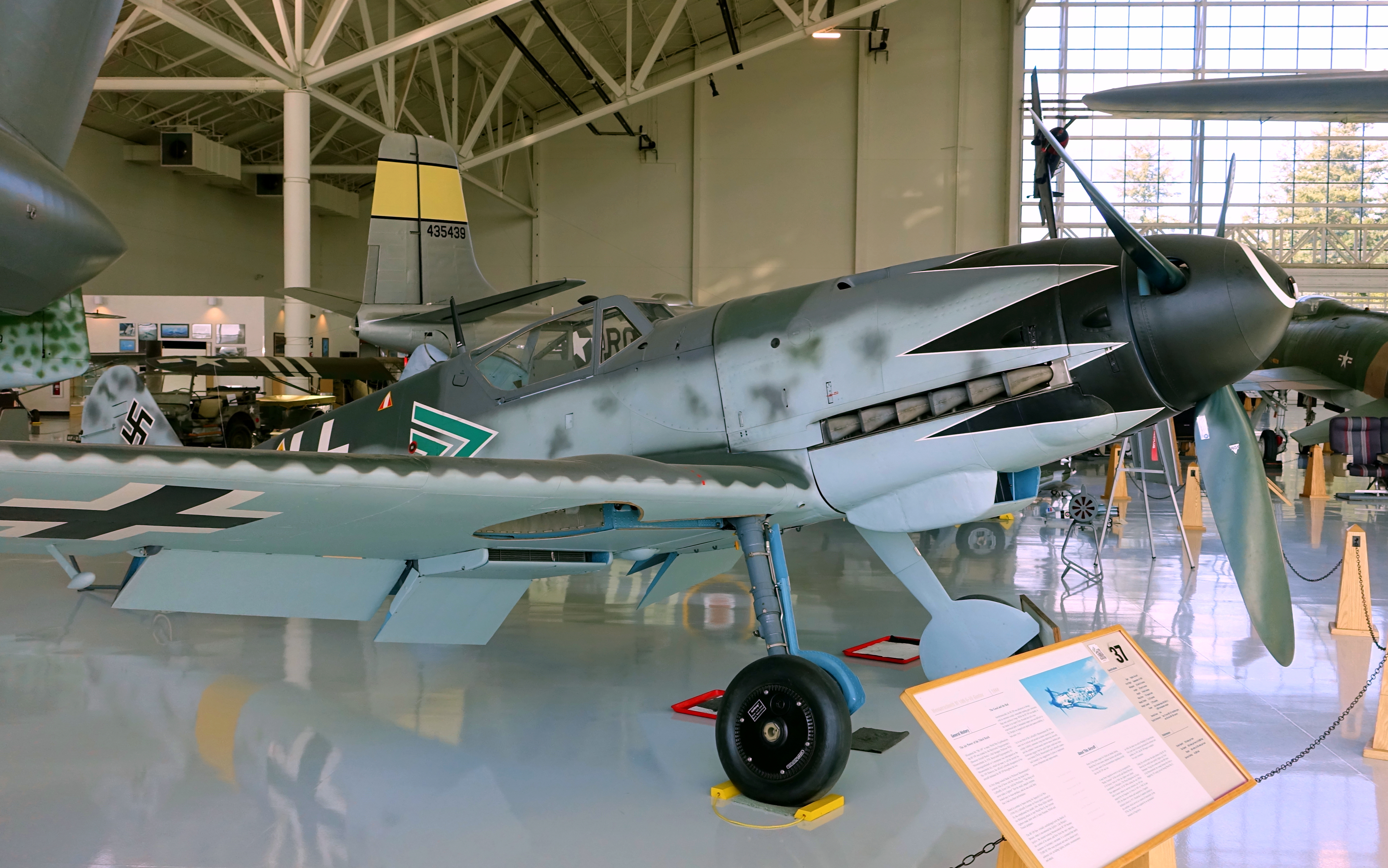
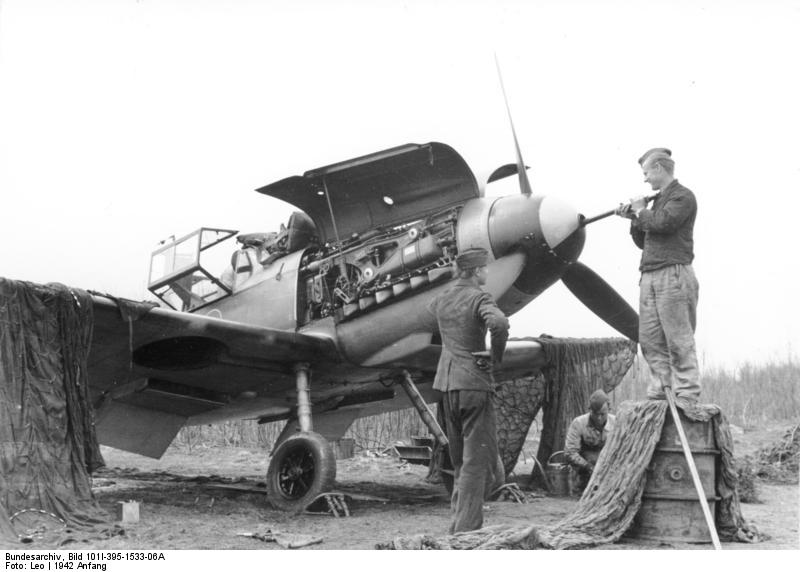
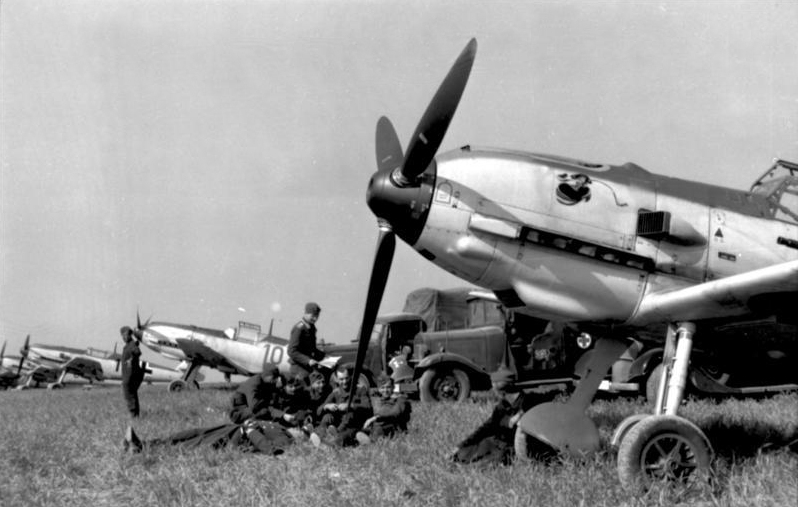
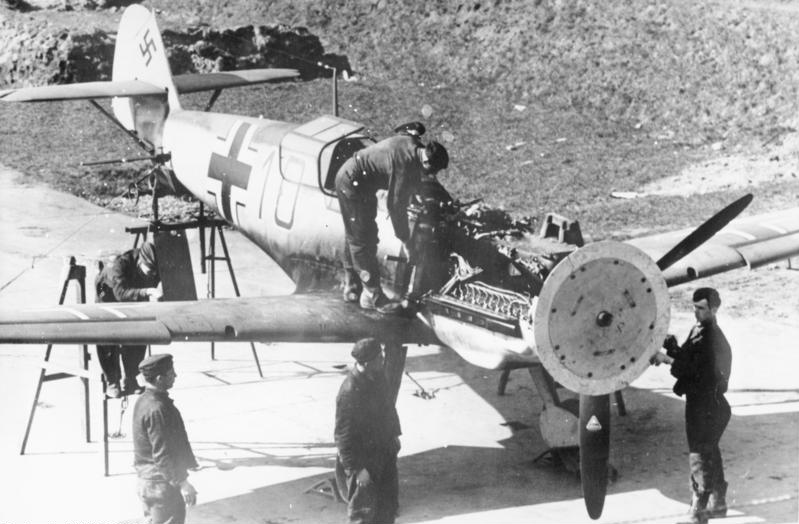
The Messerschmitt Bf 109 is a German single-seat monoplane fighter laid out in the mid-1930s by the team of Willy Messerschmitt and Robert Lusser at Bayerische Flugzeugwerke, the company whose initials gave the aircraft its «Bf» prefix. It…
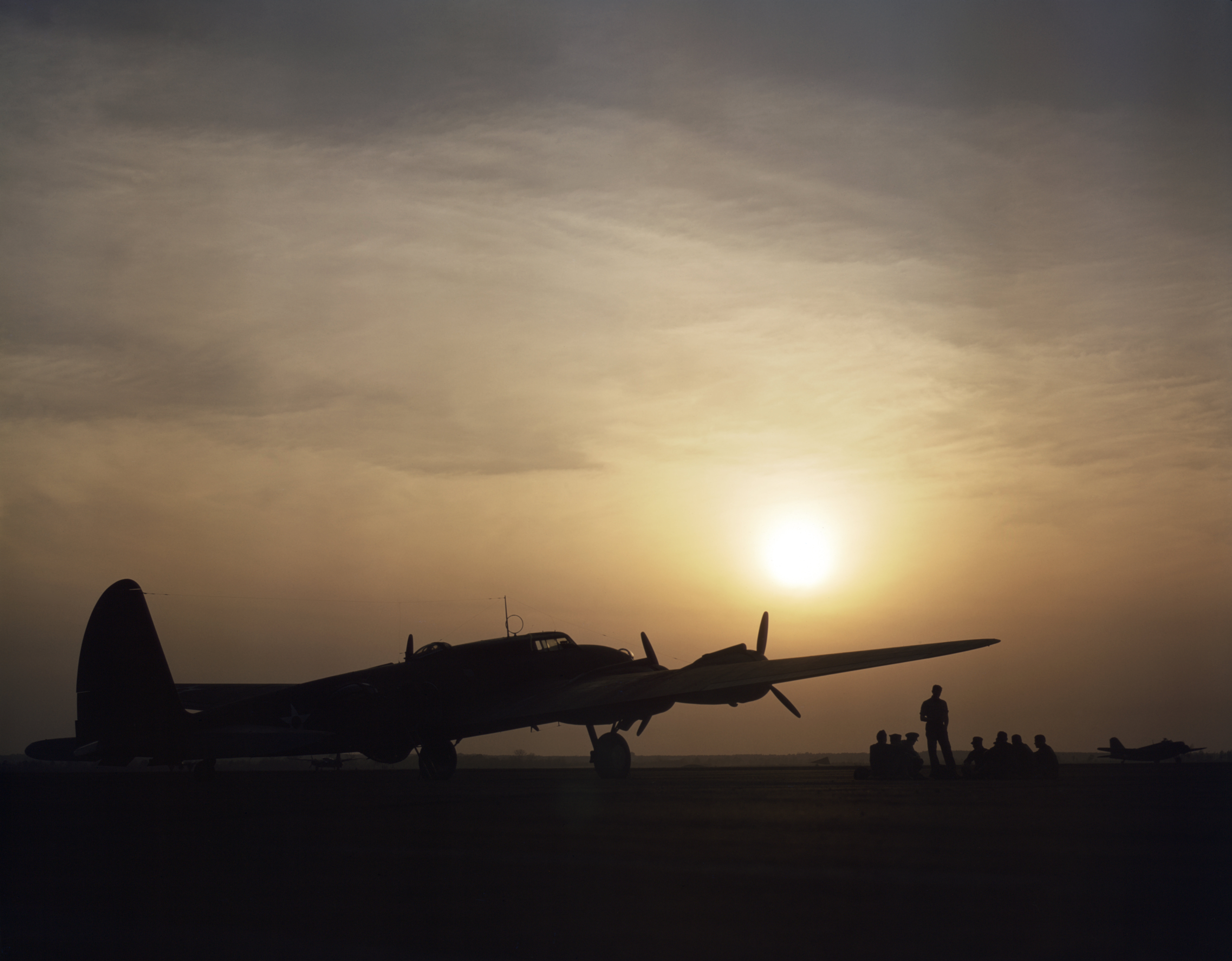

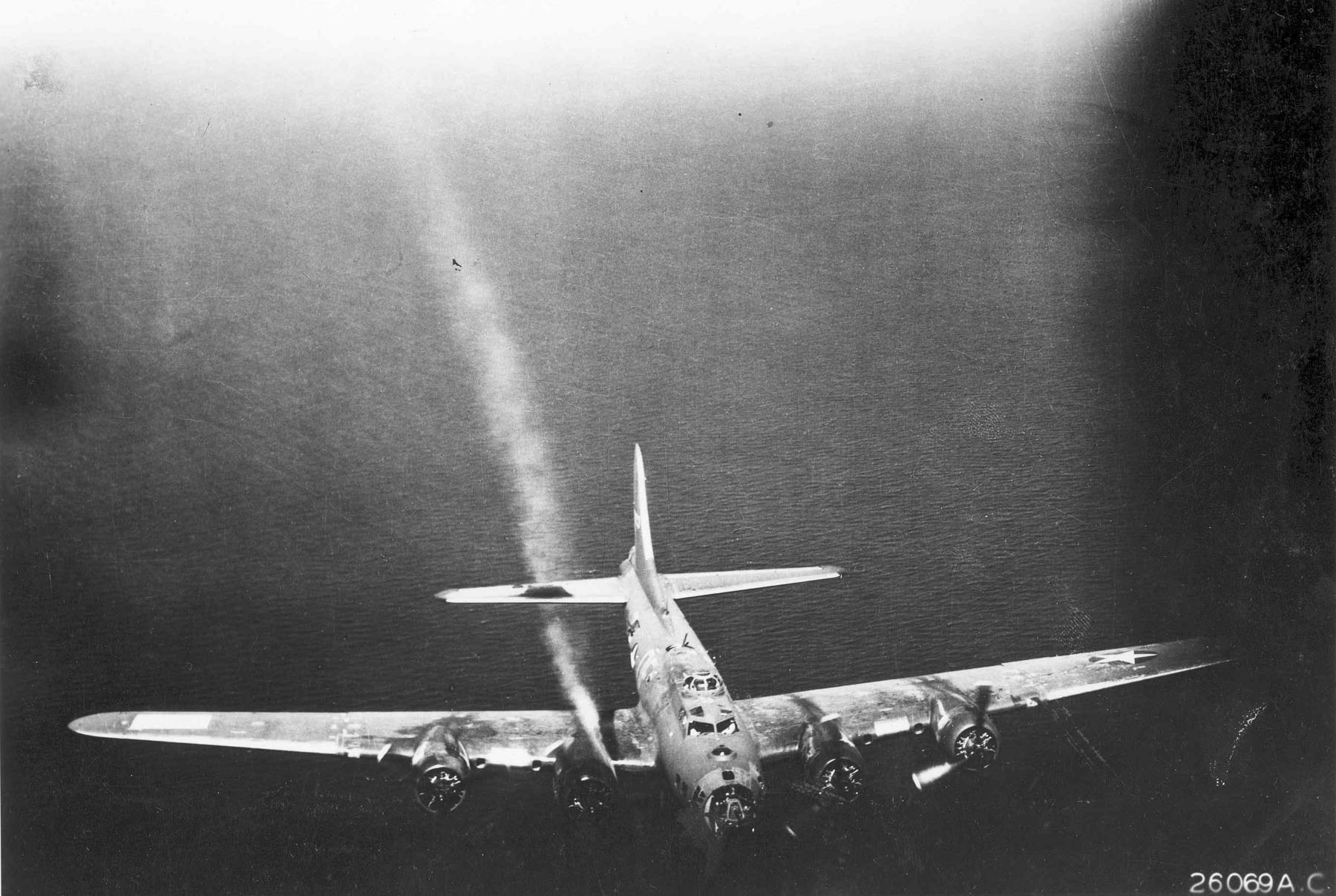
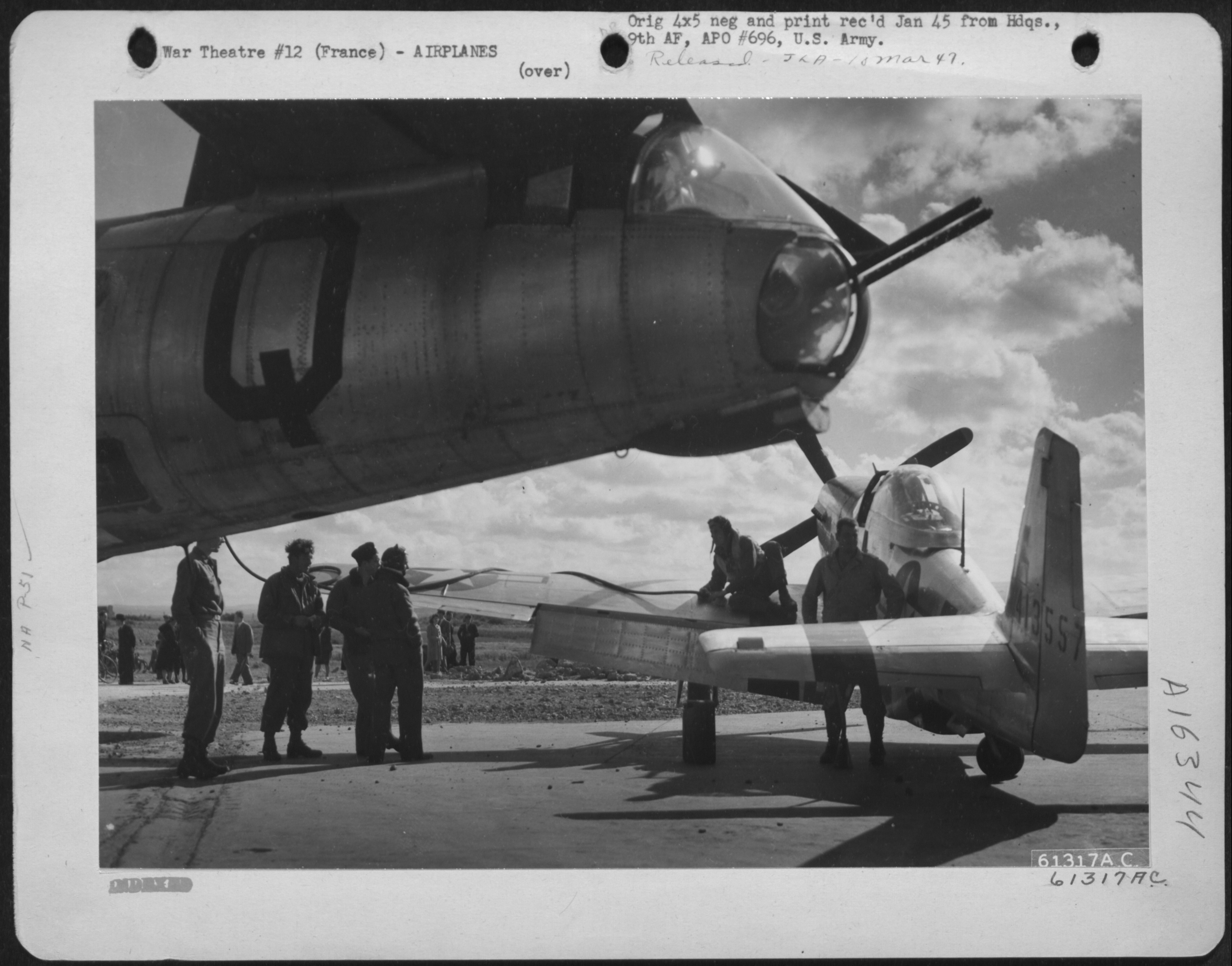
The Boeing B-17 Flying Fortress was an American four-engined heavy bomber designed in the mid-1930s for the United States Army Air Corps. Fast for its size, able to work at high altitude and bristling with defensive guns at the expense of…
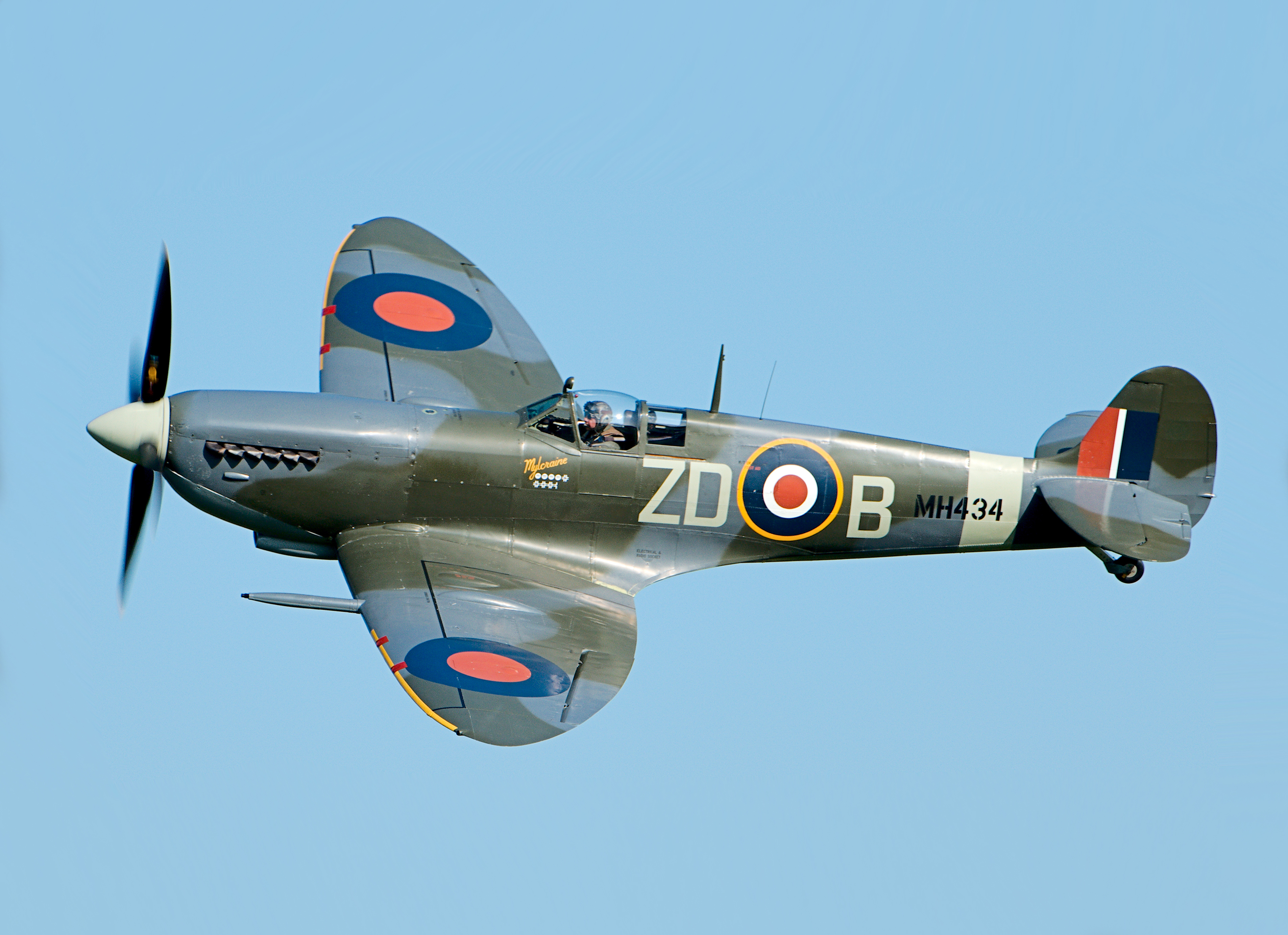
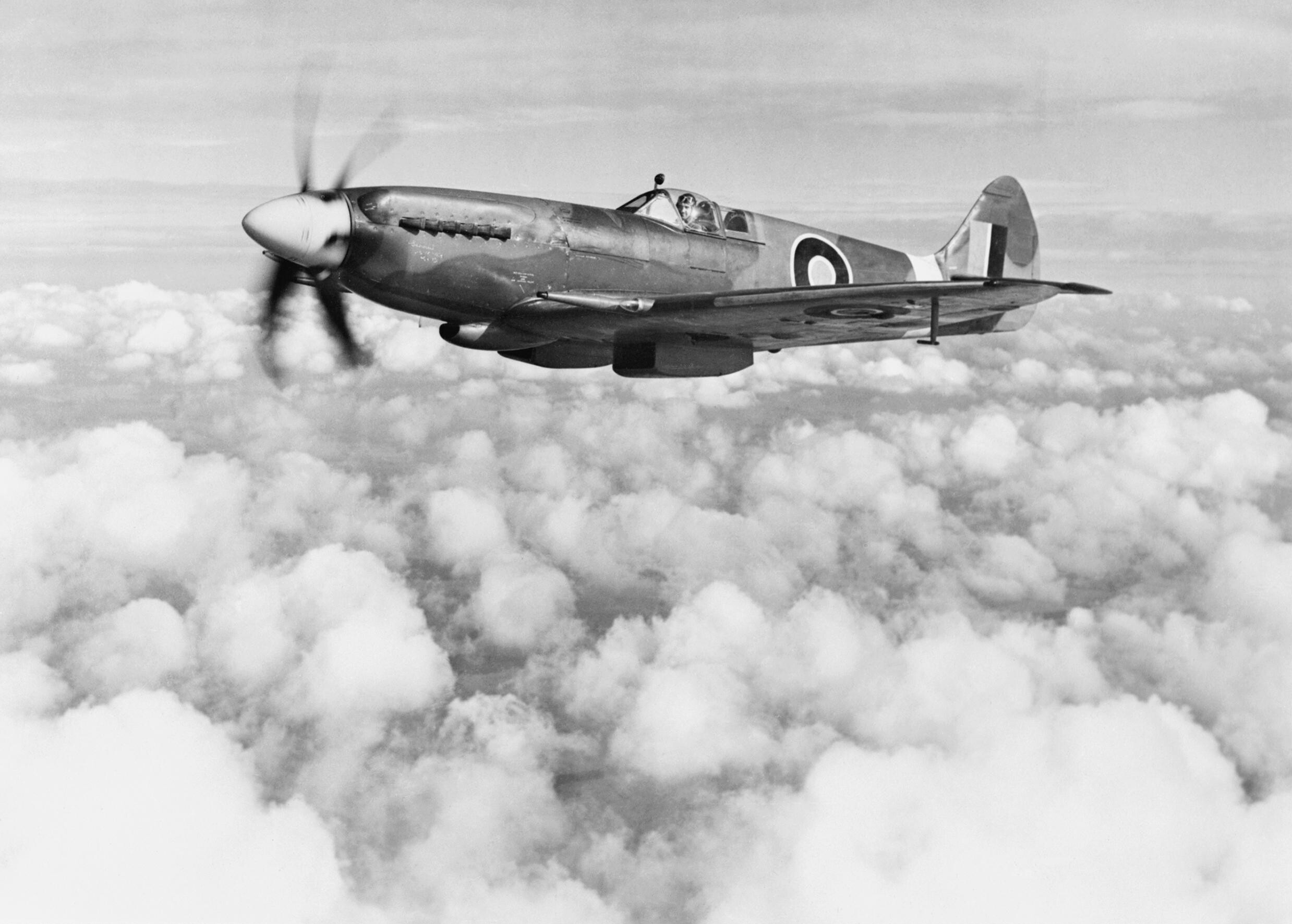
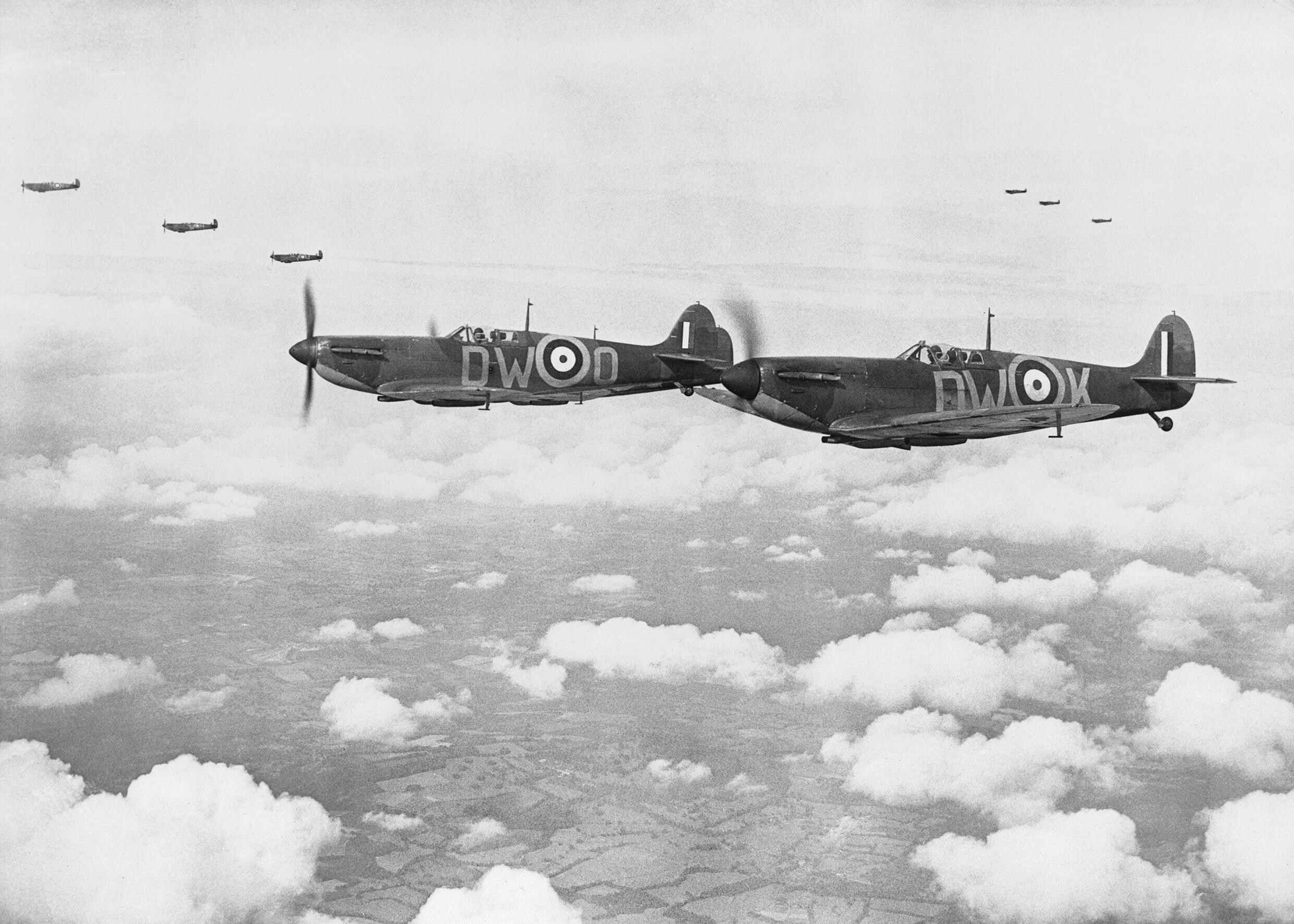
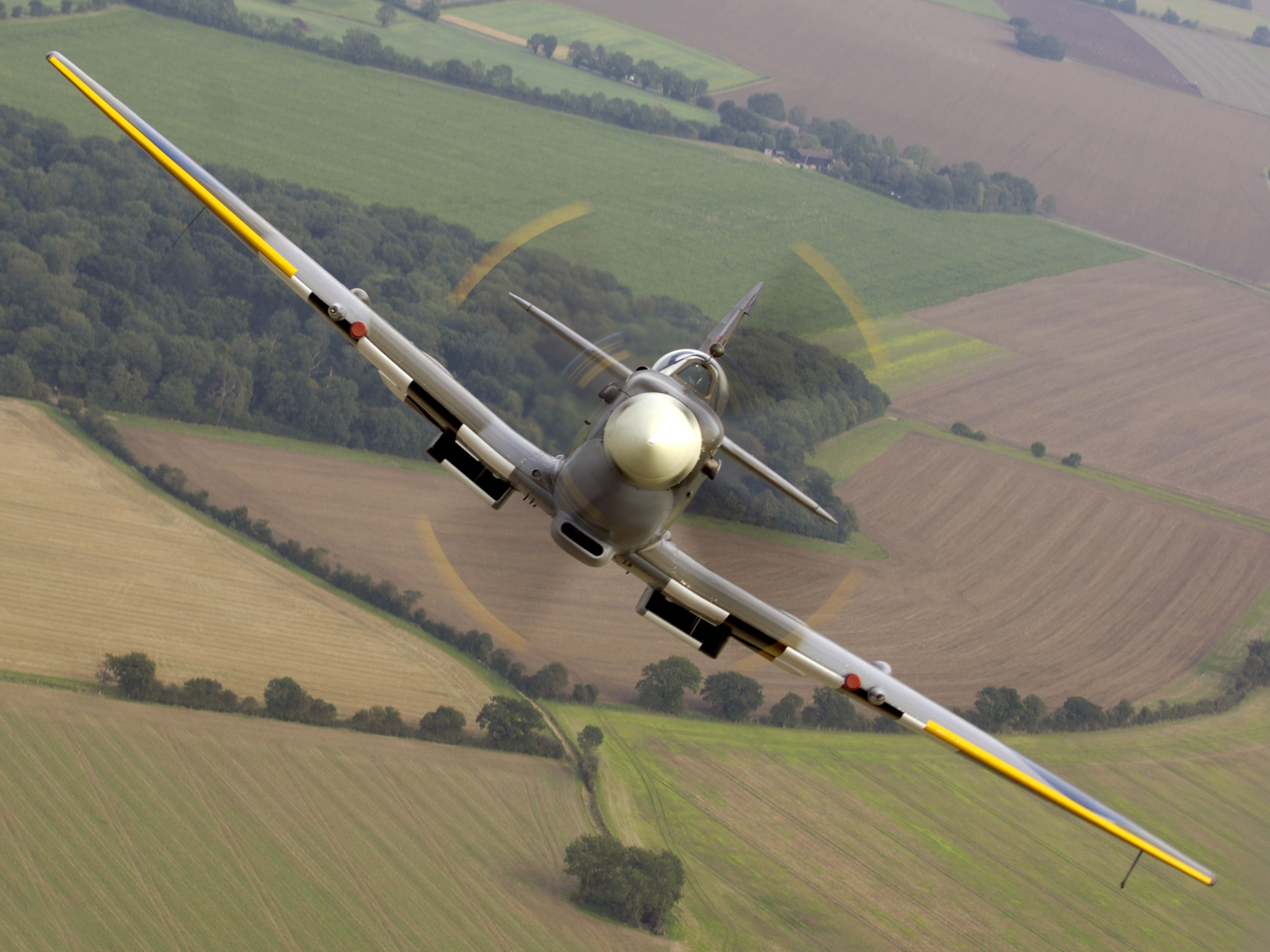
The Supermarine Spitfire is the British single-seat fighter with which the Royal Air Force fought the Second World War from beginning to end, and the aeroplane in which Britain invests its memory of 1940. It was designed by R. J. Mitchell…
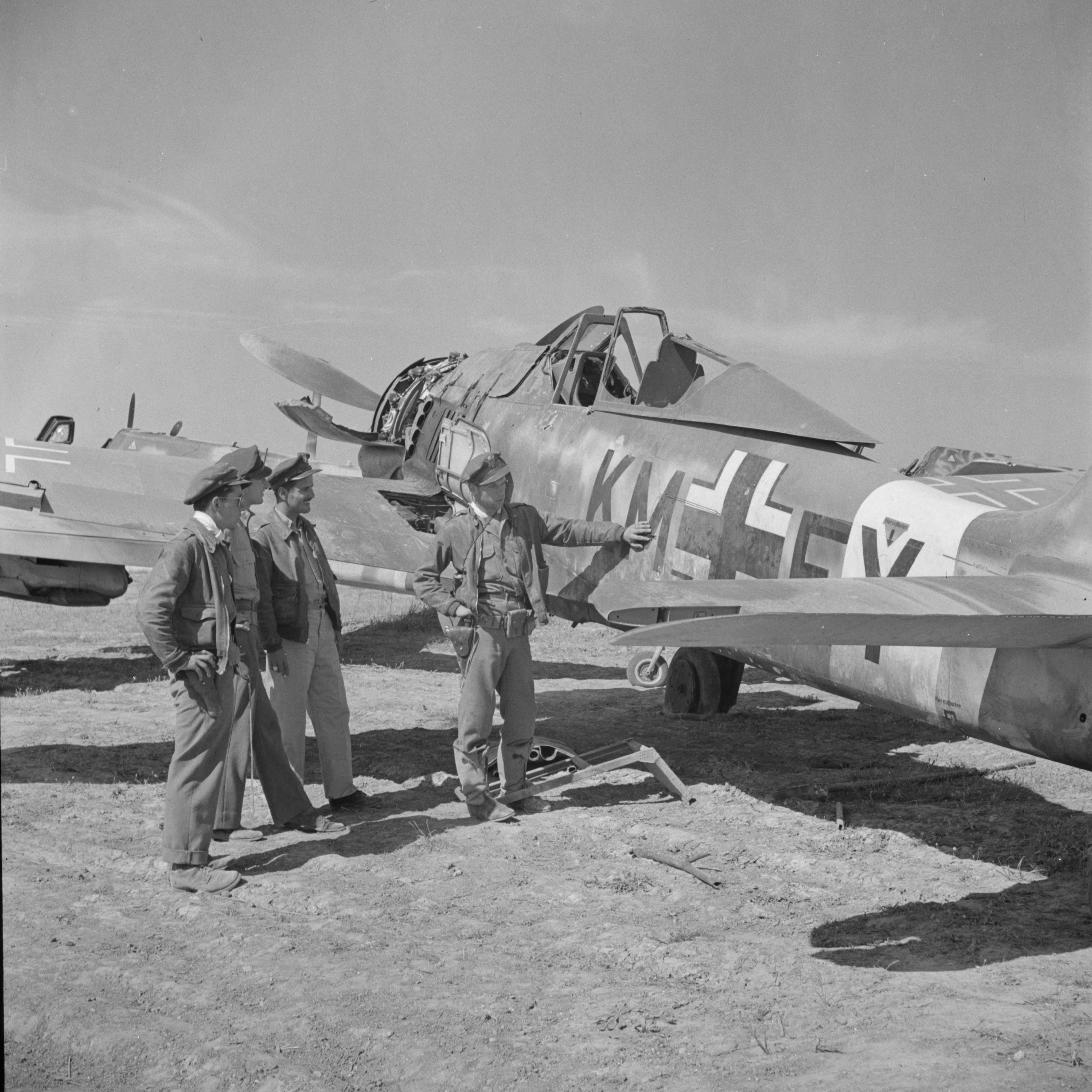
The Focke-Wulf Fw 190 Würger — "shrike", the bird that impales its prey — was the Luftwaffe's second great single-seat fighter and, in the judgement of many who flew it, the finest German combat aircraft of the Second World War. It was…
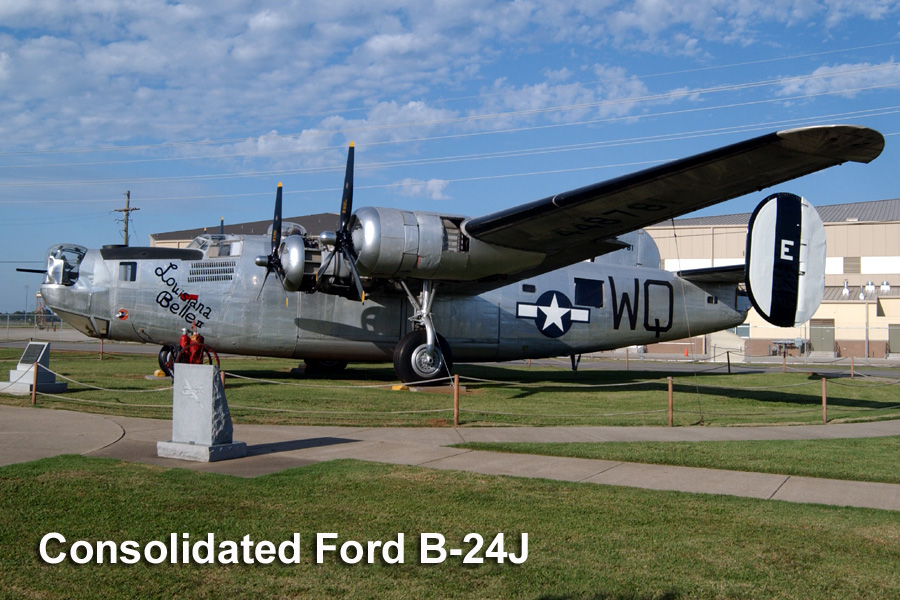
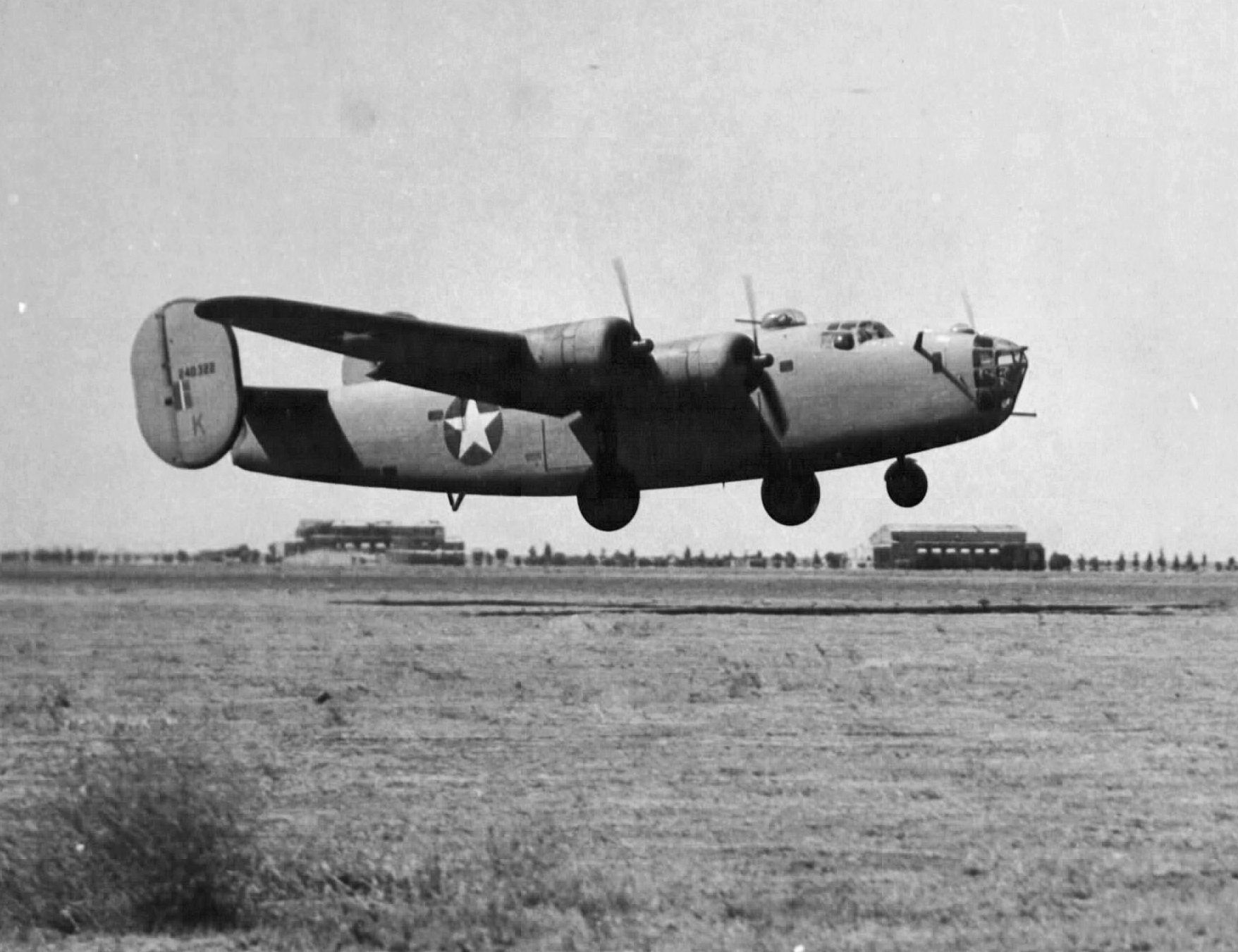

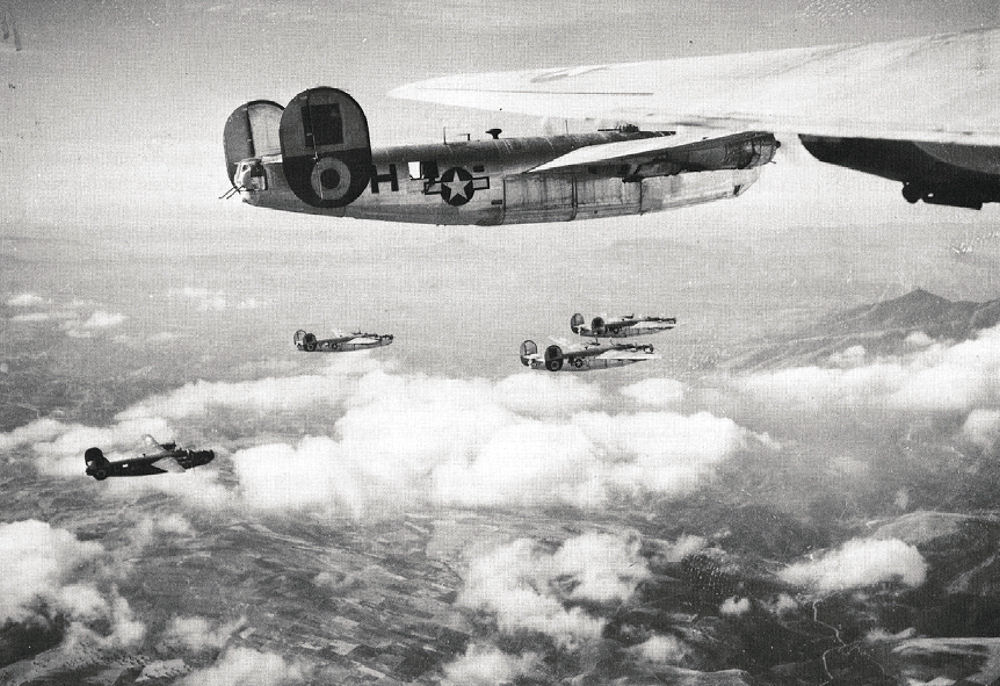
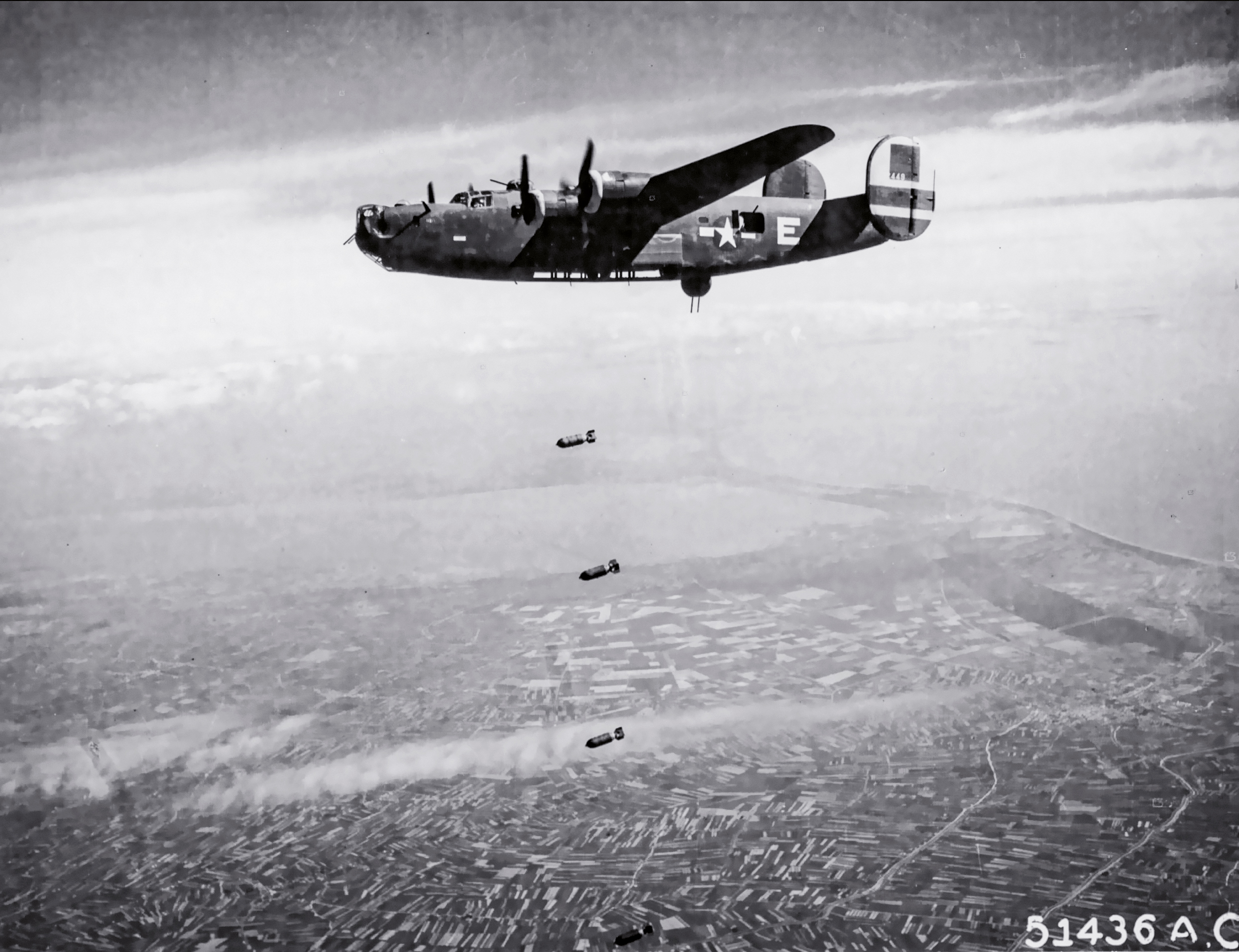
The Consolidated B-24 Liberator is the most heavily produced heavy bomber in history and, at the same time, the American four-engined bomber of the Second World War that occupies the least space in popular memory. It was born out of a job…
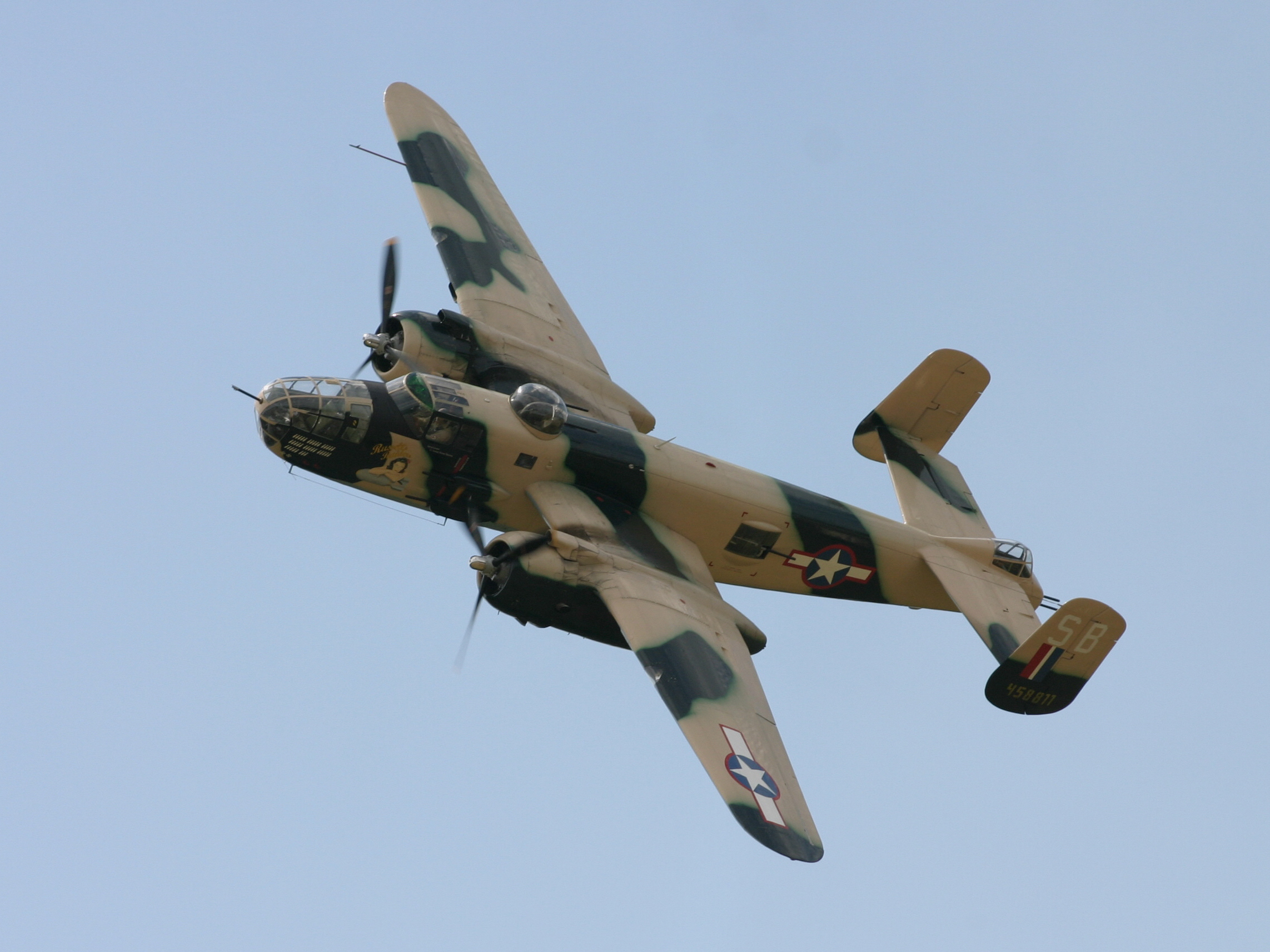
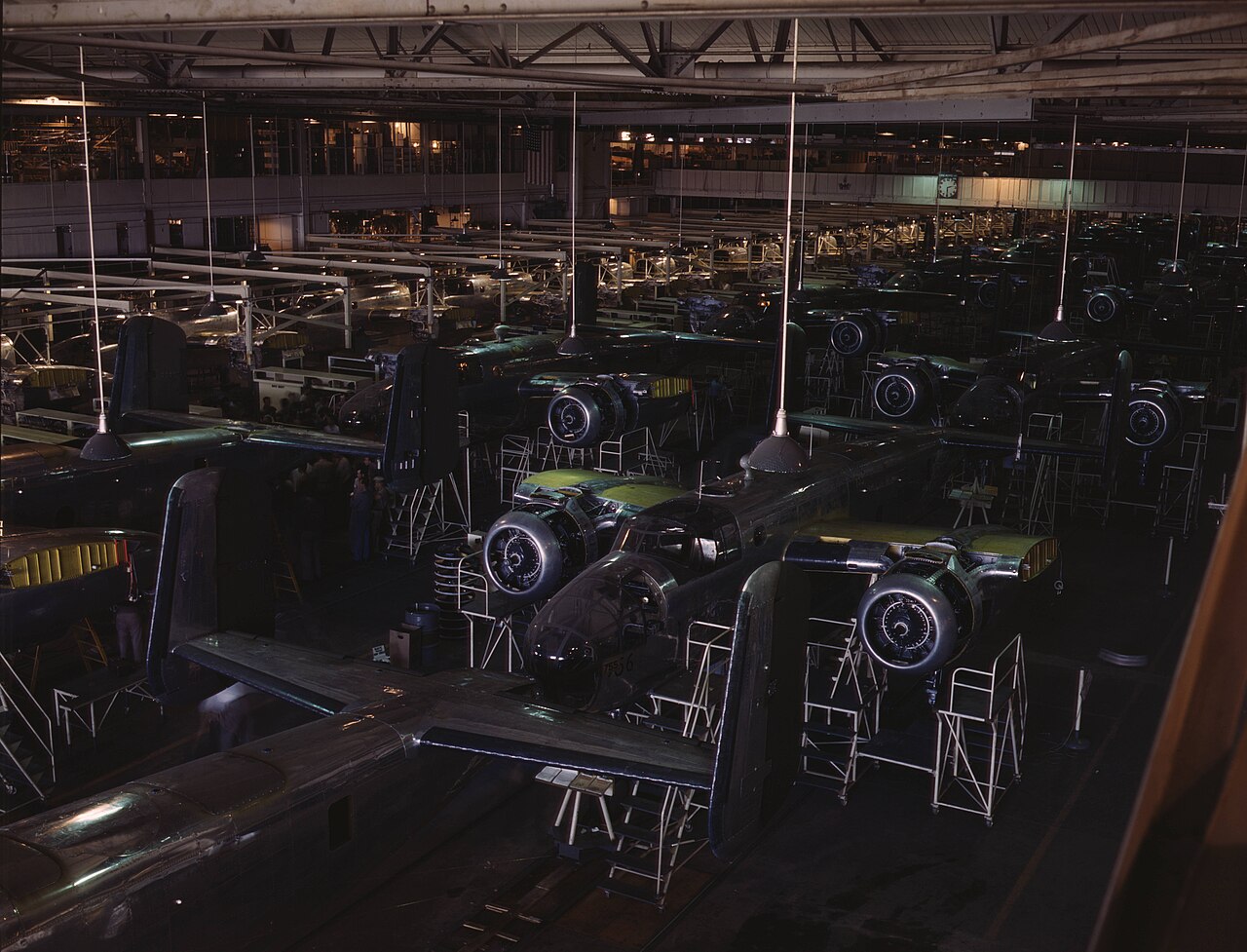
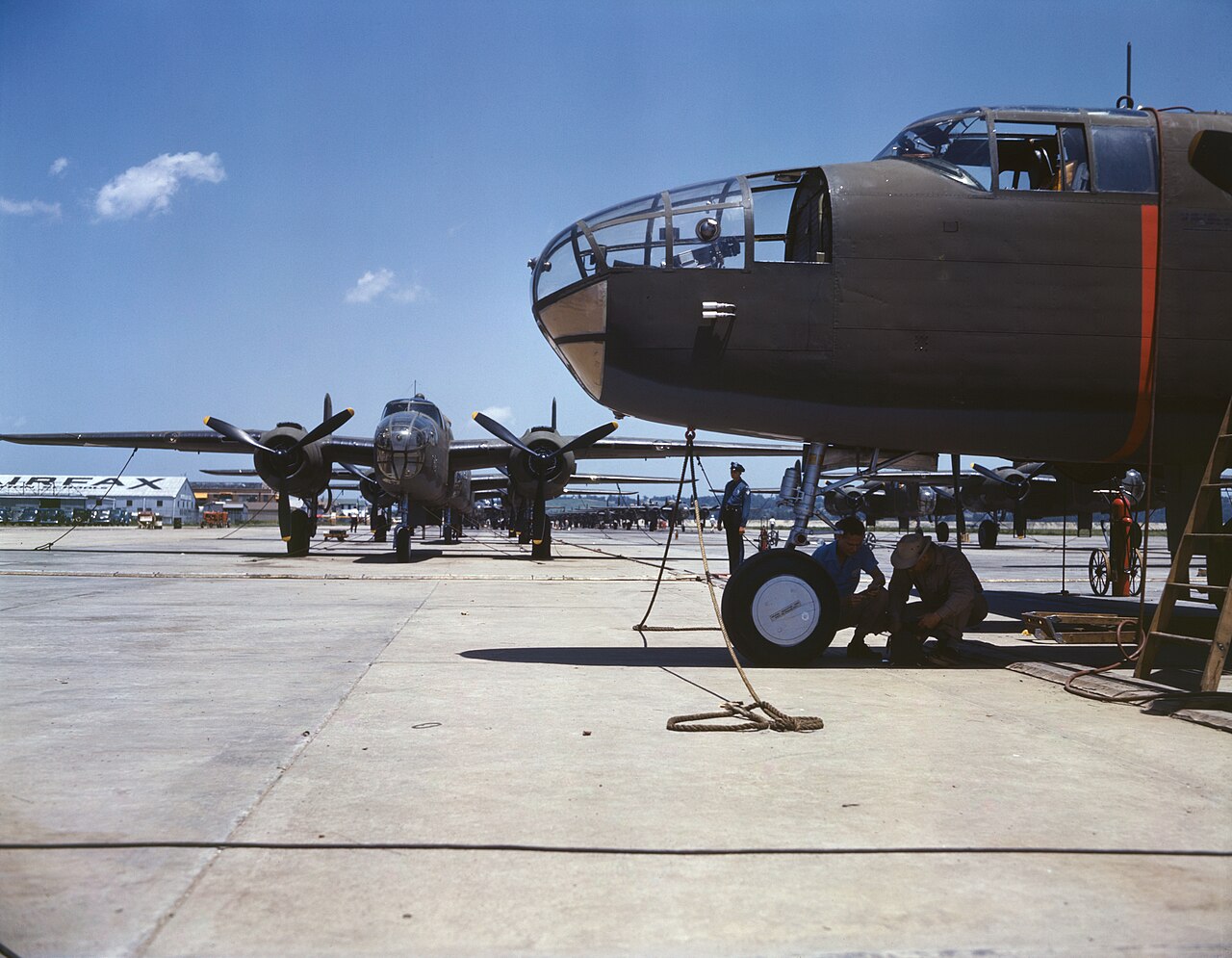
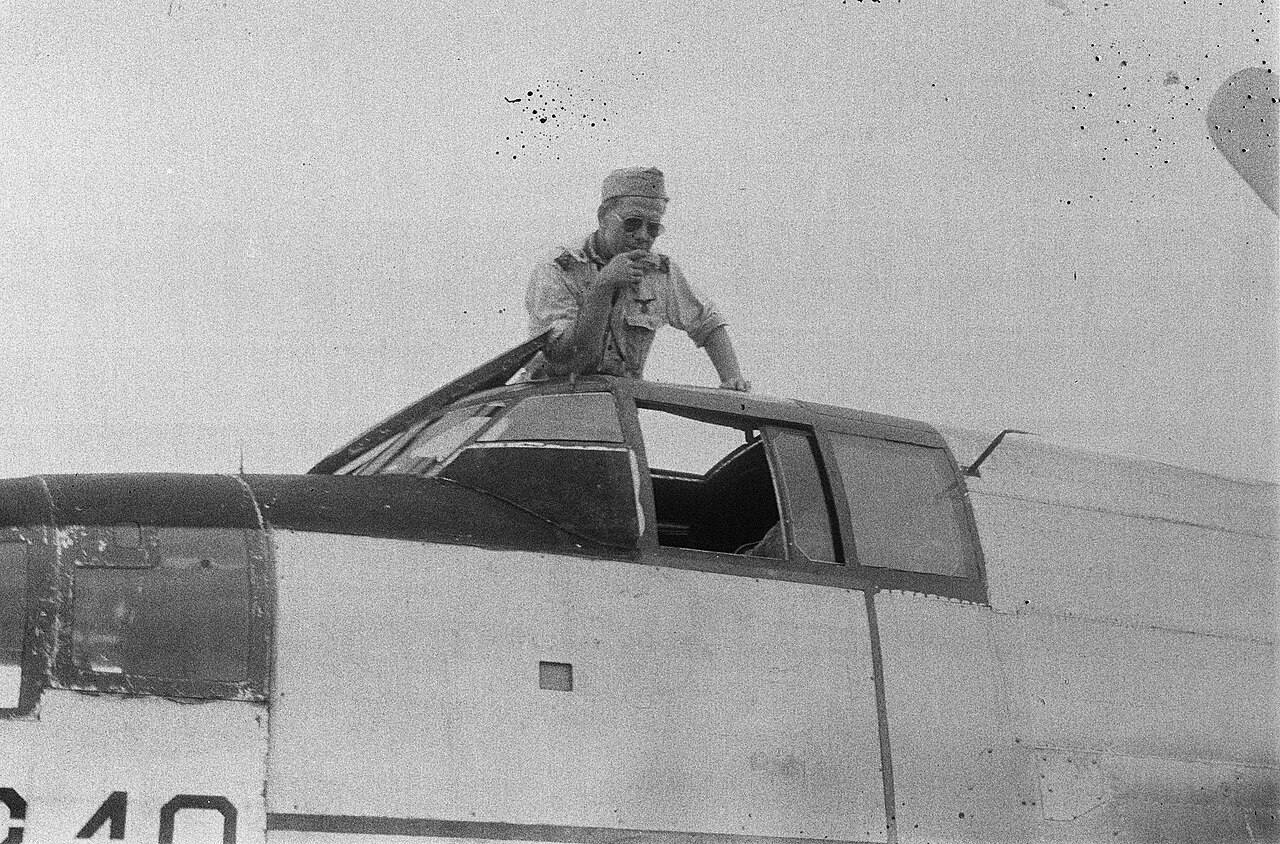
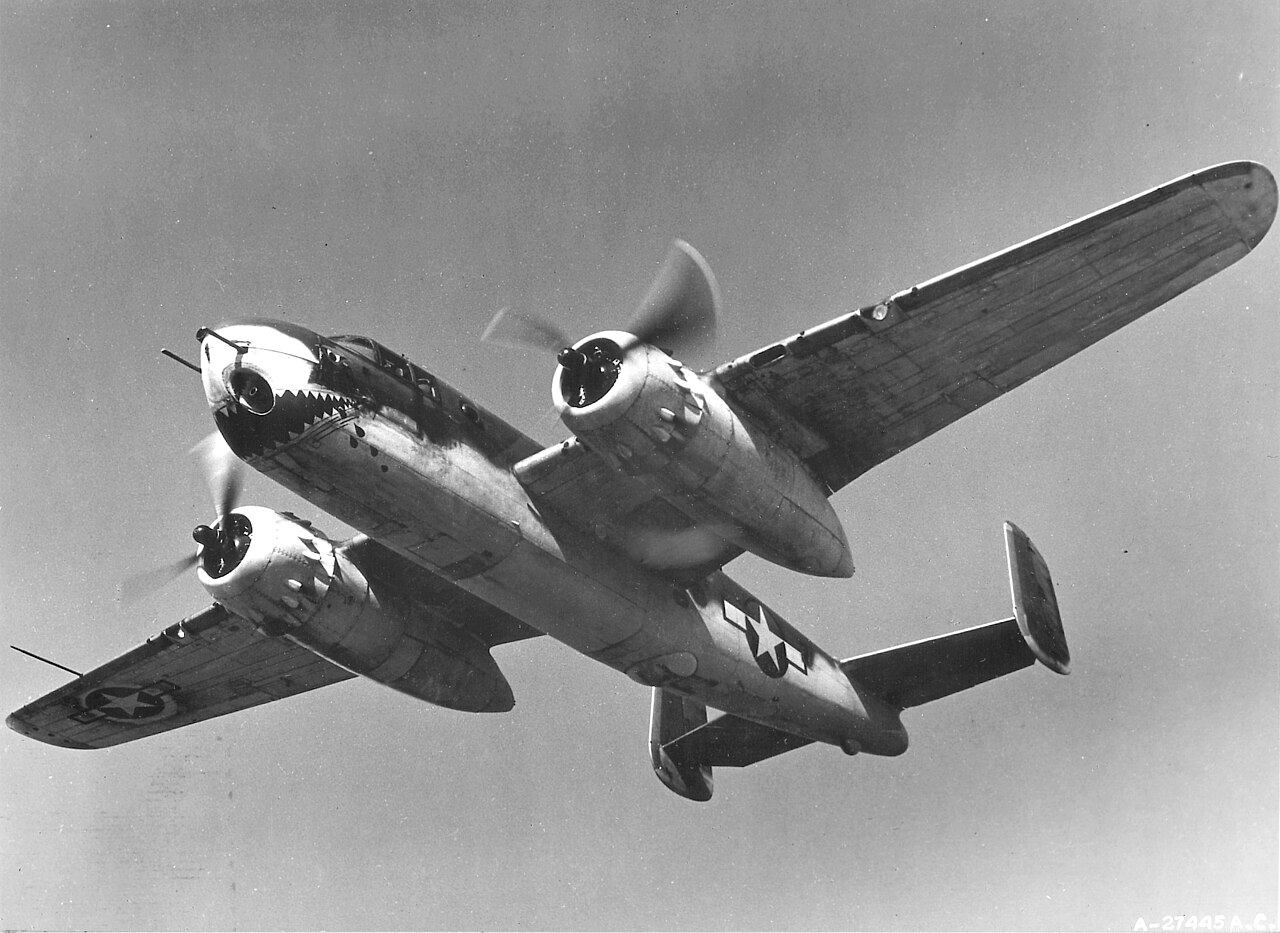
The North American B-25 Mitchell was the twin-engined medium bomber that filled the middle rank of American bombing aviation in the Second World War. Its design traces back to the late 1930s, when North American Aviation reworked its own…
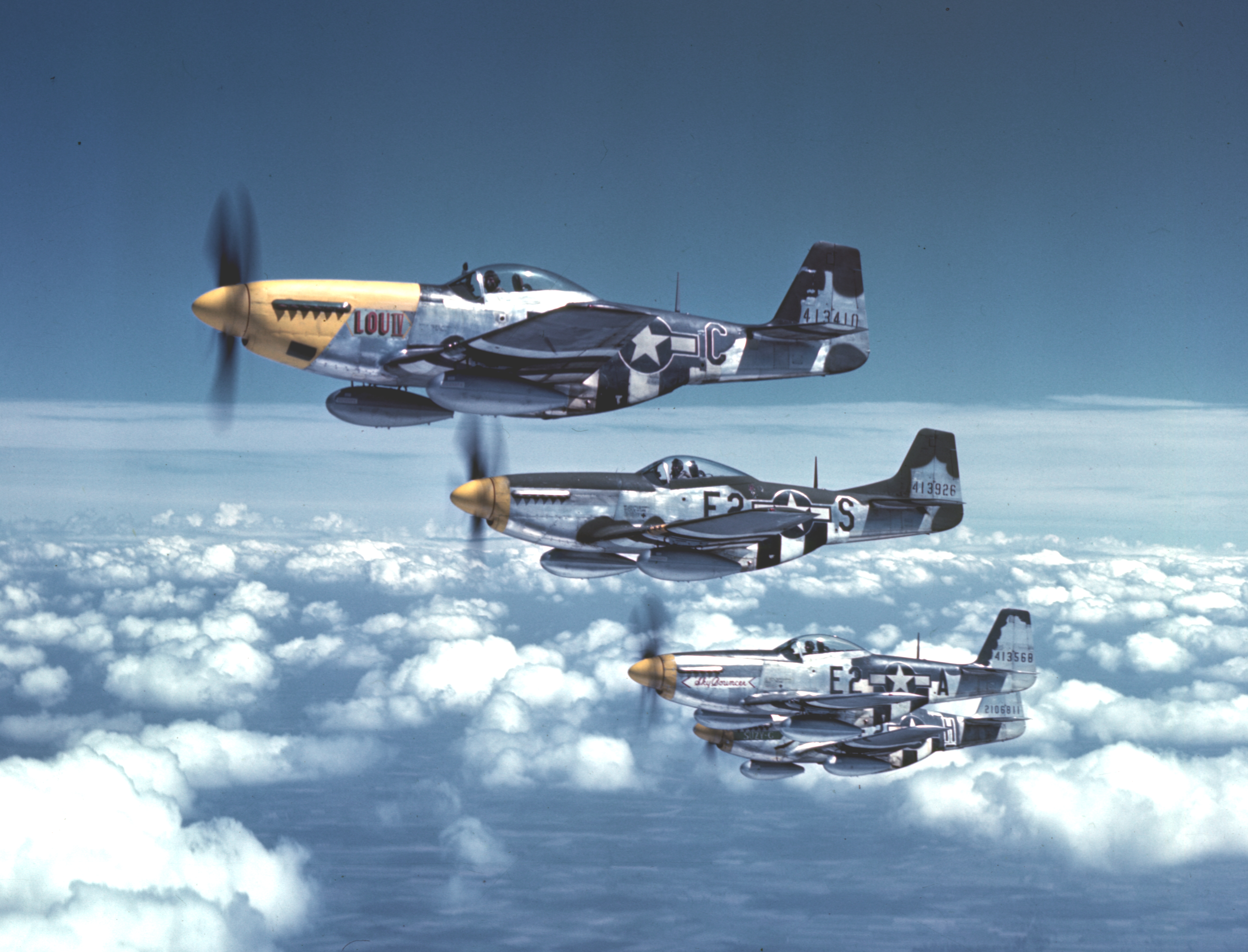
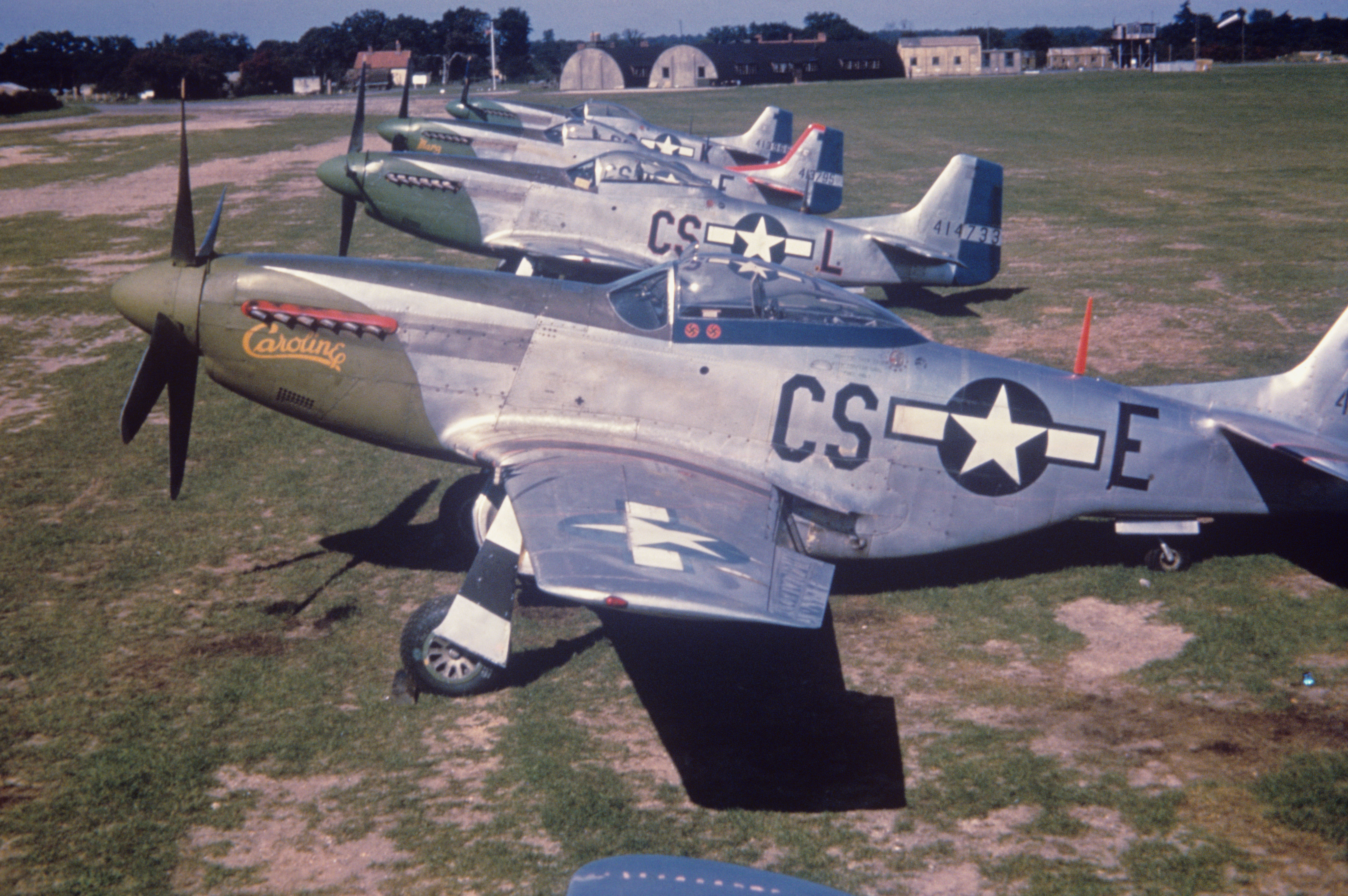
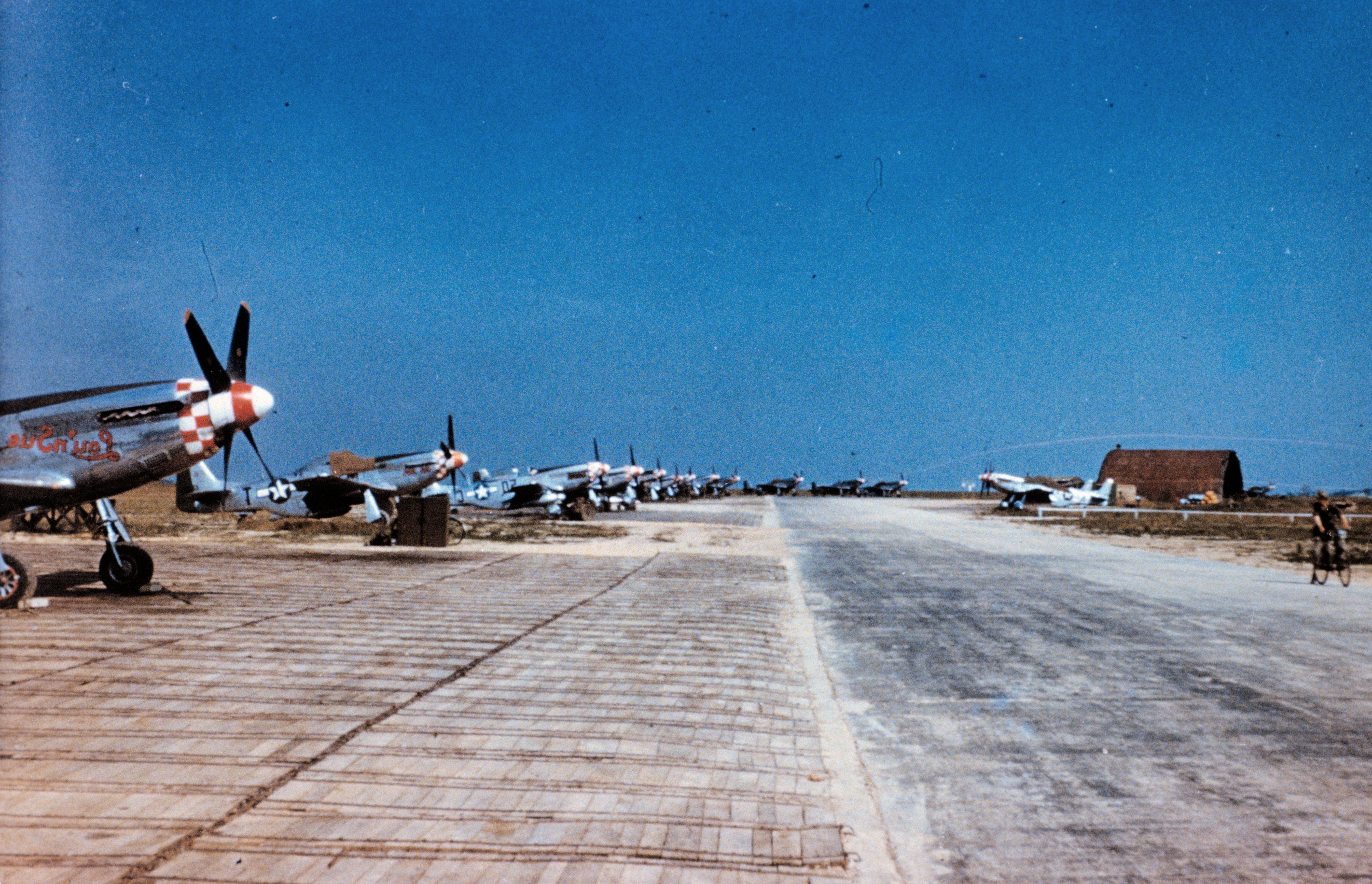
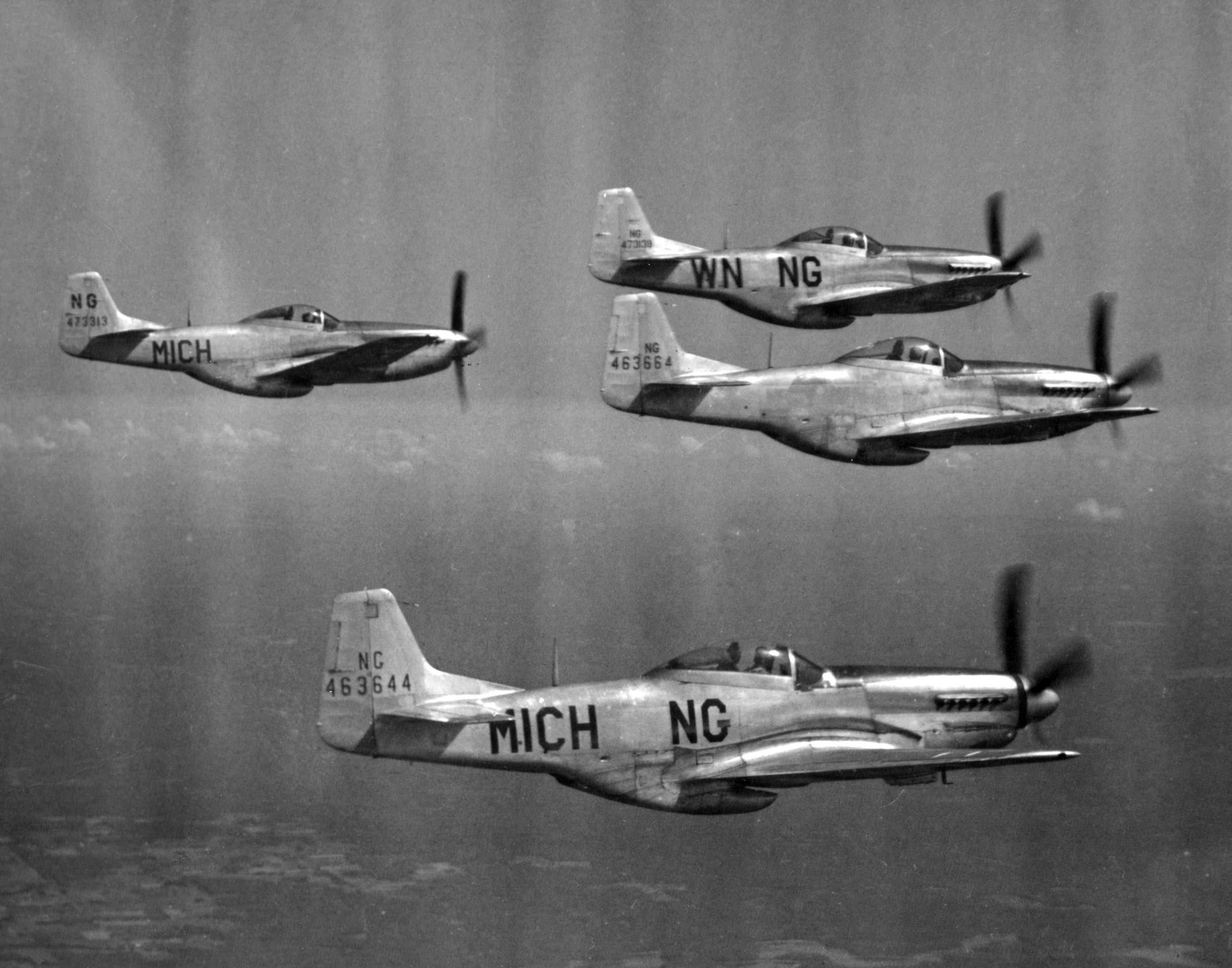
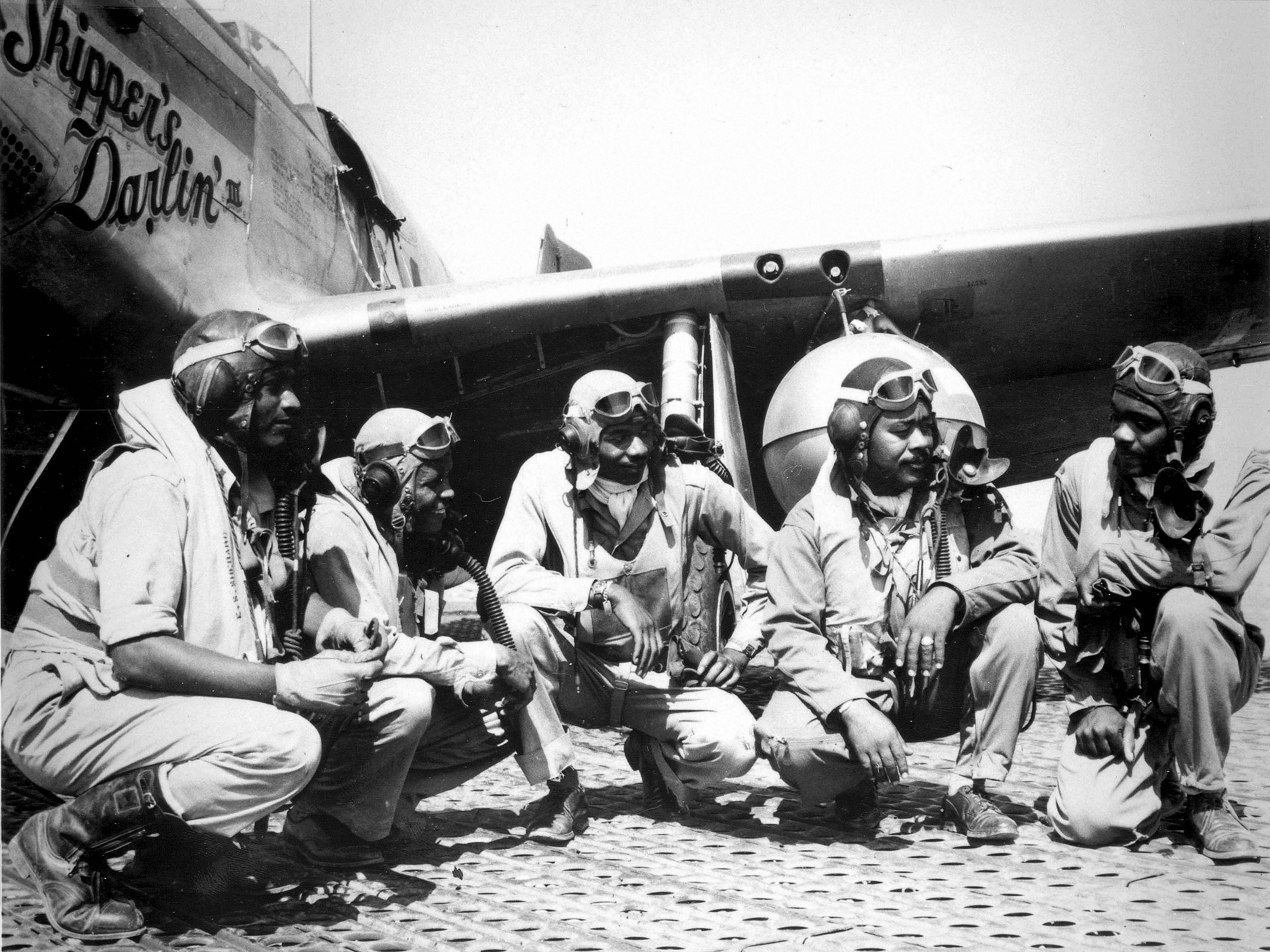
The North American P-51 Mustang was an American long-range single-seat fighter and fighter-bomber, and it began as the answer to a request for something else entirely. In 1940 the British Purchasing Commission approached North American…
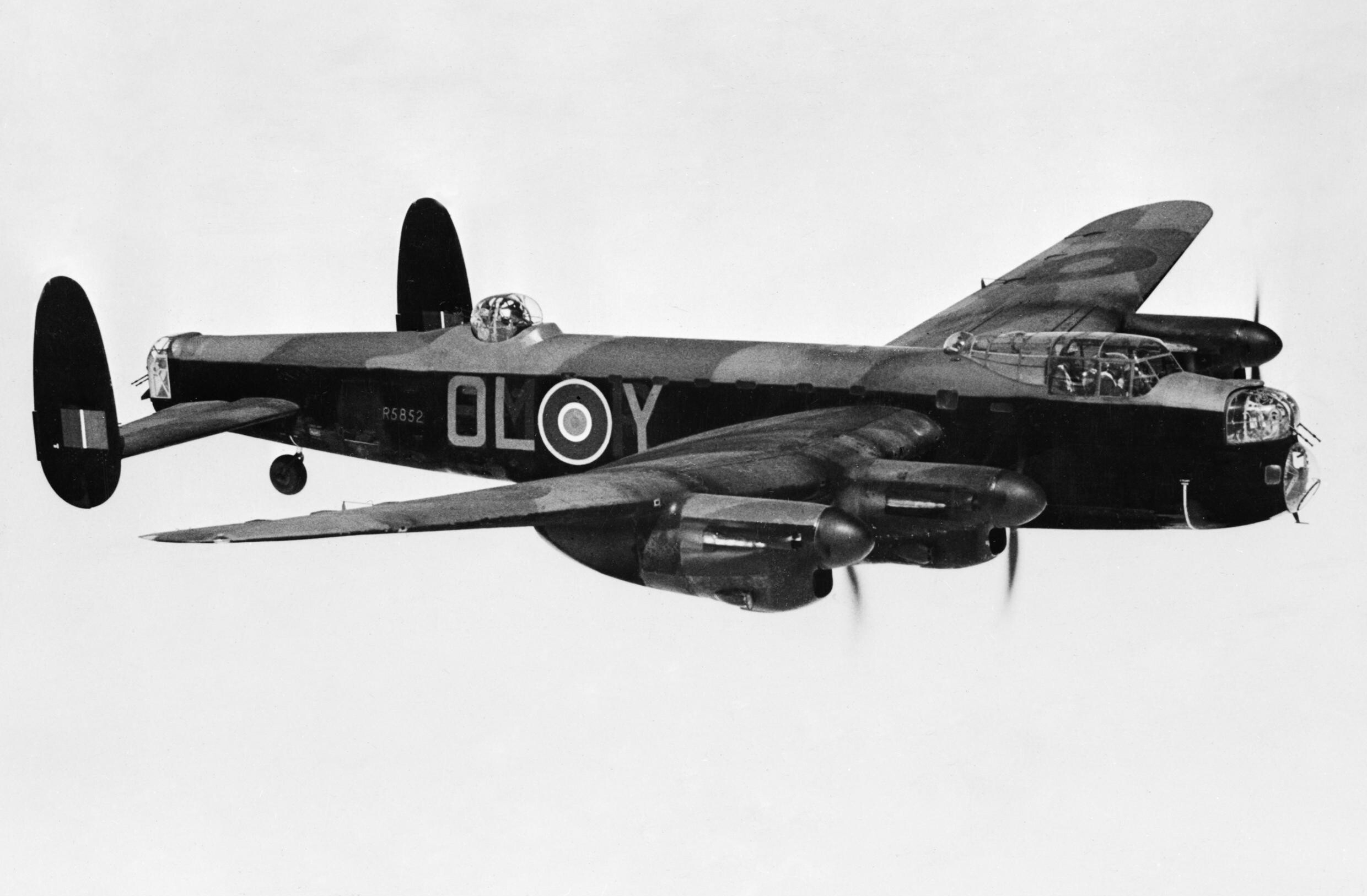
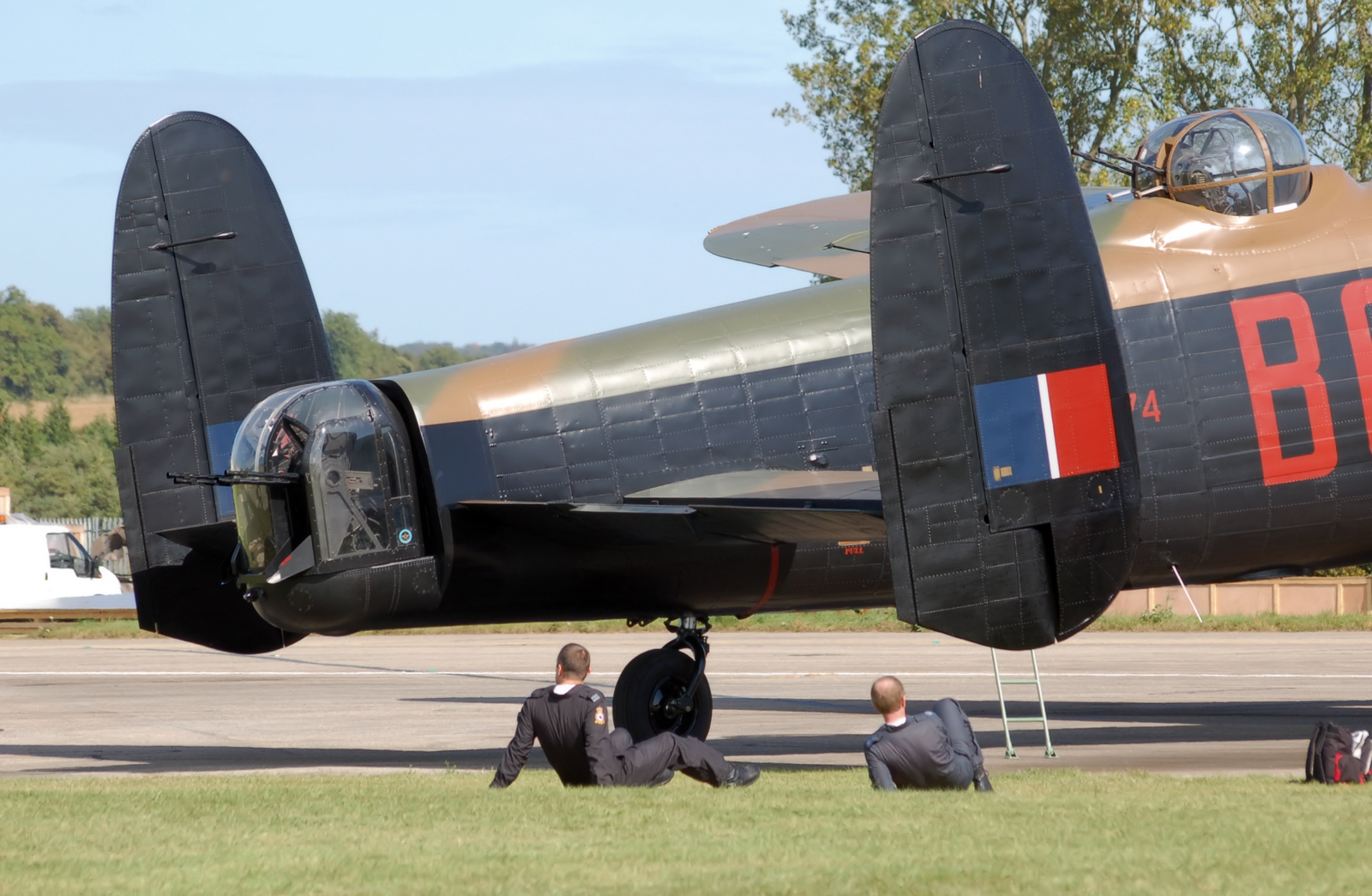
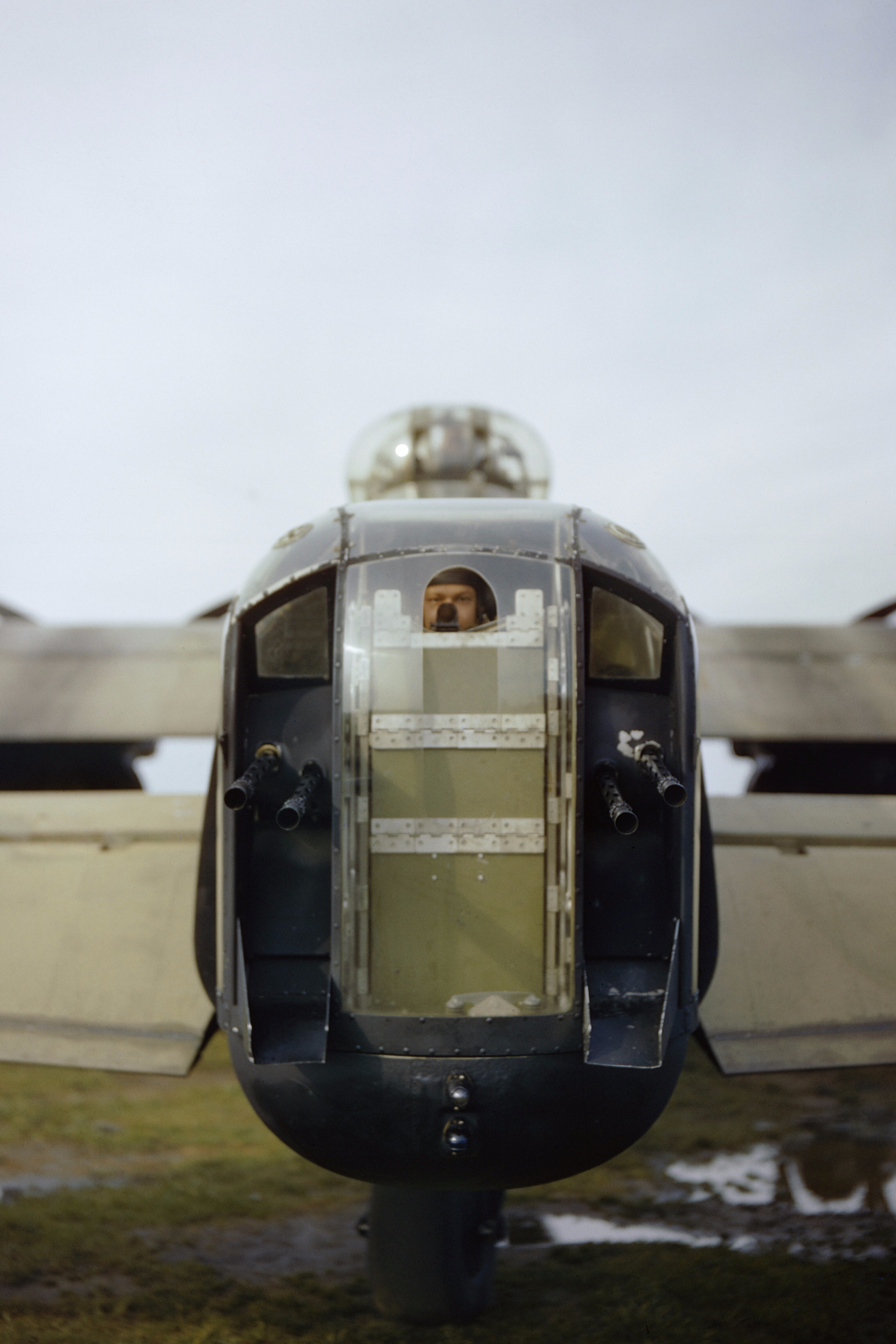
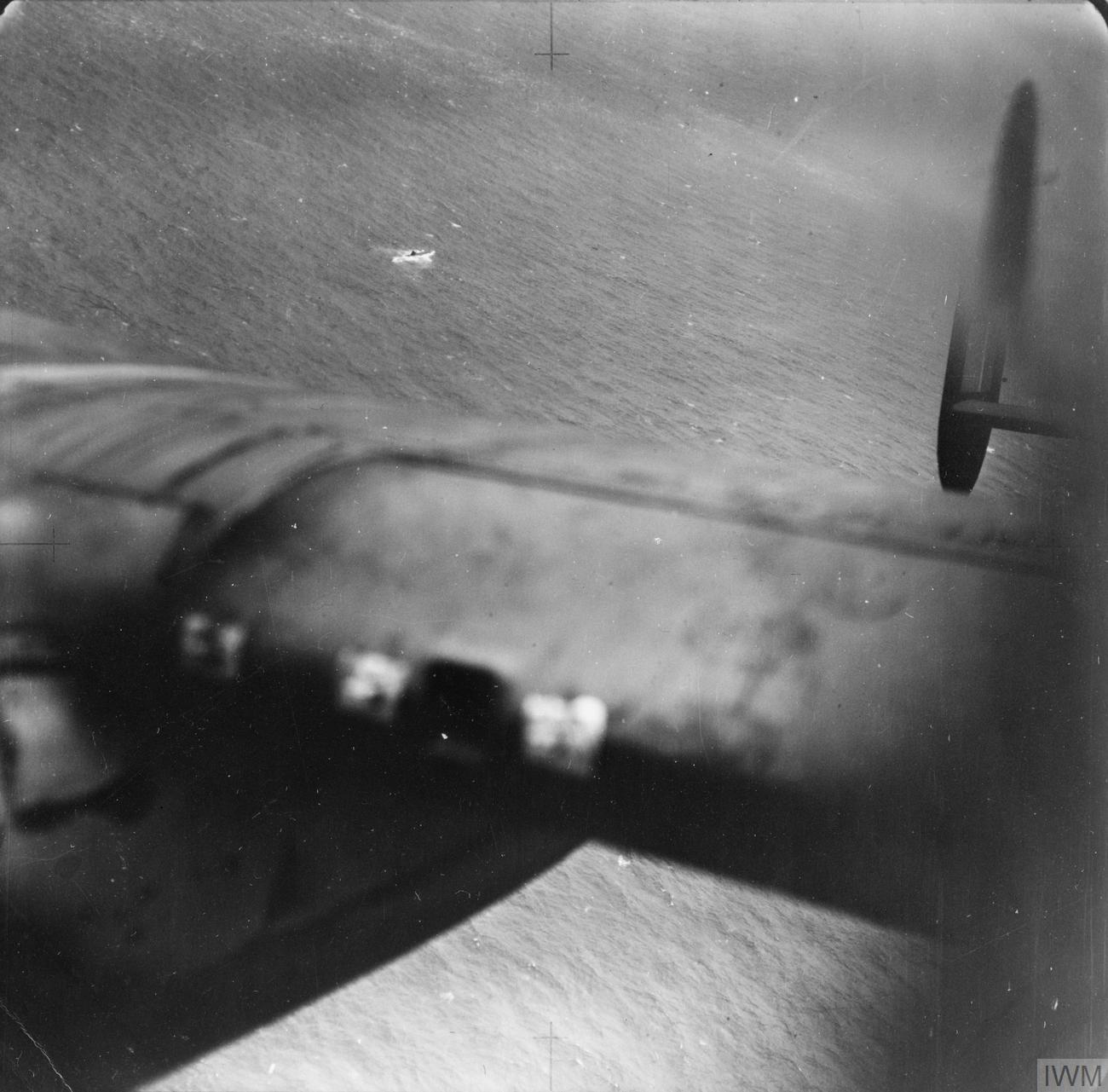
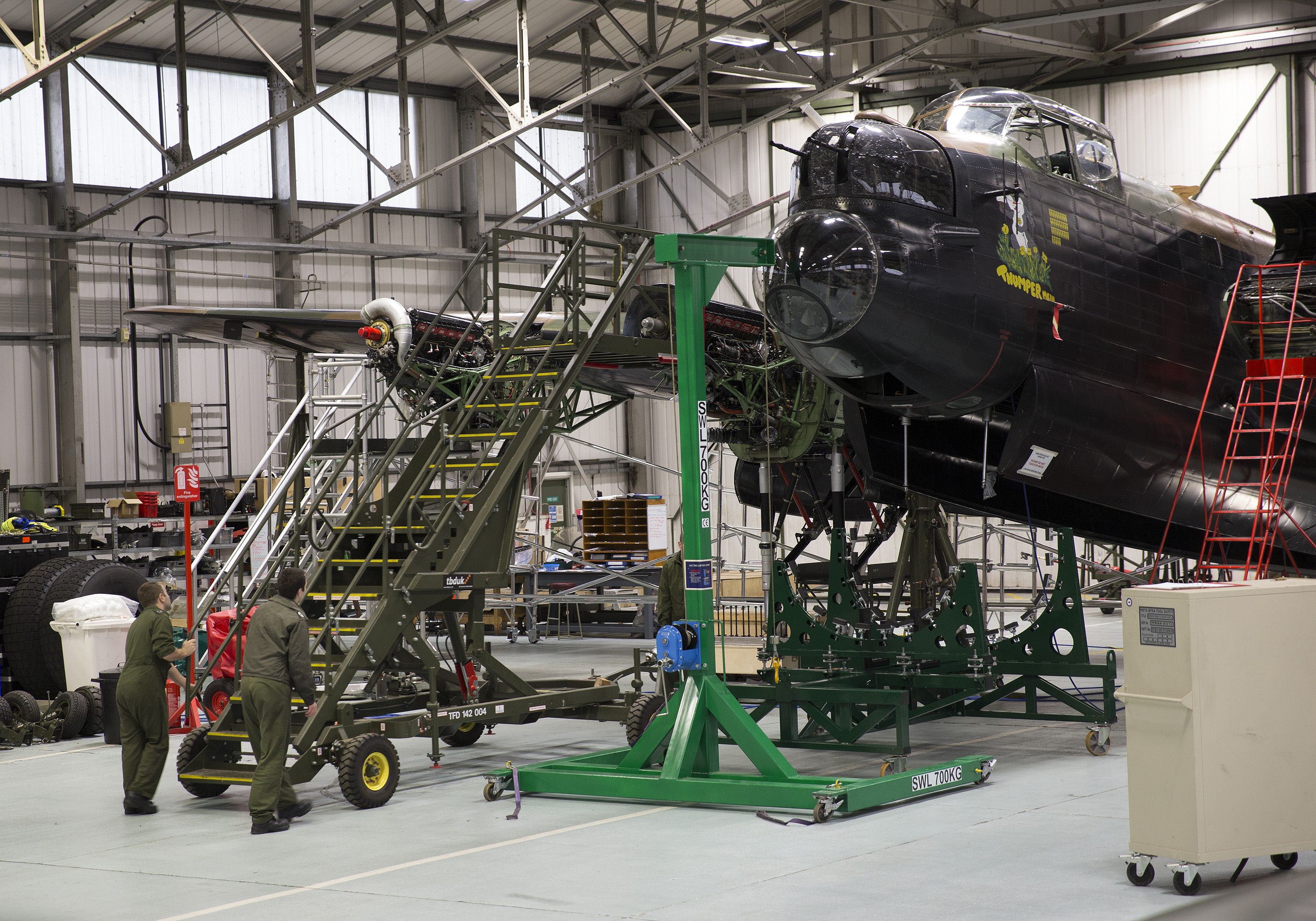
The Avro Lancaster was the four-engined heavy bomber with which RAF Bomber Command sustained its night offensive over Germany from 1942 until the end of the Second World War. It first flew on 9 January 1941 and 7,377 were built across ten…
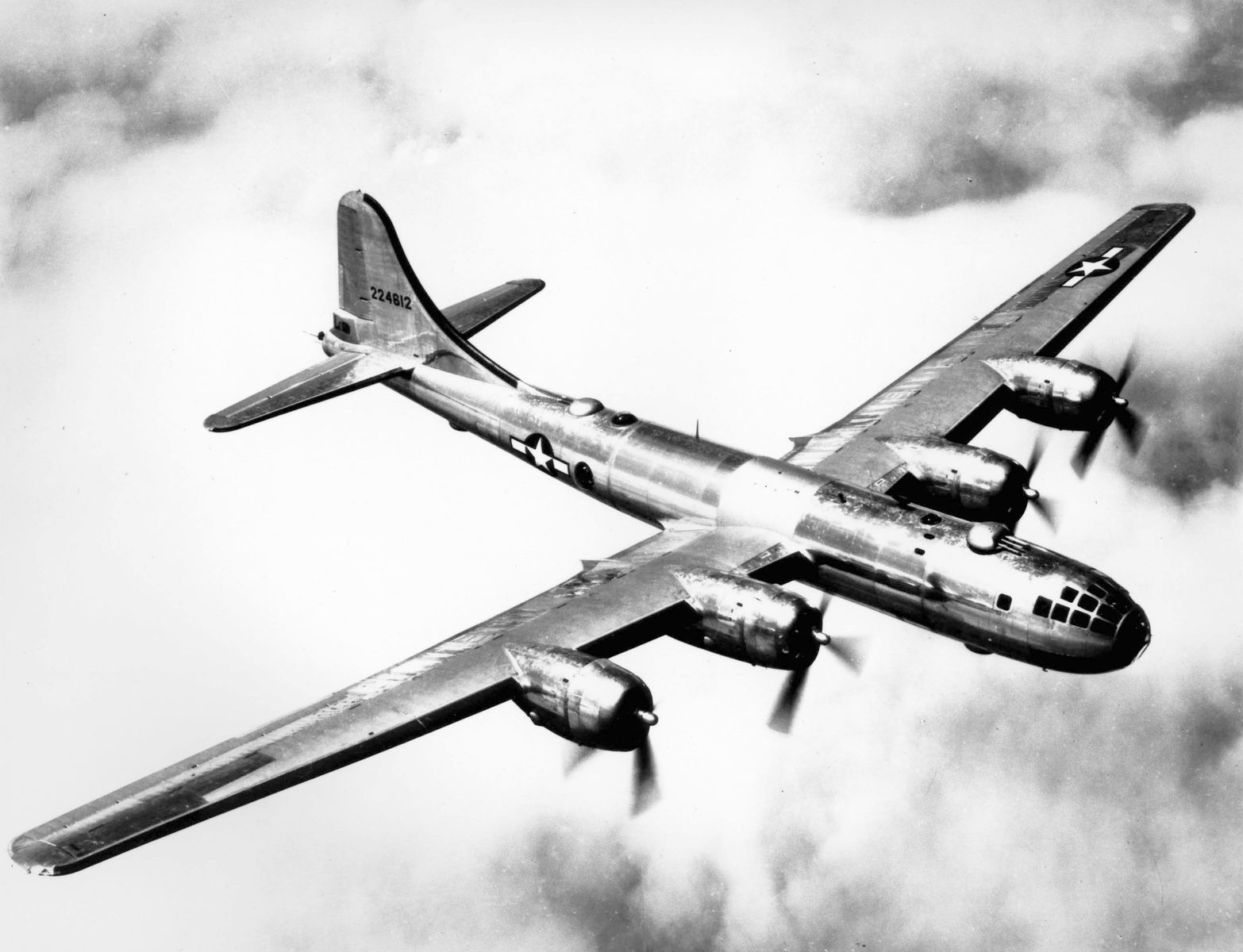
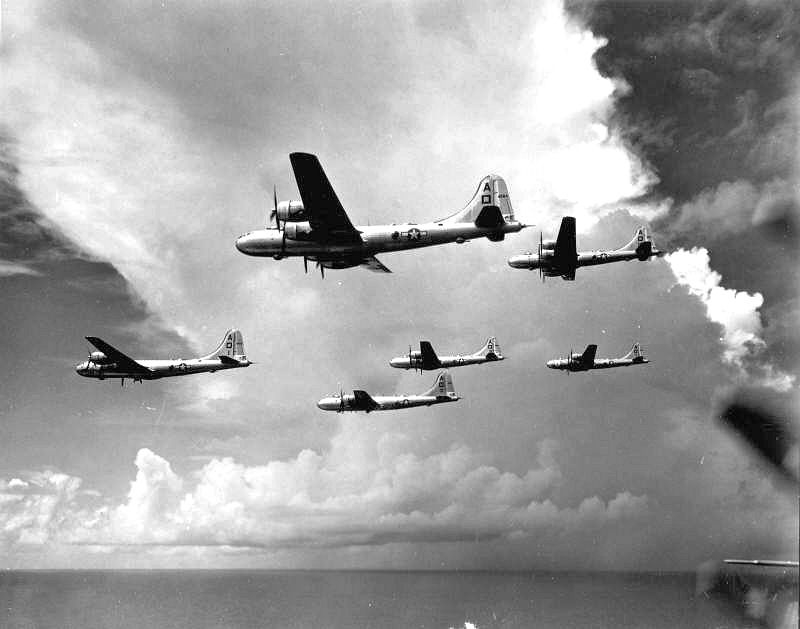
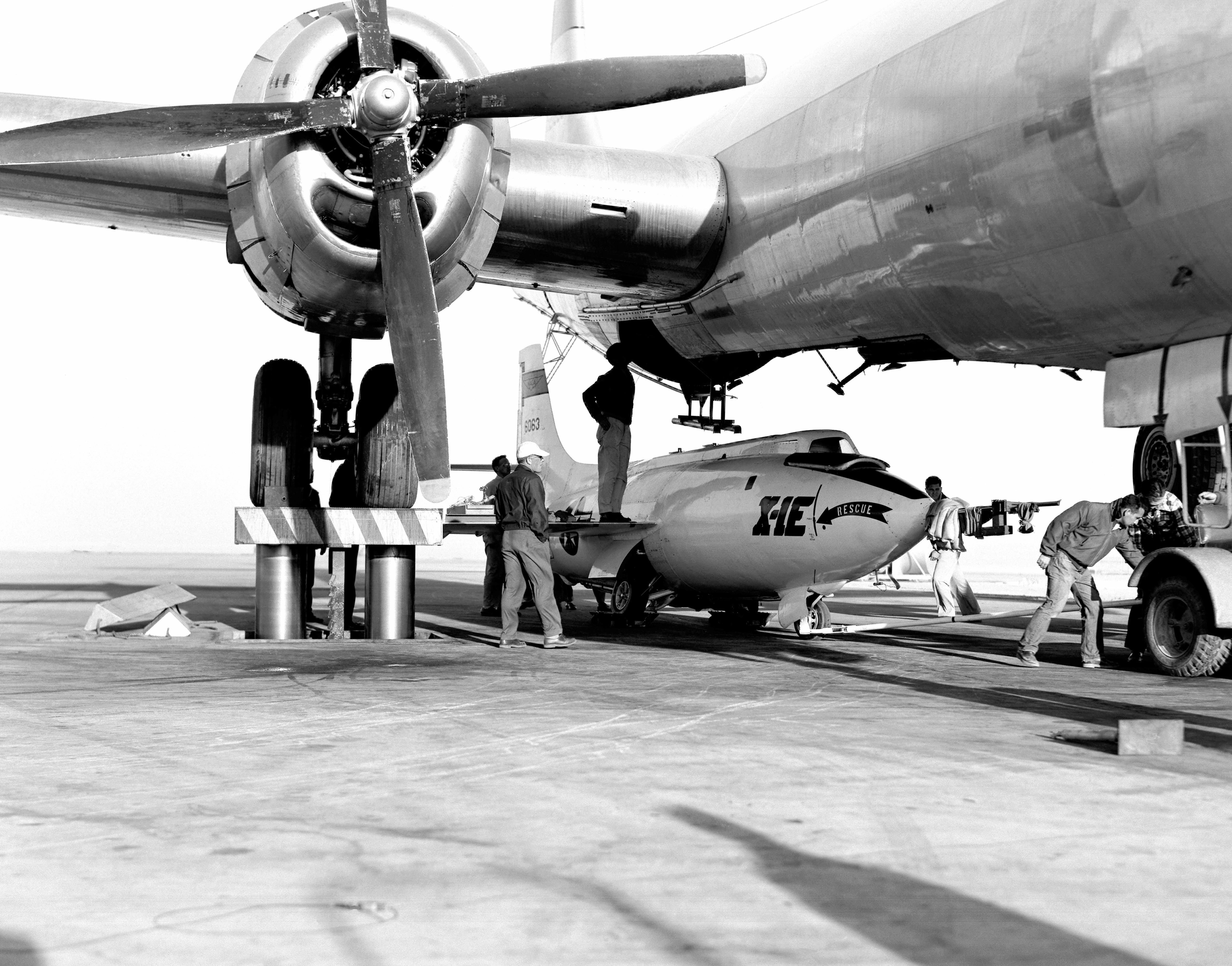
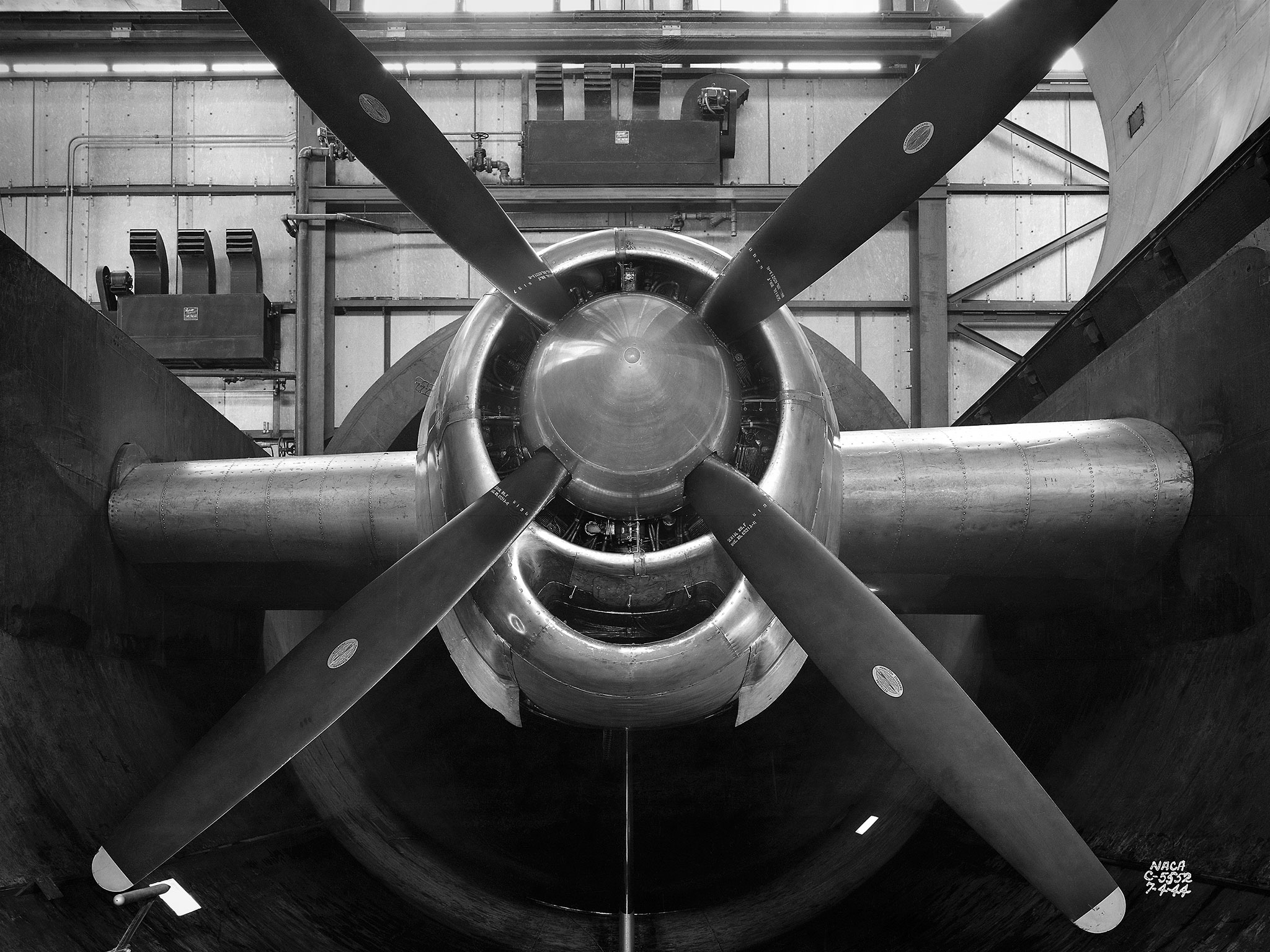
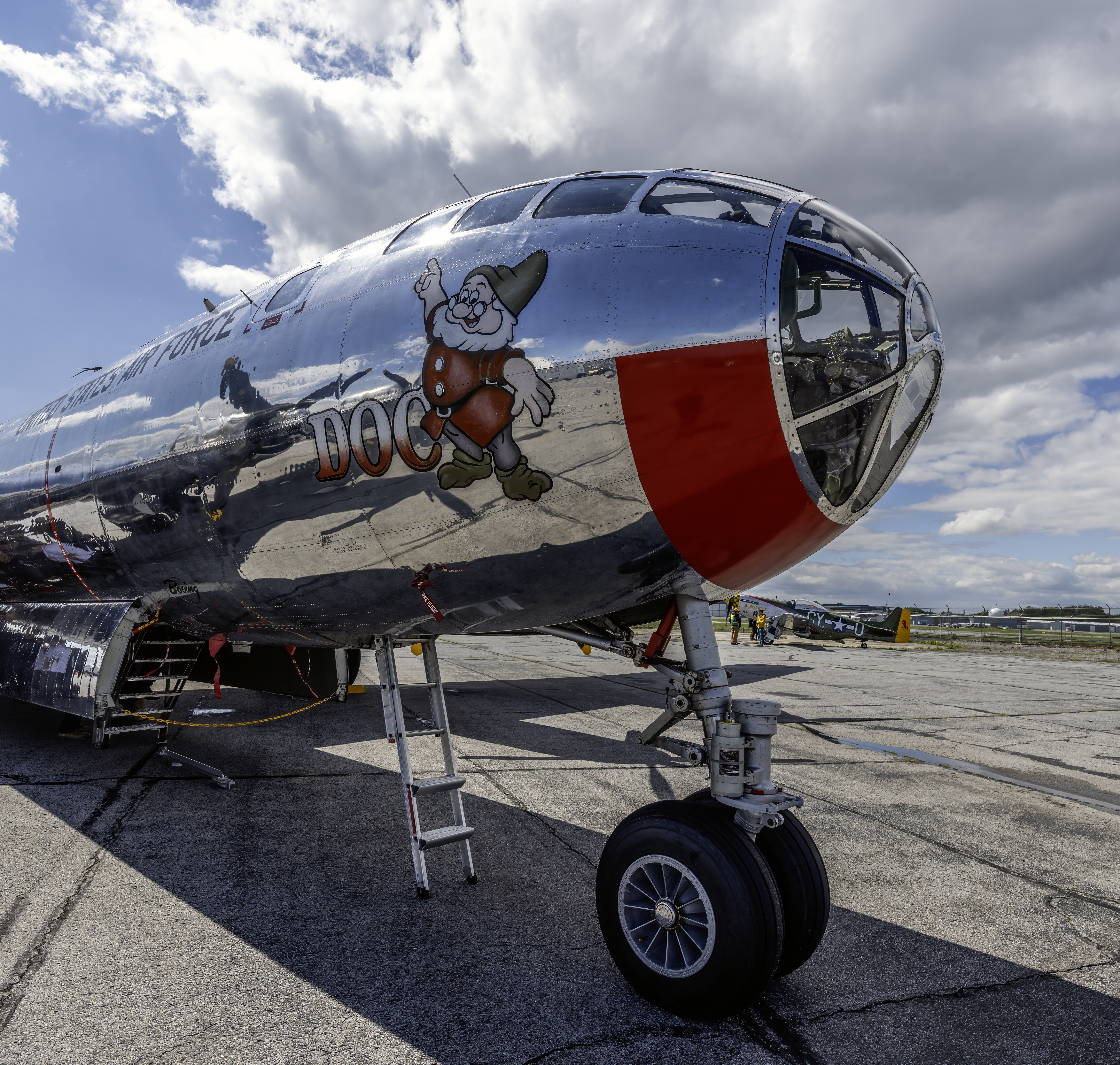
The Boeing B-29 Superfortress was the four-engined heavy bomber with which the United States carried the strategic air offensive to the Japanese home islands, and the most advanced aircraft to see combat in the Second World War. Its name…
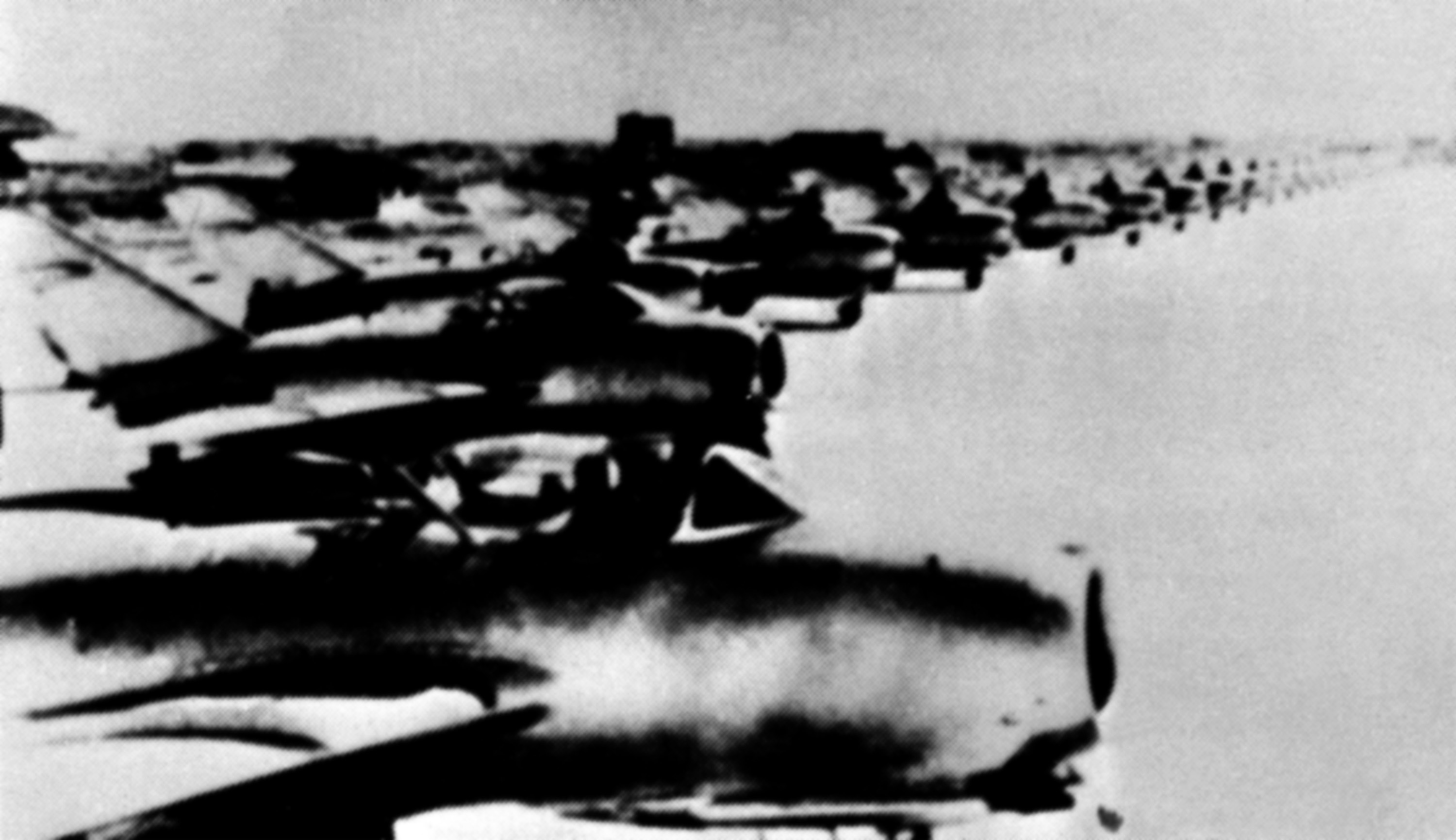
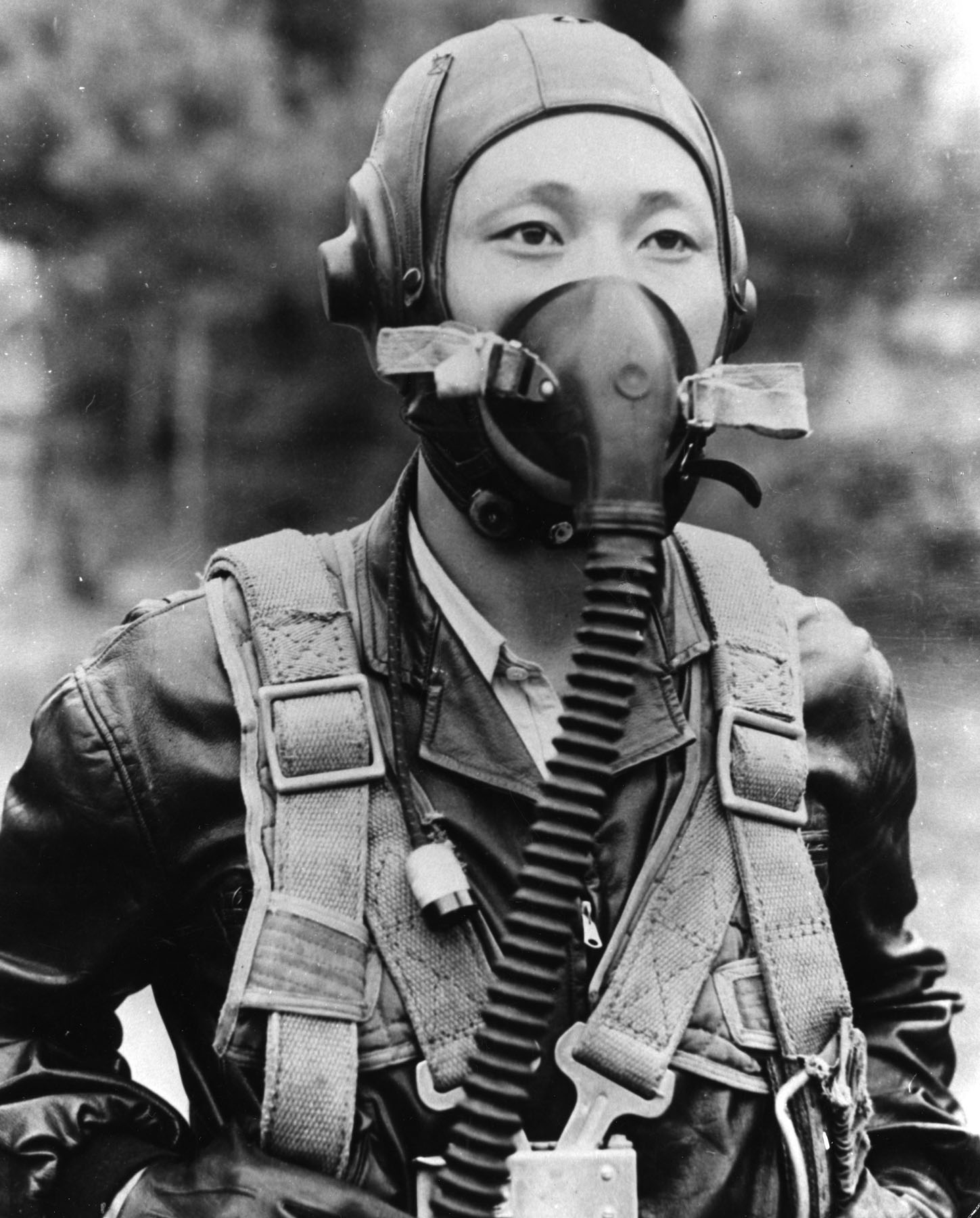
The Mikoyan-Gurevich MiG-15 (NATO reporting name "Fagot") was the first mass-produced Soviet swept-wing jet fighter, and with it the Soviet Union drew level with Western combat aviation almost overnight. The I-310 "S-01" prototype — a…
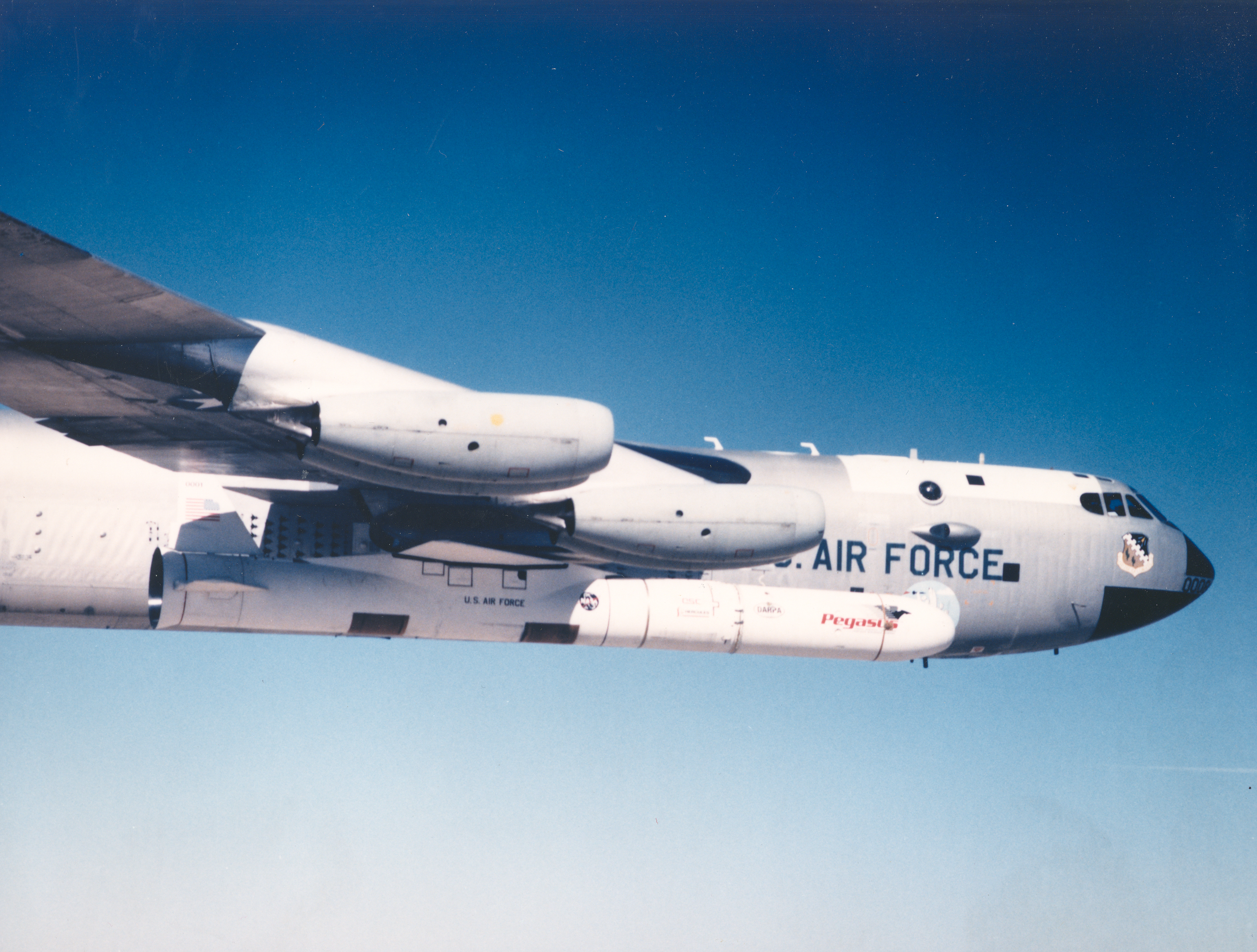
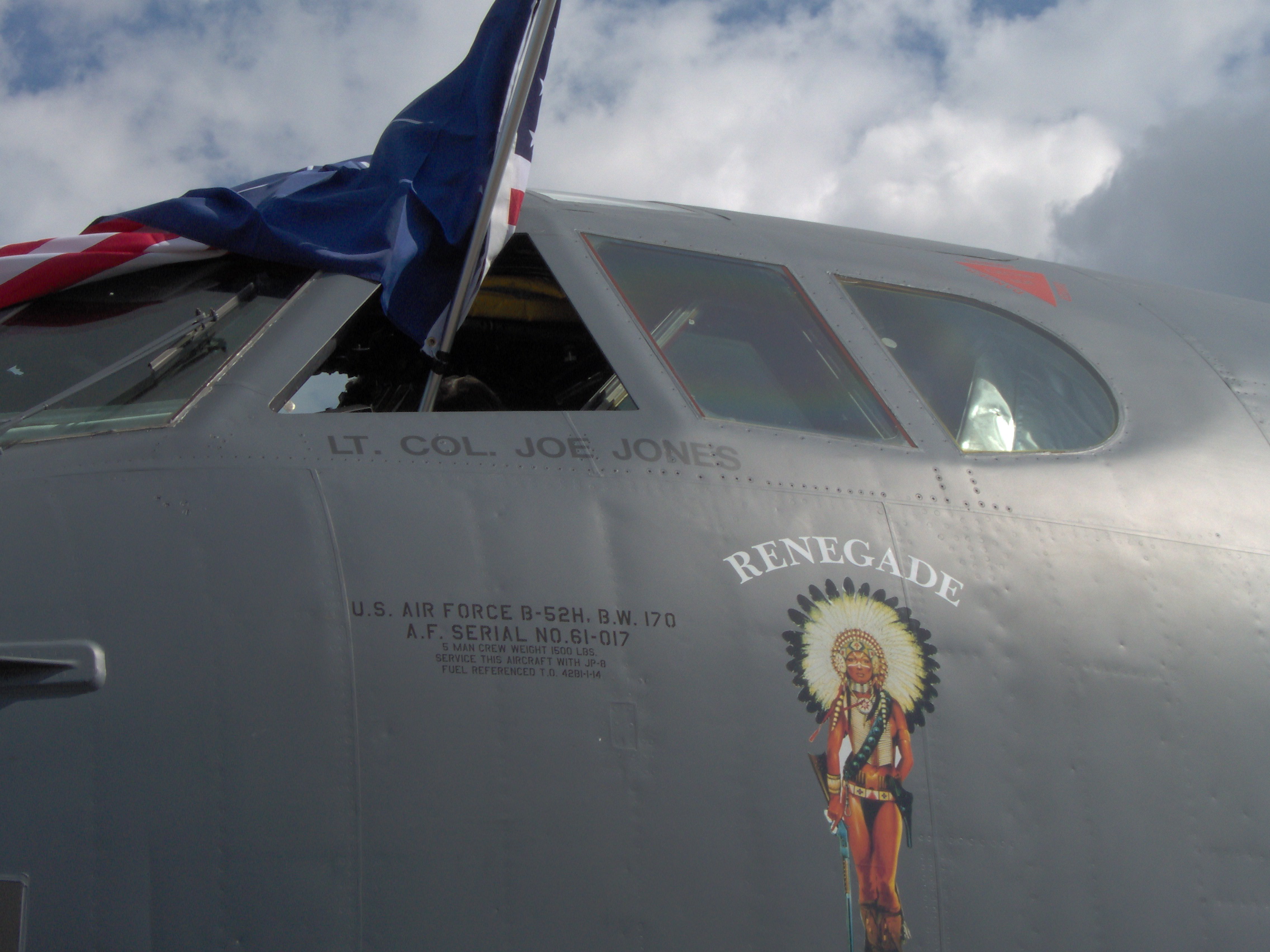
The Boeing B-52 Stratofortress is a subsonic, eight-engined heavy strategic bomber conceived in the early Cold War to deliver nuclear weapons anywhere on the globe without relying on intermediate bases. It has flown with the United States…
The Tupolev Tu-95 — "Bear" in NATO parlance — is a Soviet four-turboprop heavy strategic bomber, conceived to reach targets in the United States without refuelling and capable of carrying nuclear weapons. It first flew on 12 November 1952,…
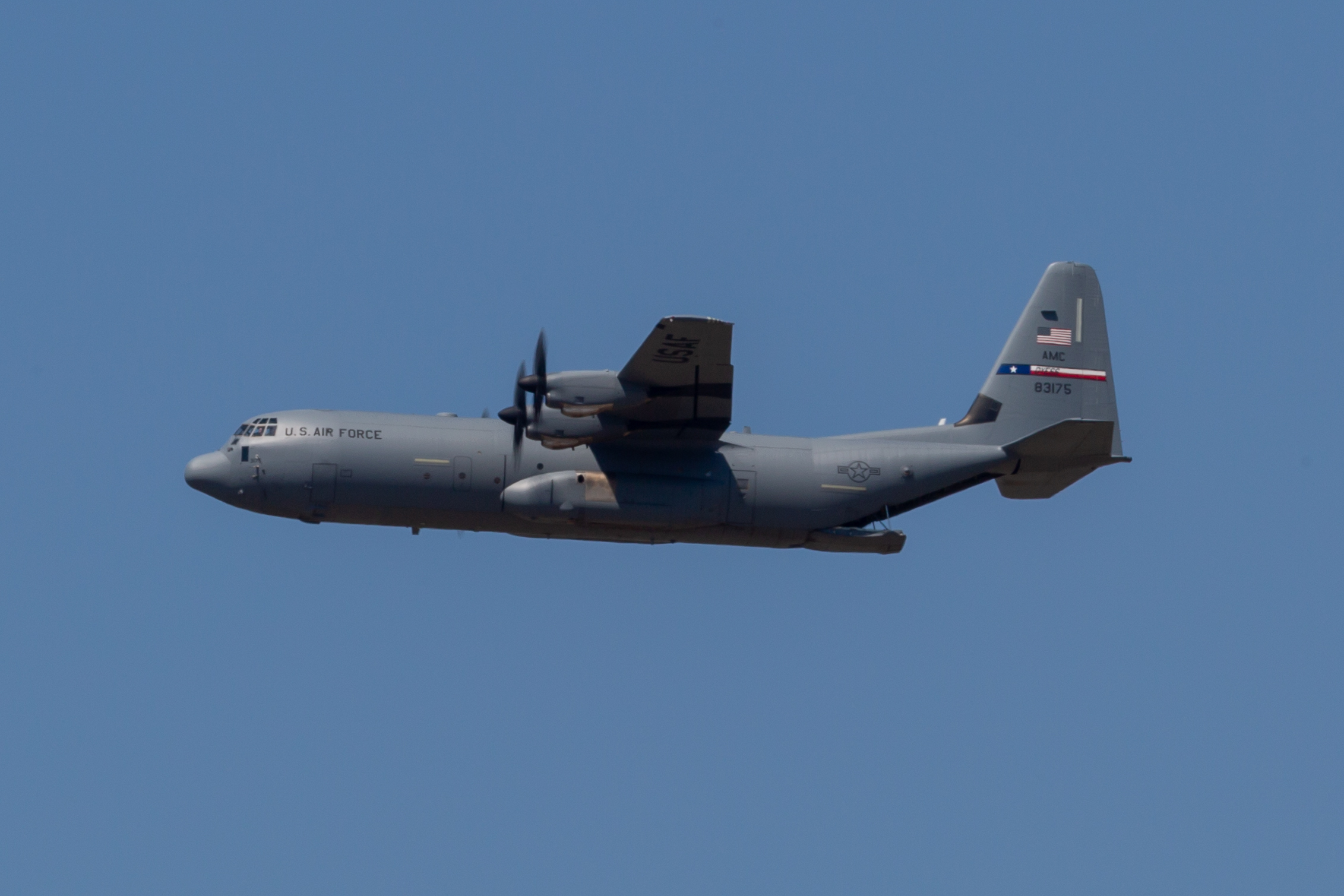
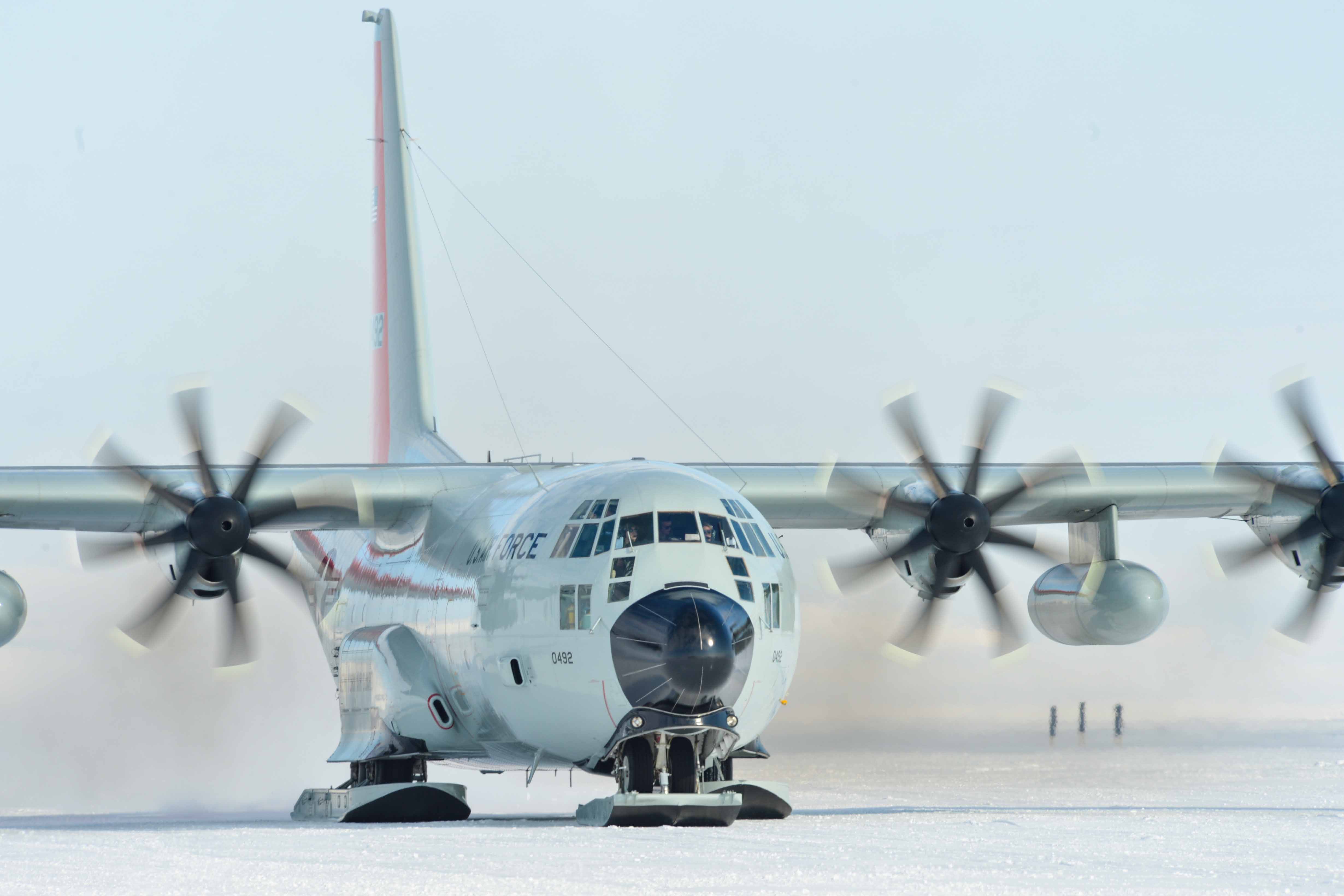
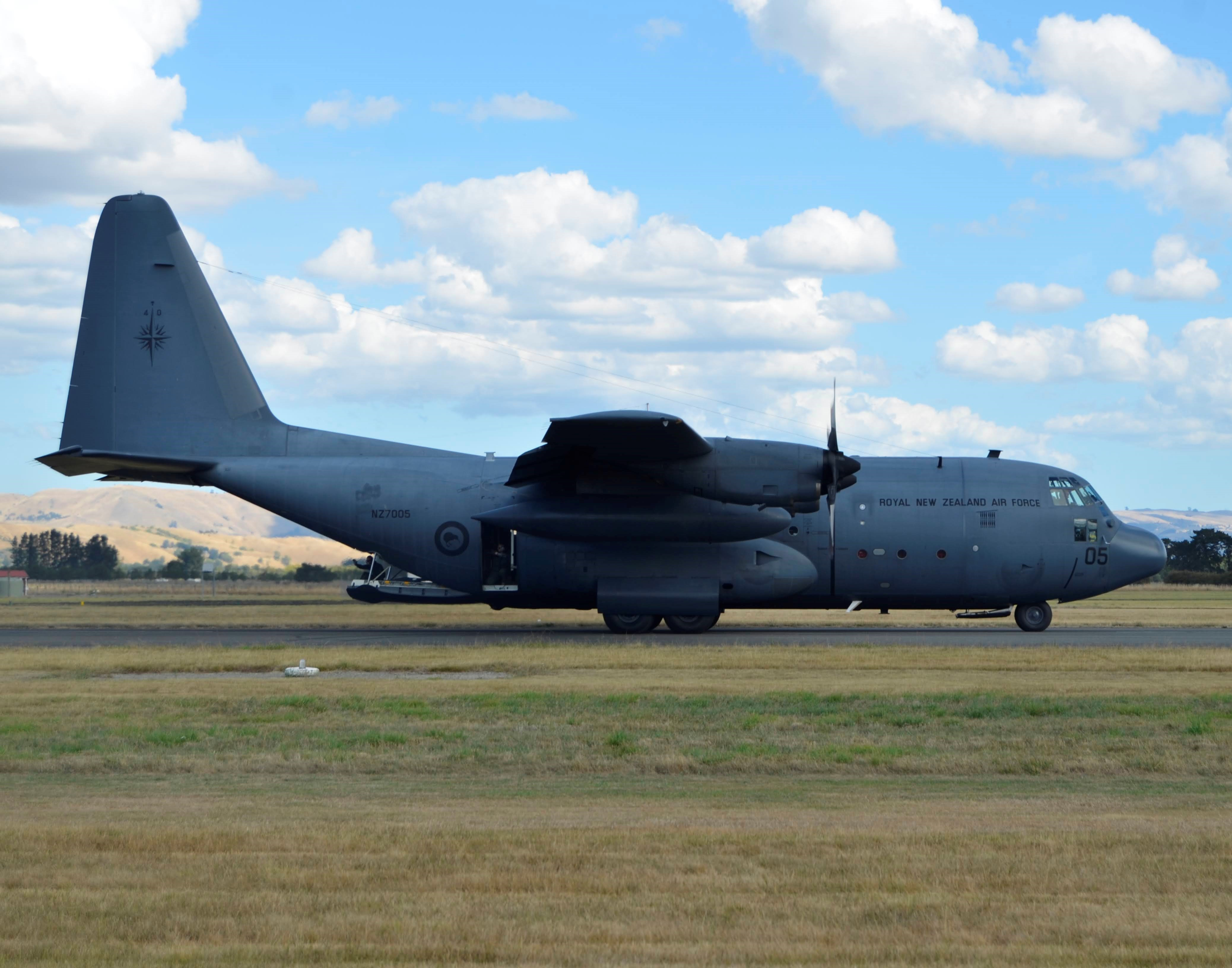
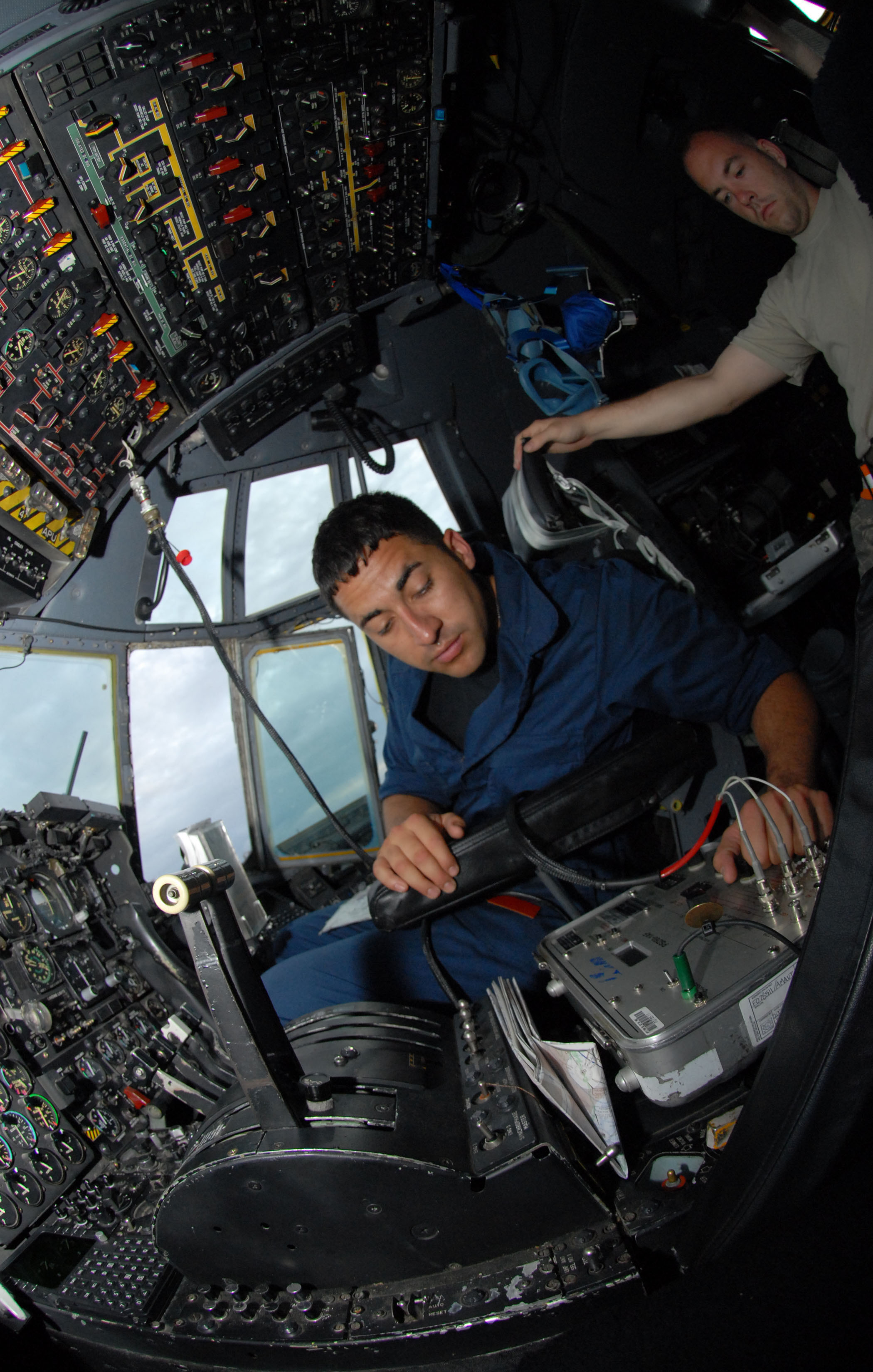
The Lockheed C-130 Hercules is an American four-engined turboprop military transport aircraft, designed and built by Lockheed (now Lockheed Martin), with a high wing and a rear loading ramp. Conceived to carry troops, cargo and casualties…
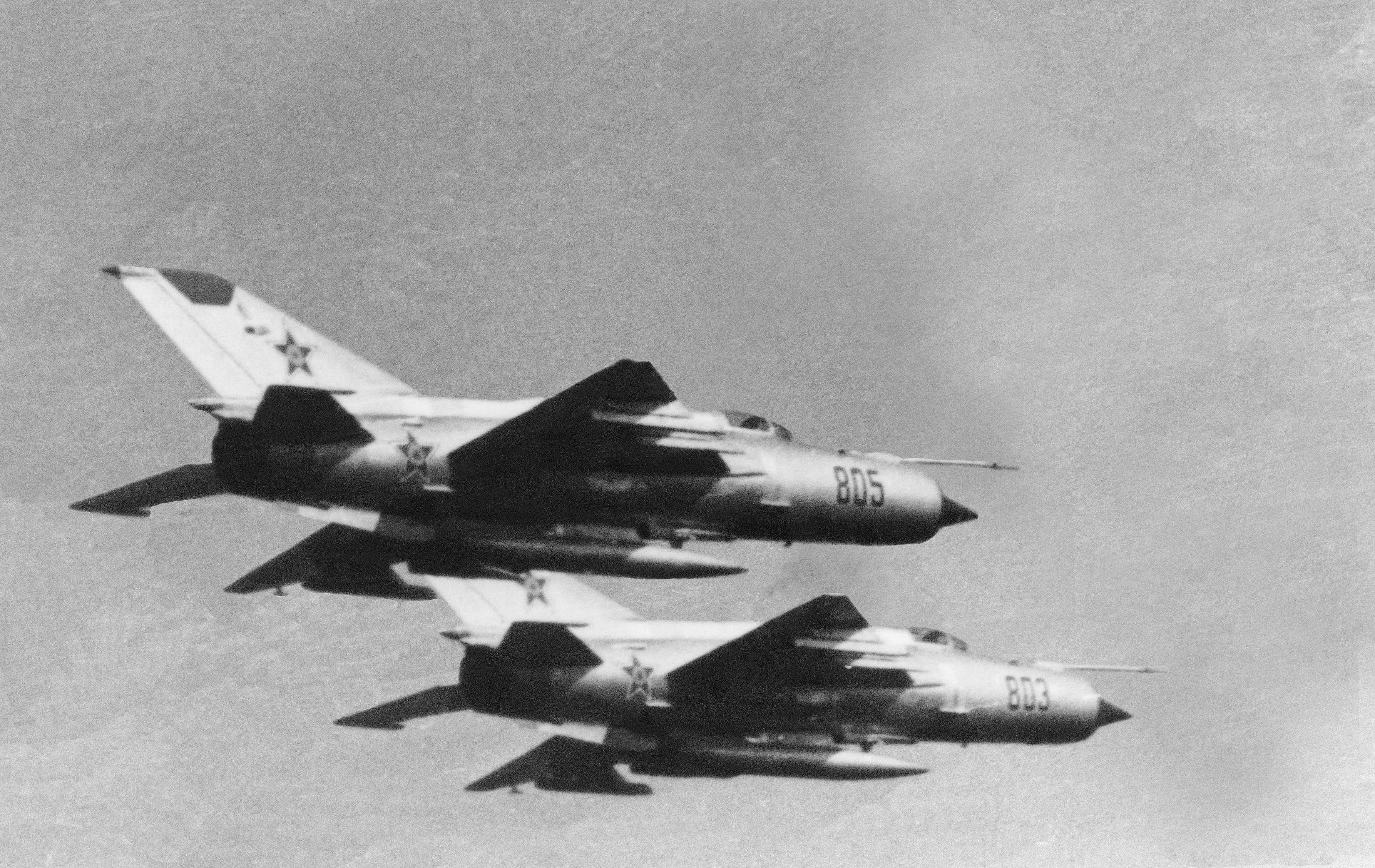
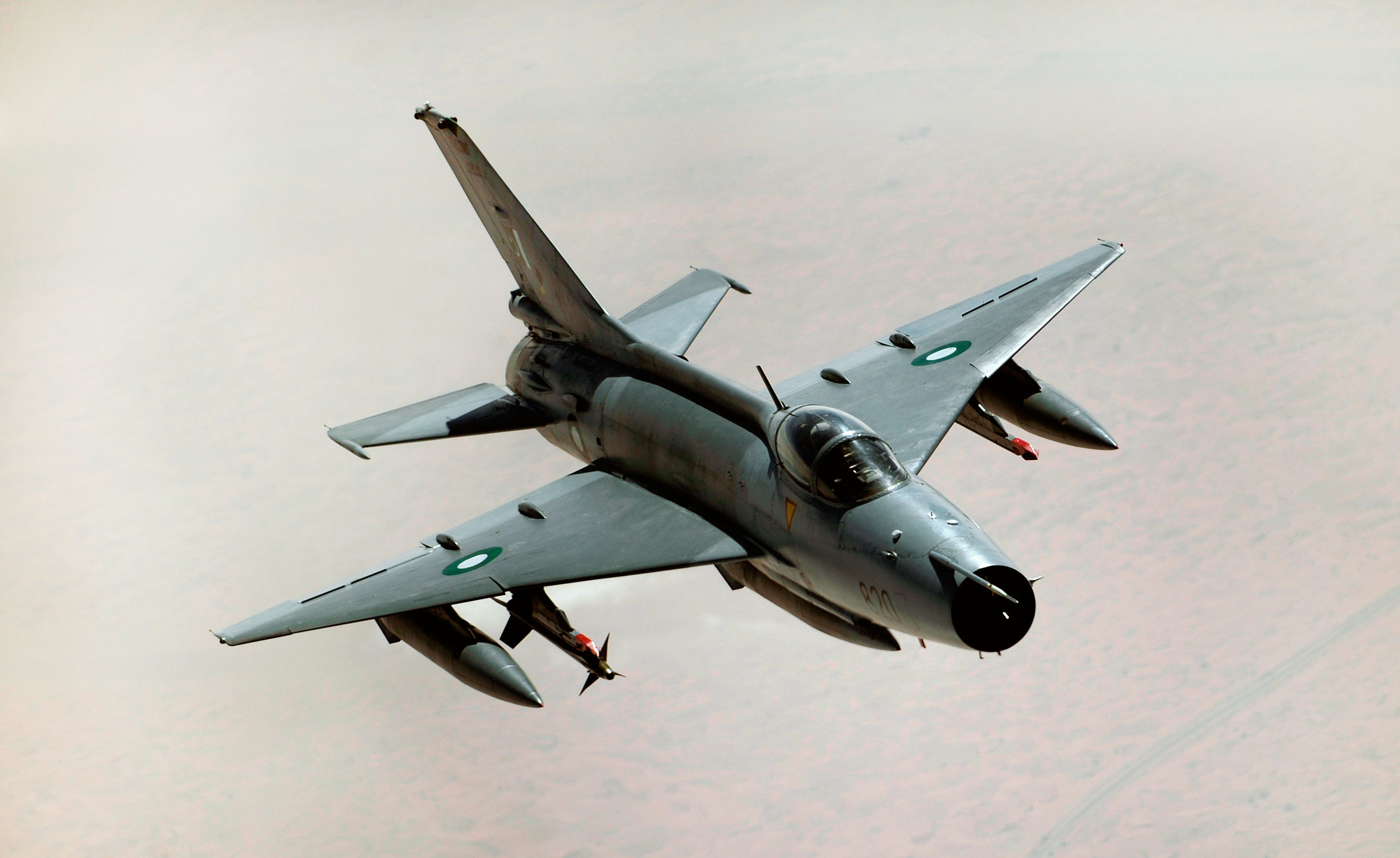
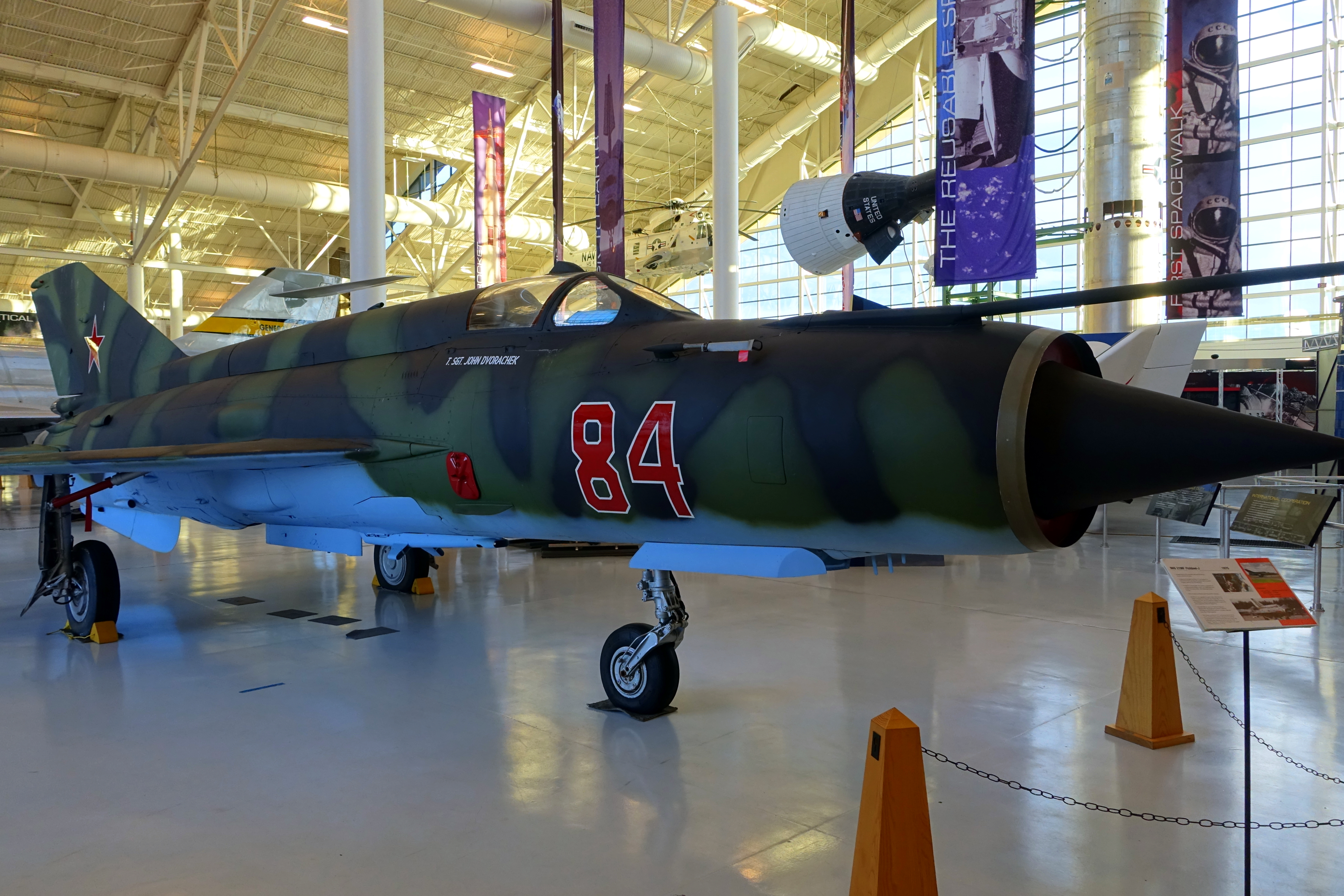
The Mikoyan-Gurevich MiG-21 — NATO reporting name «Fishbed» — is the delta-winged supersonic fighter-interceptor with which the Soviet Union equipped its own fighter arm, and that of much of the world, from 1959 onwards. Aircrews named it…
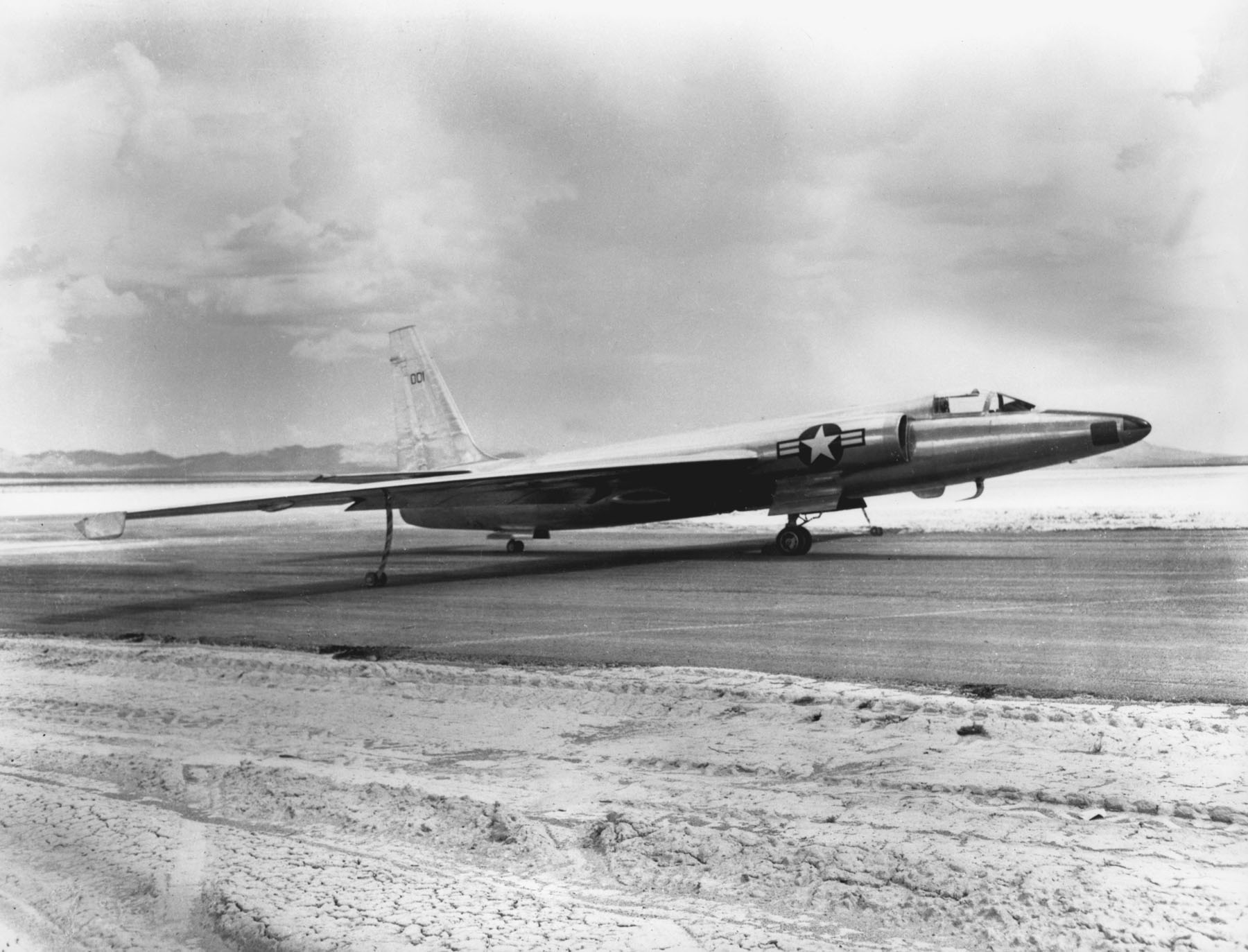
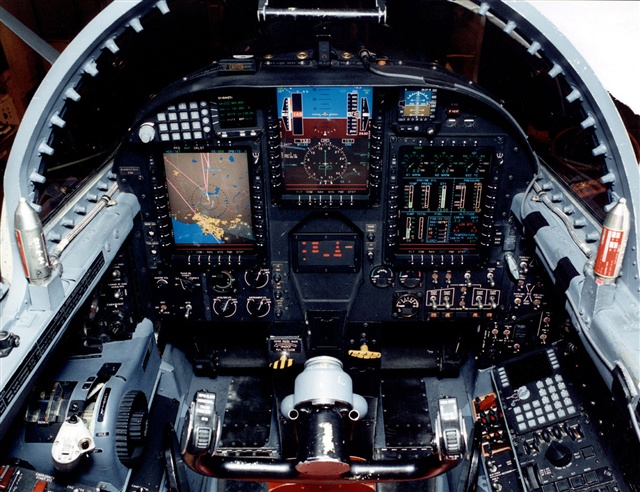
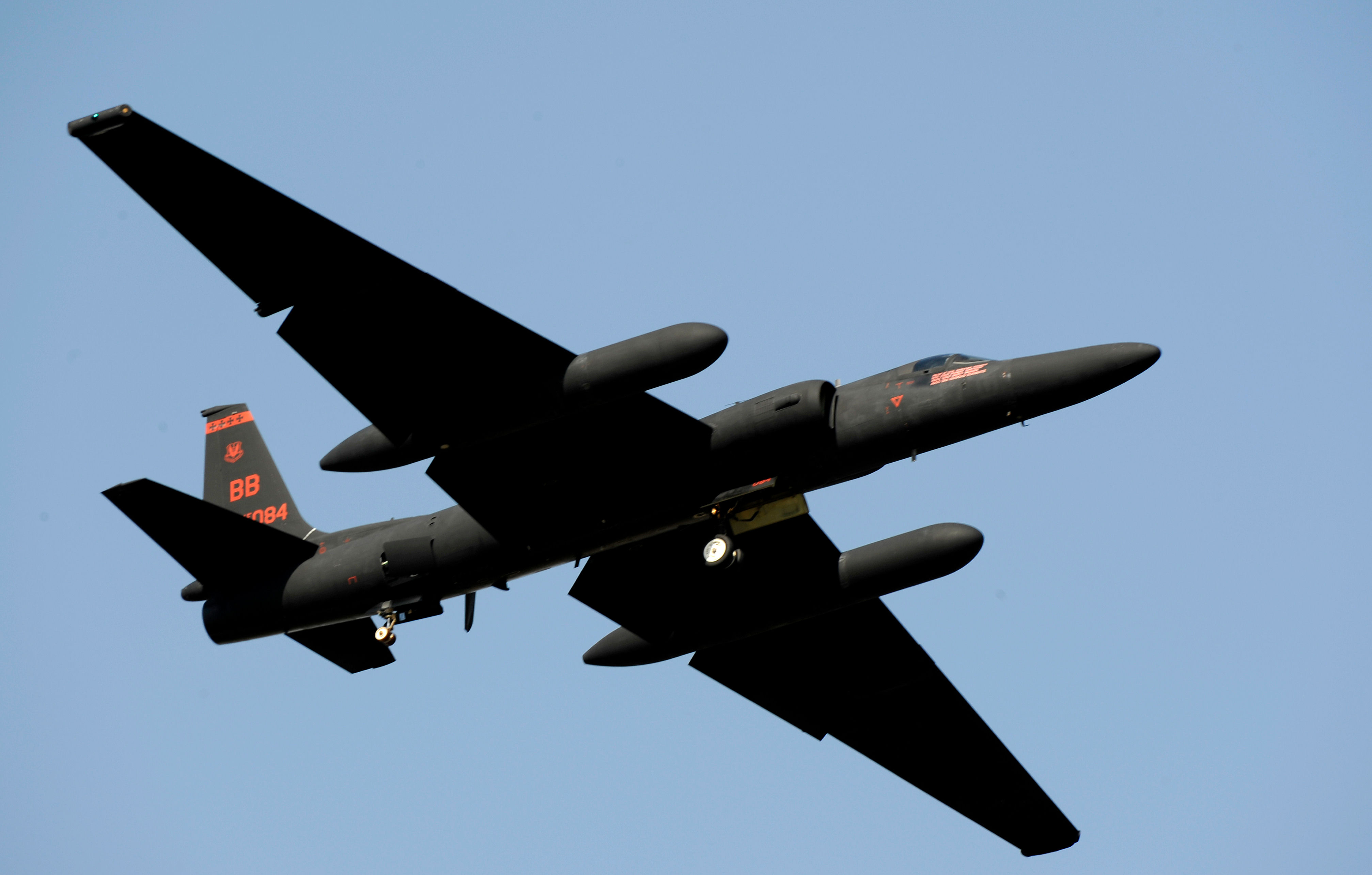
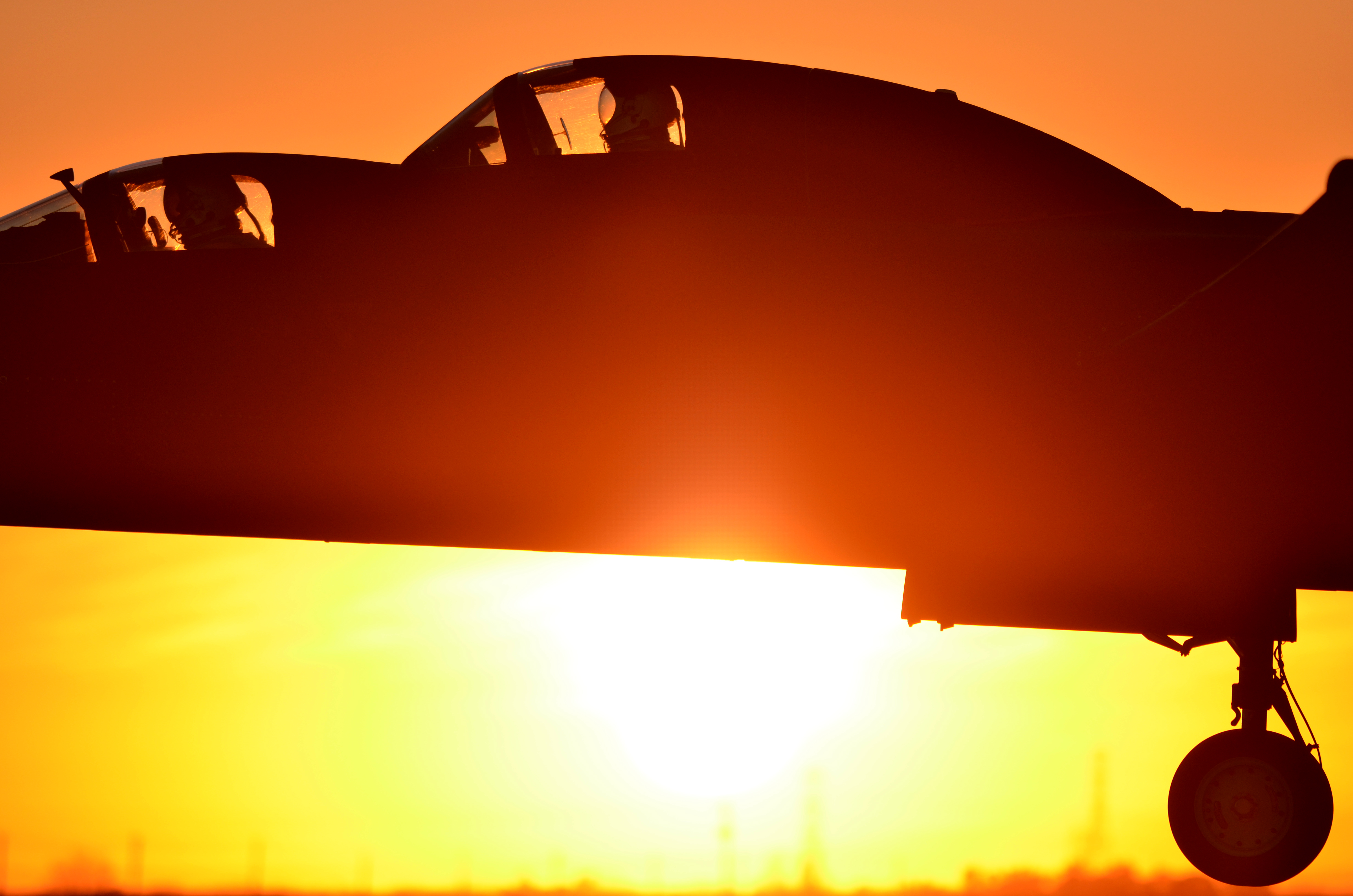
The Lockheed U-2 is a high-altitude strategic reconnaissance aircraft: a single-seater with enormously long, narrow wings, one jet engine and a structure pared down to the lightest airframe its designers could get away with, conceived in…
Another one of my pictures:
This photograph was taken by Medium69 (William Crochot) and released under the license stated below. You are free to use it for any purpose as long as you credit the author (William Crochot), the Source (Wikimedia Commons) and the license (CC-BY-SA 4.0) in close relation to the image.
Please do not upload an updated image here without consultation with the Author. The author would like to make corrections only at his own source RAW. This ensures that the changes are preserved.Please if you think that any changes should be required, please inform the author.Otherwise you can upload a new image with a new name. Please use one of the templates derivative or extract. (CC BY SA), vía commons
Jerry Gunner from Lincoln, UK (CC BY), vía commons
Roland Turner from Birmingham, Great Britain (CC BY SA), vía commons
Alan Wilson from Peterborough, Cambs, UK (CC BY SA), vía commons
Jerry Gunner from Lincoln, UK (CC BY), vía commons
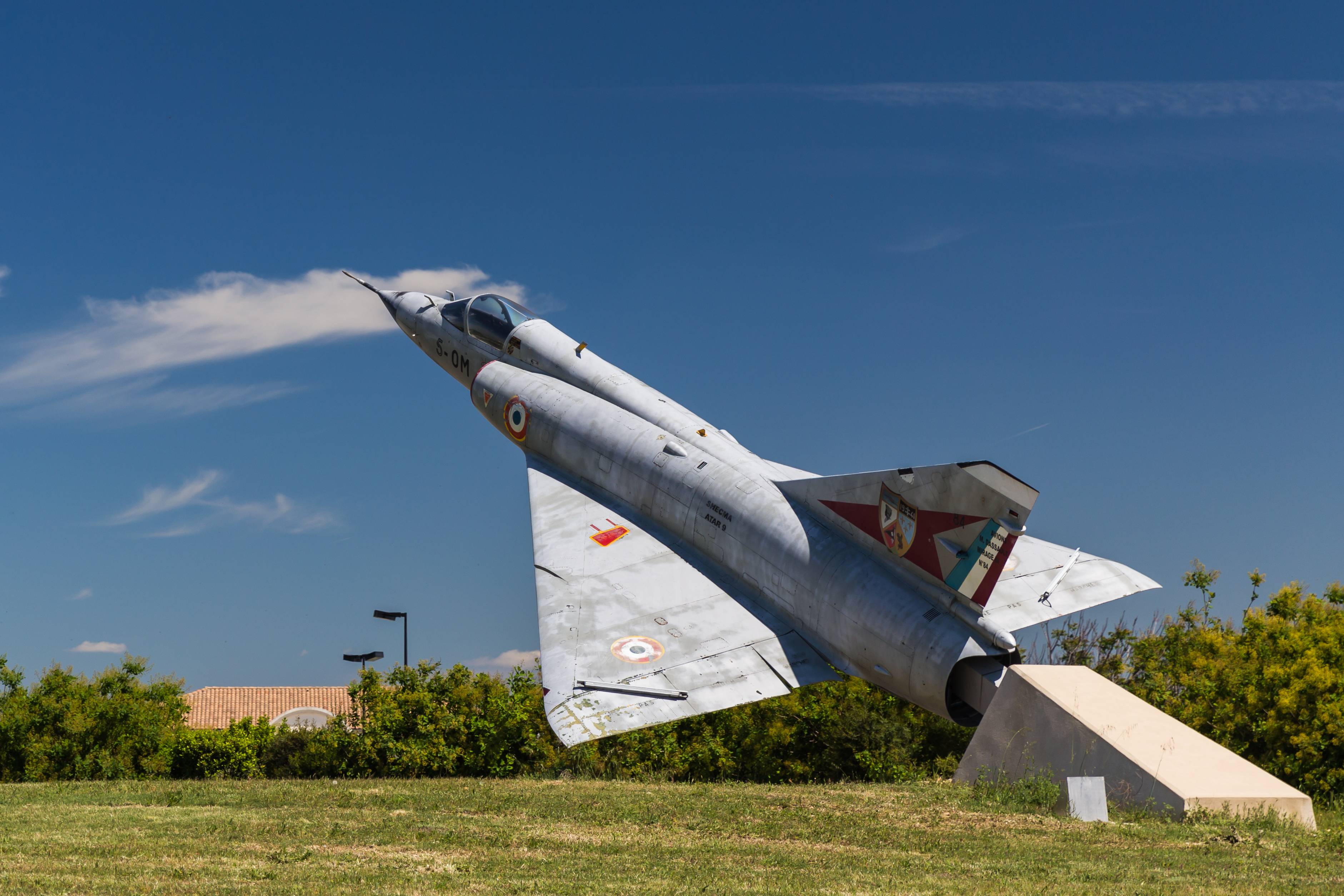
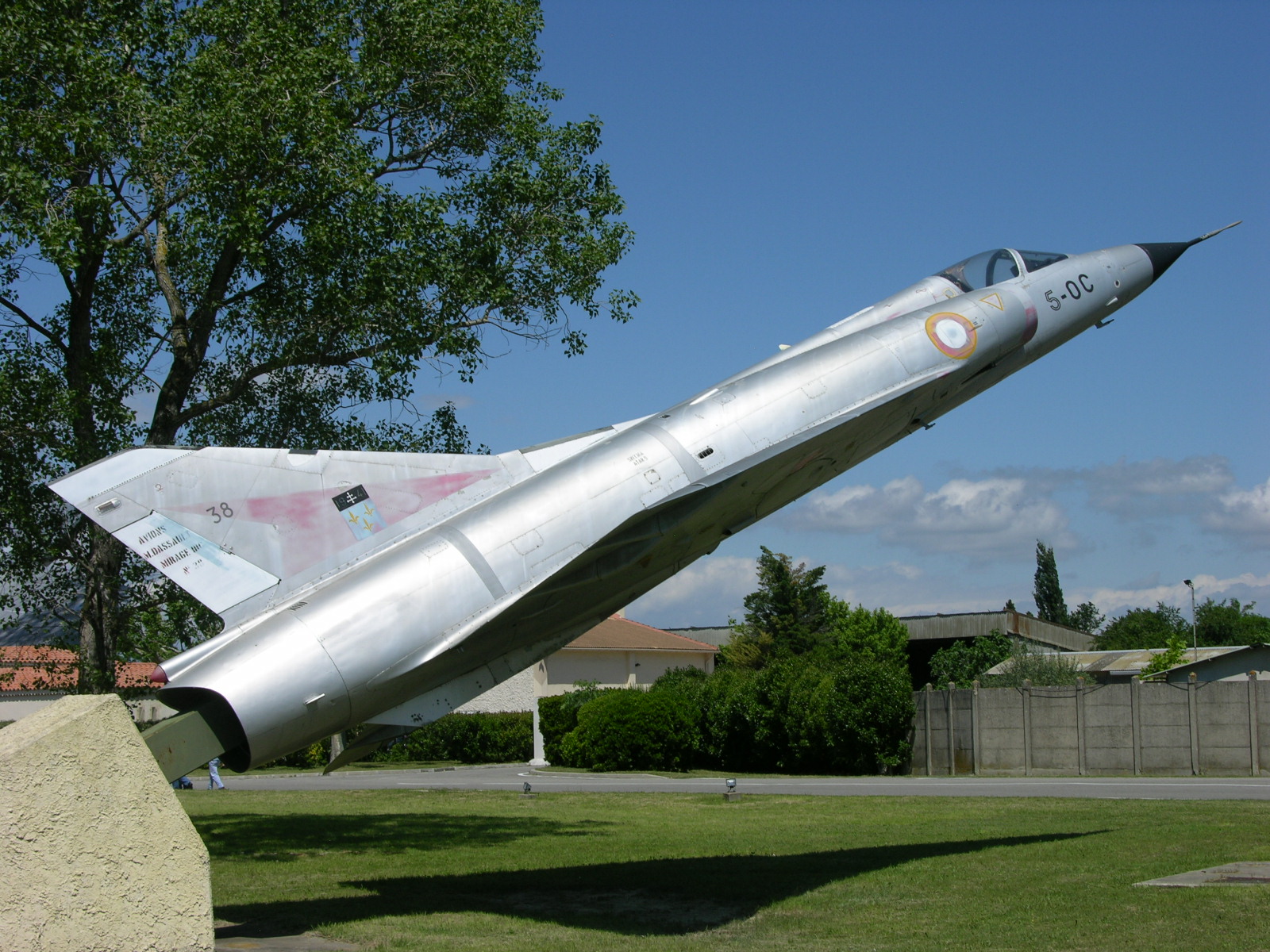
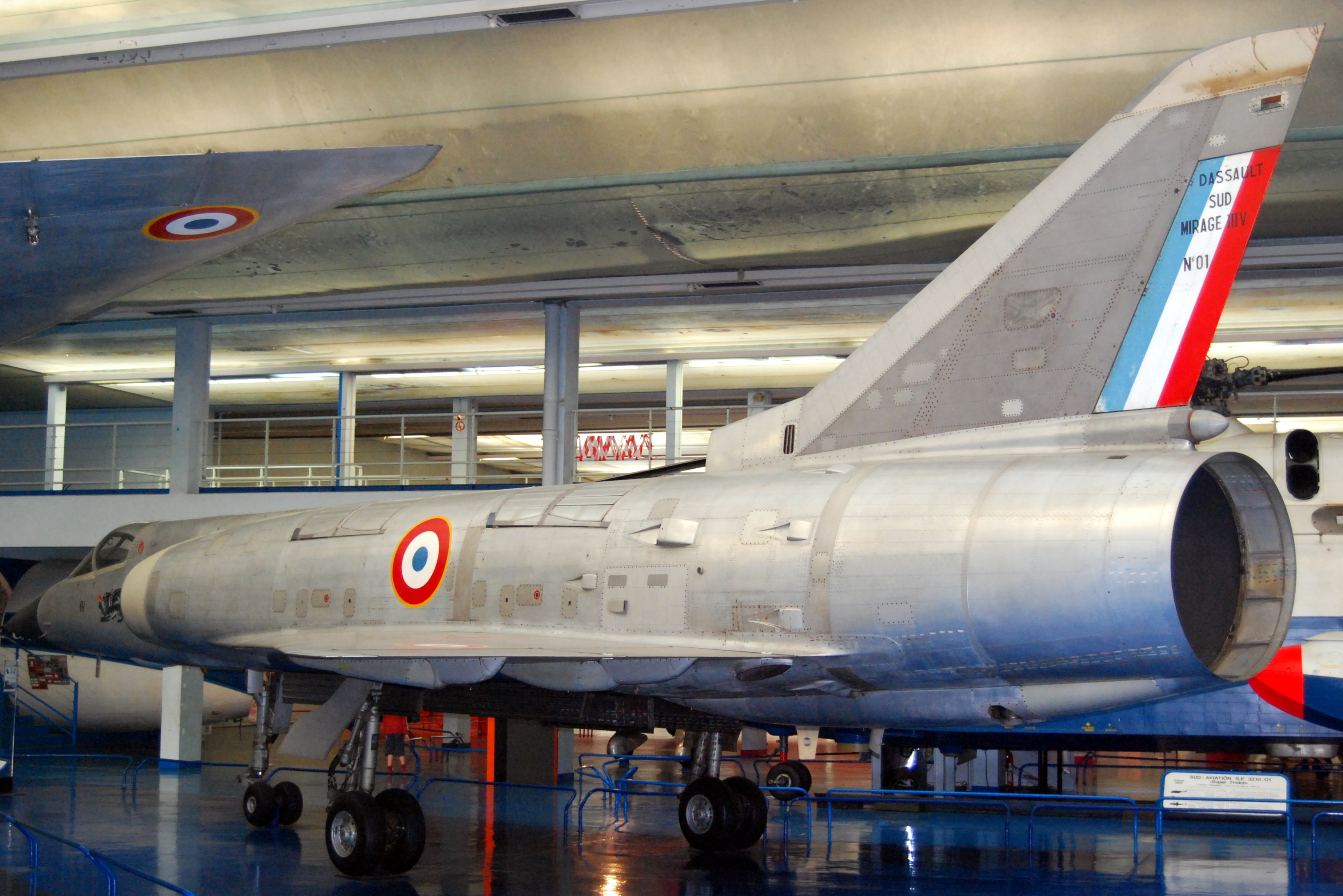
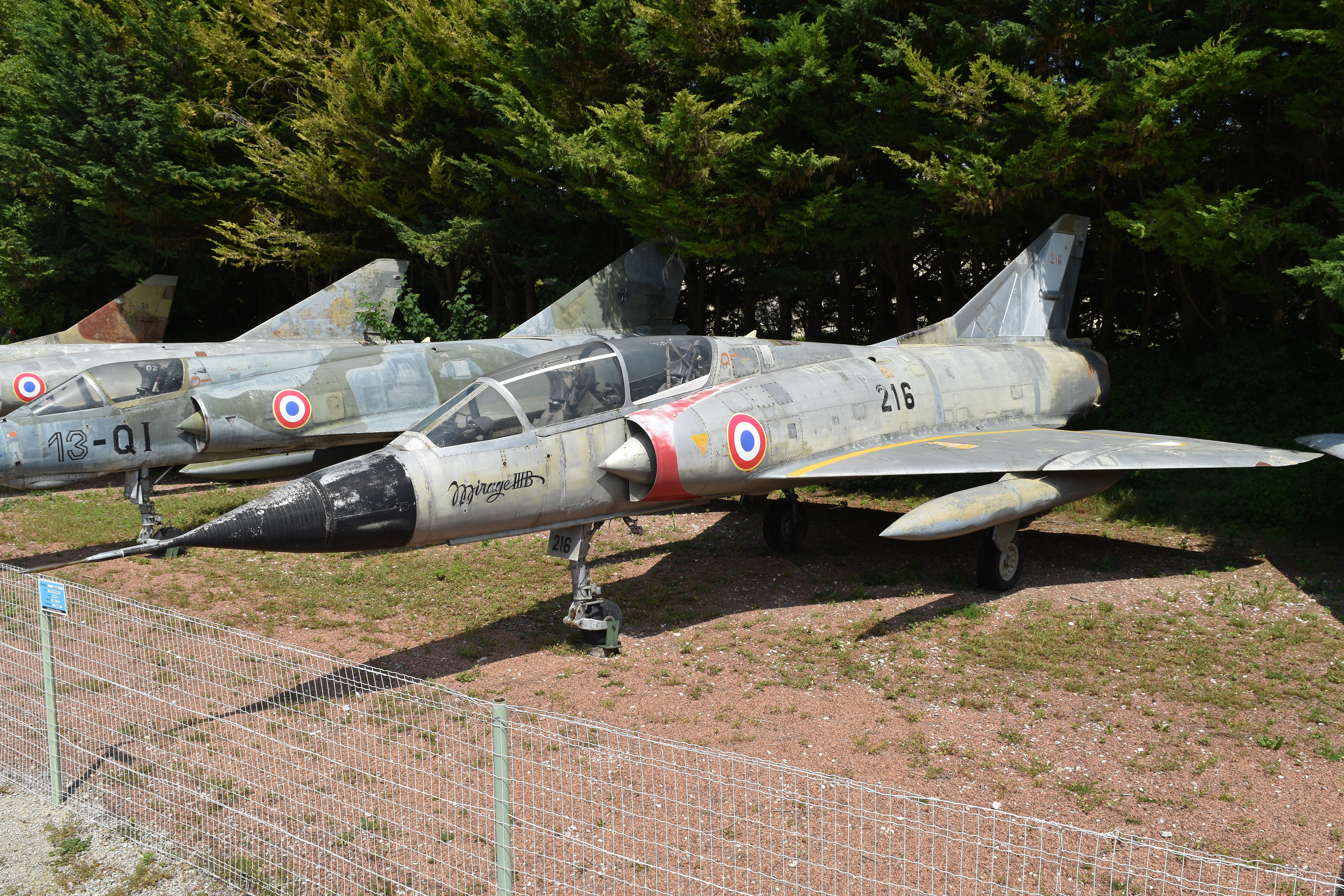
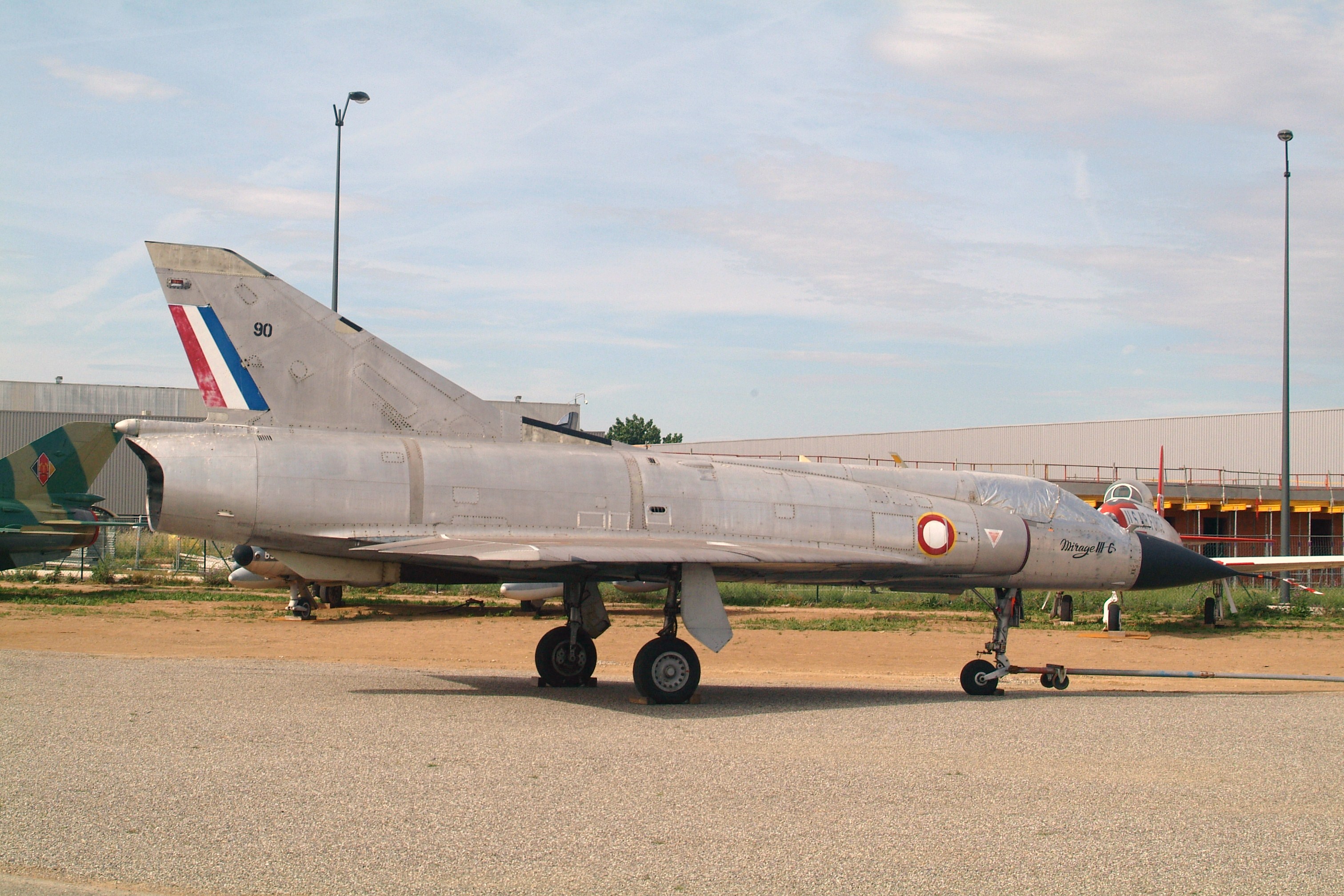
The Dassault Mirage III is a family of single-engine French fighters, built in single- and two-seat form by Dassault Aviation. On 24 October 1958 it became the first Western European combat aircraft to exceed Mach 2 in level flight. Its…
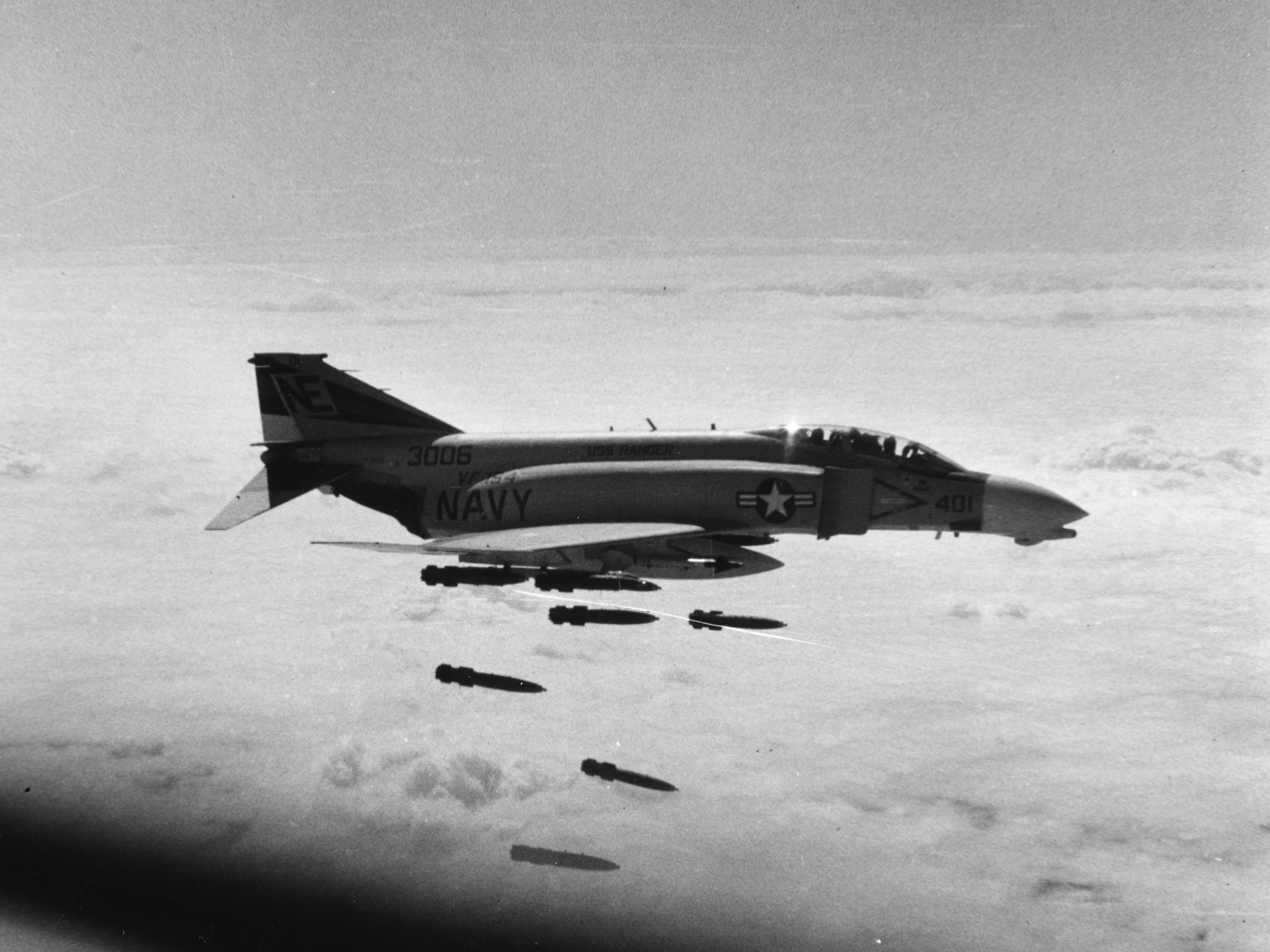
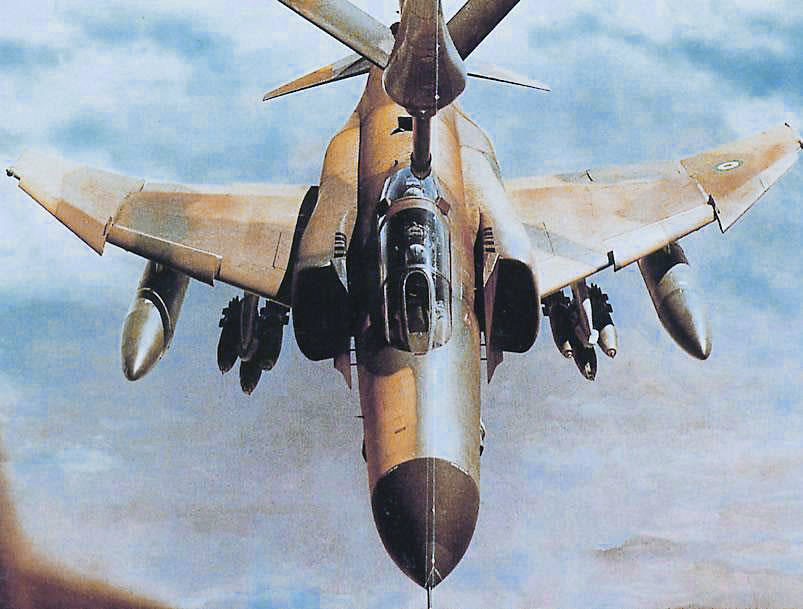
The McDonnell Douglas F-4 Phantom II is a large two-seat, twin-engine, all-weather fighter that McDonnell Aircraft designed for the United States Navy as a fleet defence interceptor and which proved equally capable as a fighter-bomber and…
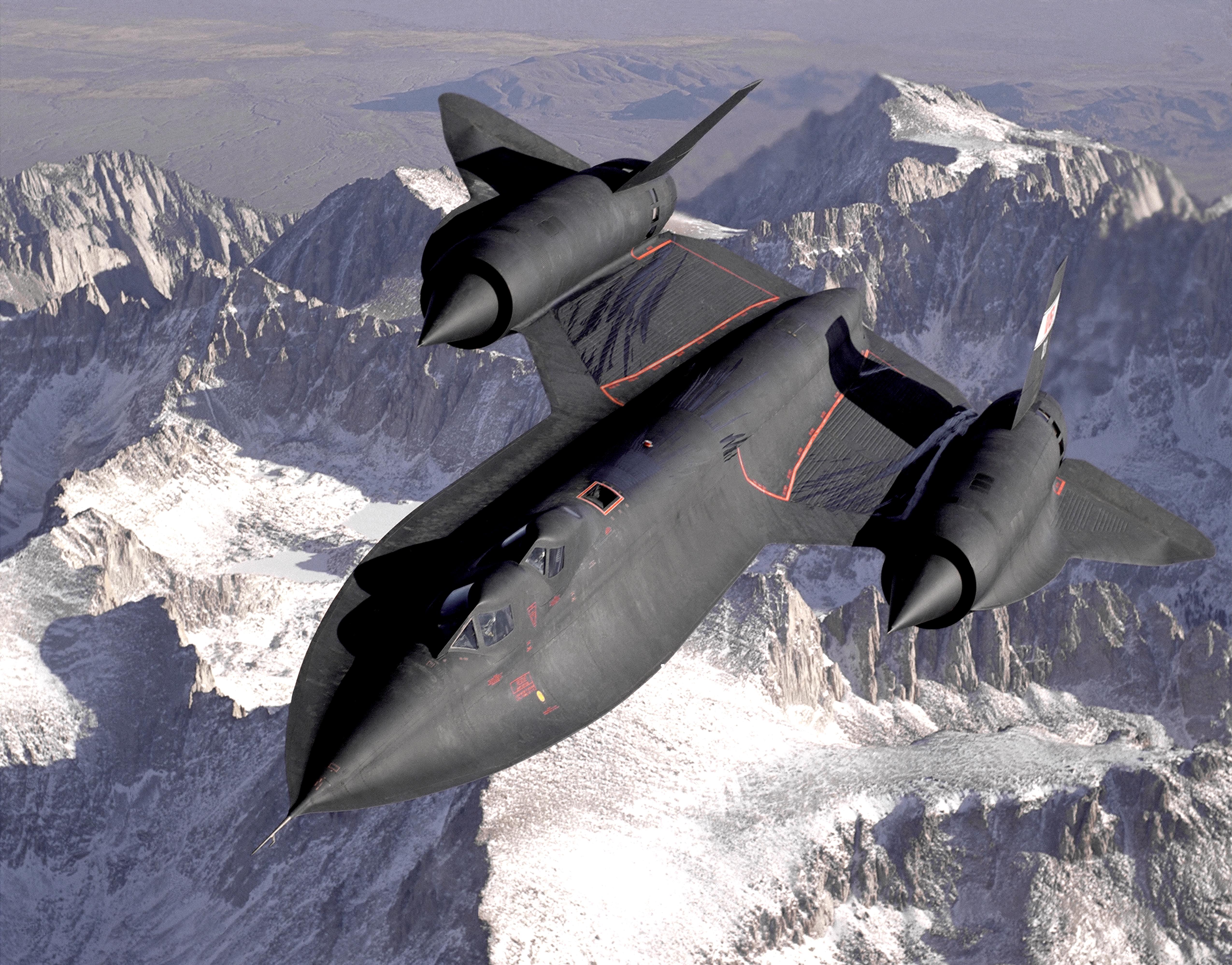
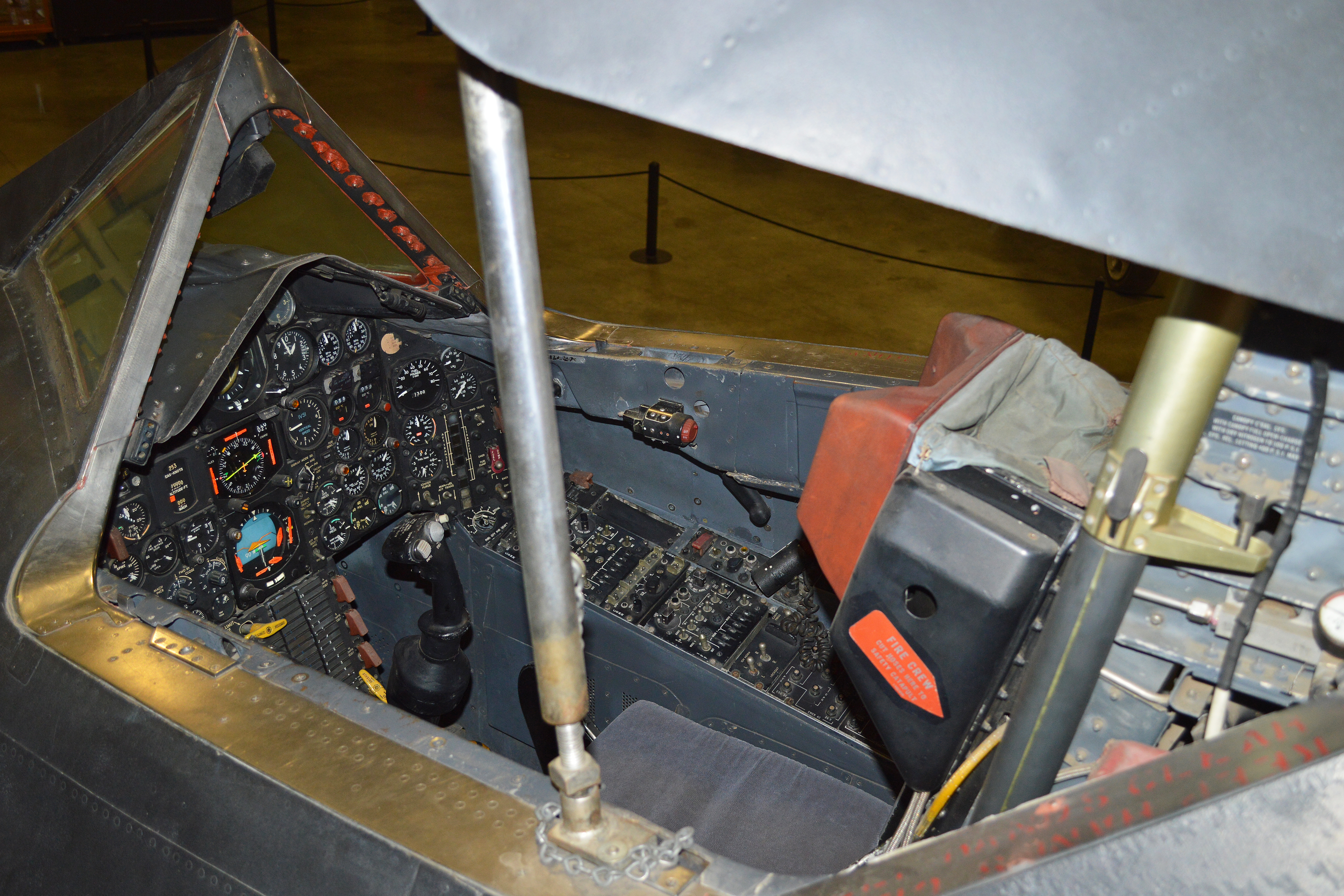
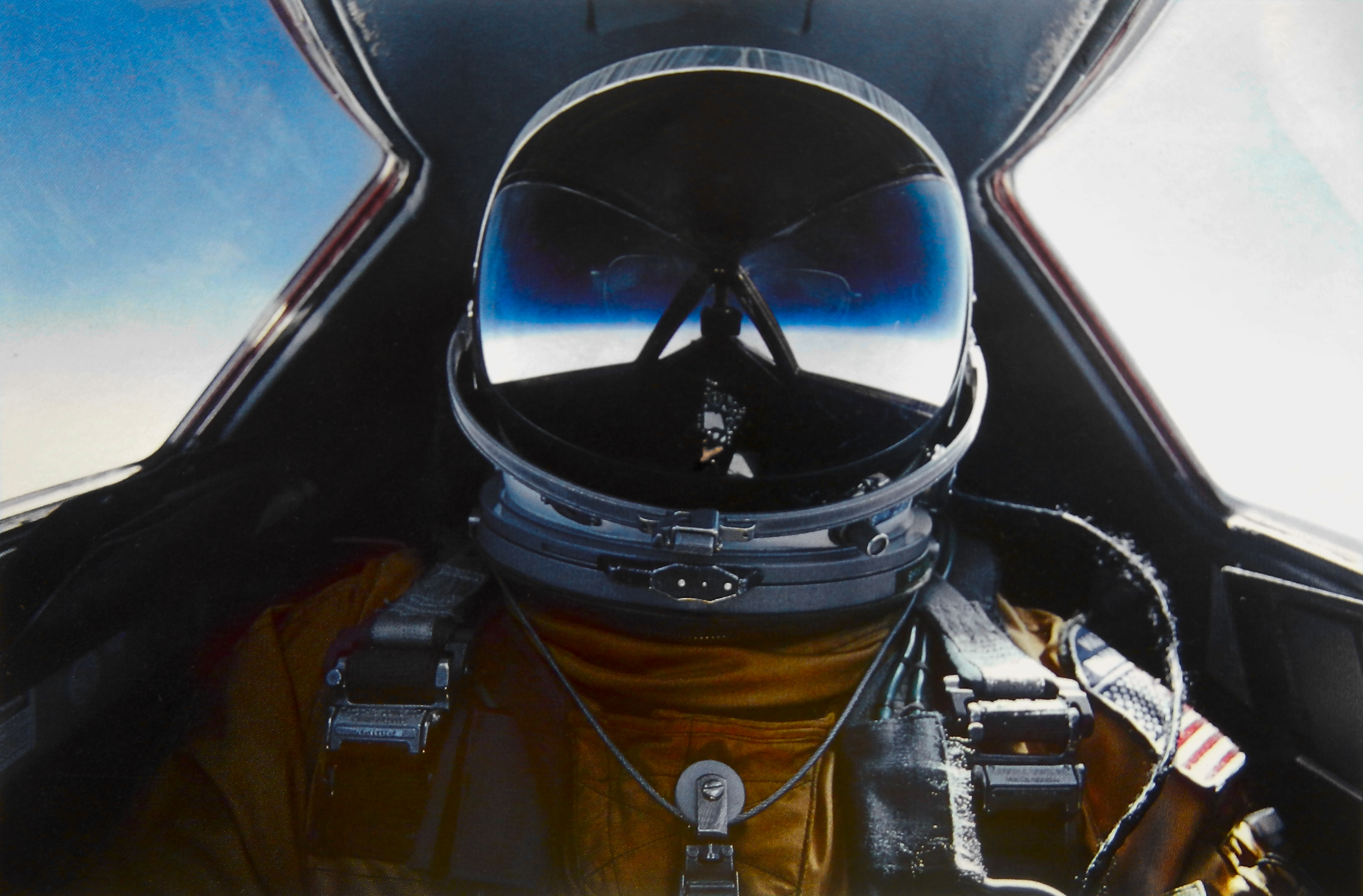
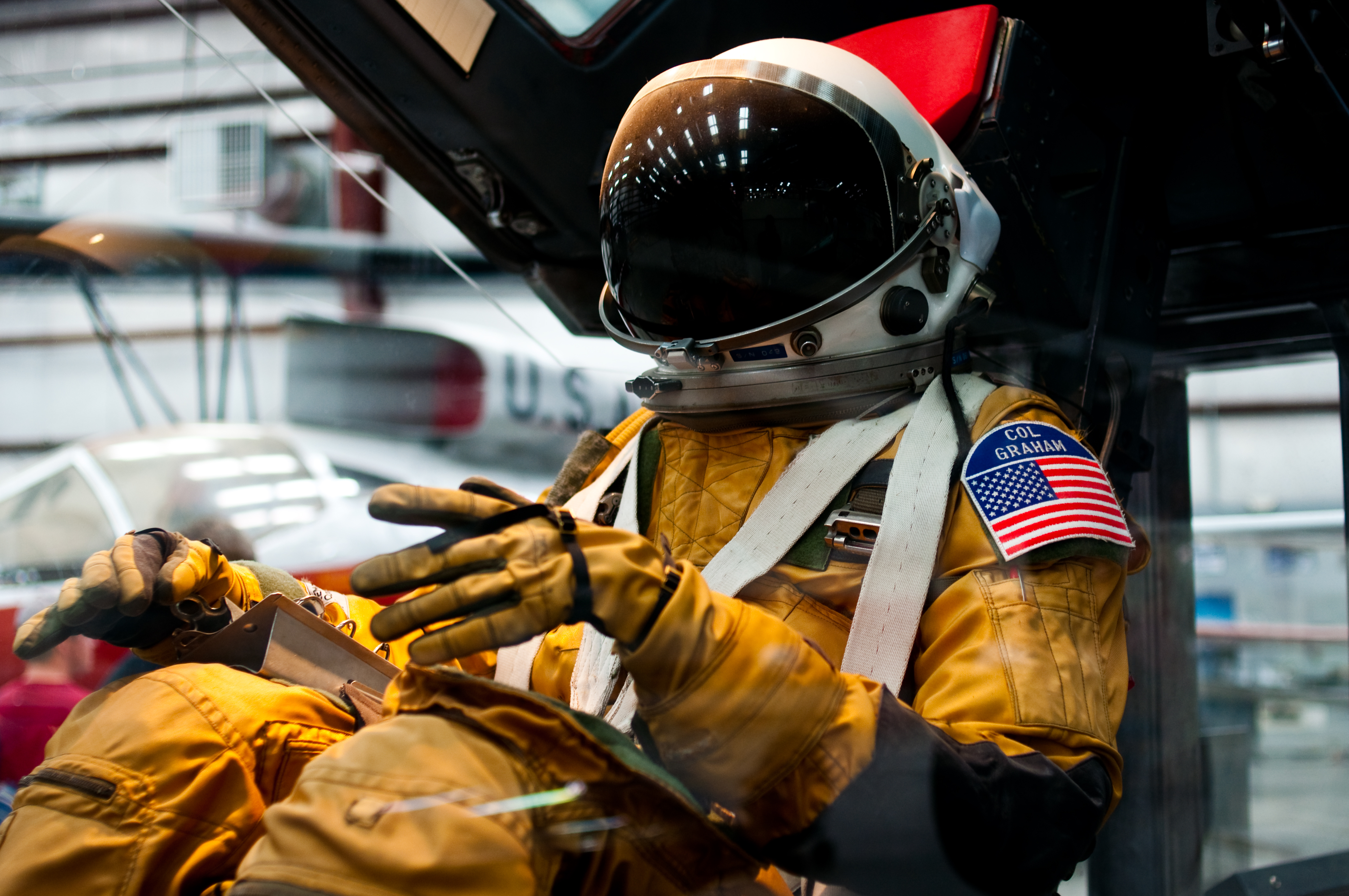
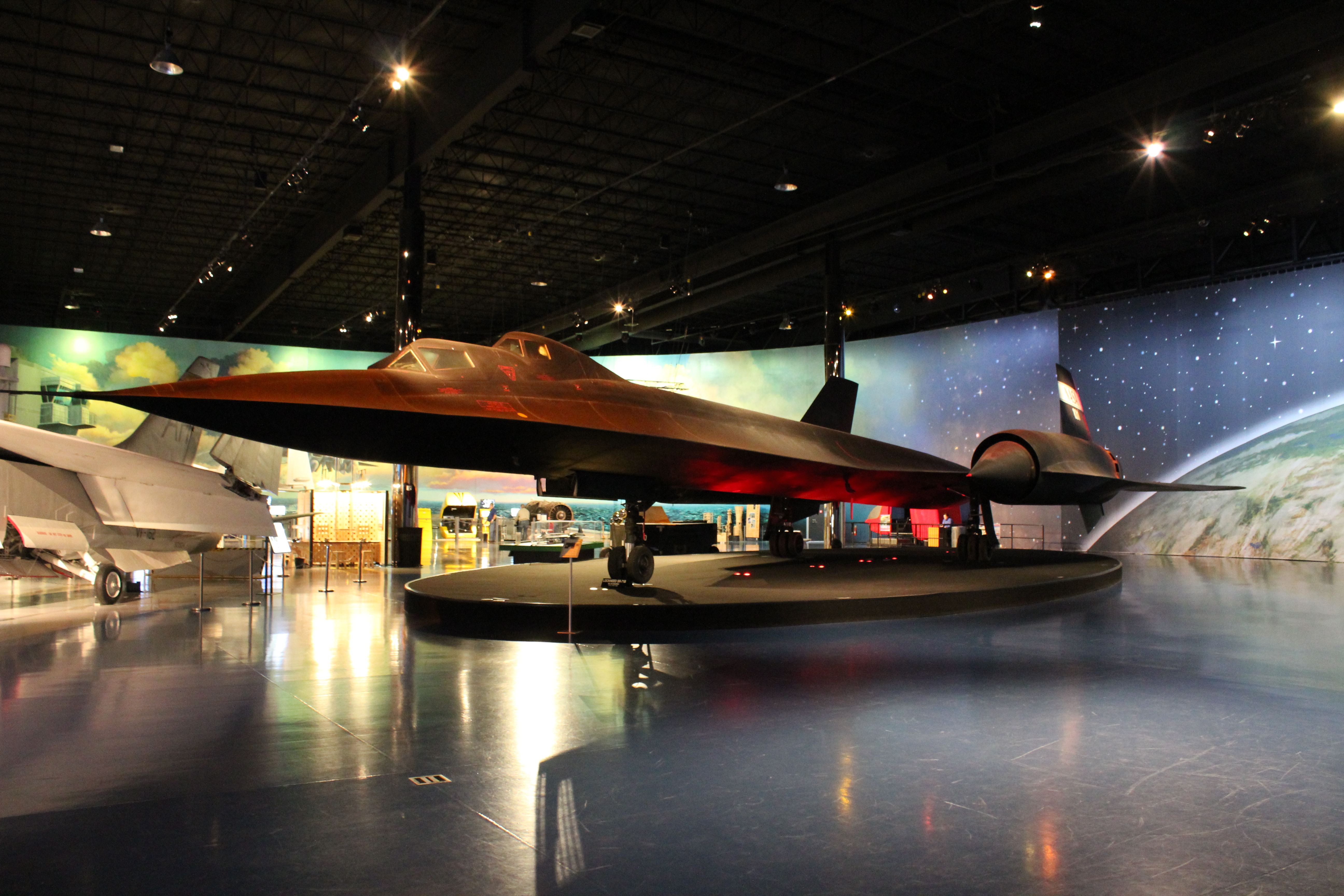
The Lockheed SR-71 "Blackbird" was the fastest and highest-flying reconnaissance aircraft ever to enter operational service: a two-seat machine able to cross continents above Mach 3 and beyond 80,000 feet, built to photograph hostile…
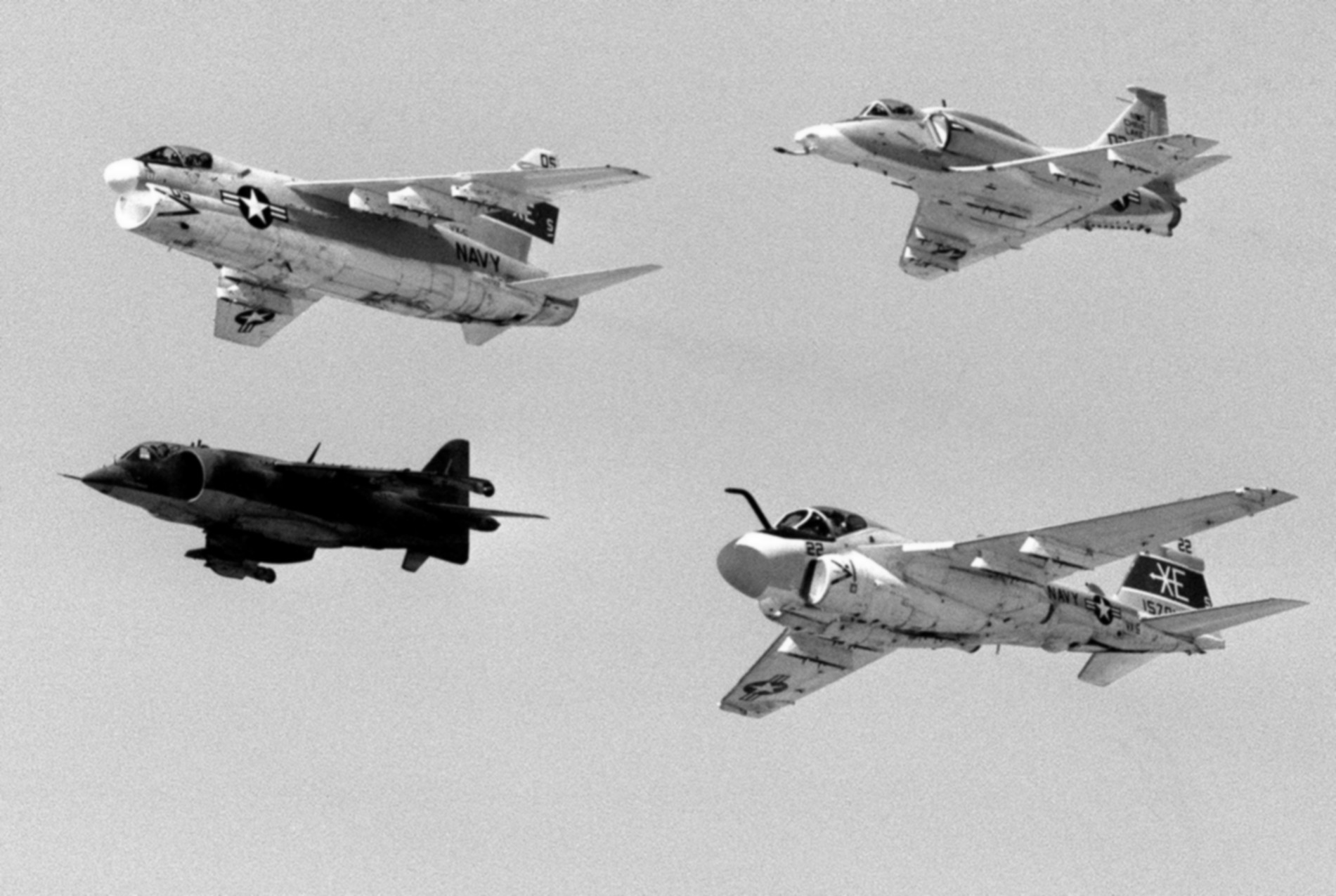
The Hawker Siddeley Harrier was the first attack and reconnaissance aircraft with vertical or short take-off and landing (V/STOL) capability to reach genuine operational service, and the only design of its kind to survive the wave of…
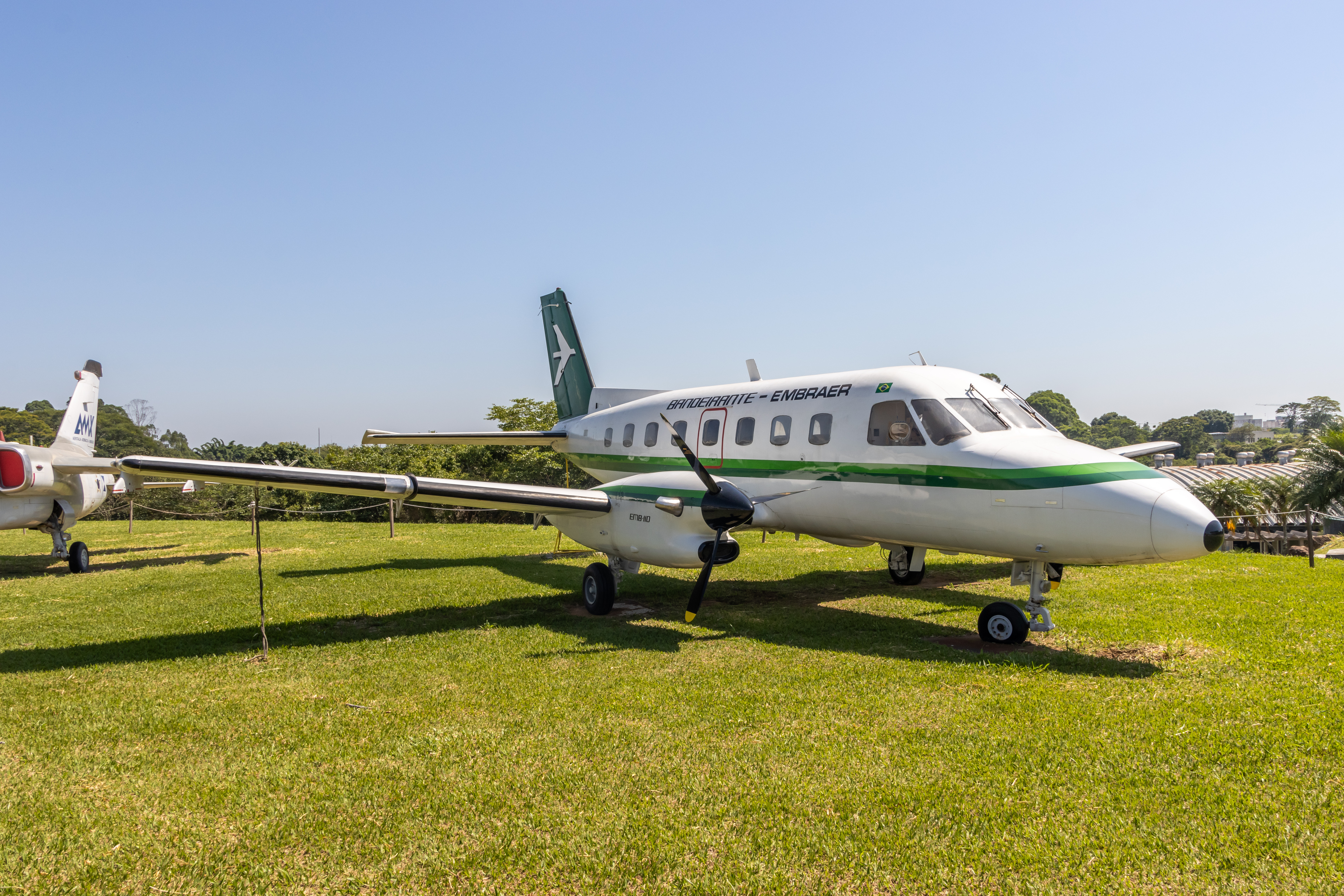
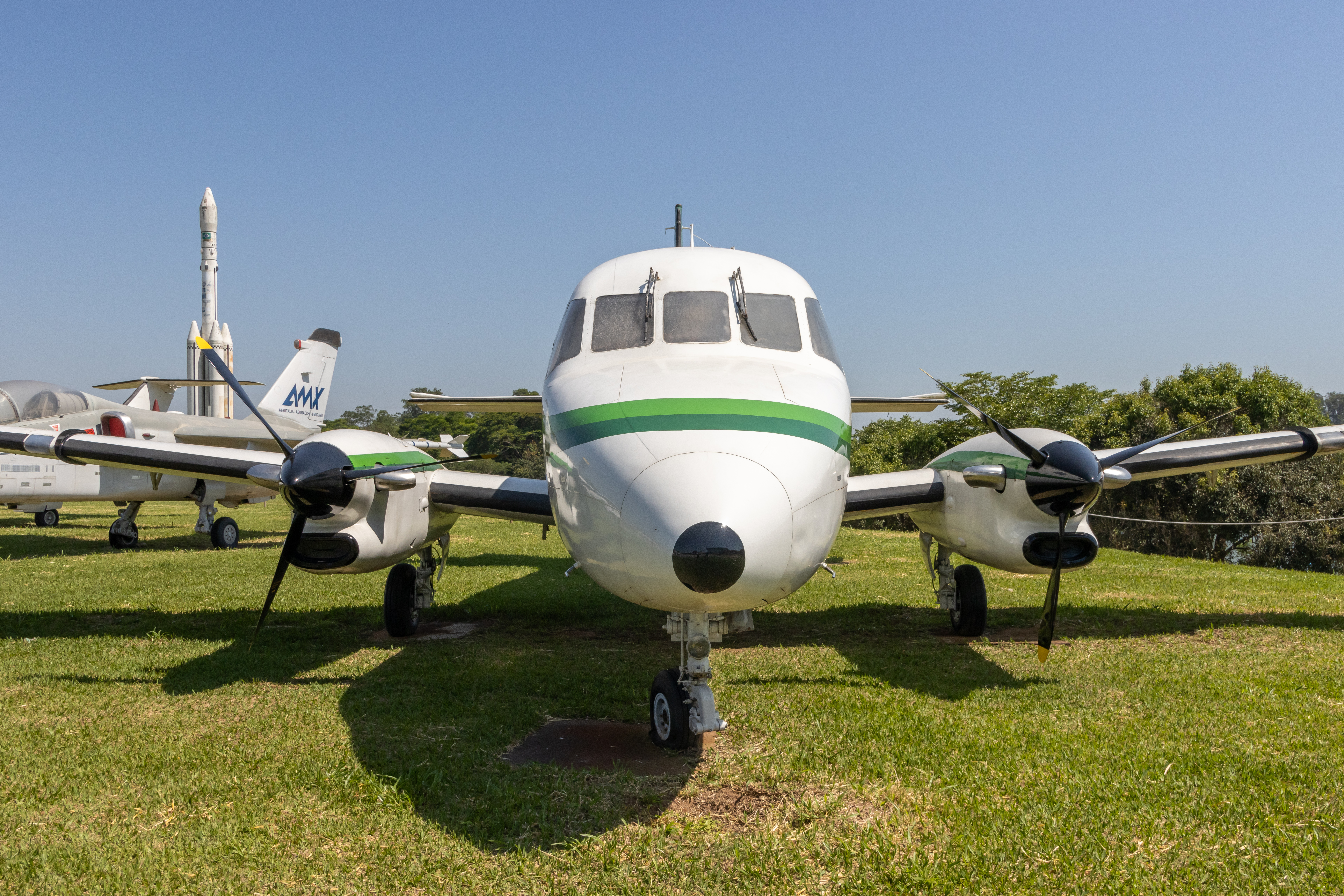
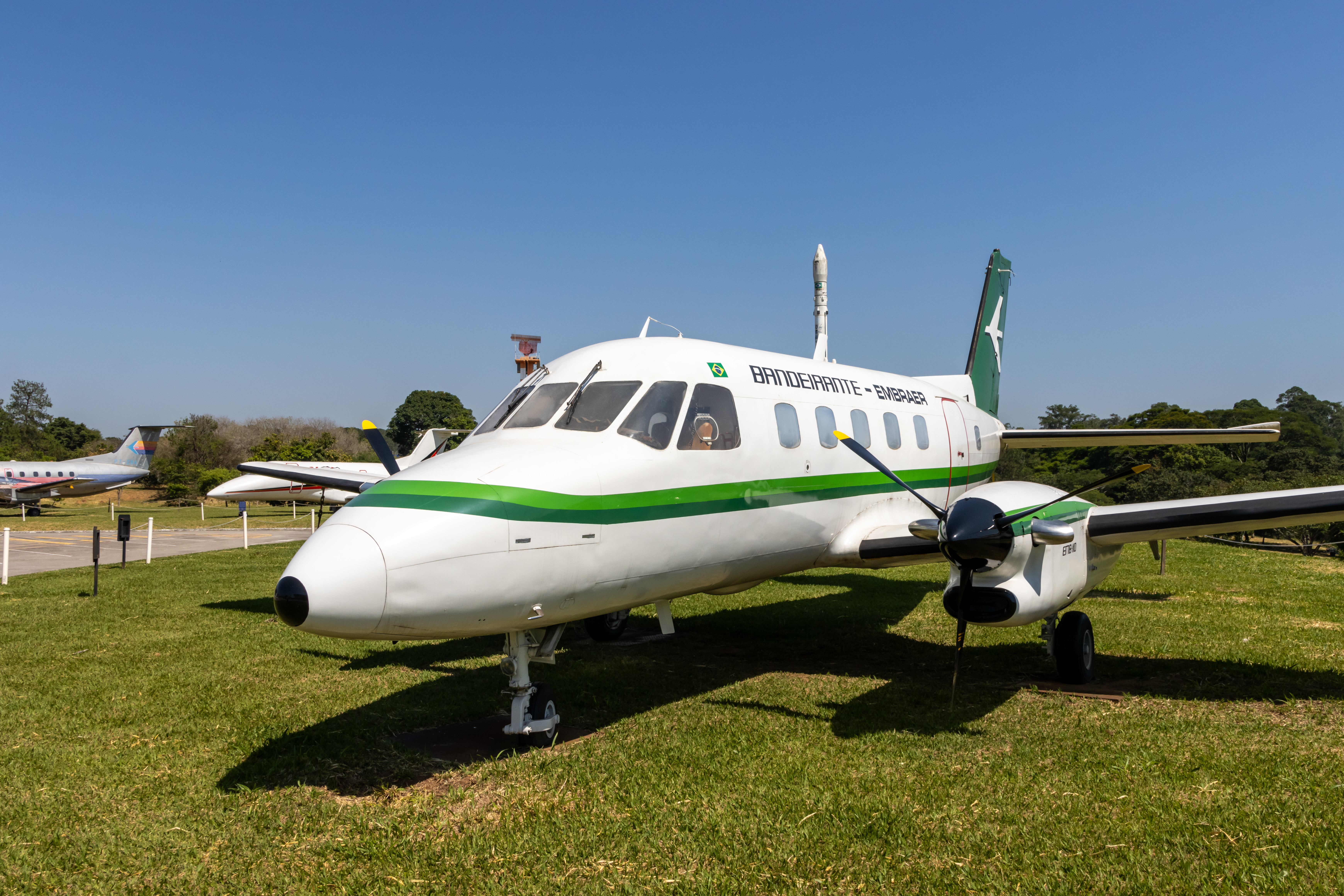
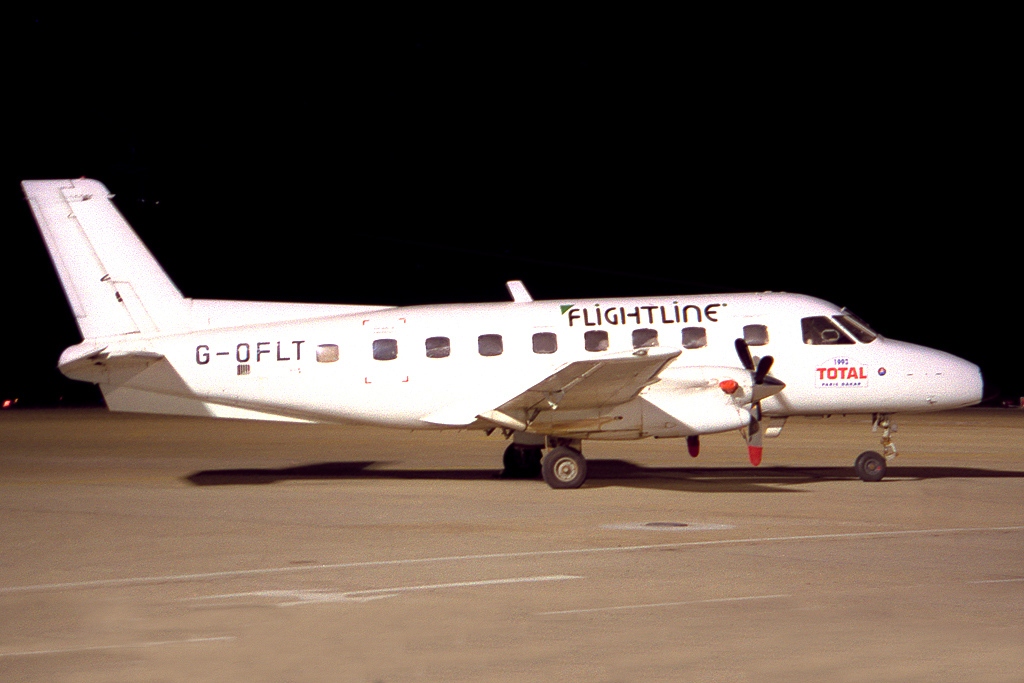
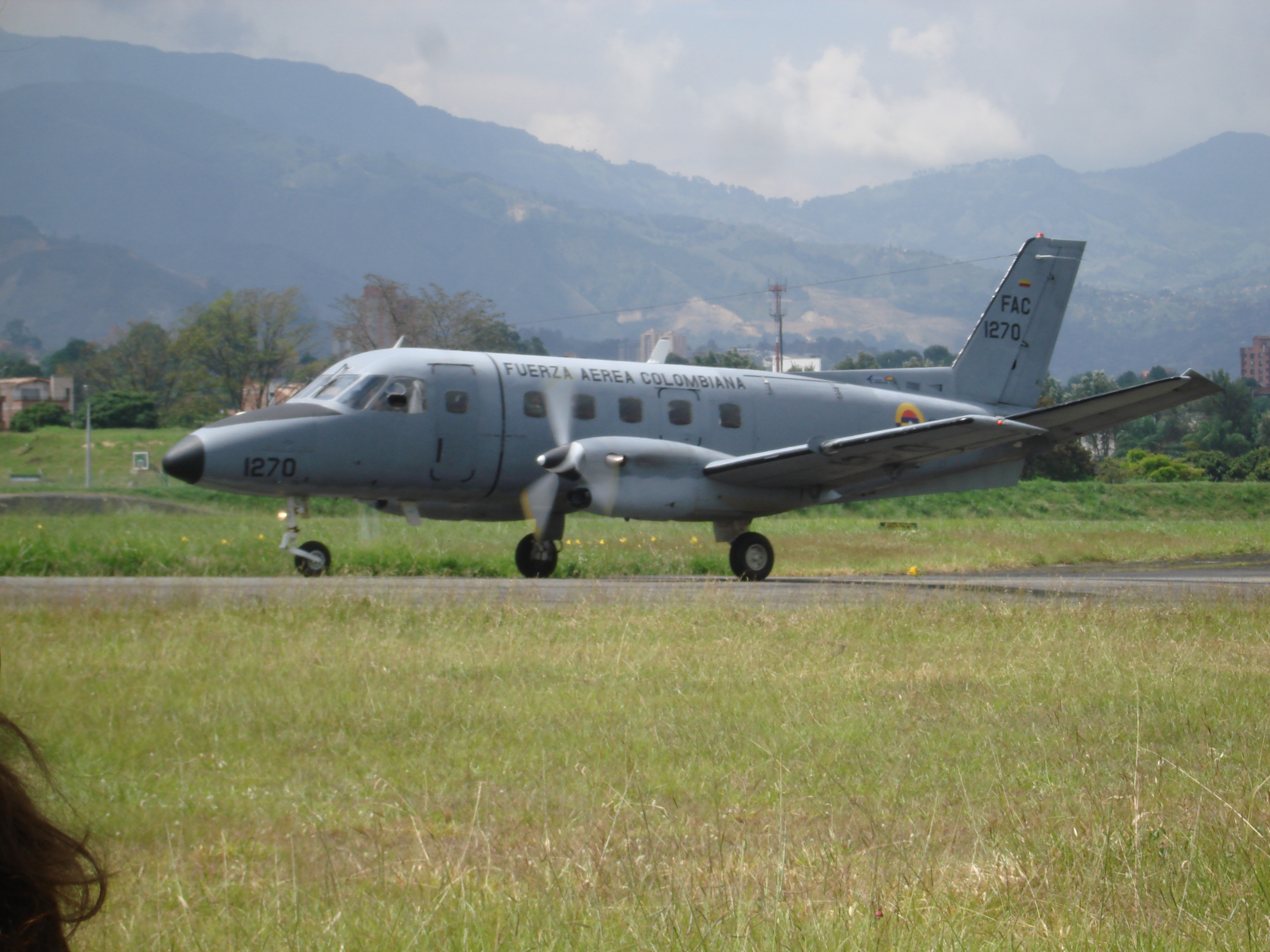
The Embraer EMB 110 Bandeirante is a Brazilian twin-turboprop light transport aircraft designed for both civil and military use. Its name recalls the bandeirantes, the Portuguese settlers who pushed ever deeper into the interior of what is…
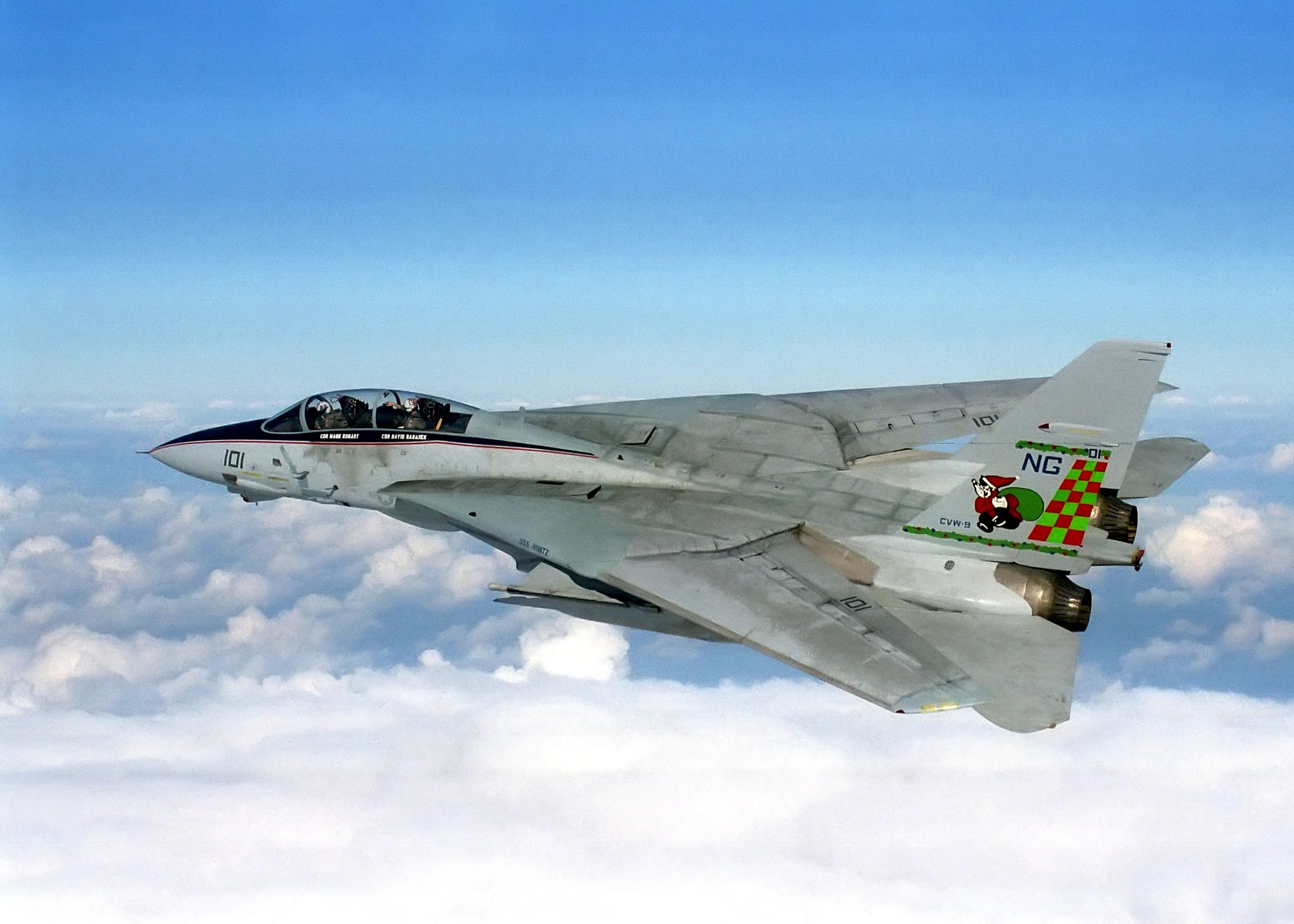
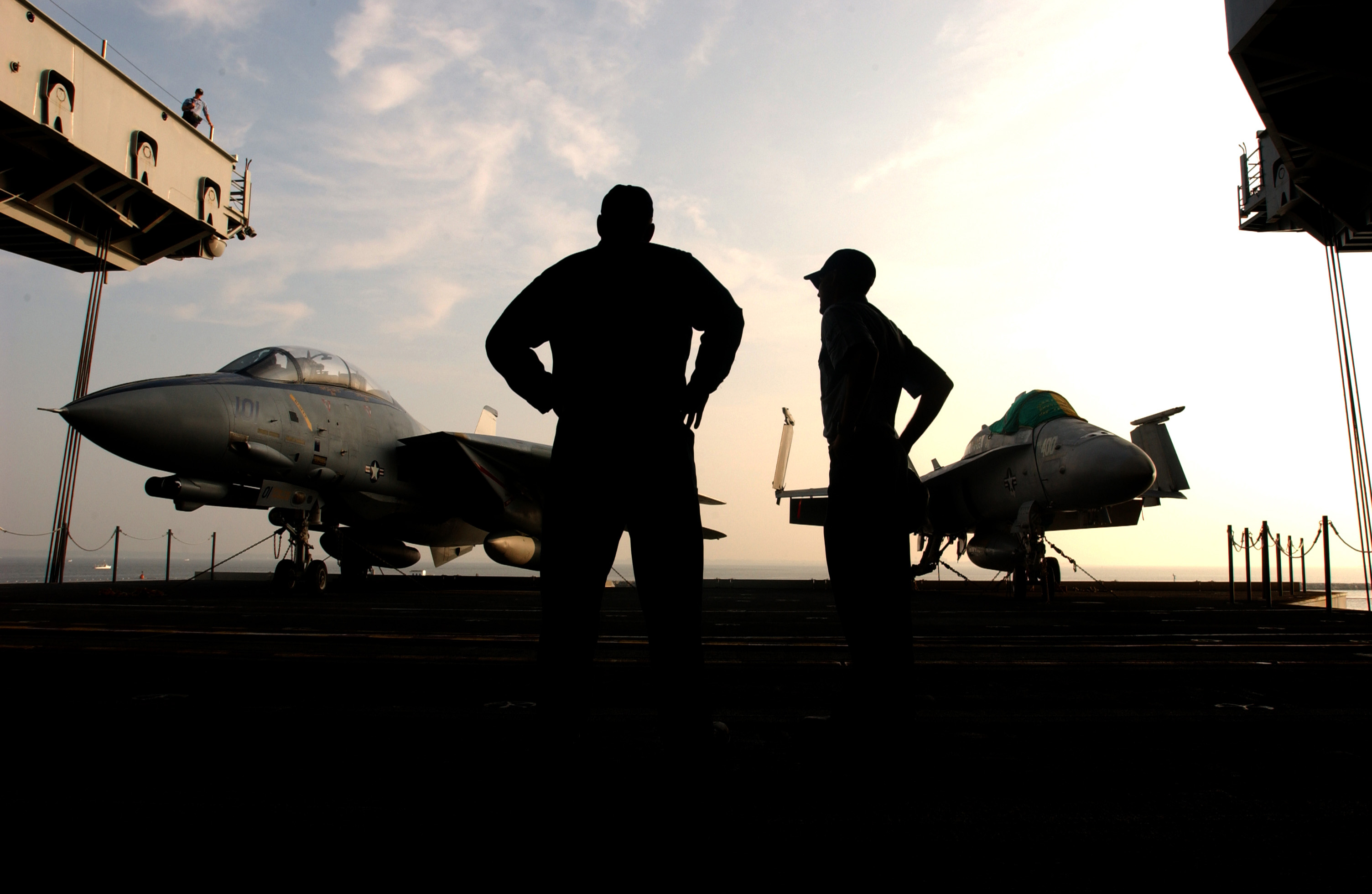
The Grumman F-14 Tomcat was a two-seat, twin-engine, variable-geometry carrier fighter built for one very specific job: to hold off, hundreds of kilometres from the carrier, the Soviet bombers that threatened to swamp an entire naval force…
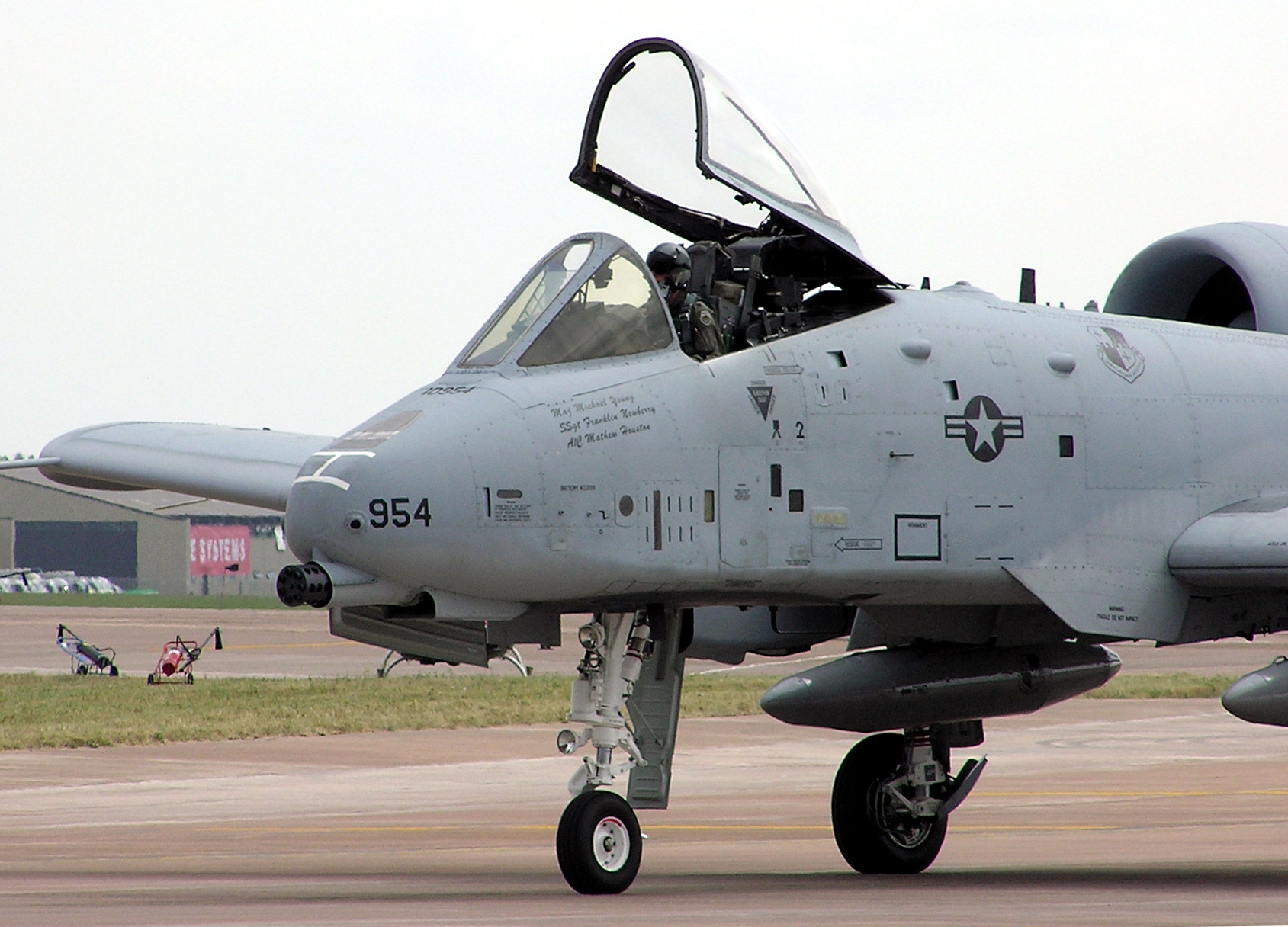
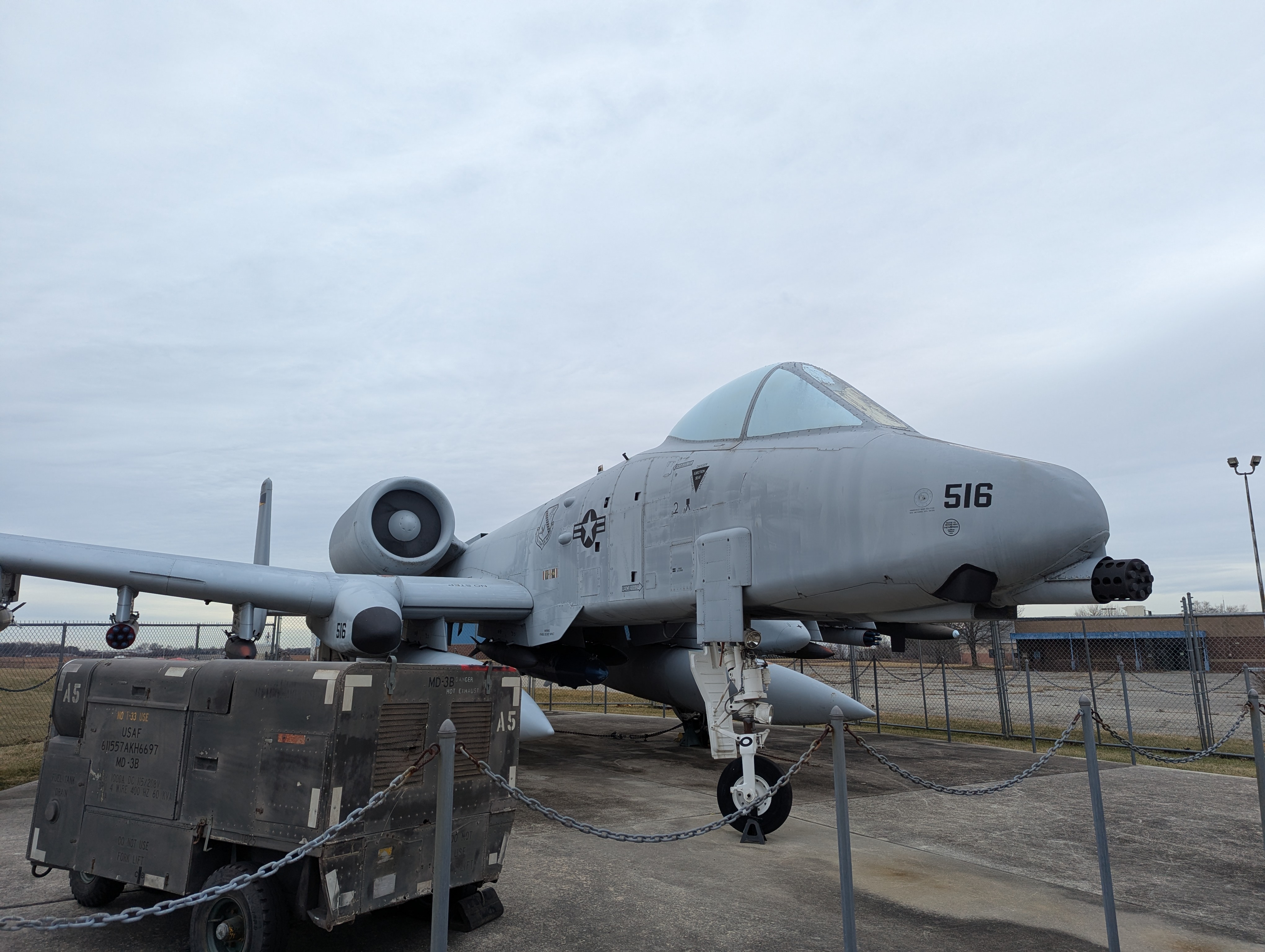
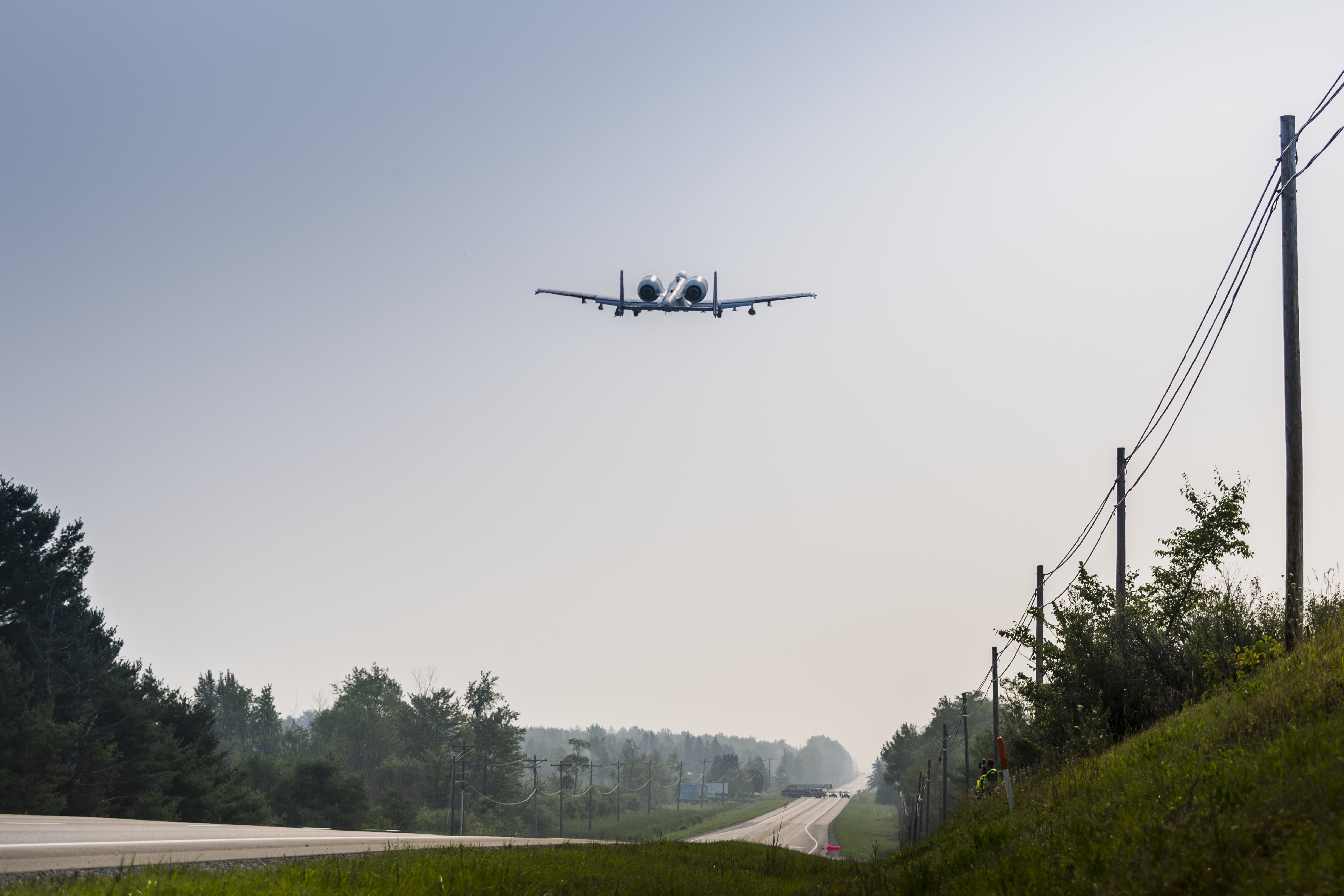
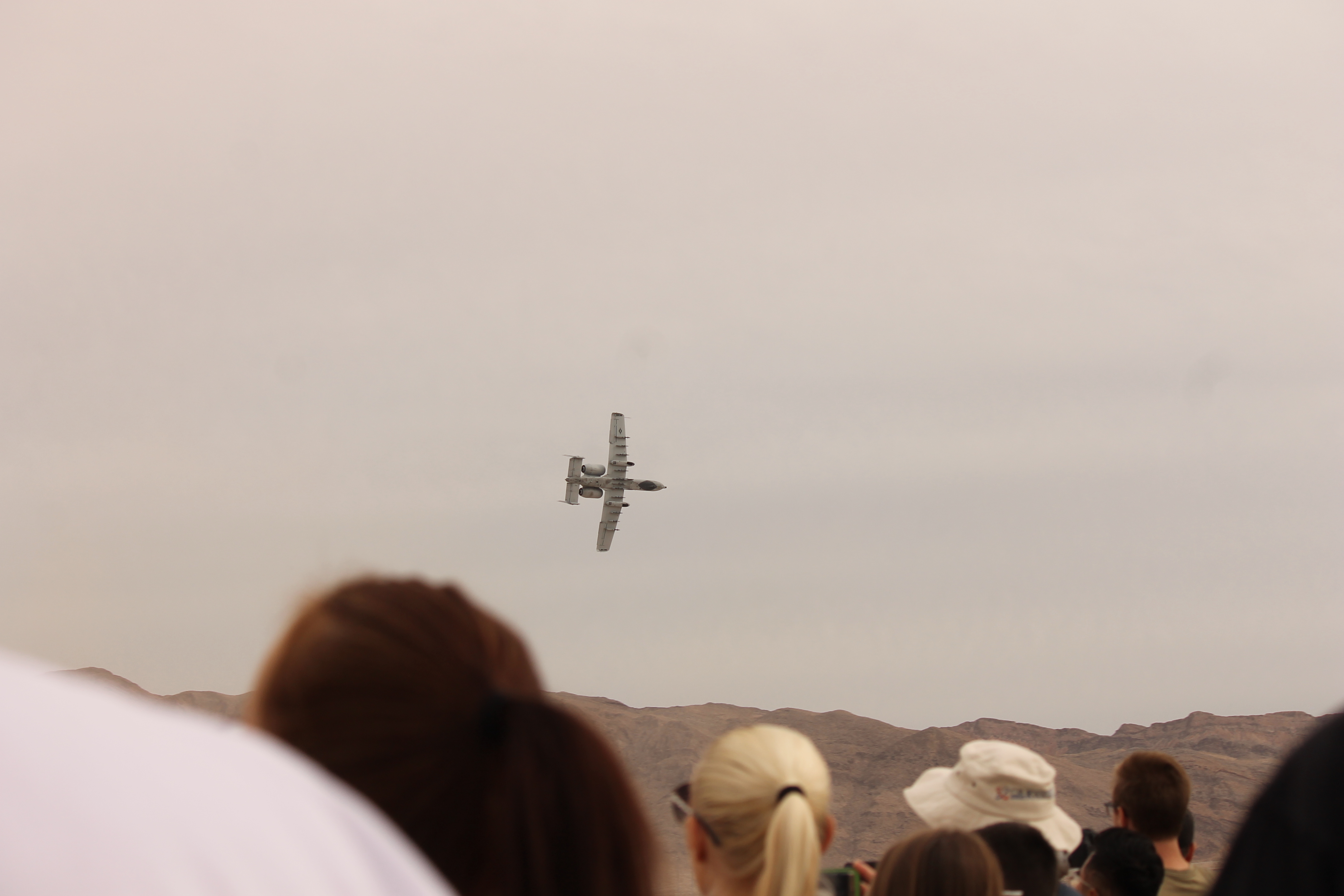
The Fairchild Republic A-10 Thunderbolt II, universally known by its "Warthog" nickname, is a single-seat, subsonic, straight-wing, twin-turbofan attack aircraft that has served with the United States Air Force since 1977. The USAF's own…
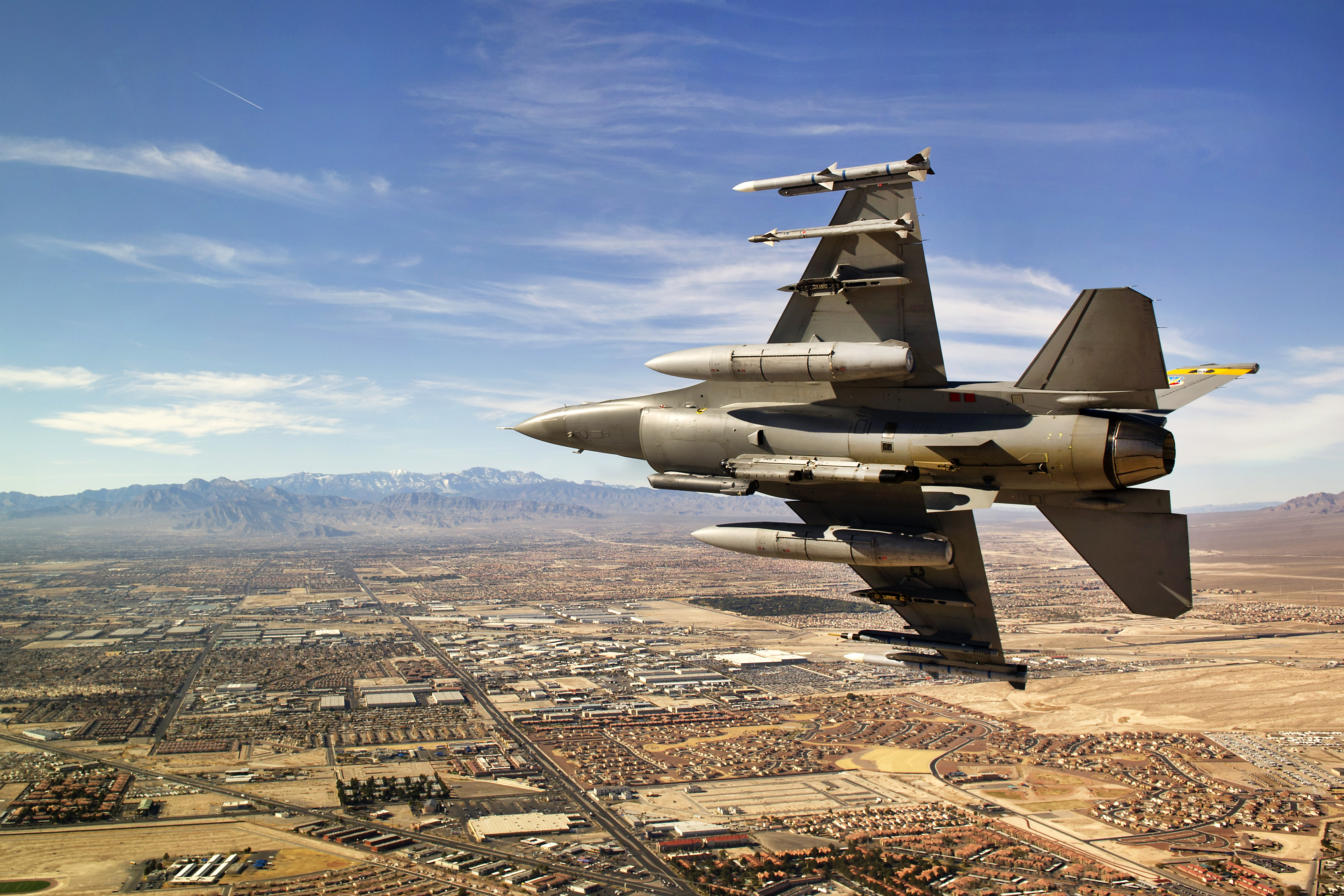
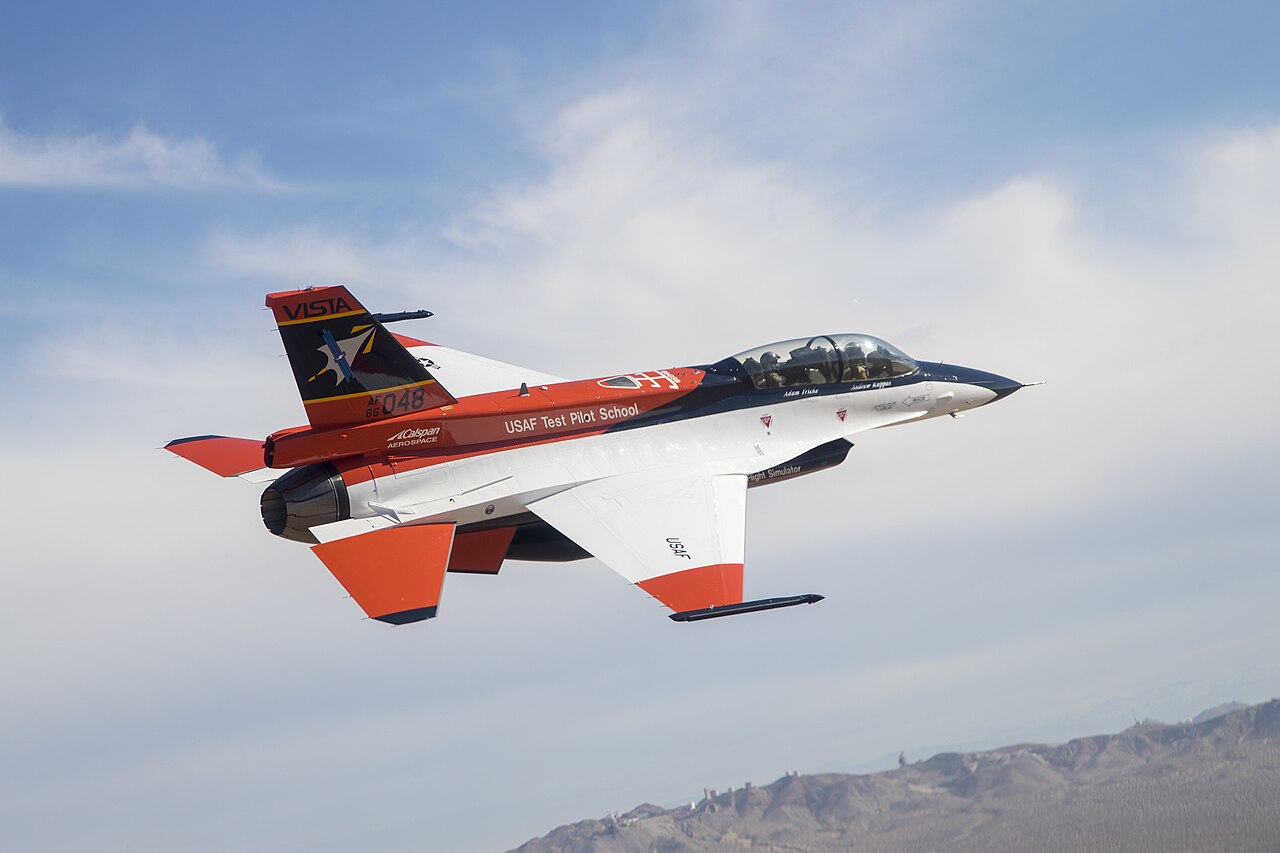
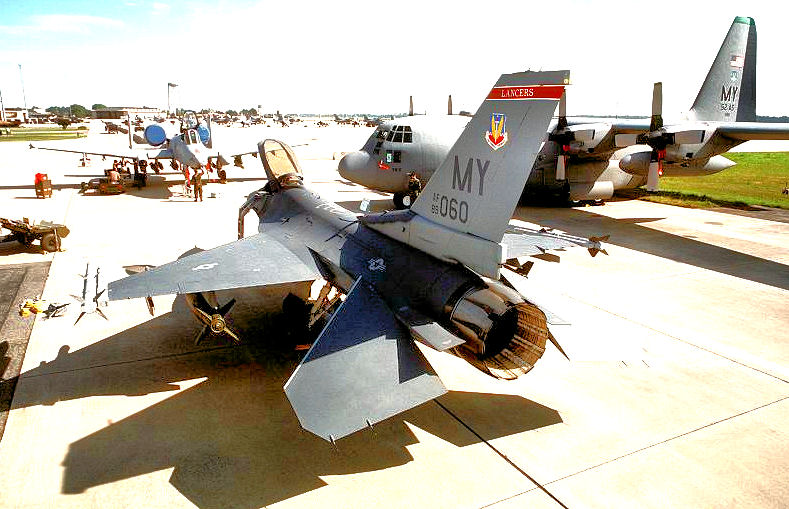
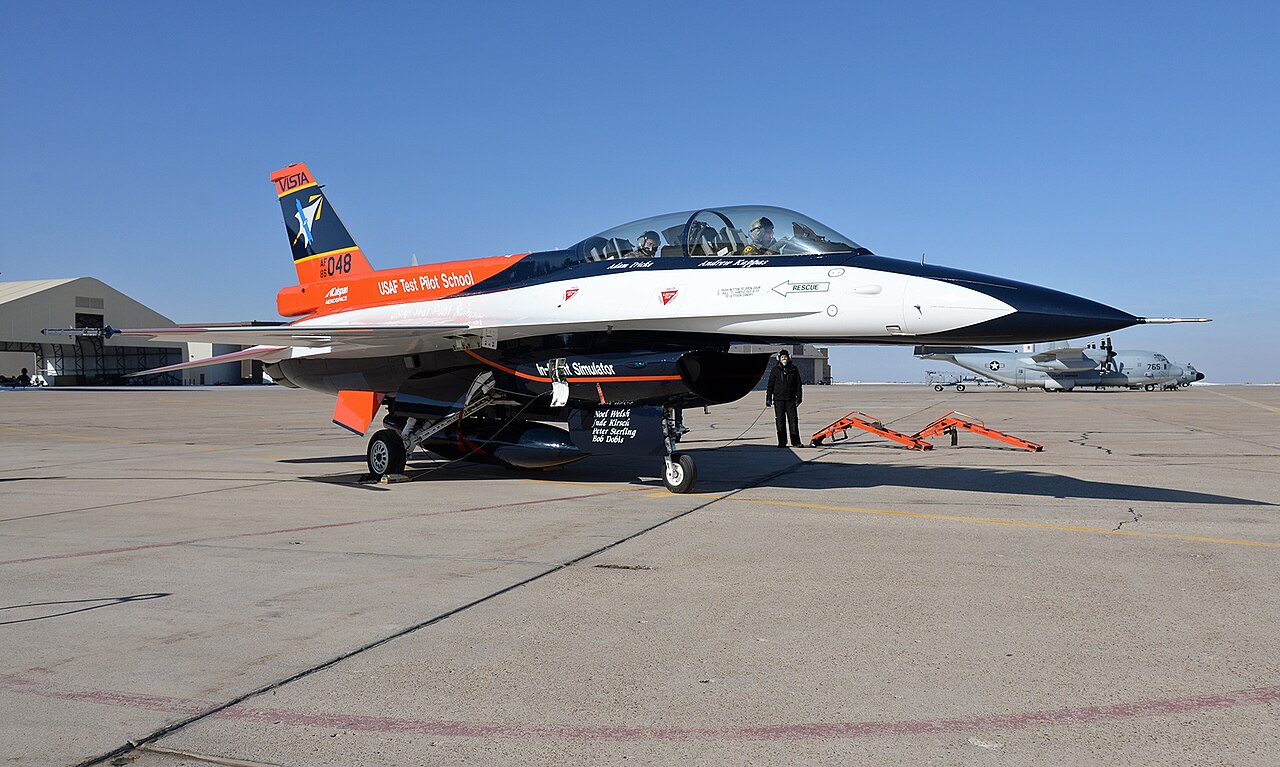
The General Dynamics F-16 Fighting Falcon is a single-engine, fourth-generation multirole fighter designed by General Dynamics and built by Lockheed Martin ever since the former sold its aircraft business in 1993. Its official maiden…
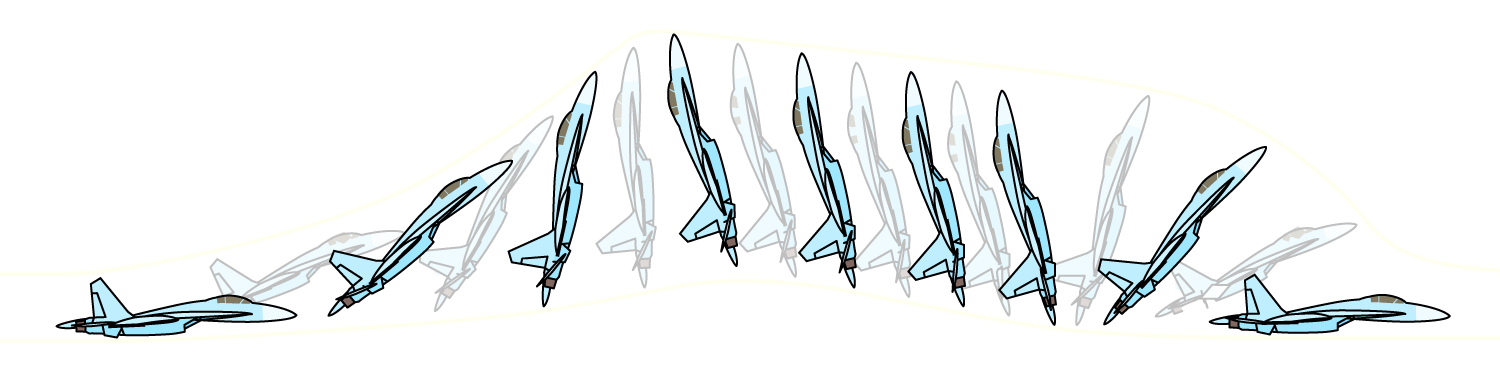
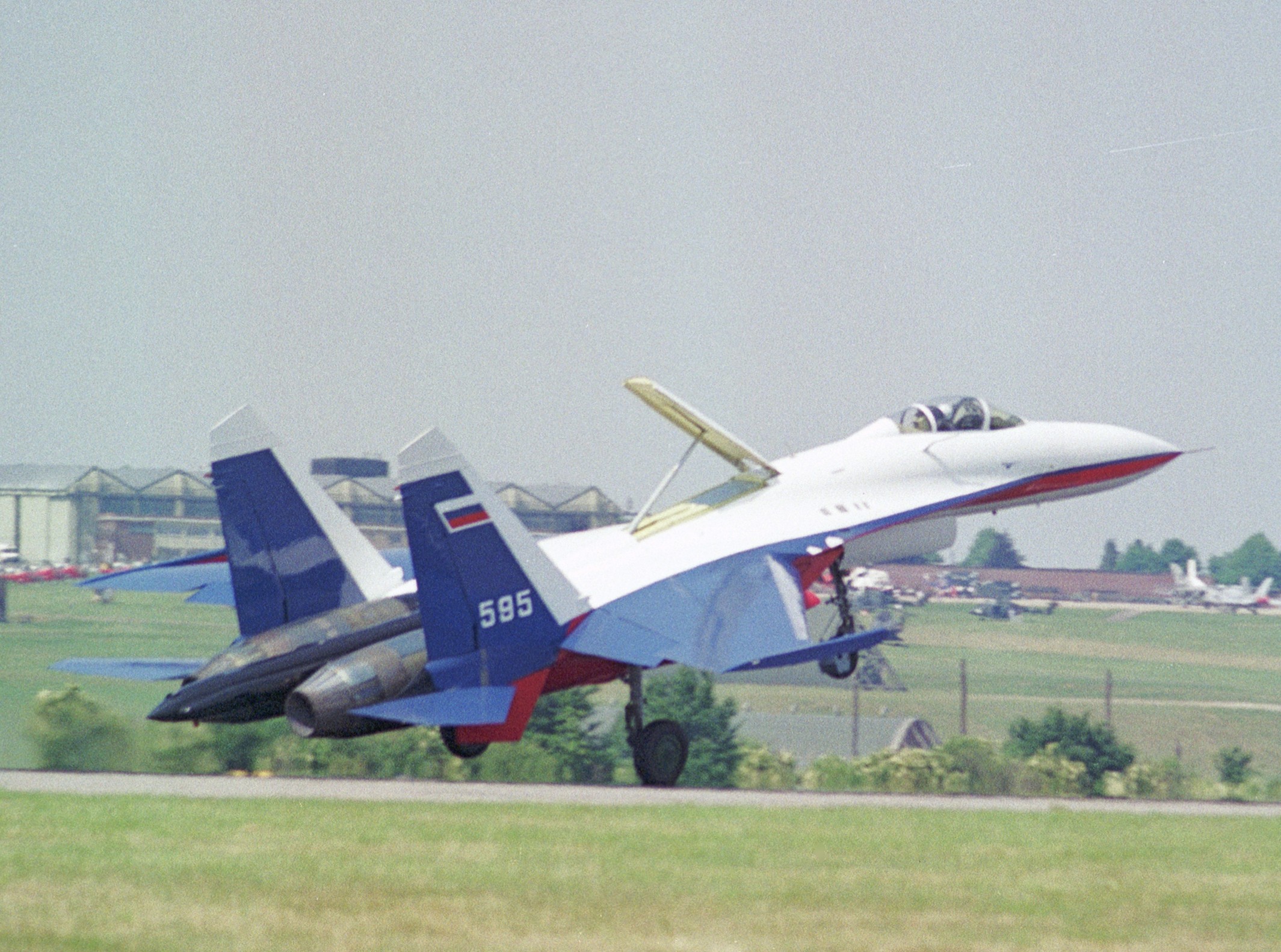
The Sukhoi Su-27, given the NATO reporting name "Flanker", is the twin-engine heavy fighter with which the Soviet Union set out to answer, aircraft for aircraft, the American generation led by the F-15 Eagle and the F-14 Tomcat. Conceived…
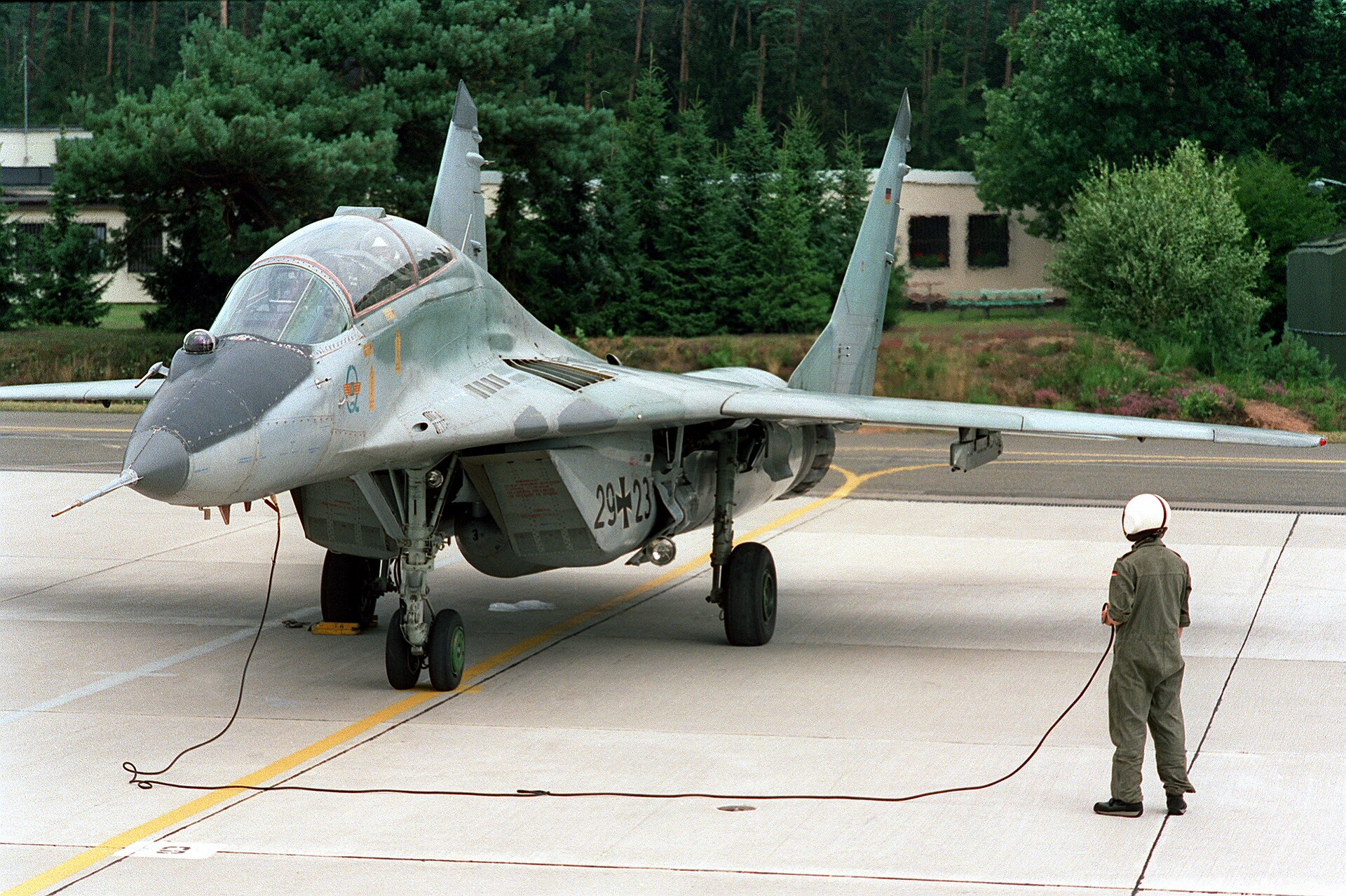
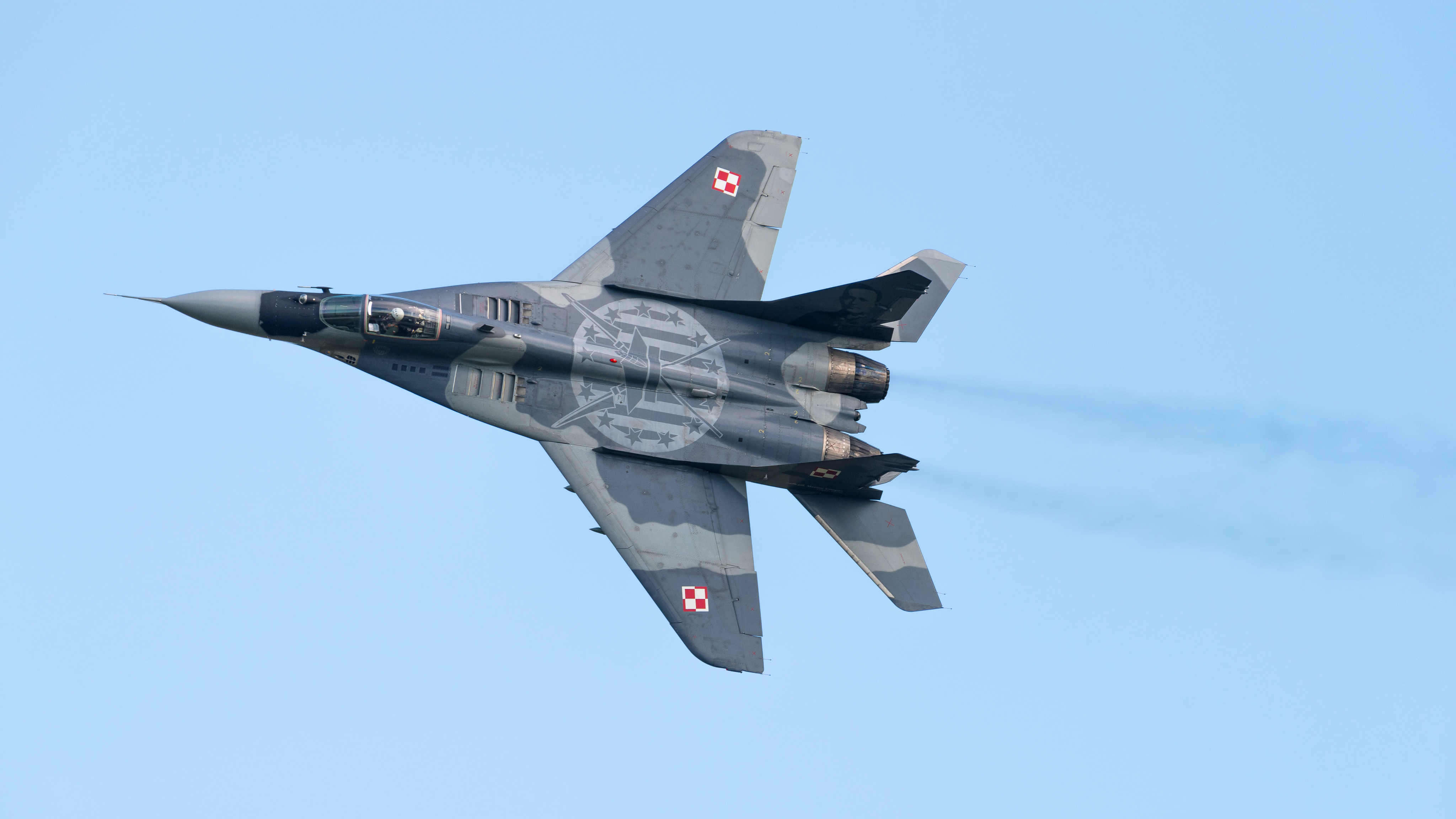
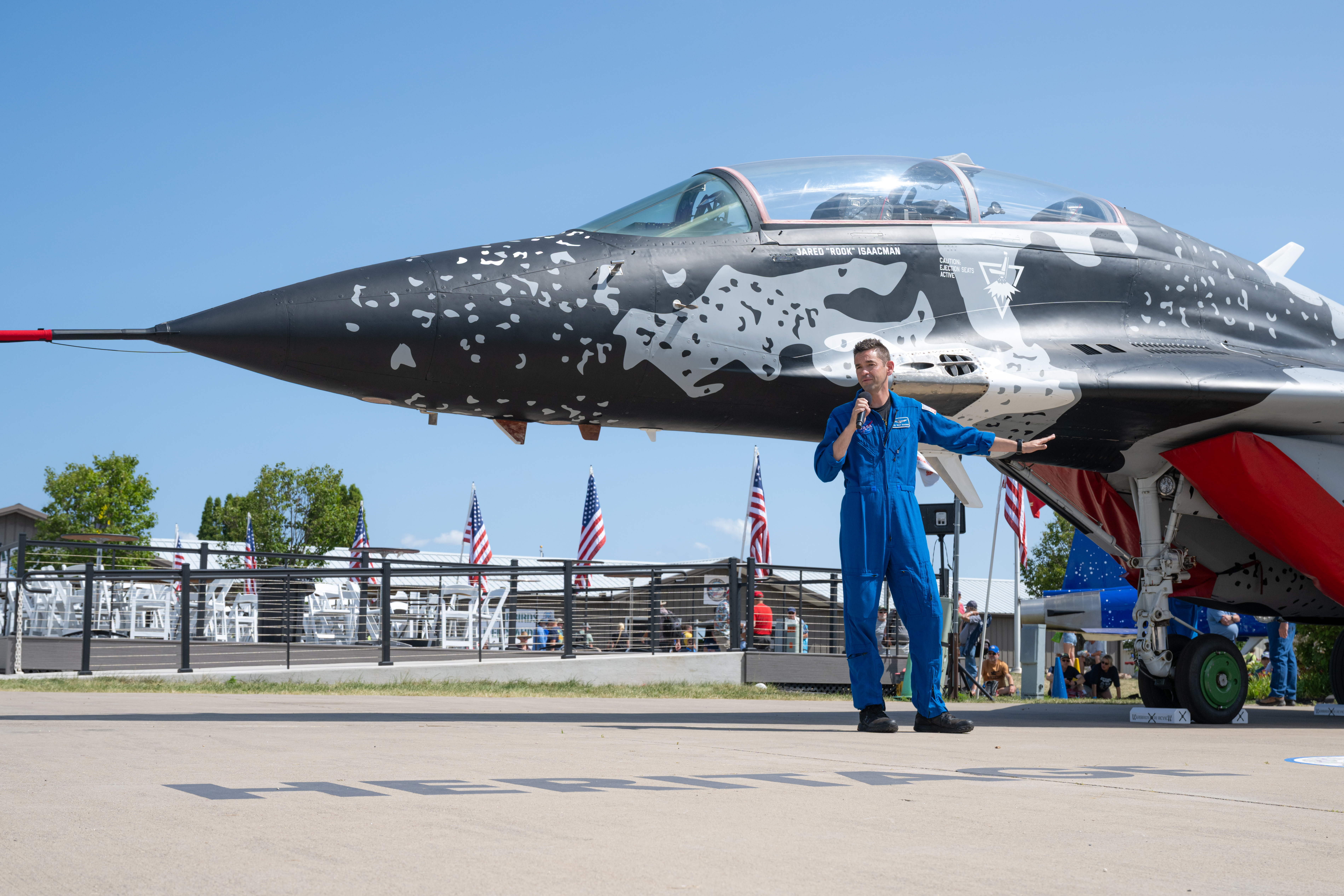
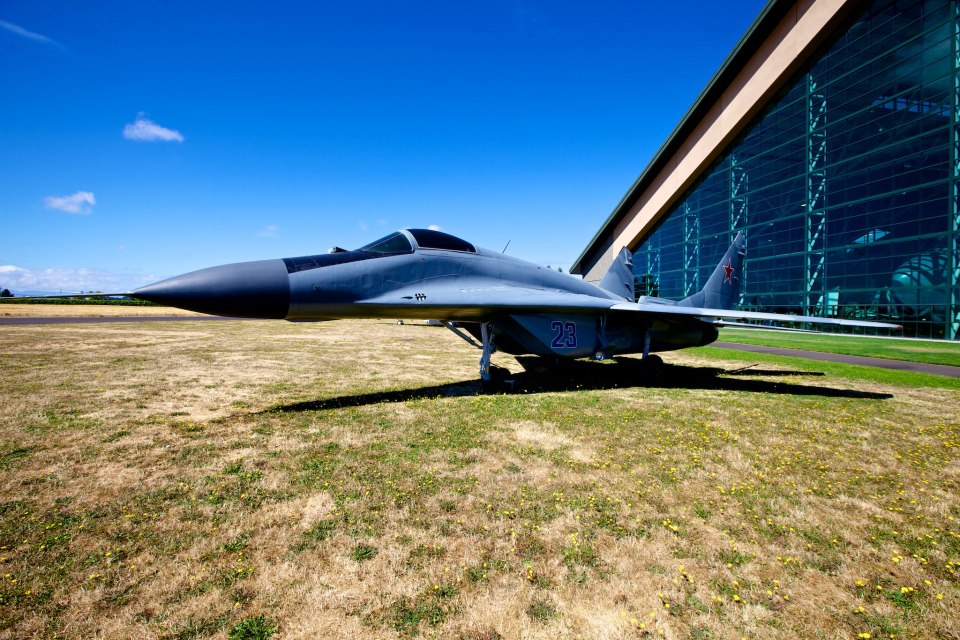
The MiG-29 is the light air-superiority fighter with which the Soviet Union answered America's fourth generation. Christened "Fulcrum" by NATO, its low-speed agility and famous cobra manoeuvre made it the airshow star of the late Cold…
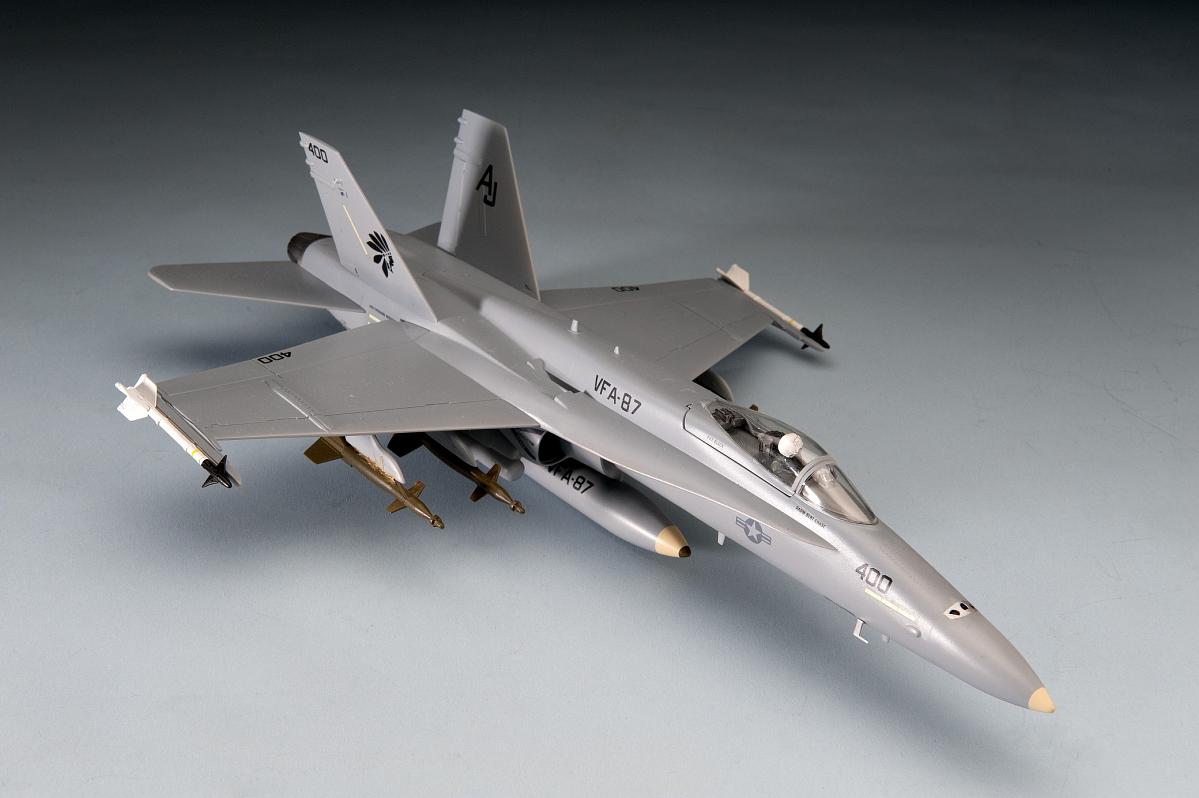
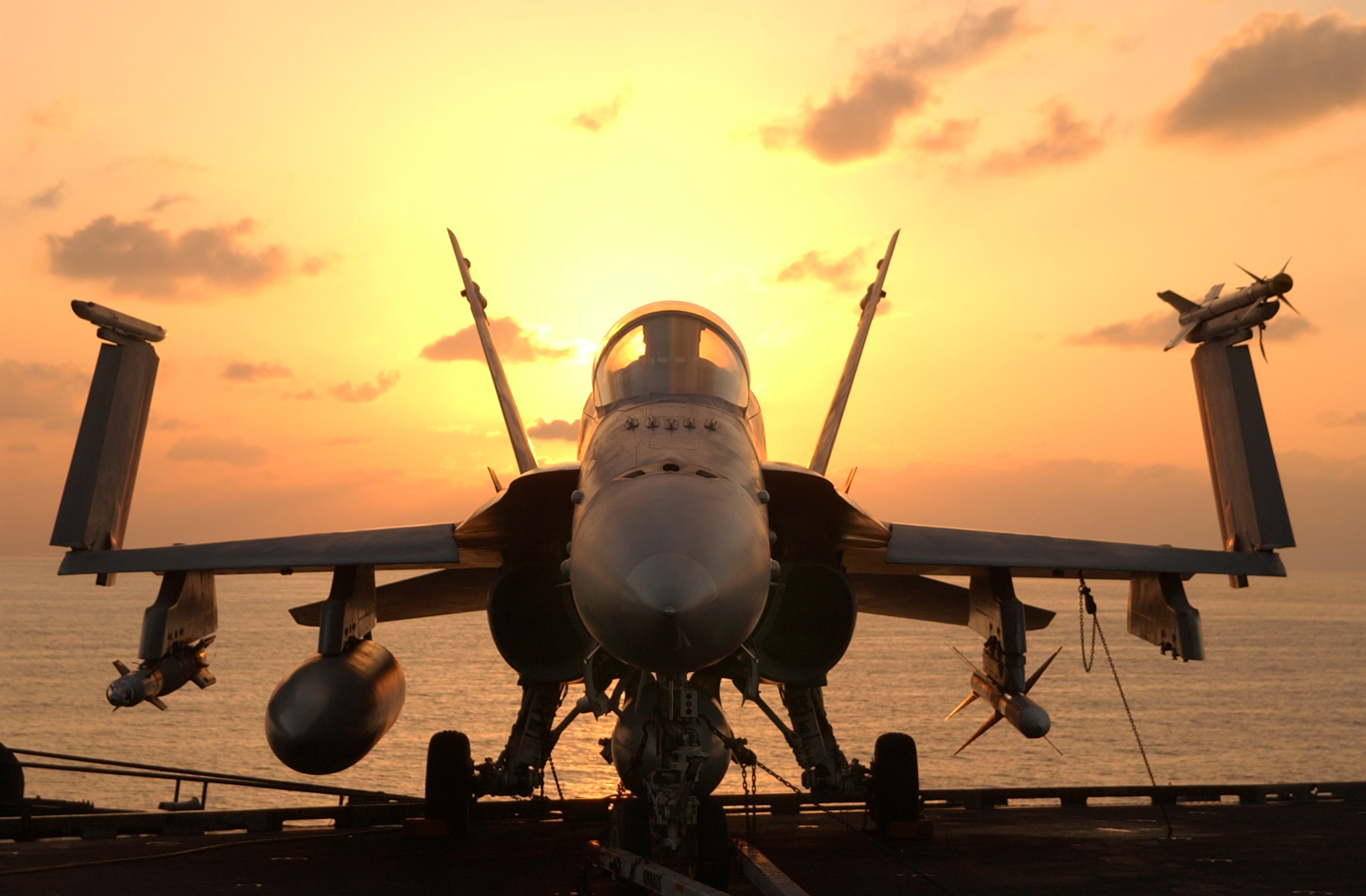
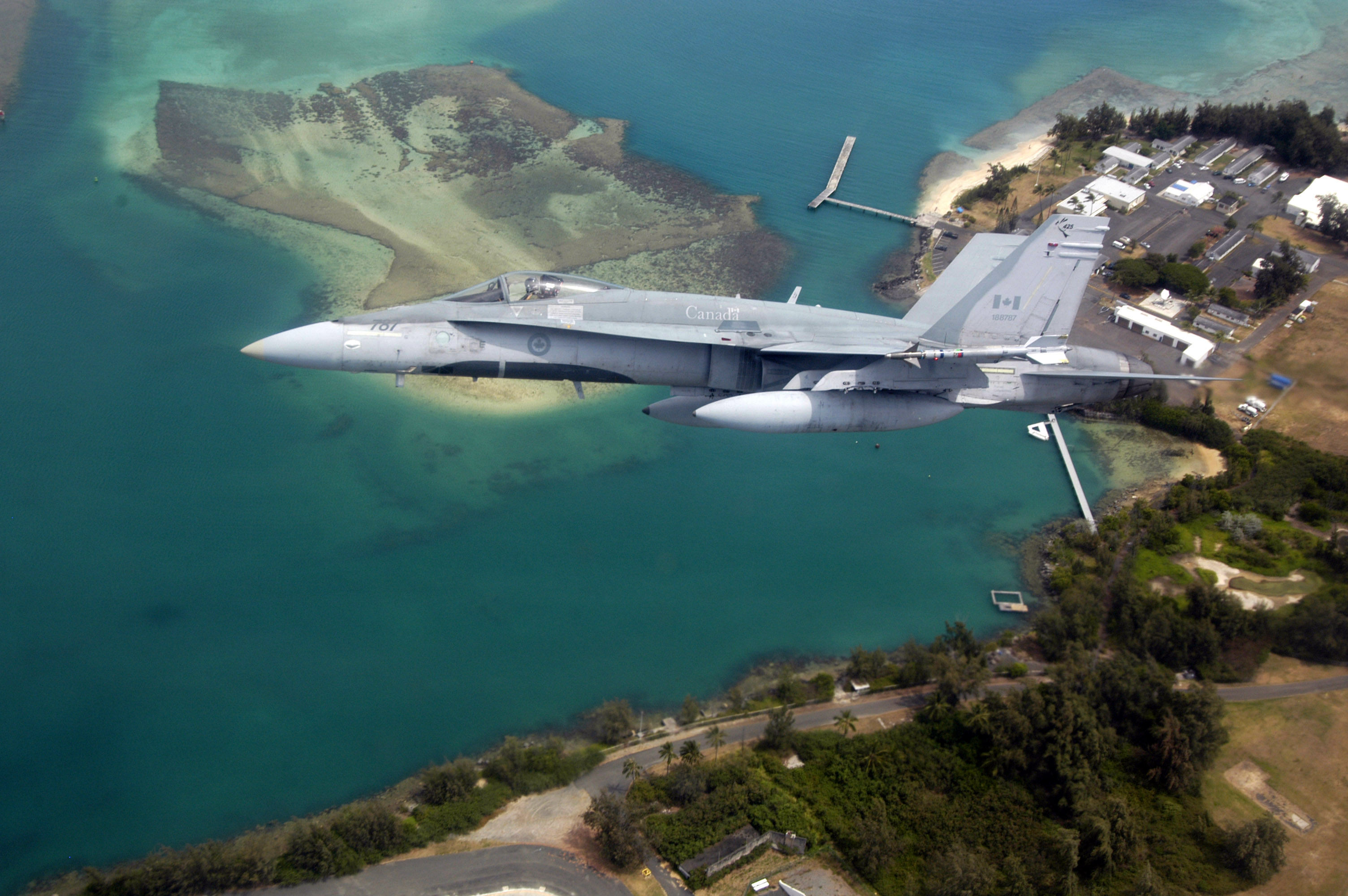
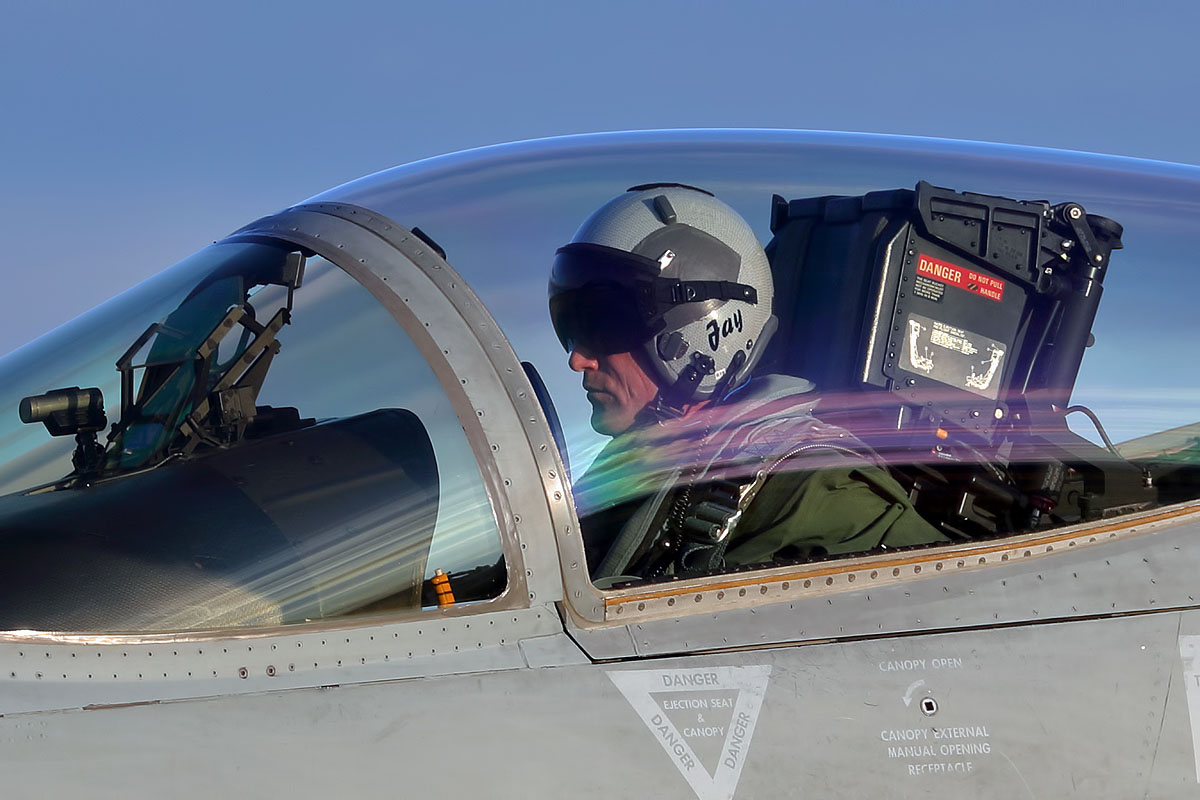
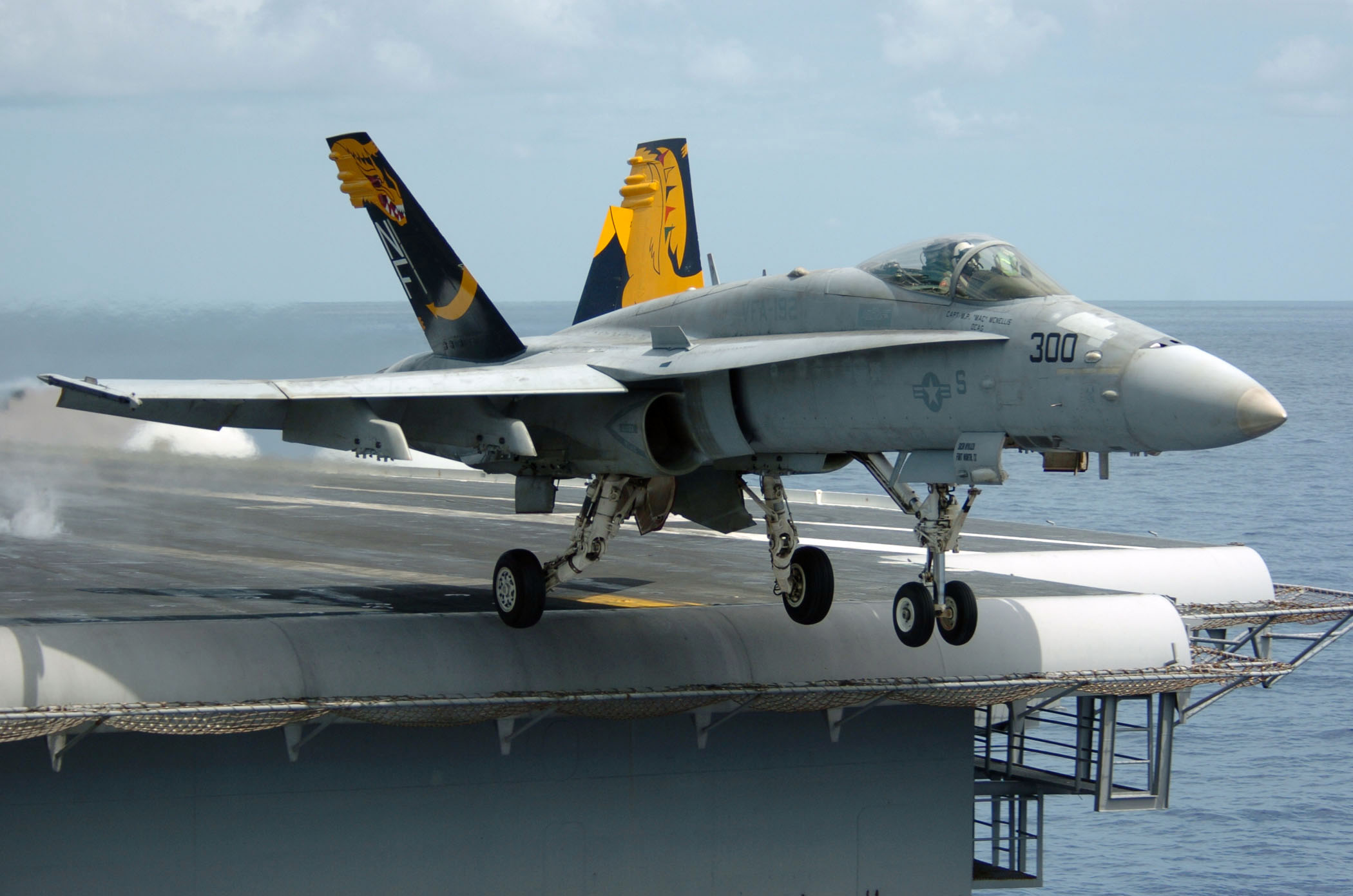
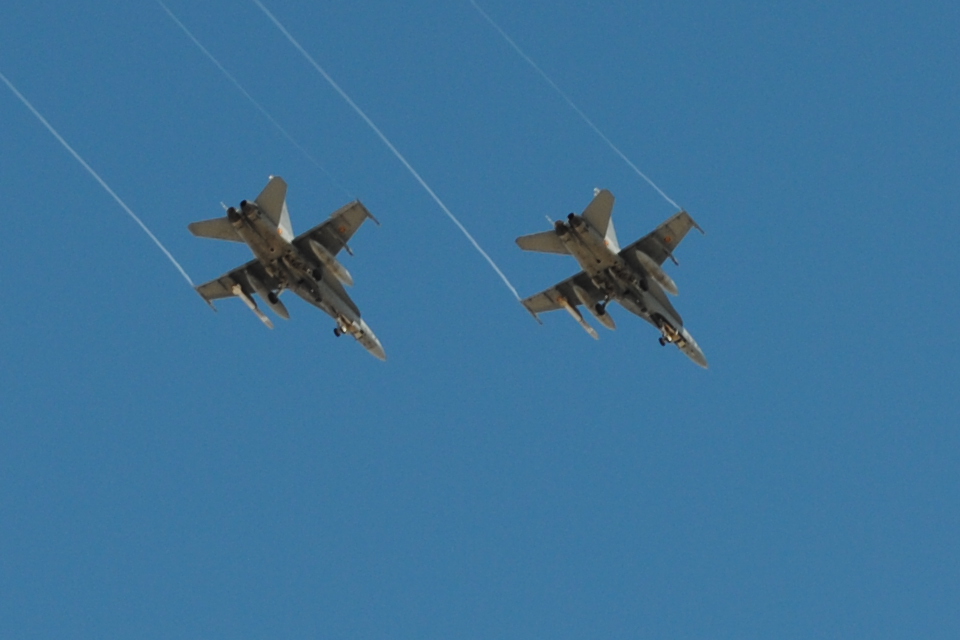
The McDonnell Douglas F/A-18 Hornet is a carrier-capable, supersonic, twin-engined, all-weather combat aircraft conceived as both a fighter and a ground-attack machine, hence the dual F/A designation. It was designed by McDonnell Douglas…
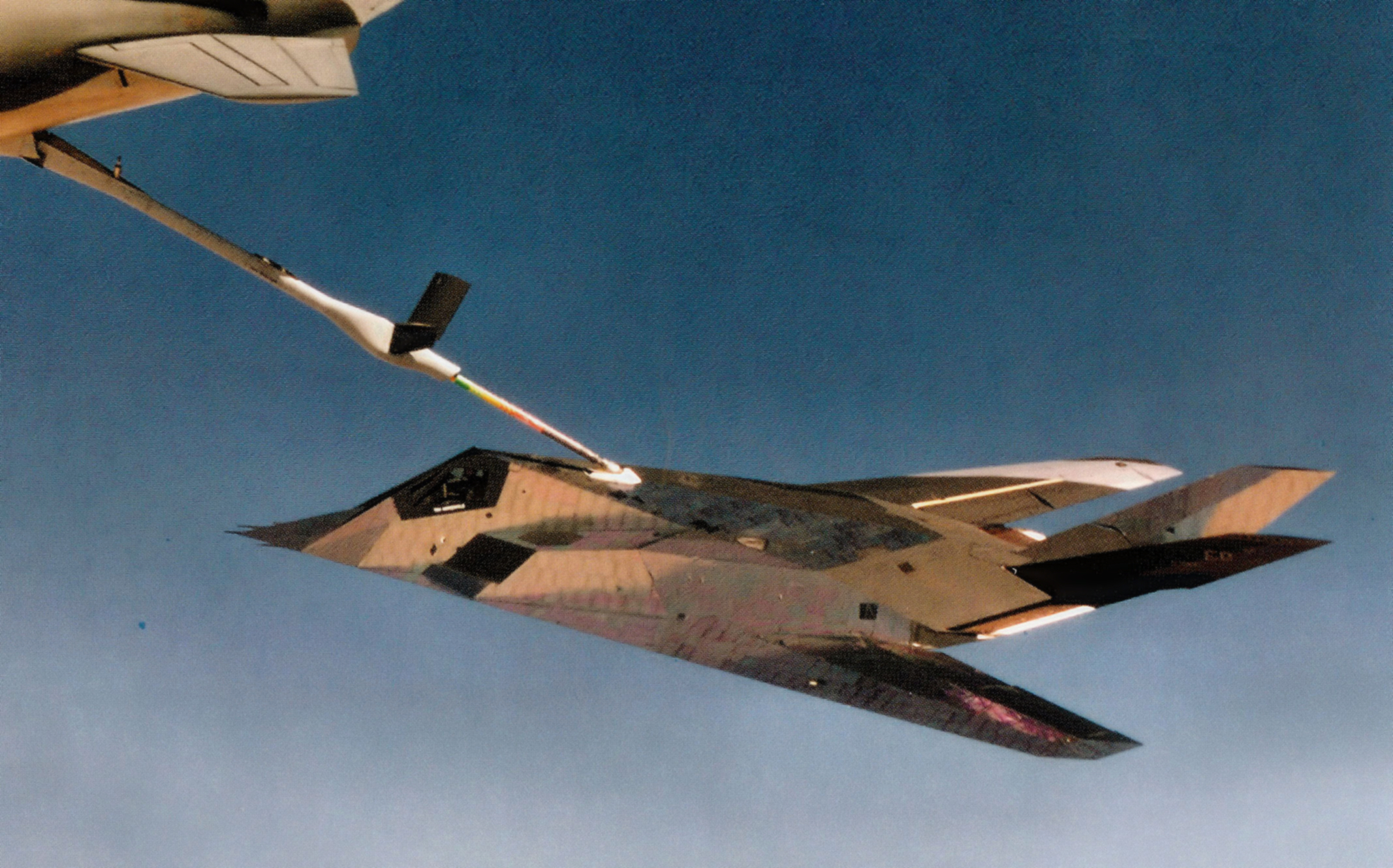
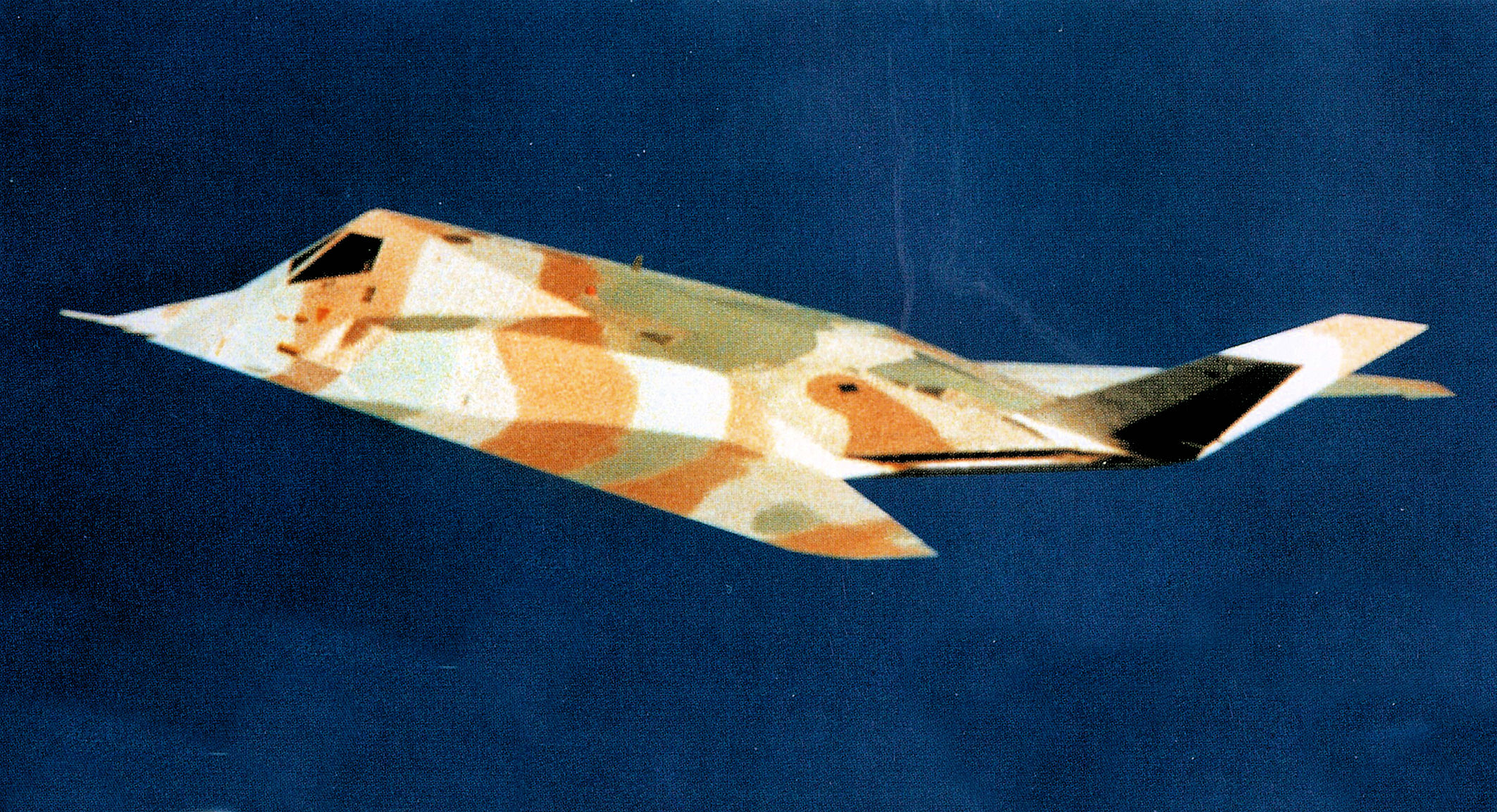
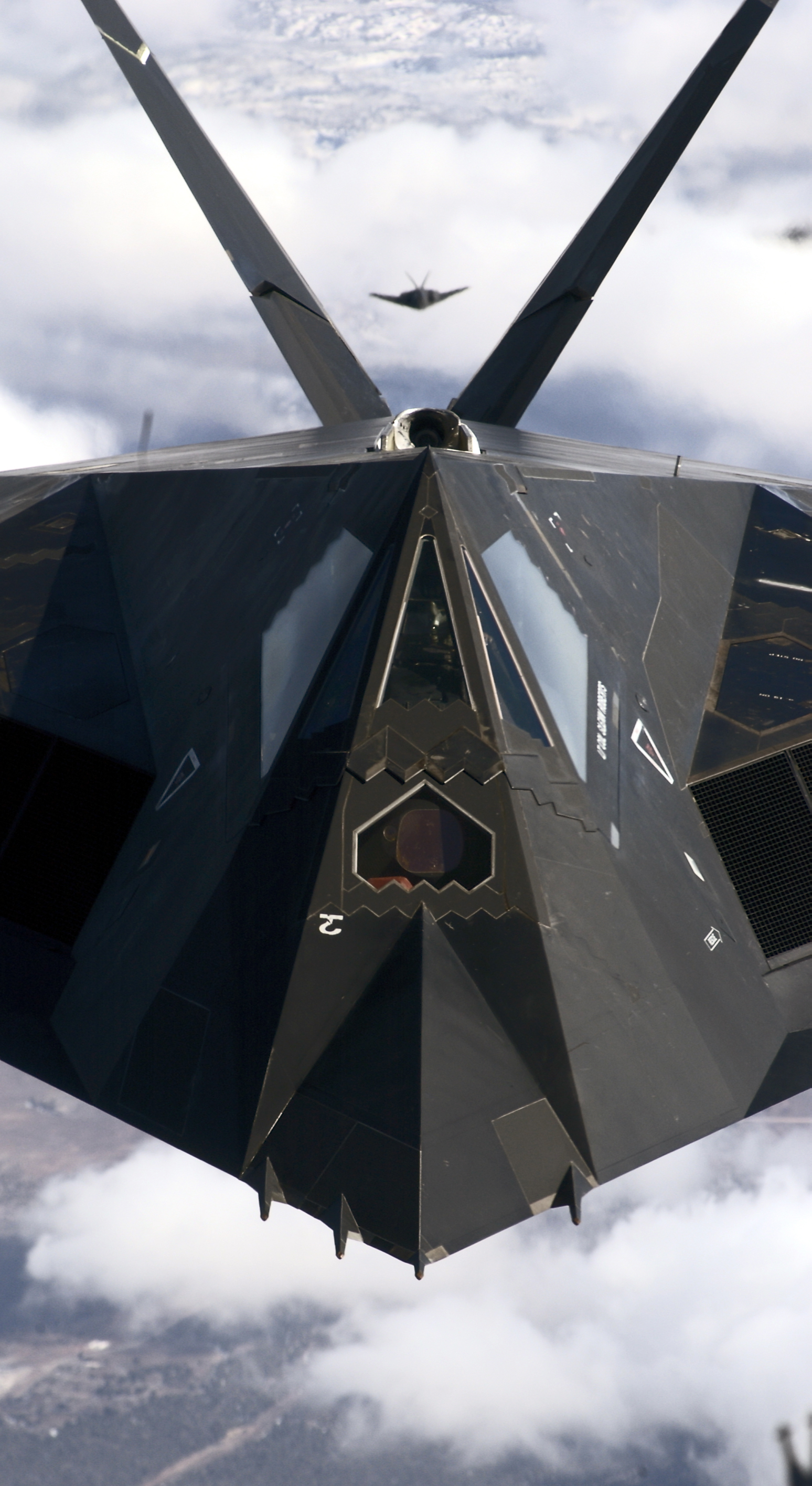
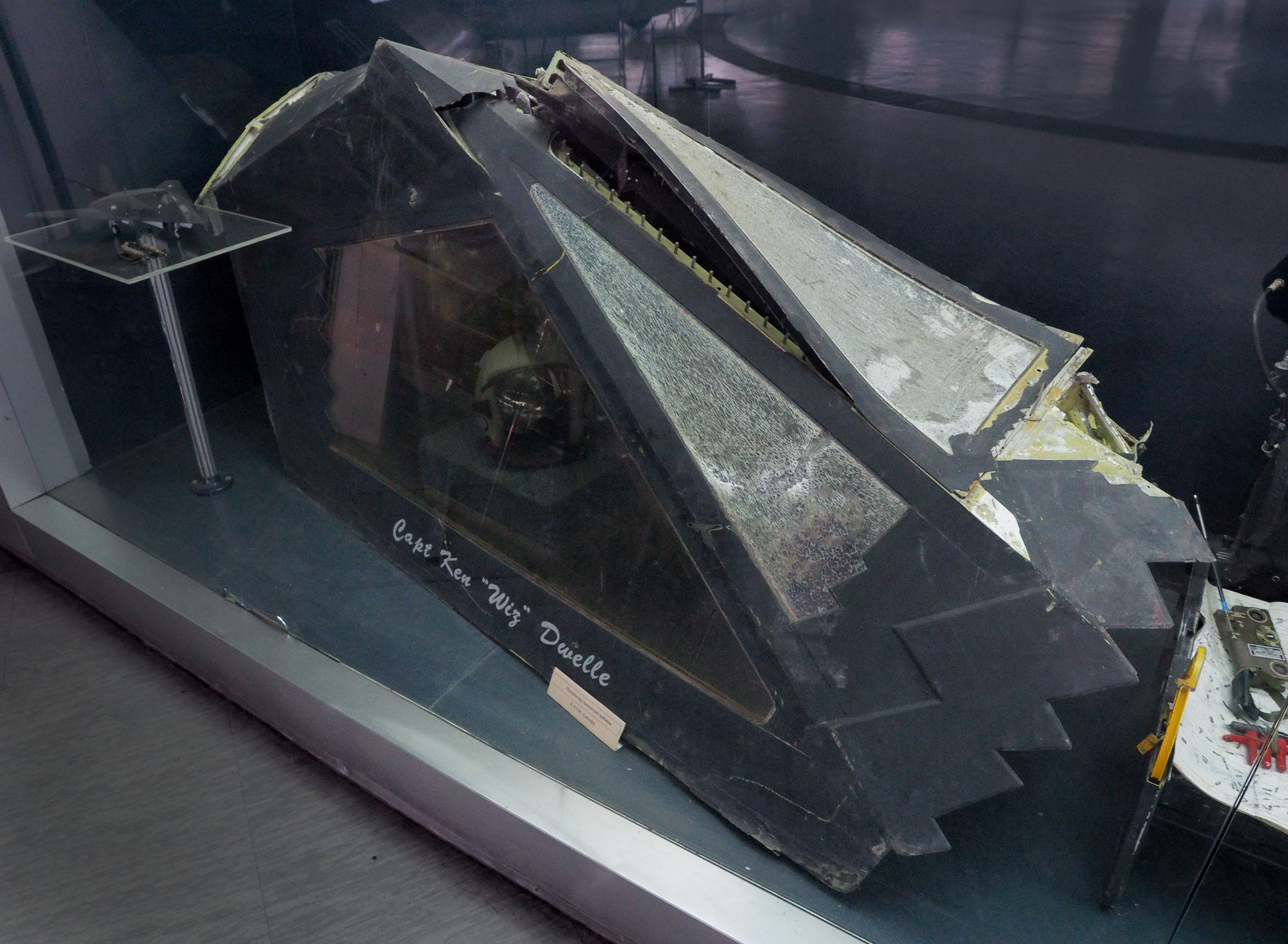
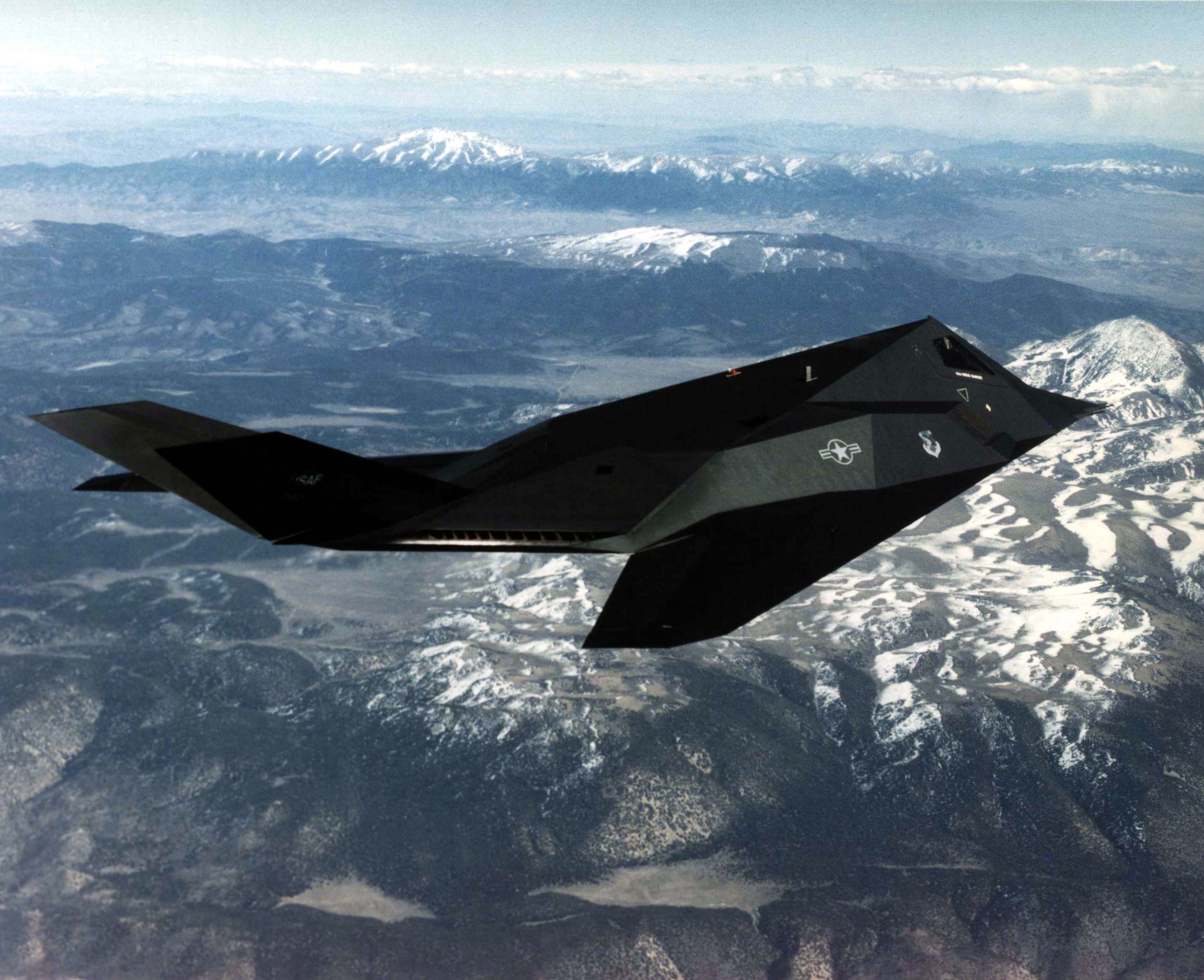
The Lockheed F-117 Nighthawk was the world's first operational aircraft designed from the outset around low observability: a single-seat, subsonic, twin-engined attack aircraft built by Lockheed's Skunk Works division and flown exclusively…
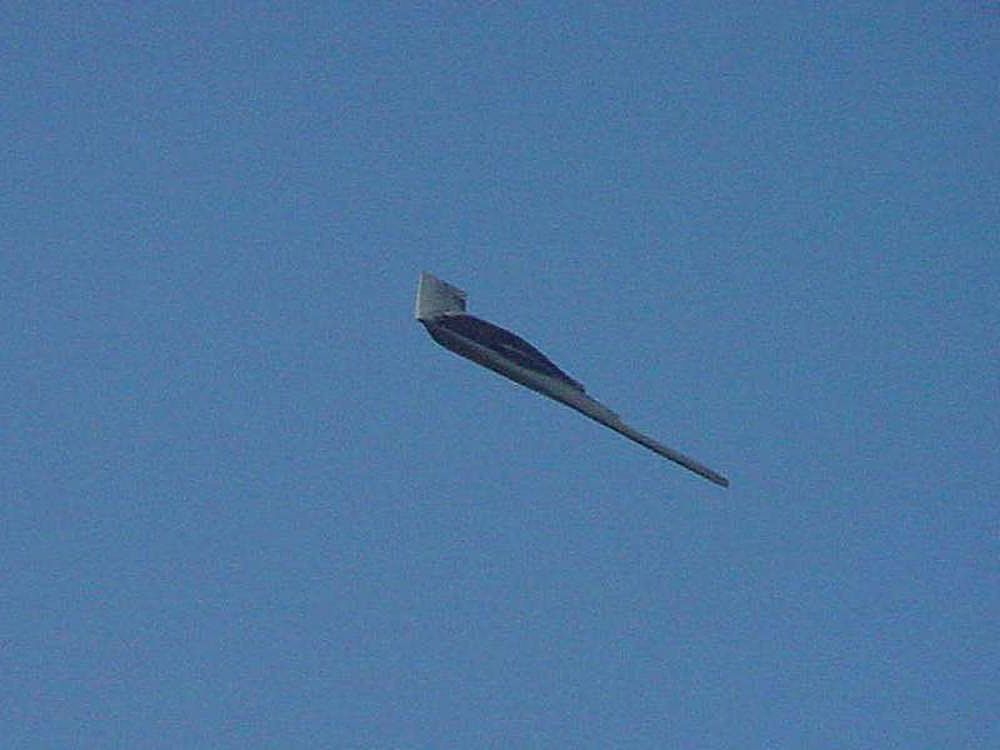
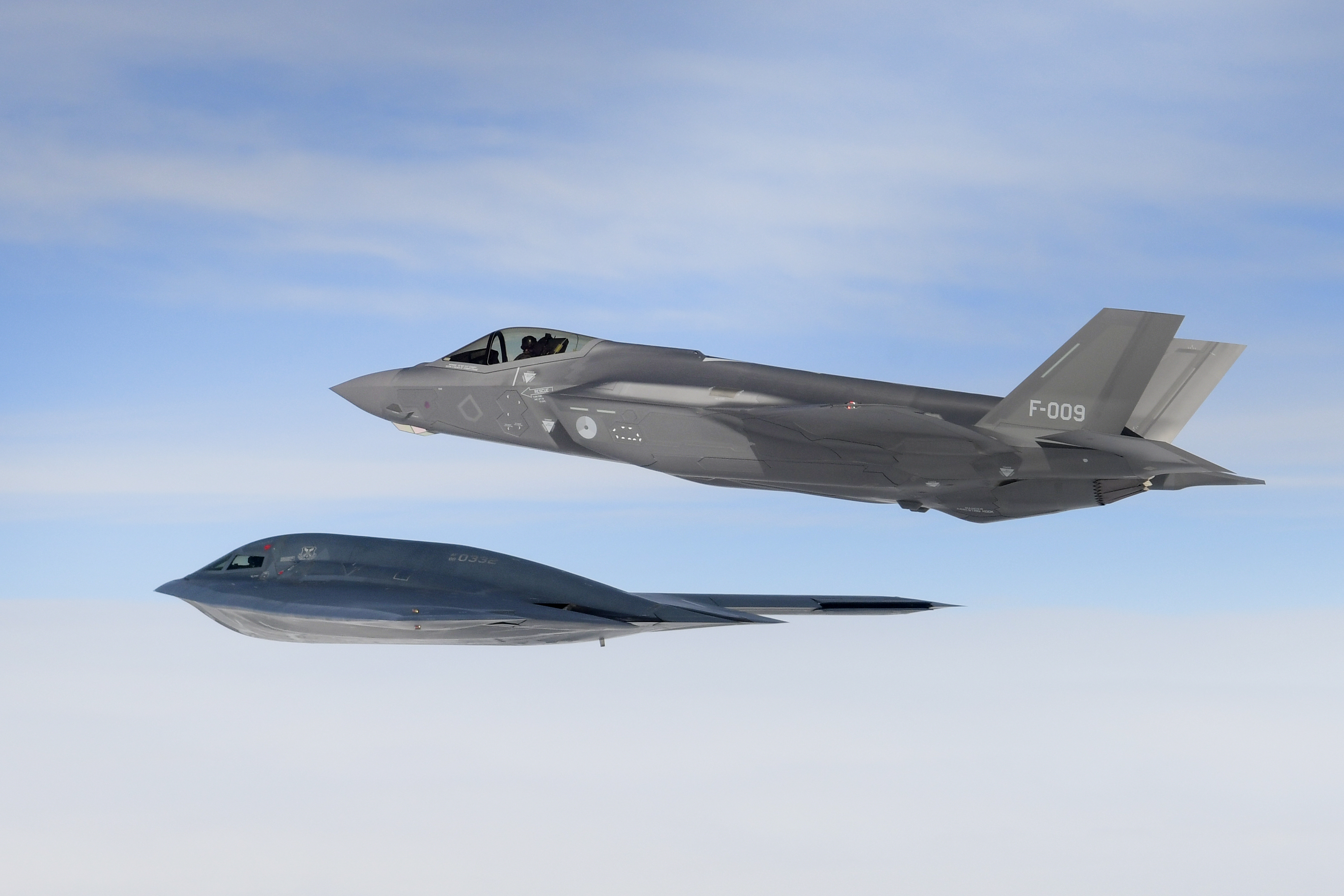
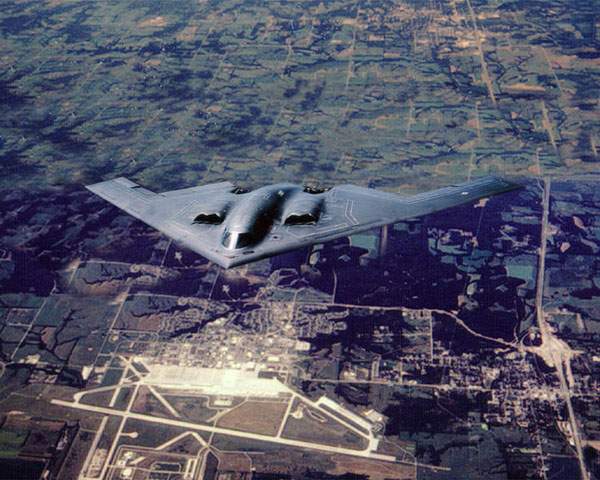
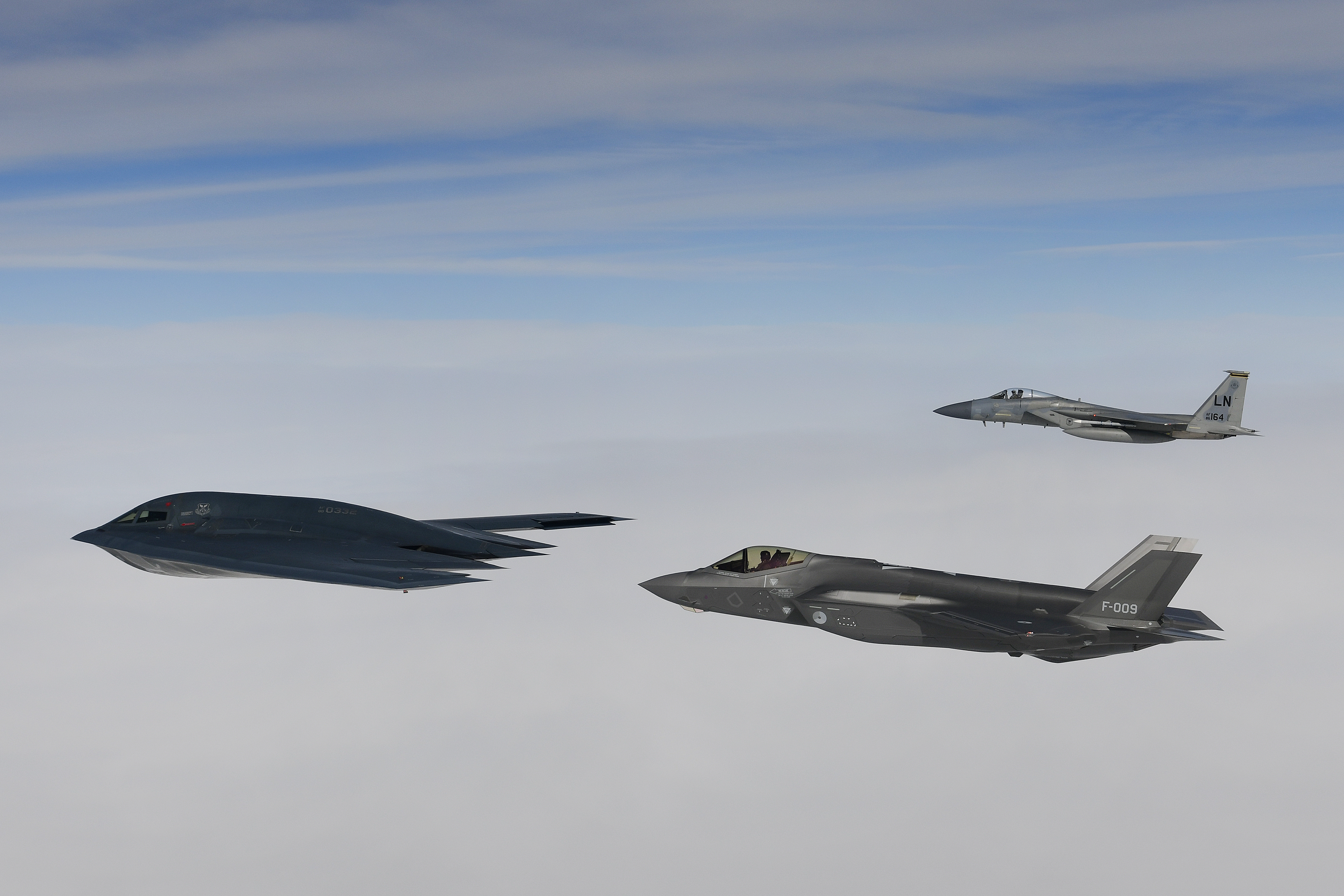
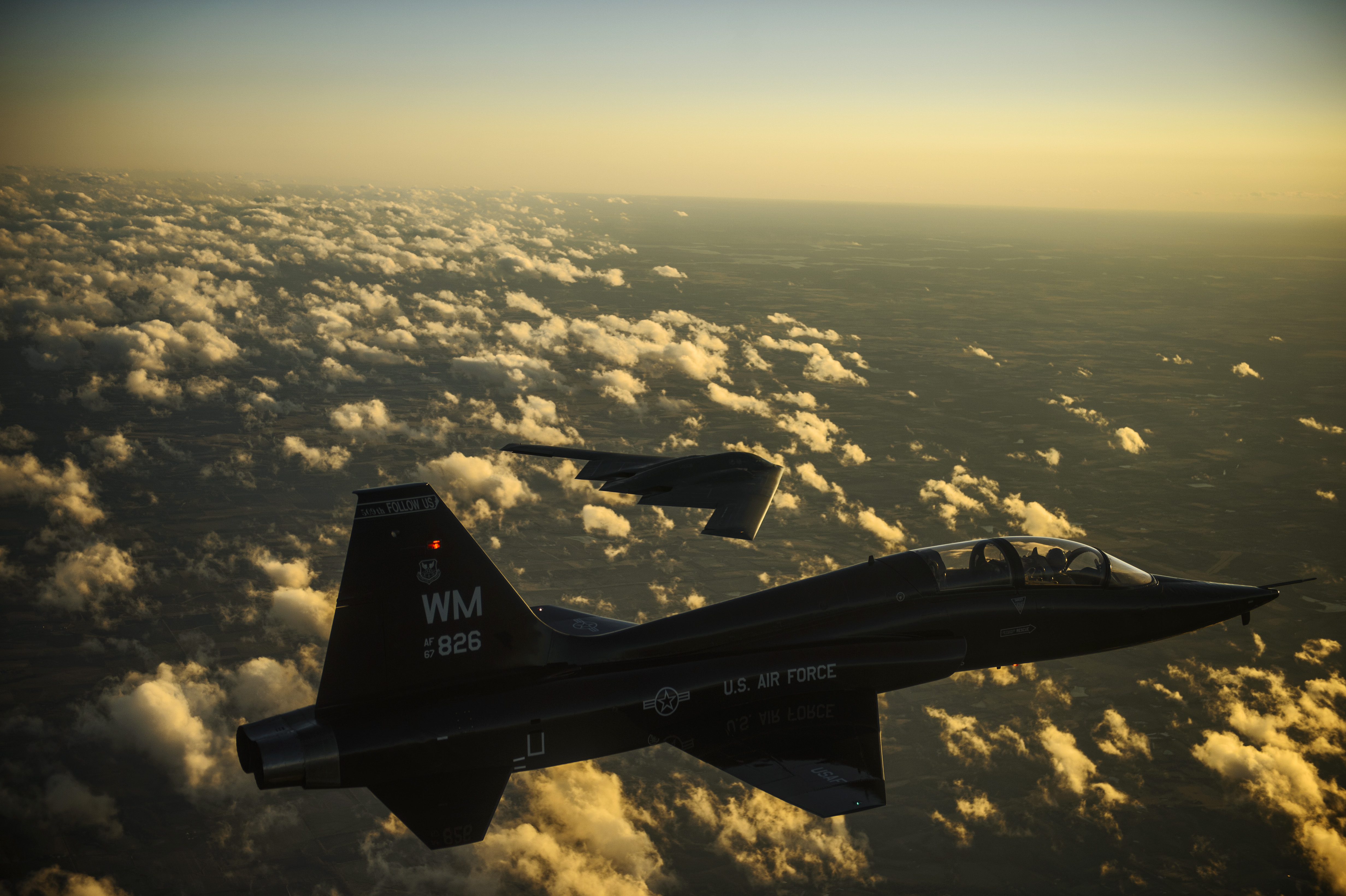
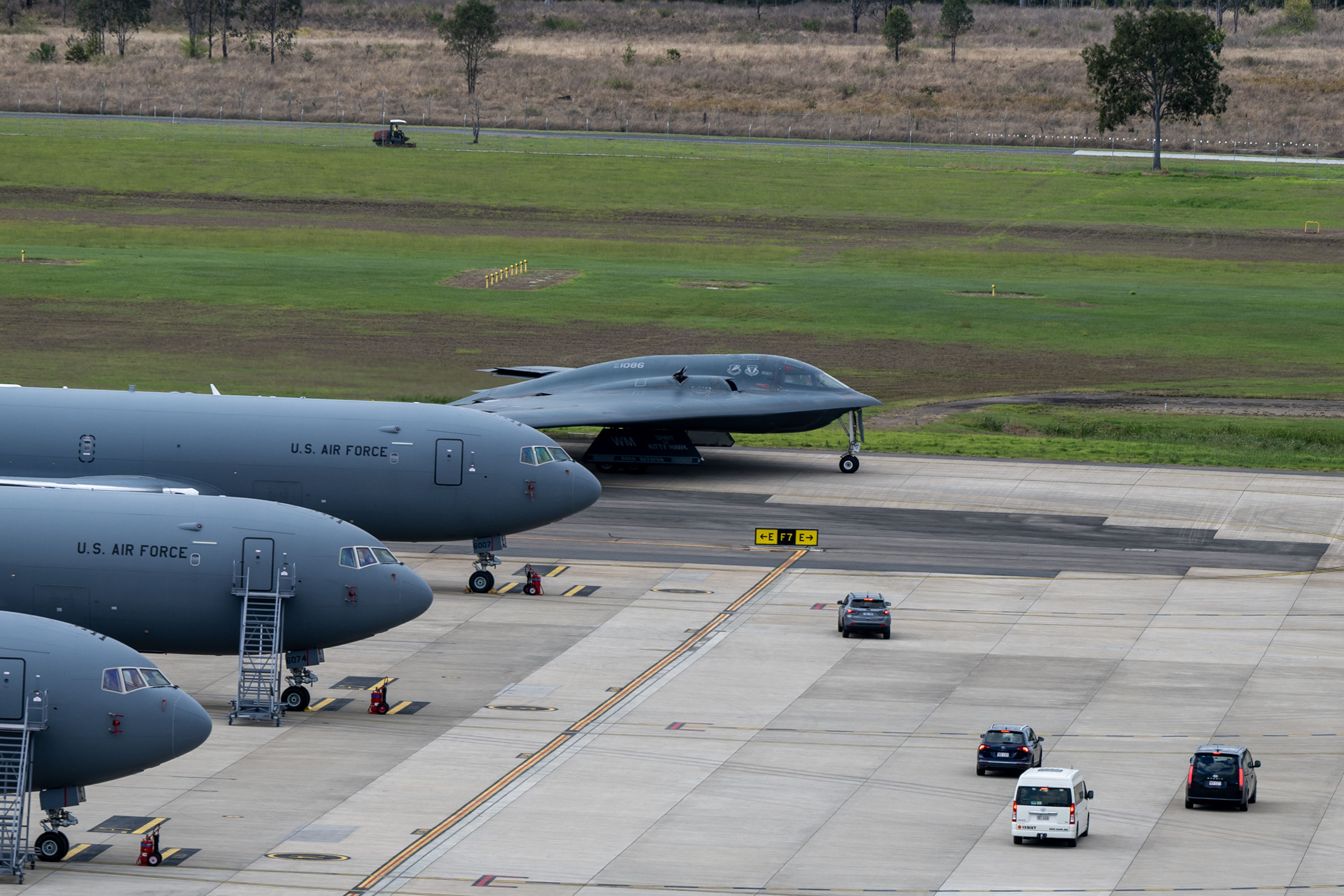
The Northrop Grumman B-2 Spirit is a subsonic, nuclear-capable stealth strategic bomber flown exclusively by the United States Air Force. It is a pure flying wing — no distinct fuselage, no tail — of lambda planform, powered by four…
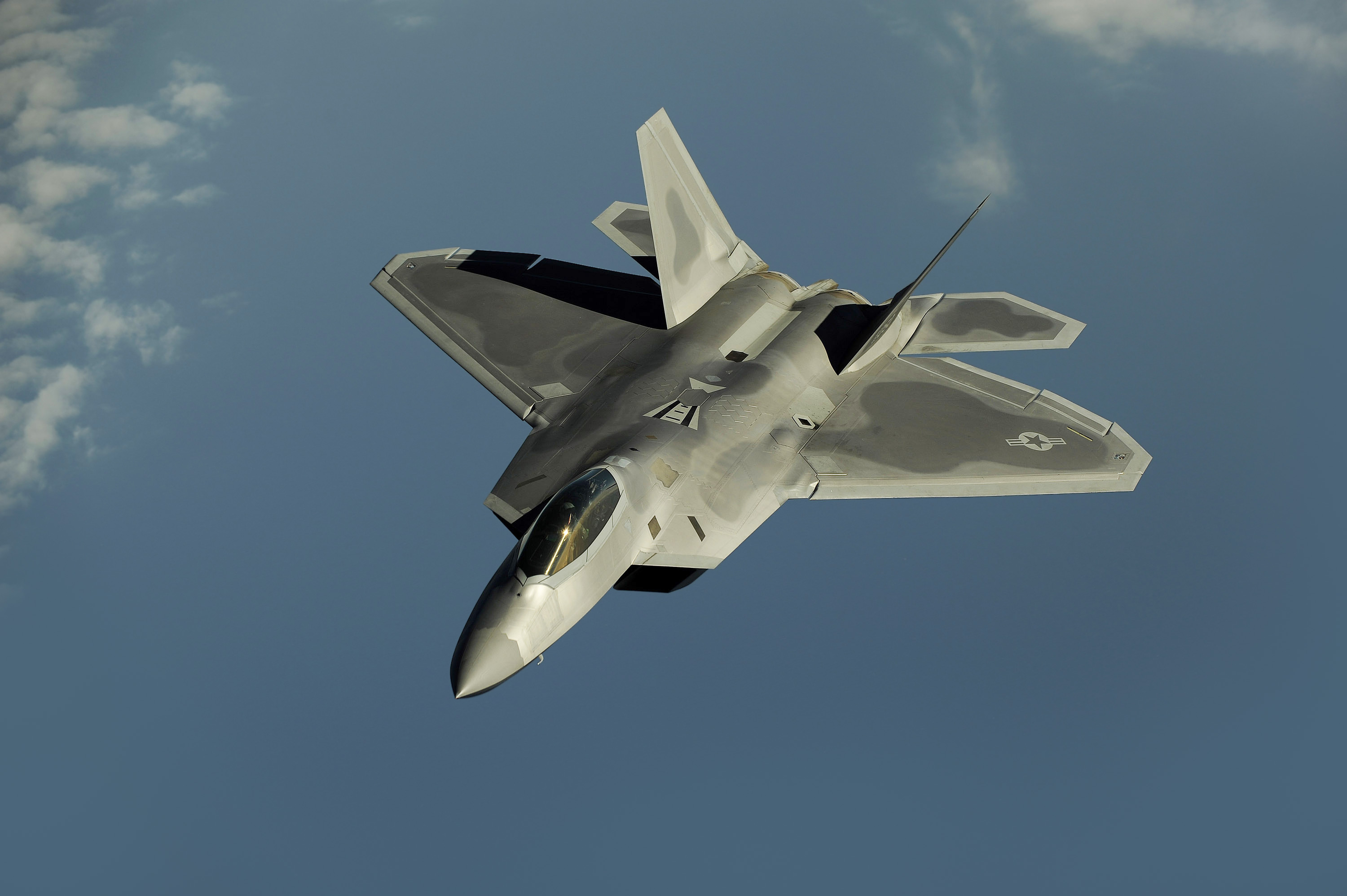
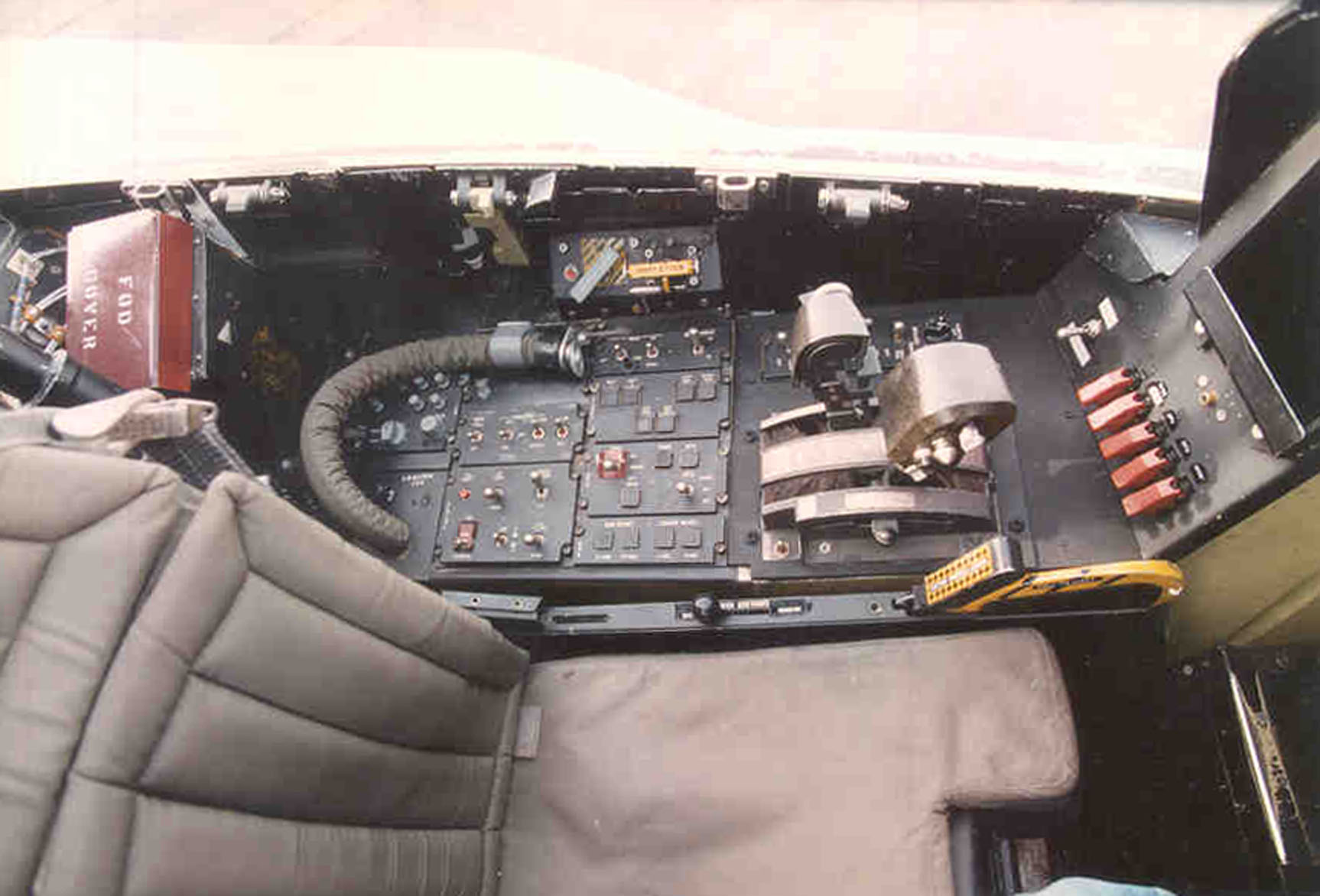
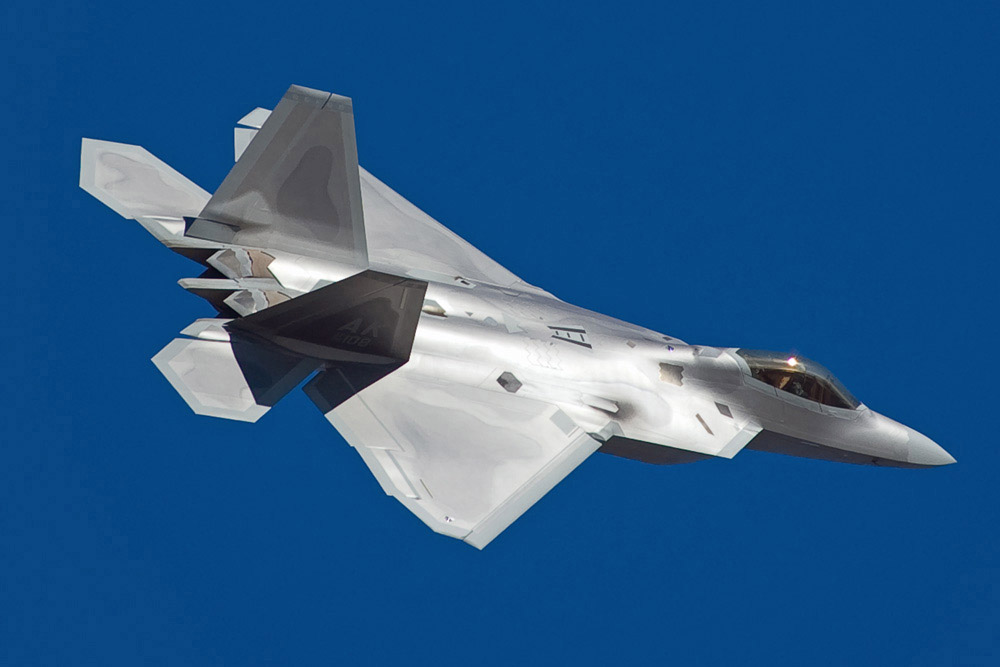
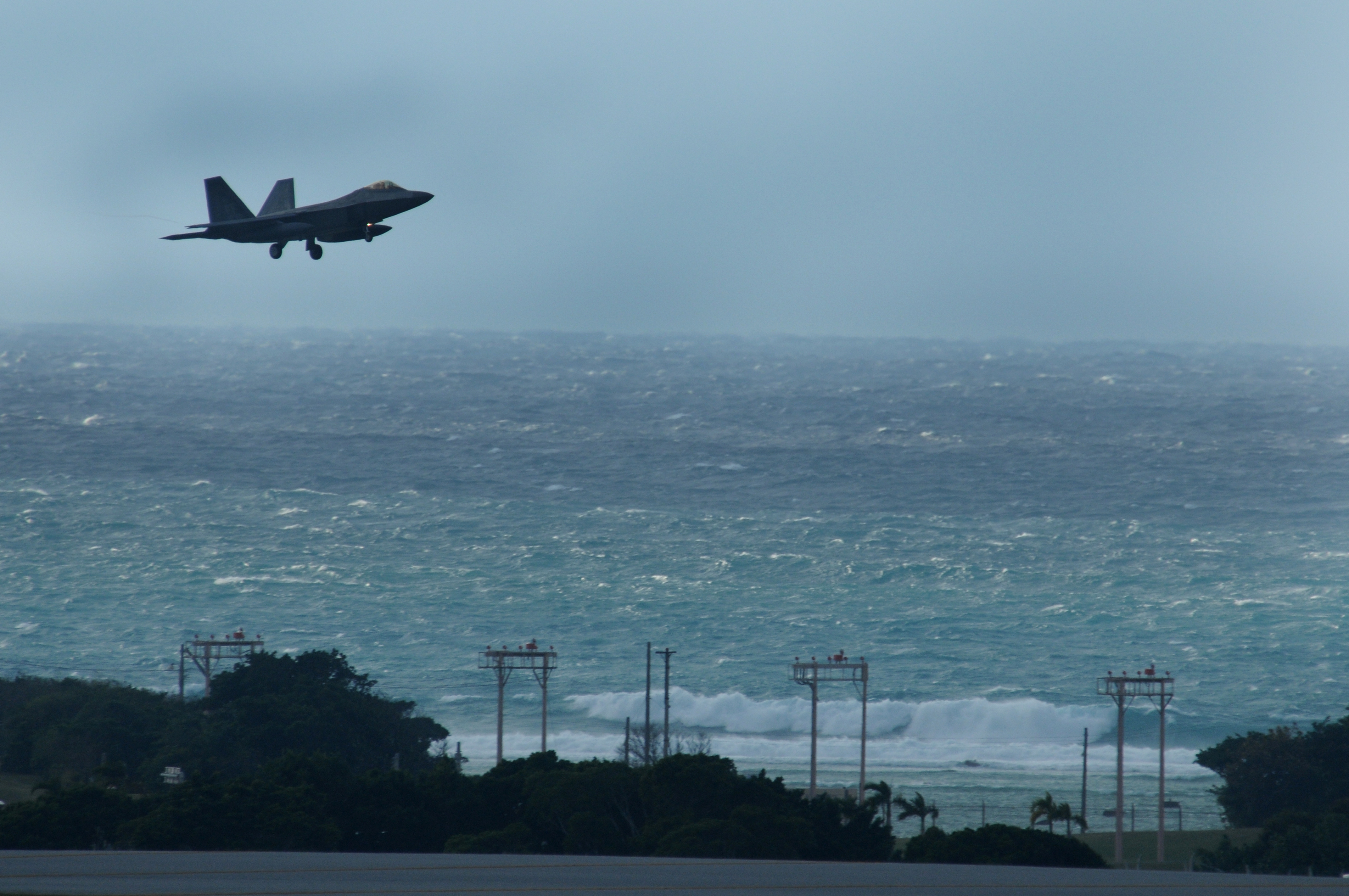
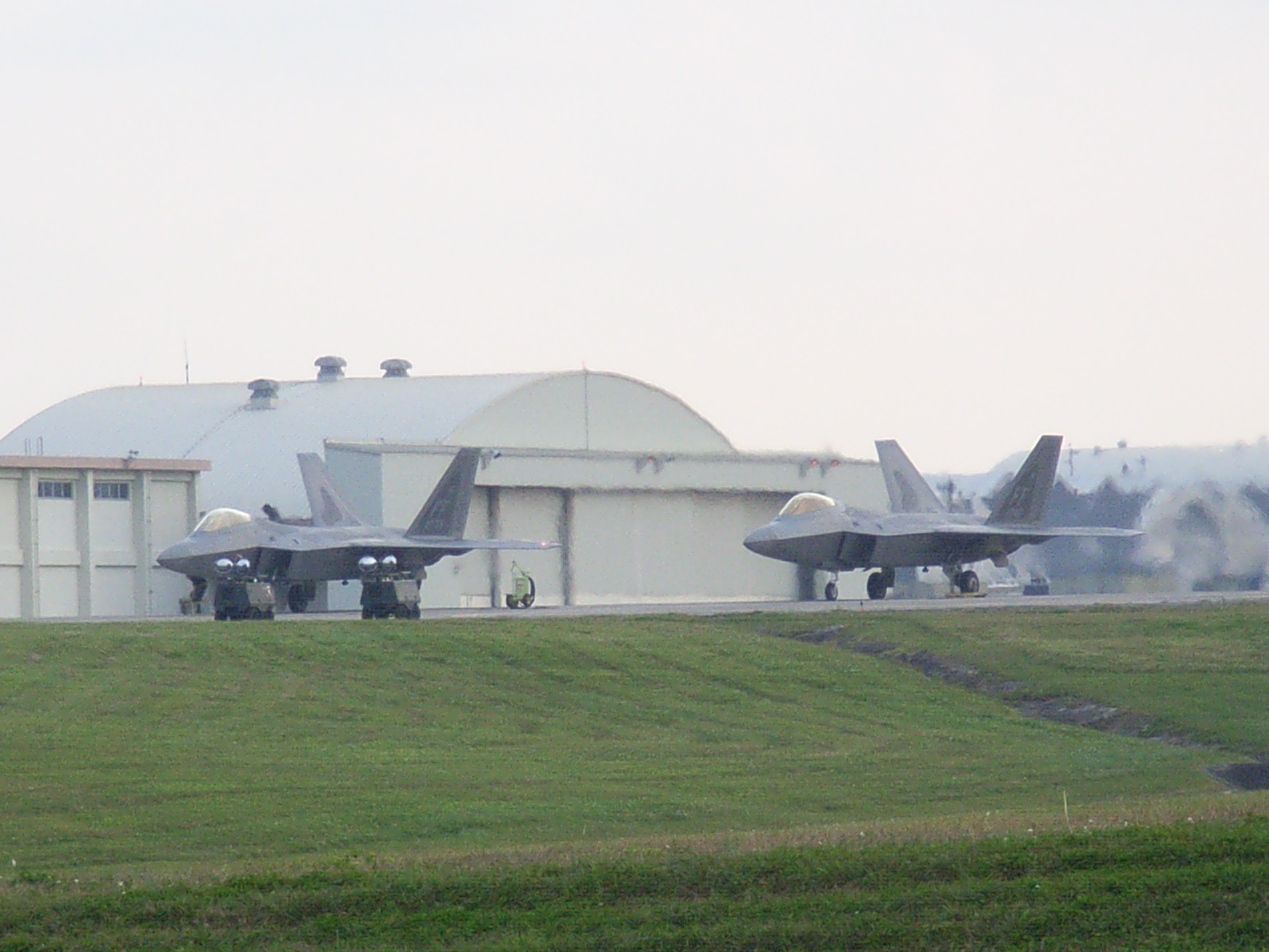
The F-22 Raptor, built by Lockheed Martin together with Boeing, is an American twin-engine, all-weather supersonic stealth fighter built above all for air superiority, though it also carries ground attack, electronic warfare and signals…
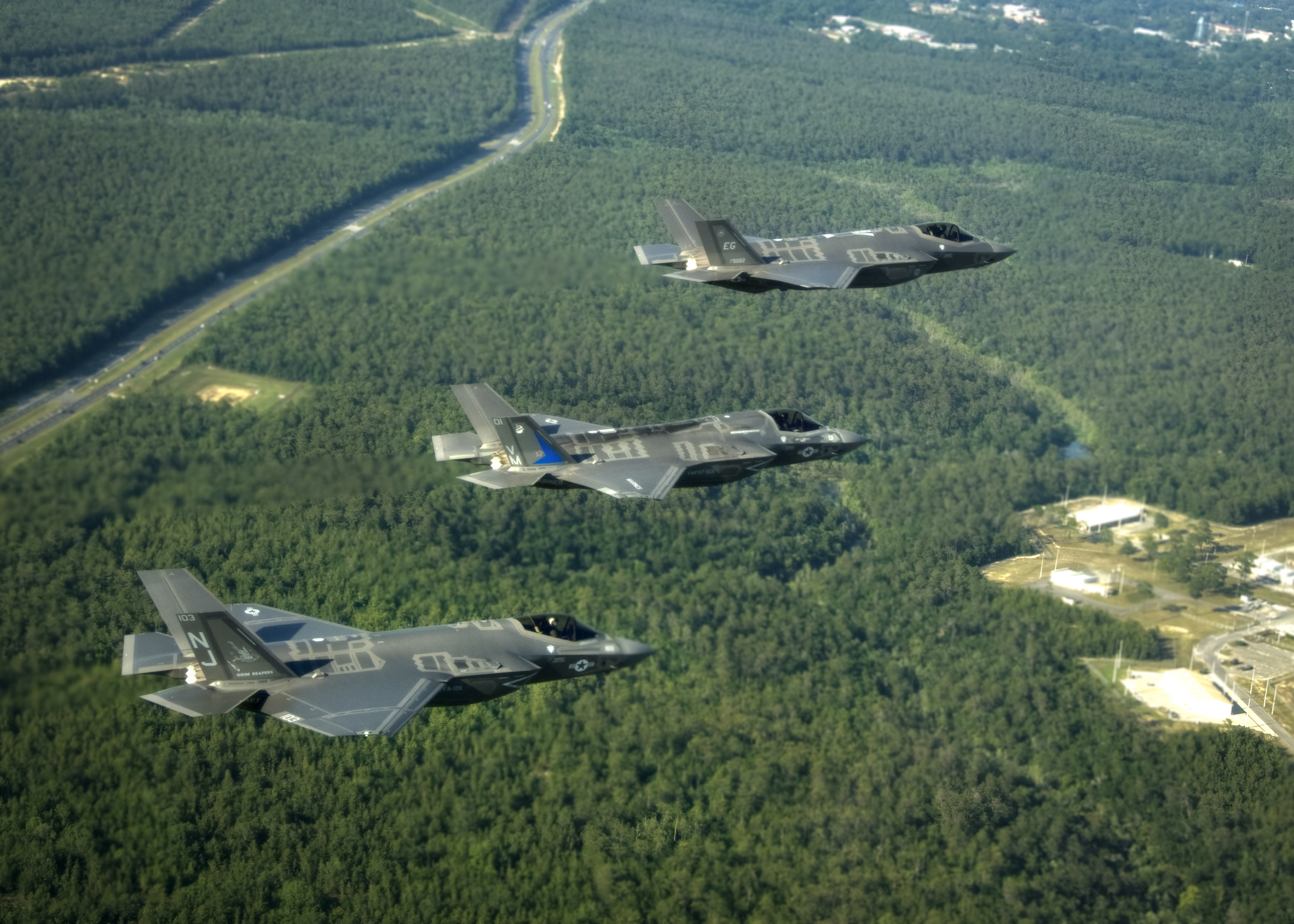
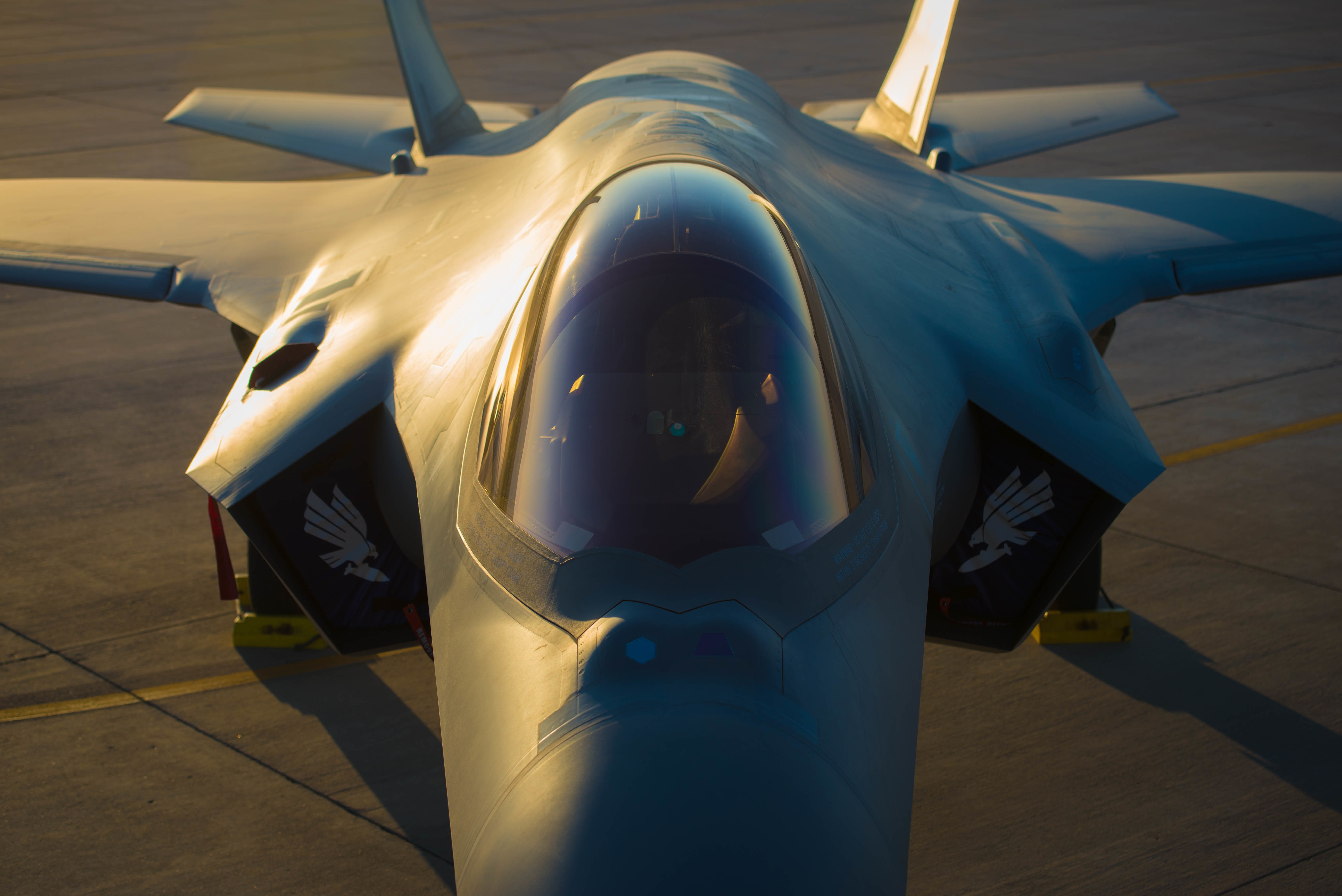
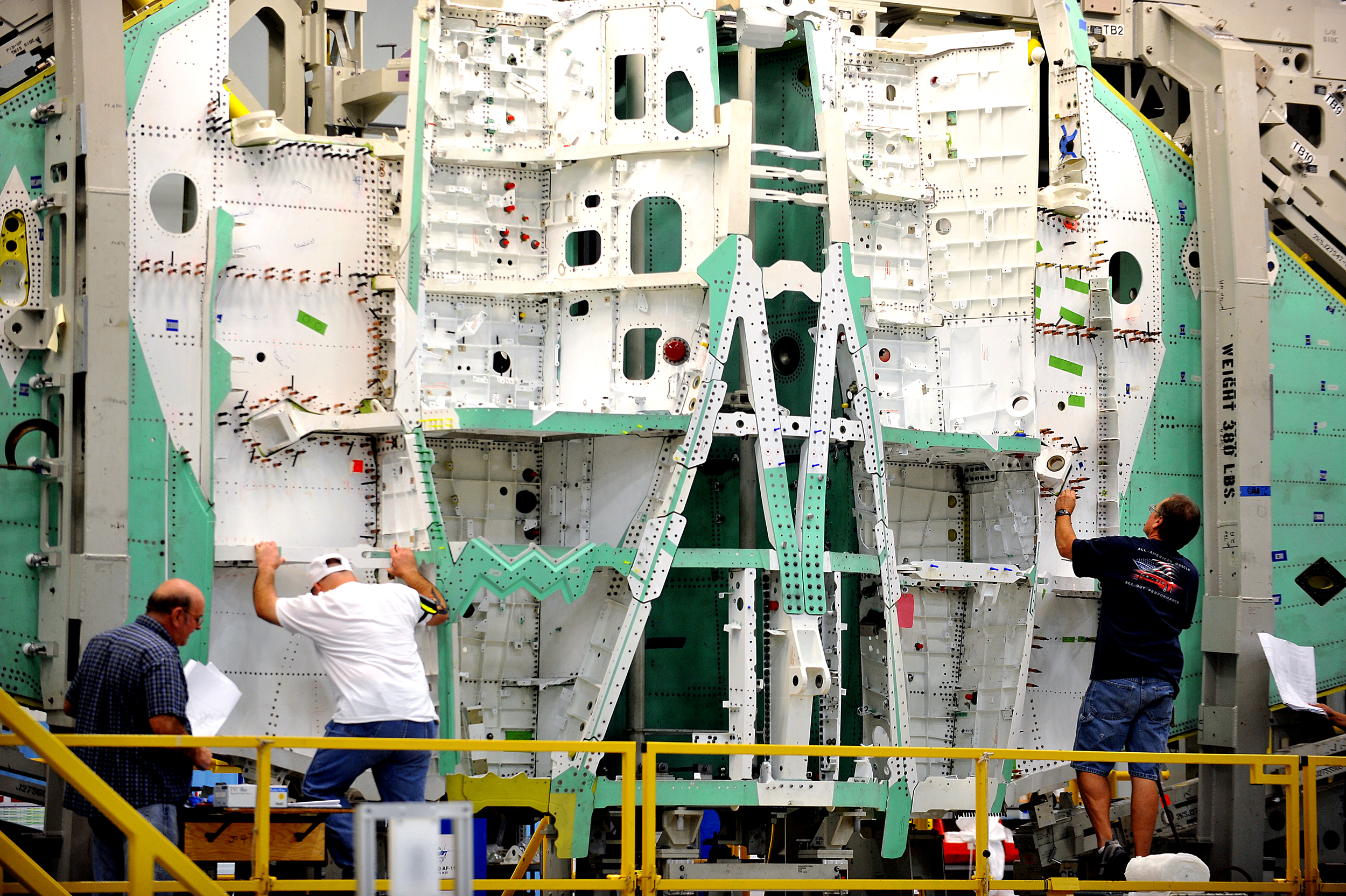
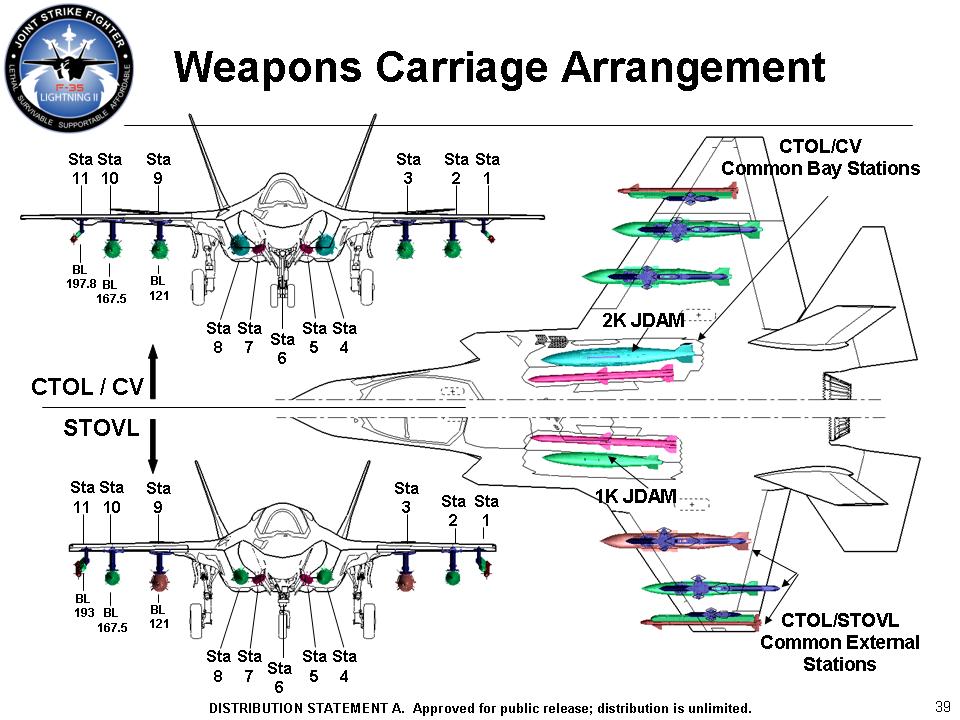
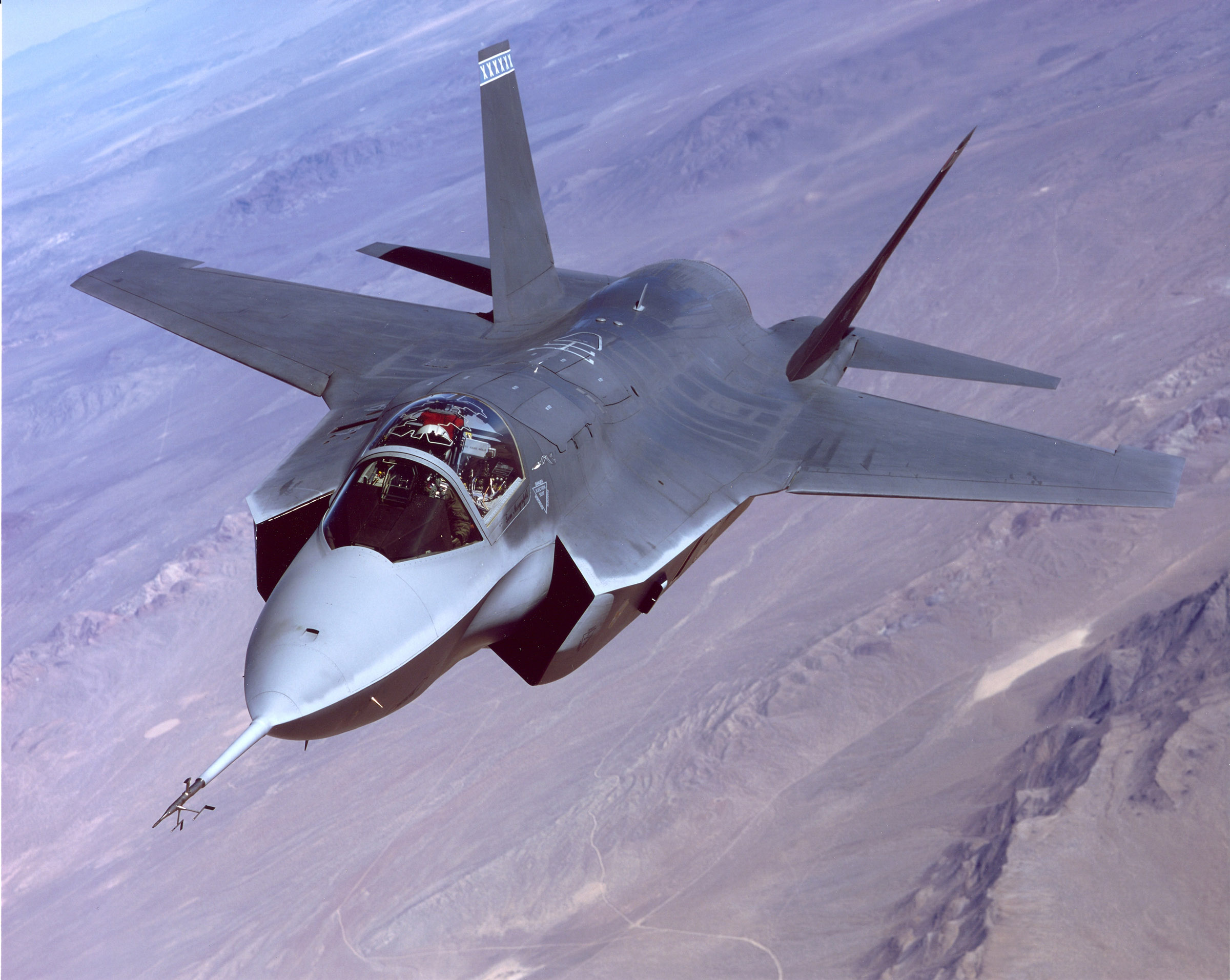
The Lockheed Martin F-35 Lightning II is a family of single-seat, single-engine fifth-generation stealth fighters conceived not as one aircraft but as a common design rendered in three versions that share airframe, powerplant, sensors and…
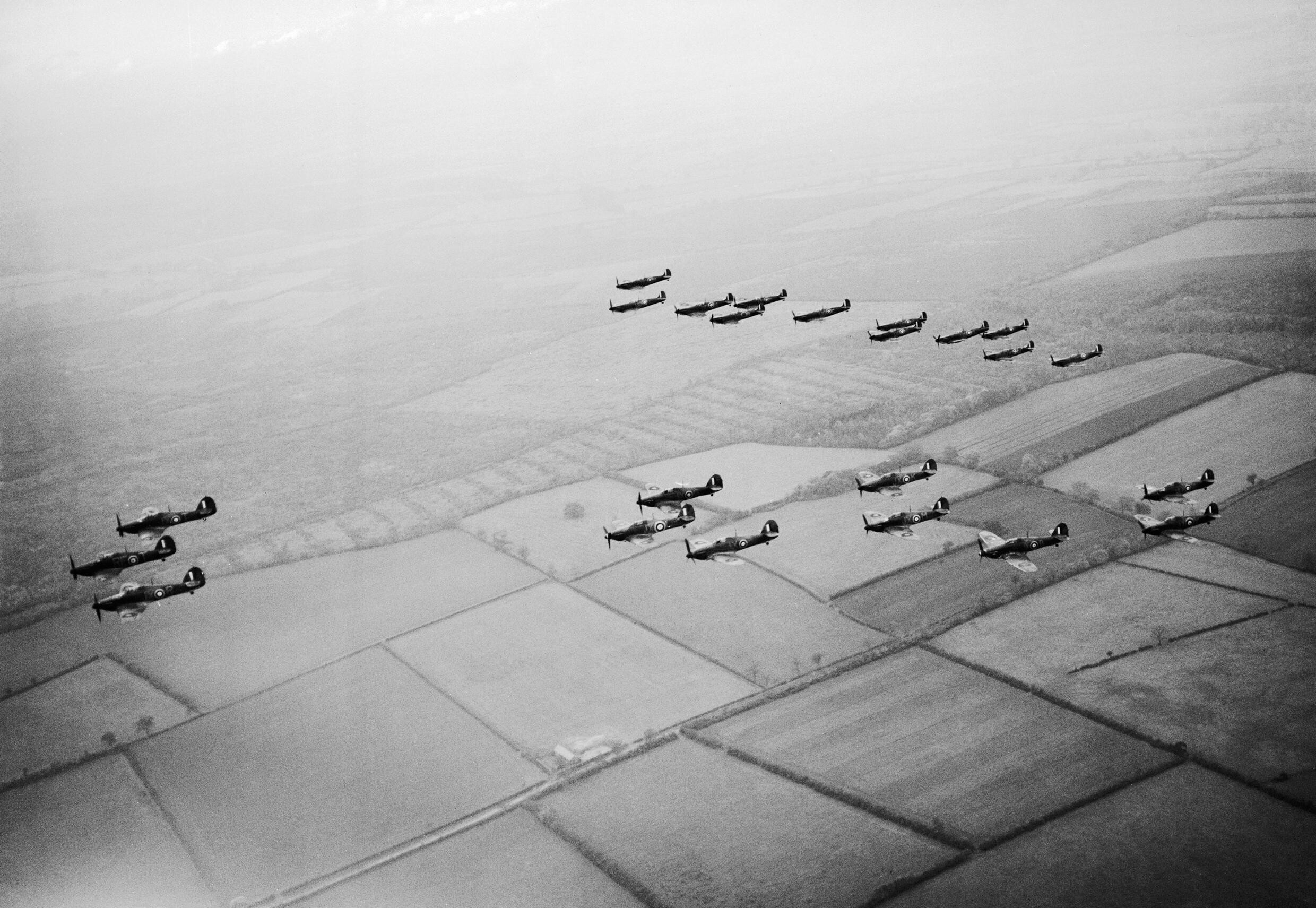
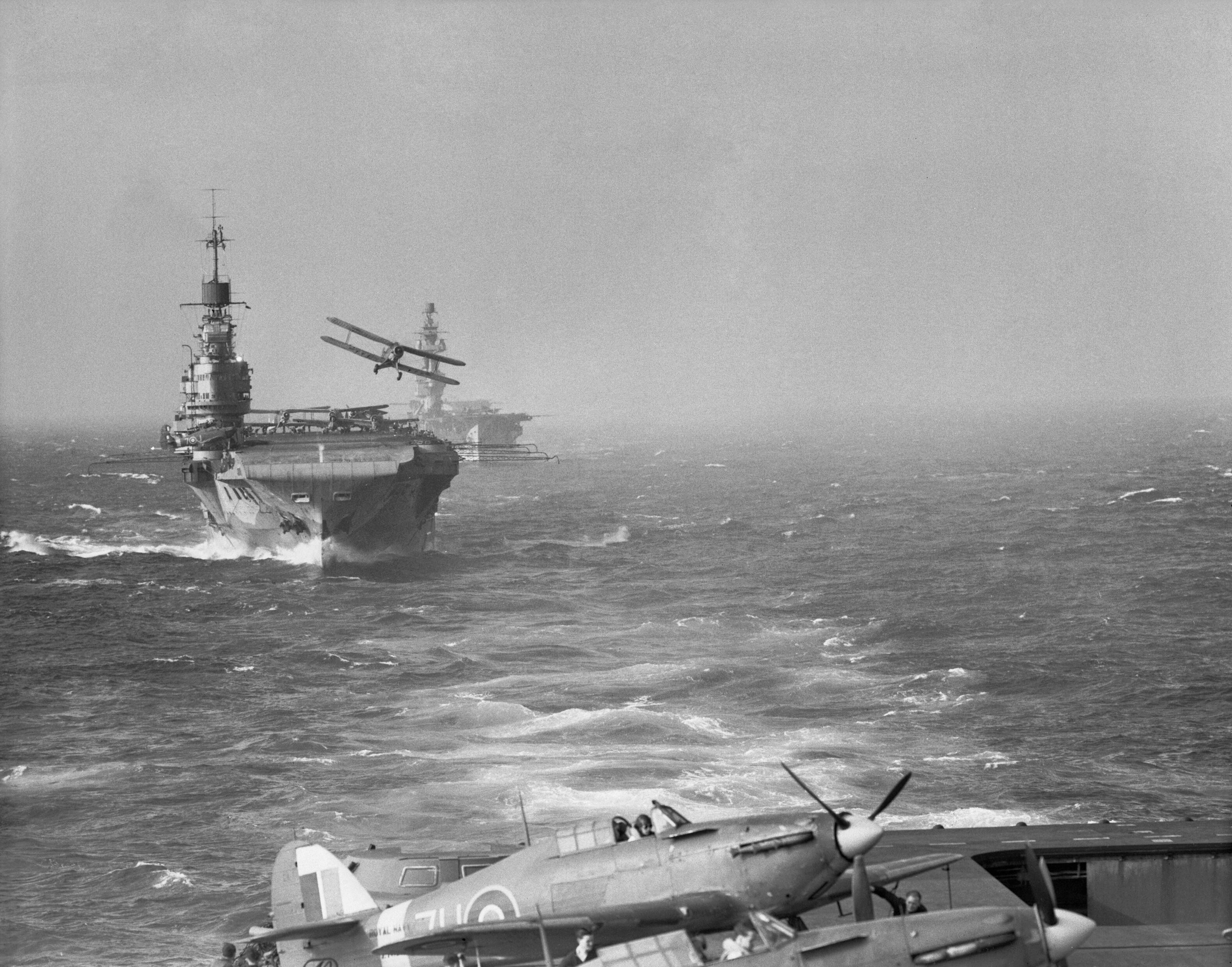
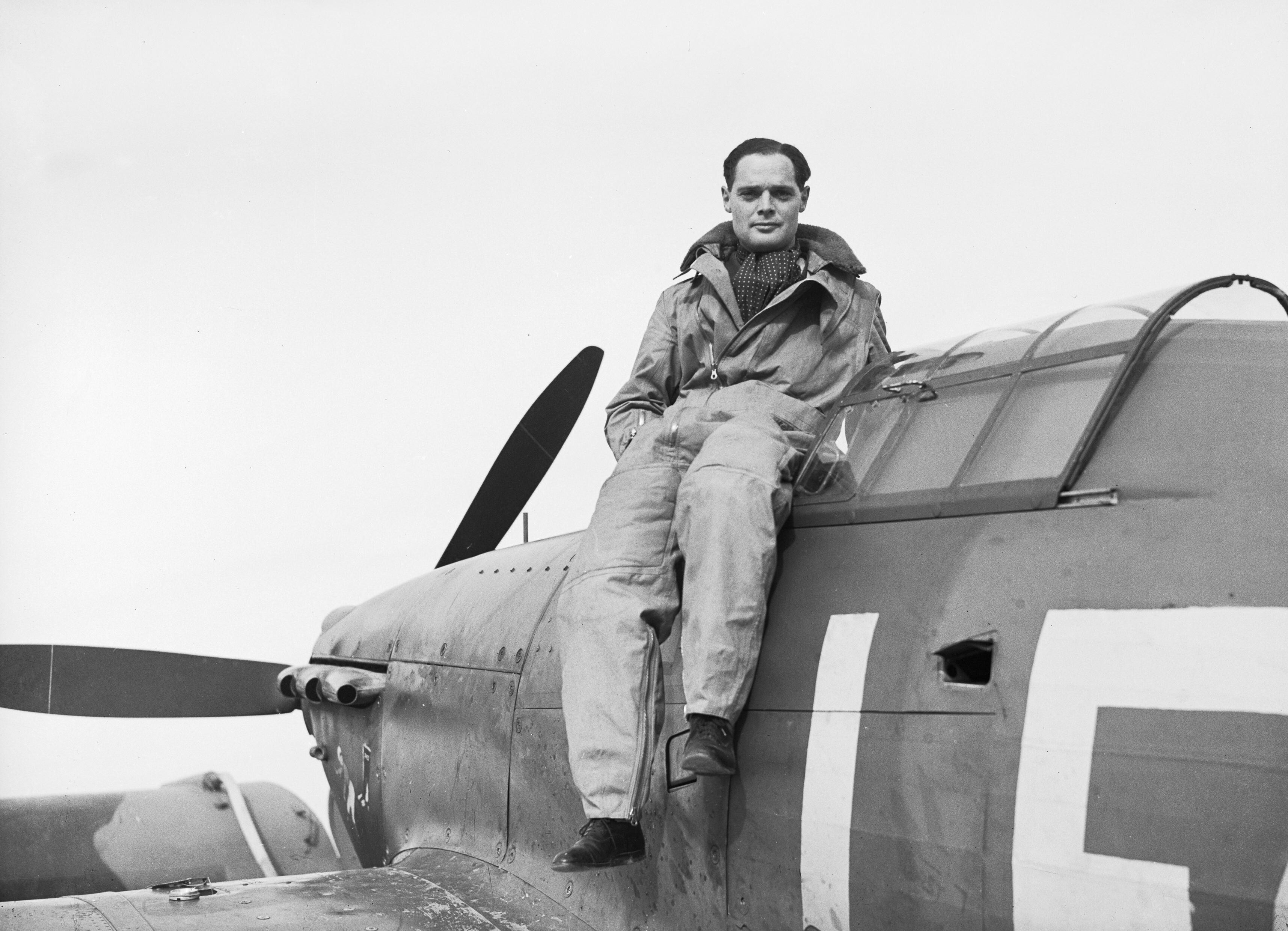
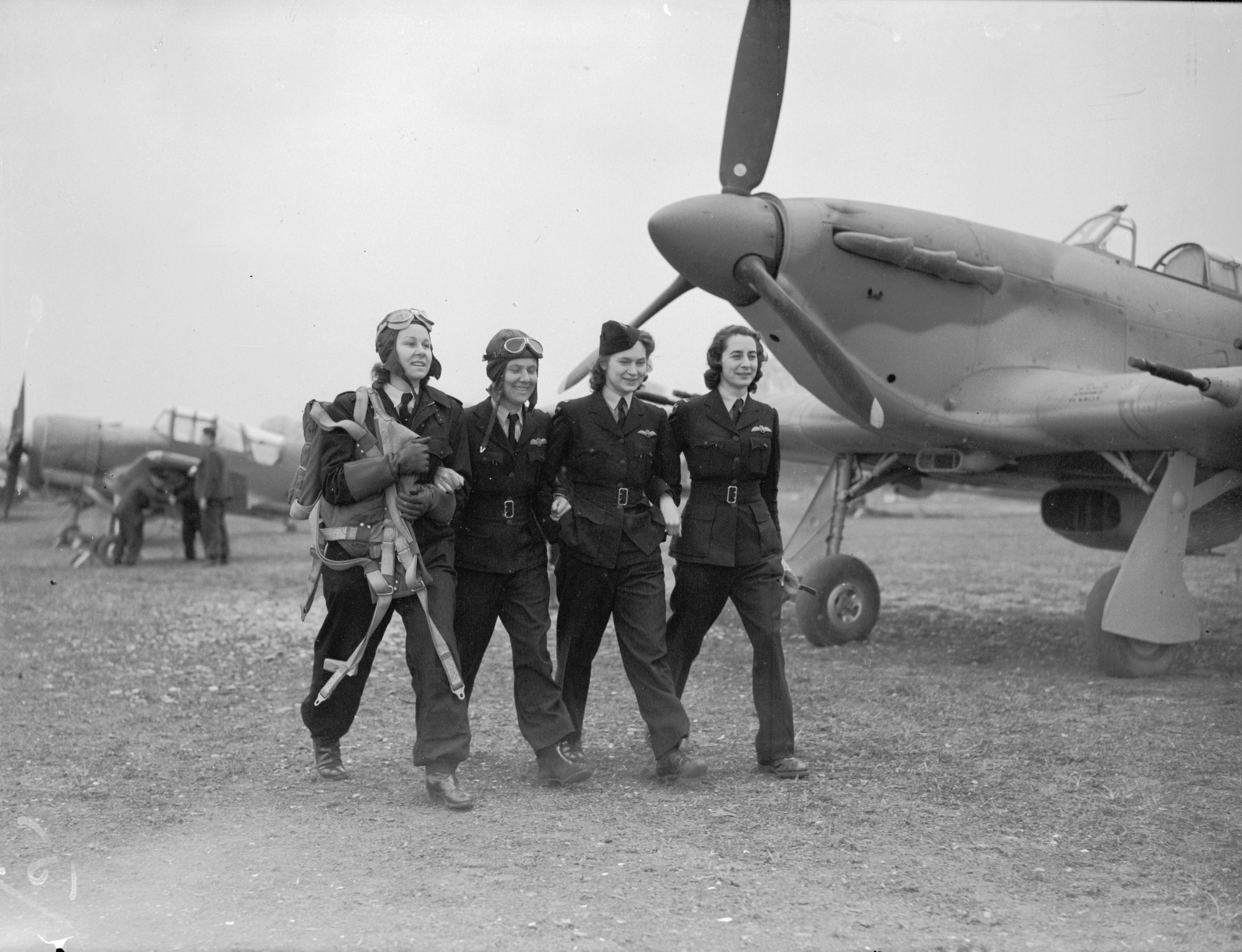
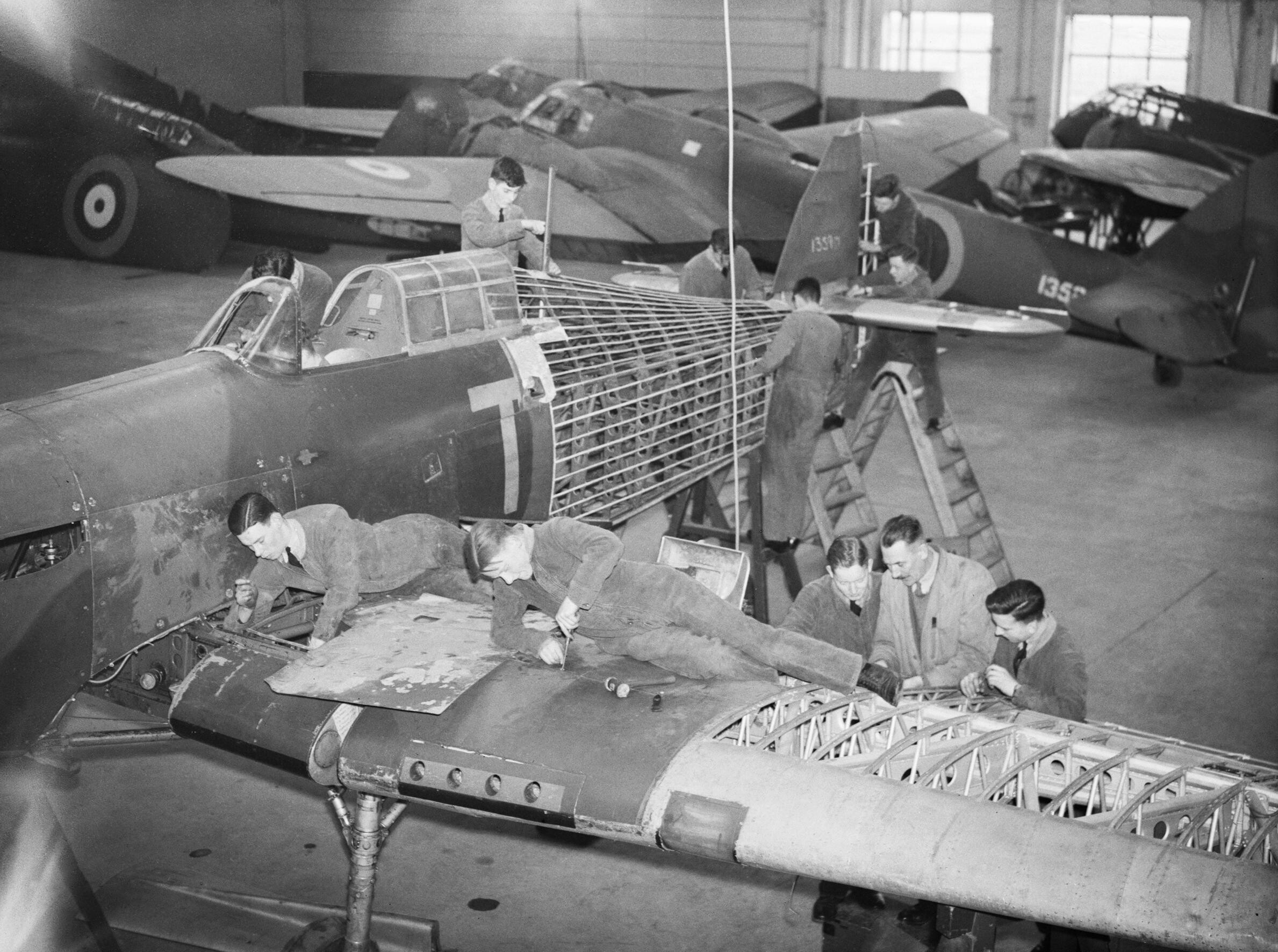
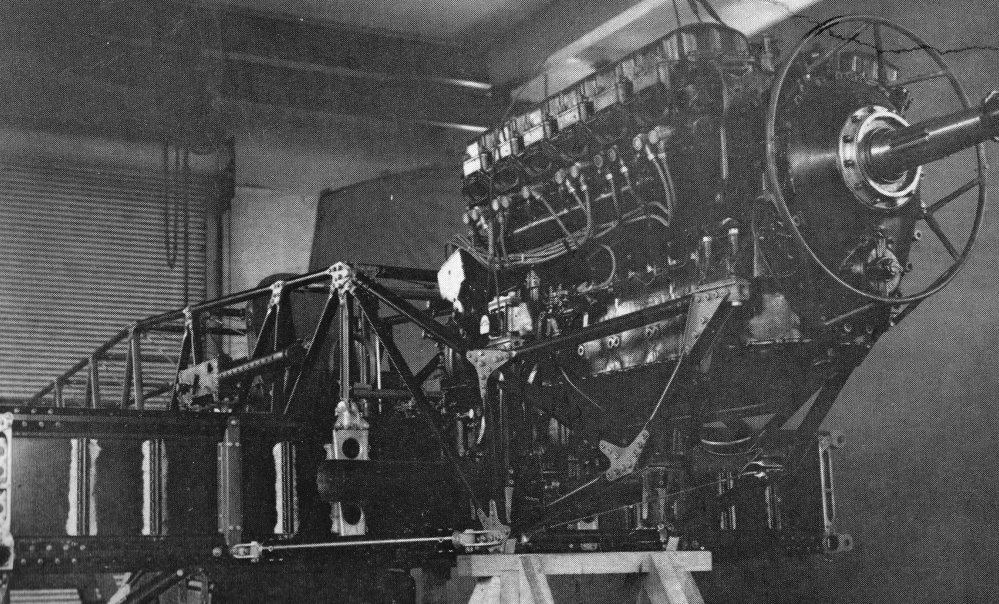
The Hawker Hurricane was the single-seat fighter with which the Royal Air Force went to war in 1939, and the first British fighter monoplane to combine a retractable undercarriage with eight machine guns buried in the wings. Designed by…
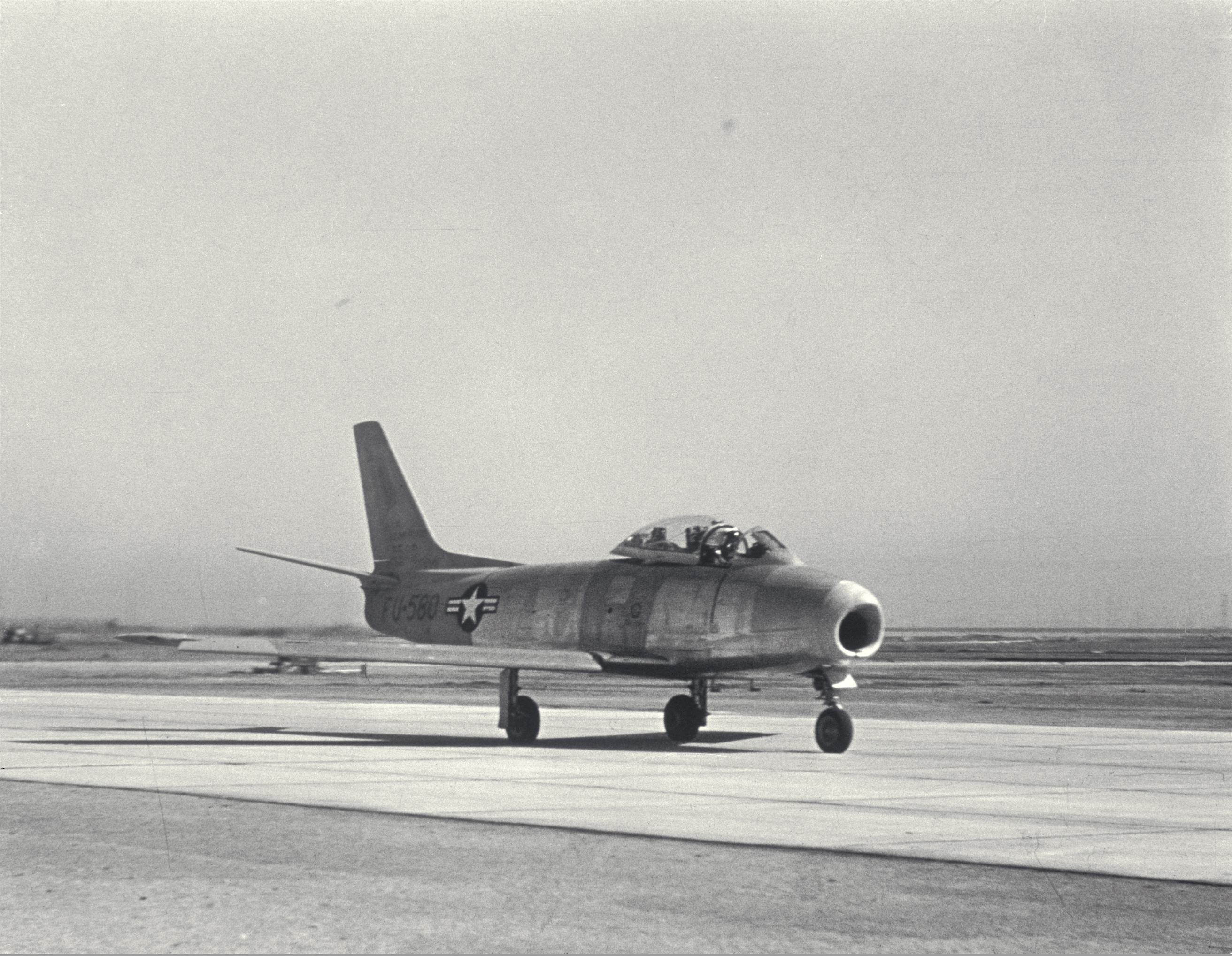
The North American F-86 Sabre was the United States' first swept-wing fighter and the aircraft that carried Western air combat into the transonic regime. Drawn from a US Army Air Forces requirement for a medium-range, single-seat day…
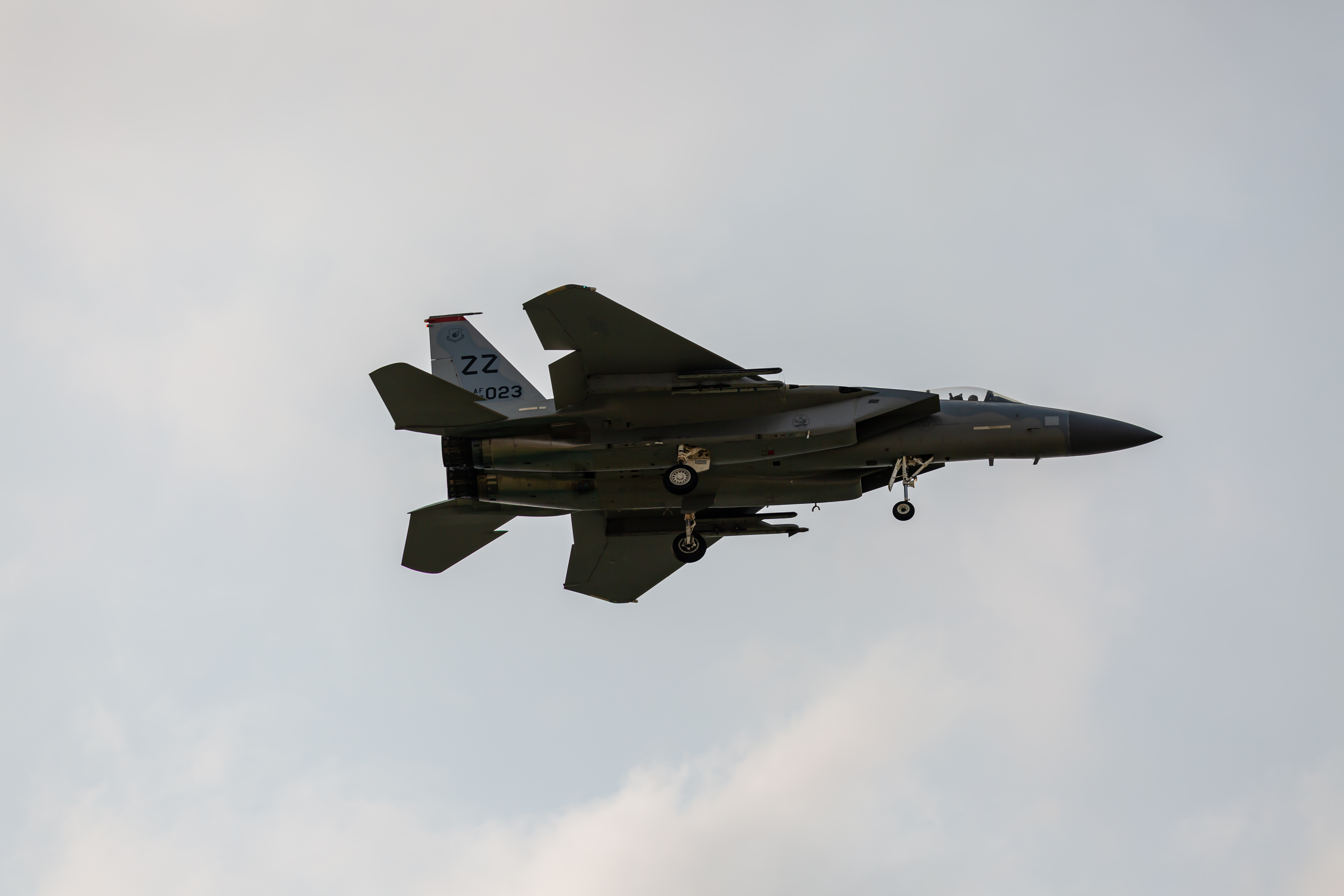
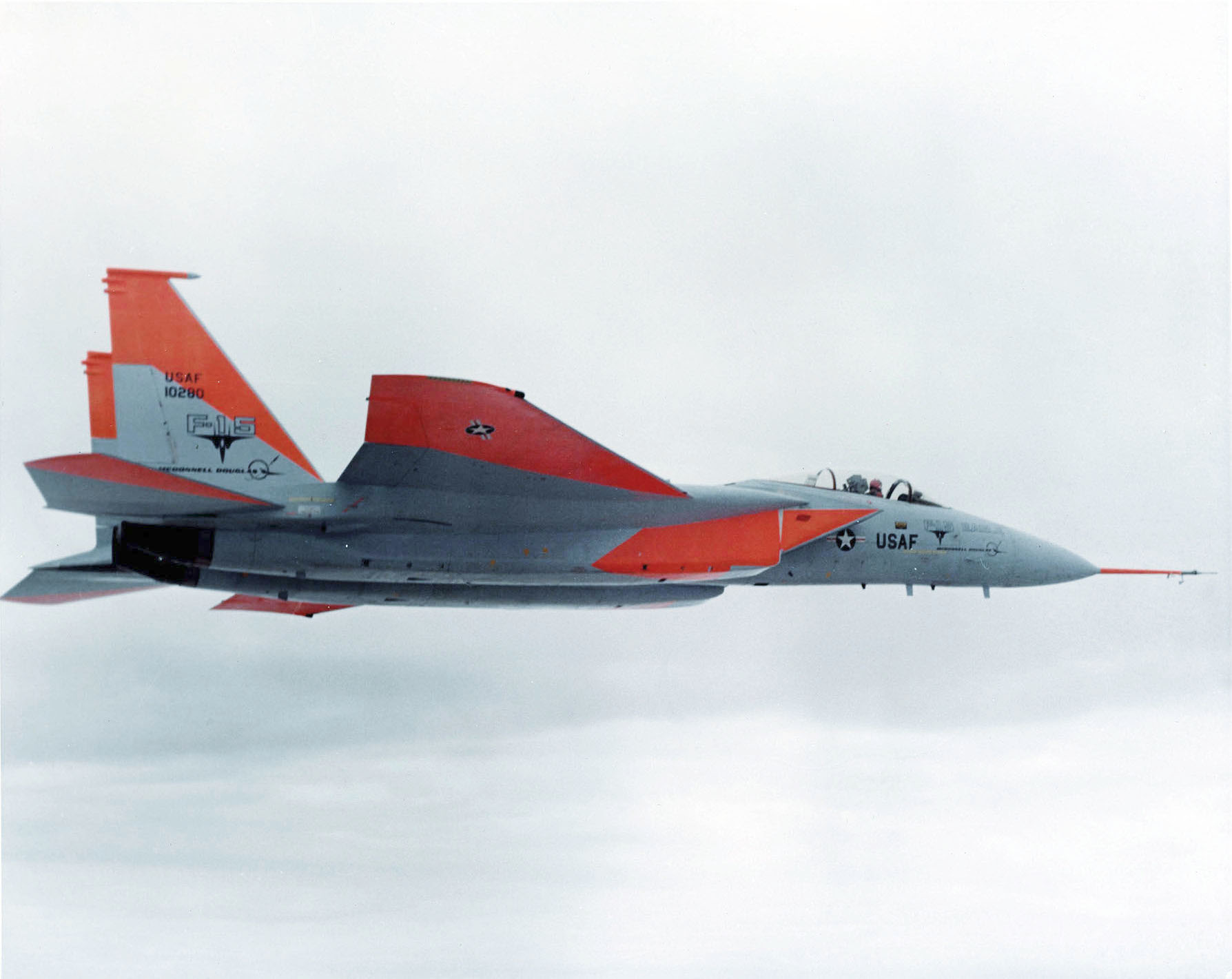
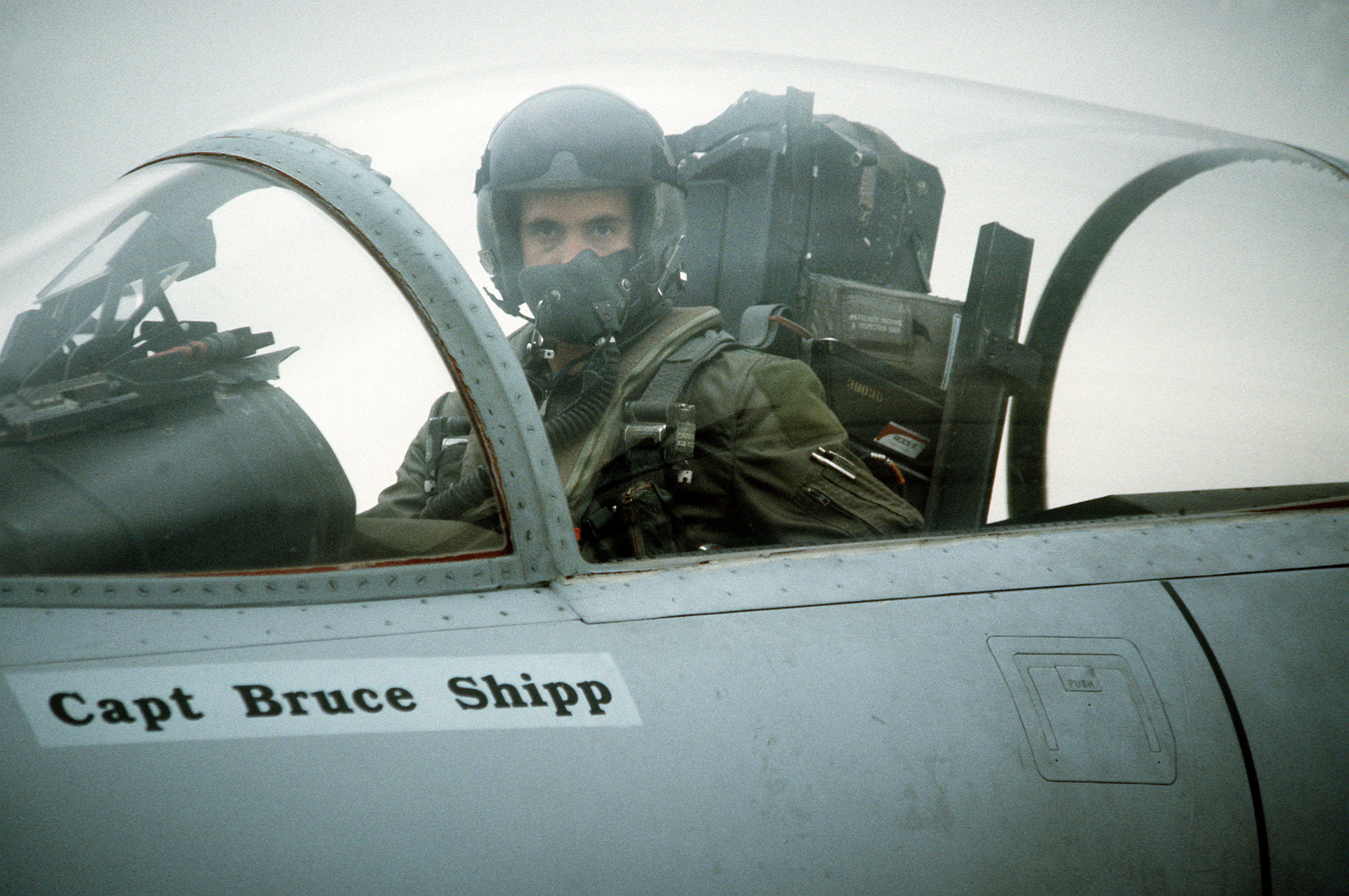
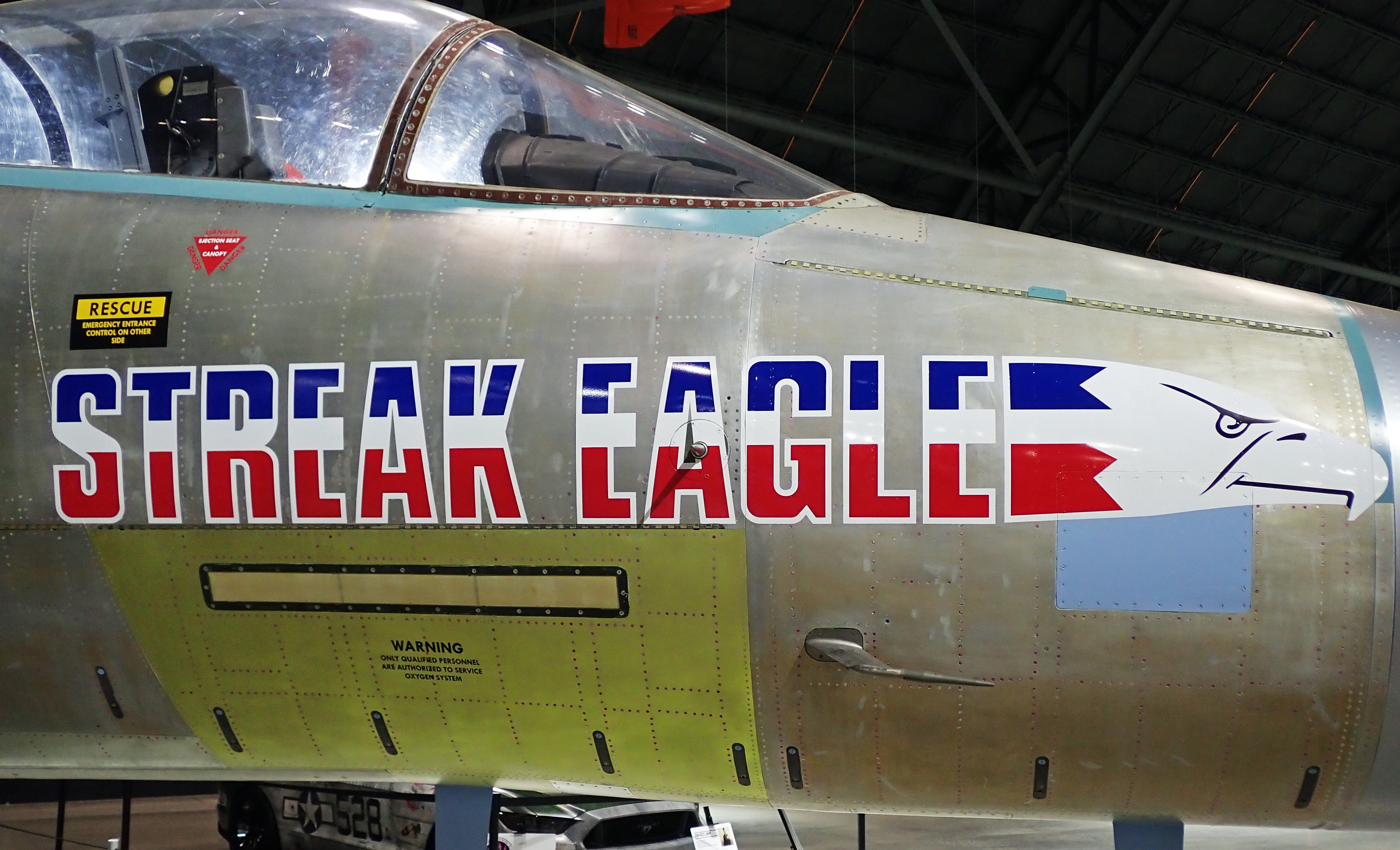
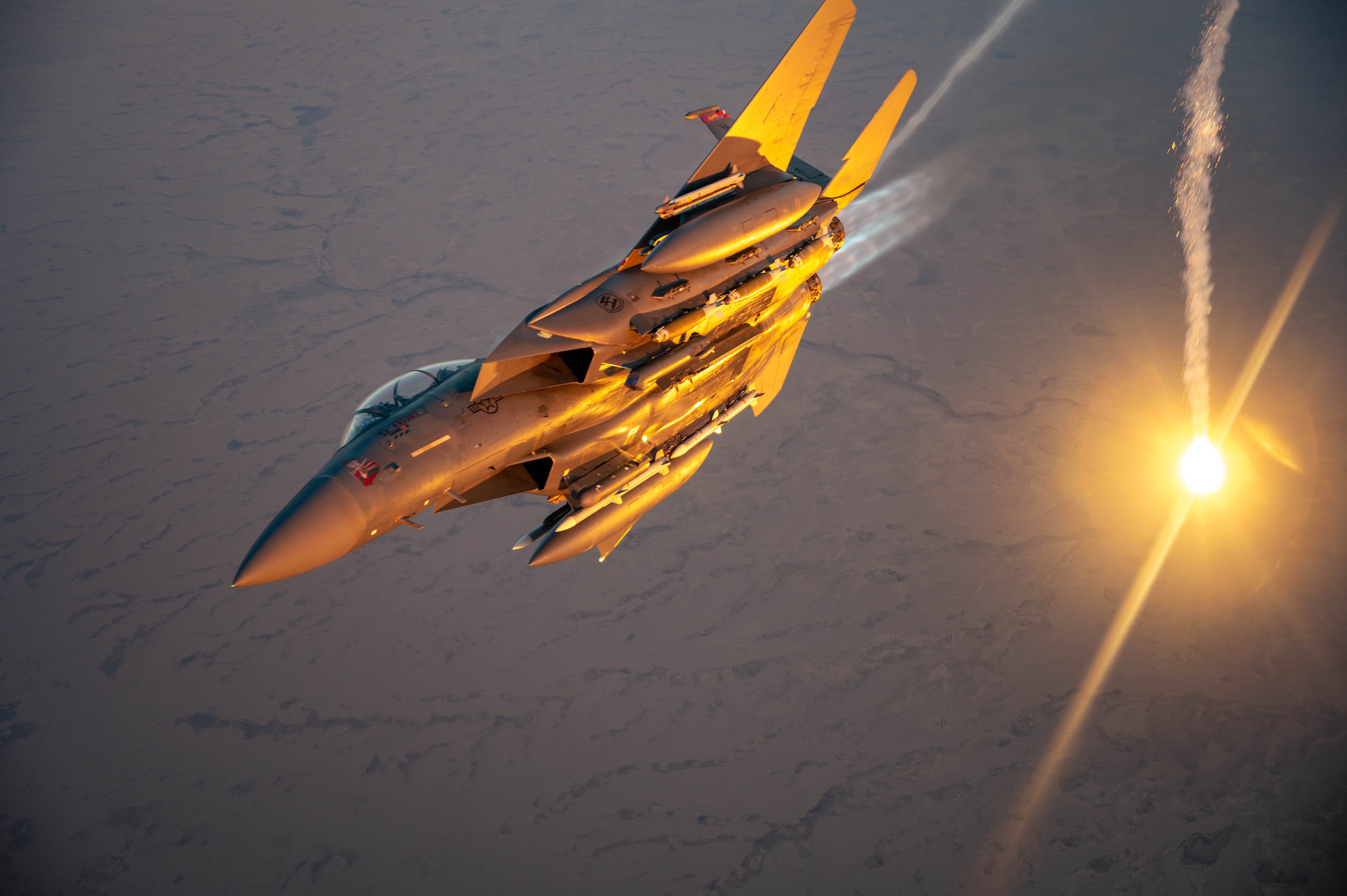
The McDonnell Douglas F-15 Eagle is an American twin-engine, all-weather air superiority fighter conceived in the late 1960s and in service since 1976. It was the first aircraft the U.S. Air Force devoted entirely to air-to-air combat…
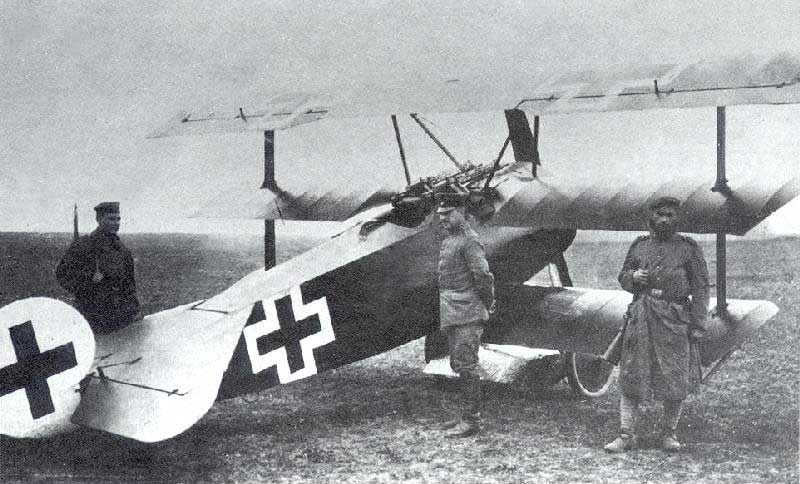
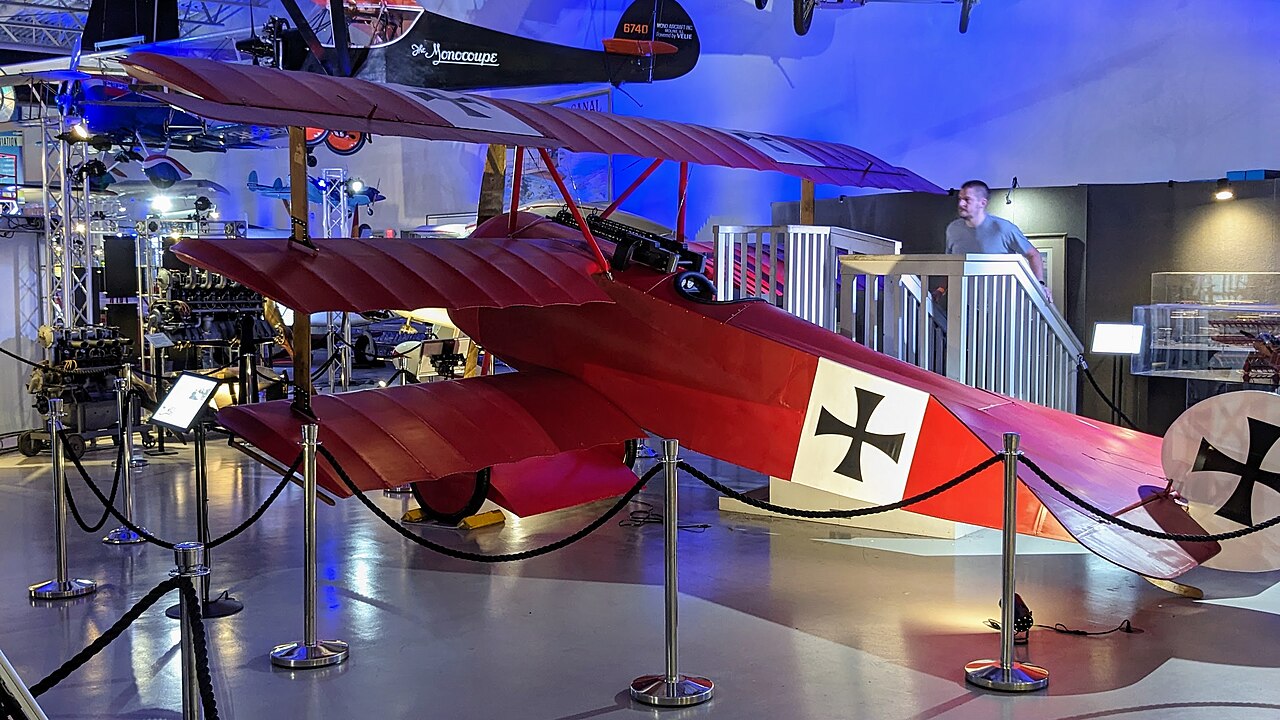
Few aircraft have survived in the popular imagination with so little statistical weight behind them. Fokker's triplane served at the front for only a few months, equipped just 14 fighter squadrons as their main type and peaked on the…
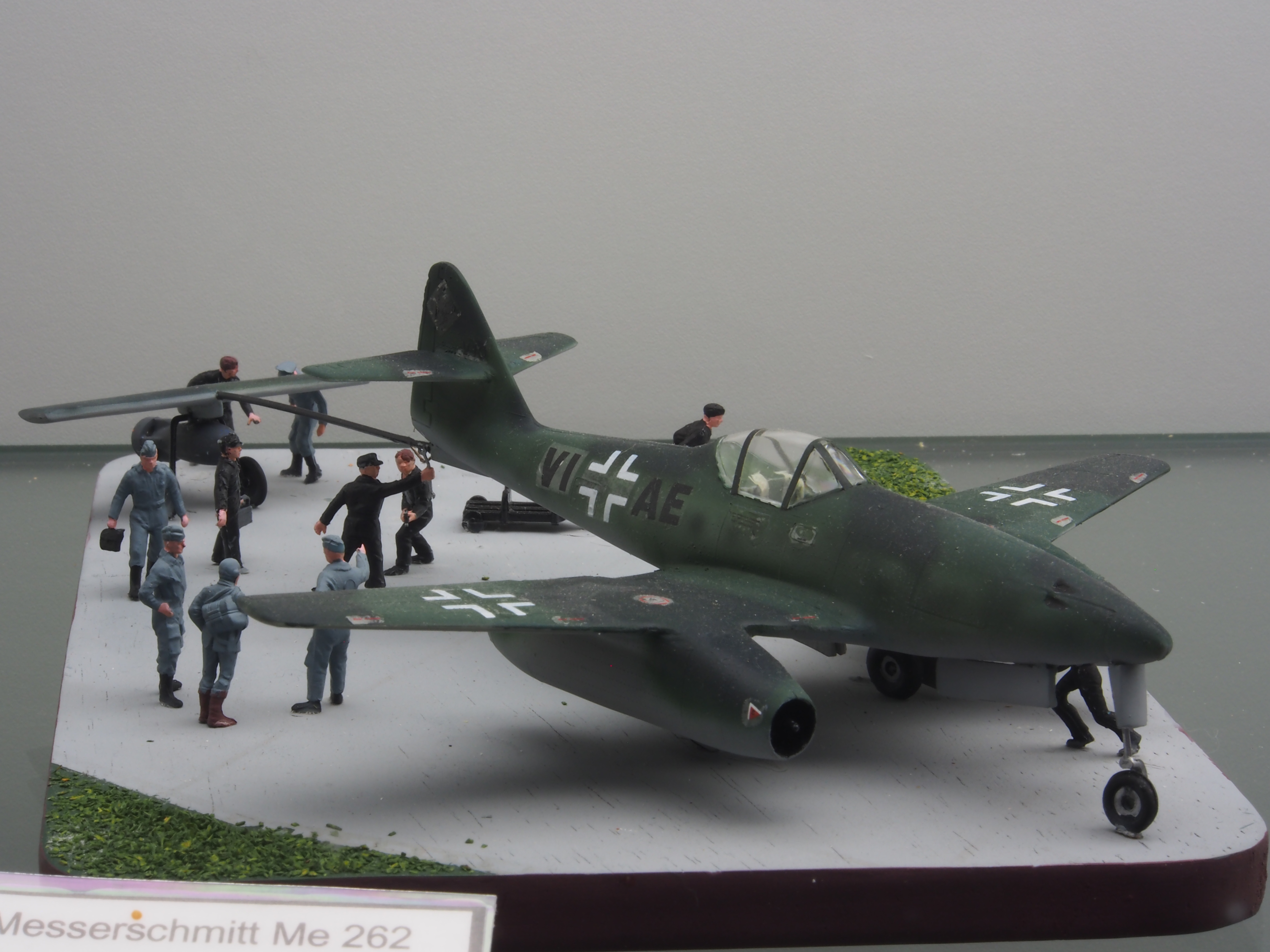
The Messerschmitt Me 262 — nicknamed Schwalbe ("swallow") in its fighter versions and Sturmvogel ("storm bird") in its fighter-bomber versions — was the world's first operational jet fighter and one of only two jet fighter types to see…
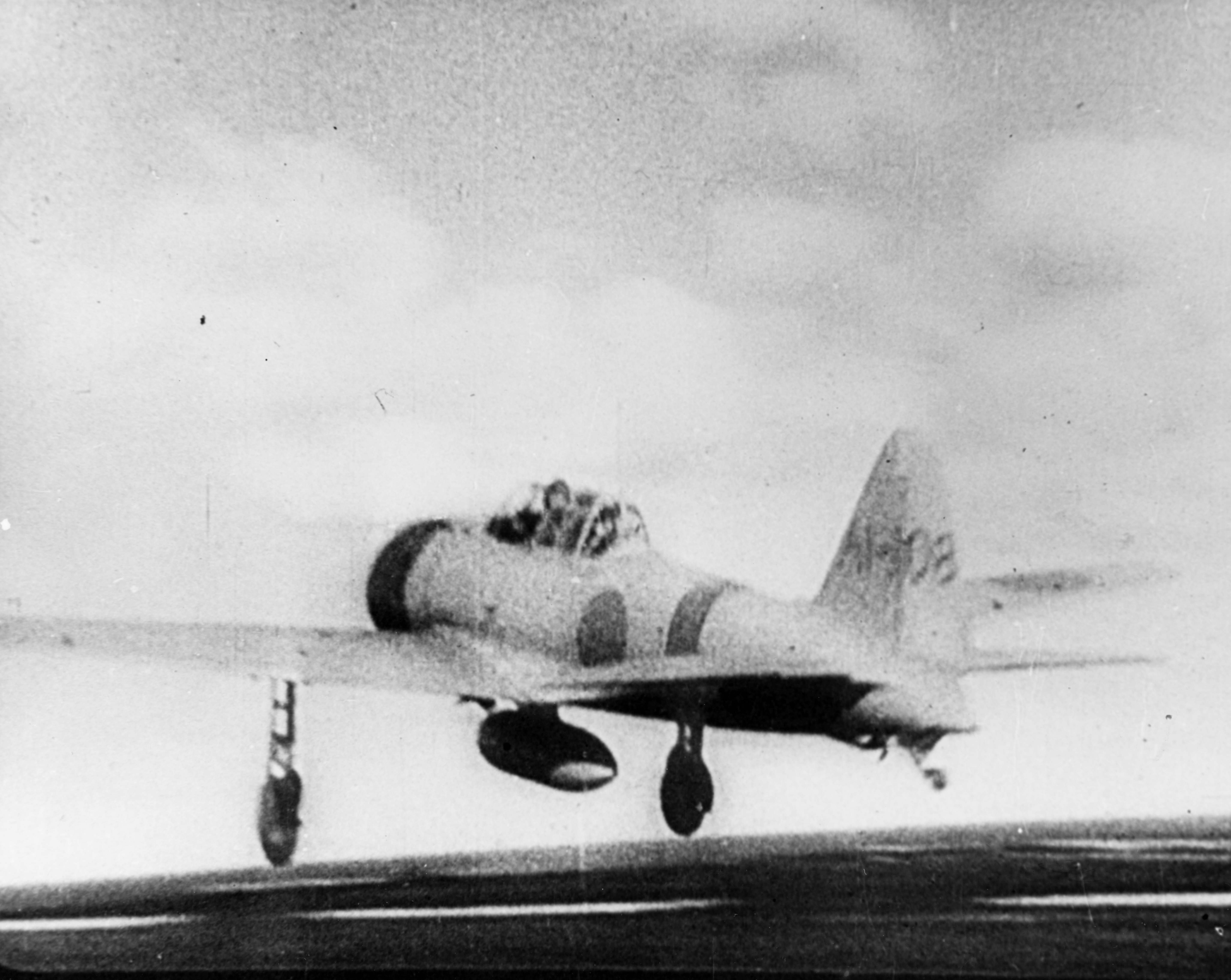
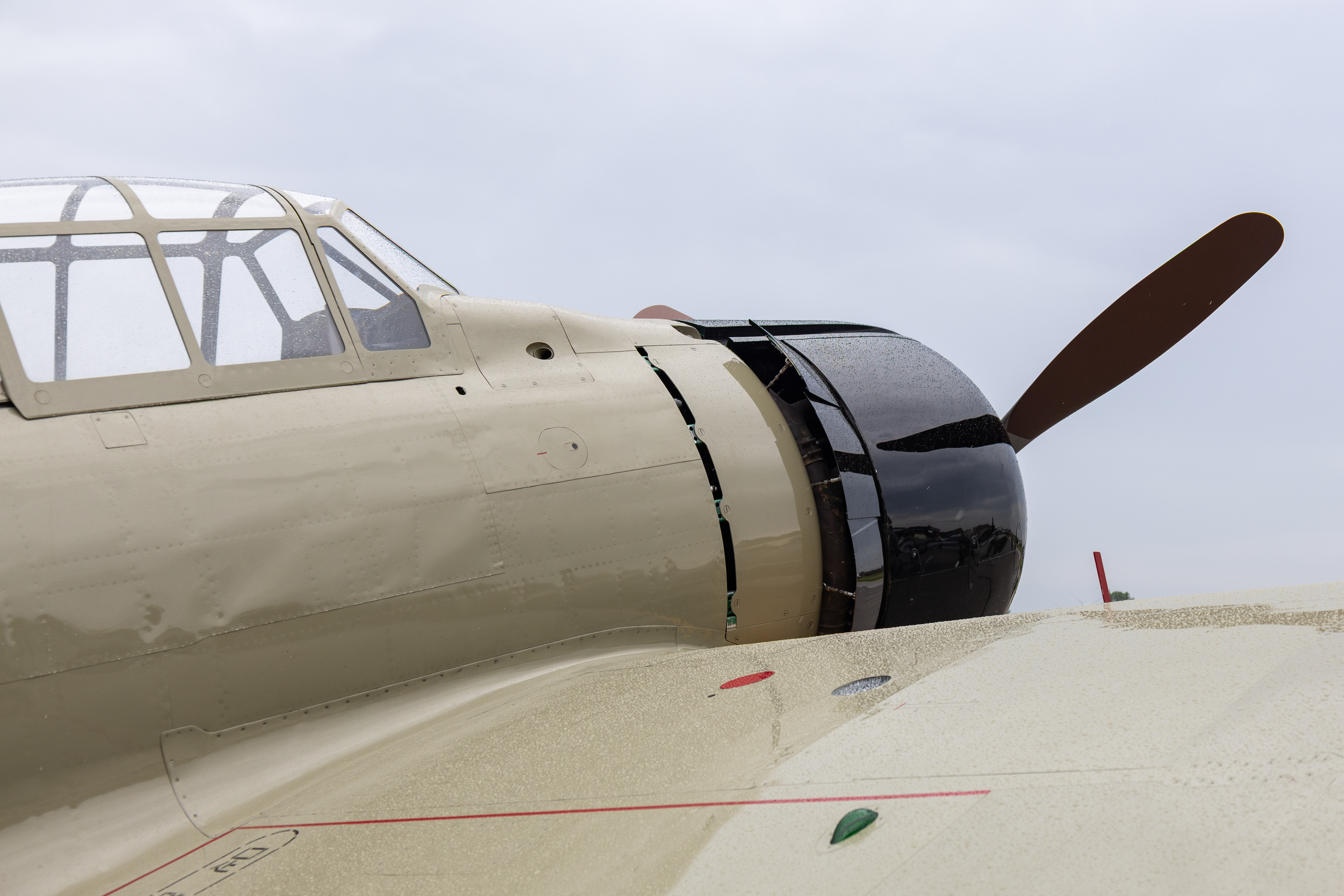
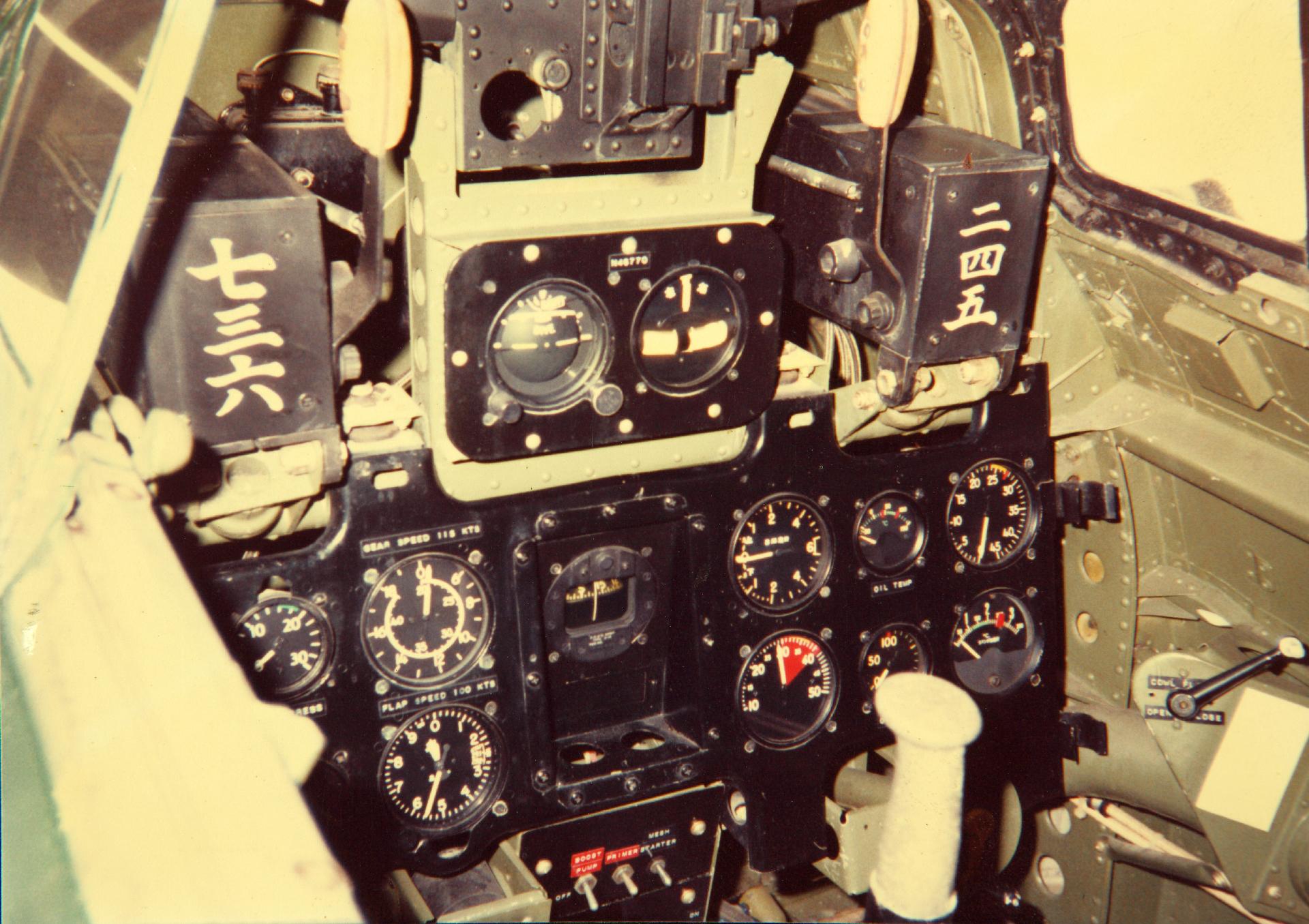
The Mitsubishi A6M was the carrier fighter with which the Imperial Japanese Navy fought the Pacific War from beginning to end. Its official designation was Type 0 carrier fighter (零式艦上戦闘機, rei-shiki kanjō sentōki); the zero came from the…
.jpg)
.jpg)
.jpg)
.jpg)

_at_Antwerp_International_Airport.jpg)
)_1989-06-01_Andre_Gerwing_Collection_ID_008255.jpg)
.jpg)
.jpg)
.jpg)
.jpg)

.jpg)
.jpg)
_(26800302615).jpg)
.jpg)
_MiG-15_aircraft_parked_on_a_flight_line_DF-ST-85-03638.jpg)
_'197'_(13277124545).jpg)
.jpg)
.jpg)
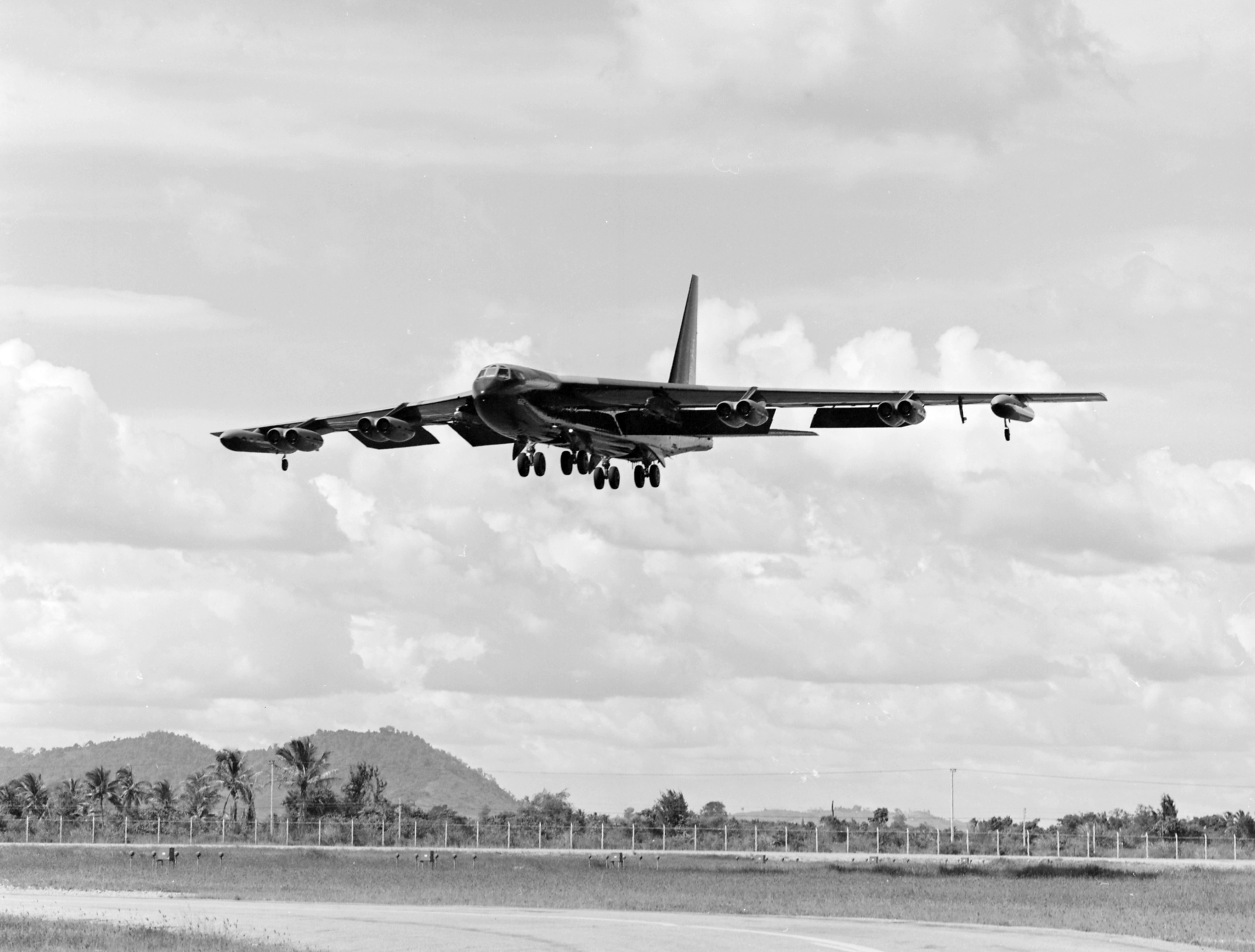
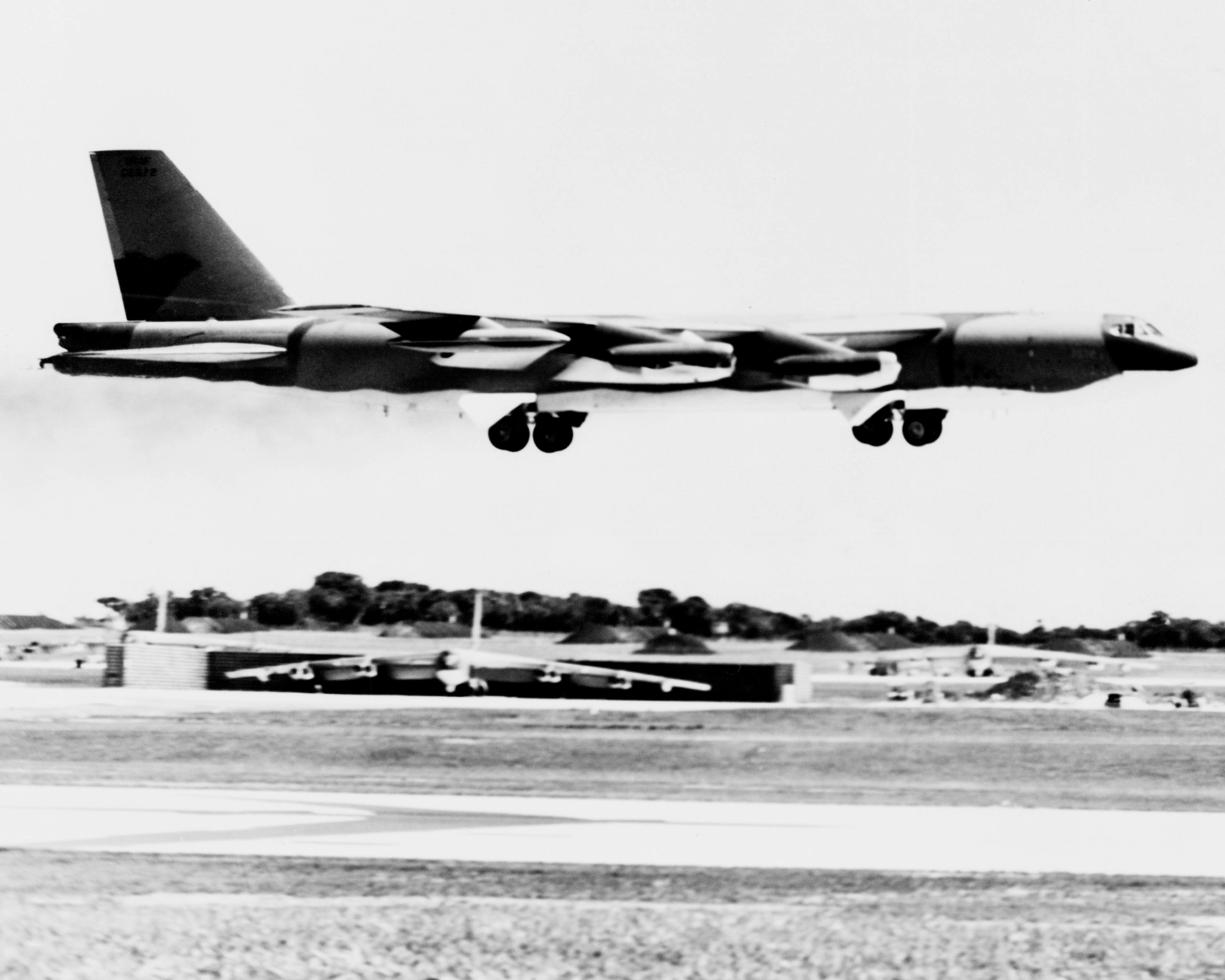
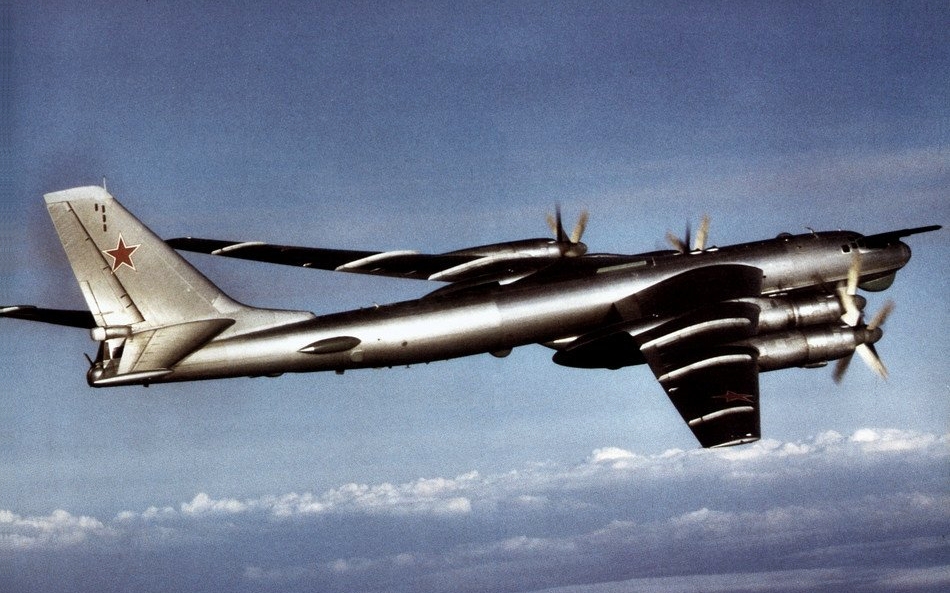
.jpg)
.jpg)
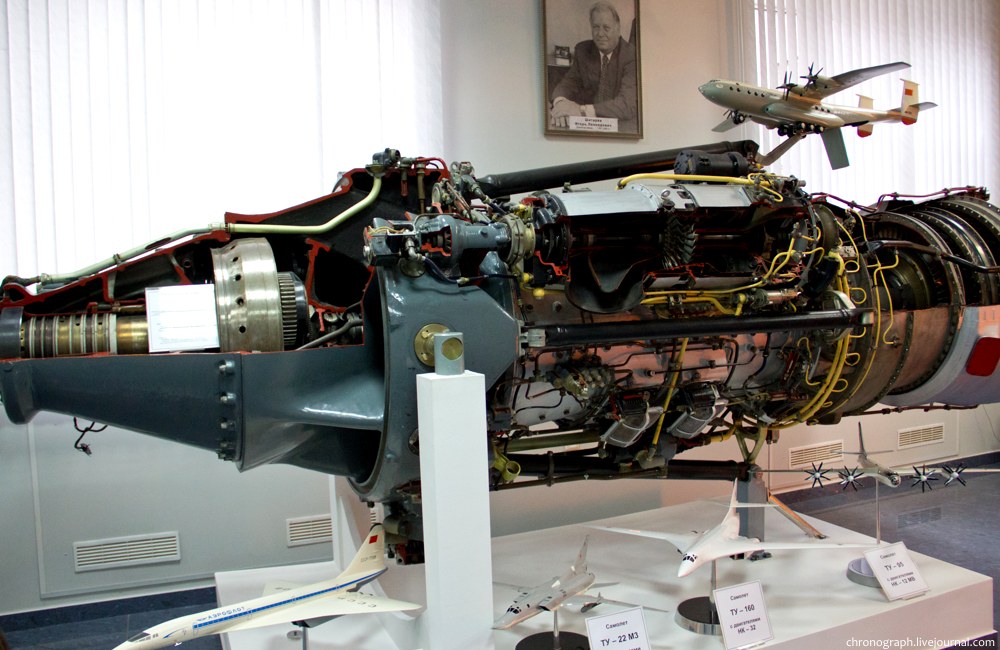
.jpg)
%2C_28_September_2006_(0609.jpg)
.jpg)
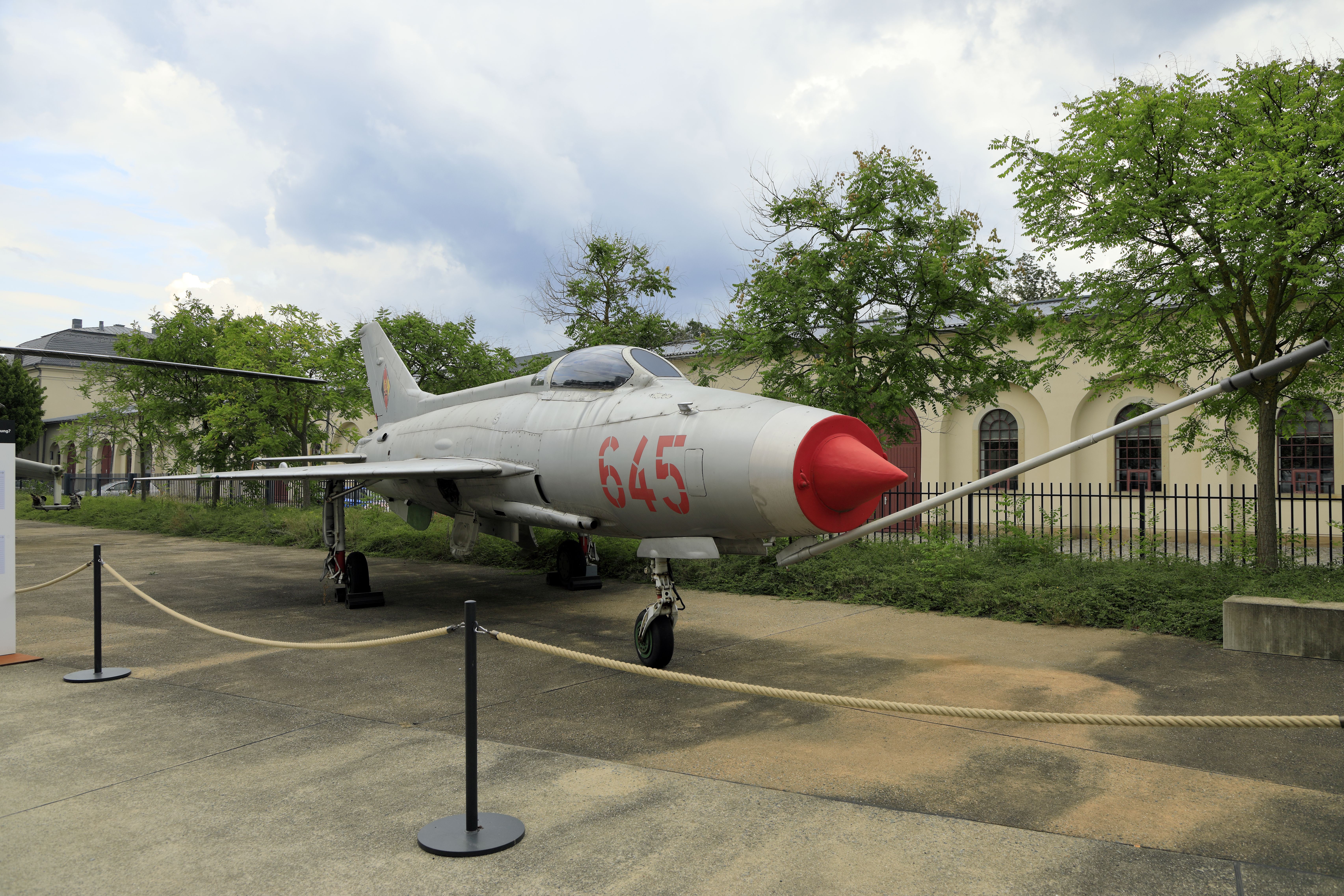
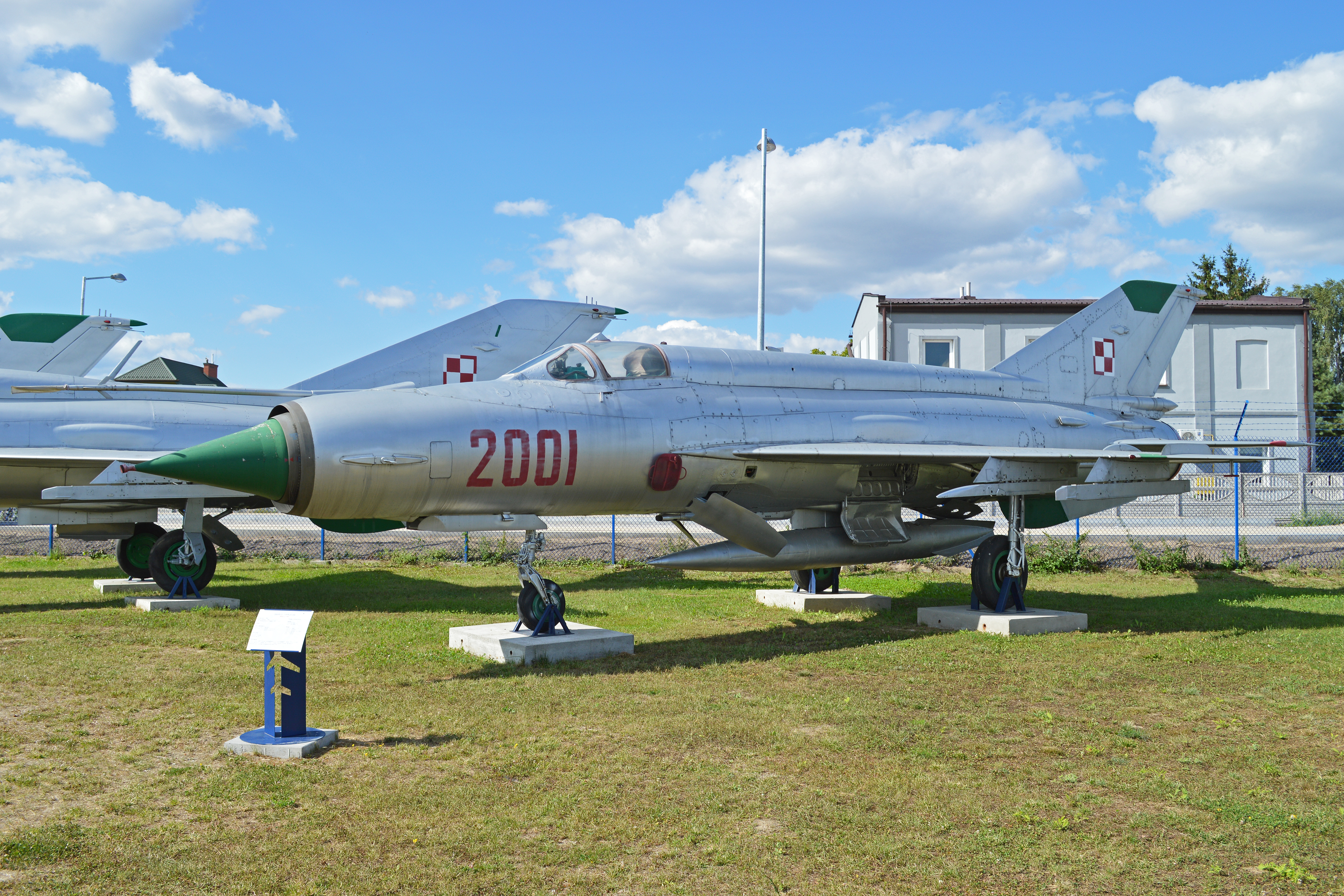
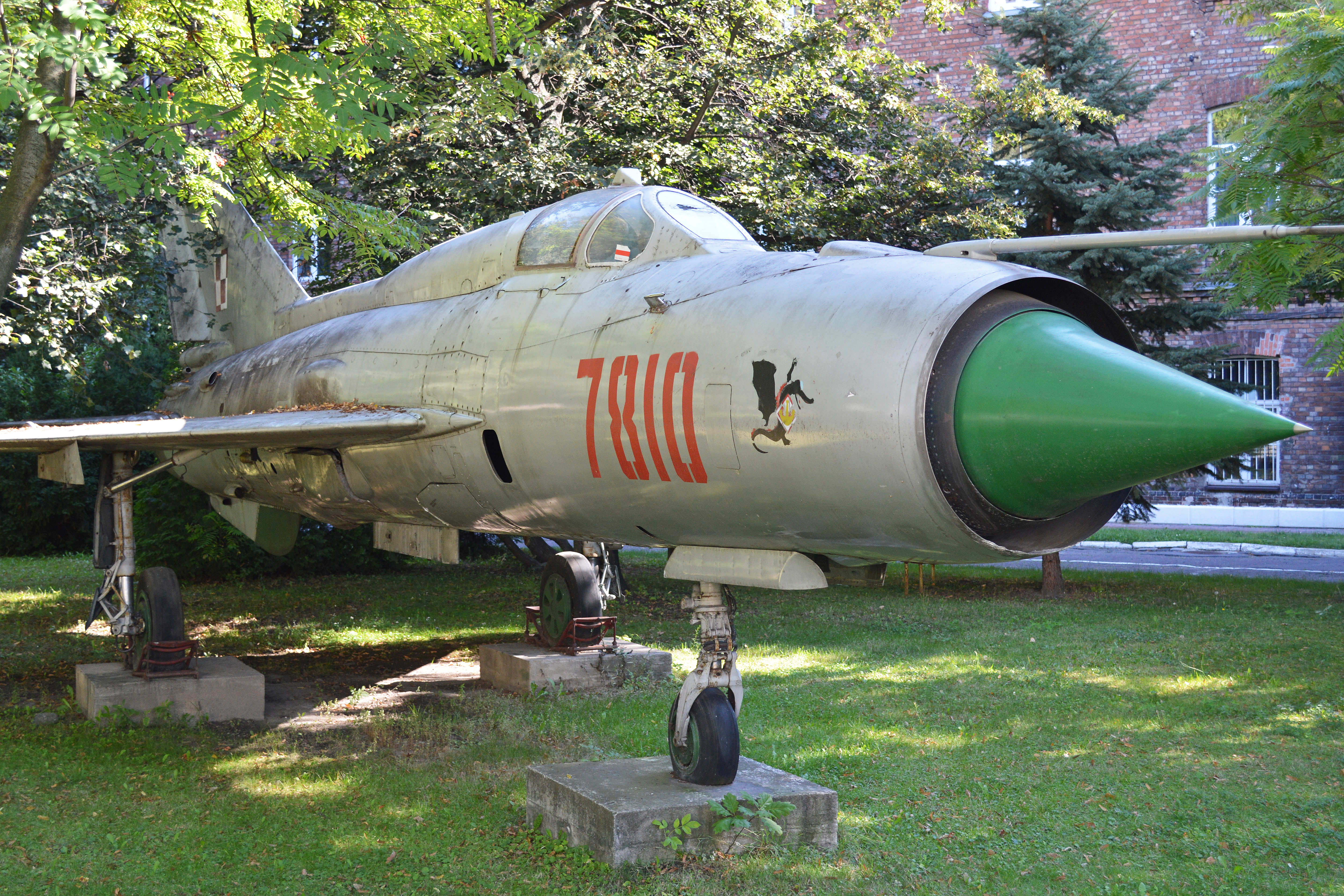
.jpg)
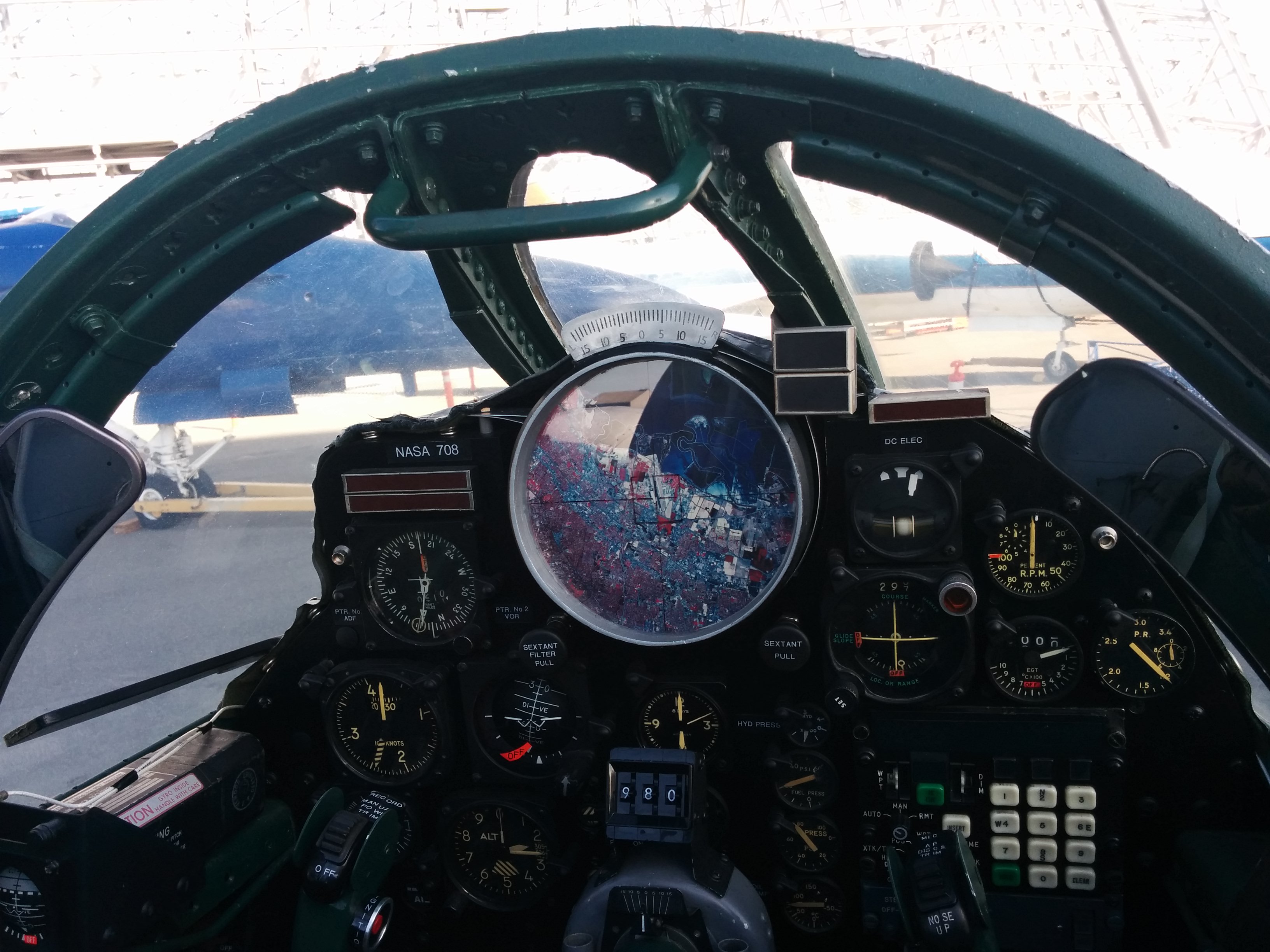
.jpeg)

_1975.jpg)
.jpg)
_J79-J-1K%2C_71KN%2C_7460rpm_at_Flugausstellung_Hermeskeil%2C_pic1.jpg)
.jpg)
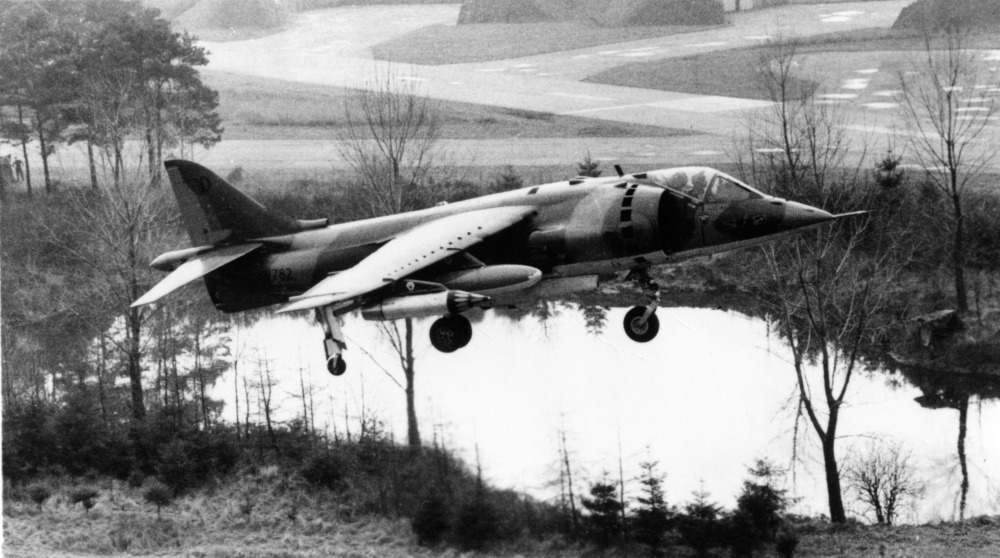
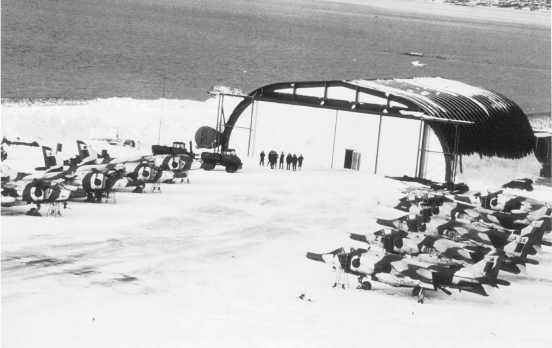
.jpg)
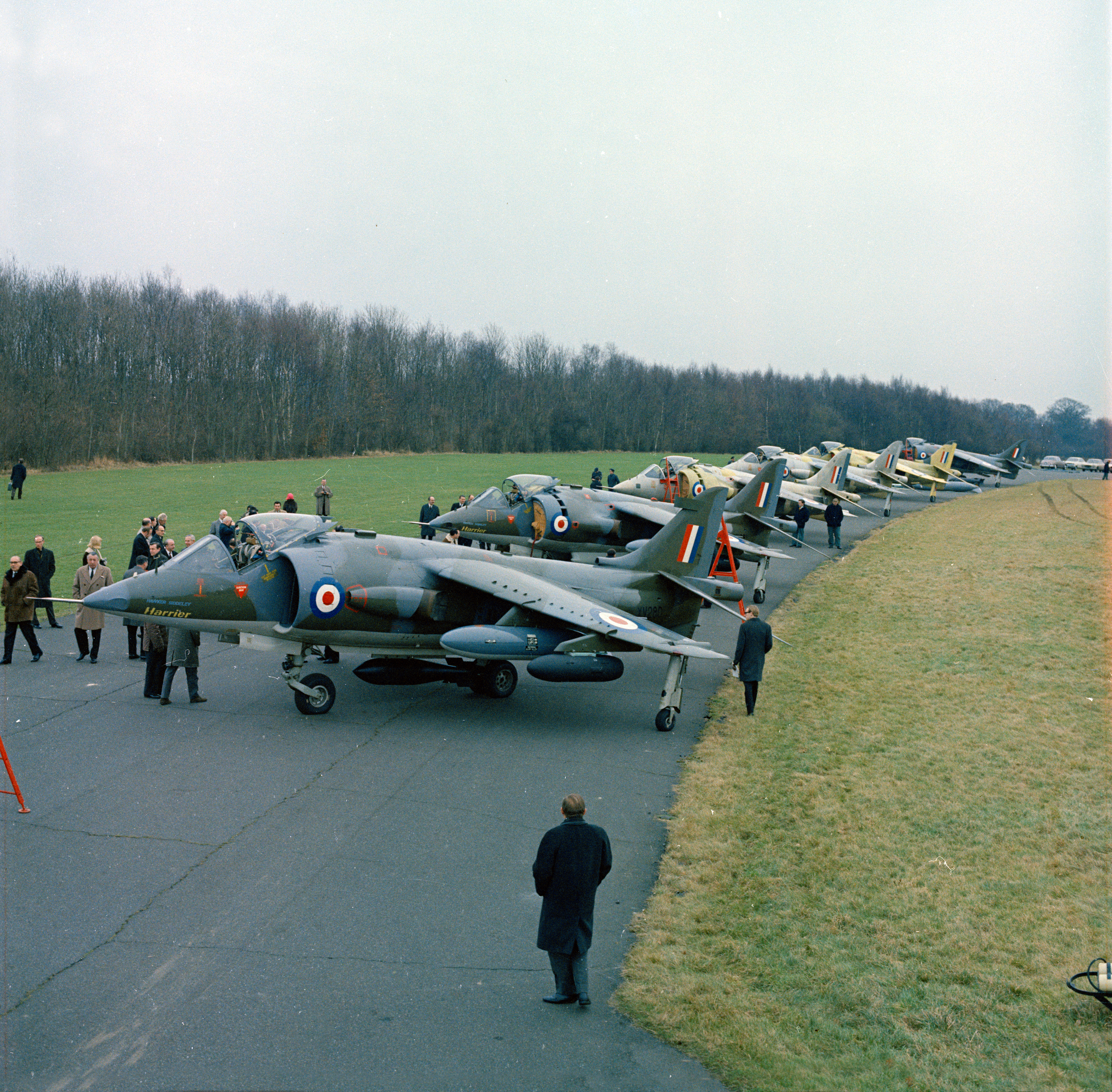
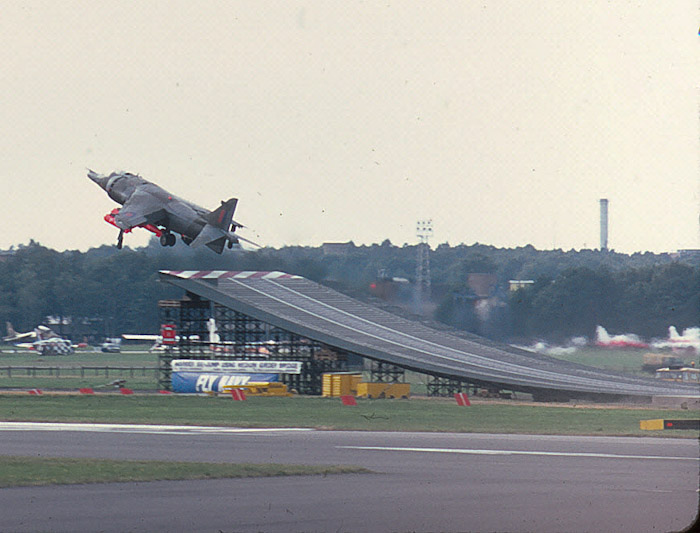
.jpg)
_fly_in_formation_over_the_nuclear-powered_aircraft_carrier_USS_NIMITZ_(CVN-68)_during_a_vis.jpeg)
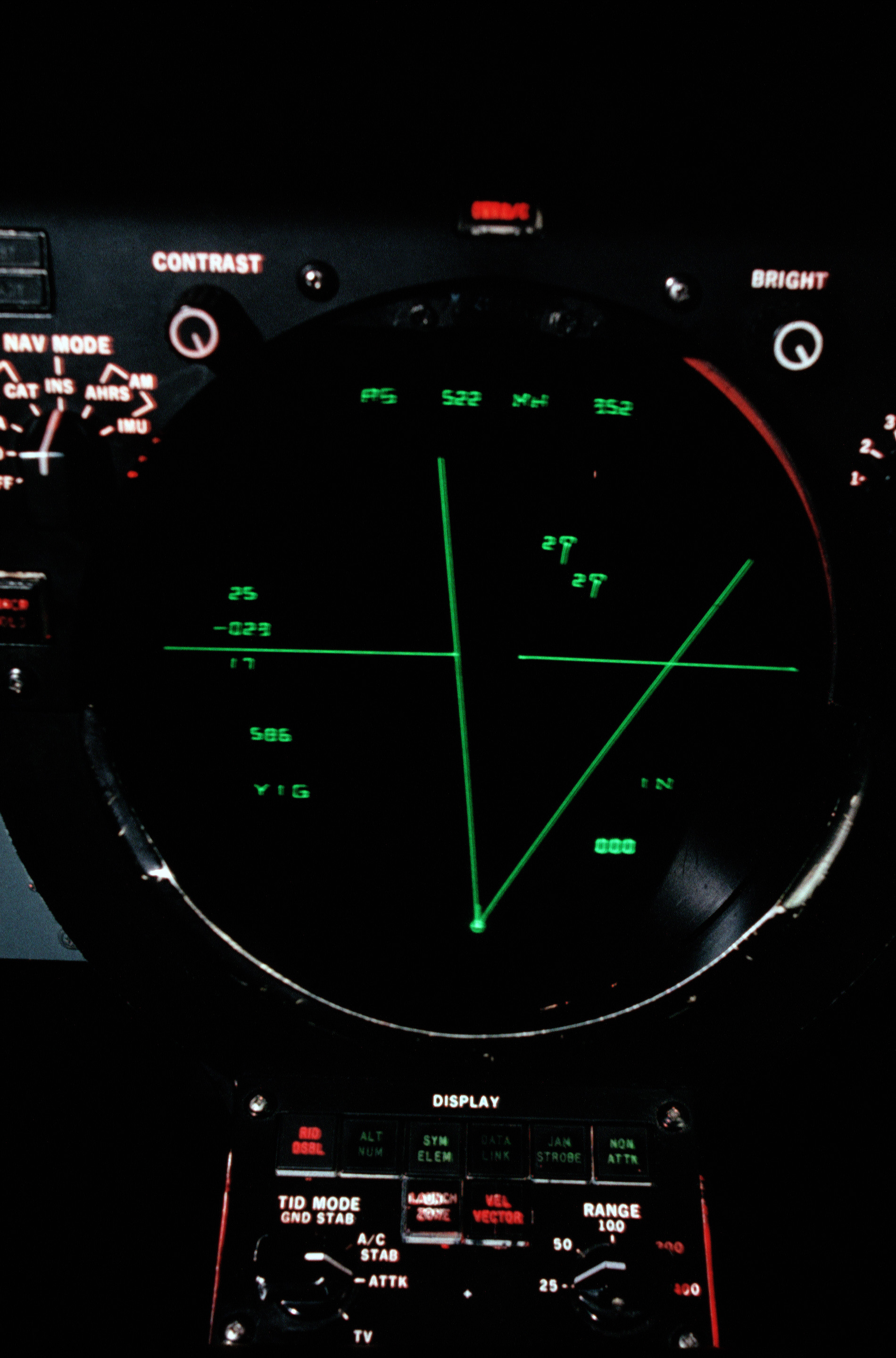
.jpg)
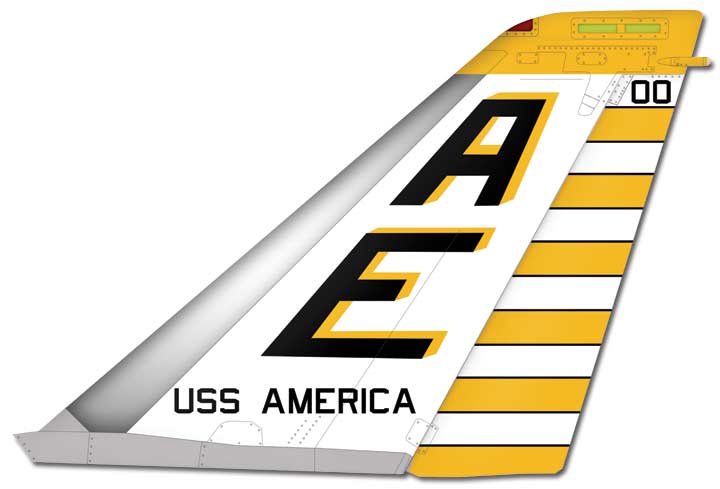
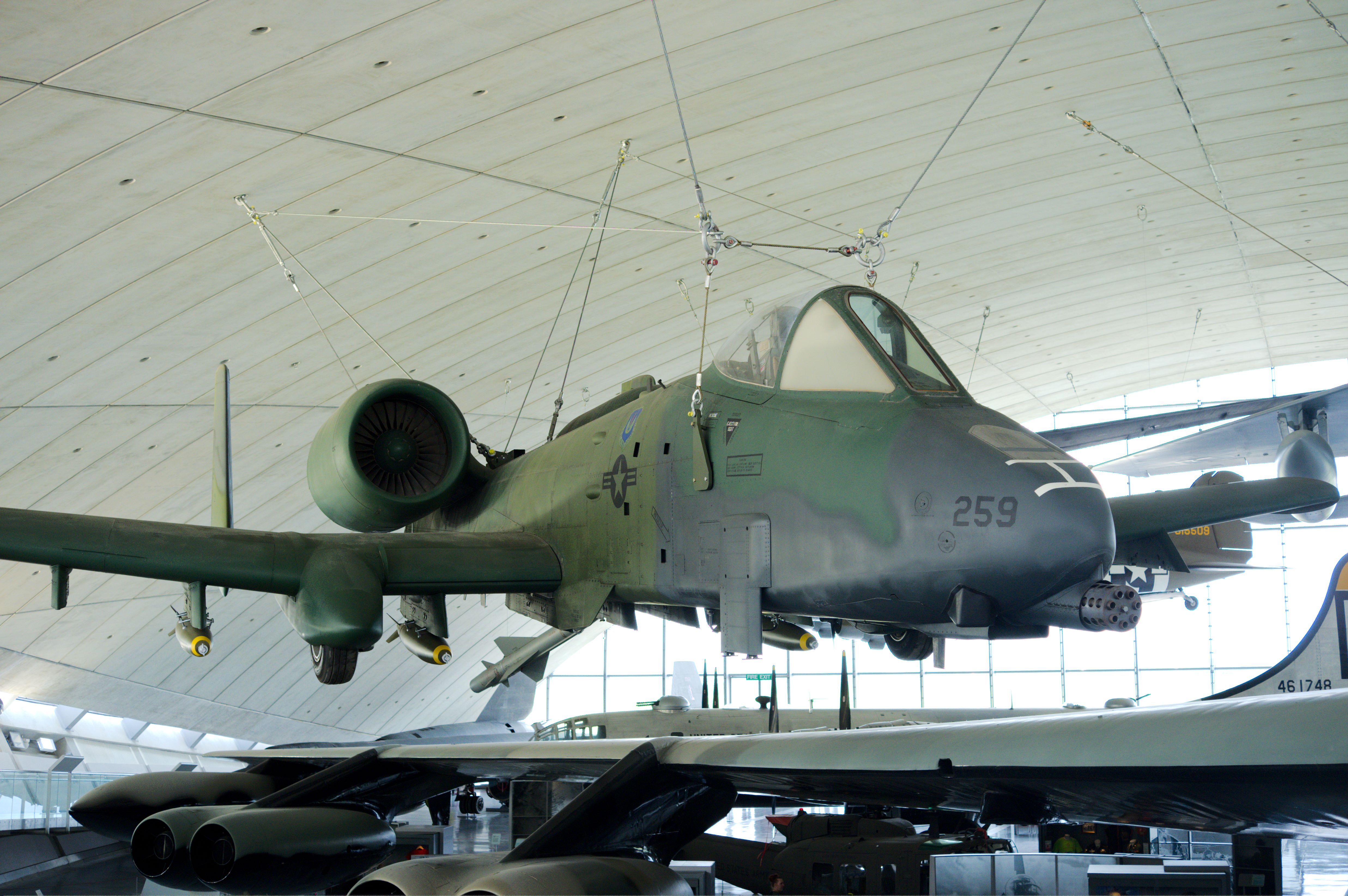
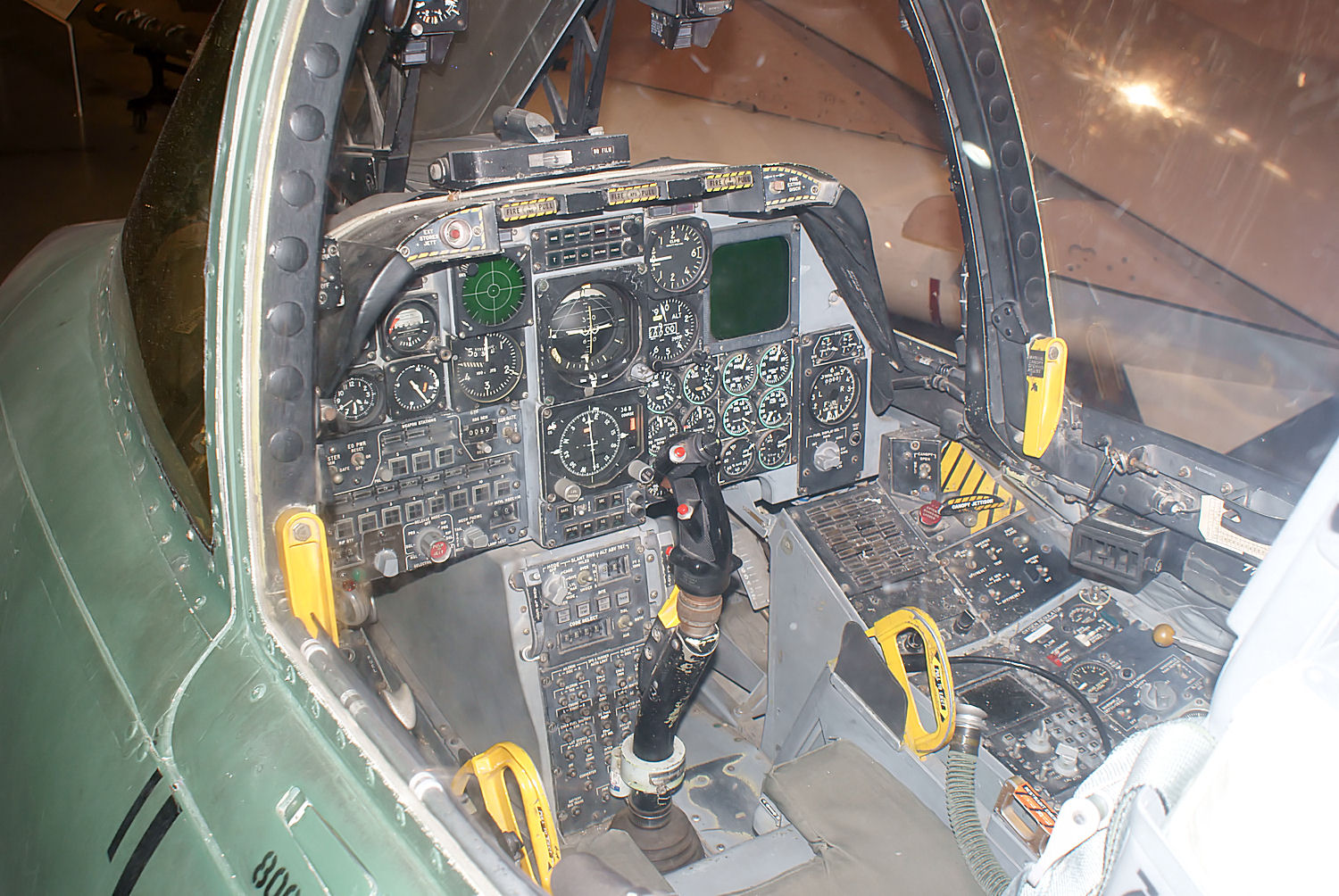
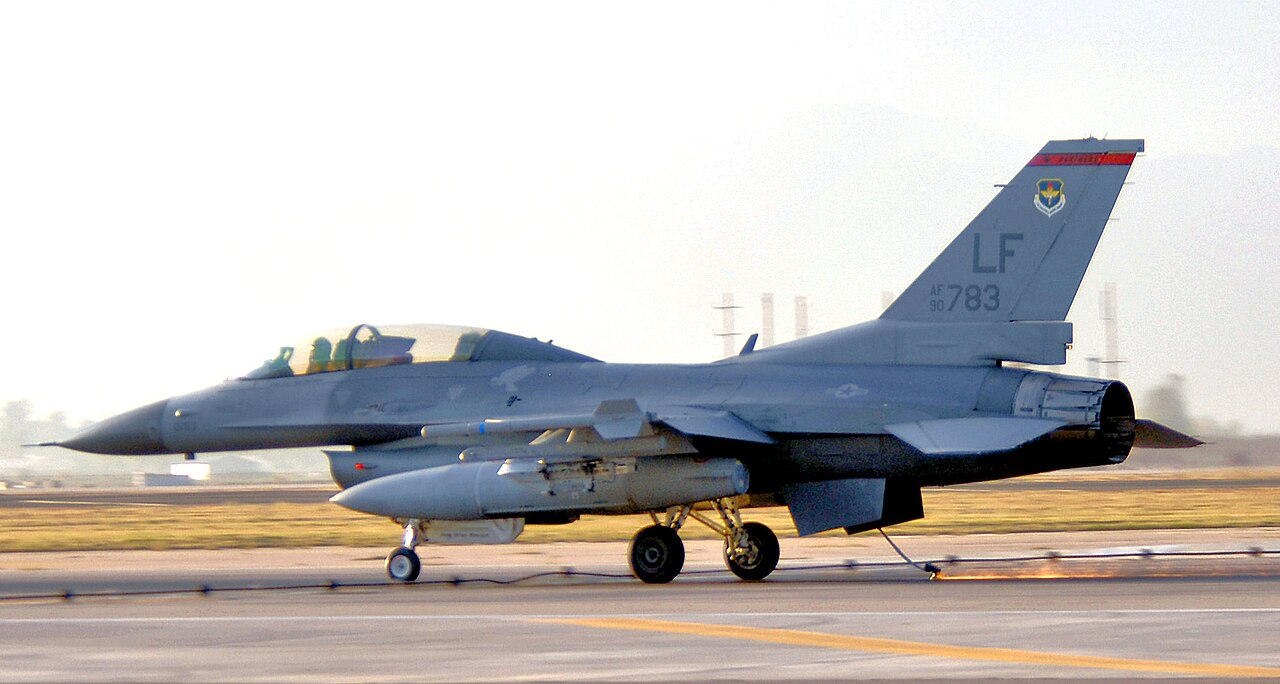
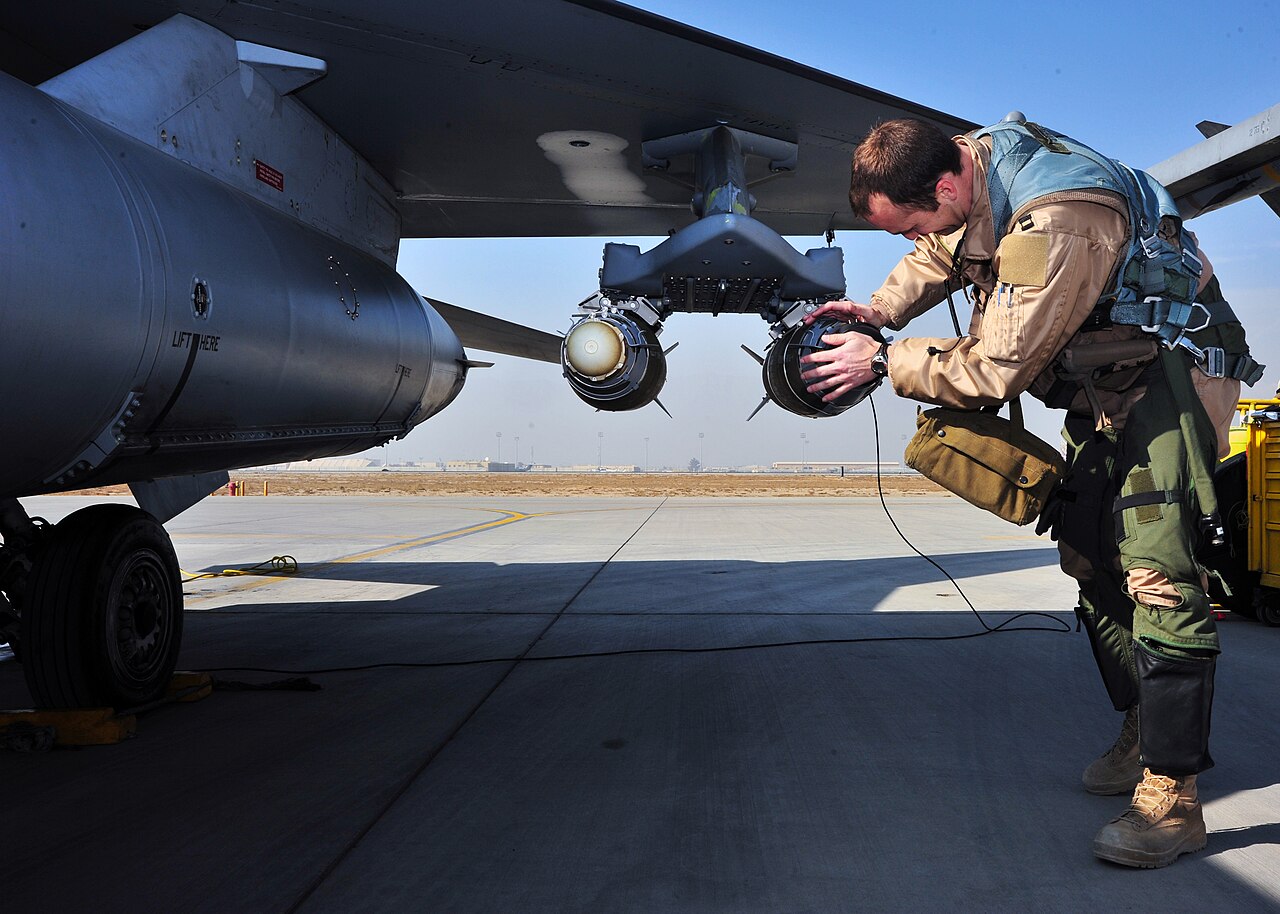
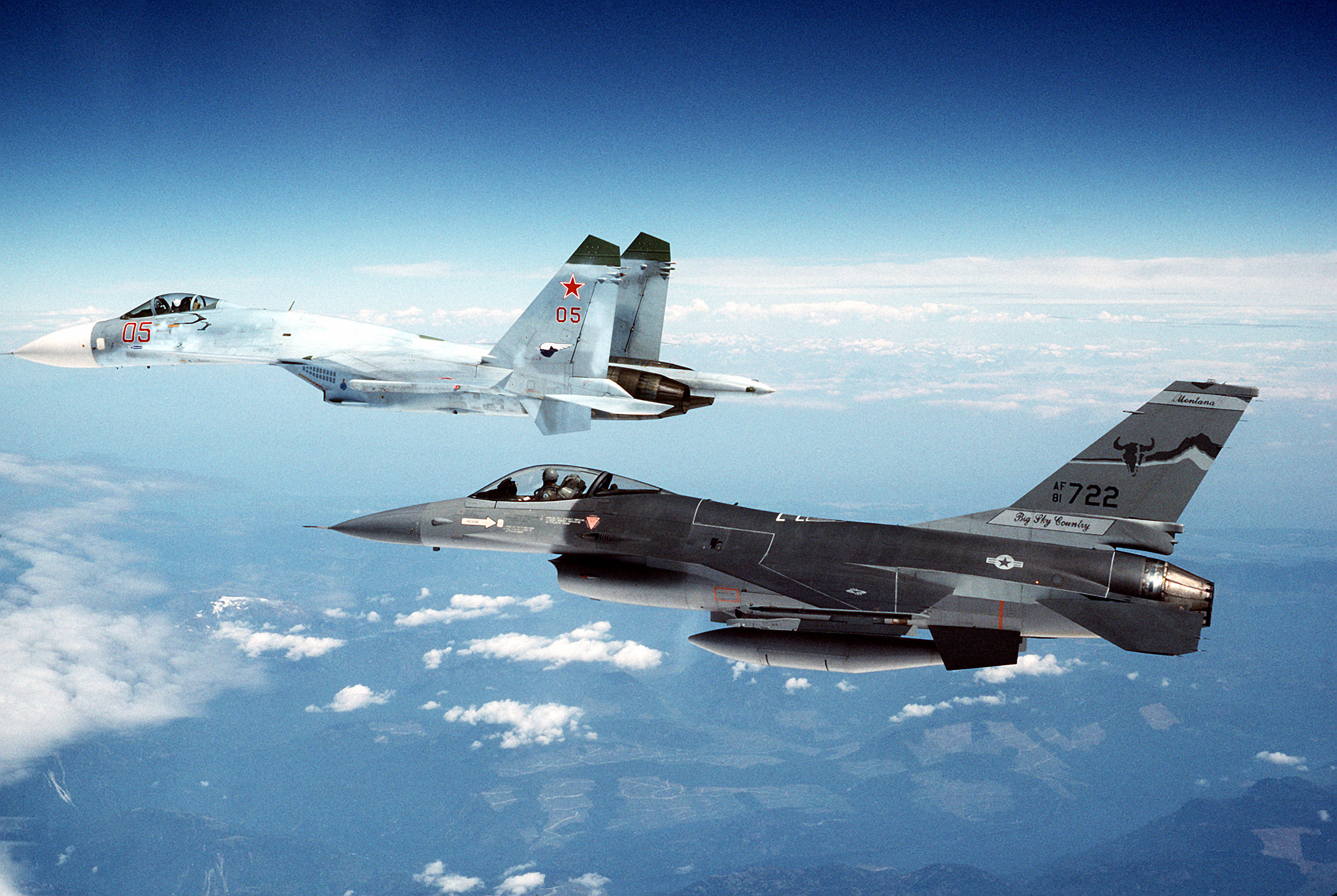
.jpg)
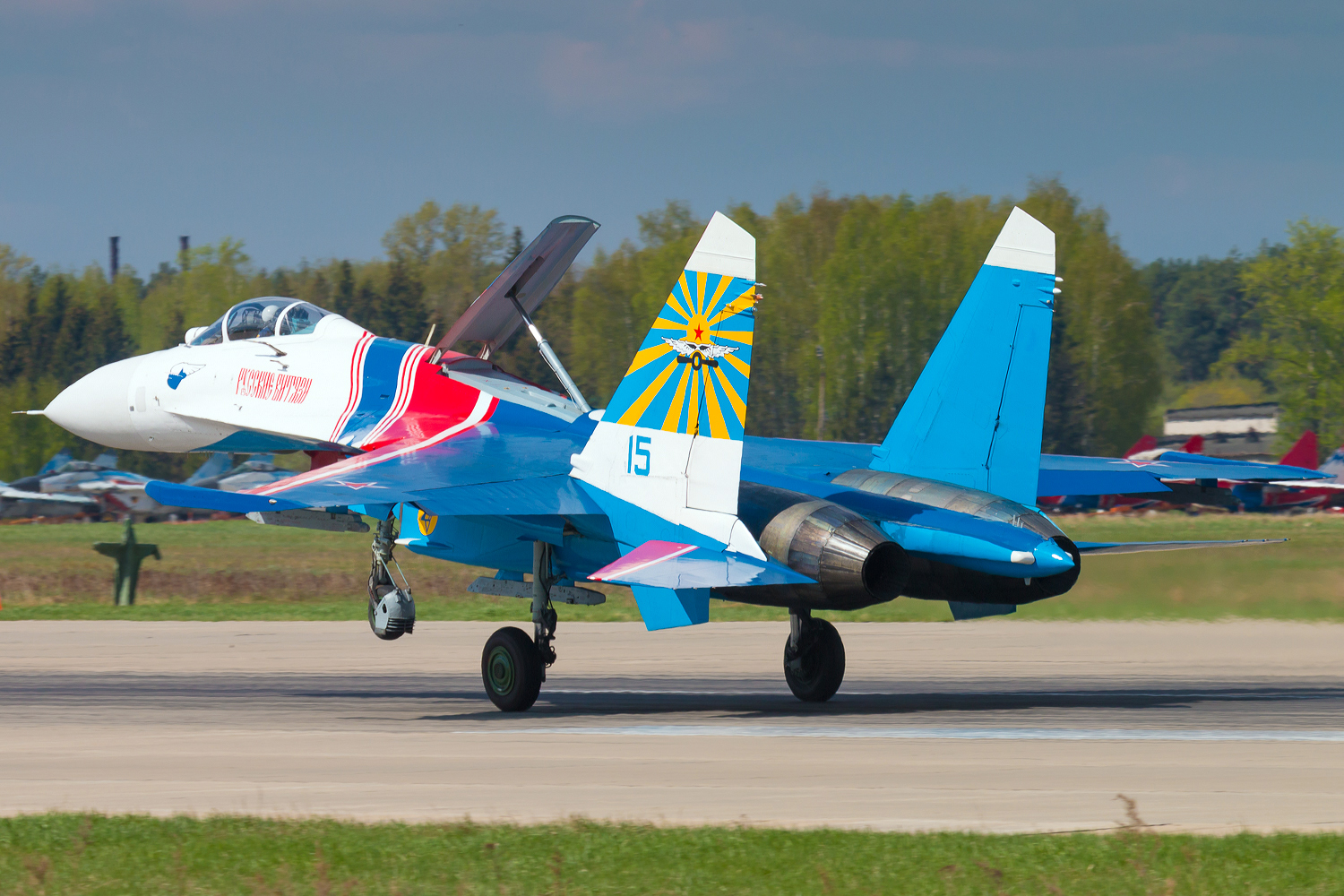
_17.jpg)
_(6).jpg)

.jpg)
.jpg)
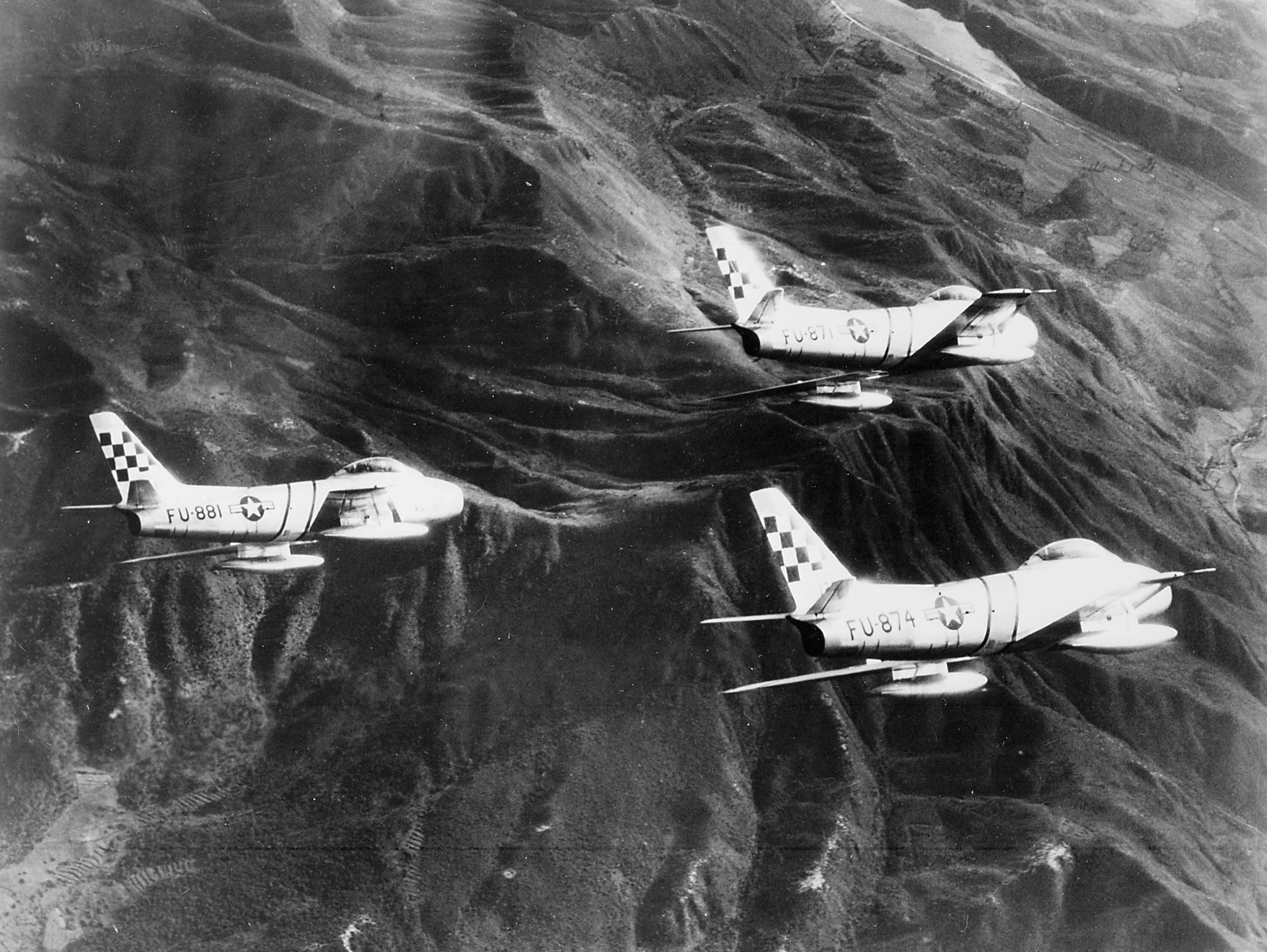
.jpg)
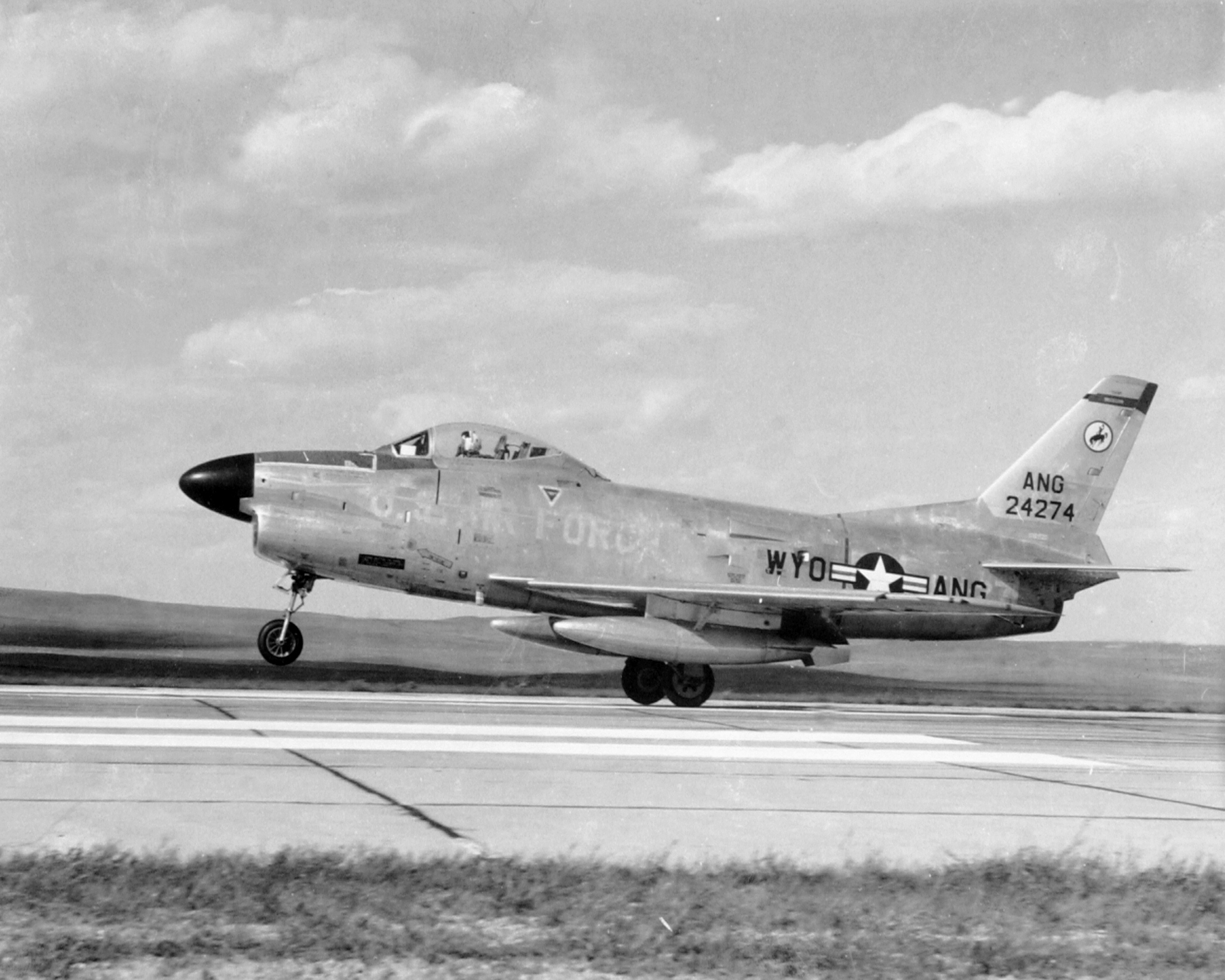
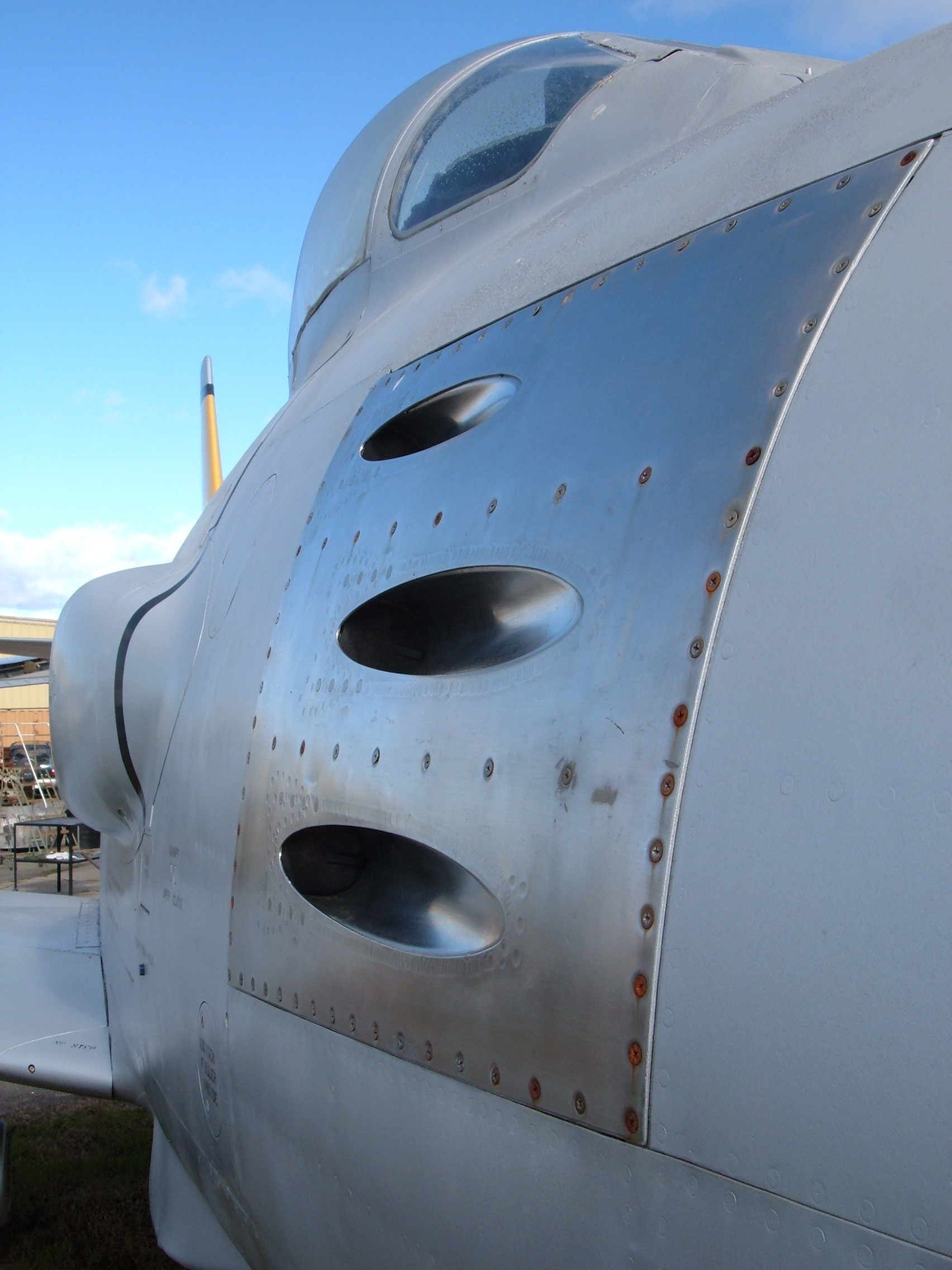
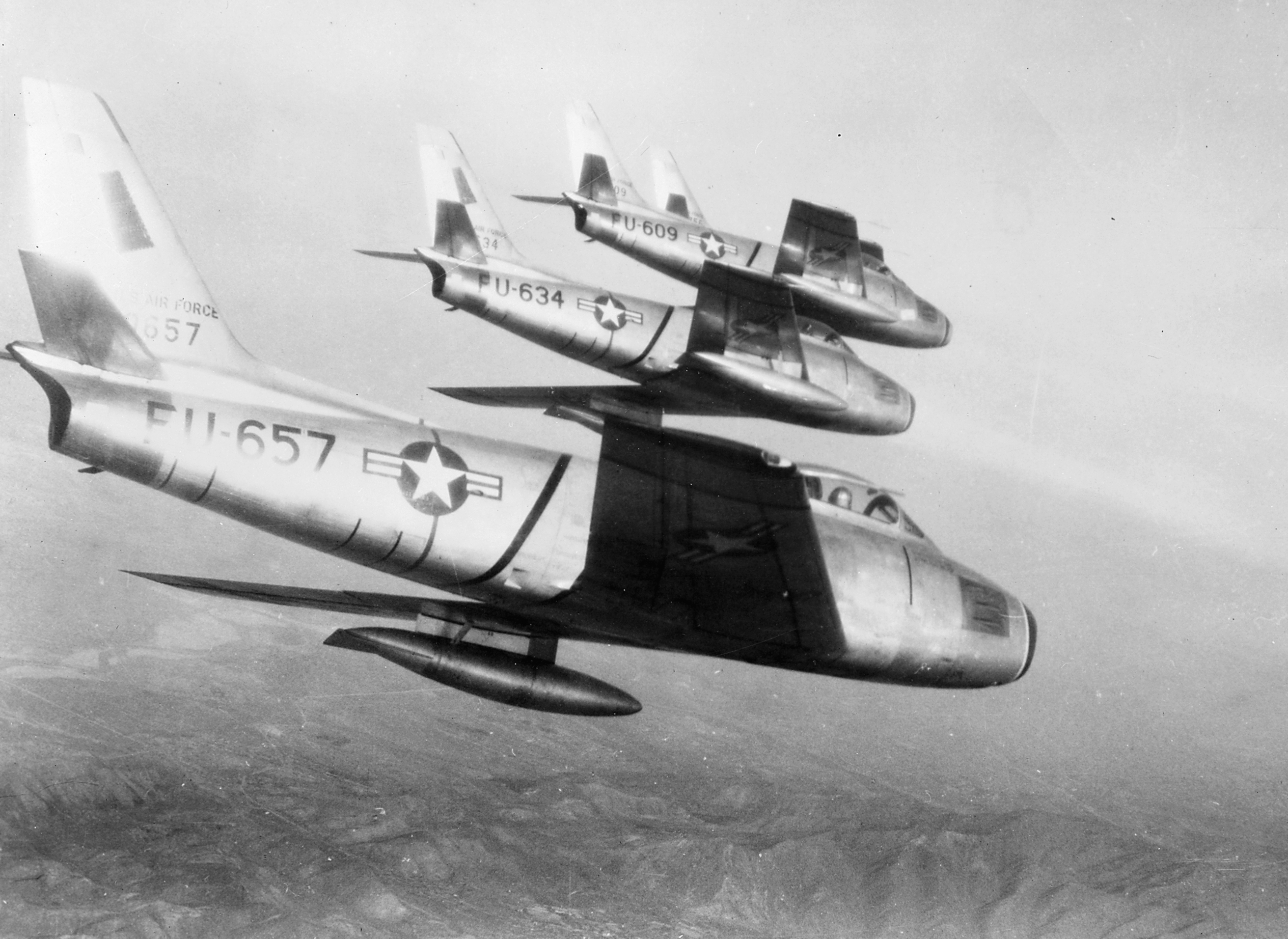
.jpg)
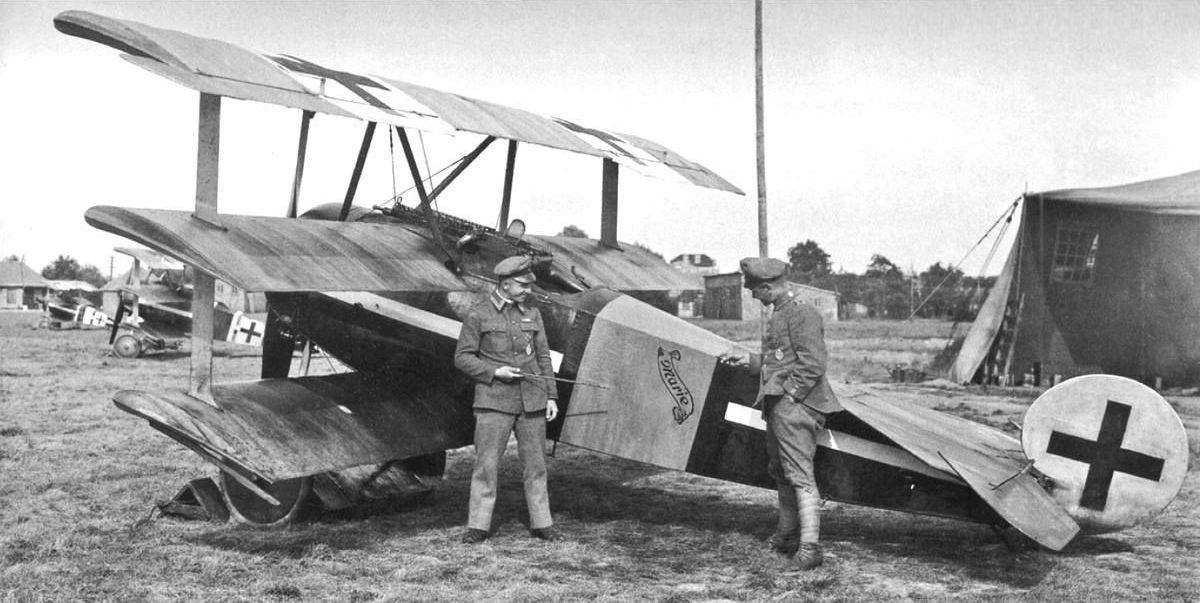
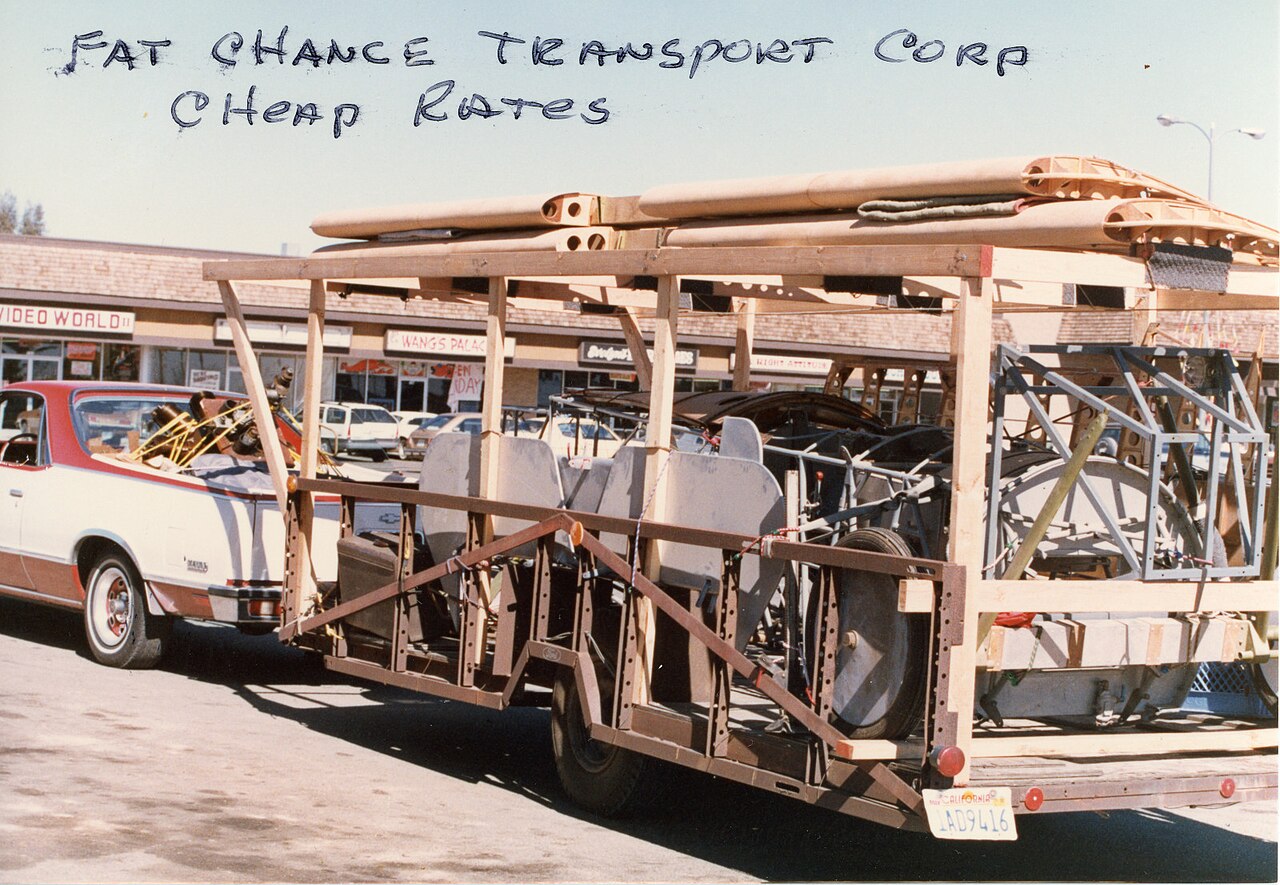
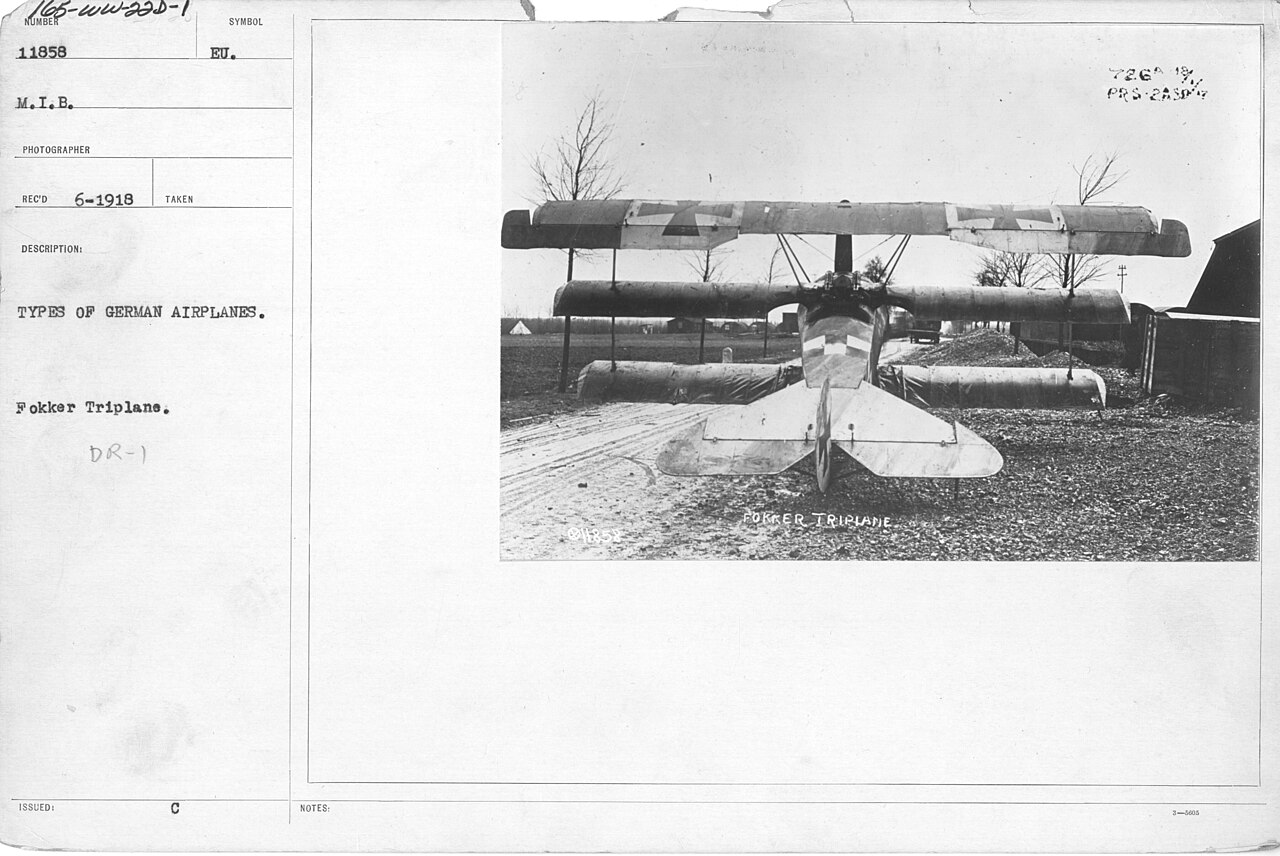
.jpg)
.jpg)
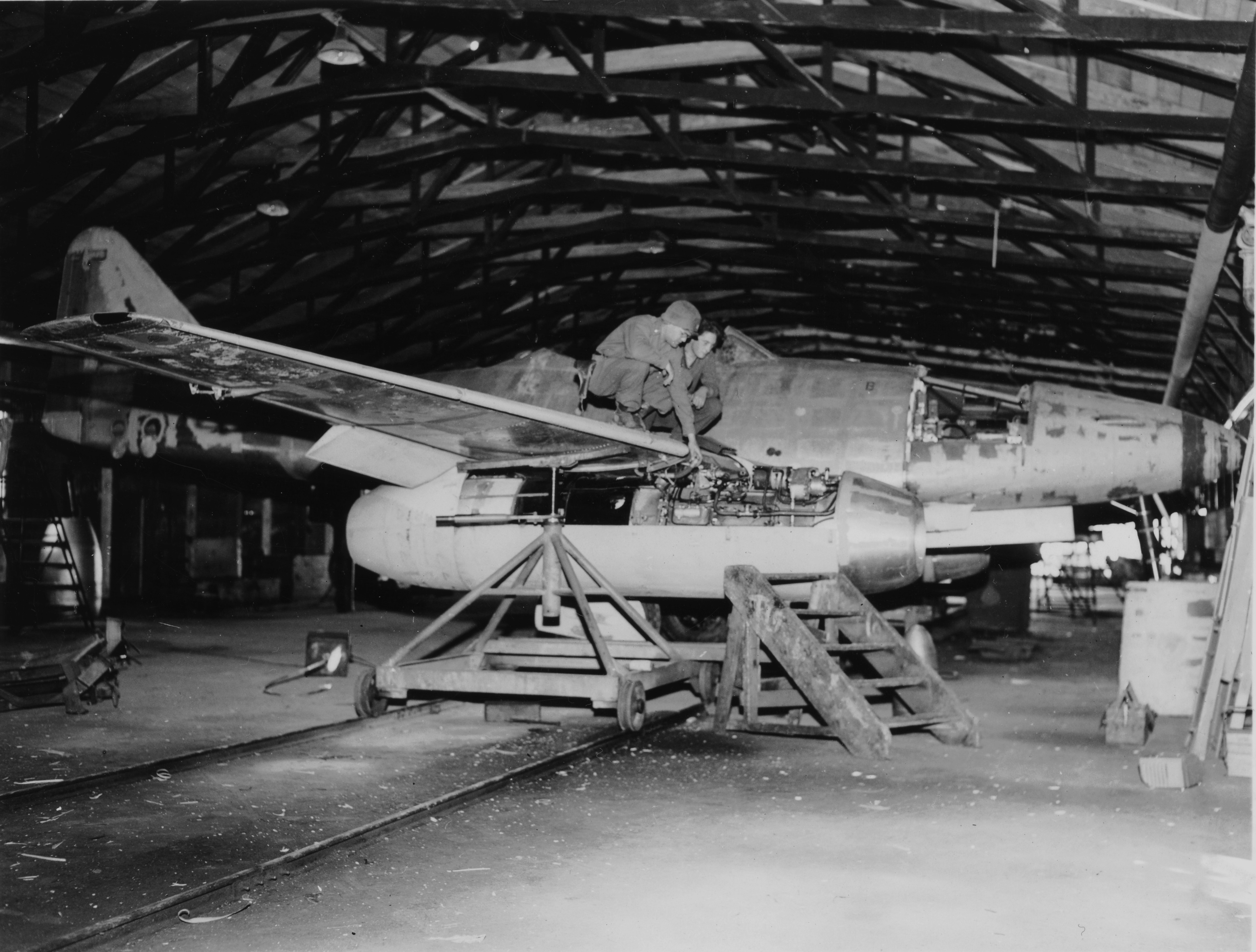
.jpg)
.jpg)

.jpg)
.jpg)
-1600.webp)


-1600.webp)
-800.webp)

-800.webp)


_at_Antwerp_International_Airport-1600.webp)

)_1989-06-01_Andre_Gerwing_Collection_ID_008255-1600.webp)
-1600.webp)

-1600.webp)
-1600.webp)
-1600.webp)


-800.webp)


-1600.webp)
_(26800302615)-1600.webp)

-800.webp)

_MiG-15_aircraft_parked_on_a_flight_line_DF-ST-85-03638-1600.webp)
_'197'_(13277124545)-1600.webp)
-1600.webp)
-800.webp)


-1600.webp)
-1600.webp)

-800.webp)
%2C_28_September_2006_(0609-1600.webp)


-1600.webp)


-1600.webp)


-1600.webp)


_1975-1600.webp)

-1600.webp)
_J79-J-1K%2C_71KN%2C_7460rpm_at_Flugausstellung_Hermeskeil%2C_pic1-1600.webp)


-1600.webp)


-800.webp)


_fly_in_formation_over_the_nuclear-powered_aircraft_carrier_USS_NIMITZ_(CVN-68)_during_a_vis-1600.webp)


-800.webp)


-800.webp)


_(6)-1600.webp)


-1600.webp)


-1600.webp)


-1600.webp)


-1600.webp)


-800.webp)
-1600.webp)

-1600.webp)
-1600.webp)


-1600.webp)

-1600.webp)