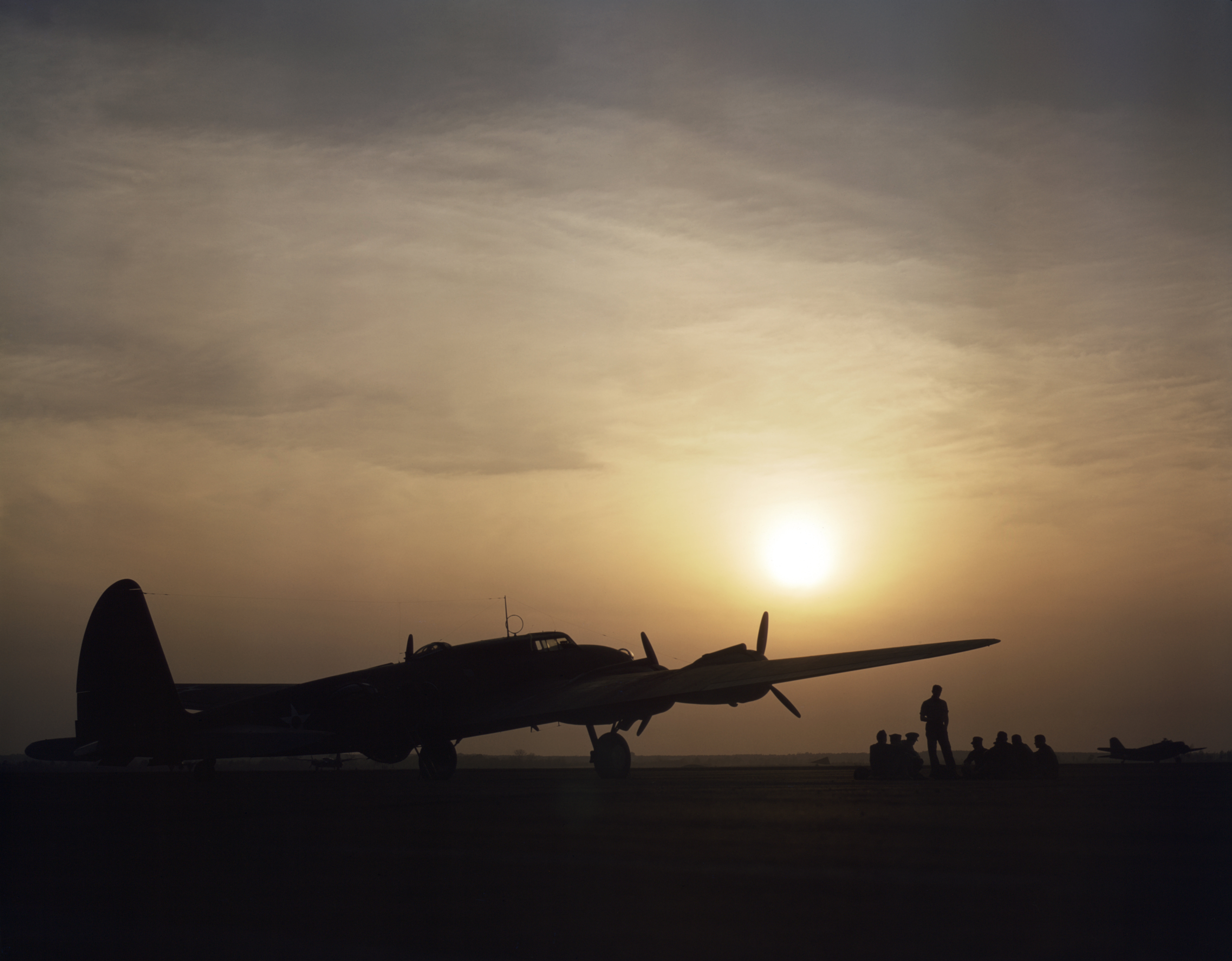
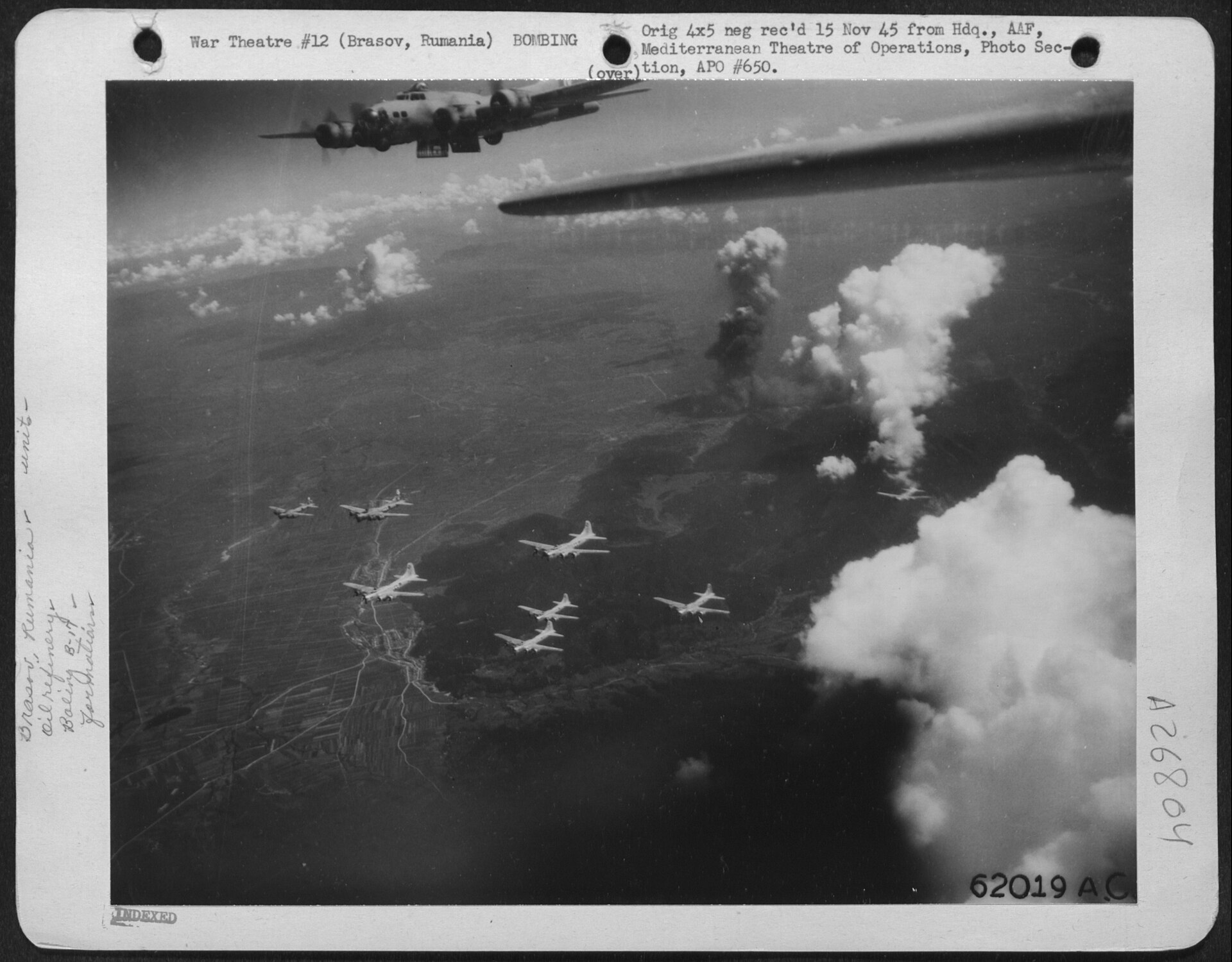
The Boeing B-17 Flying Fortress was an American four-engined heavy bomber designed in the mid-1930s for the United States Army Air Corps. Fast for its size, able to work at high altitude and bristling with defensive guns at the expense of…
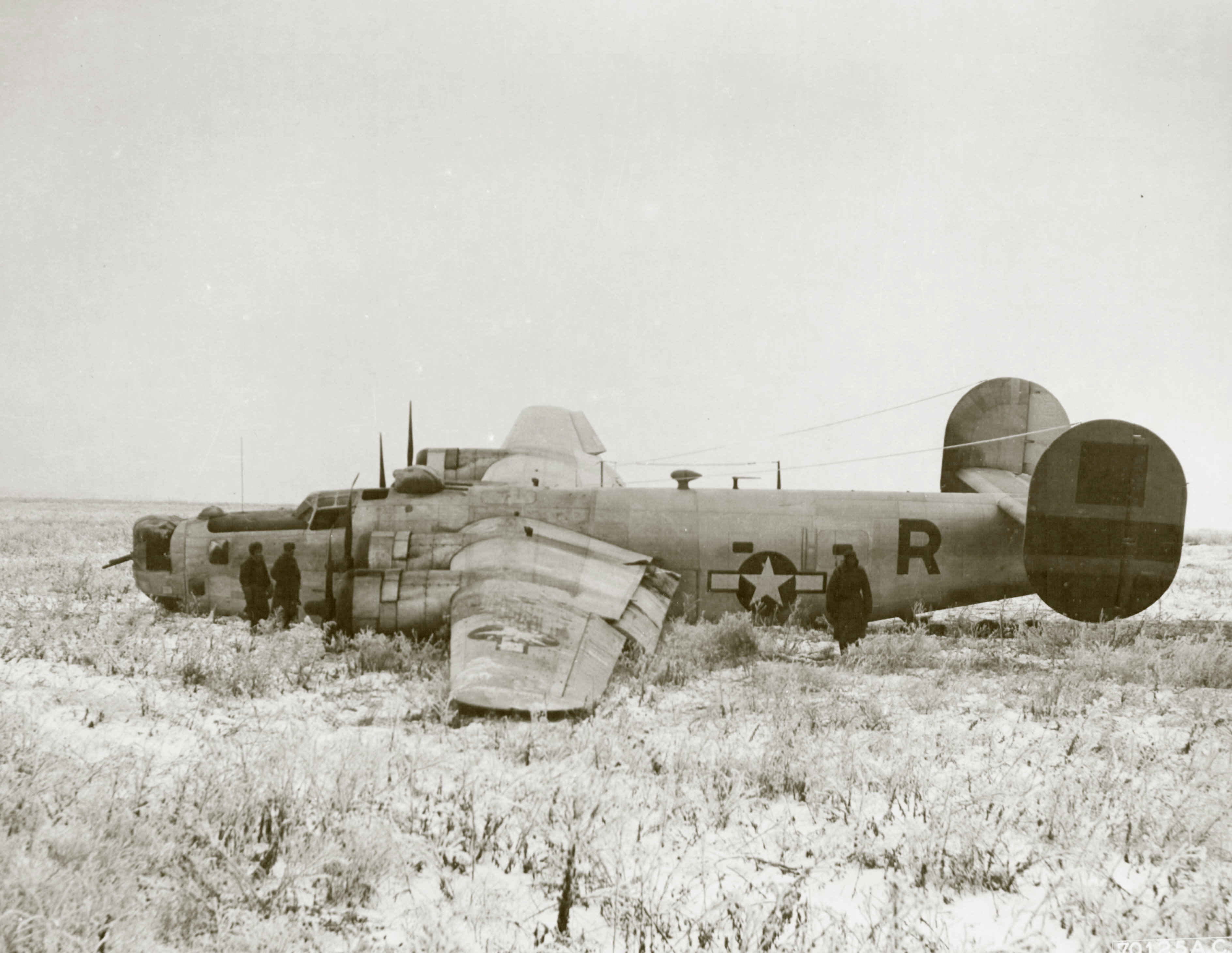
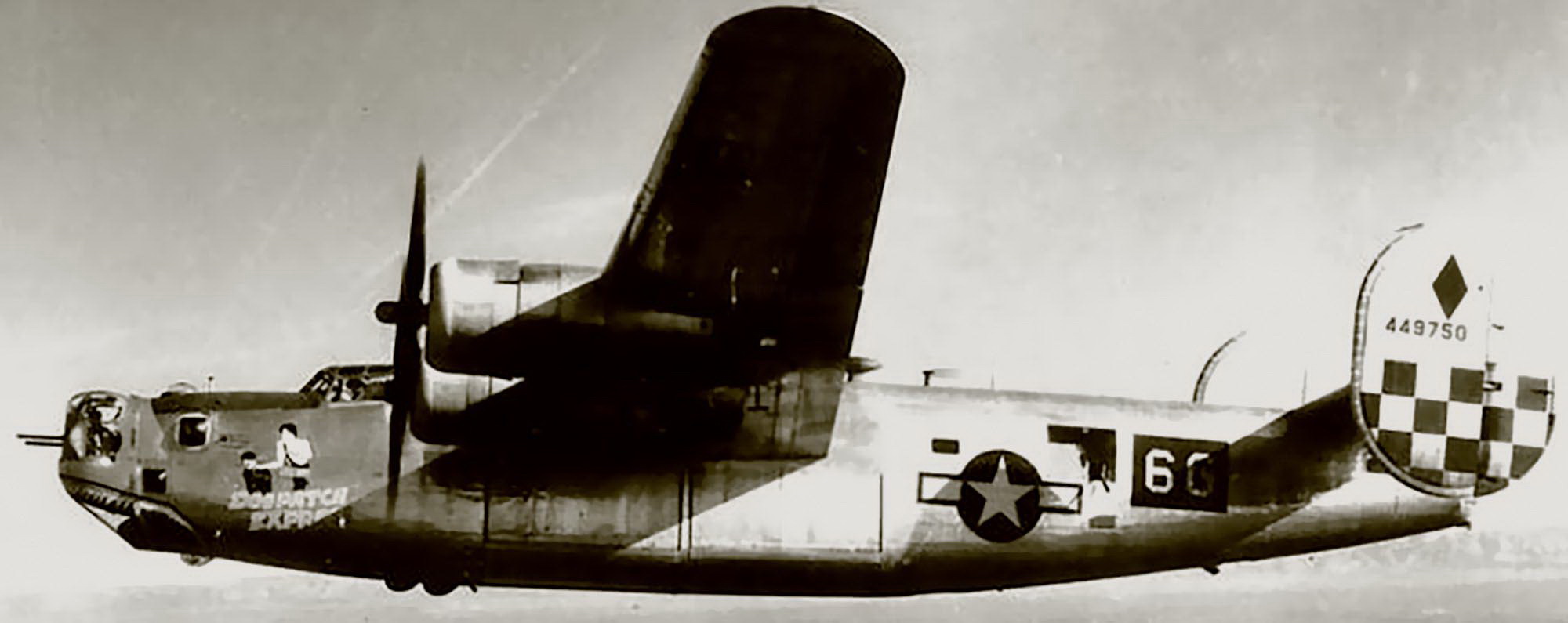
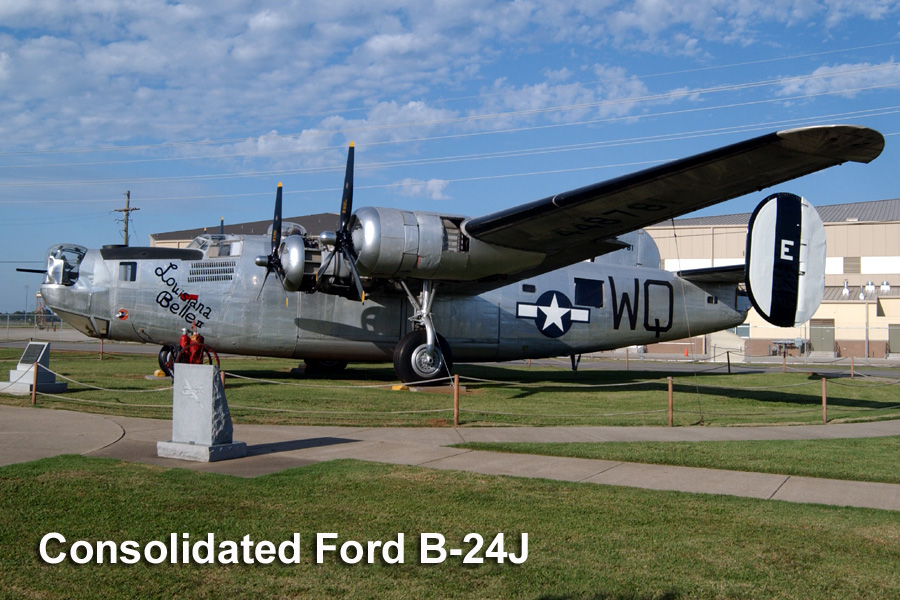
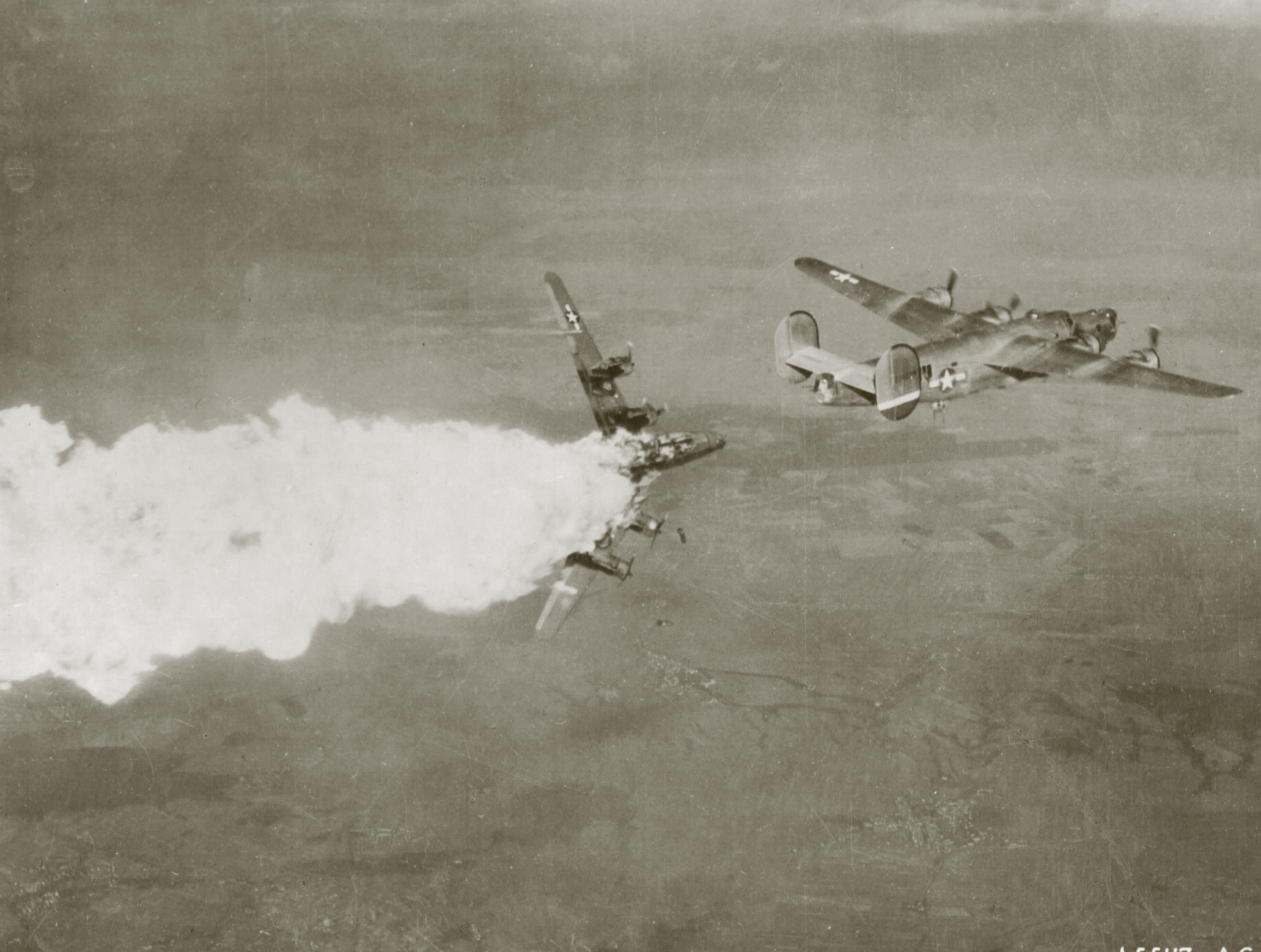
The Consolidated B-24 Liberator is the most heavily produced heavy bomber in history and, at the same time, the American four-engined bomber of the Second World War that occupies the least space in popular memory. It was born out of a job…
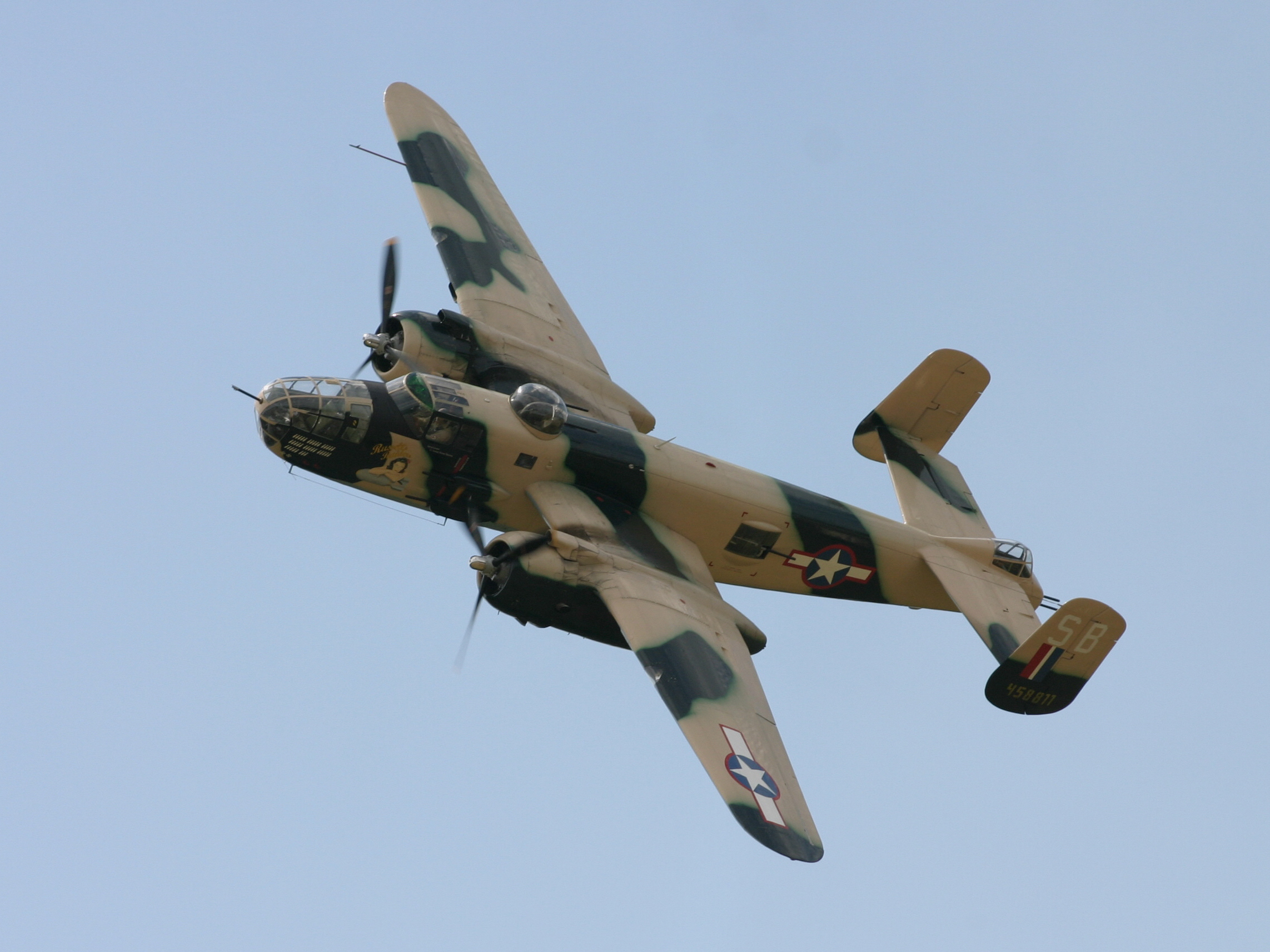
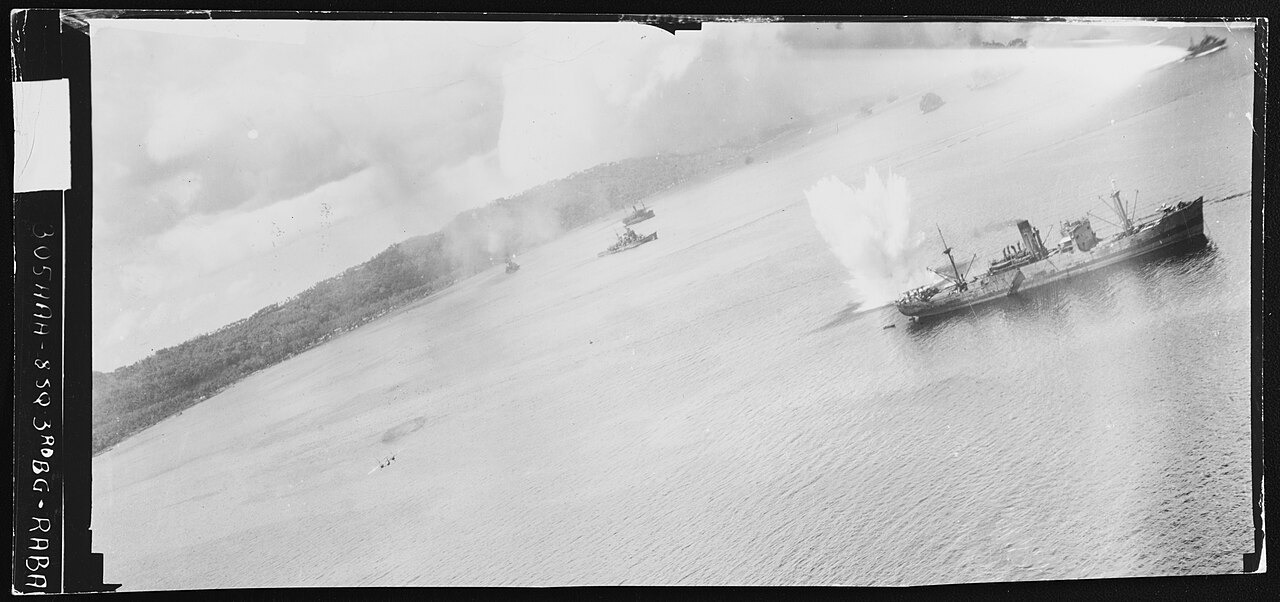
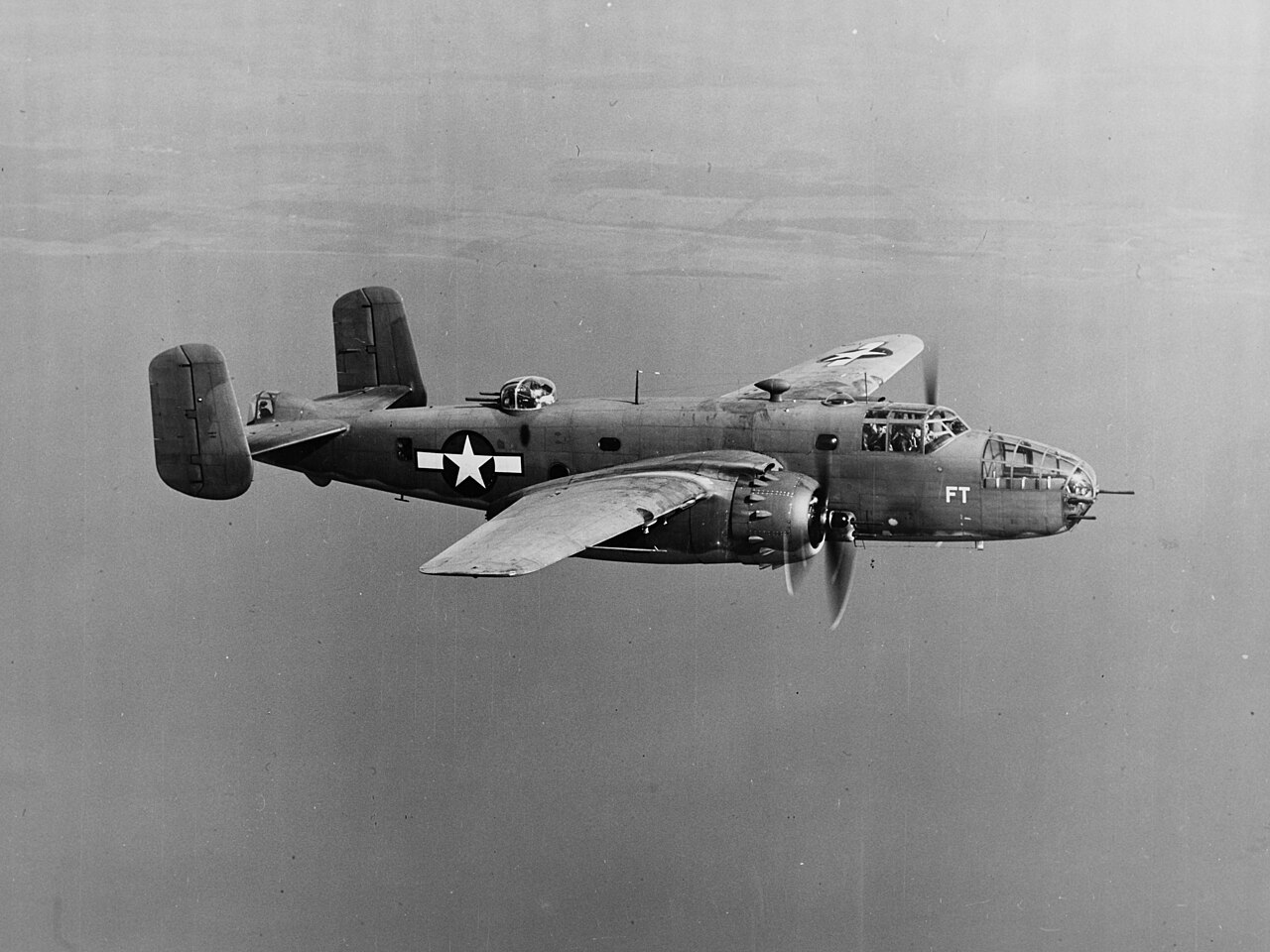
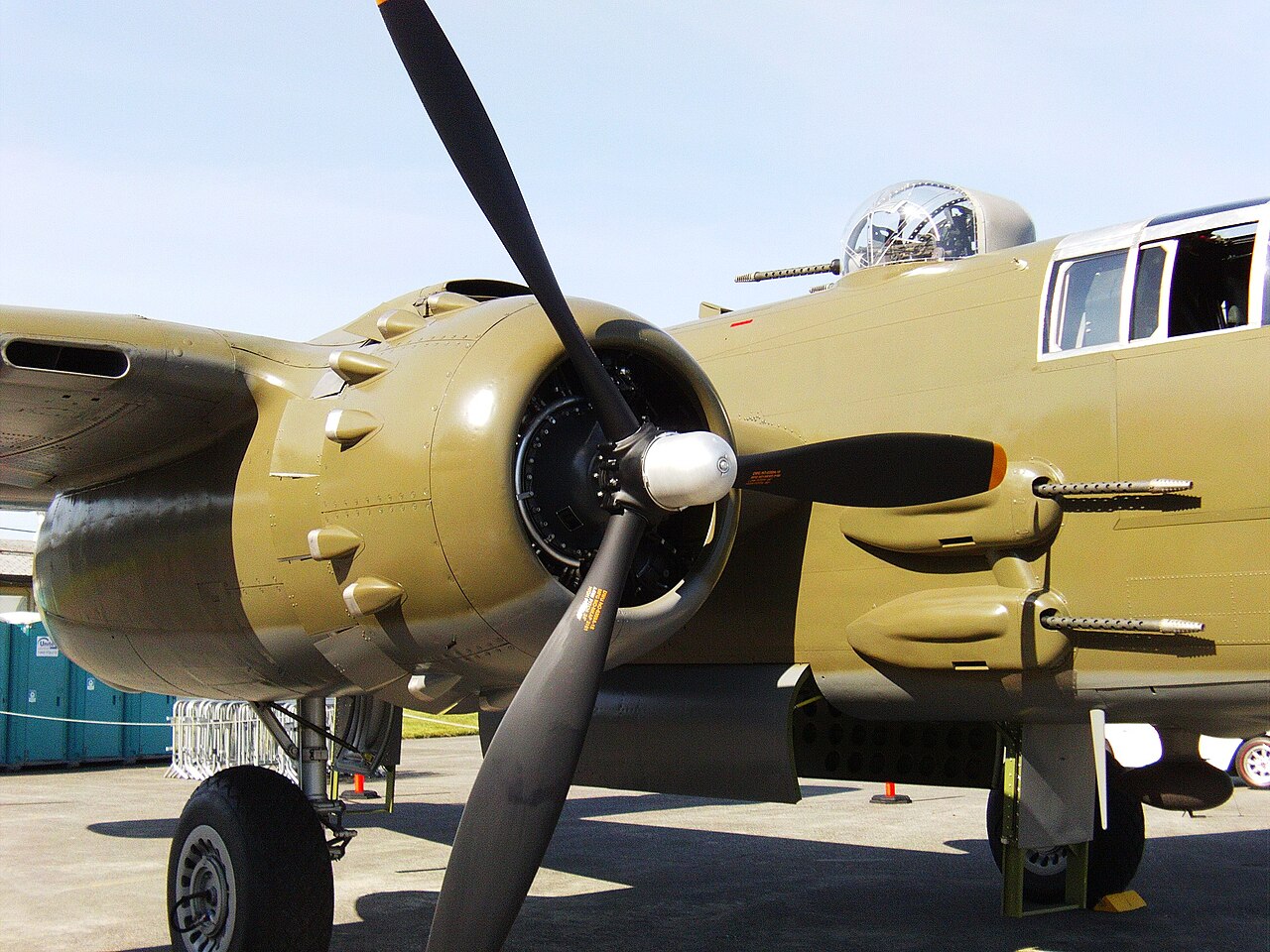
The North American B-25 Mitchell was the twin-engined medium bomber that filled the middle rank of American bombing aviation in the Second World War. Its design traces back to the late 1930s, when North American Aviation reworked its own…
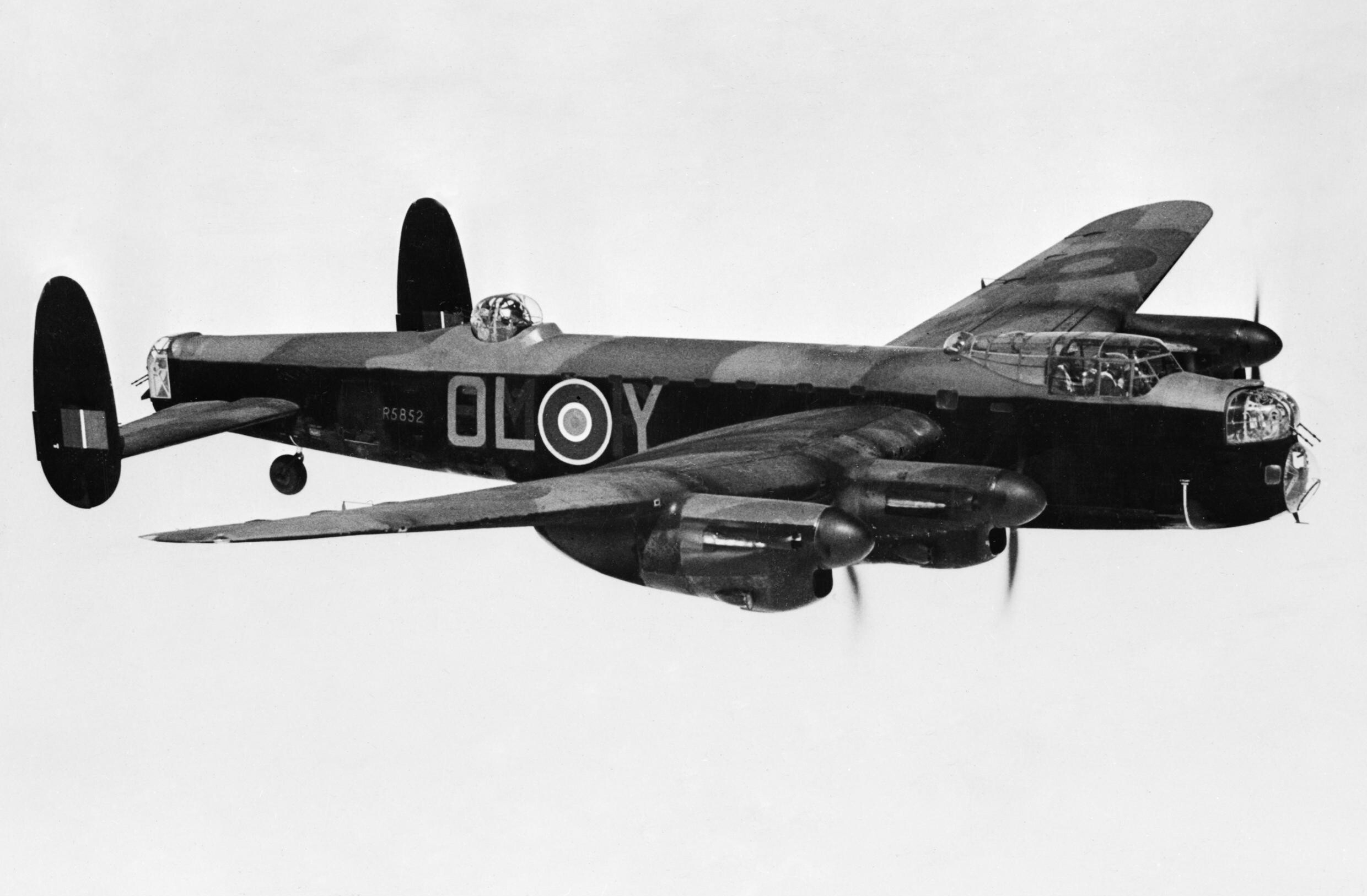
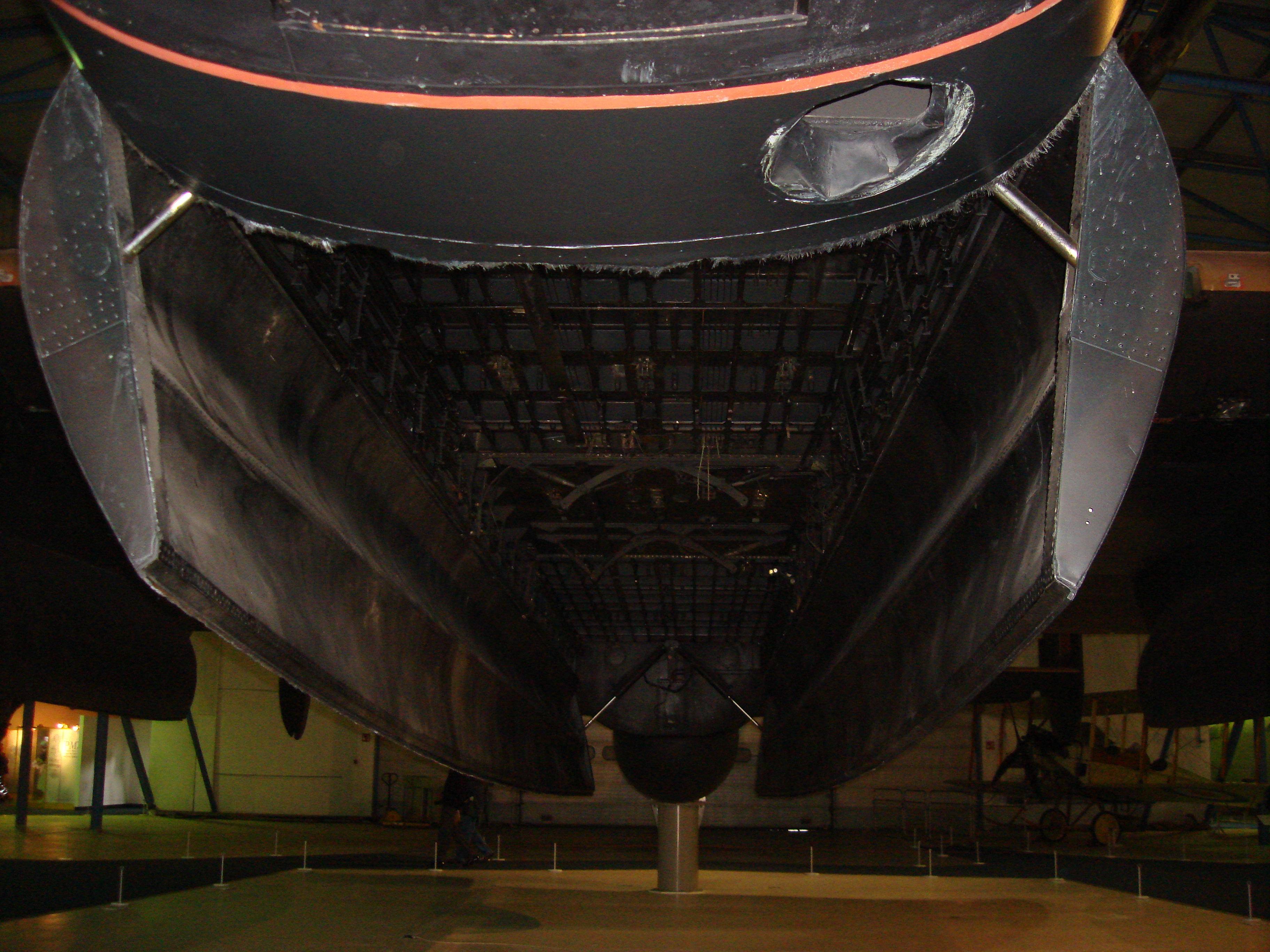
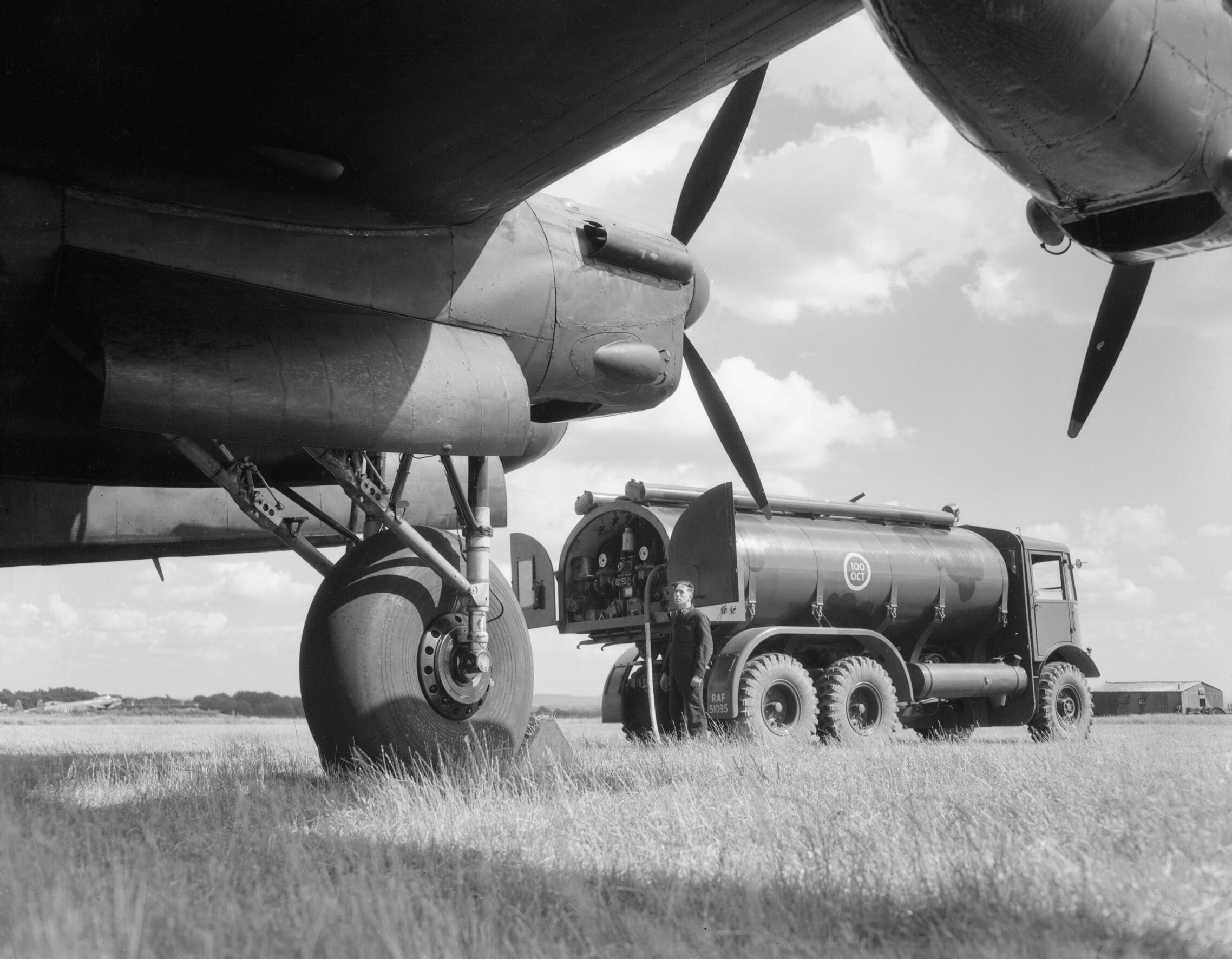
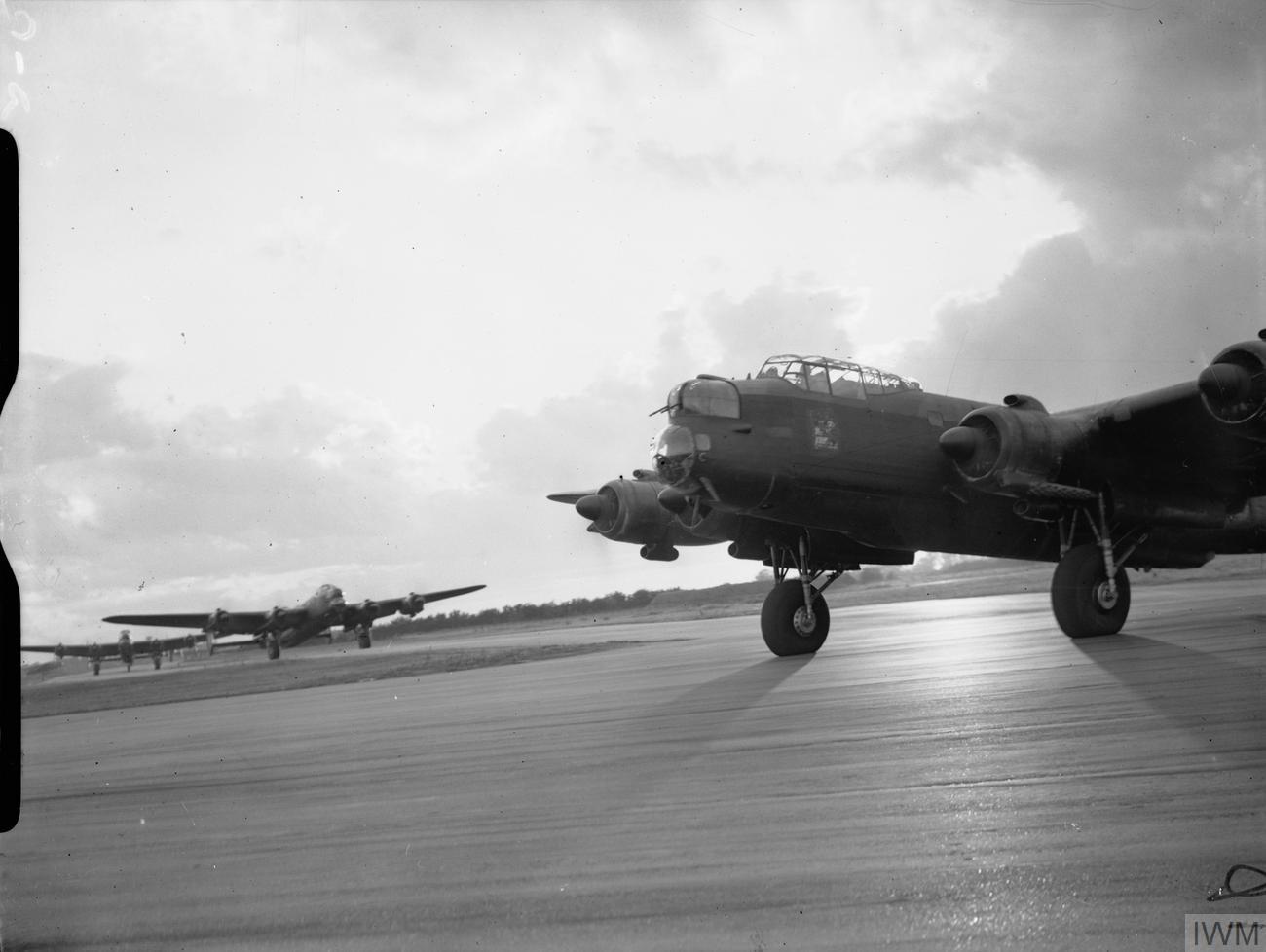
The Avro Lancaster was the four-engined heavy bomber with which RAF Bomber Command sustained its night offensive over Germany from 1942 until the end of the Second World War. It first flew on 9 January 1941 and 7,377 were built across ten…
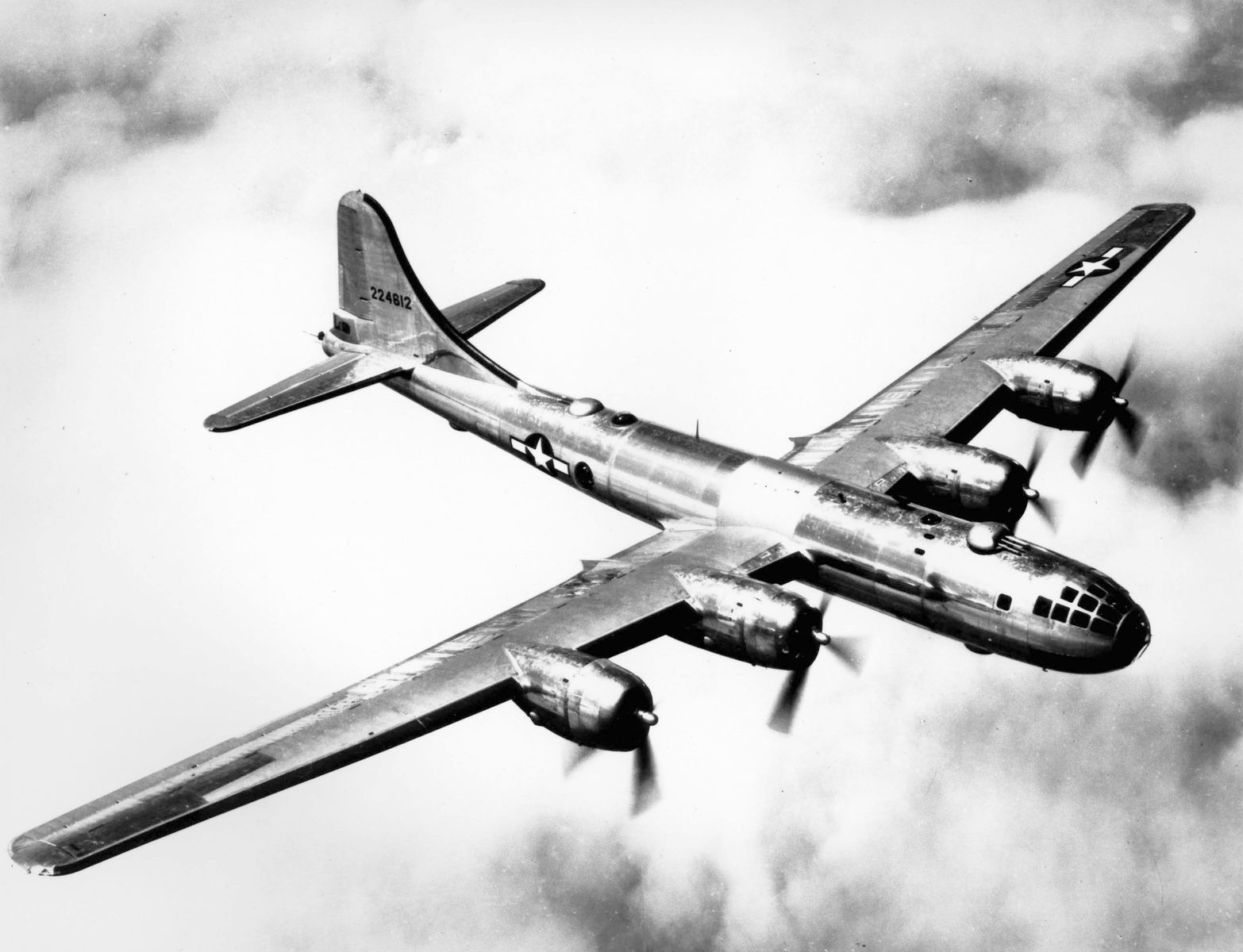
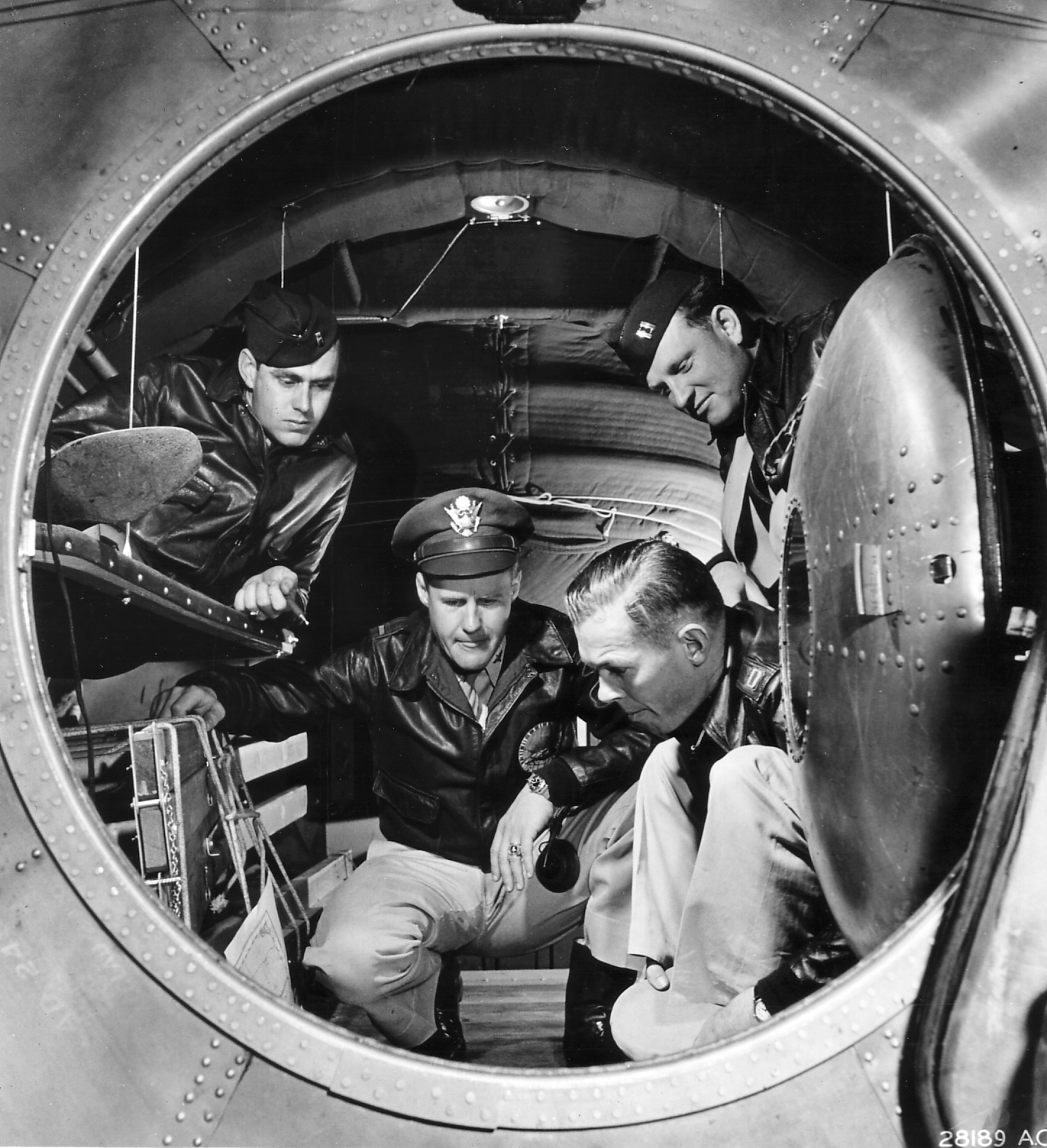
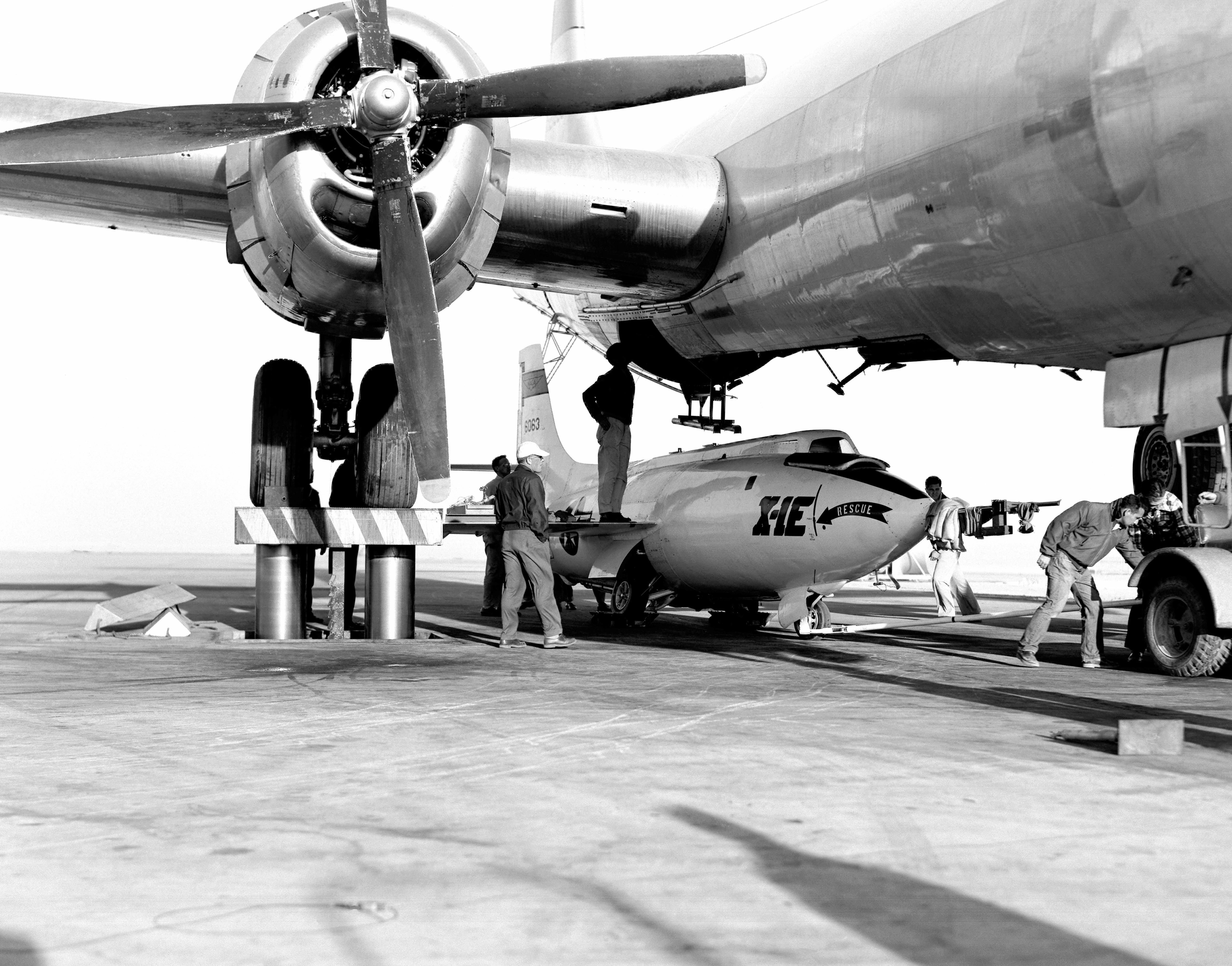
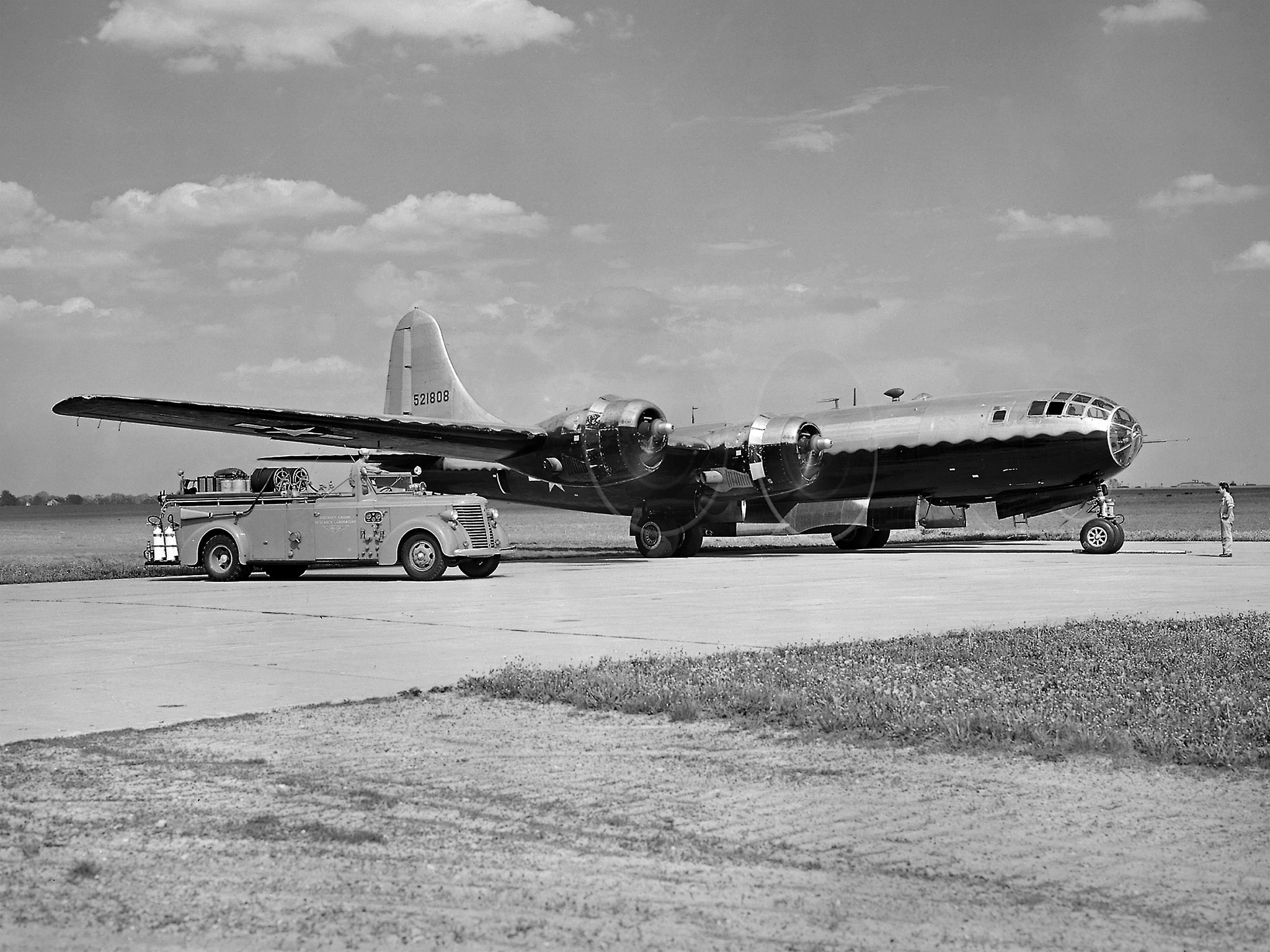
The Boeing B-29 Superfortress was the four-engined heavy bomber with which the United States carried the strategic air offensive to the Japanese home islands, and the most advanced aircraft to see combat in the Second World War. Its name…
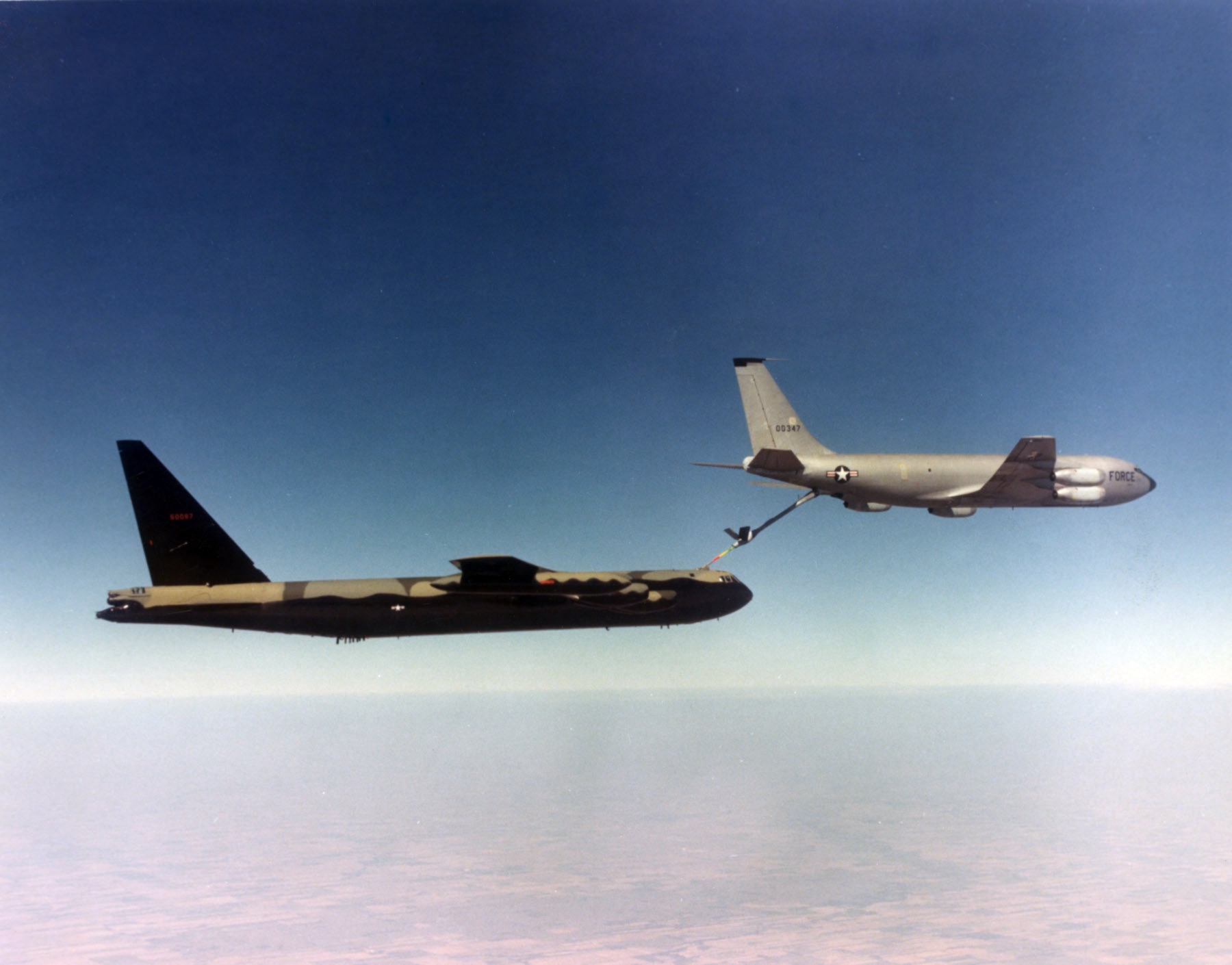
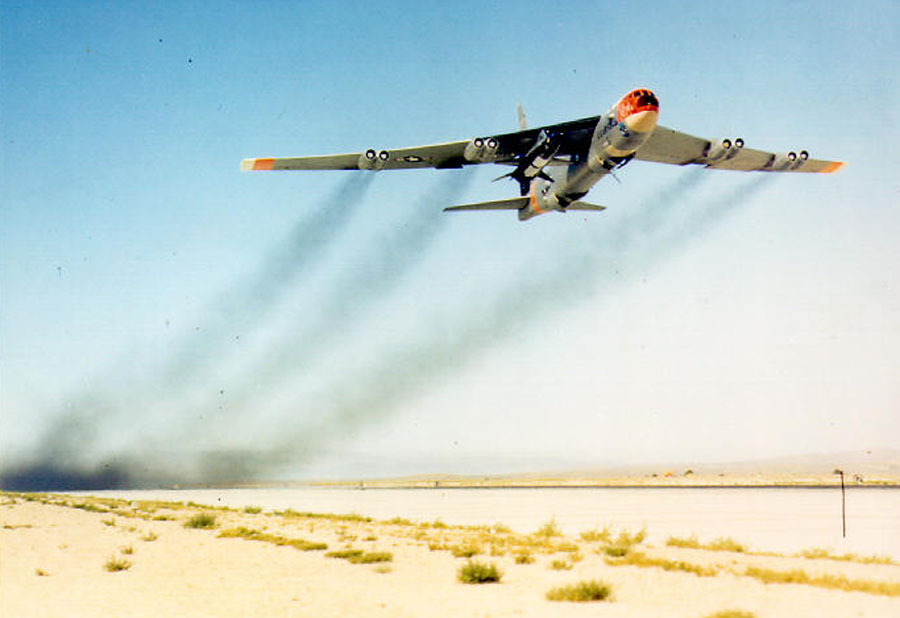
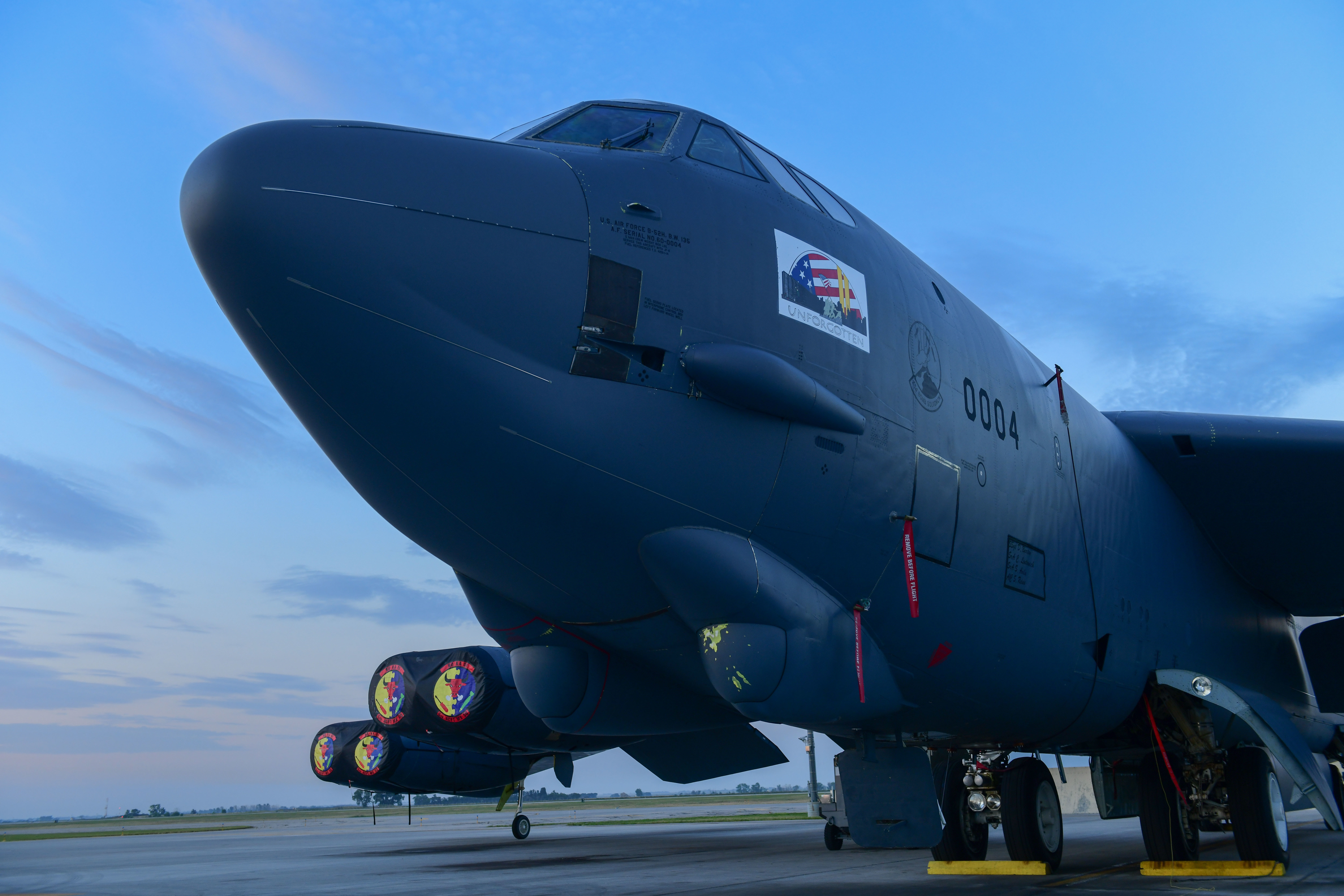
The Boeing B-52 Stratofortress is a subsonic, eight-engined heavy strategic bomber conceived in the early Cold War to deliver nuclear weapons anywhere on the globe without relying on intermediate bases. It has flown with the United States…
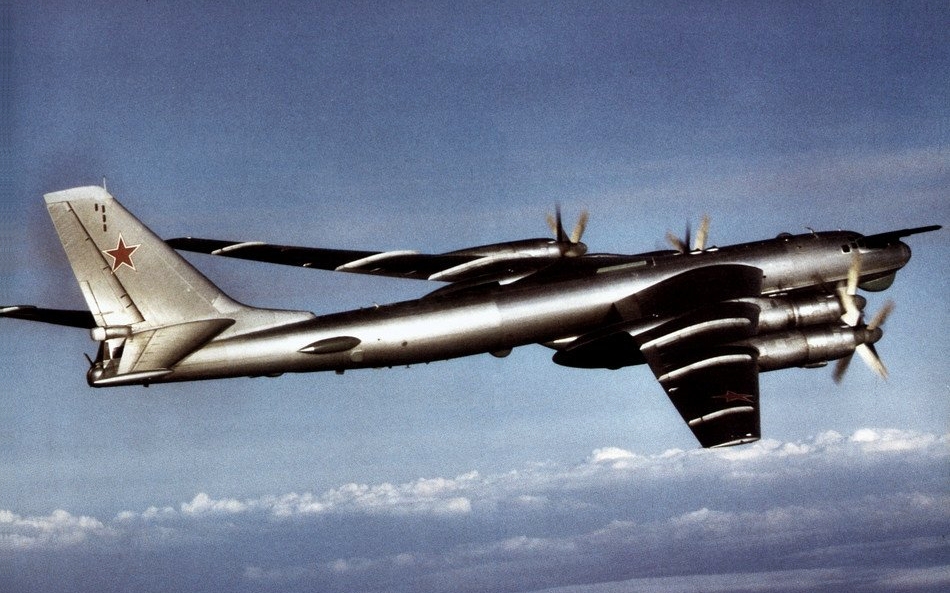
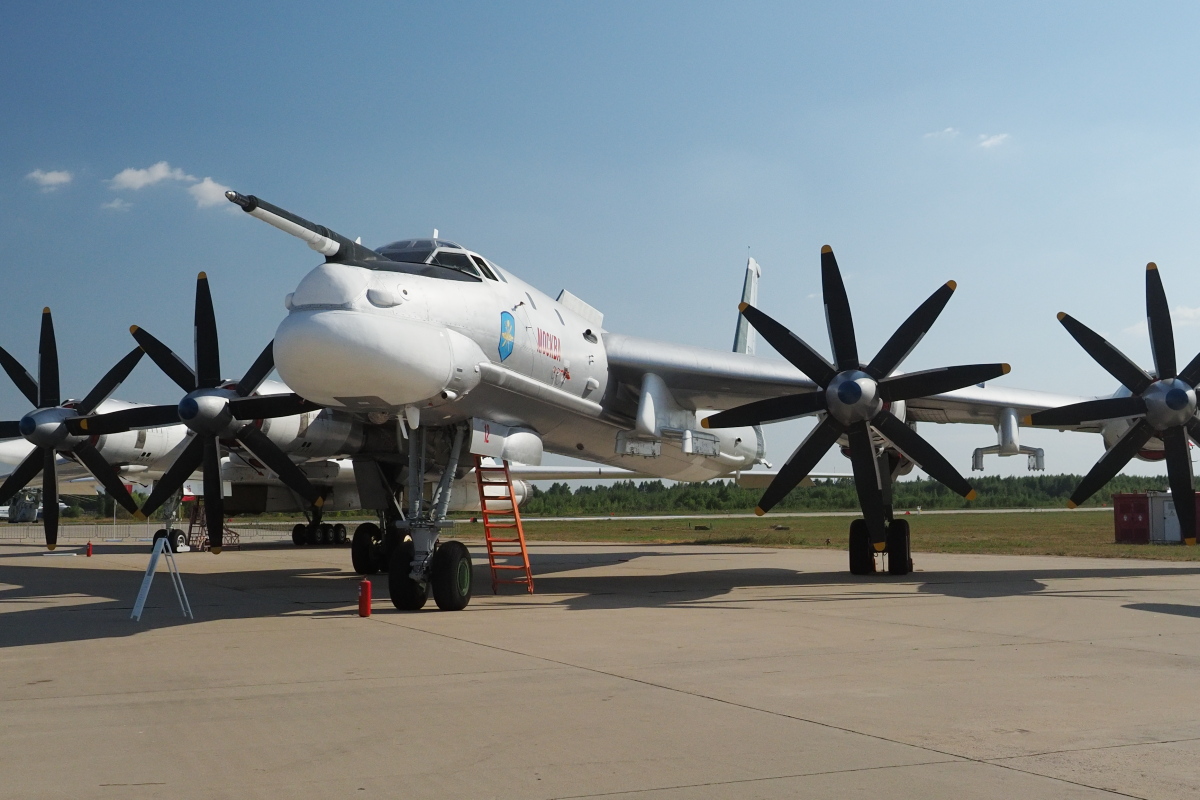
The Tupolev Tu-95 — "Bear" in NATO parlance — is a Soviet four-turboprop heavy strategic bomber, conceived to reach targets in the United States without refuelling and capable of carrying nuclear weapons. It first flew on 12 November 1952,…
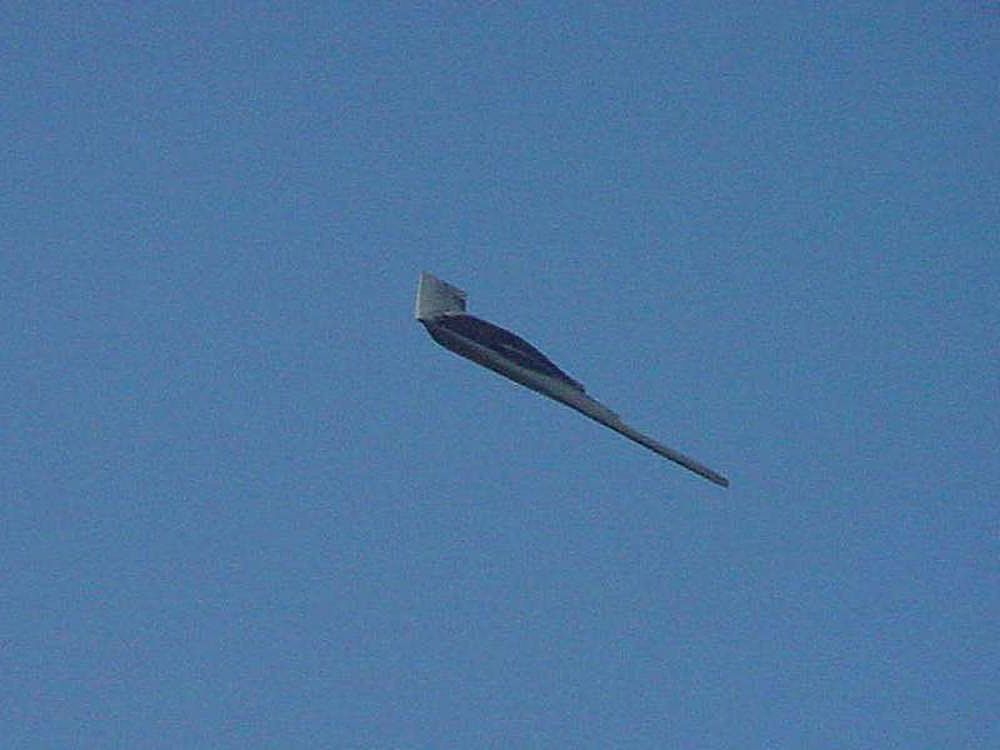
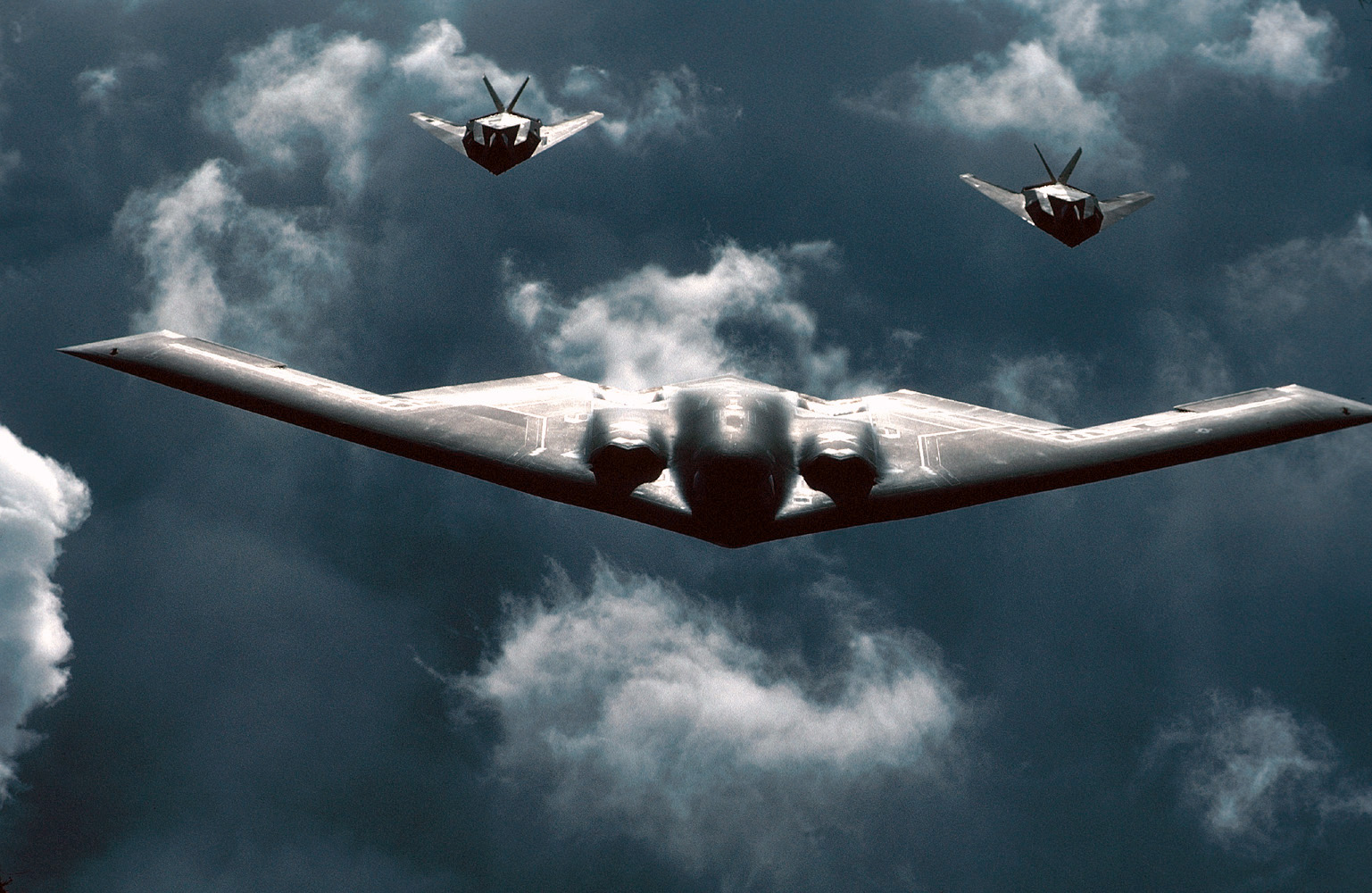
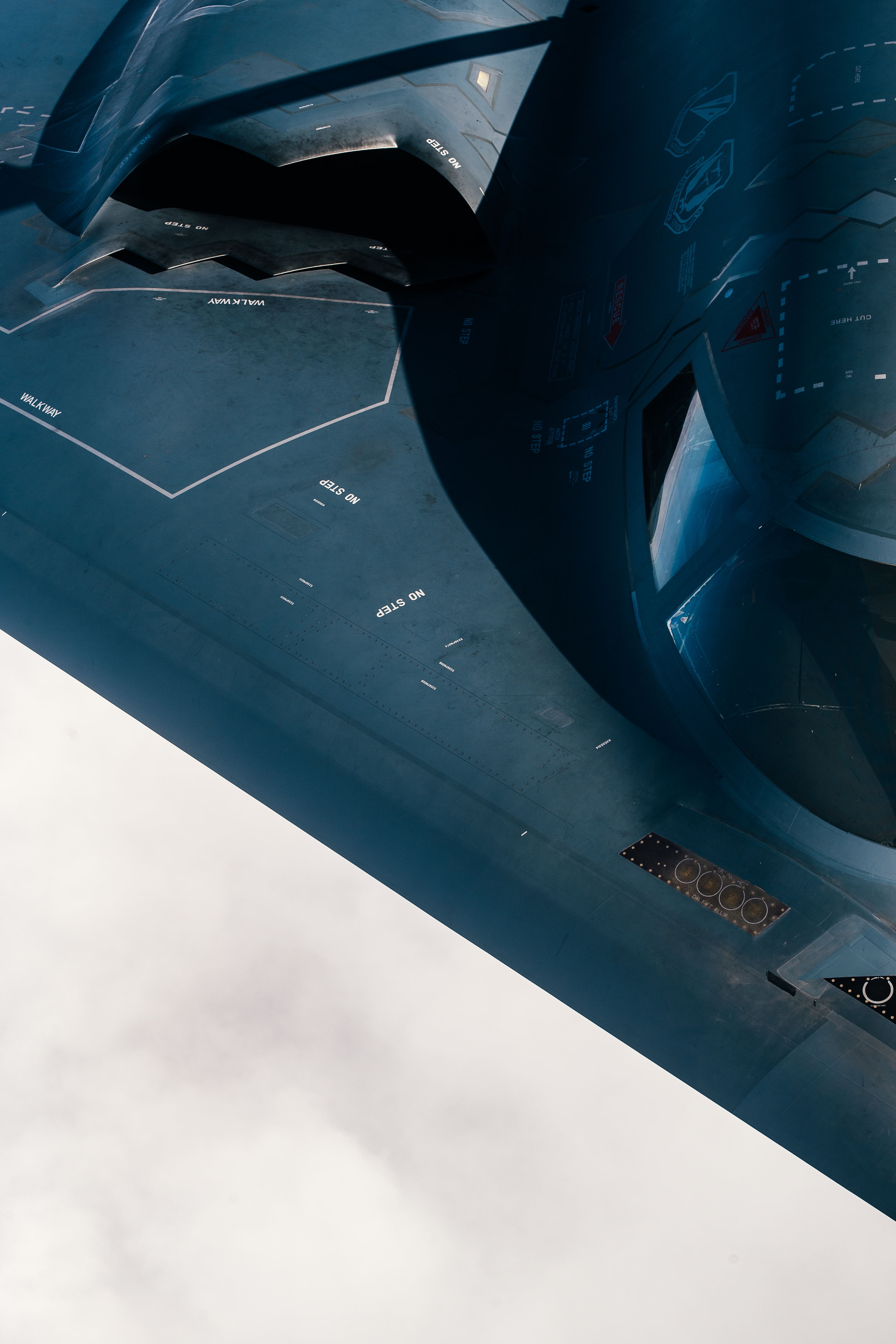
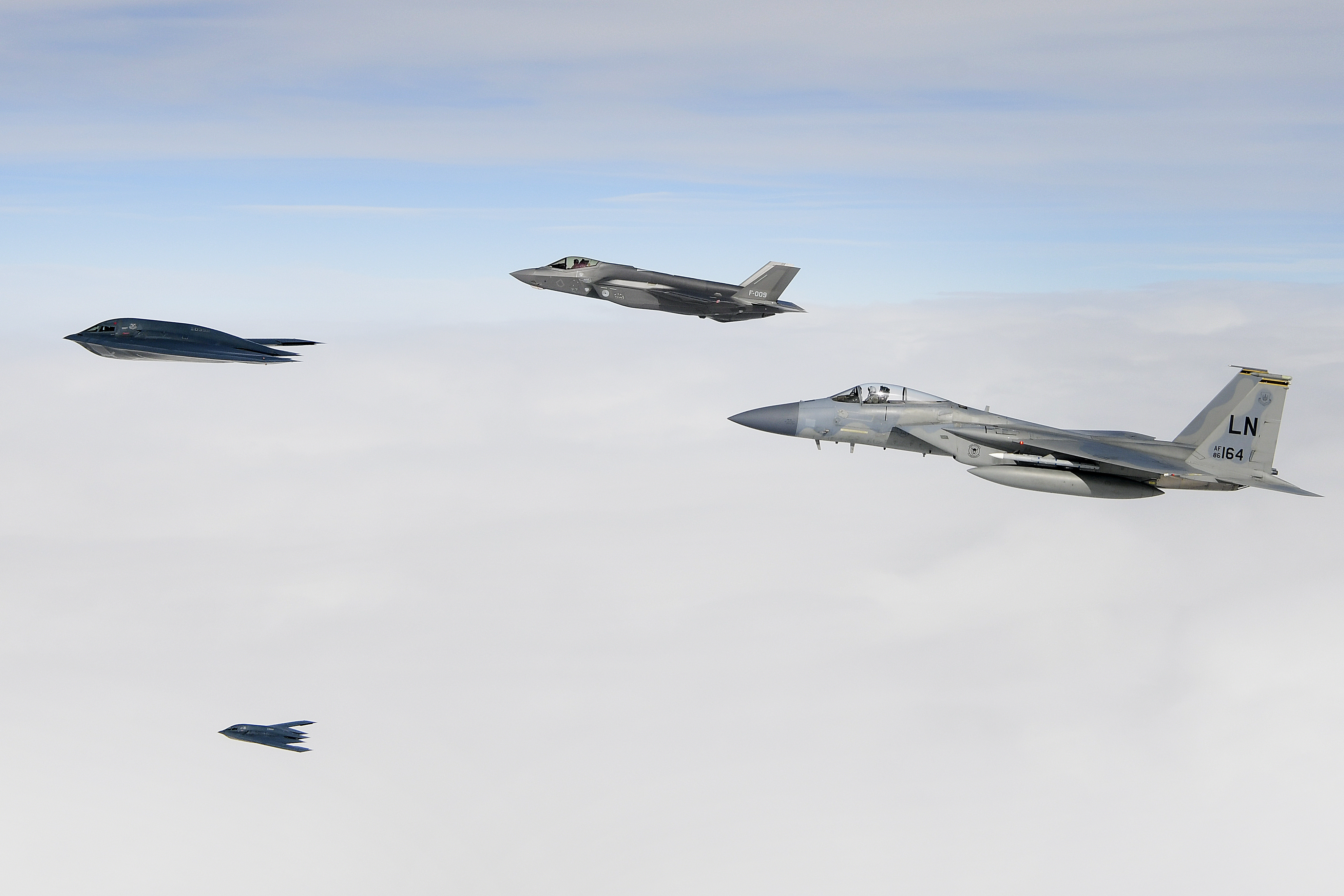
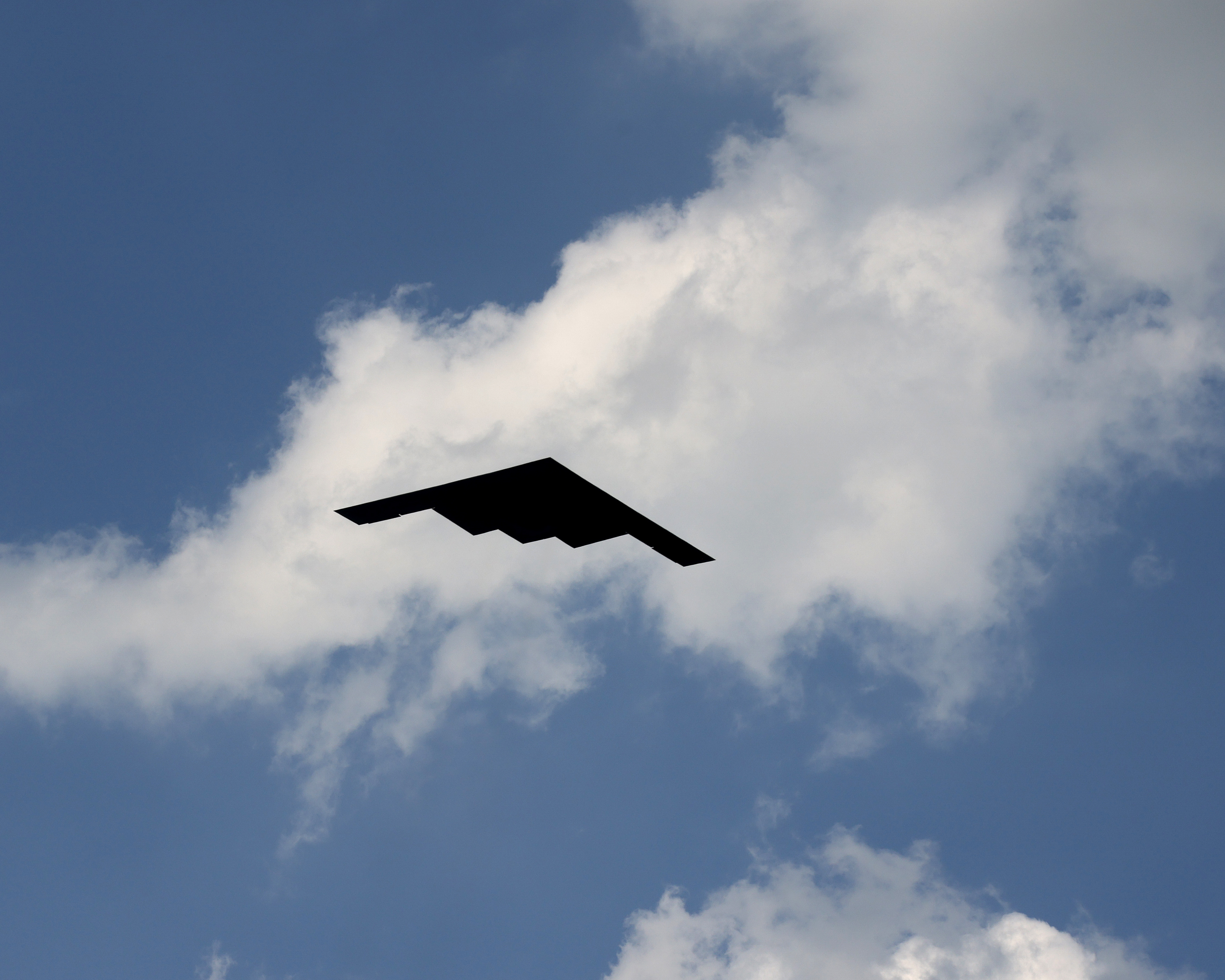
The Northrop Grumman B-2 Spirit is a subsonic, nuclear-capable stealth strategic bomber flown exclusively by the United States Air Force. It is a pure flying wing — no distinct fuselage, no tail — of lambda planform, powered by four…
.jpg)
.jpg)
.jpg)


_en_vuelo.jpg)
_at_Bradley_International_Airport%2C_Windsor_Locks%2C_Connecticut_LCCN2012630904.jpg)
.jpg)


.jpg)
.jpg)
.jpg)
.jpg)
.jpg)
.jpg)
_intercepting_a_Soviet_Bear_bomber_060922-F-1234S-036.jpg)
.jpg)
.jpg)

-800.webp)
-800.webp)
-800.webp)


_en_vuelo-1600.webp)


_at_Bradley_International_Airport%2C_Windsor_Locks%2C_Connecticut_LCCN2012630904-800.webp)


-800.webp)


-1600.webp)


-1600.webp)
-1600.webp)

-1600.webp)


-800.webp)


-1600.webp)
_intercepting_a_Soviet_Bear_bomber_060922-F-1234S-036-1600.webp)
-1600.webp)
-1600.webp)


