Family: Titan · Glenn L. Martin Company
Titan II
Launch statistics
- —
- Total launches
- —
- Successes
- —
- Failures
- —
- Success rate


-1600.webp)






_lifting_off_from_Pad_19%2C_Cape_Kennedy%2C_1965-1600.webp)


%2C_Arizona-1600.webp)


_lifting_off_from_Cape_Kennedy%2C_8_April_1964-1600.webp)


_from_Pad_19%2C_3_June_1965-800.webp)







_from_Pad_19%2C_first_manned_Gemini_flight%2C_23_March_1965-800.webp)



_en_la_plataforma_LC-19-1600.webp)
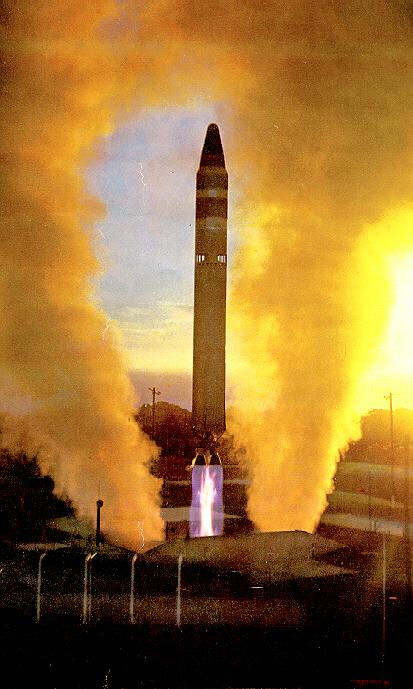
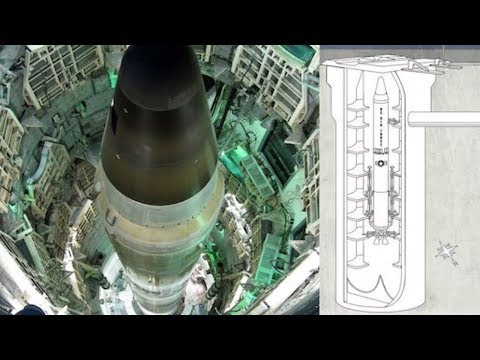
The Titan II was the two-stage intercontinental ballistic missile that the Glenn L. Martin Company derived from the Titan I, and it carried the largest single warhead in the American arsenal. Later adapted as a space launch vehicle, it orbited all twelve Gemini capsules and kept flying until 2003.
Missions
- Gemini 1 · 1964
- Gemini 2 · 1965
- Gemini 3 · 1965
- Gemini IV · 1965
- Gemini V · 1965
- Gemini VII · 1965
- Gemini VI-A · 1965
- Gemini VIII · 1966
- Gemini IX-A · 1966
- Gemini X · 1966
- Gemini XI · 1966
- Gemini XII · 1966
Three-view drawing
History
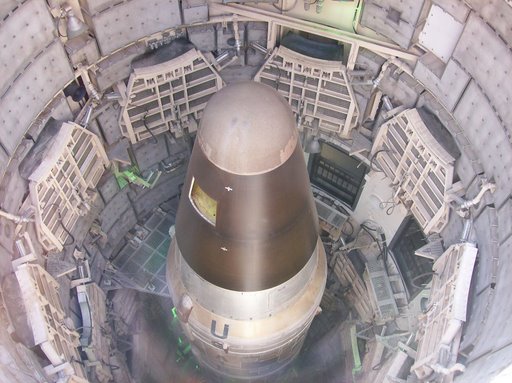
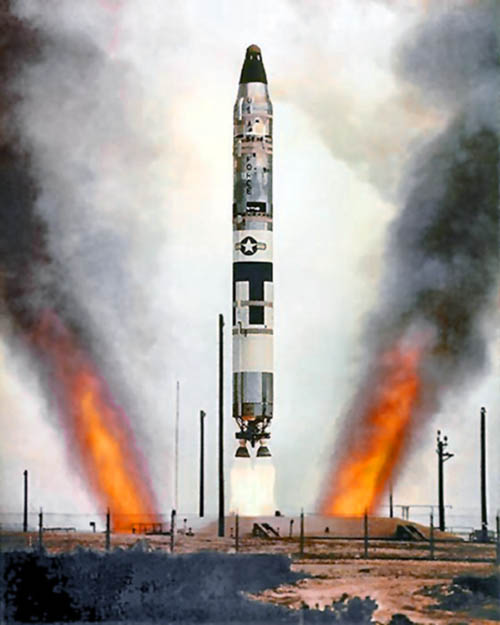
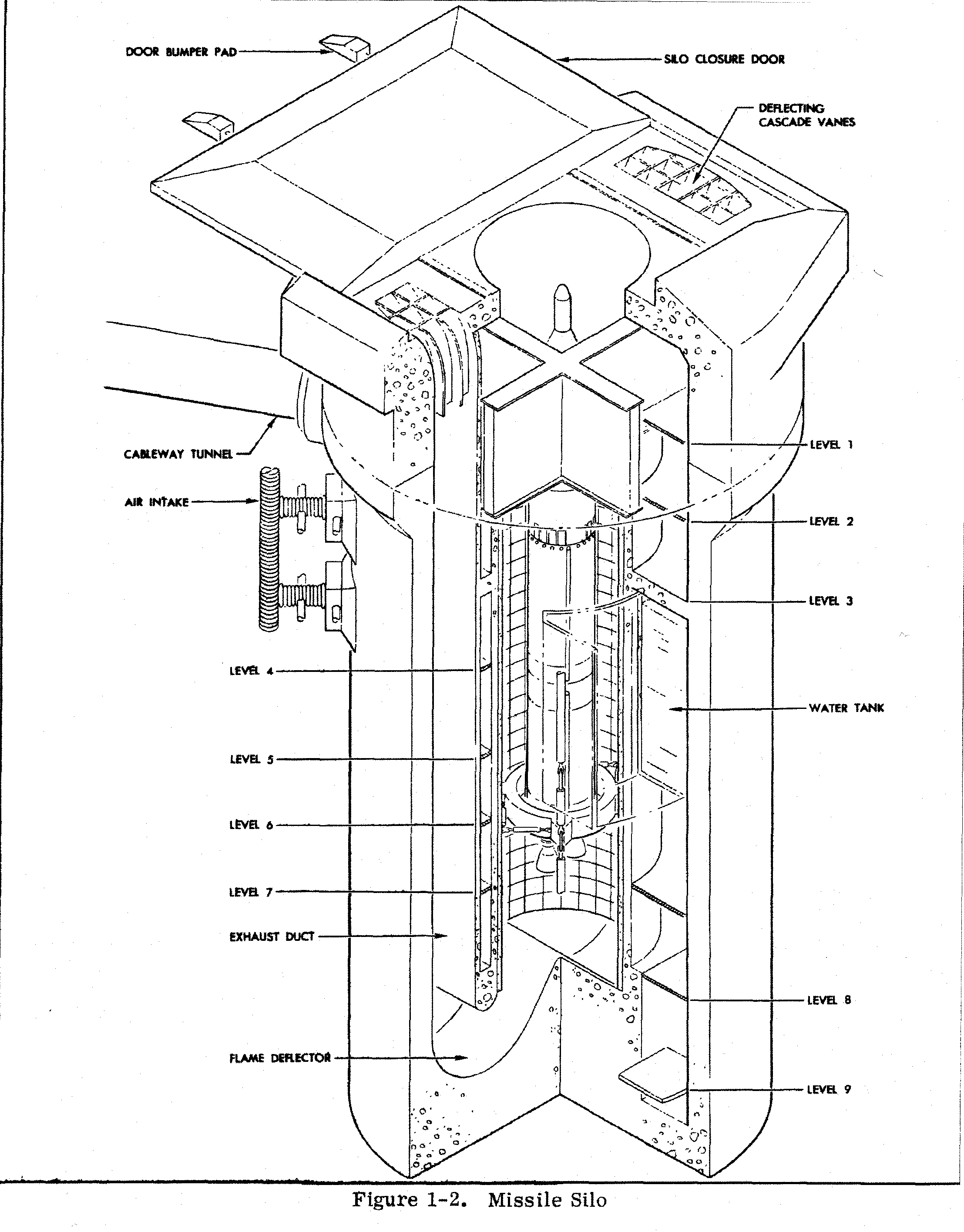
The Titan II succeeded the Titan I — the first American two-stage ICBM and the first that could be launched from its silo — with double the payload and a decisive change of propellant: instead of its predecessor's cryogenic combination it used storable hydrazine-based hypergolic propellants, which ignited reliably on contact and needed no fuelling before launch. That cut reaction time and allowed the missile to be fired from inside the silo. Each stage was three metres in diameter, with fuel and oxidiser tanks in tandem whose walls formed the skin of the missile, and the complete vehicle reached 154,000 kilograms. It attained initial operating capability in October 1963 carrying a single W-53 warhead in a Mark 6 re-entry vehicle.
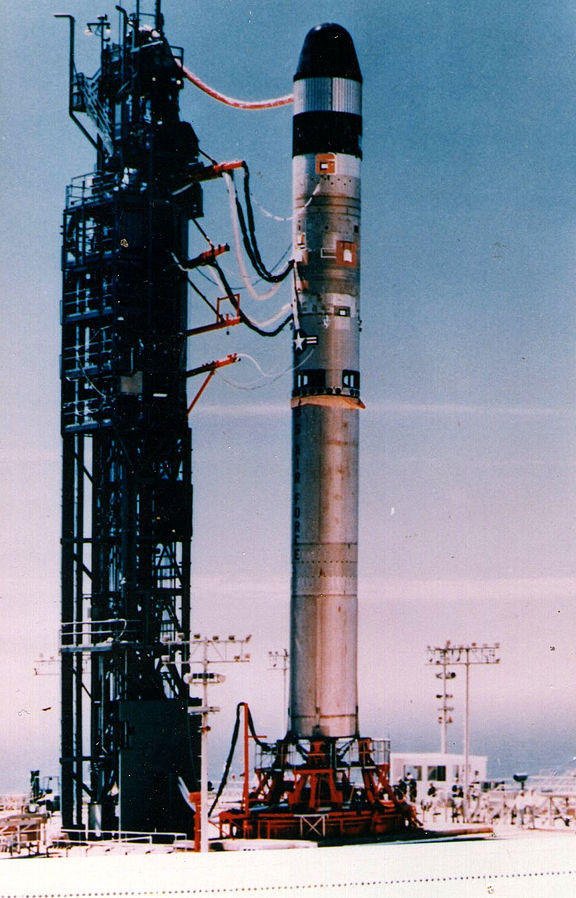
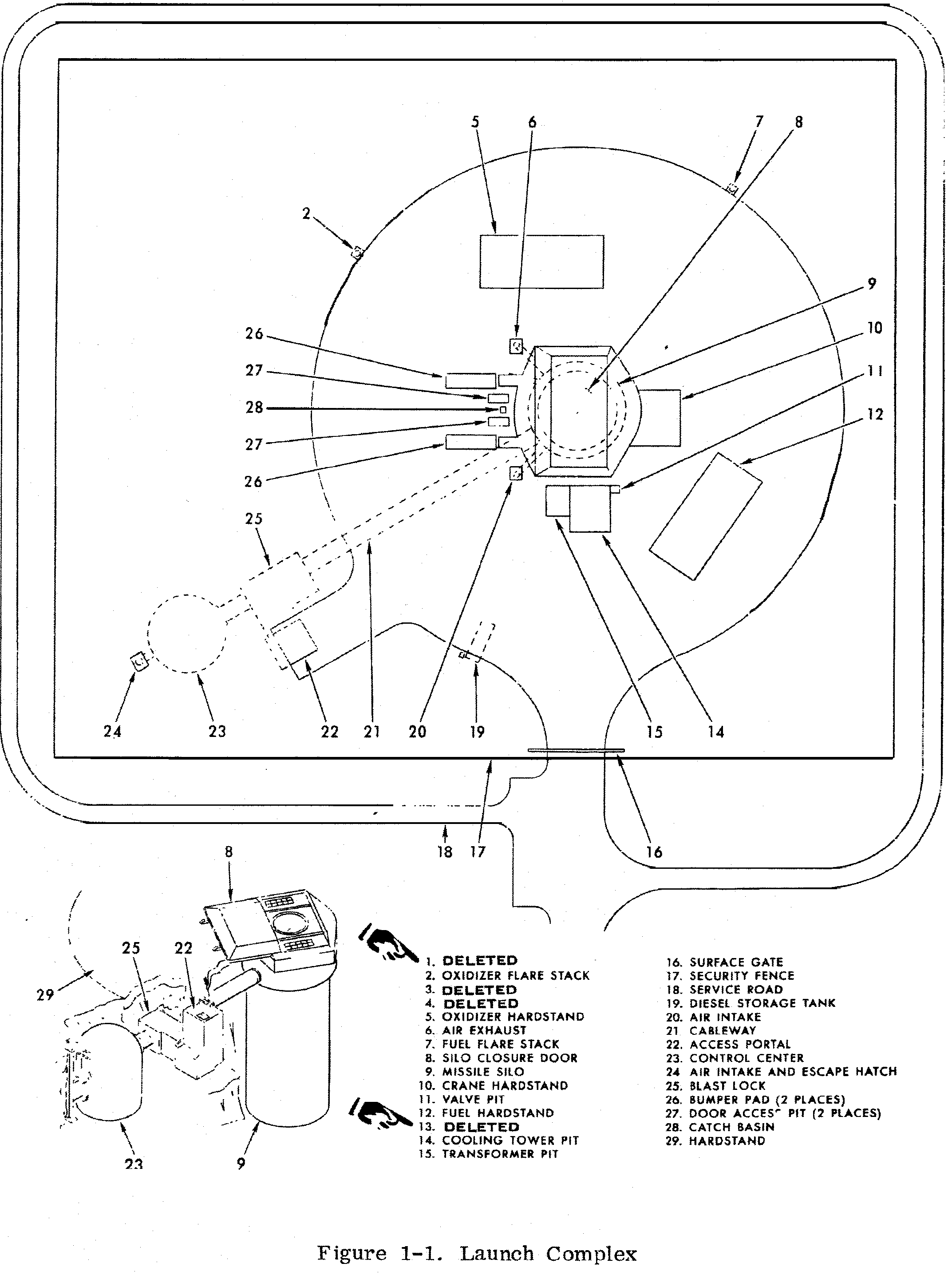
The first Titan II, missile N-2, lifted off from pad LC-16 at Cape Canaveral in March 1962 and performed extremely well: it flew some 8,000 kilometres downrange and placed its re-entry vehicle in the intended area. The following tests exposed the problem the programme would carry for years, the longitudinal oscillation known as pogo, worrying above all because the missile was meant to carry crews. As a weapon it spent a quarter of a century in Strategic Air Command silos, with serious propellant-leak accidents along the way; after the 1978 and 1980 events, deactivation of the system began in July 1982 and the last missile, in silo 373-8 near Judsonia, Arkansas, was deactivated on 5 May 1987.
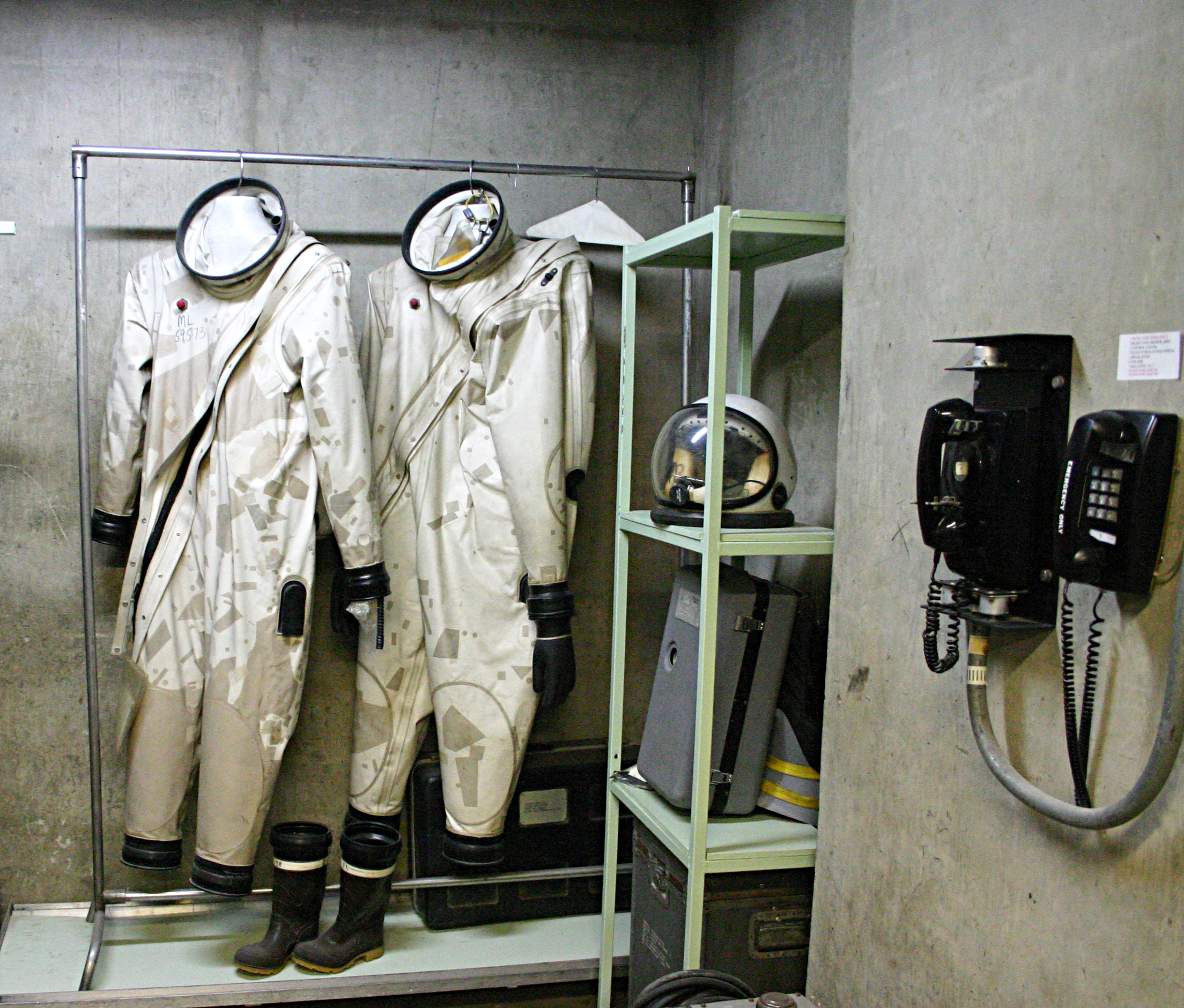
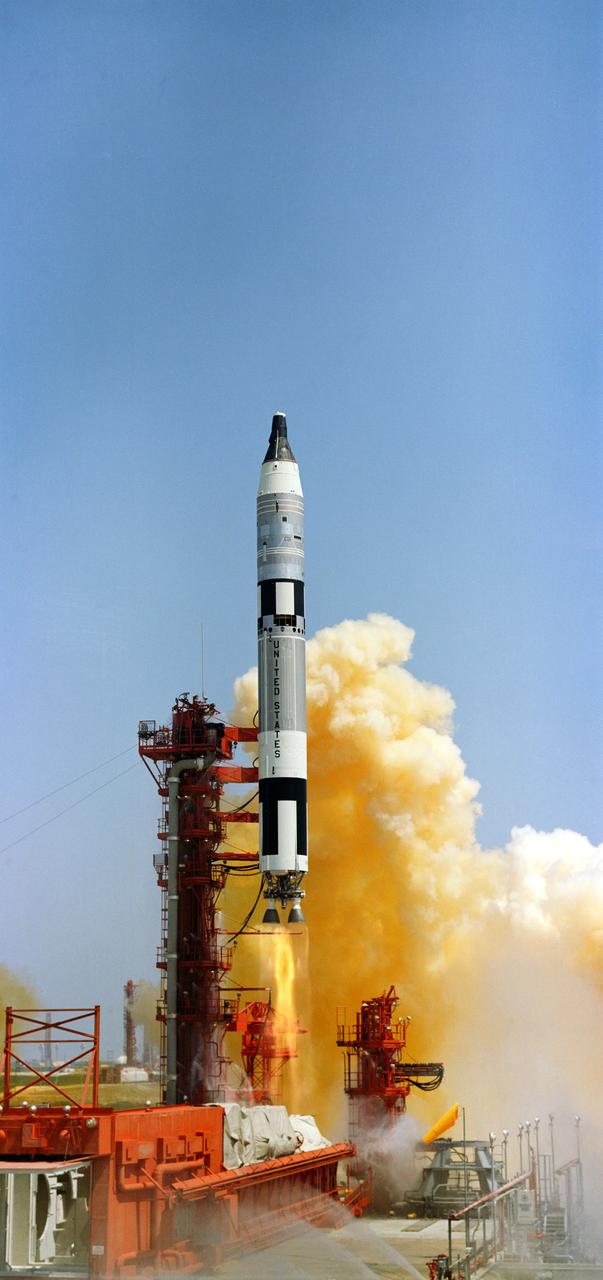
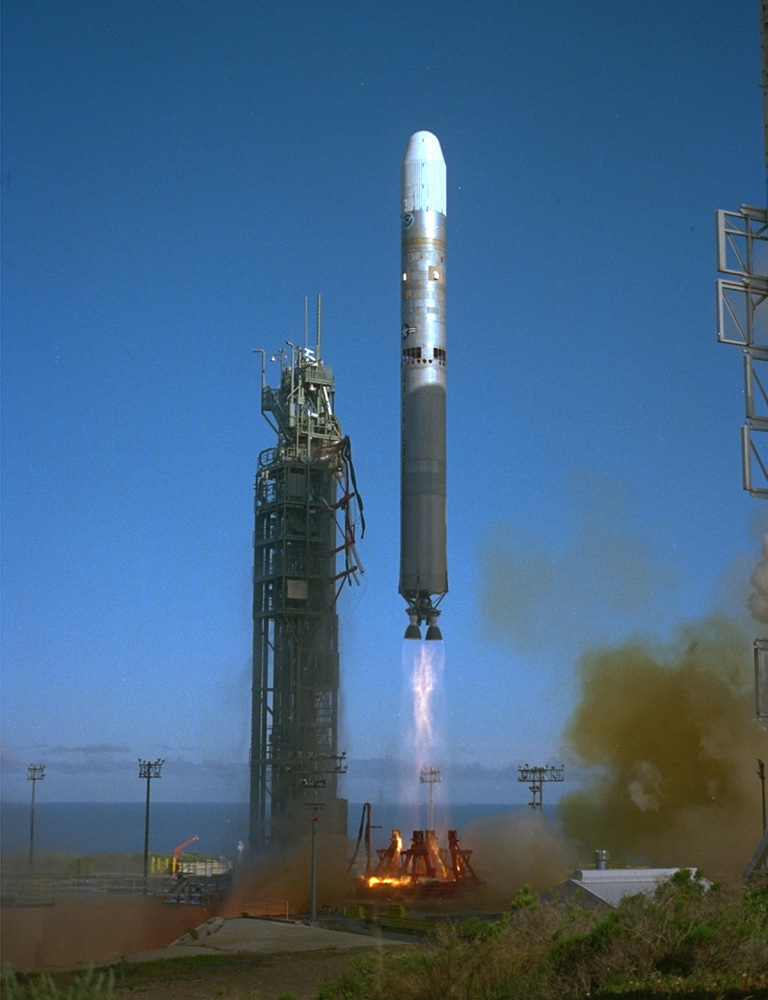
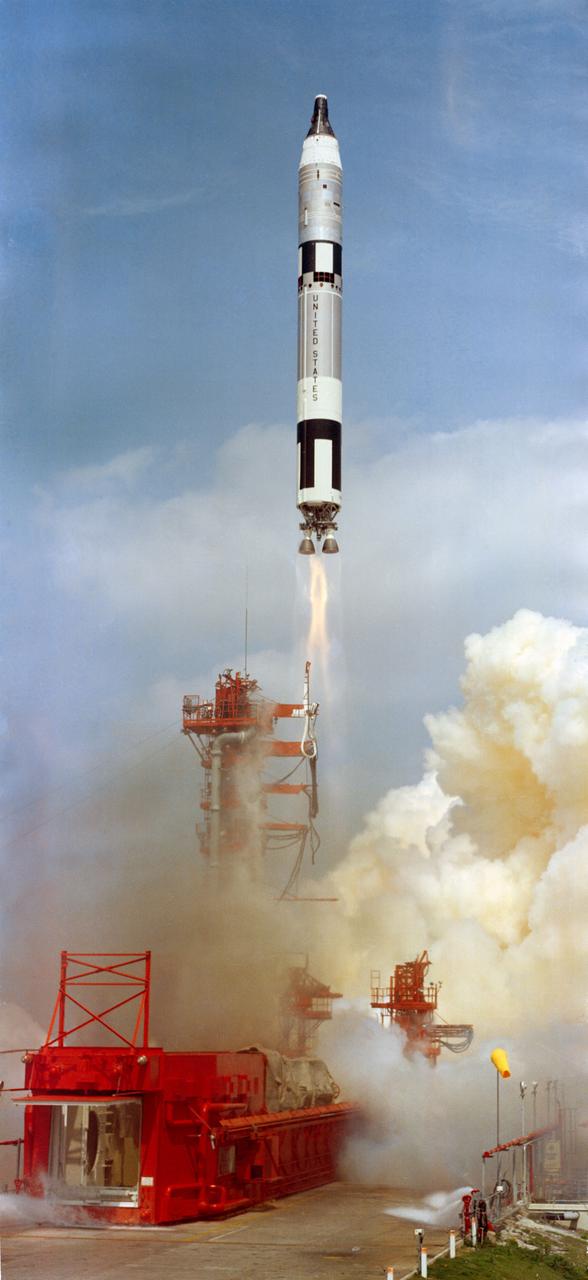
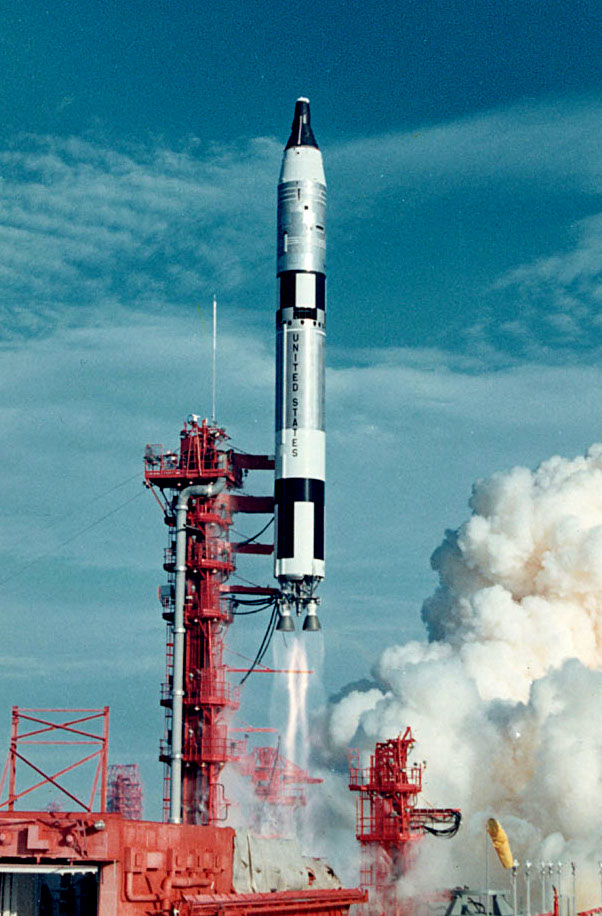
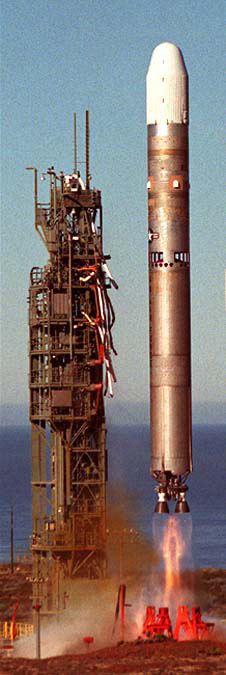
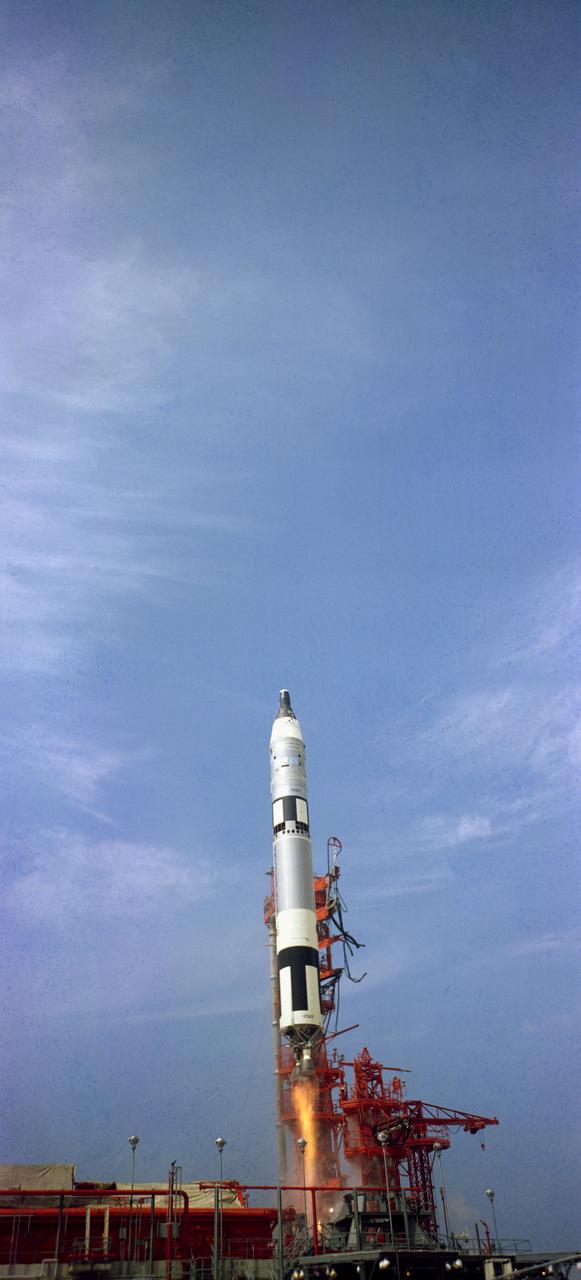
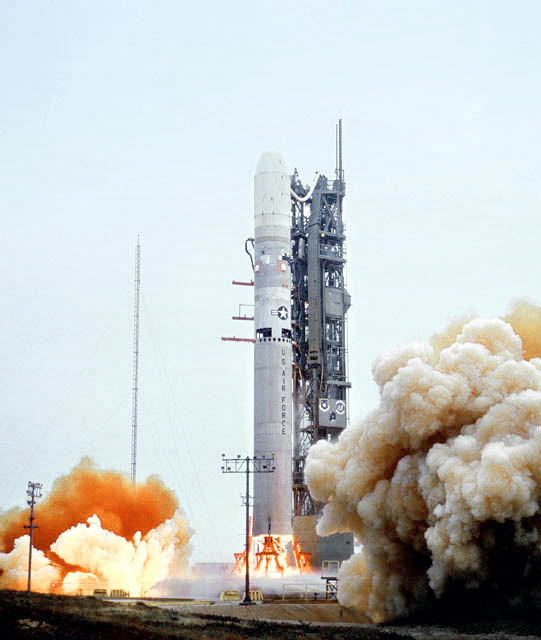
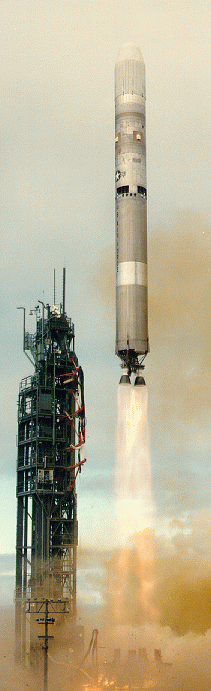
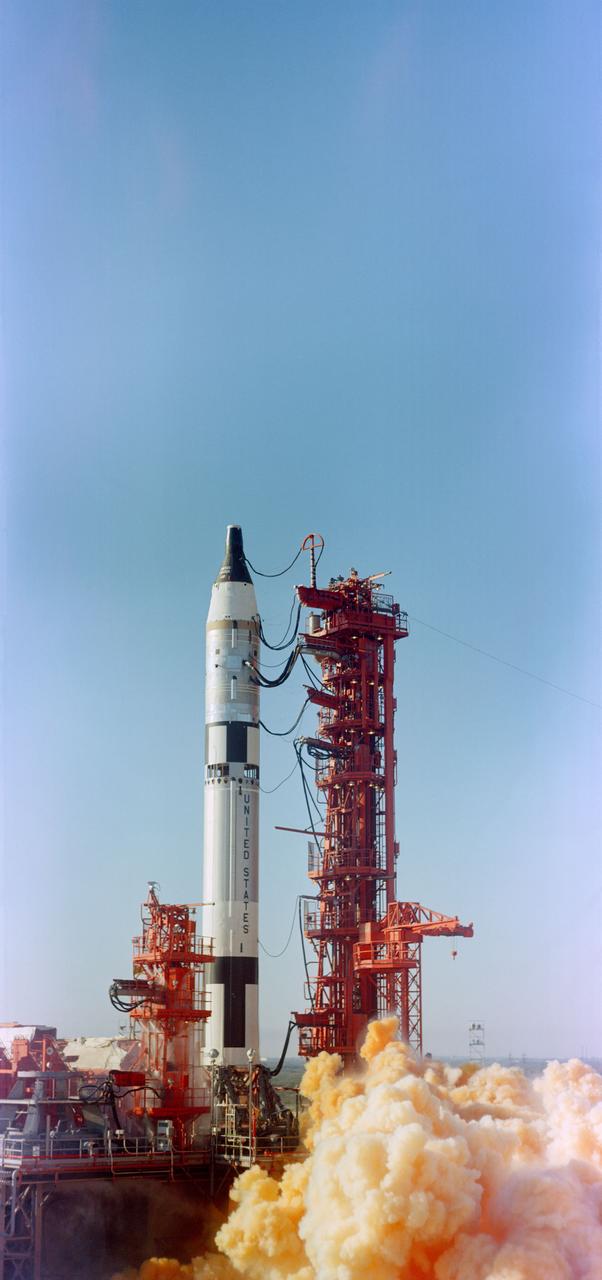
Its space career ran in parallel and lasted longer. The Titan II GLV version launched all twelve Gemini capsules, ten of them crewed, in the mid-1960s. Decommissioned missiles were then rebuilt as launch vehicles: designated Titan 23G, they needed few changes beyond the payload interface, and the first flew successfully on 5 September 1988 from Vandenberg. Among its payloads was NASA's Clementine lunar spacecraft, launched in January 1994. The last Titan II lifted off on 18 October 2003 with a DMSP weather satellite, closing four decades of service with a capacity of 3,600 kilograms to low Earth orbit.
Launch timeline
| Date | Launch site | Program | Outcome | Payload |
|---|
Versions
| LGM-25C Titan II | Titan II GLV | Titan 23G | |
|---|---|---|---|
| First launch | March 16, 1962 | April 8, 1964 | September 5, 1988 |
| Last launch | — | November 11, 1966 | October 18, 2003 |
| Powerplant | First stage: one Aerojet LR87 engine with two combustion chambers and a single turbopump system, delivering about 1.9 MN at sea level. Second stage: one Aerojet LR91 of about 445 kN at altitude. The technical order rates the verniers at about 4.2 kN (silo value). Storable hypergolic propellants: Aerozine 50 (a 1:1 mix of hydrazine and unsymmetrical dimethylhydrazine) and dinitrogen tetroxide. | Two hypergolic stages (Aerozine 50 / nitrogen tetroxide). First stage: one two-chamber Aerojet LR87-AJ-7, about 1,913 kN, 156 s burn, specific impulse 258 s. Second stage: one LR91-AJ-7, about 445 kN, 180 s, 316 s, with a baffled injector from Gemini 8 onward. | — |
| Propellant | Aerozine 50 / N2O4 | Aerozine 50 / N2O4 | N2O4 / Aerozine 50 |
| Height | 31.4 m | 33.2 m Best value in this row | 31.4 m |
| Diameter | 3.1 m Best value in this row | 3.1 m Best value in this row | 3.1 m Best value in this row |
| Mass | 154,000 kg | 154,200 kg Best value in this row | 117,020 kg |
| Liftoff thrust | 1,900 kN | 1,913 kN Best value in this row | 1,900 kN |
| Stages | 2 Best value in this row | 2 Best value in this row | 2 Best value in this row |
| LEO capacity | — | 3,580 kg | 3,600 kg Best value in this row |
| Fairing diameter | — | — | 3.1 m |
| Reusable | No | No | No |
Images
Videos













Did you know… about Titan II
- Why is voyager 1 so fast?
Voyager 1 travels at about 17 km/s (61,000 km/h) relative to the Sun because it was launched on a Titan IIIE-Centaur in 1977 and then gained speed from…