Fighter · Military · United States
Lockheed P-38 Lightning
- January 27, 1939
- First flight
- In service
- Status


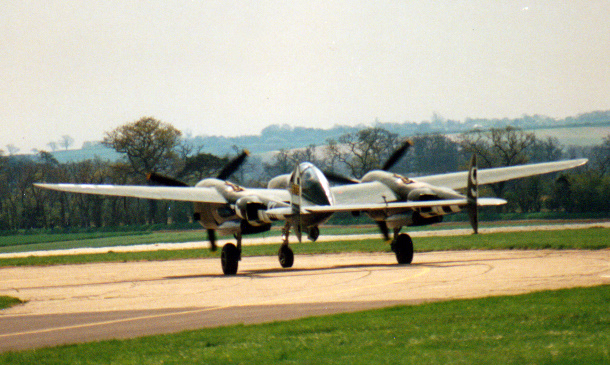




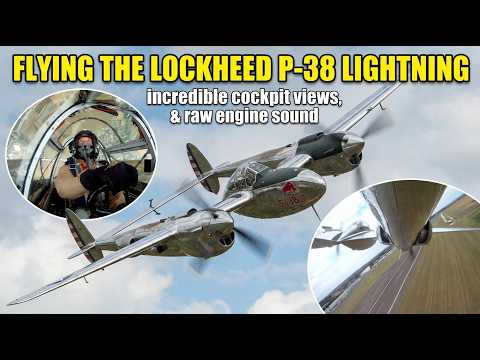
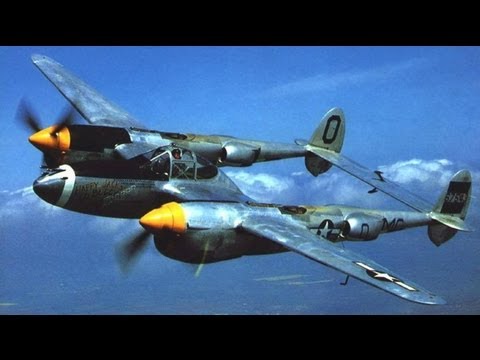
The Lockheed P-38 Lightning was an American single-seat, twin-engined fighter of the Second World War, instantly recognisable by its twin tail booms joined by a common tailplane and a central nacelle that housed both the pilot and the entire armament. Lockheed conceived it for the Army Air Corps as a high-altitude interceptor, yet the war turned it into a true multi-role machine: long-range escort with drop tanks, fighter-bomber, night fighter, pathfinder for bomber formations and, with cameras in place of guns, one of the most prolific reconnaissance aircraft of the conflict. Its significance lay in a combination that was rare among early-war fighters: two turbosupercharged Allison V-1710 engines, which gave it strong high-altitude performance, very long range and the reassurance of getting home on one engine. It was the first military aeroplane to exceed 400 mph in level flight and the only American fighter kept in large-scale production throughout the whole of the United States' war, from Pearl Harbor to victory over Japan. Development was far from smooth. The team led by Hall Hibbard and Clarence "Kelly" Johnson ran into compressibility, a then poorly understood phenomenon that froze the controls in high-speed dives; curing it took wind-tunnel work and dive-recovery flaps that only reached the production line in 1944. Its combat record was mixed in Europe, where it suffered heavy losses over the Mediterranean and gave way to the P-51 in most Eighth Air Force groups, but outstanding in the Pacific. There it destroyed more Japanese aircraft than any other USAAF fighter, carried out the interception of Admiral Yamamoto and was flown by America's two leading aces, Richard Bong and Thomas McGuire. More than 10,000 were built. Made obsolete by the jet age, the Lightning went on to serve with air forces such as those of Italy and Honduras, raced around the pylons at Reno and Cleveland and flew aerial survey work; only a couple of dozen survive, including the famous "Glacier Girl", recovered from the Greenland ice.
Related events
Related sheets
Category
Lockheed P-38 Lightning in the news
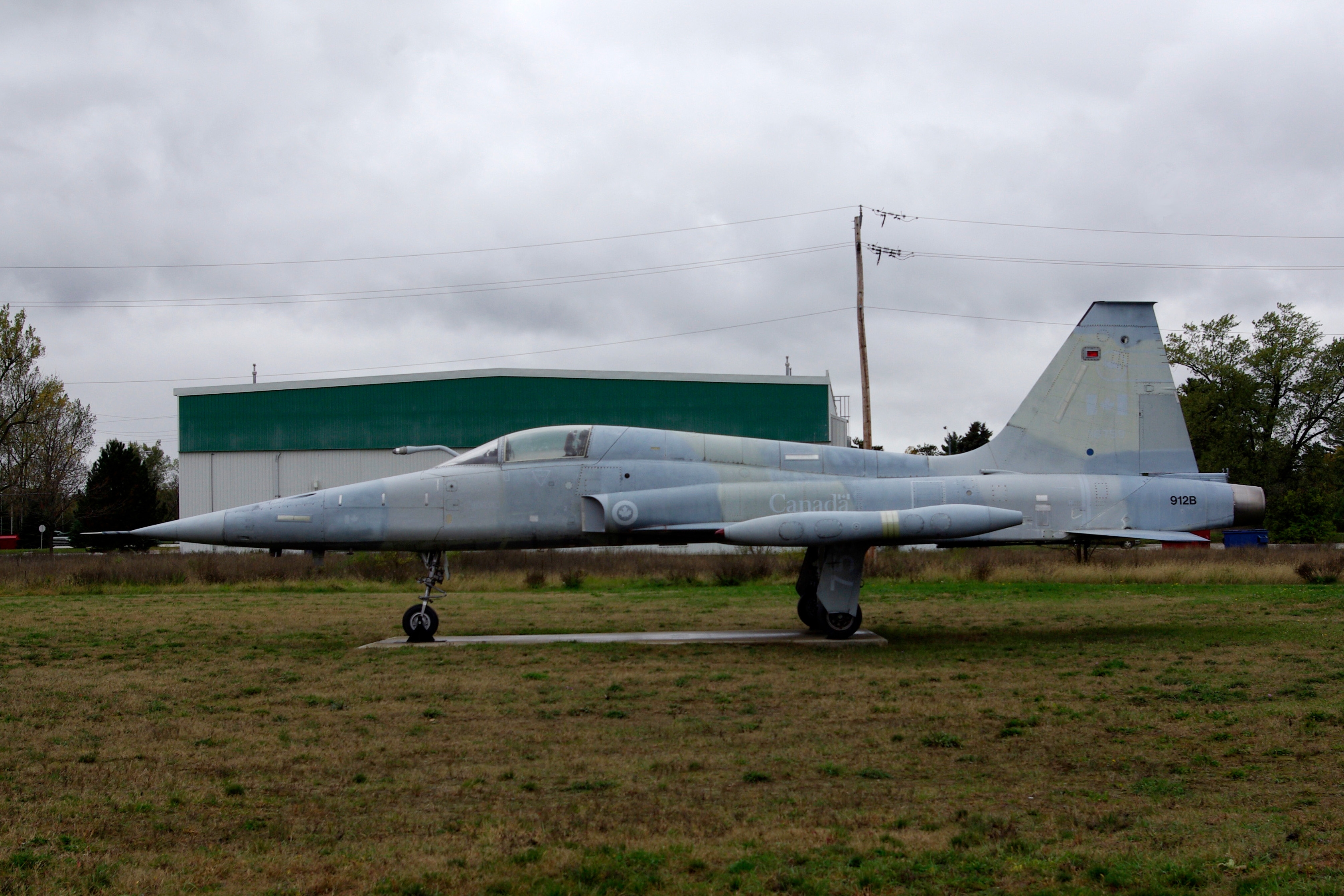
October 24, 2026: Chapter by chapter, the operational history of the Northrop F-5 Tiger with the Swiss Air Force comes to an end. On November 16, the F-5E Tiger J-3095 landed at the former…

The Swiss Air Force has retired from service its last single-seat Northrop F-5E Tiger II in grey paint scheme,
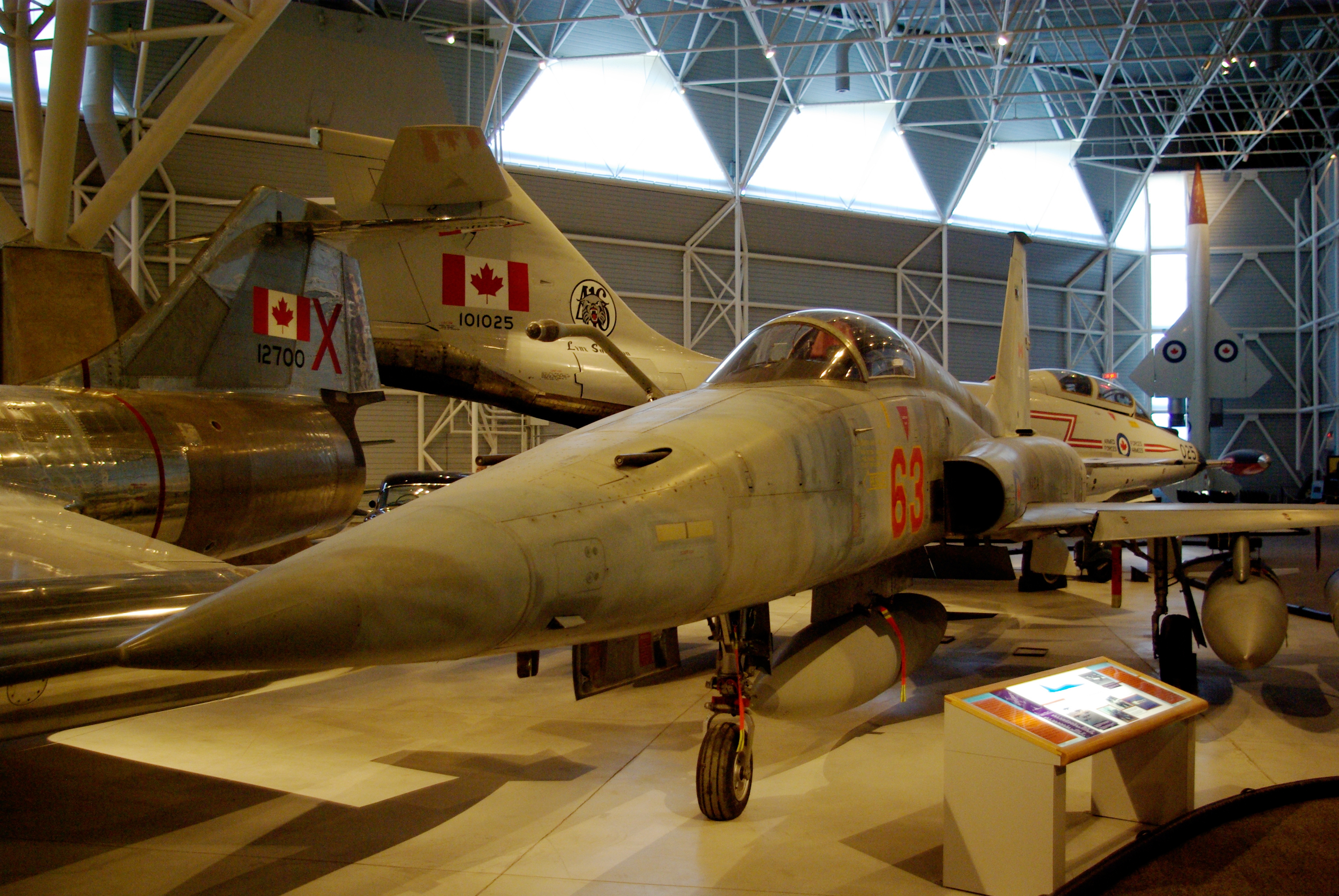
The Swiss Air Force retired the last single-seat Northrop F-5E Tiger II in grey livery, after aircraft J-3095 flew its final flight on October 16, 2026.
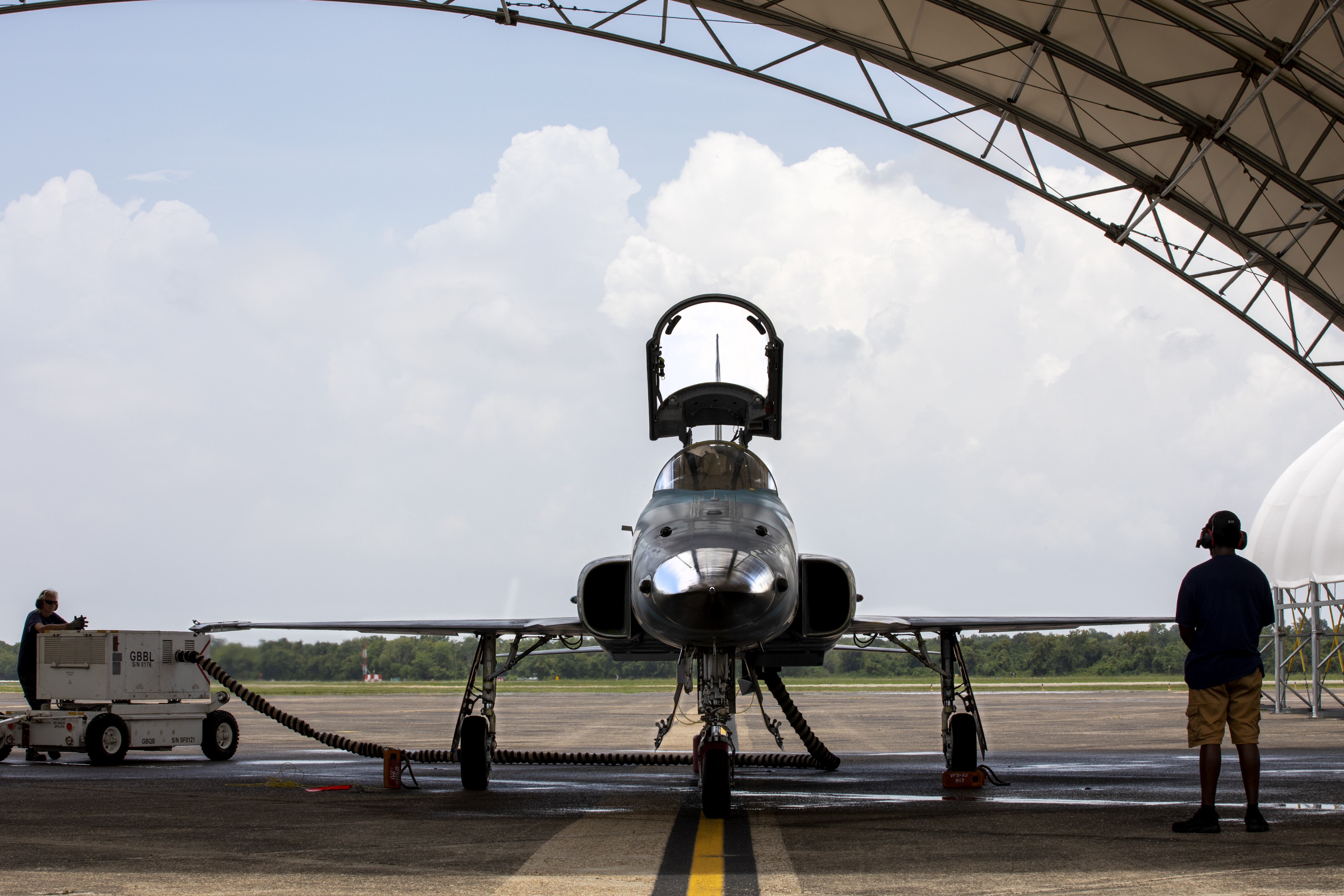
The Swiss Air Force will retire its last Northrop F-5E Tiger II jets by the end of 2027. At Emmen air base, a special Tiger was bid farewell: with J-3095, the last grey…
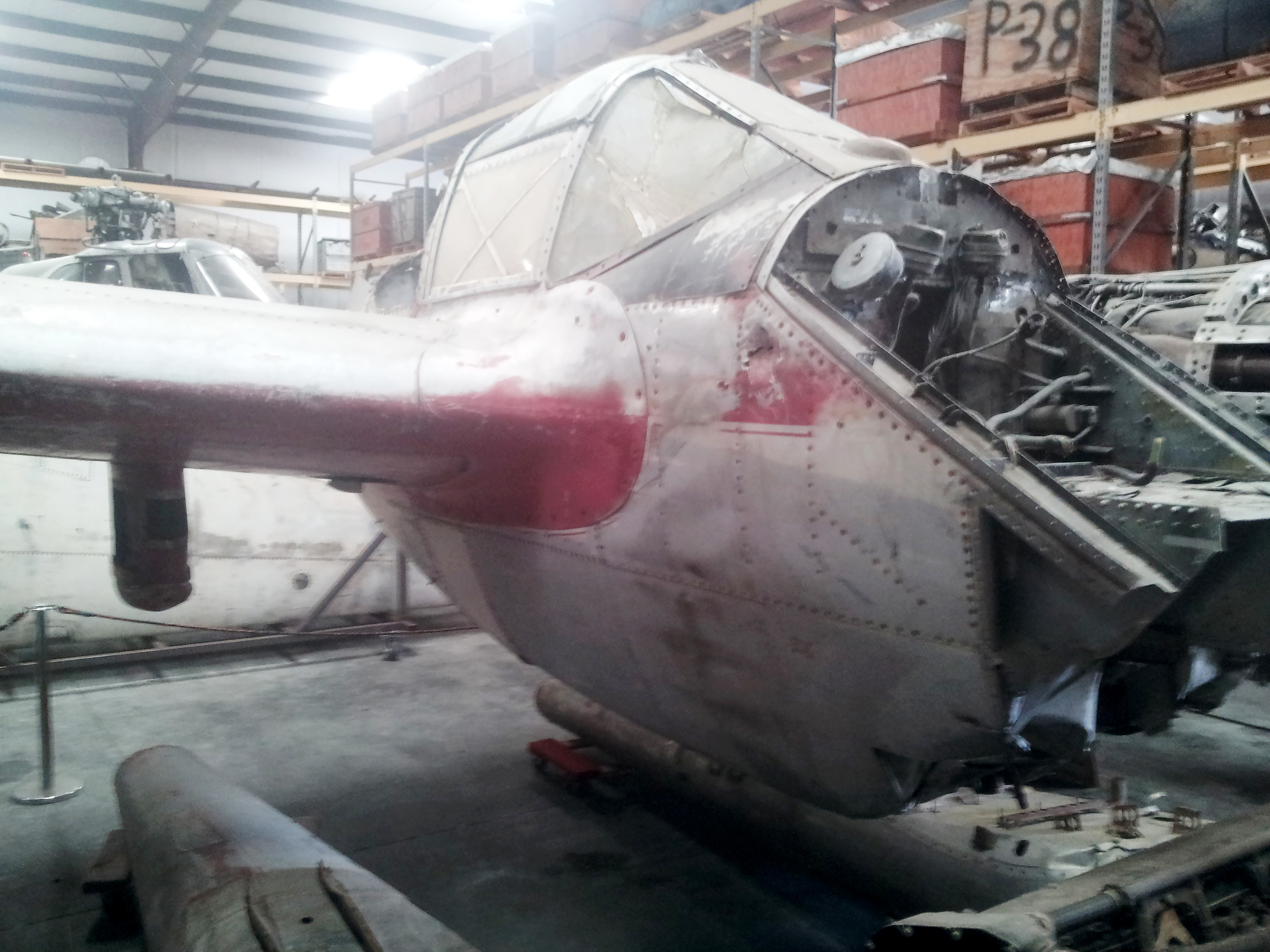
South Korean firm Korea Aerospace Industries (KAI) is seeking to position its FA-50 light fighter as a possible replacement for the Royal Moroccan Air Force’s F-5E/F Tiger III. During the…


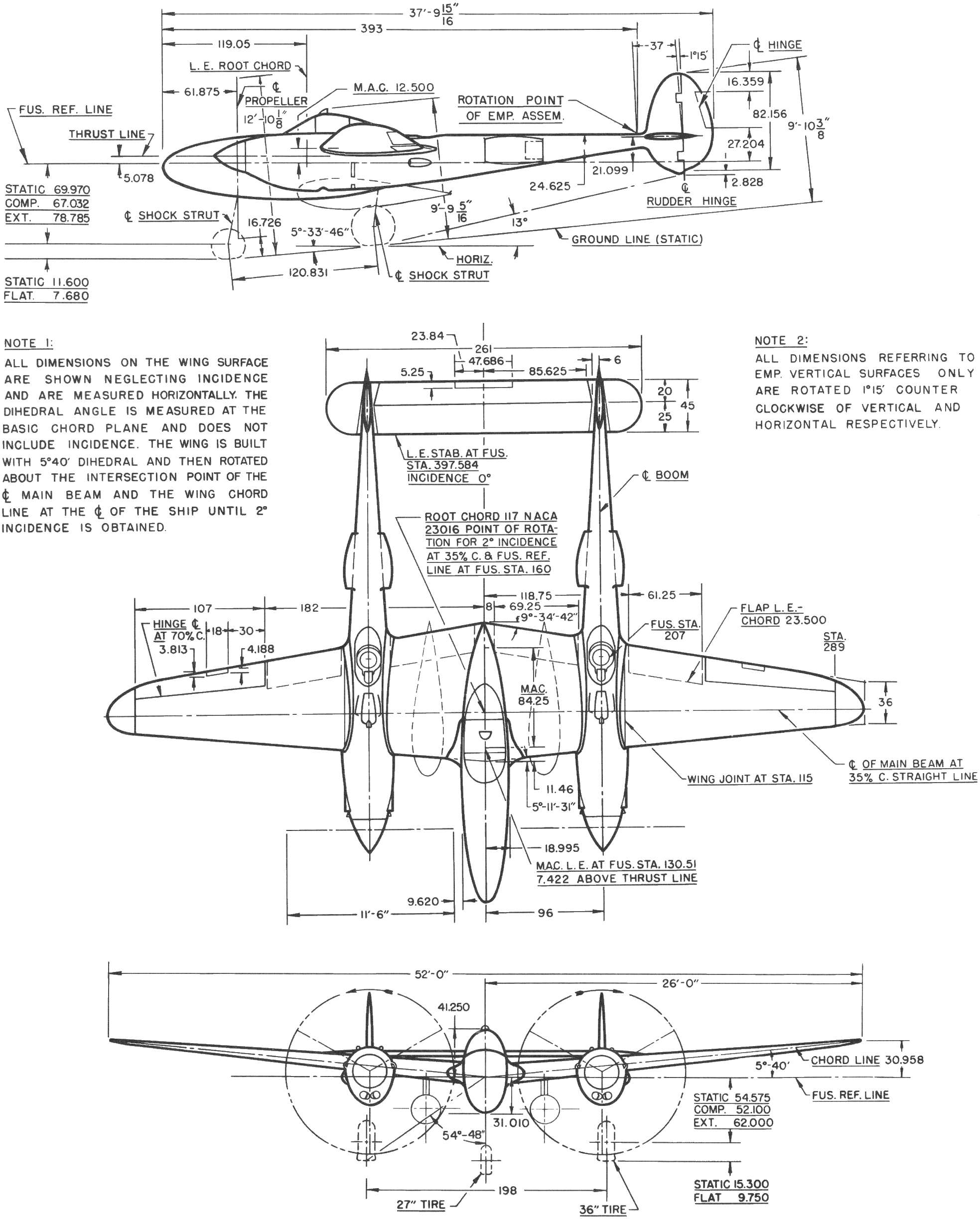
Three-view drawing
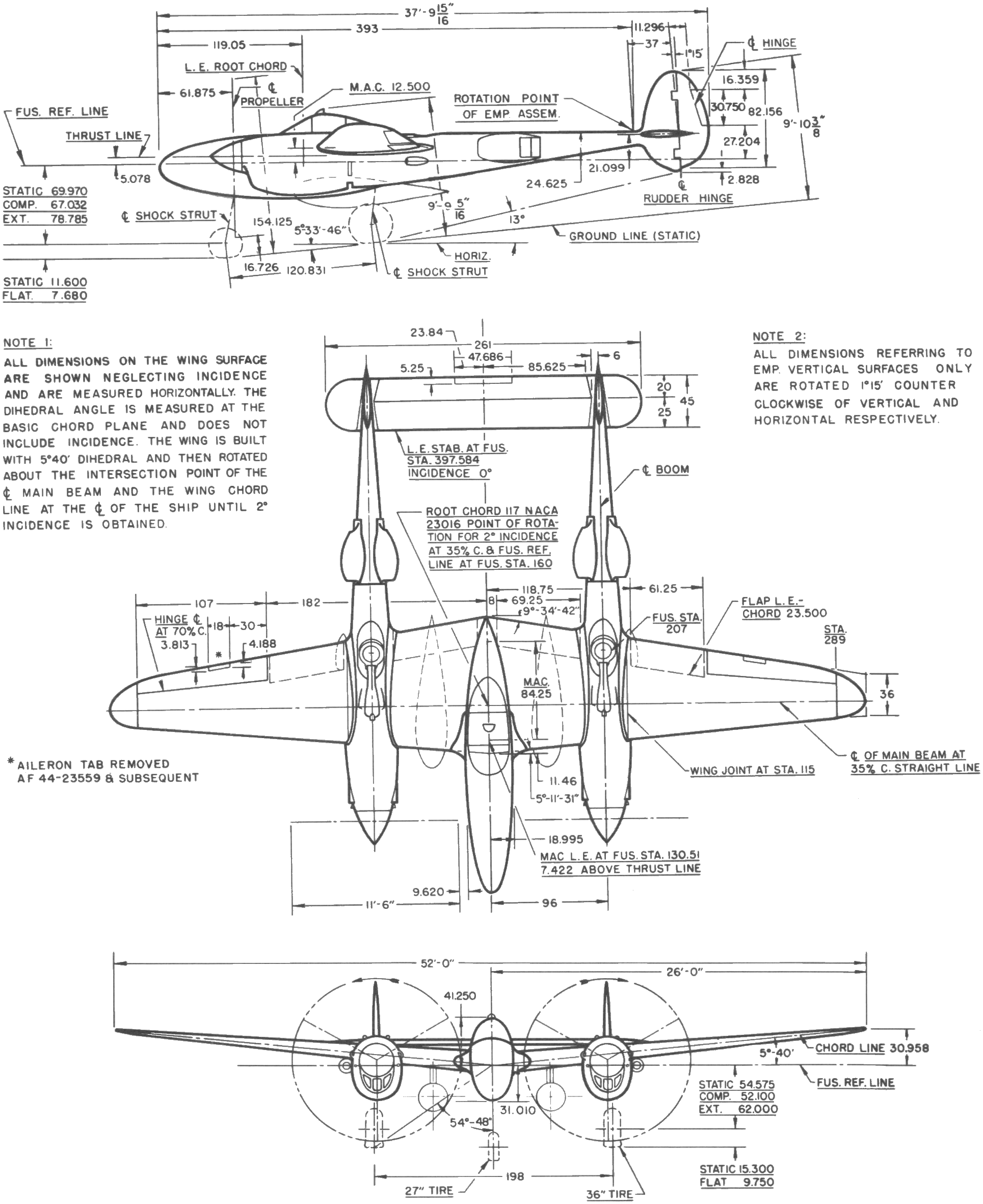
History
A requirement written to bend the rules
The P-38 grew out of a specification issued by the US Army Air Corps in February 1937, Circular Proposal X-608. Its authors, First Lieutenants Benjamin S. Kelsey and Gordon P. Saville, asked for a twin-engined high-altitude "interceptor". The word was chosen deliberately: pursuit aircraft were limited to 500 lb of armament including ammunition, and single-seaters to a single engine. Calling the aircraft an interceptor let Kelsey seek at least 1,000 lb of weapons and a fighter better suited to dogfighting and high-altitude combat. The performance targets were the toughest the Air Corps had ever set: at least 360 mph (580 km/h) at altitude and a climb to 20,000 ft (6,100 m) inside six minutes. A sister proposal for a single-engined fighter, X-609, produced the Bell P-39 Airacobra; both called for the turbosupercharged Allison V-1710 and rewarded a tricycle undercarriage.
The Hibbard and Johnson layout
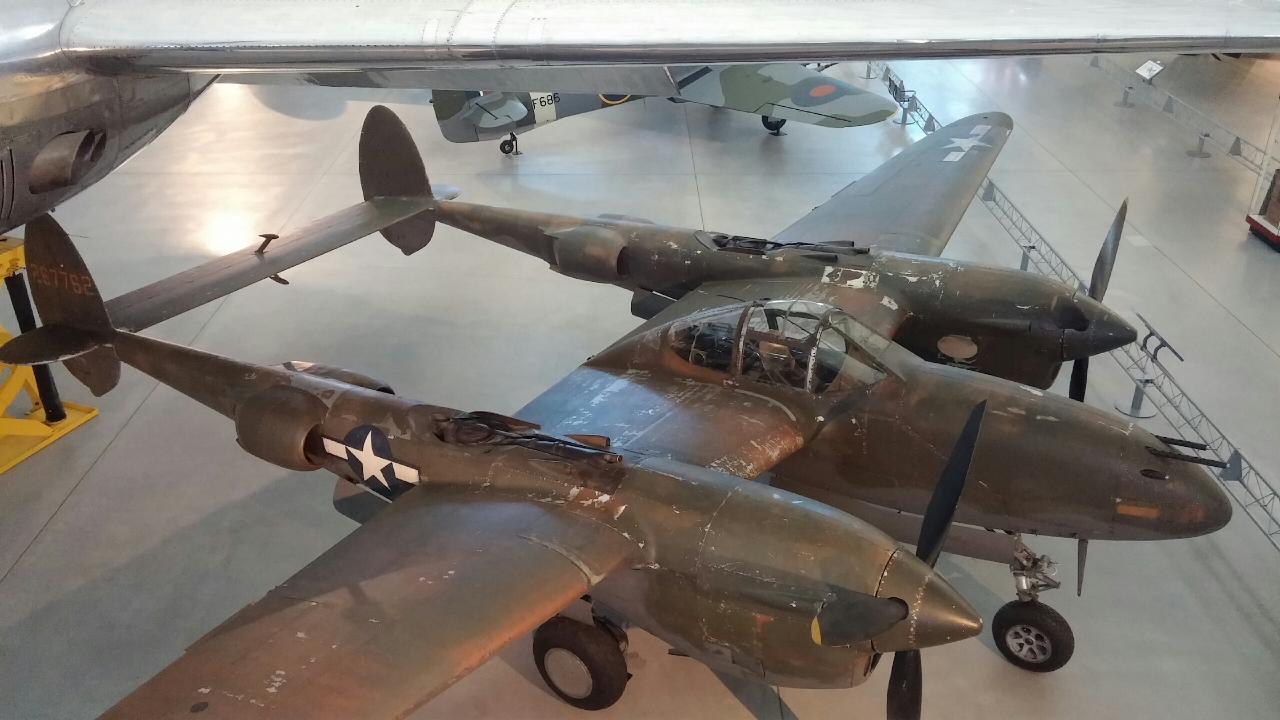
Lockheed set up a secretive engineering team away from the main factory, an arrangement later known as the Skunk Works. Under Hall Hibbard and Kelly Johnson it weighed several twin-engined layouts, including a push-pull arrangement with both engines in the fuselage. The winner was unusual: two booms carrying the engines, turbosuperchargers and tail, plus a central nacelle for pilot and guns. The design combined a tricycle undercarriage, a bubble canopy and two 1,000 hp Allisons turning counter-rotating propellers to cancel engine torque, which the modular V-1710 made easy by building "handed" engines.
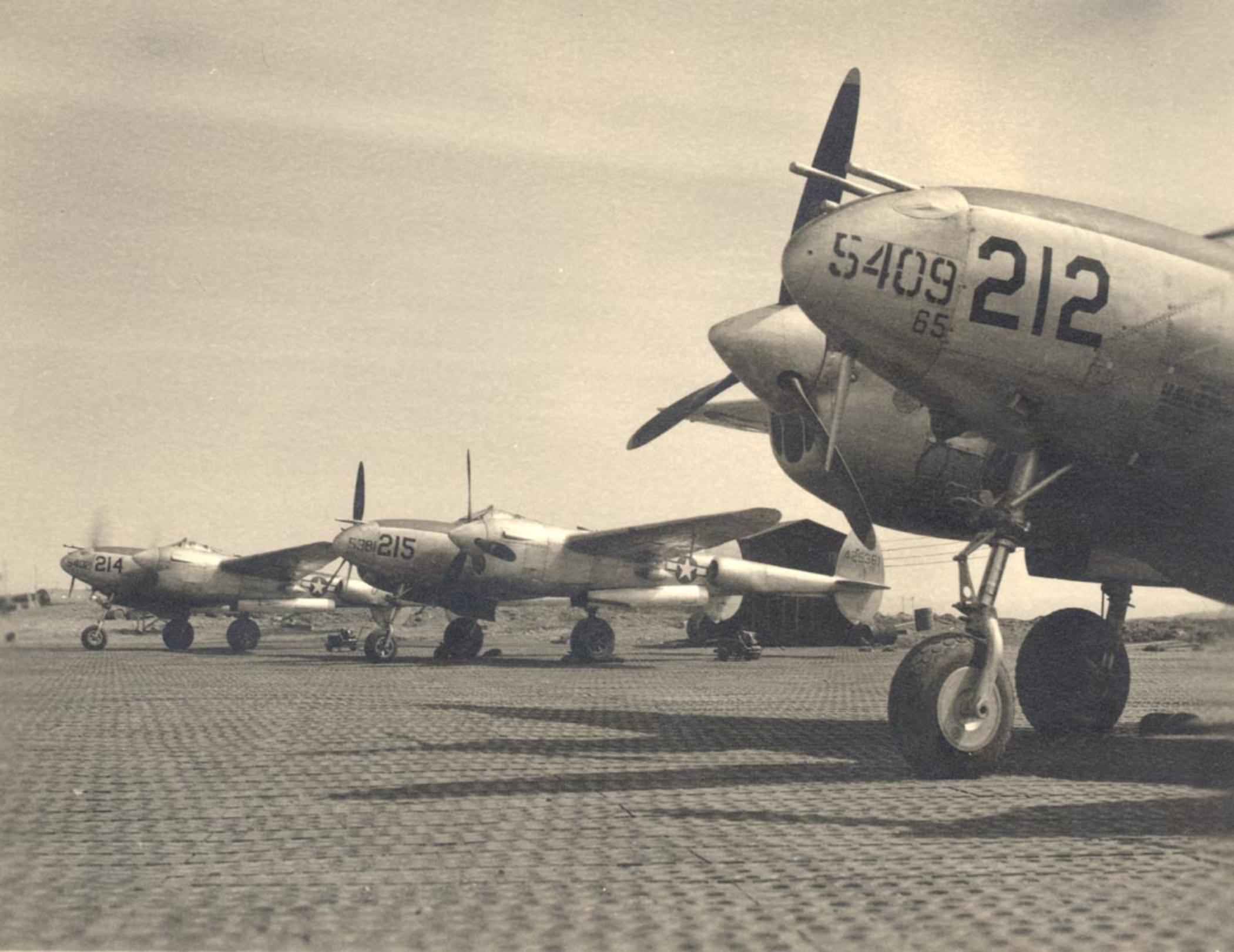
Putting every gun in the nose broke with American practice, where wing guns were harmonised to converge at a set distance. On the P-38 the rounds flew in a parallel stream, so a good pilot could hit at much greater range; the source cites reliable hits out to 1,000 yd. After a 23 mm cannon on the mock-up and an unreliable 37 mm weapon on the YP-38s, the combat fit was settled as four .50-calibre Brownings and one 20 mm Hispano cannon. The Lightning was also the first American fighter to make extensive use of stainless steel and flush-riveted aluminium skin, and the first military aircraft to fly faster than 400 mph in level flight.
From XP-38 to YP-38
Lockheed won the competition on 23 June 1937 with its Model 22 and received US$163,000 for the XP-38 prototype, although its own costs reached $761,000. Construction began in July 1938 inside a former bourbon distillery bought to house the company's expansion. Ben Kelsey took the XP-38 up for the first time on 27 January 1939.
On 11 February 1939 Kelsey proposed a high-speed transfer to Wright Field, and General Henry "Hap" Arnold extended it into a transcontinental dash to New York. The flight from California took seven hours and two minutes, excluding two refuelling stops, and on the final leg Kelsey pushed the aircraft to 420 mph (680 km/h). Ordered into a slow landing pattern at Mitchel Field, he lost power to carburettor icing and the prototype was wrecked short of the runway. The record still persuaded the Army, which ordered 13 service-test YP-38s on 27 April 1939 at US$134,284 apiece. Lockheed chief test pilot Tony LeVier dismissed the episode as a needless publicity stunt; Kelsey argued that the loss actually sped the programme by cutting short the initial tests.
The YP-38s ran late, partly because they were reworked for mass production and partly because the Burbank plant was turning from a small civil firm into a major defence contractor also building Venturas, Hudsons and Lodestars. The first flew on 17 September 1940 and the thirteenth was delivered in June 1941. They were lighter than the prototype and their propellers turned the other way, blades moving outward at the top of the arc, which made the aircraft a steadier gun platform. Even before then, on 20 September 1939, the Army had ordered 66 production P-38s; one was completed with a pressurised cabin as the XP-38A and the last 36, with self-sealing tanks and extra armour, became P-38Ds, which is why no P-38B or P-38C ever existed.
Hitting the compressibility wall
Test flying exposed what was first mistaken for tail flutter. Approaching Mach 0.68 in a dive, the tail shook violently, the nose tucked under and the controls locked; the pilot could only bail out or wait for denser air. In May 1941 Major Signa Gilkey rode out one such lock-up and recovered with elevator trim. On 4 November 1941 test pilot Ralph Virden was killed when the tail of his YP-38 failed during a dive pull-out after trials of elevator servo tabs. The Army still blamed flutter and insisted on external mass balances, which changed nothing but were fitted to every later P-38 regardless.
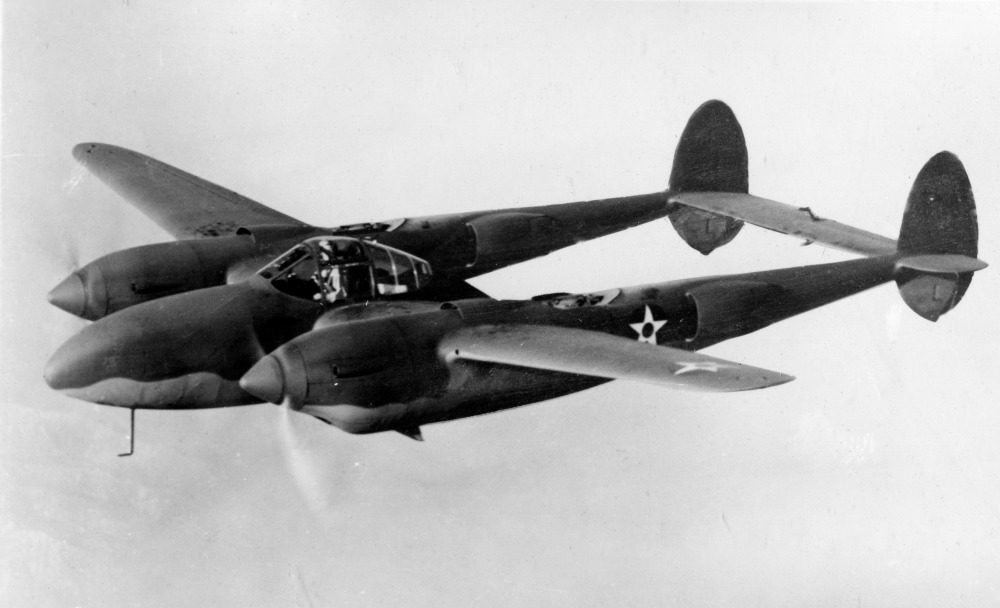
Johnson asked NACA for wind-tunnel tests; the committee feared for its tunnel and only Arnold's order got them run, up to Mach 0.74. They showed that the centre of pressure moved aft at high speed. The answer, proven by Lockheed pilots in February 1943, was a set of quick-acting dive flaps under the wing, outboard of the engines, which extended 35° in 1.5 seconds and reshaped the pressure distribution rather than acting as an air brake. Fielding them was slow: in March 1944 an RAF fighter mistakenly shot down the C-54 carrying 200 modification kits to England, and the flaps only entered production in June 1944 on the last 210 P-38Js. Johnson later said compressibility cost him an ulcer. Buffeting was cured separately with wing-to-nacelle fillets, and an engine failure on take-off demanded a specific technique to avoid a fatal roll.
The British order and the Lightning name
In March 1940 the Anglo-French Purchasing Committee ordered 667 aircraft for US$100M as the Model 322, without turbosuperchargers and with same-rotation engines for commonality with their P-40s. After the fall of France the British took over the whole order and named the aircraft "Lightning", a name that displaced Lockheed's own choice, Atalanta. On 5 August 1941 they split the contract into 143 Lightning Is and 524 Lightning IIs, then cancelled nearly all the former after an RAF test pilot's critical report. Pearl Harbor settled the dispute when the United States took the aircraft over. Of the remaining Lightning Is, 19 became RP-322s and 121 were converted into P-322-II advanced trainers, while many Lightning IIs went to the Pacific as P-38Gs or F-5As.
Range: drop tanks and Operation Bolero
USAAF bomber advocates opposed spending on long-range fighters, but in late 1941 Kelsey risked his career by persuading Lockheed, without putting it in writing, to plumb the P-38E for drop tanks. With large tanks the Lightning reached a 2,500-mile (4,000 km) ferry range. Under Operation Bolero the first seven P-38s left Presque Isle, Maine, on 23 June 1942, shepherded by two B-17s and staging through Goose Bay, Greenland and Iceland. Nearly 200 P-38Fs crossed the Atlantic this way in July–August 1942, making the type the first USAAF fighter to reach Britain and the first fighter ever delivered across the Atlantic under its own power. Kelsey himself landed in Scotland on 25 July.
First combat
The first Lightning in active service was the F-4, a P-38E with four cameras instead of guns, which joined the 8th Photographic Squadron in Australia on 4 April 1942. On 29 May 1942, 25 P-38s began operating over the Aleutians, where weather claimed more aircraft than the enemy; on 9 August two P-38Es destroyed a pair of Kawanishi H6K flying boats, the first Japanese aircraft downed by Lightnings. On 14 August 1942, flying from Iceland, Elza Shahan finished off a Focke-Wulf Fw 200 Condor with his P-38F, the first Luftwaffe aircraft destroyed by the USAAF.
The Mediterranean and Western Europe
The 1st and 14th Fighter Groups moved to the Twelfth Air Force for Operation Torch and entered combat in North Africa on 11 November 1942. The start was painful: tied to close escort of the bombers, the P-38s were exposed to Bf 109s diving from above, and the Mediterranean became the theatre of the type's heaviest losses. In February 1943 the fighters were given a free hand, and on 5 April 1943 twenty-six P-38Fs of the 82nd Fighter Group claimed 31 enemy aircraft. The German nickname "fork-tailed devil" dates from this period, popularised by Life magazine, although its attribution is doubtful. German pilots disagreed about the aircraft: some called it an easy kill, while Franz Stigler warned that meeting it head-on was suicide. On 10 June 1944, in the dive-bombing raid on Ploiești, 96 P-38Js took off from Italy and the USAAF lost 22 aircraft on the mission.
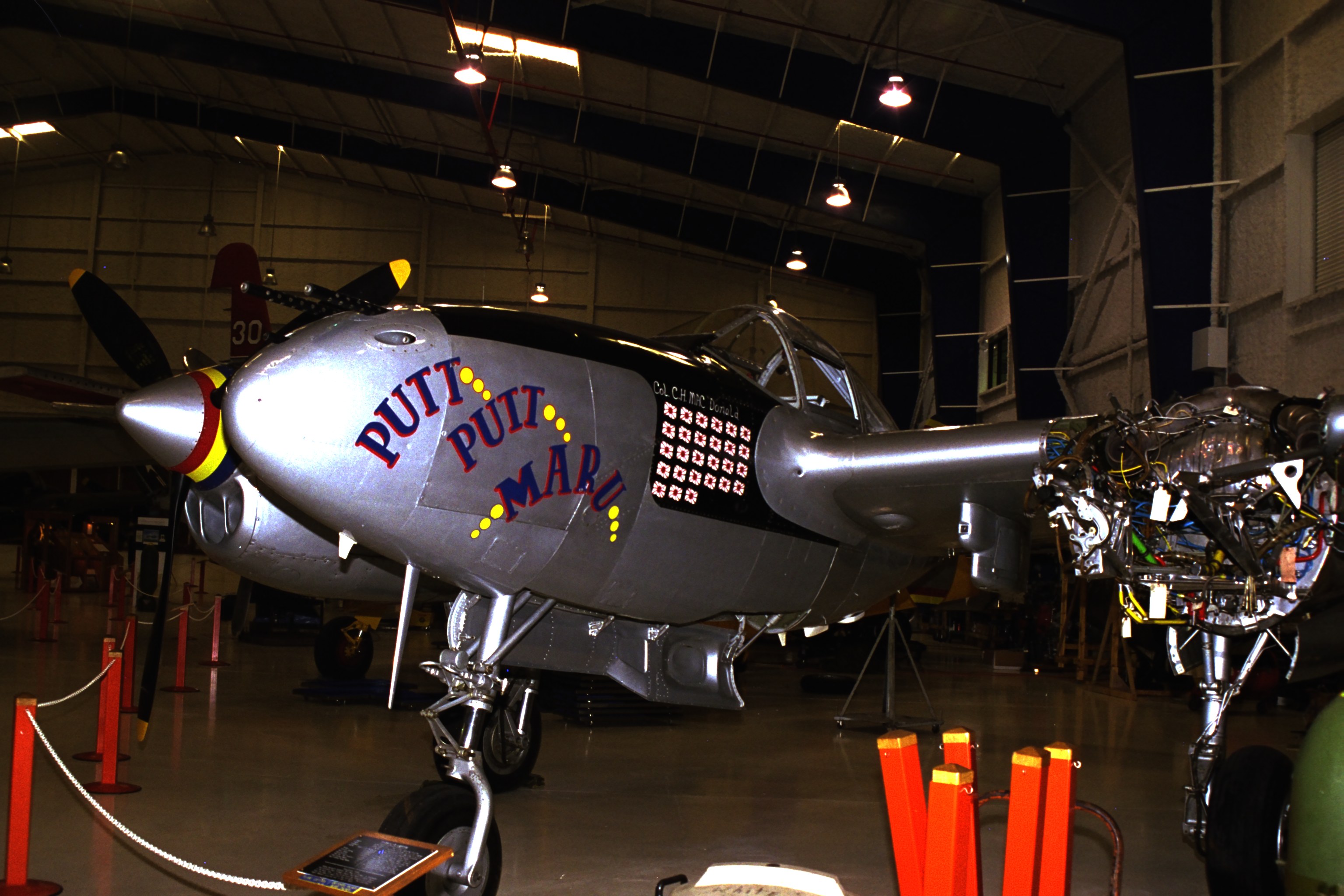
In England the 55th Fighter Group joined the Eighth Air Force in September 1943 to escort bombers over Germany, but the G and H models suffered cooling and reliability problems in the cold at height. By September 1944 all but one of the Eighth's Lightning groups had converted to the P-51. Jimmy Doolittle chose a P-38 to watch the Normandy invasion because its shape was hard to mistake, and the 370th and 474th Fighter Groups used it as a fighter-bomber in France. In Europe, P-38s flew 130,000 sorties with a 1.3% loss rate.
The Pacific, its natural element
Over the Pacific, long range and two engines above open water proved decisive. General George C. Kenney of the Fifth Air Force in New Guinea made it his favourite fighter and kept asking for more; his Lightnings first saw action on 27 December 1942 and covered the bombers during the Battle of the Bismarck Sea on 2–4 March 1943. Although it could not out-turn the Zero at low speed, its speed and climb allowed slashing high-speed passes, and its concentrated guns were deadly against lightly armoured Japanese aircraft.
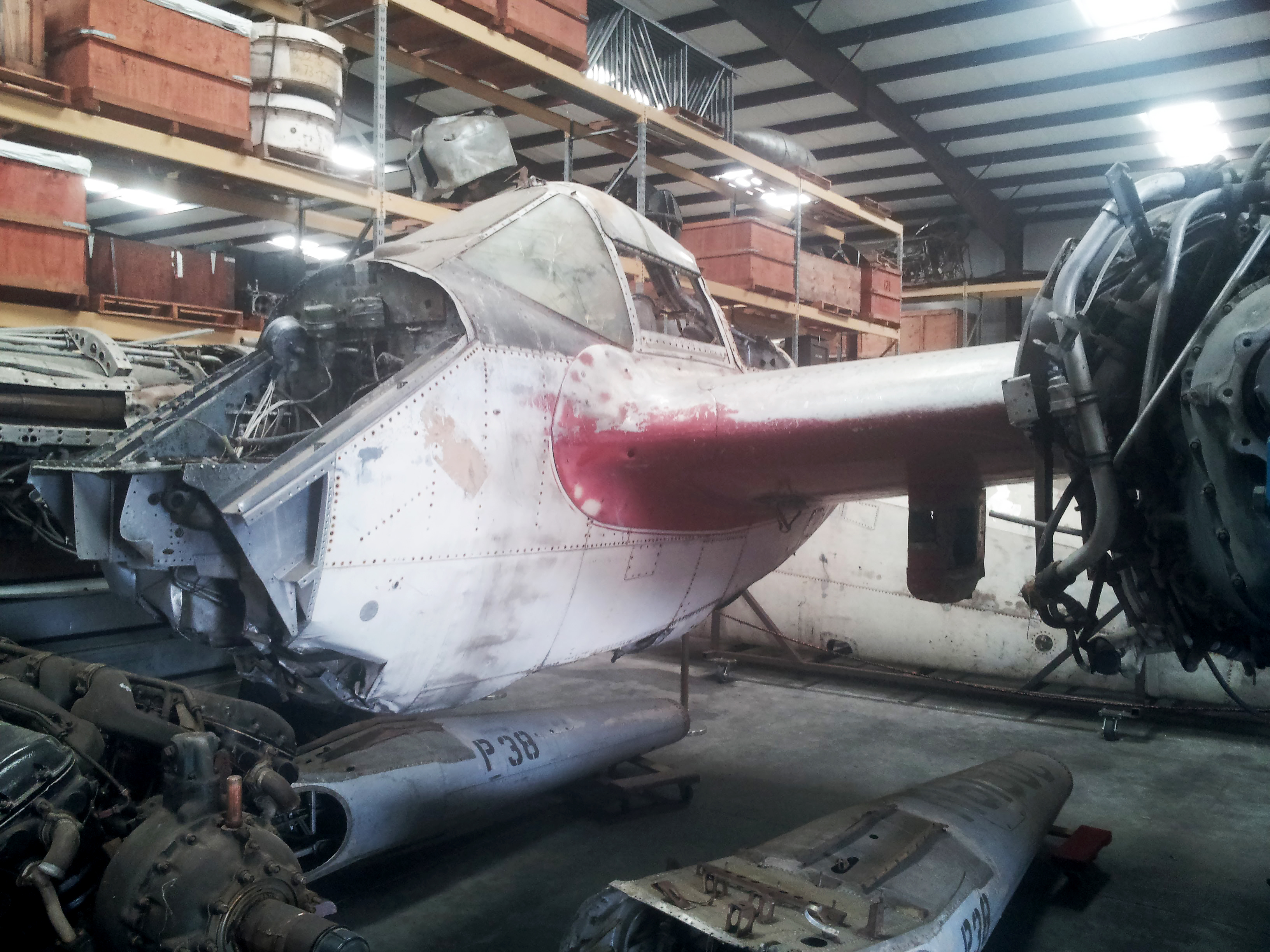
On 18 April 1943, acting on decoded intelligence, 16 P-38Gs flew 435 miles (700 km) from Guadalcanal at wave-top height to intercept Admiral Isoroku Yamamoto over Bougainville. They brought down both G4M bombers carrying his party for the loss of one P-38, and Yamamoto's body was found in the jungle the following day.
In the Pacific the P-38 shot down more than 1,800 Japanese aircraft and over a hundred of its pilots became aces. Richard Bong, America's top-scoring ace of the war with 40 victories, Thomas McGuire with 38 and Charles MacDonald with 27 all flew it. Charles Lindbergh, then a civilian, taught the 475th Fighter Group to stretch fuel by cutting engine speed to 1,600 rpm, and in the second half of 1944 P-38Ls from Dutch New Guinea flew 950-mile missions.
How the line evolved
The P-38E, the first fully combat-capable Lightning, left the factory in October 1941; 210 were built and more than a hundred became F-4 reconnaissance aircraft. It was followed by the P-38F in February 1942, with racks for tanks or bombs and a manoeuvring setting for its Fowler flaps; the P-38G in June 1942, with 1,400 hp Allisons; and the P-38H from May 1943, of which 600 were produced. The P-38J arrived in August 1943, recognisable by the intercoolers moved under the engines into a distinctive "chin"; its final J-25 block added dive flaps and hydraulically boosted ailerons, among the first fitted to any fighter. The P-38L, the most numerous model with 3,923 built, 113 of them by Consolidated-Vultee at Nashville, entered service in June 1944 and was the first Lightning with zero-length rocket launchers. It reached 414 mph (666 km/h) at 25,000 ft and had a service ceiling of 44,000 ft.
The airframe spawned many derivatives: the F-4 and F-5 reconnaissance versions, some 1200 aircraft or about one in nine; "droopsnoot" pathfinders with a Norden sight or H2X radar; the P-38M Night Lightning two-seat radar night fighter, converted from 75 P-38Ls; the experimental P-38K, turned down to avoid disrupting production; and oddities such as a P-38E rebuilt for floats that were never fitted, or glider-towing trials. The Navy rejected the carrier-based Model 822. A scaled-up Lightning wing was reused on the Lockheed Constellation.
After the war
Victory left thousands of P-38s made obsolete by jets, and orders for 1,887 more were cancelled. The last ones in US Air Force service were retired in 1949. Italy received one hundred P-38Ls and F-5s under an April 1946 agreement, flying them on reconnaissance and attack duties until 1956; Honduras bought 12 and China kept 15. One flew for the CIA during the 1954 Guatemalan coup, and Honduran Lightnings saw action in a 1957 border clash with Nicaragua. Surplus aircraft in the United States sold for US$1,200; from 1946 to 1949 Lightnings raced at Reno and Cleveland, and F-5s were bought by aerial survey firms for mapping.
On 31 July 1944 Antoine de Saint-Exupéry vanished in an F-5B of the French Groupe de Chasse II/33 after leaving Corsica; in 2000 a diver found wreckage off Marseille, identified as his in April 2004. Today little more than two dozen P-38s survive, among them "Glacier Girl", recovered from the Greenland ice cap in 1992, fifty years after it came down there on a ferry flight, and returned to the air after a full restoration.
Variants
| XP-38 | YP-38 | F-4 | F-4A | F-5A | F-5B | F-5C | F-5E | F-5F | F-5G | Lightning I | Lightning II | Model 822 | P-322-I | P-322-II | P-38 | P-38B | P-38C | P-38D | P-38 Droop Snoot | P-38E | P-38E Floatplane | P-38F | P-38G | P-38H | P-38J | P-38K | P-38L | P-38M | TP-38L | XF-5D | XFO-1 | XP-38A | |
|---|---|---|---|---|---|---|---|---|---|---|---|---|---|---|---|---|---|---|---|---|---|---|---|---|---|---|---|---|---|---|---|---|---|
| First flight | January 27, 1939 | September 17, 1940 | — | — | — | — | — | — | — | — | — | — | — | — | — | — | — | — | — | — | — | — | — | — | — | — | — | — | — | — | — | — | — |
| Aircraft type | — | — | — | — | — | — | — | — | — | — | — | — | — | — | — | — | — | — | — | — | — | — | — | — | — | — | — | Twin-engine heavy fighter and fighter-bomber | — | — | — | — | — |
| Powerplant | — | — | — | — | — | — | — | — | — | — | — | — | — | — | — | — | — | — | — | — | — | — | — | — | — | — | — | 2 × Allison V-1710-111/113 (F30R/L) liquid-cooled turbo-supercharged V-12s with counter-rotating propellers; 1,425 hp military power, up to 1,600 hp for short periods | — | — | — | — | — |
| Powerplant | 2 × Allison V-1710-11/-15 | 2 × Allison V-1710-27/-29 | 2 × piston | 2 × piston | 2 × piston | 2 × piston | 2 × piston | 2 × piston | 2 × piston | 2 × piston | 2 × Allison V-1710-33 | 2 × piston | 2 × piston | 2 × piston | 2 × Allison V-1710-27/-29 | 2 × Allison V-1710-27/-29 | 2 × piston | 2 × piston | 2 × piston | 2 × piston | 2 × Allison V-1710-27/-29 | 2 × piston | 2 × Allison V-1710-49/53 | 2 × Allison V-1710-51/55 | 2 × piston | 2 × piston | 2 × Allison V-1710-75/77 | 2 × Allison V-1710-111/113 | 2 × V-1710-111/113 | 2 × piston | 2 × piston | 2 × piston | 2 × piston |
| Power per engine | 1,151 hp | 1,151 hp | — | — | — | — | — | — | — | — | — | — | — | — | — | — | — | — | — | — | 1,151 hp | — | 1,325 hp | 1,325 hp | 1,426 hp | — | 1,875 hp Best value in this row | 1,601 hp | — | — | — | — | — |
| Length | 11.5 m Best value in this row | — | — | — | — | — | — | — | — | — | — | — | — | — | — | — | — | — | — | — | 11.5 m Best value in this row | — | — | — | — | — | — | 11.5 m Best value in this row | — | — | — | — | — |
| Wingspan | 15.9 m Best value in this row | — | — | — | — | — | — | — | — | — | — | — | — | — | — | — | — | — | — | — | 15.9 m Best value in this row | — | — | — | — | — | — | 15.9 m Best value in this row | — | — | — | — | — |
| Height | — | — | — | — | — | — | — | — | — | — | — | — | — | — | — | — | — | — | — | — | — | — | — | — | — | — | — | 3.9 m | — | — | — | — | — |
| Wing area | — | — | — | — | — | — | — | — | — | — | — | — | — | — | — | — | — | — | — | — | — | — | — | — | — | — | — | 30.4 m² | — | — | — | — | — |
| Empty weight | 5,225 kg | 5,067 kg Best value in this row | — | — | — | — | — | — | — | — | — | — | — | — | — | — | — | — | — | — | — | — | — | — | — | — | — | 5,806 kg | — | — | — | — | — |
| MTOW | 6,992 kg | 6,508 kg | — | — | — | — | — | — | — | — | — | — | — | — | — | — | — | — | — | — | — | — | — | — | — | — | — | 9,798 kg Best value in this row | — | — | — | — | — |
| Top speed | 664 km/h | 651 km/h | — | — | — | — | — | — | — | — | — | — | — | — | — | — | — | — | — | — | 636 km/h | — | — | — | — | — | — | 666 km/h Best value in this row | — | — | — | — | — |
| Max speed altitude | 6,000 m | 3,000 m | — | — | — | — | — | — | — | — | — | — | — | — | — | — | — | — | — | — | — | — | — | — | — | — | — | 7,620 m | — | — | — | — | — |
| Cruise speed | — | — | — | — | — | — | — | — | — | — | — | — | — | — | — | — | — | — | — | — | 483 km/h Best value in this row | — | — | — | — | — | — | 443 km/h | — | — | — | — | — |
| Service ceiling | 11,582 m | — | — | — | — | — | — | — | — | — | — | — | — | — | — | — | — | — | — | — | — | — | — | — | — | — | — | 13,400 m Best value in this row | — | — | — | — | — |
| Initial climb rate | — | — | — | — | — | — | — | — | — | — | — | — | — | — | — | — | — | — | — | — | — | — | — | — | — | — | — | 24.1 m/s | — | — | — | — | — |
| Range | — | 650 km | — | — | — | — | — | — | — | — | — | — | — | — | — | — | — | — | — | — | — | — | — | — | — | — | — | 2,100 km Best value in this row | — | — | — | — | — |
| Ferry range | — | — | — | — | — | — | — | — | — | — | — | — | — | — | — | — | — | — | — | — | — | — | — | — | — | — | — | 5,300 km | — | — | — | — | — |
| Range conditions | — | — | — | — | — | — | — | — | — | — | — | — | — | — | — | — | — | — | — | — | — | — | — | — | — | — | — | Combat range 1,300 mi (2,100 km); ferry range 3,300 mi (5,300 km) with external tanks | — | — | — | — | — |
| Armament | — | — | — | — | — | — | — | — | — | — | — | — | — | — | — | — | — | — | — | — | — | — | — | — | — | — | — | 1 × 20 mm cannon and 4 × 12.7 mm (.50 in) machine guns in the nose; up to 10 × 5 in (127 mm) HVARs or 4 × M10 three-tube rocket launchers; bombs up to 2,000 lb (907 kg) on the inner pylons | — | — | — | — | — |
| Max weapons load | — | — | — | — | — | — | — | — | — | — | — | — | — | — | — | — | — | — | — | — | — | — | — | — | — | — | — | 1,814 kg | — | — | — | — | — |
| Payload | — | — | — | — | — | — | — | — | — | — | — | — | — | — | — | — | — | — | — | — | — | — | — | — | — | — | — | 0 kg | — | — | — | — | — |
| Cargo capacity | — | — | — | — | — | — | — | — | — | — | — | — | — | — | — | — | — | — | — | — | — | — | — | — | — | — | — | No transport payload; strengthened inner pylons for 2,000 lb bombs or 300 US gal (1,100 L) drop tanks | — | — | — | — | — |
| Crew | 1 Best value in this row | 1 Best value in this row | — | — | — | — | — | — | — | — | — | — | — | — | — | 1 Best value in this row | — | — | — | — | — | — | — | — | — | — | — | 1 Best value in this row | 2 | 2 | — | — | — |
| Passengers | — | — | — | — | — | — | — | — | — | — | — | — | — | — | — | — | — | — | — | — | — | — | — | — | — | — | — | 0 | — | — | — | — | — |
| Units built | 1 | 13 | 99 | 20 | 181 | 200 | 123 | 705 | — | — | 143 | 1 | 0 | 22 | 121 | 30 | 0 | 0 | 36 | — | 210 | — | 527 | 1,082 | 601 | 2,970 | 1 | 3,923 Best value in this row | 75 | 2 | 1 | 4 | — |
Images
Elsewhere
- National Museum of the US Air ForceLockheed P-38L Lightning on display in the World War II Gallery ↗
- National Museum of the US Air ForceLockheed P-38L Lightning at the National Museum of the US Air Force ↗
- National Museum of the US Air ForceLockheed P-38L Lightning interior view, WWII Gallery ↗
- Museum of Flight Digital CollectionsP-38 Lightning in flight, 29 October 1944 (George E. Adams Jr. collection) ↗
- Museum of FlightLockheed P-38L Lightning (P-38M conversion) in the Museum of Flight collection ↗
- Smithsonian National Air and Space MuseumLockheed P-38J-10-LO Lightning, Smithsonian National Air and Space Museum ↗
- P-38 National AssociationGlacier Girl P-38F: photos of the first flight after recovery ↗
- Aerial VisualsLockheed P-38J 42-67762 airframe dossier and photos ↗
- JetPhotosLockheed P-38F Glacier Girl at Teterboro, 2007 ↗
- IBCC Digital ArchiveAir to air P-38 Lightning ↗
- San Diego Air & Space Museum ArchivesP-38 Lightning photographs (John R. Graves Jr. collection) ↗
- Wright State University Special CollectionsLockheed P-38J-15-LO 42-104328 photographs ↗