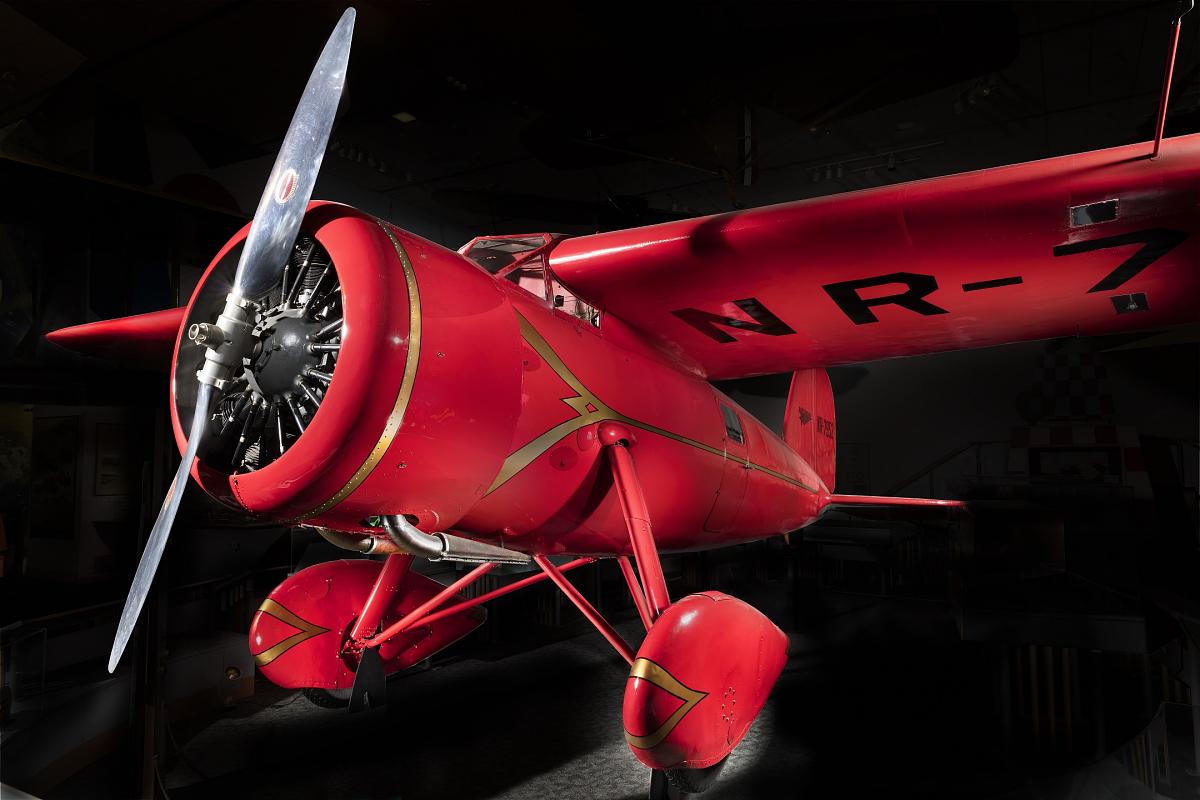
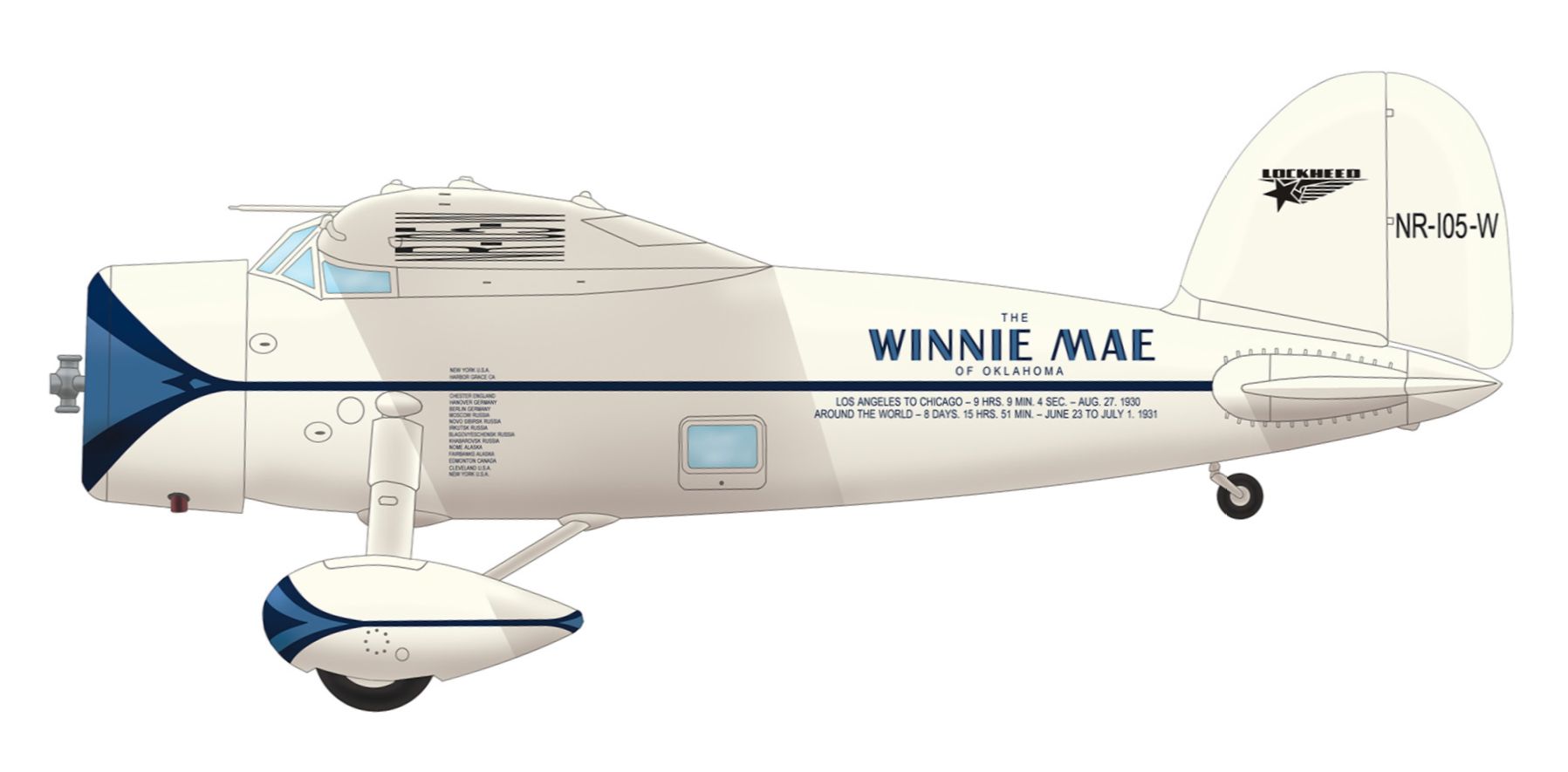
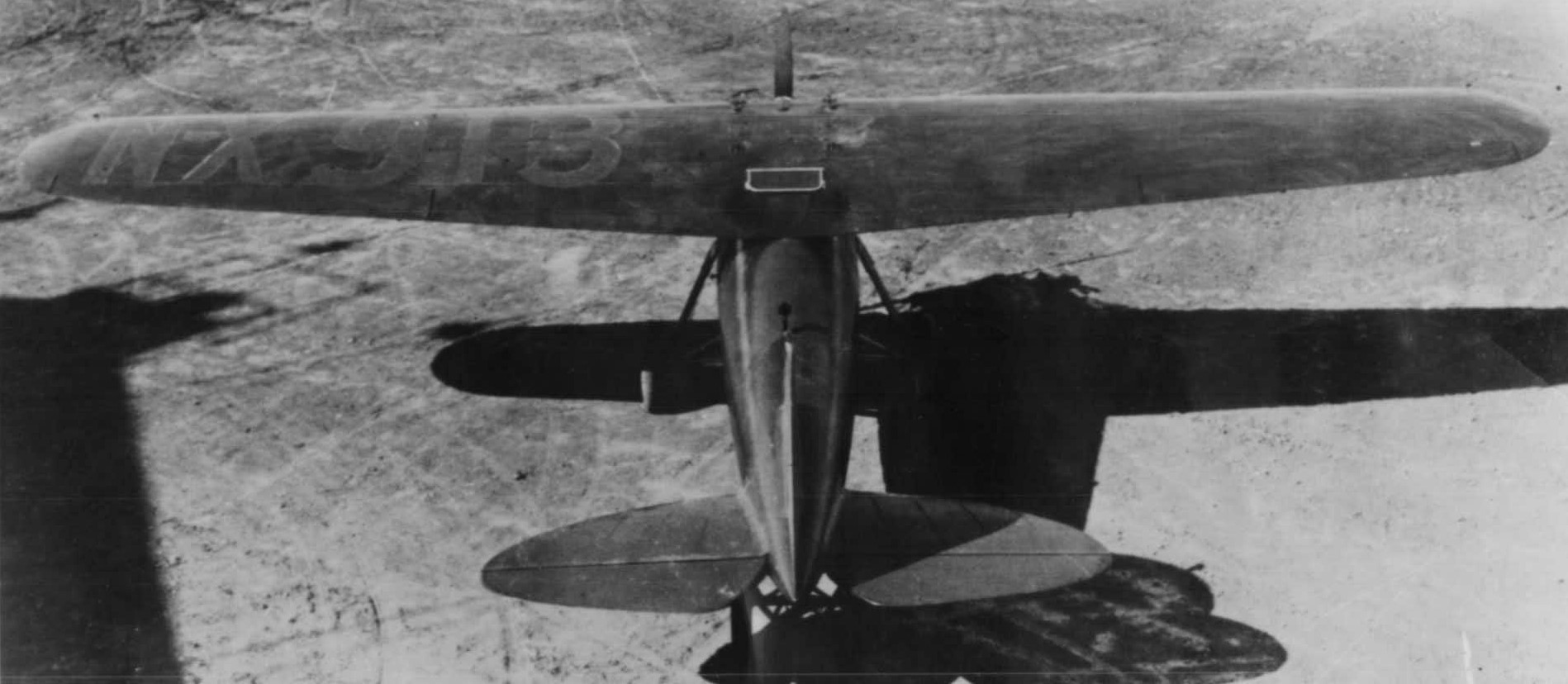
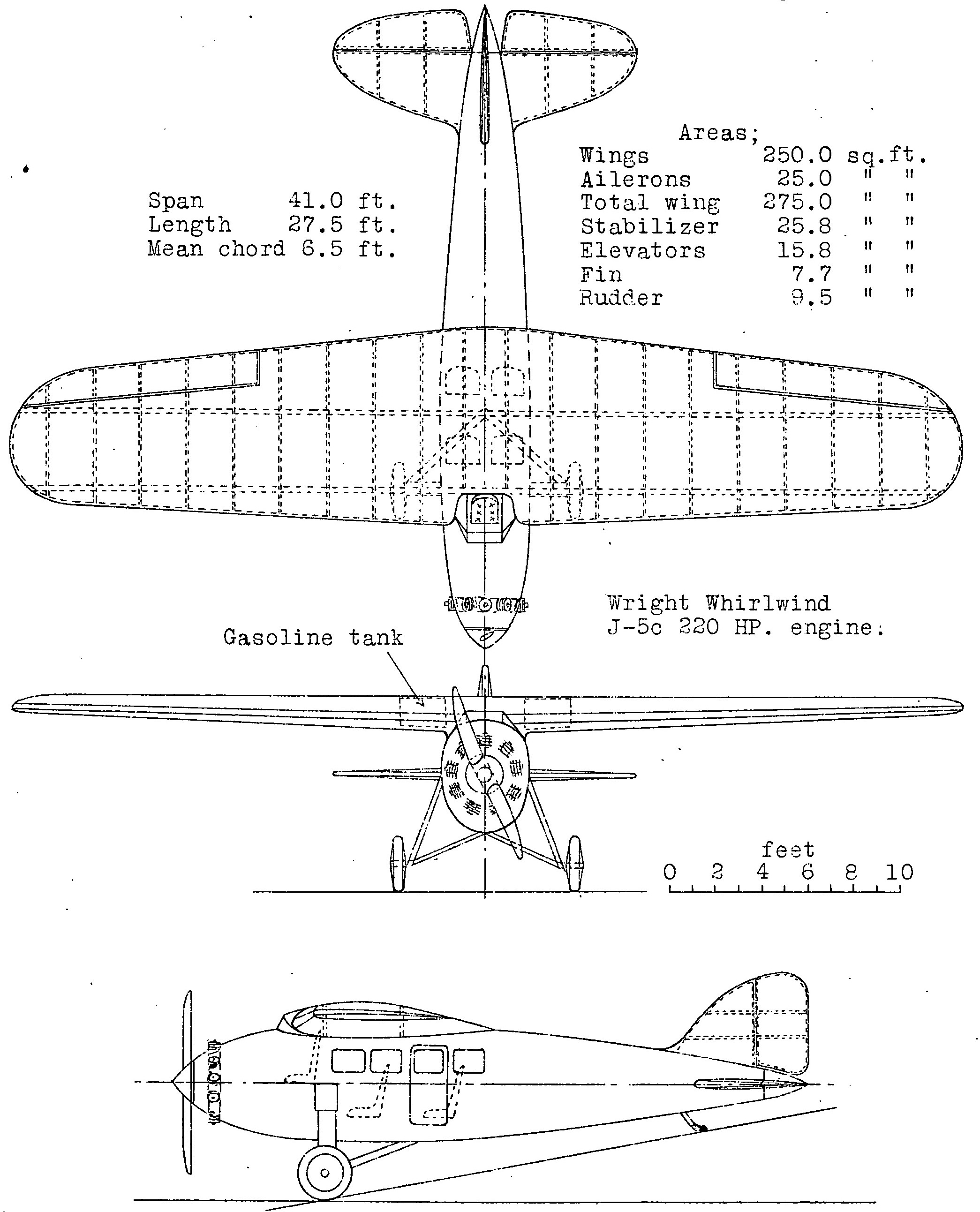
The Lockheed Vega was a closed-cabin high-wing monoplane that Lockheed began building in 1927, and its reputation rested on the speed and range delivered by a wooden monocoque fuselage and a cantilever wing. Amelia Earhart crossed the…
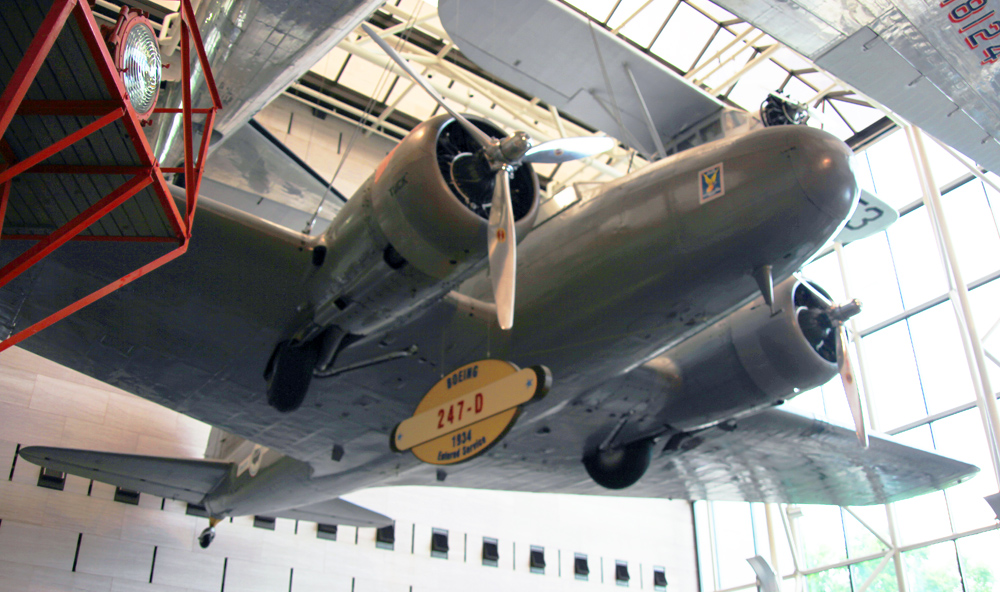
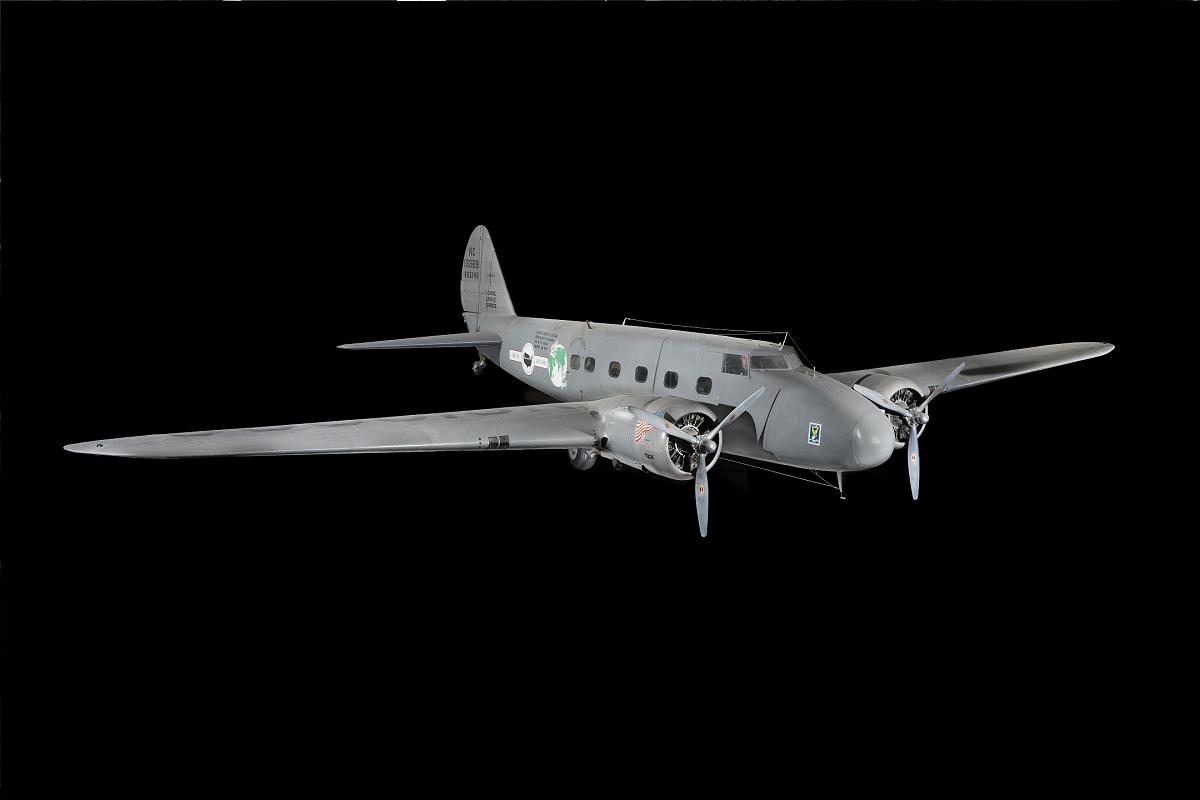
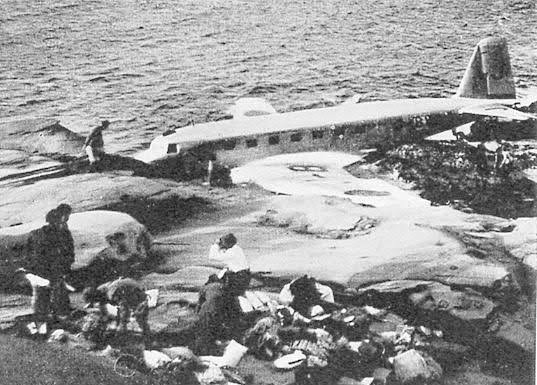
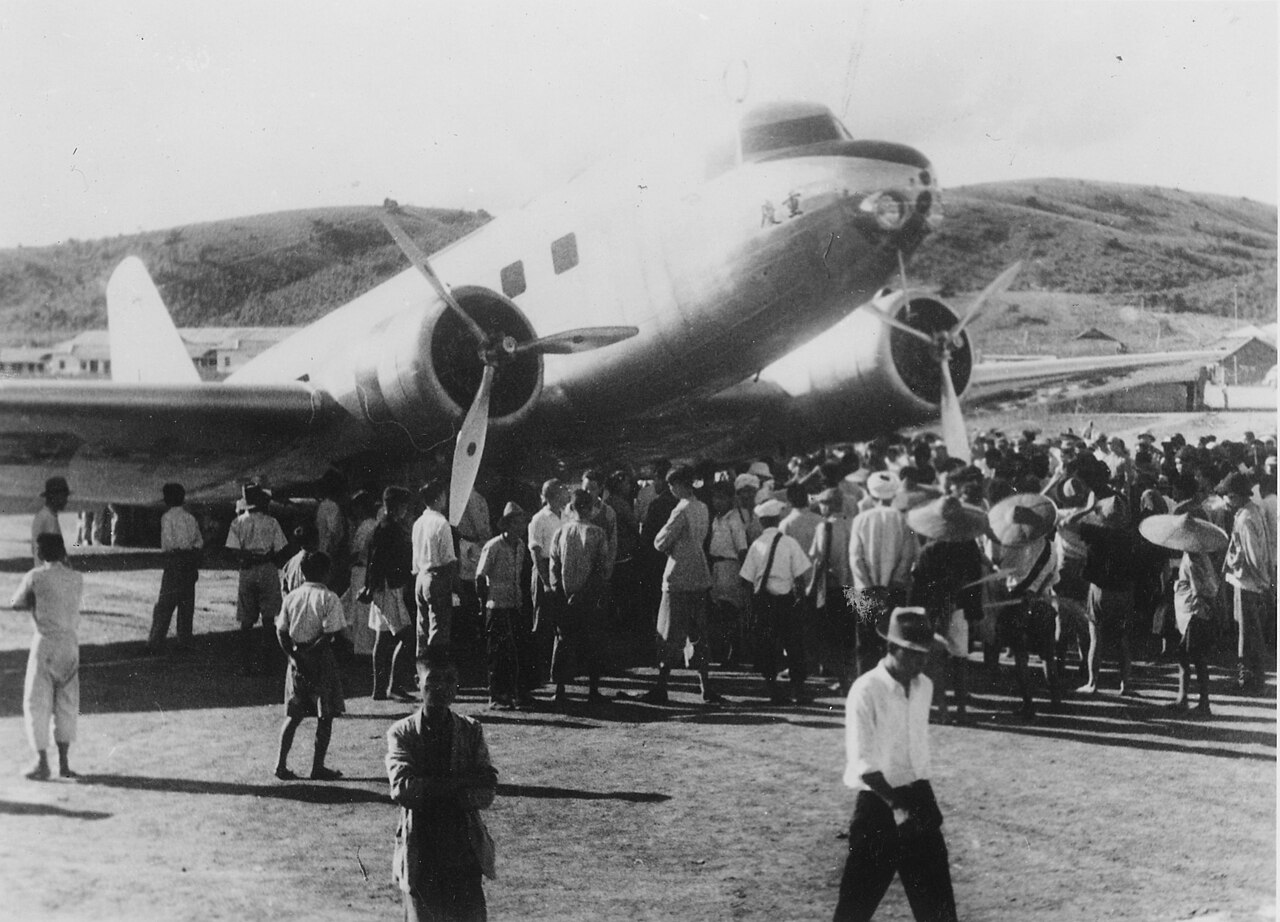
First flown on February 8, 1933, the Boeing 247 is regarded as the first modern airliner: an all-metal monoplane with retractable landing gear, an autopilot and de-icing equipment. Only 75 were built, because its very success drove the…
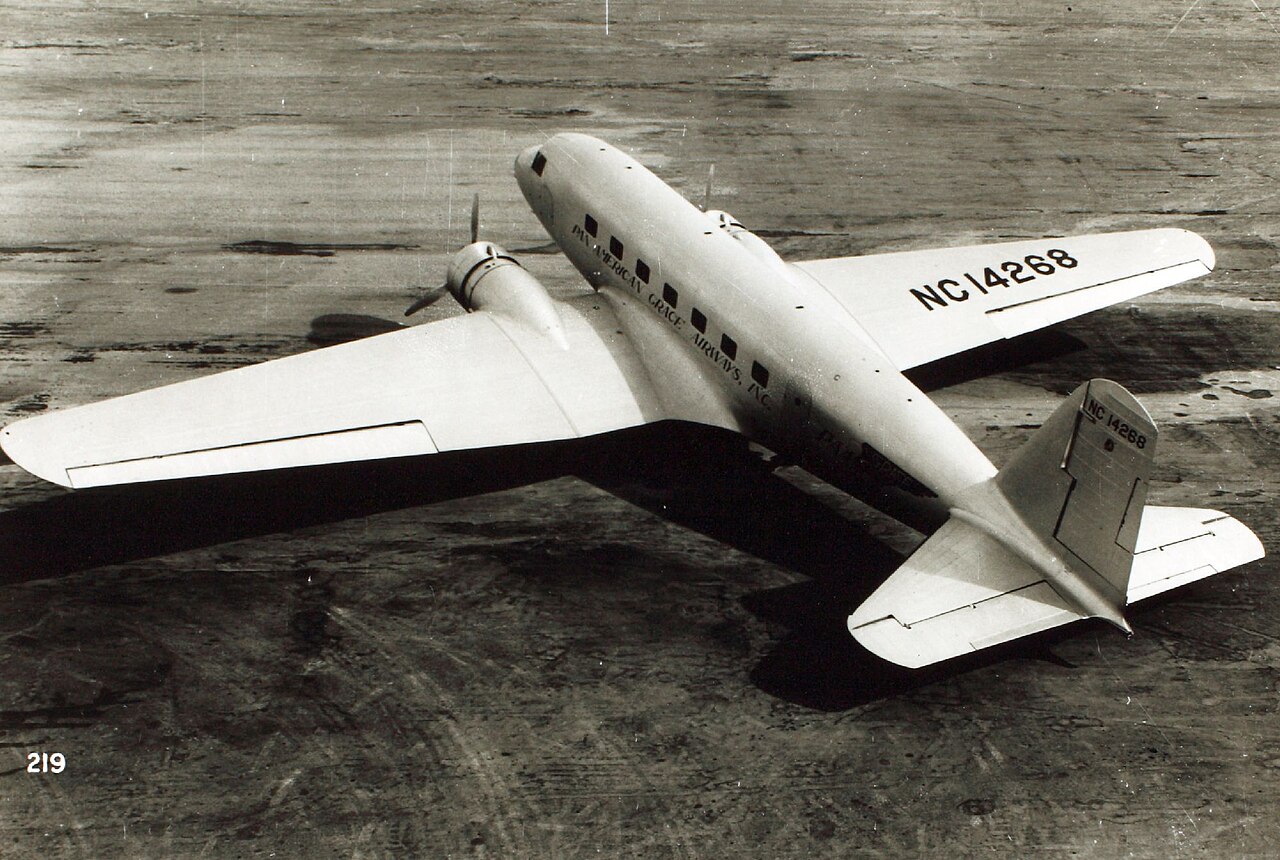
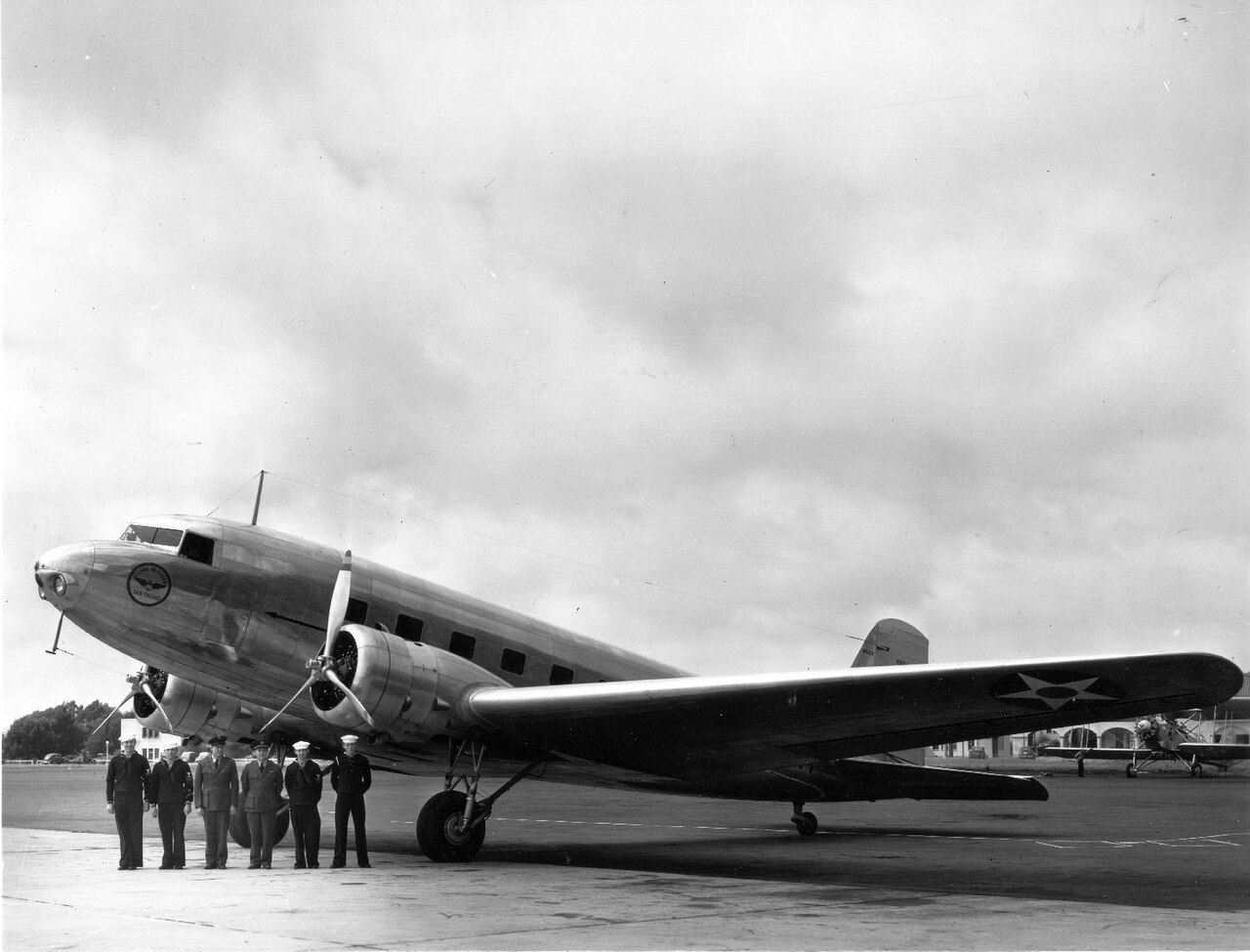
The Douglas DC-2 was an American twin-engined airliner seating fourteen passengers, developed from the DC-1 prototype and a direct rival to the Boeing 247. It flew on 11 May 1934, entered service with TWA a week later and became the basis…
"Texas Raiders (B-17) -Wings Over Houston air show, USA-15Oct2011" by Mike Fisher is licensed under CC BY 2.0. To view a copy of this license, visit https://creativecommons.org/licenses/by/2.0/.
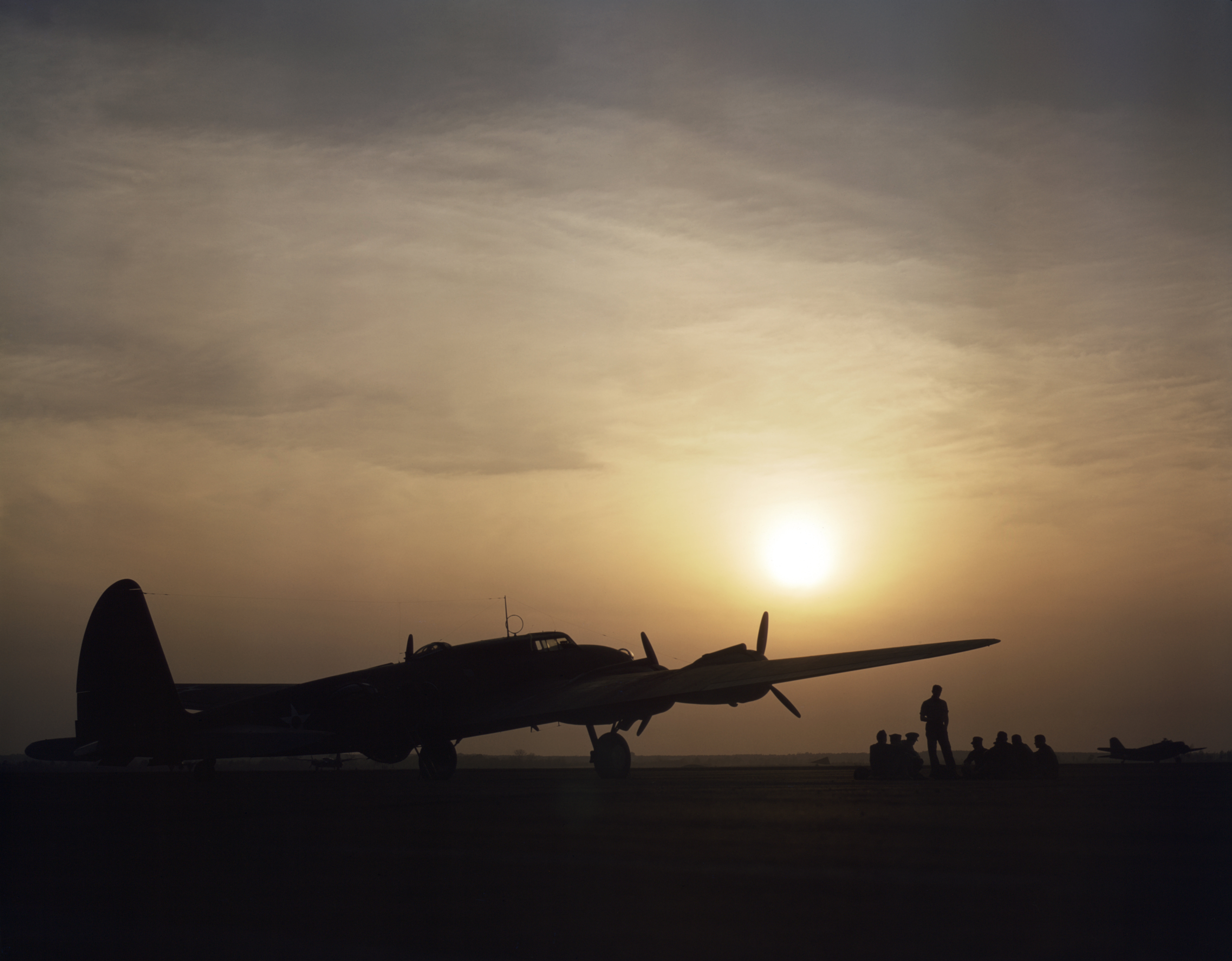
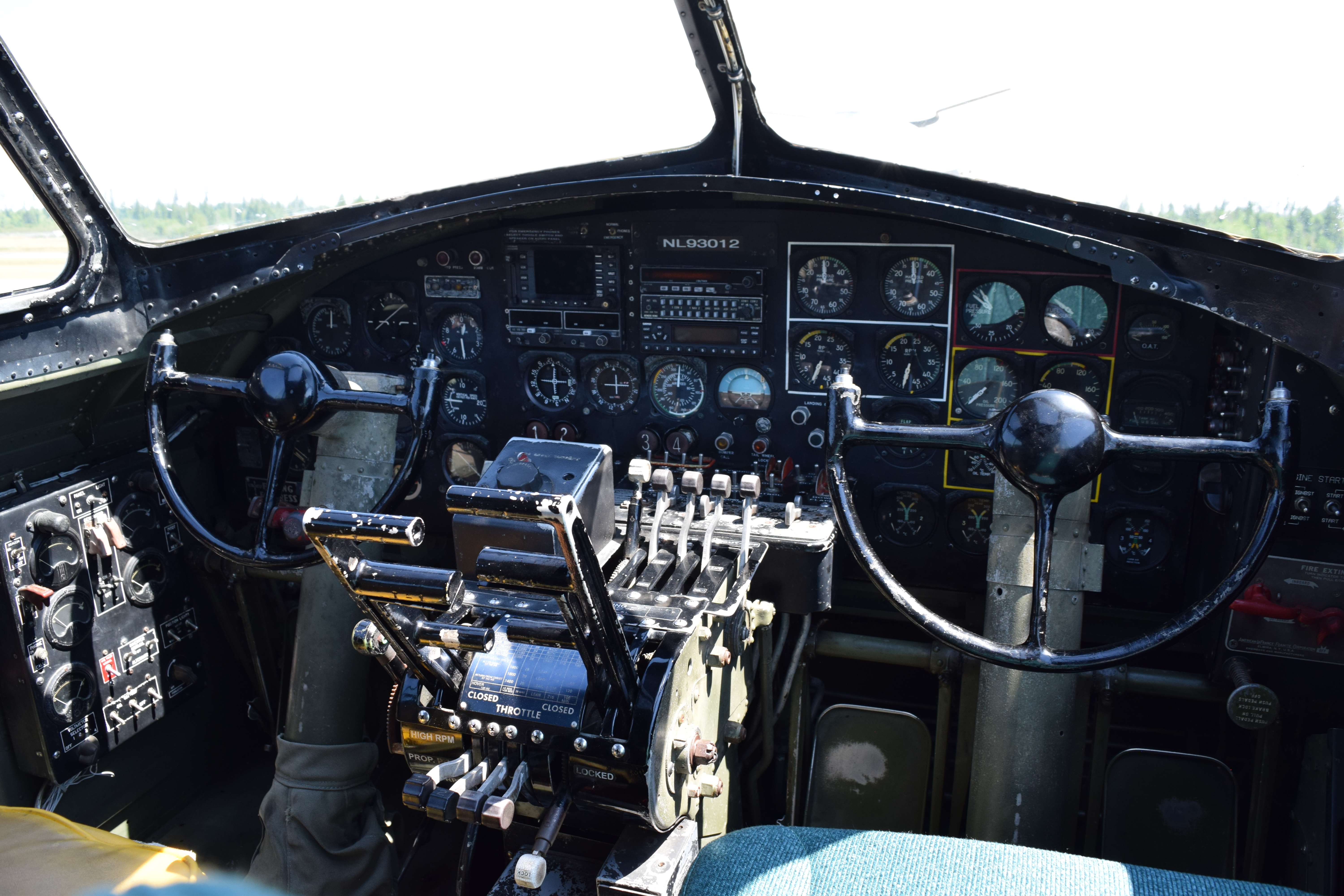
The Boeing B-17 Flying Fortress was an American four-engined heavy bomber designed in the mid-1930s for the United States Army Air Corps. Fast for its size, able to work at high altitude and bristling with defensive guns at the expense of…
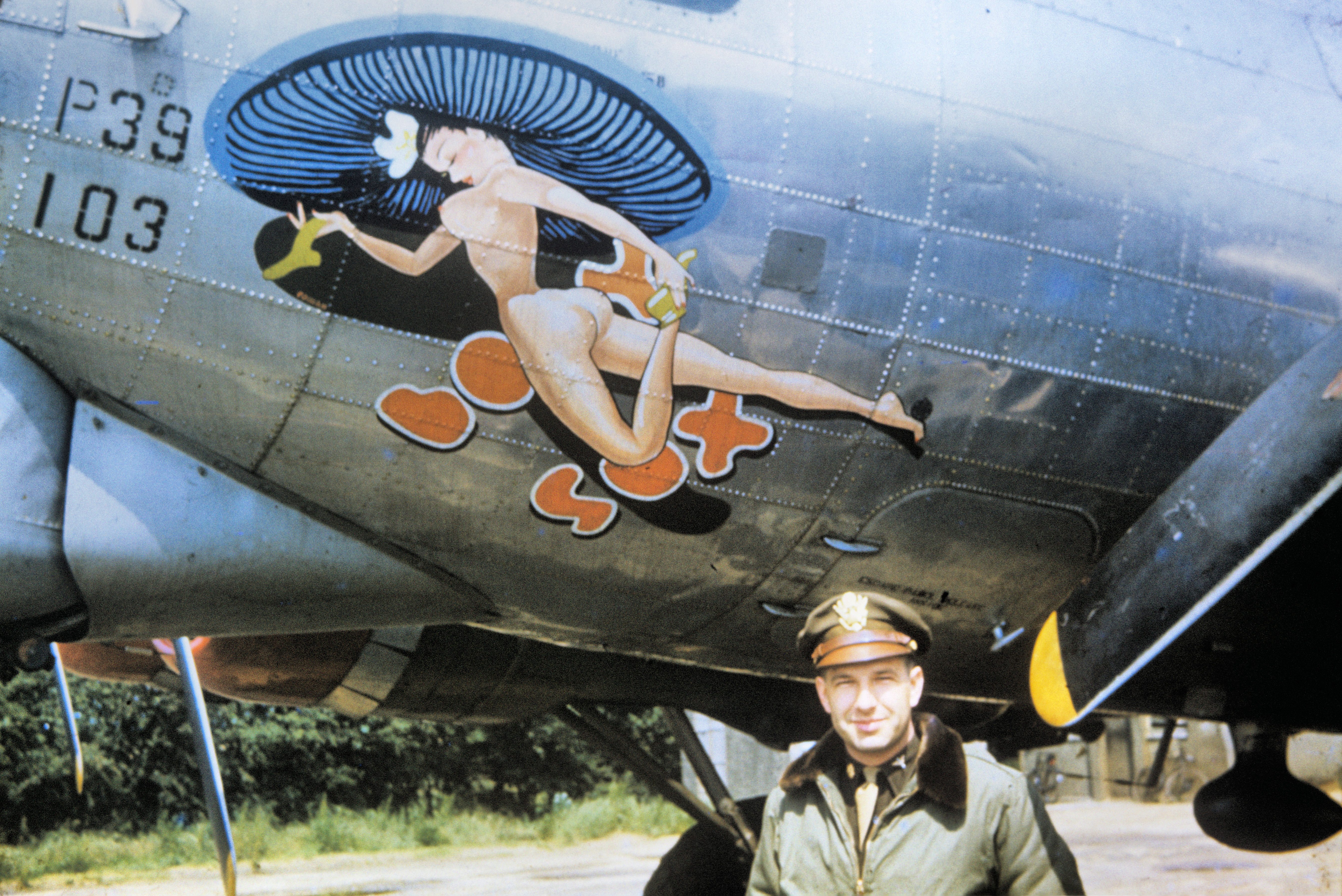
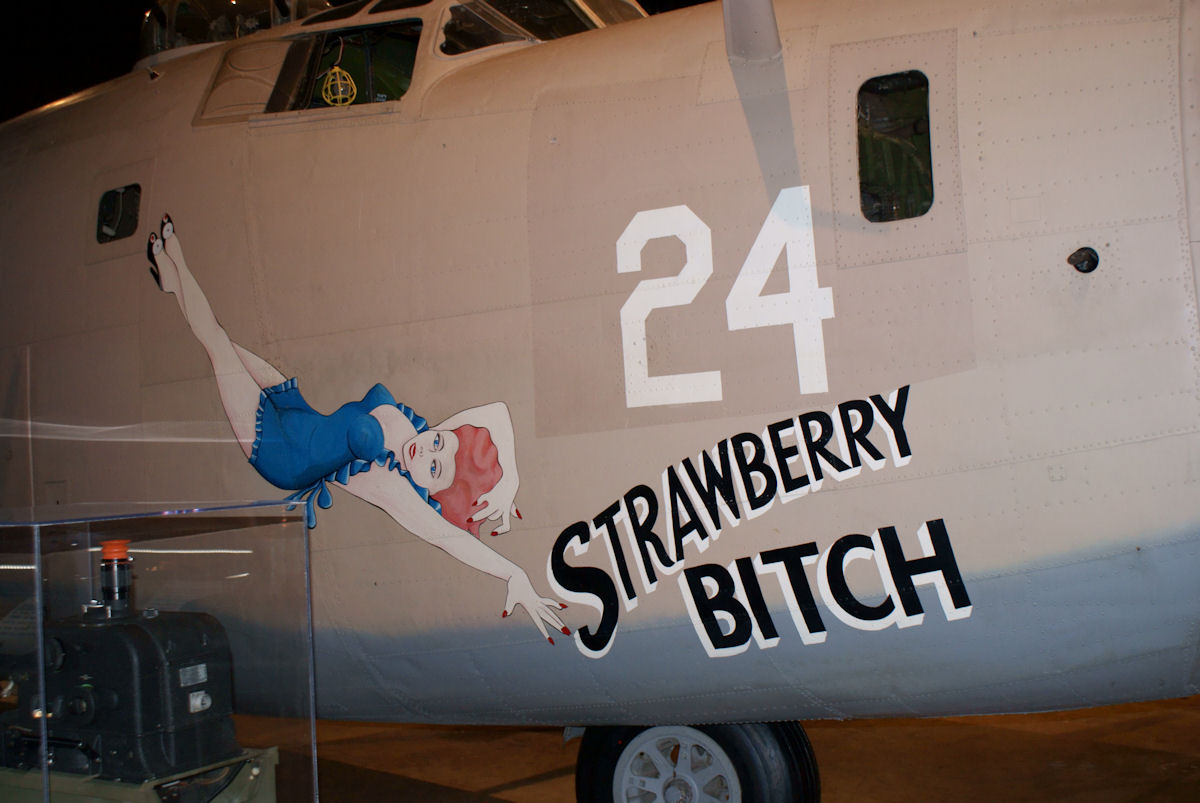
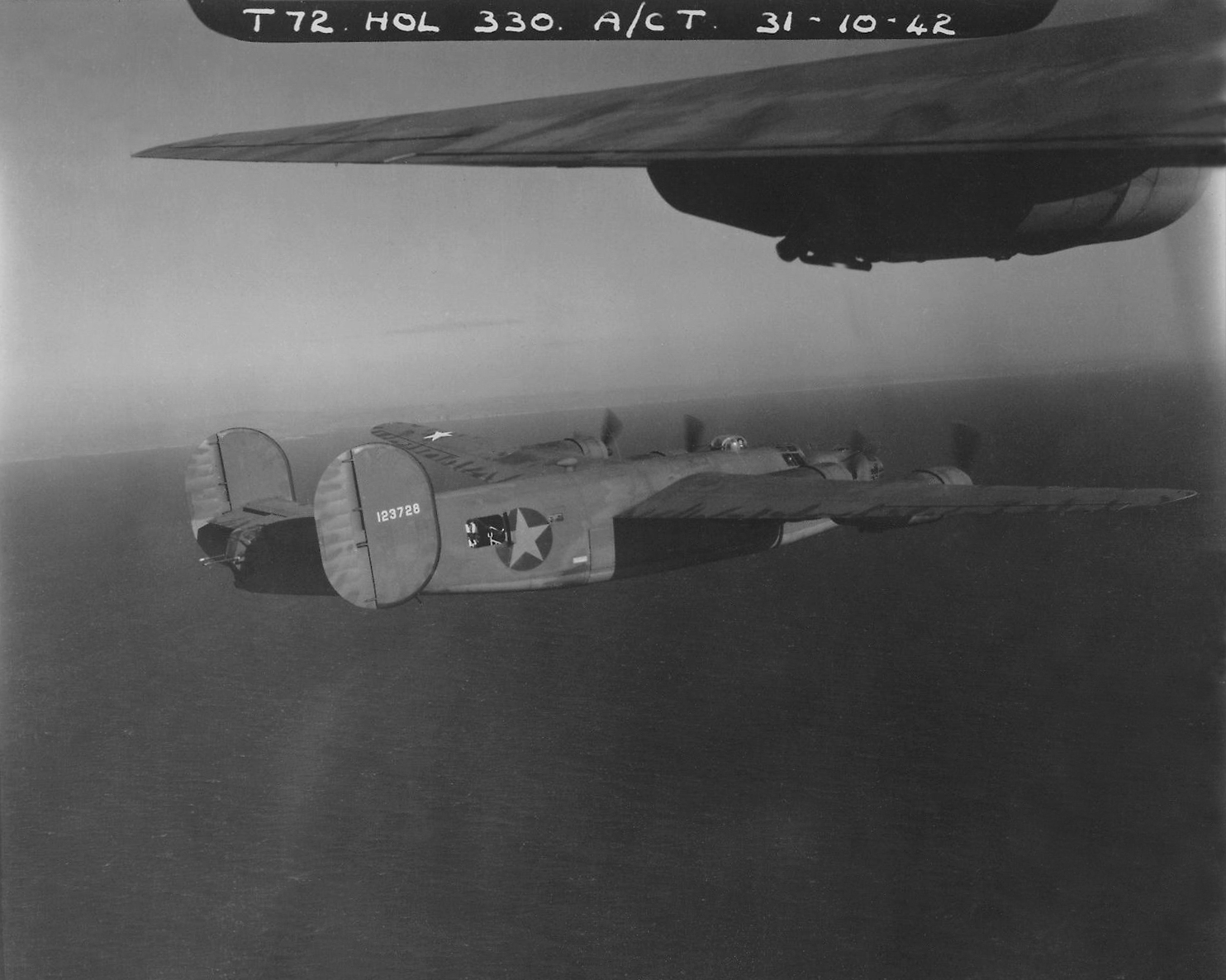
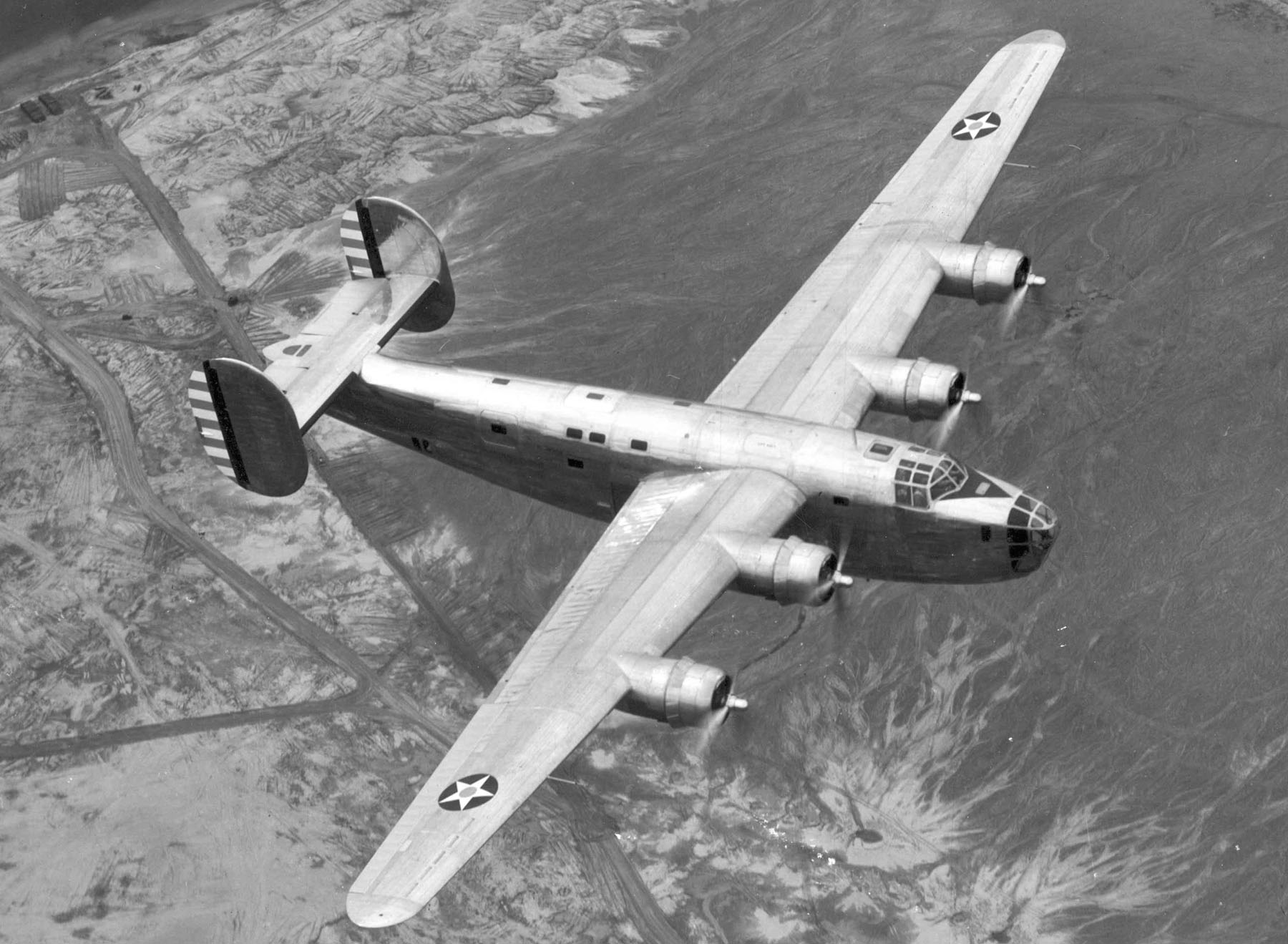
The Consolidated B-24 Liberator is the most heavily produced heavy bomber in history and, at the same time, the American four-engined bomber of the Second World War that occupies the least space in popular memory. It was born out of a job…
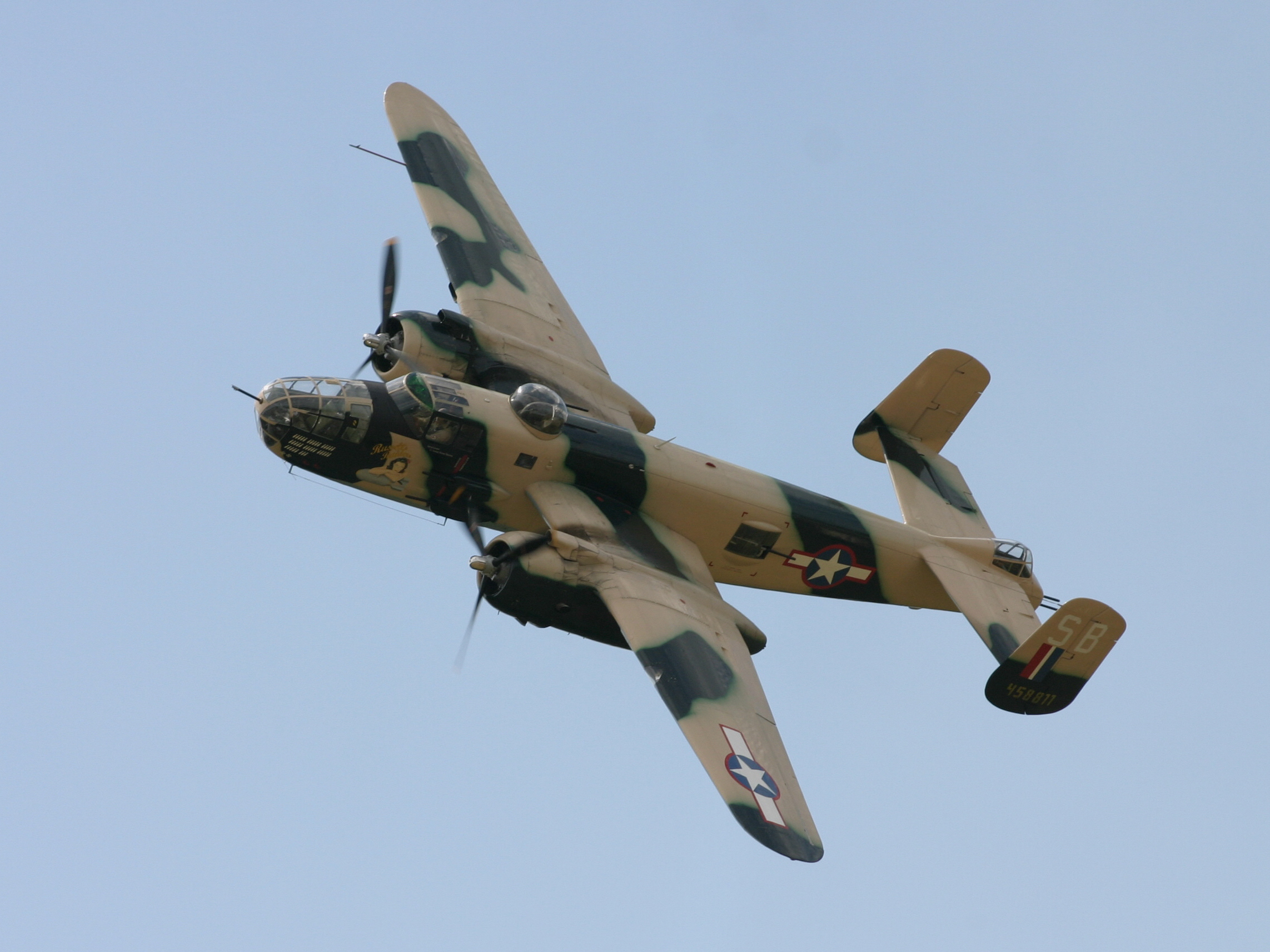
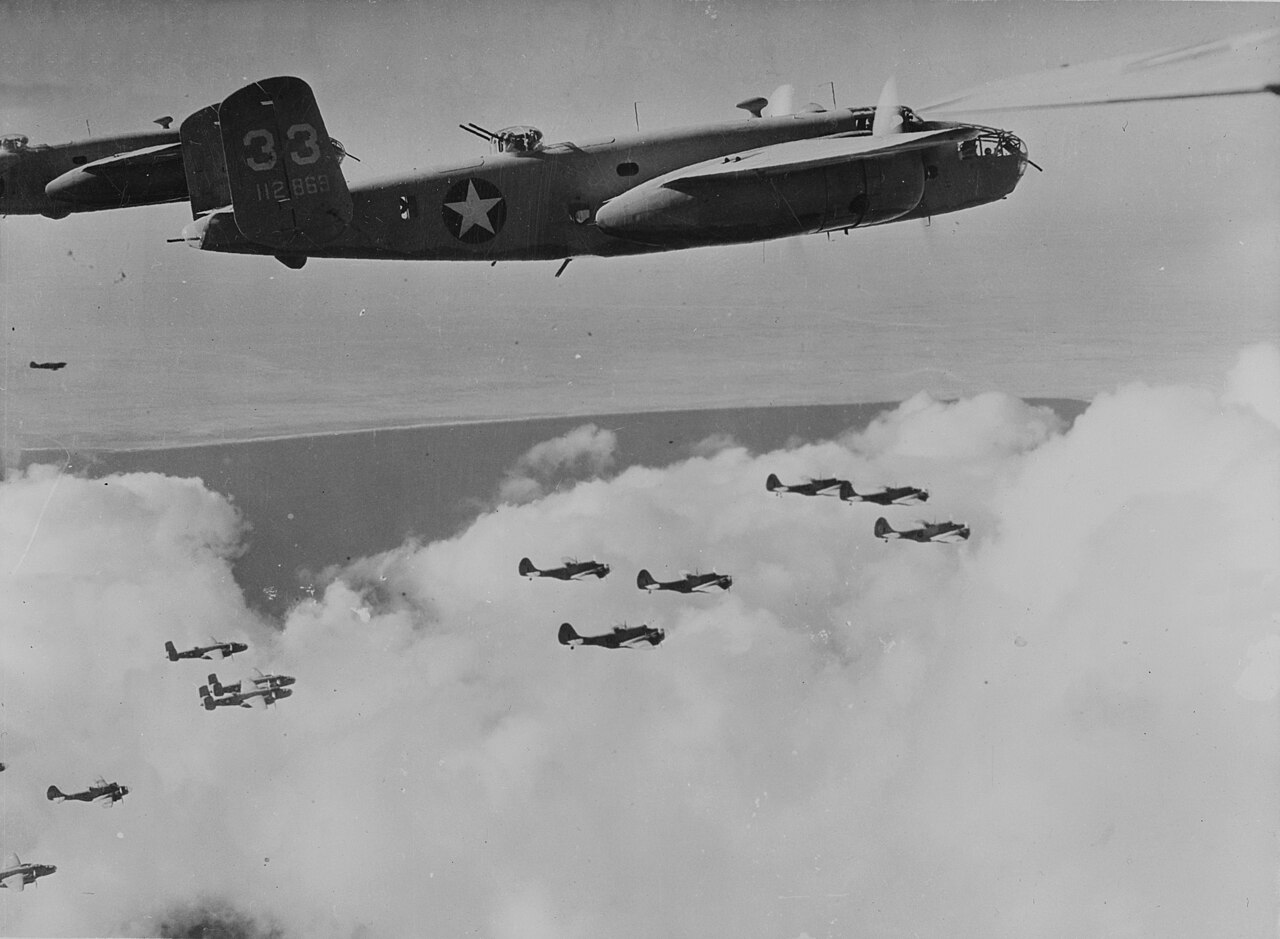
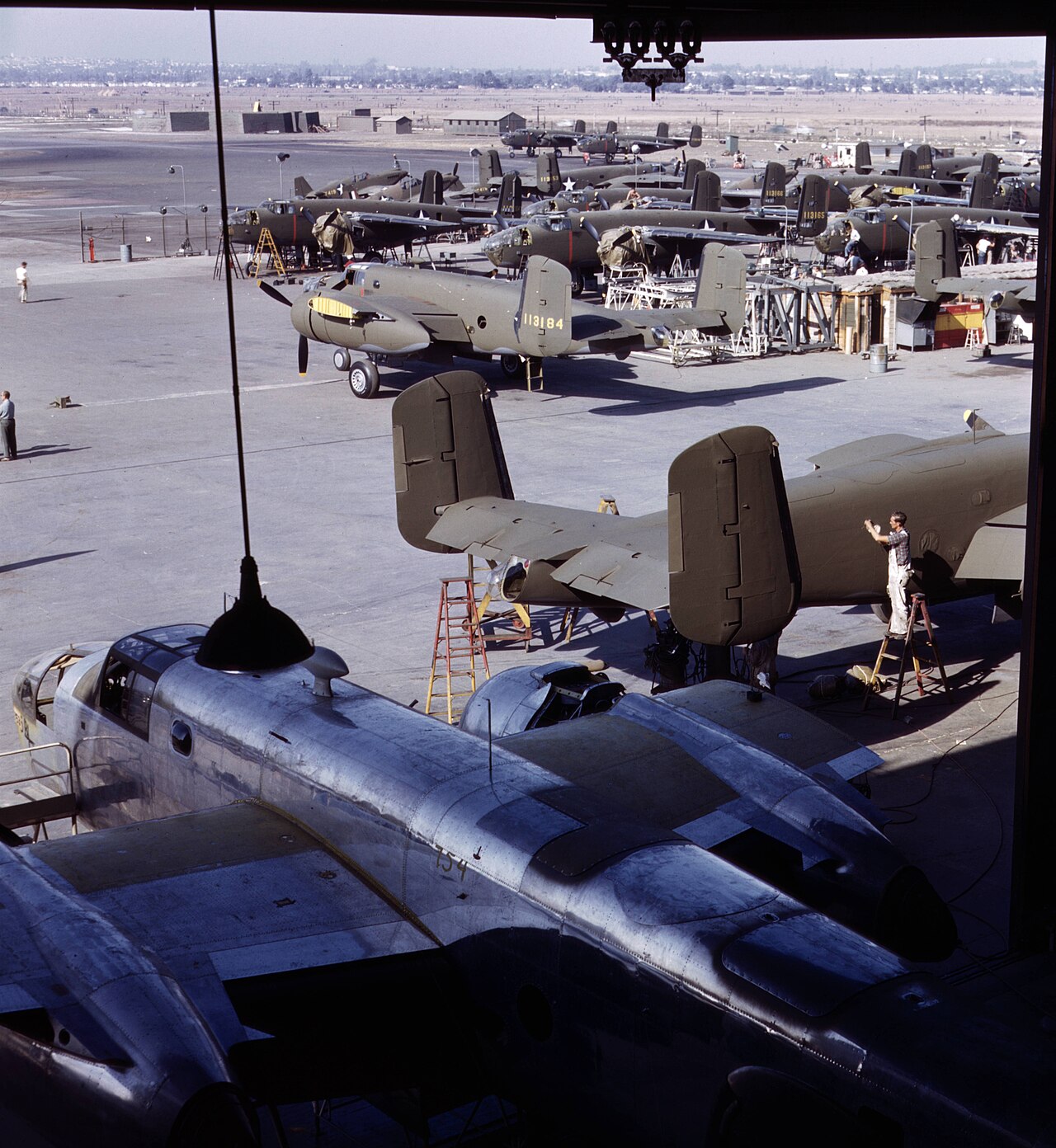
The North American B-25 Mitchell was the twin-engined medium bomber that filled the middle rank of American bombing aviation in the Second World War. Its design traces back to the late 1930s, when North American Aviation reworked its own…
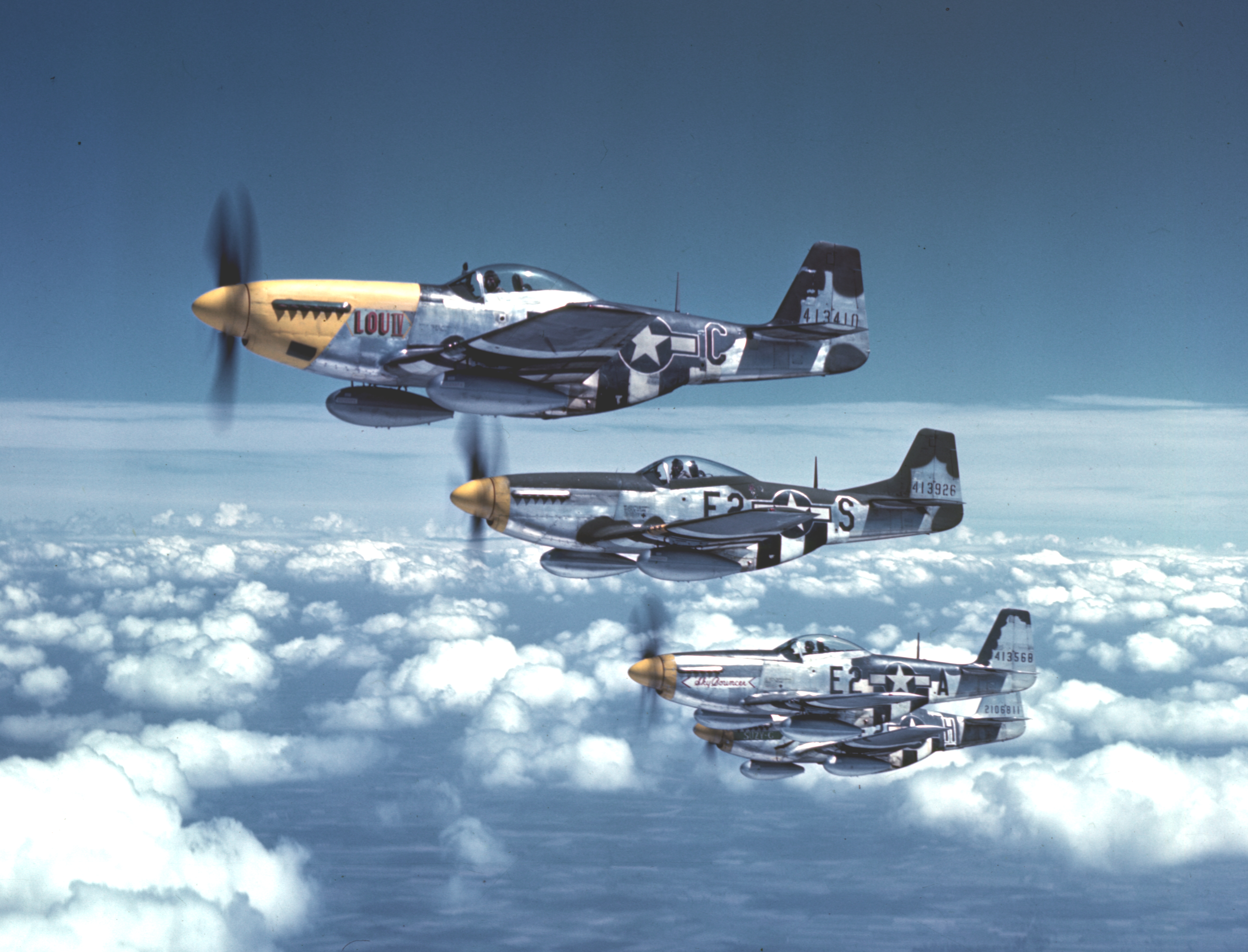
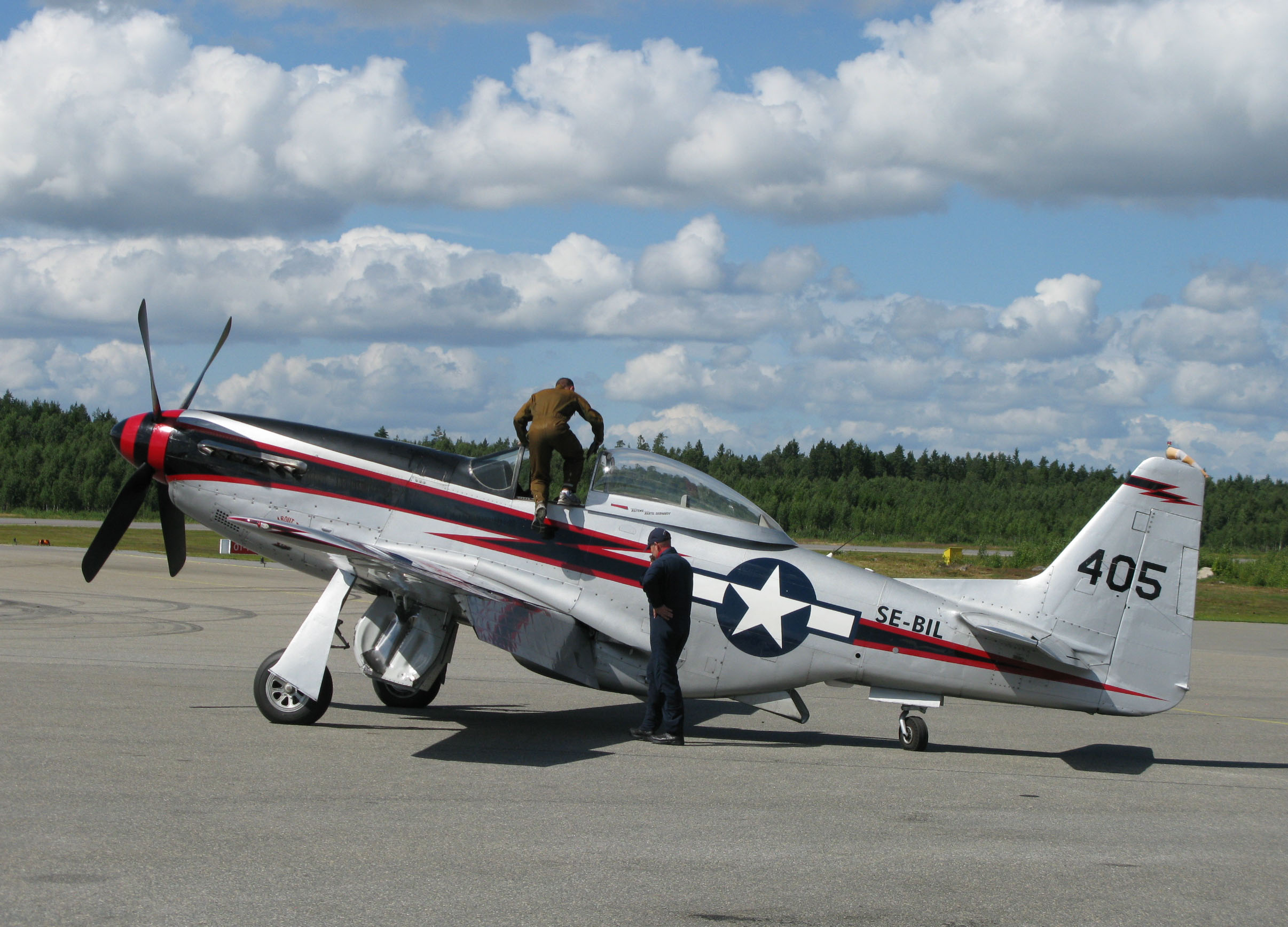
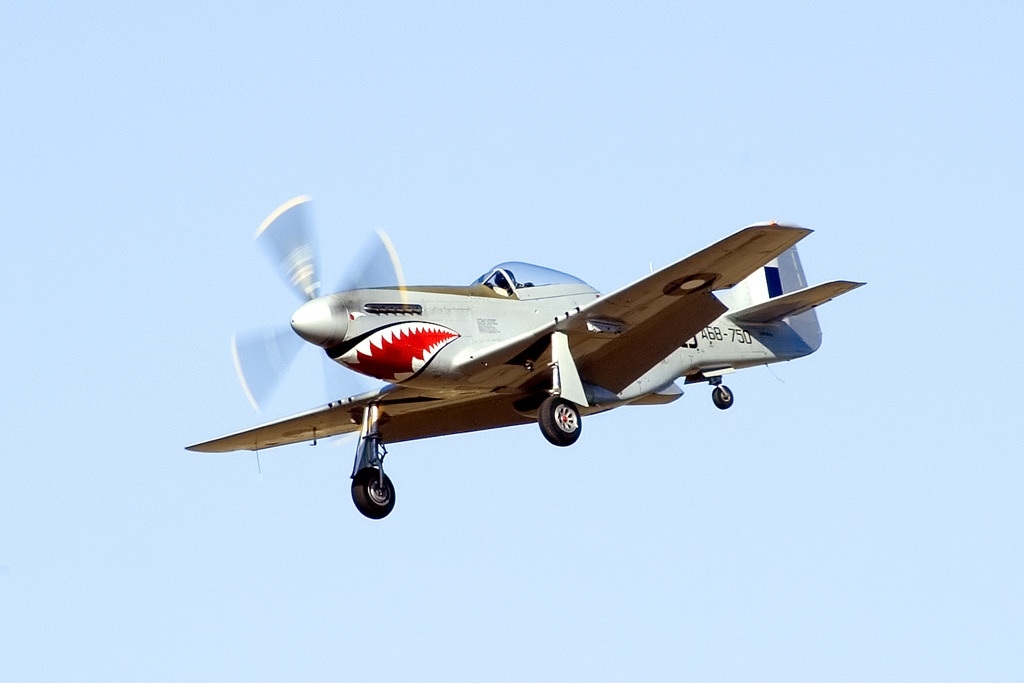
The North American P-51 Mustang was an American long-range single-seat fighter and fighter-bomber, and it began as the answer to a request for something else entirely. In 1940 the British Purchasing Commission approached North American…
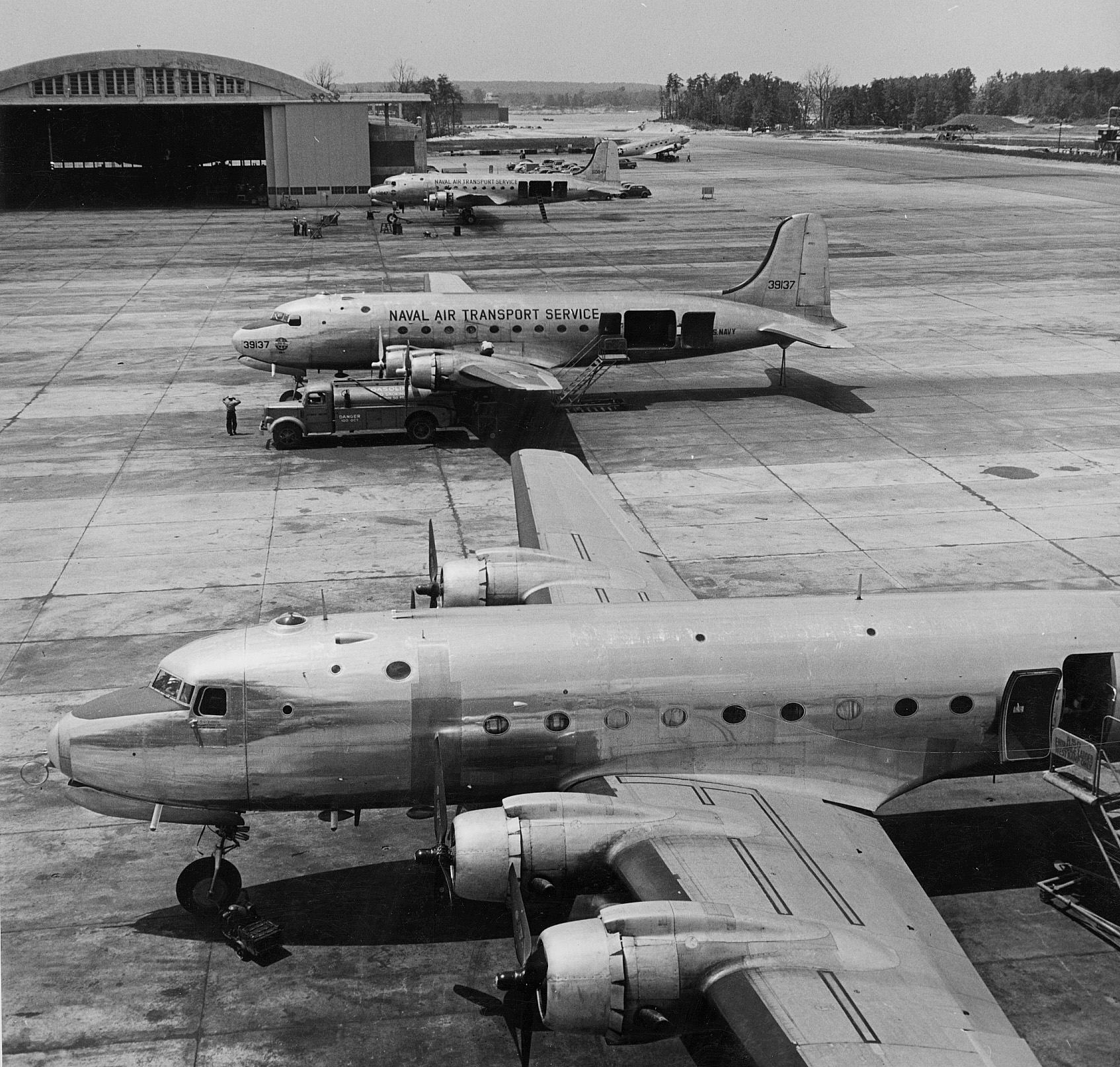
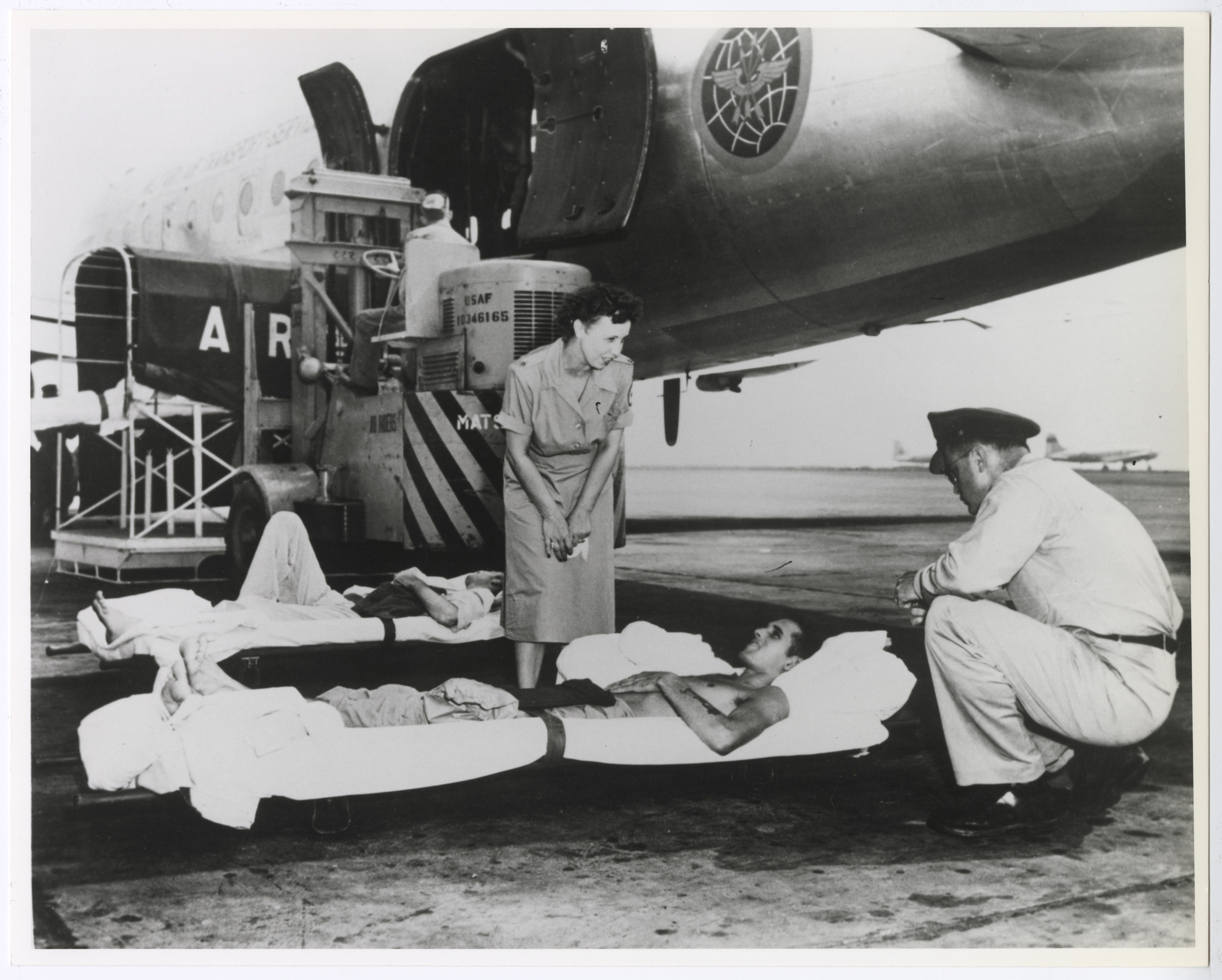
The Douglas DC-4 was an unpressurized four-engine transport whose production series first flew on February 14, 1942. Mass-produced during the Second World War as the military C-54 Skymaster, it became one of the workhorses of postwar…
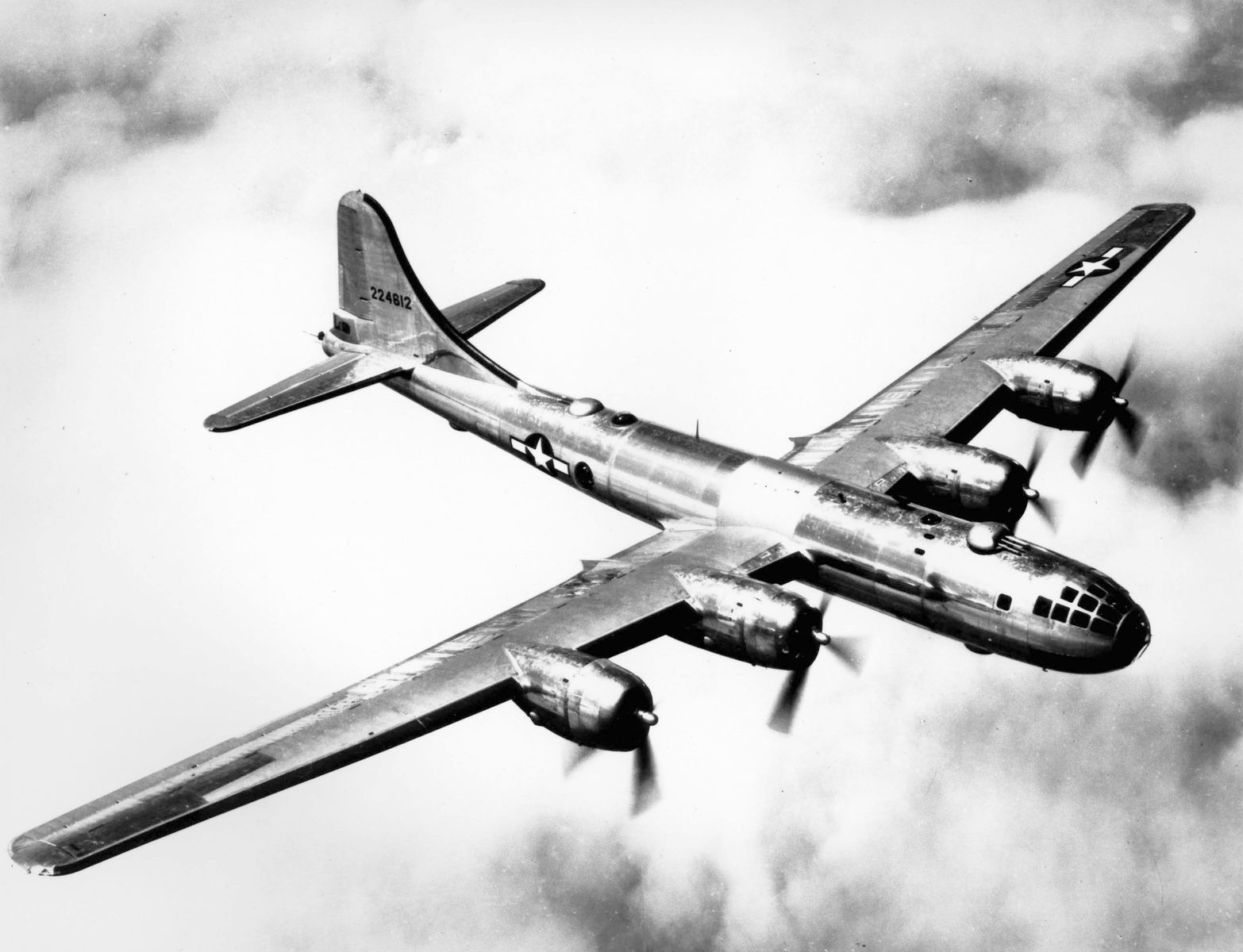
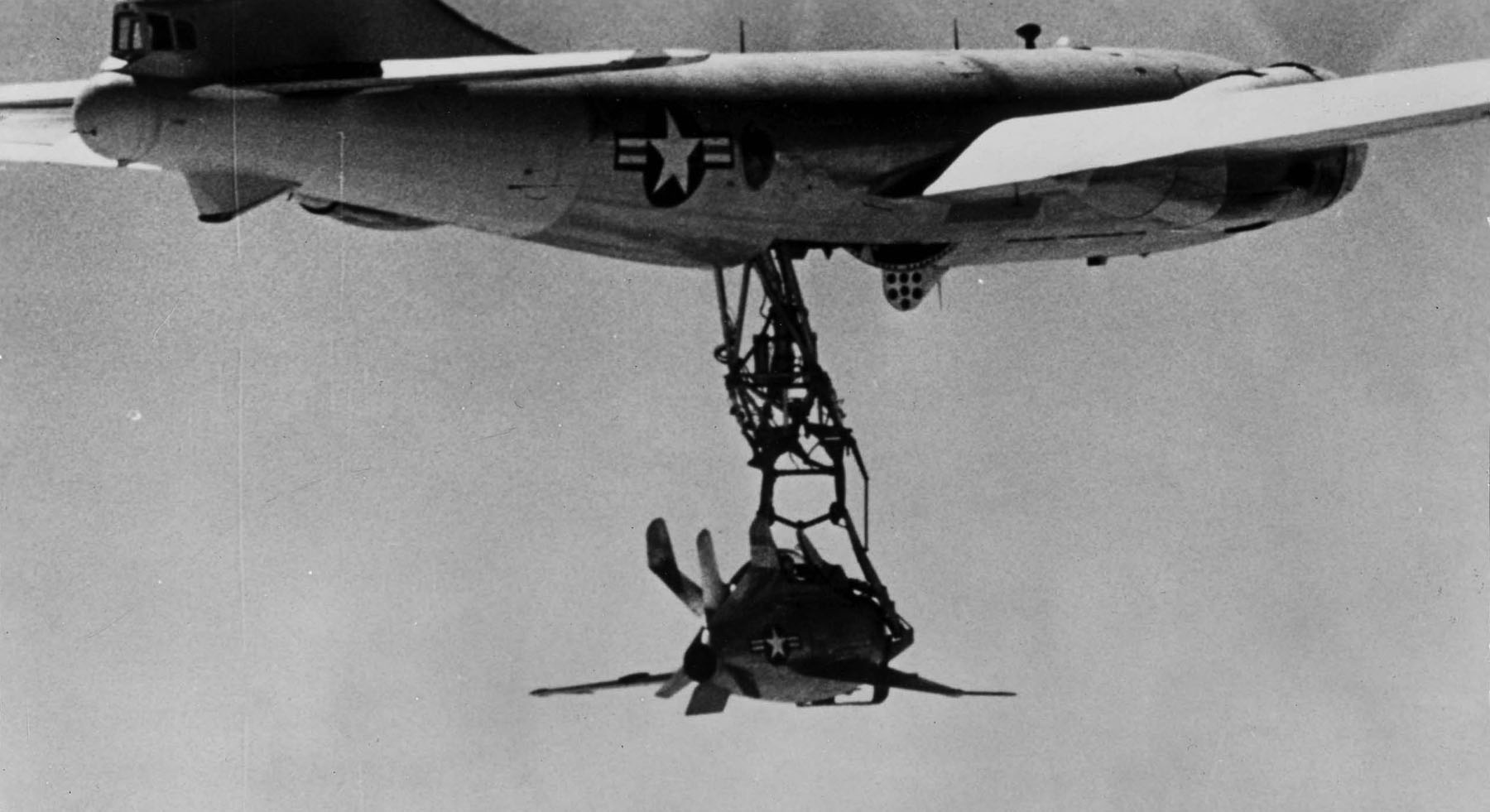
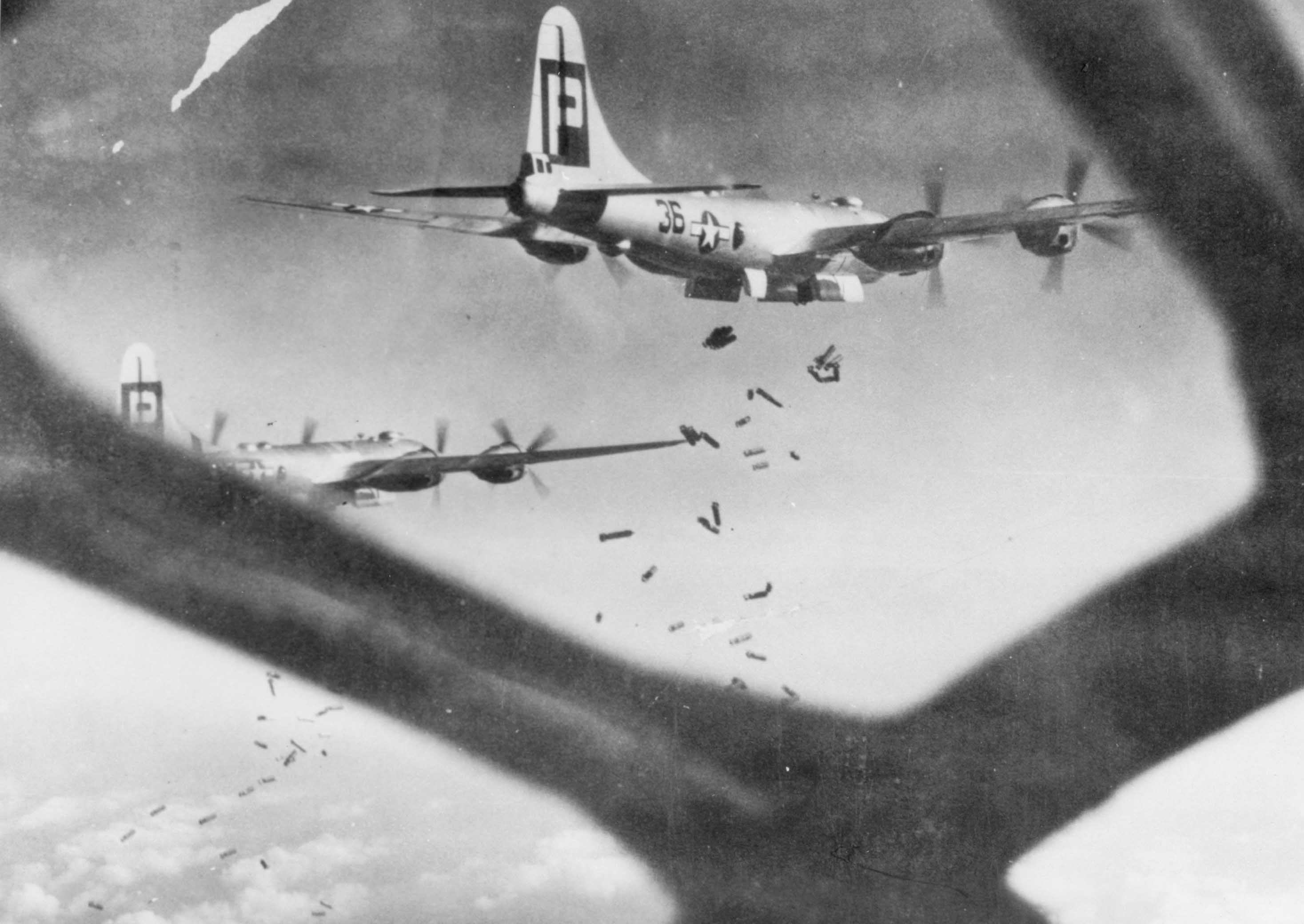
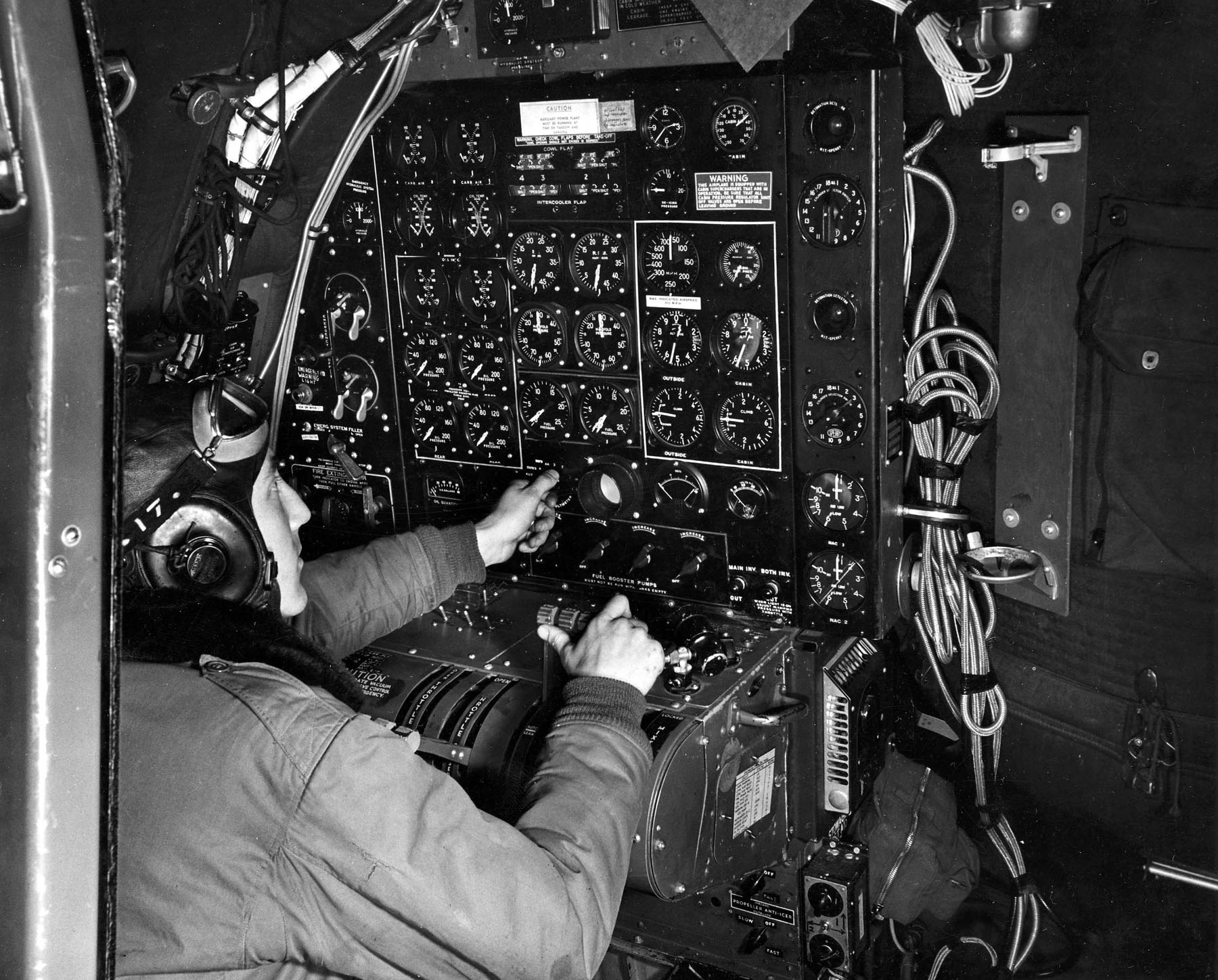
The Boeing B-29 Superfortress was the four-engined heavy bomber with which the United States carried the strategic air offensive to the Japanese home islands, and the most advanced aircraft to see combat in the Second World War. Its name…
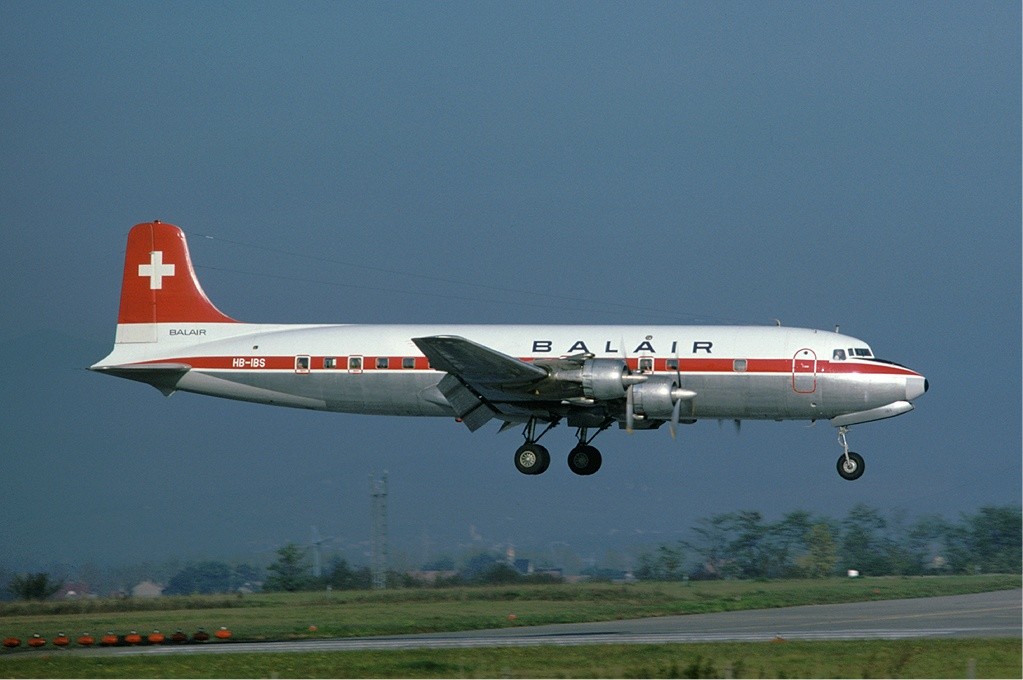
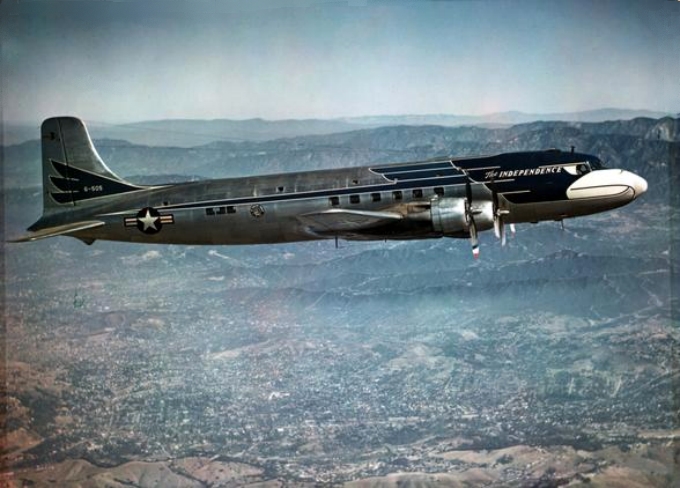
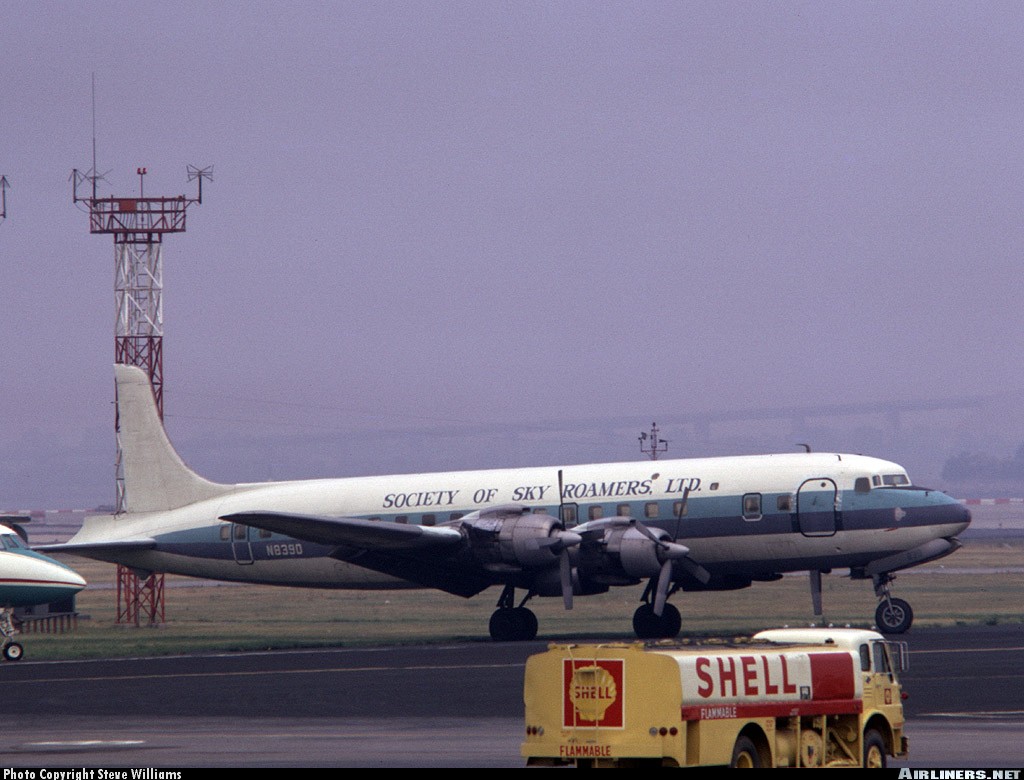
The Douglas DC-6 is the piston-engined four-motor airliner with which the Douglas Aircraft Company took on Lockheed in the post-war long-range commercial market. It began as a military order: in 1944 the United States Army Air Forces asked…
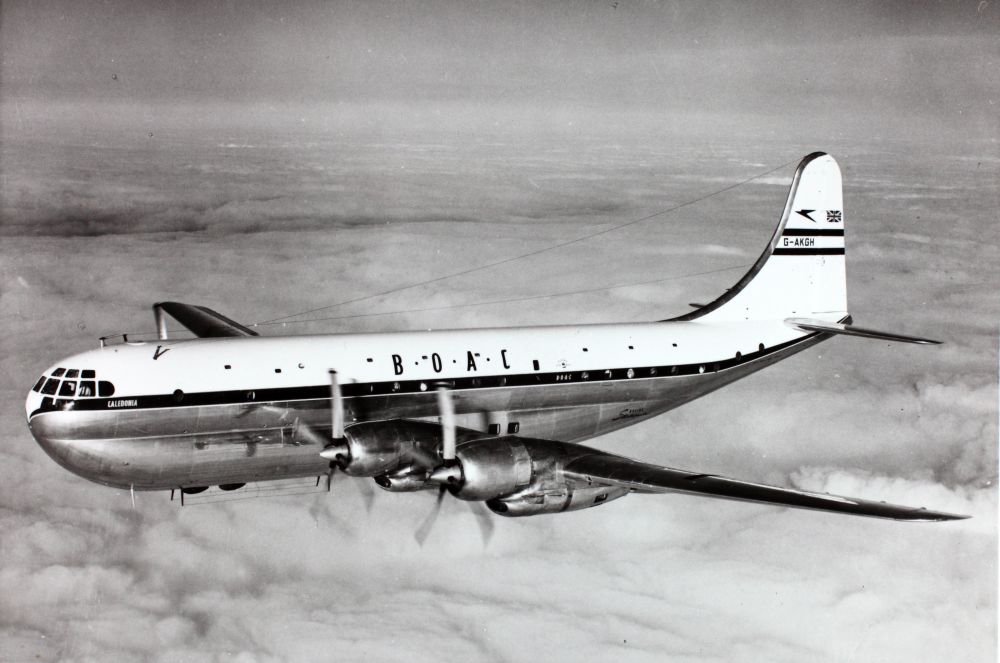
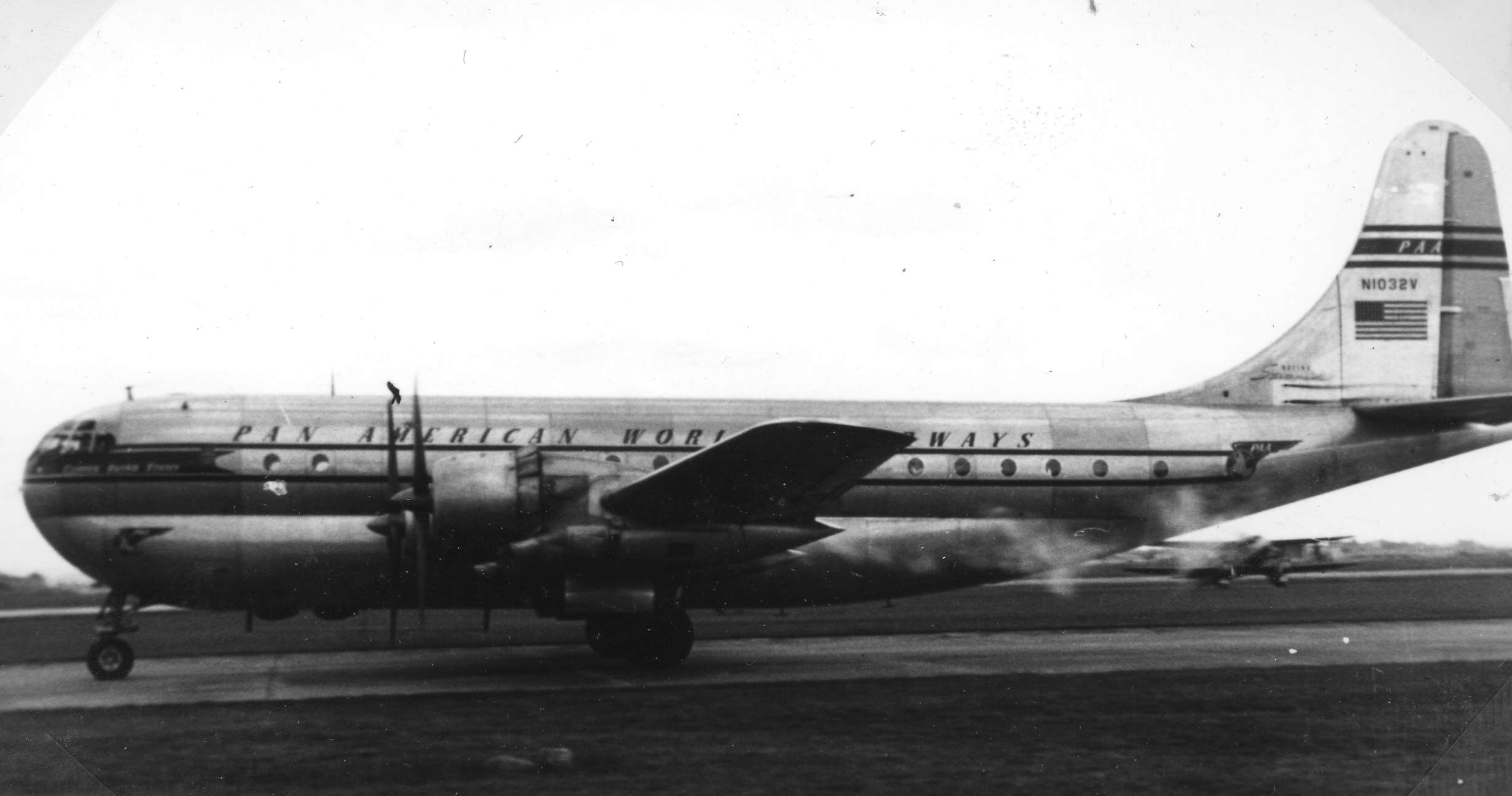
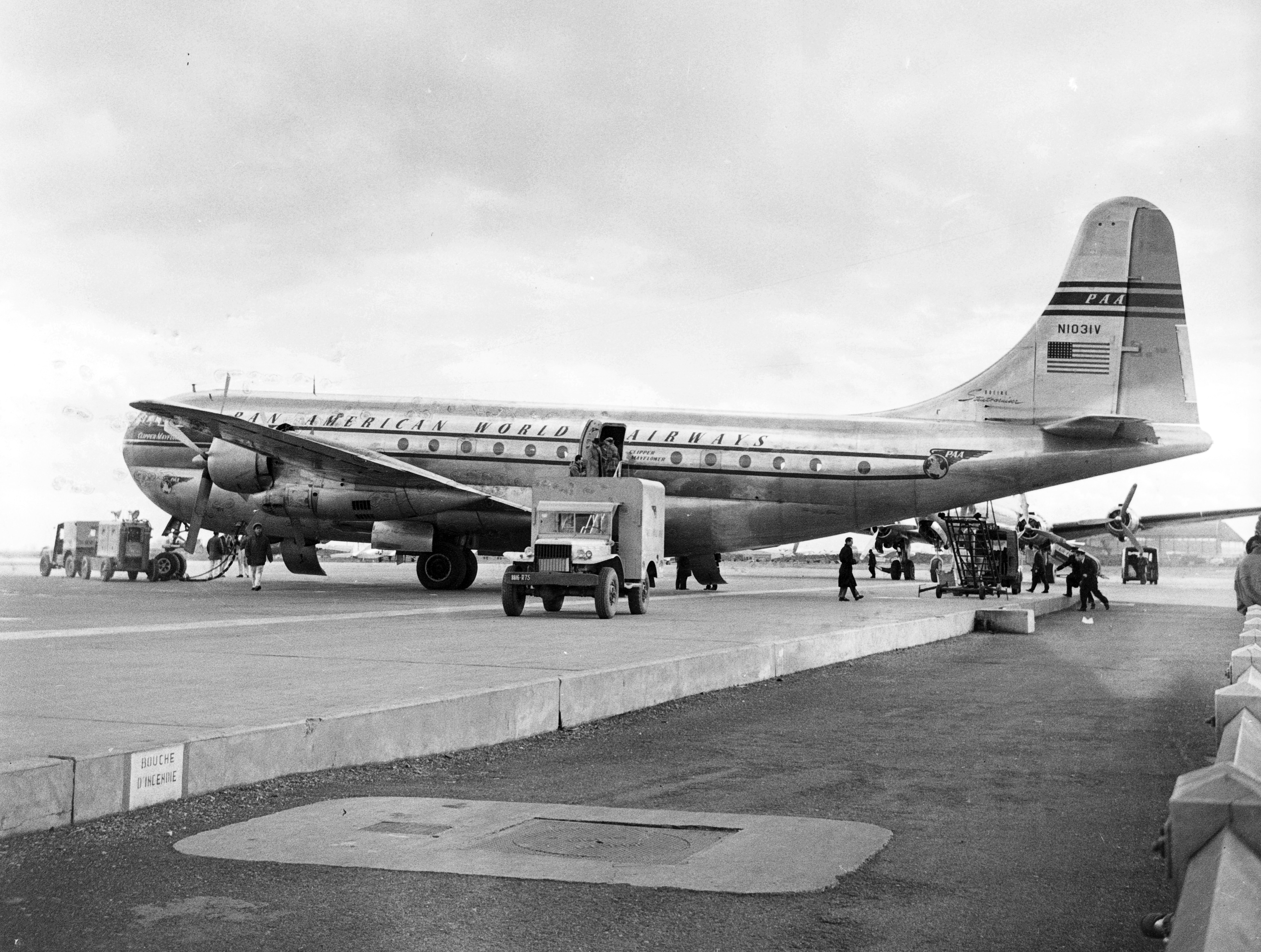
The Boeing 377 Stratocruiser, the civil derivative of the C-97 and ultimately of the B-29 bomber, first flew on 8 July 1947 and entered service with Pan American on 1 April 1949. With its double-deck fuselage and lower-deck lounge it…
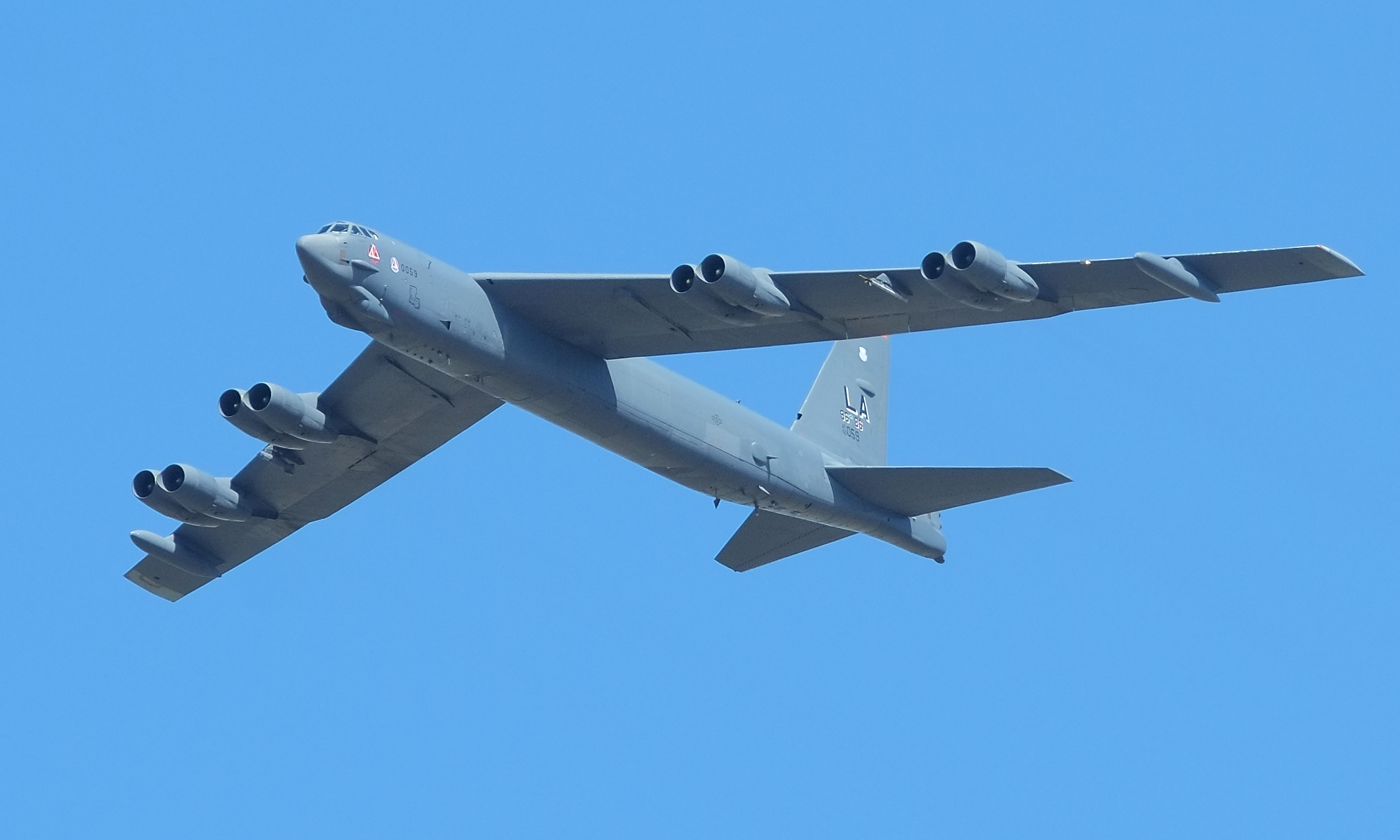
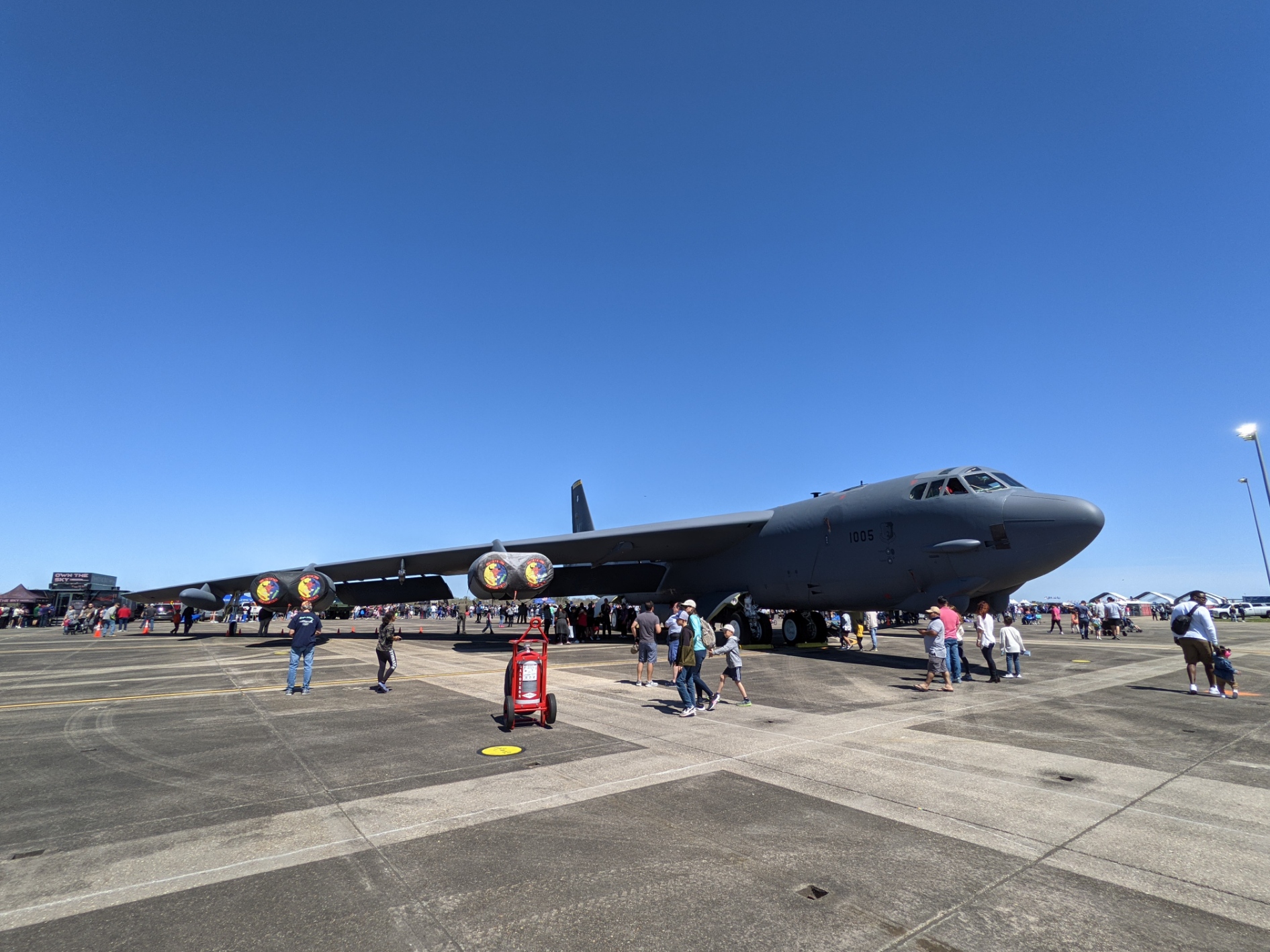
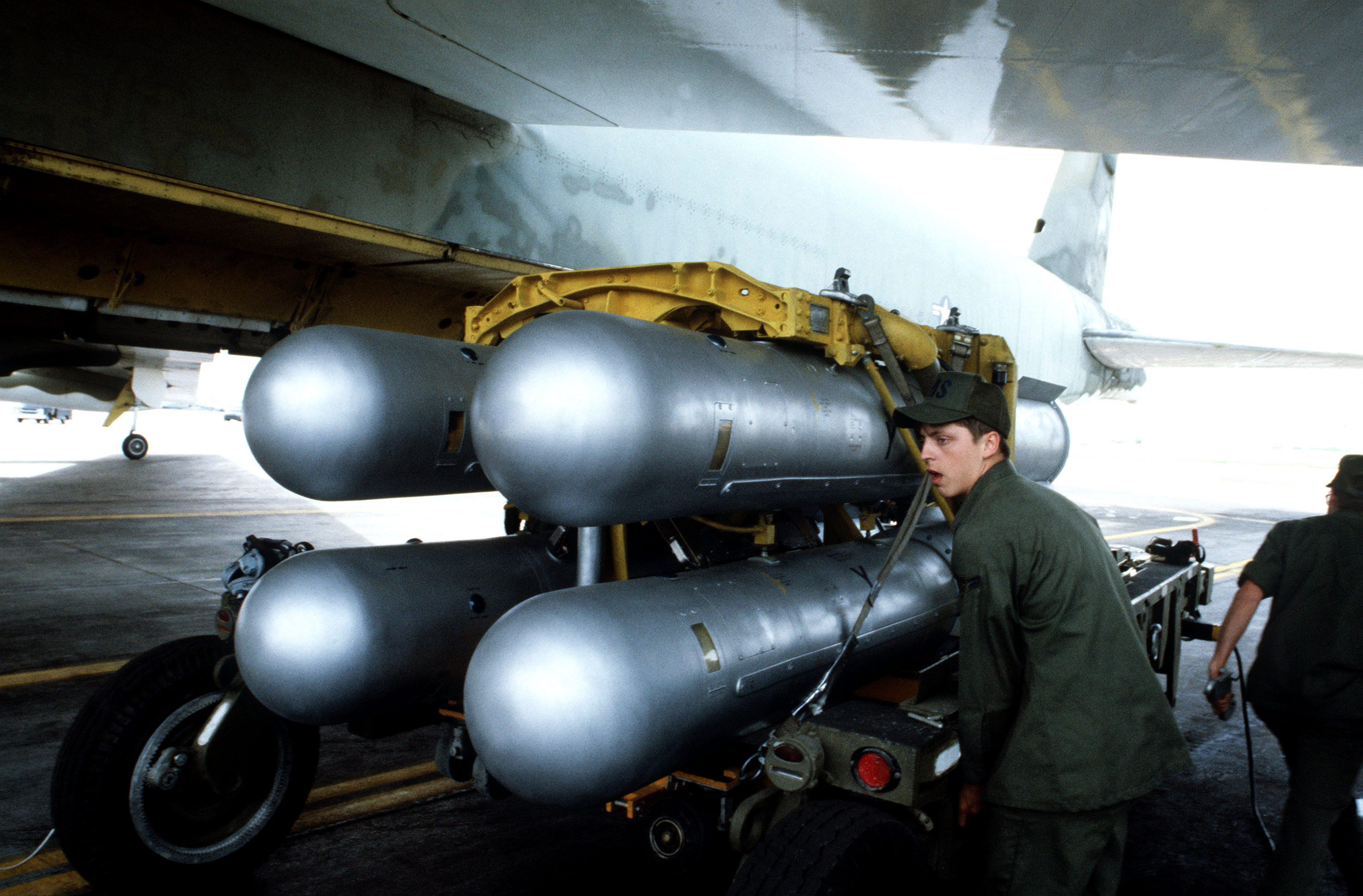
The Boeing B-52 Stratofortress is a subsonic, eight-engined heavy strategic bomber conceived in the early Cold War to deliver nuclear weapons anywhere on the globe without relying on intermediate bases. It has flown with the United States…
The Douglas DC-7 was the last large piston-engined airliner built by the Douglas Aircraft Company, produced between 1953 and 1958 as a direct derivative of the DC-6. It answered a very specific request from American Airlines: an aircraft…
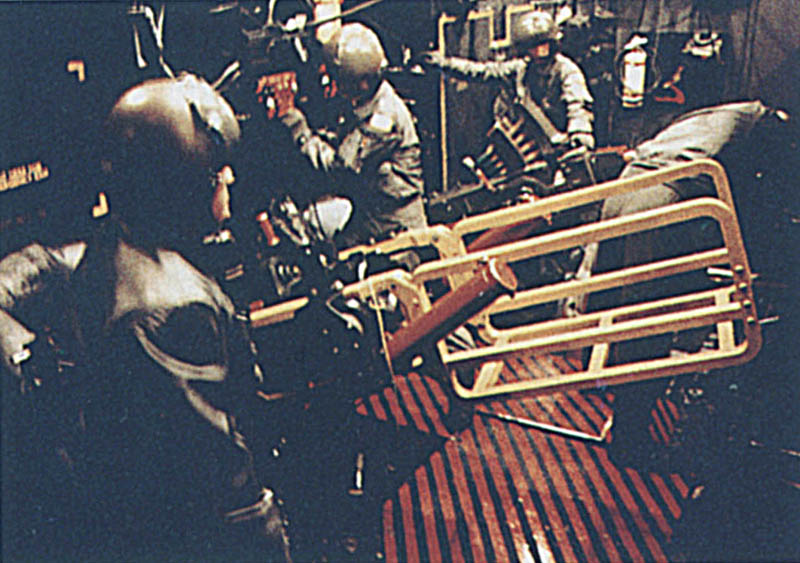
The Lockheed C-130 Hercules is an American four-engined turboprop military transport aircraft, designed and built by Lockheed (now Lockheed Martin), with a high wing and a rear loading ramp. Conceived to carry troops, cargo and casualties…
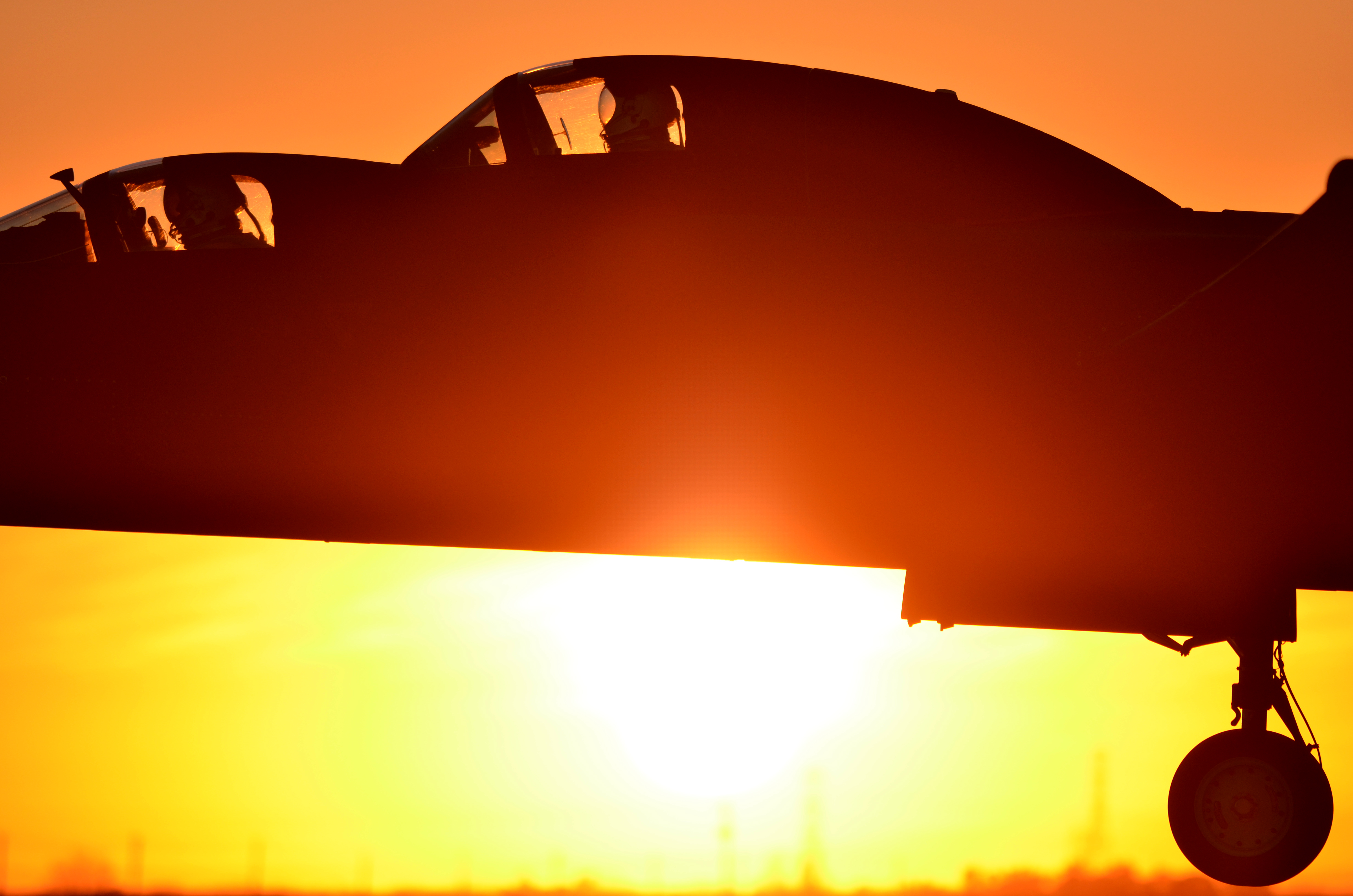
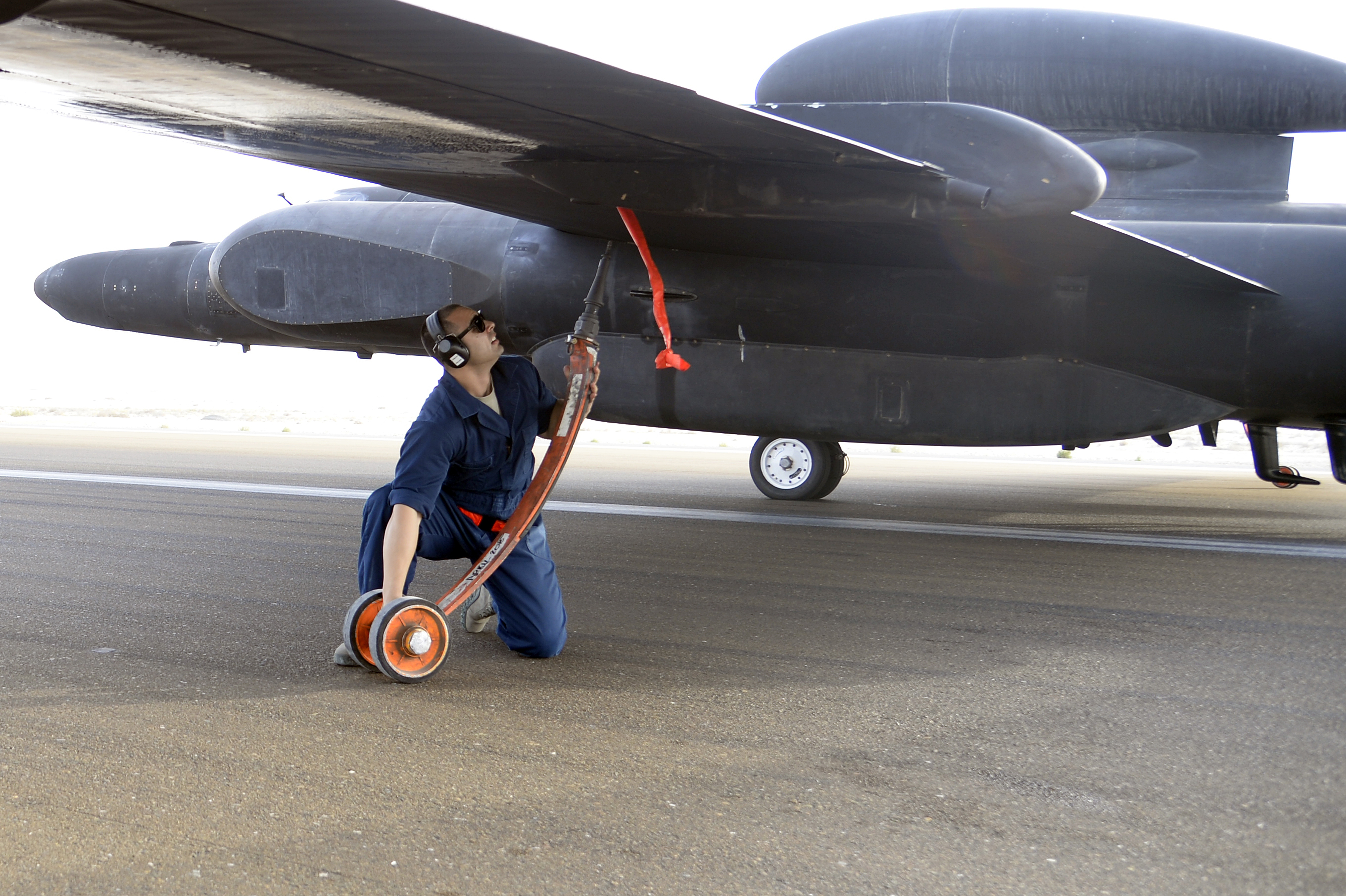
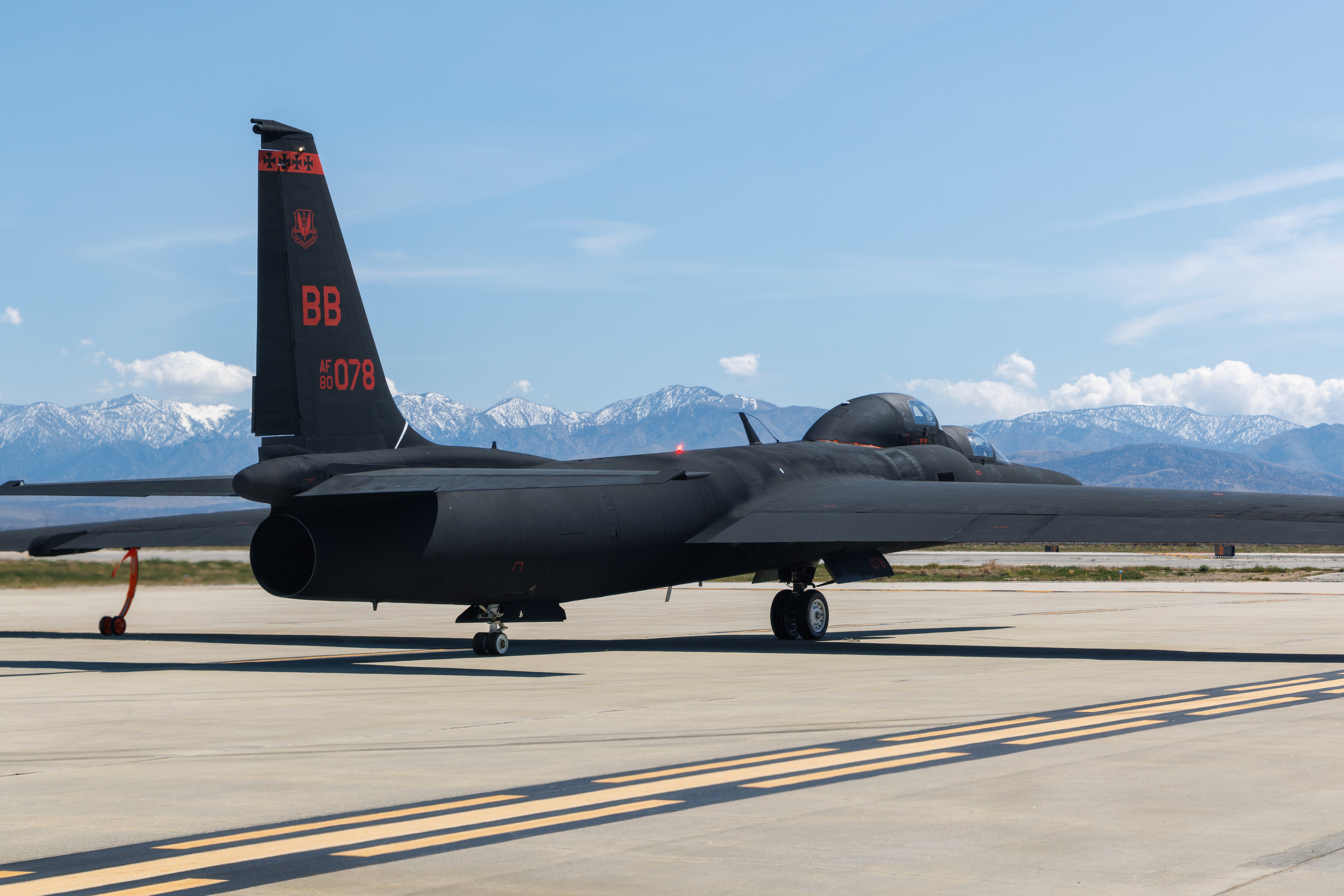
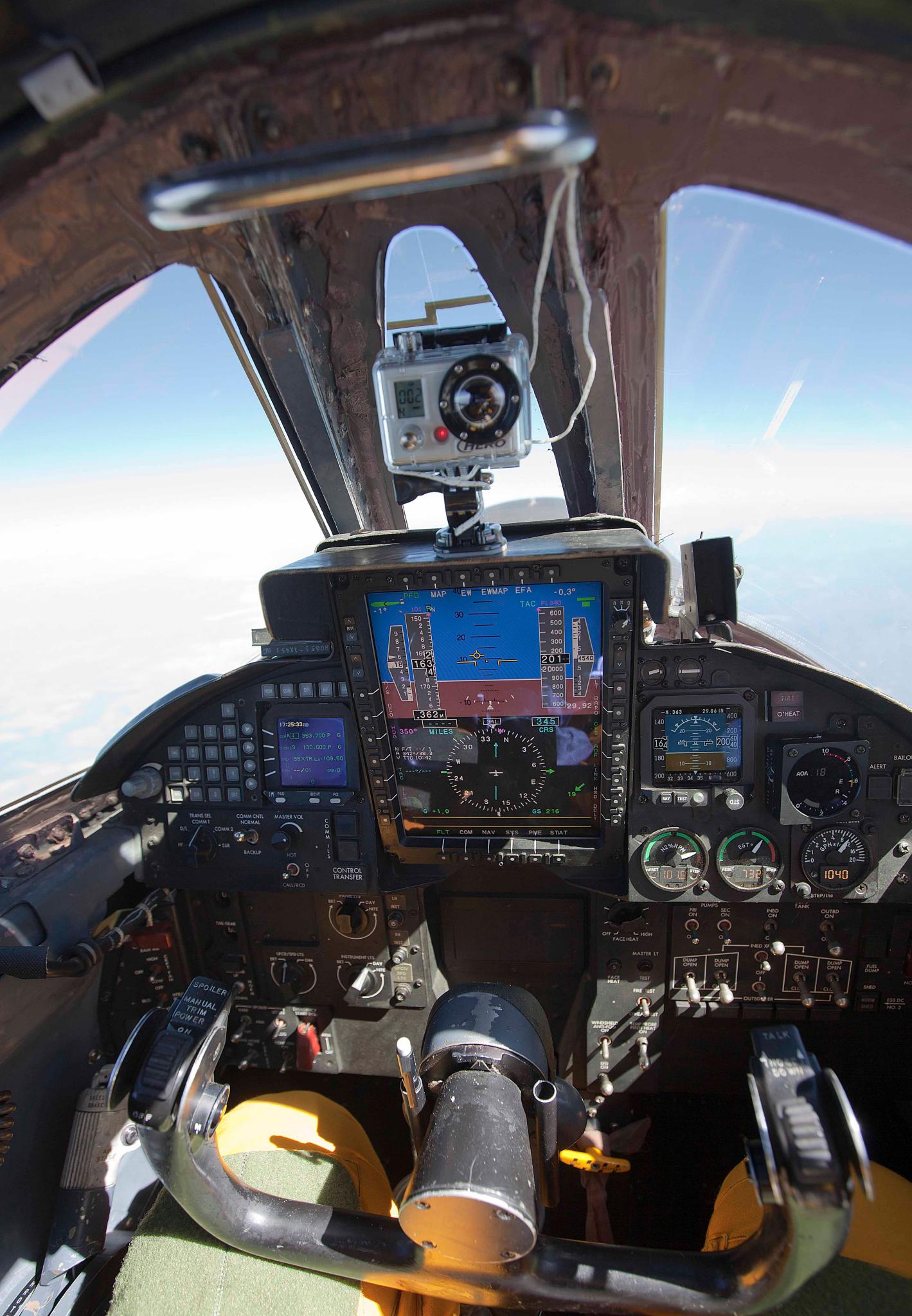
The Lockheed U-2 is a high-altitude strategic reconnaissance aircraft: a single-seater with enormously long, narrow wings, one jet engine and a structure pared down to the lightest airframe its designers could get away with, conceived in…
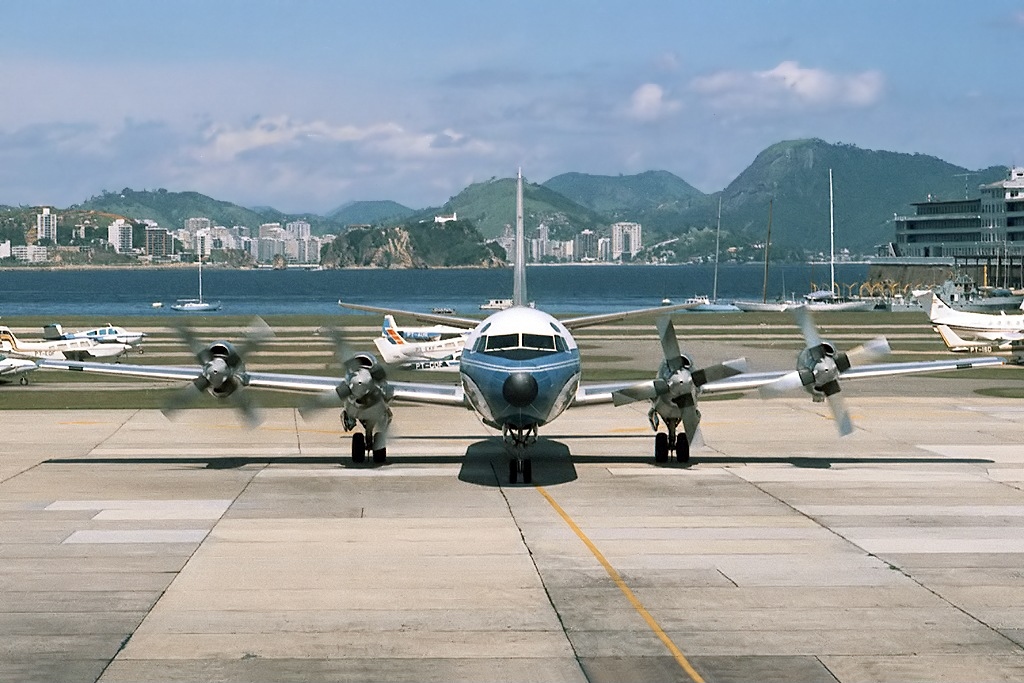
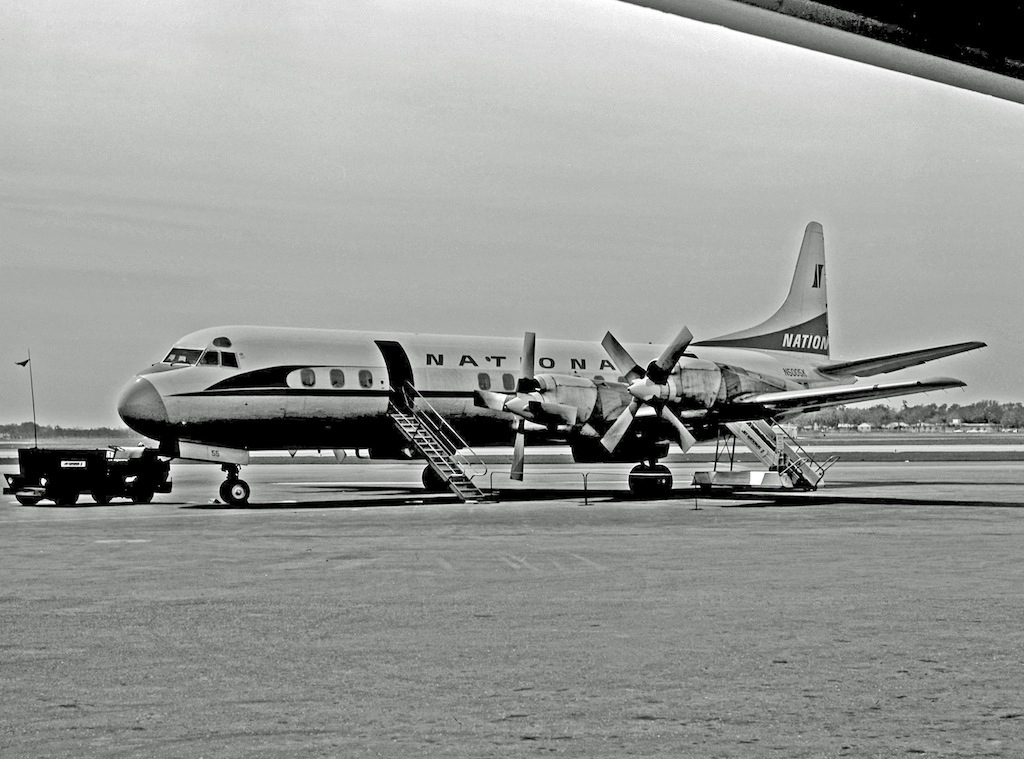
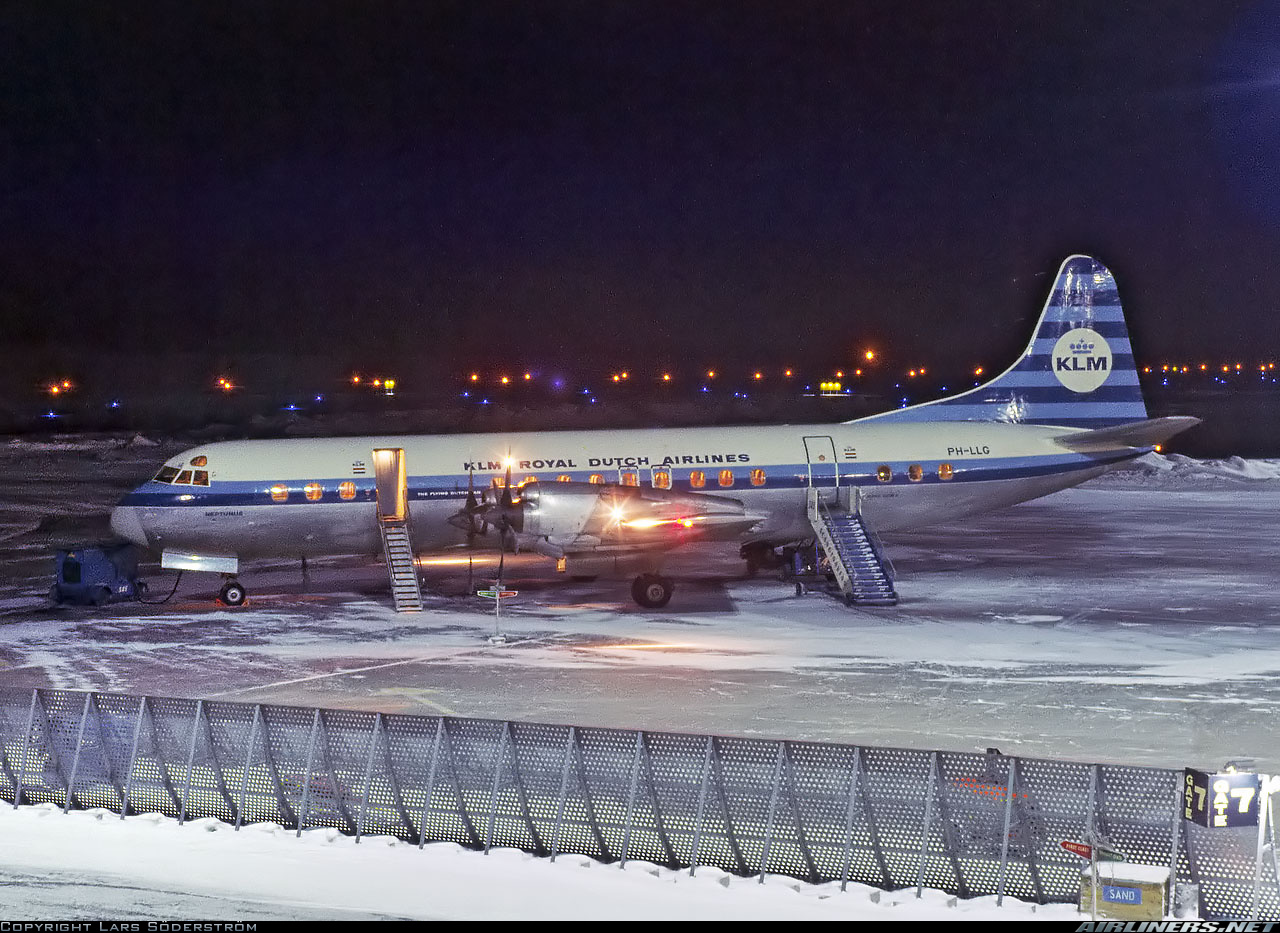
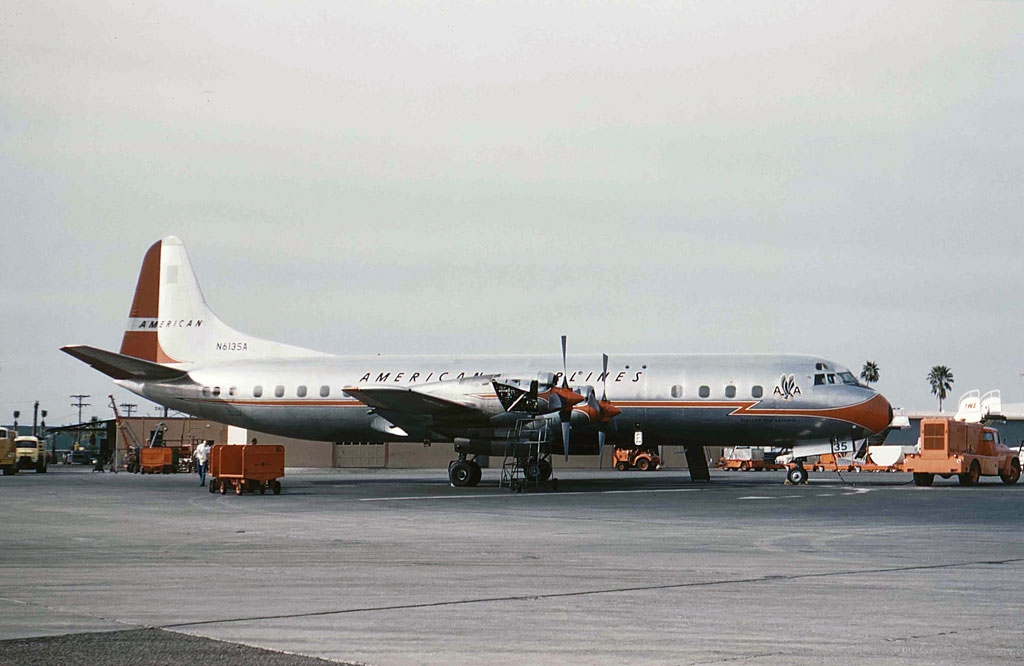
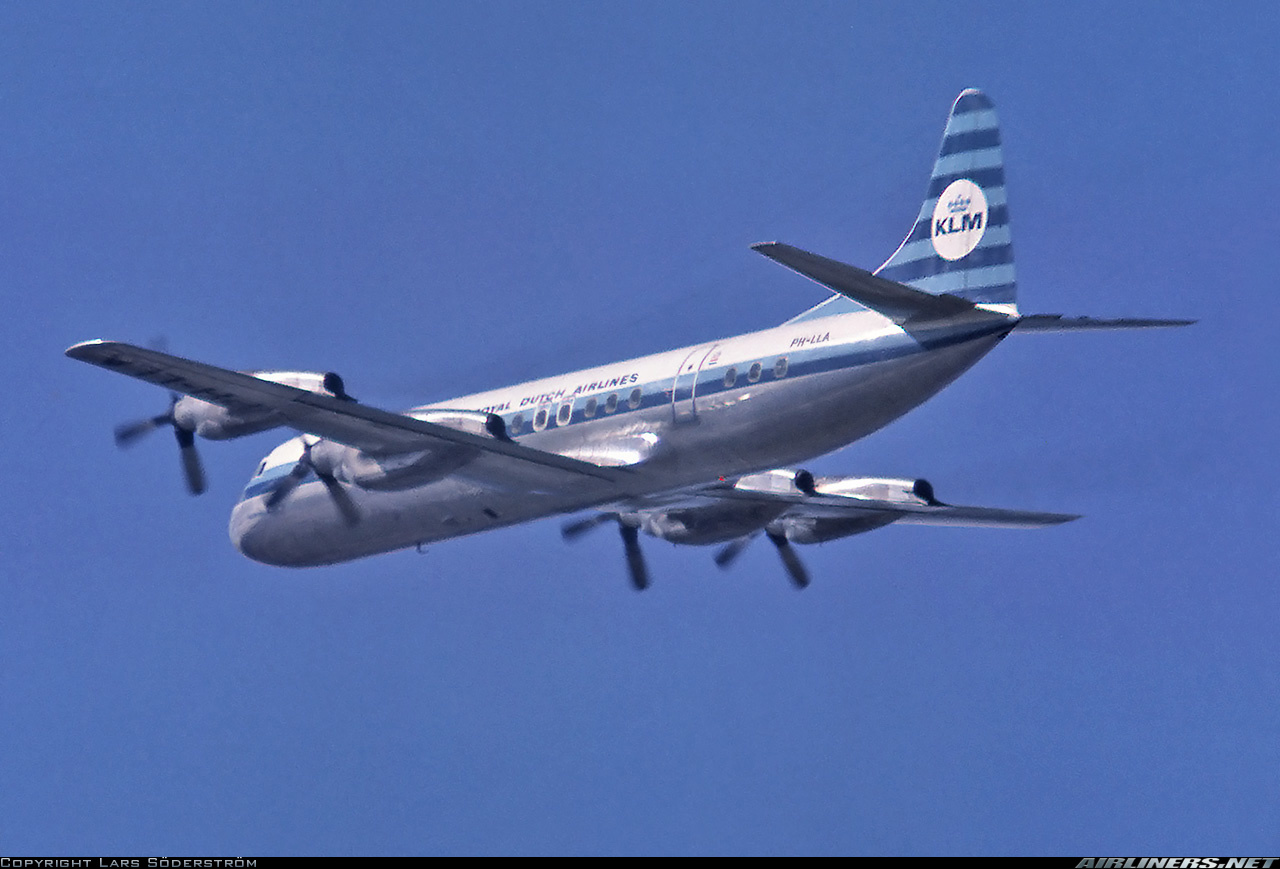
First flown on December 6, 1957, the Lockheed L-188 Electra was the first large turboprop airliner built in the United States. Its passenger career proved short, yet the sturdy airframe went on to a long second life hauling cargo and…
The McDonnell Douglas F-4 Phantom II is a large two-seat, twin-engine, all-weather fighter that McDonnell Aircraft designed for the United States Navy as a fleet defence interceptor and which proved equally capable as a fighter-bomber and…
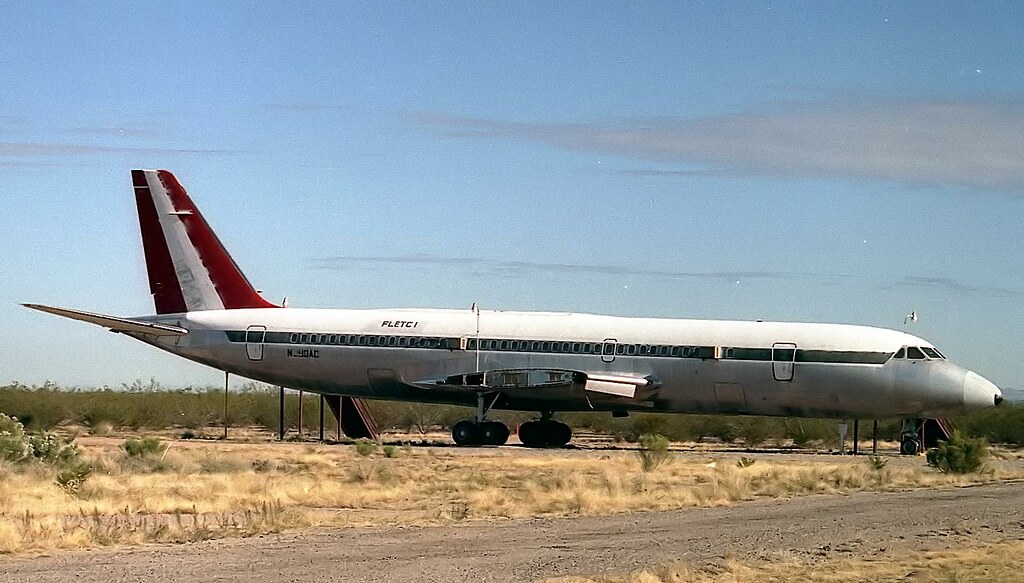
"Convair 880, Marana, Arizona, 1990" by In Memoriam: PhillipC is licensed under CC BY 2.0. To view a copy of this license, visit https://creativecommons.org/licenses/by/2.0/.
The Convair 880 was an American narrow-body jet airliner that first flew on 27 January 1959 and entered service with Delta Air Lines in 1960. Marketed on sheer speed, it proved a commercial failure, with only 65 aircraft built.
The Northrop F-5 is a family of supersonic light fighters conceived in the late 1950s as a privately funded Northrop Corporation venture. Two generations share the designation: the original F-5A and F-5B Freedom Fighter and the deeply…
The Convair 990 Coronado was the last jet airliner designed and built by Convair, the San Diego division of General Dynamics, and the fastest four-engined passenger jet of its generation. It grew out of a specific request from American…
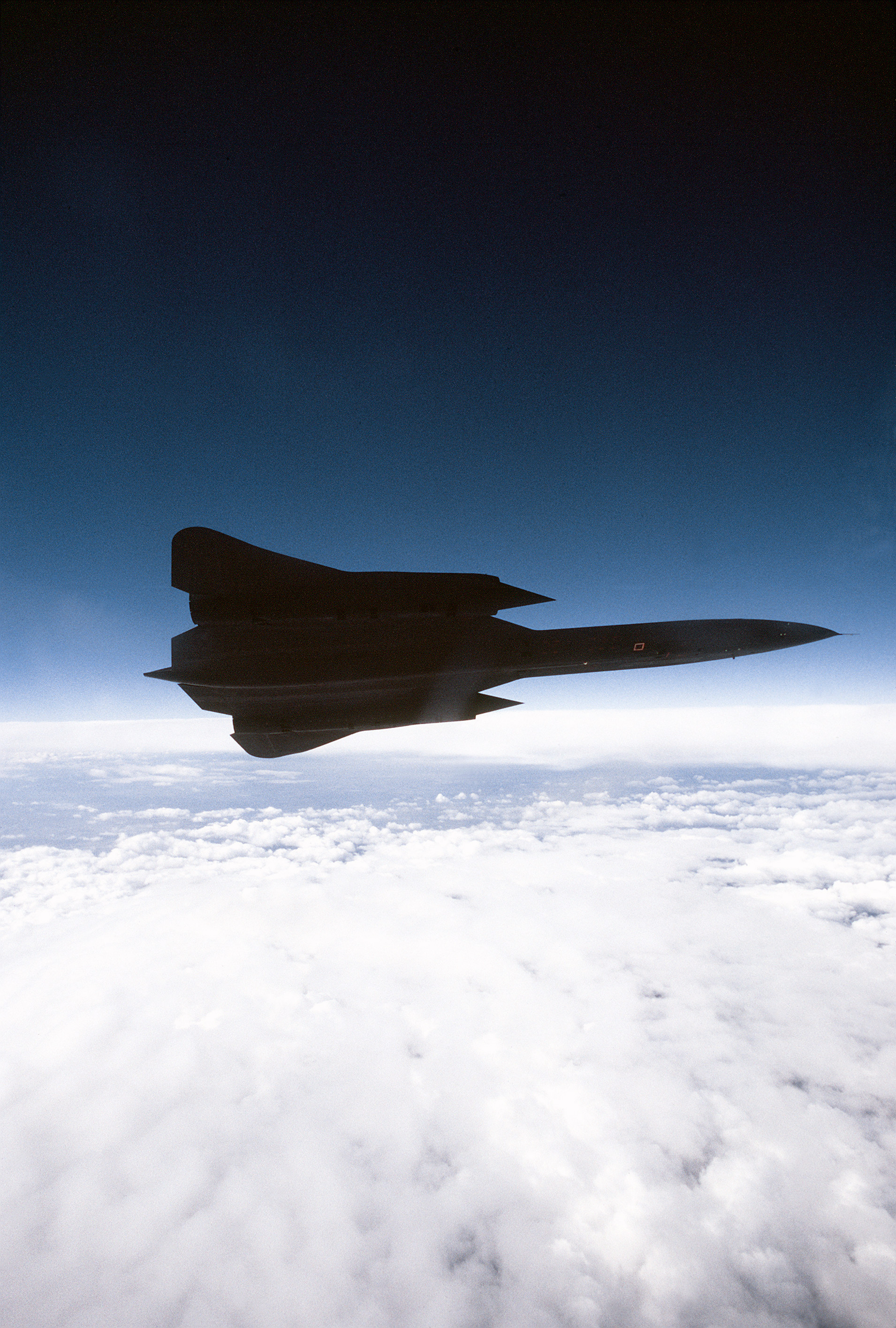
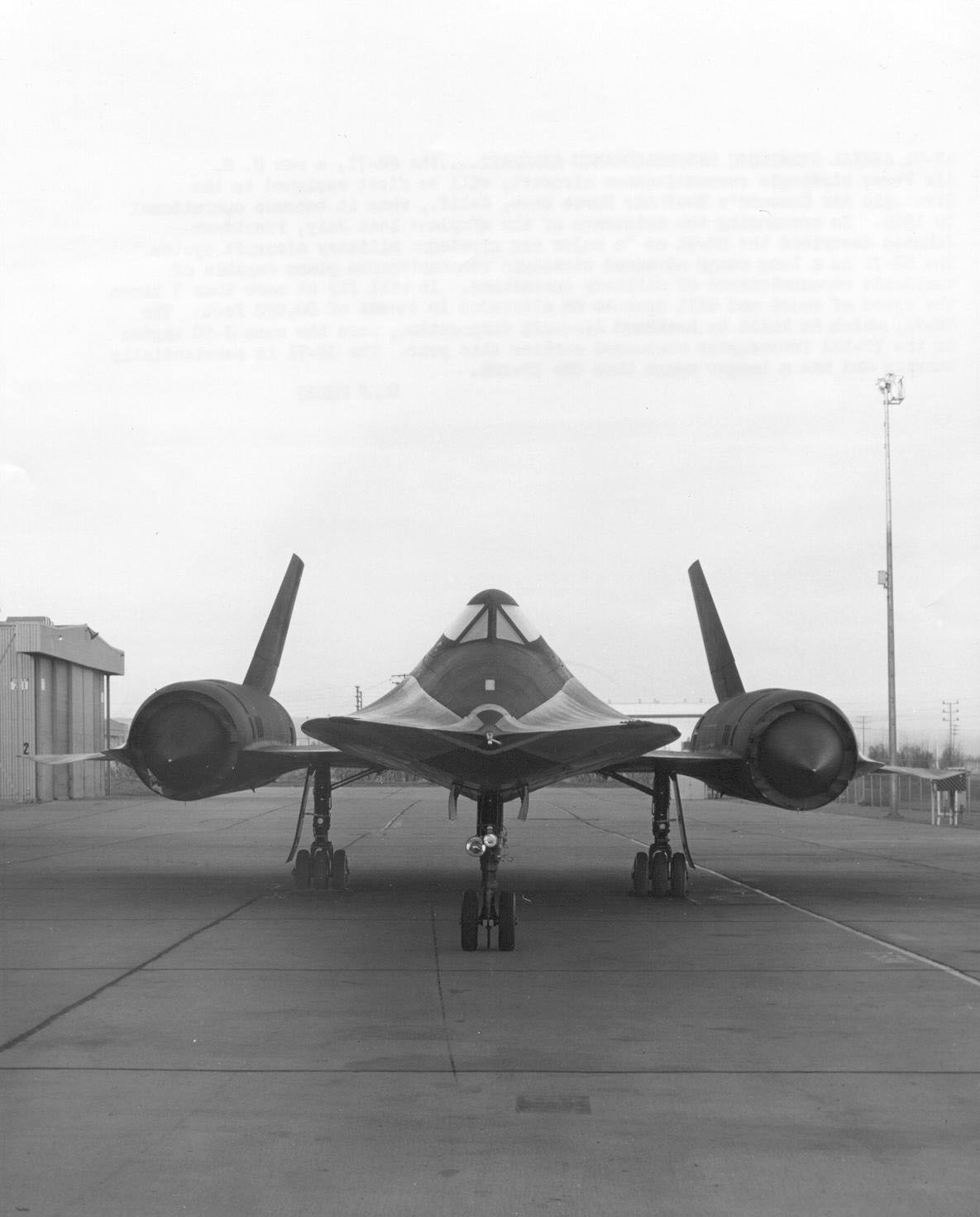
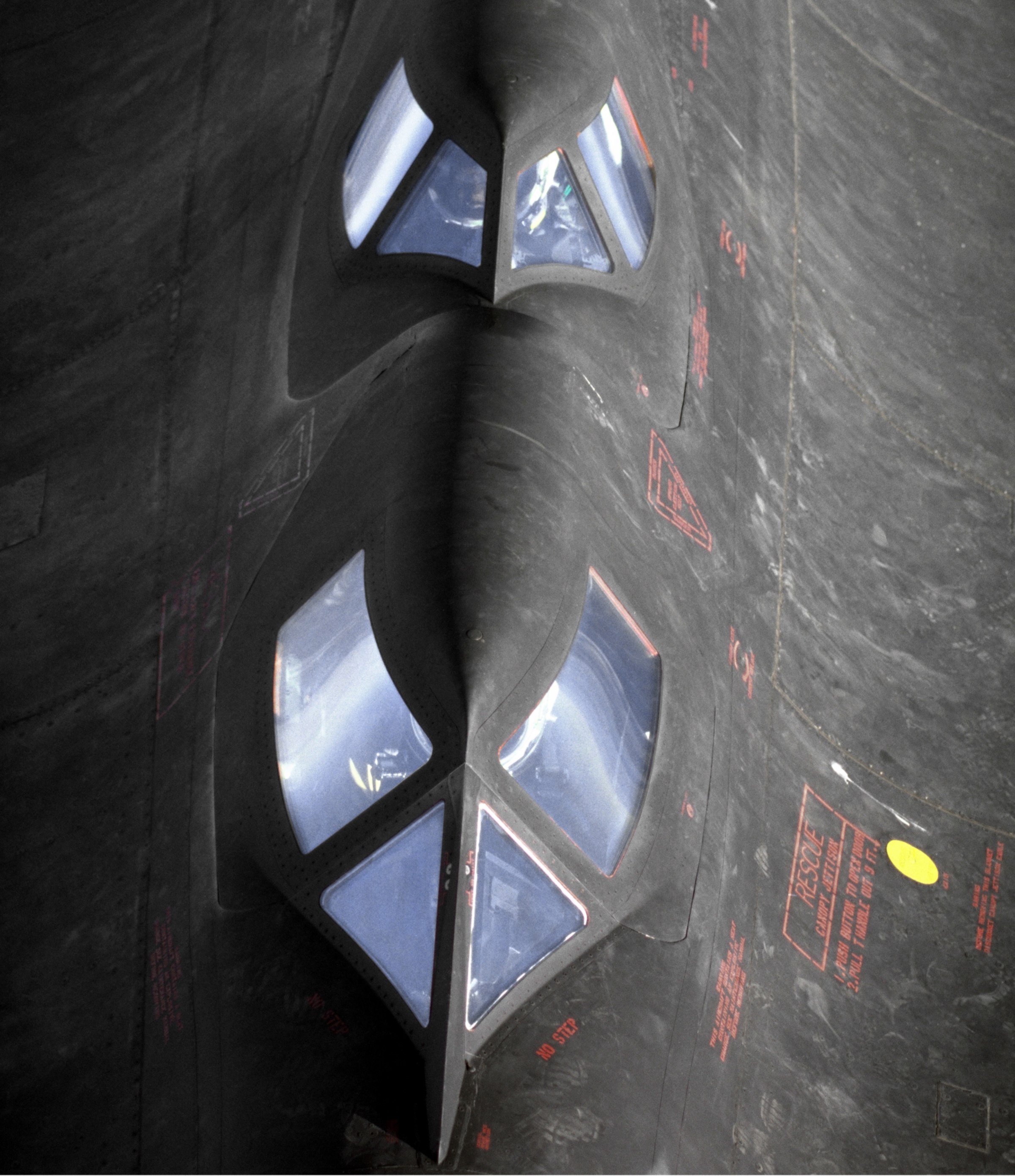
The Lockheed SR-71 "Blackbird" was the fastest and highest-flying reconnaissance aircraft ever to enter operational service: a two-seat machine able to cross continents above Mach 3 and beyond 80,000 feet, built to photograph hostile…
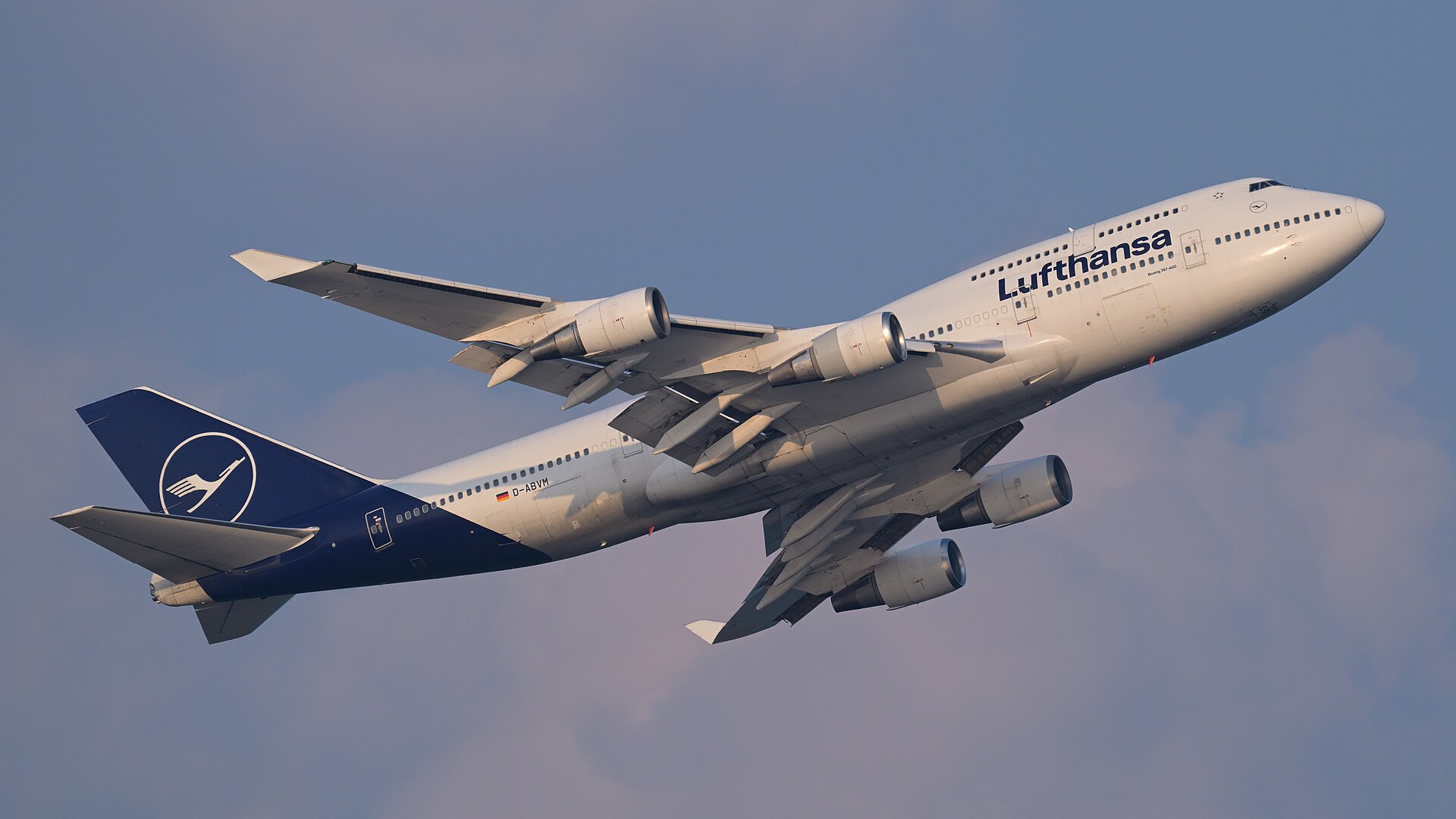
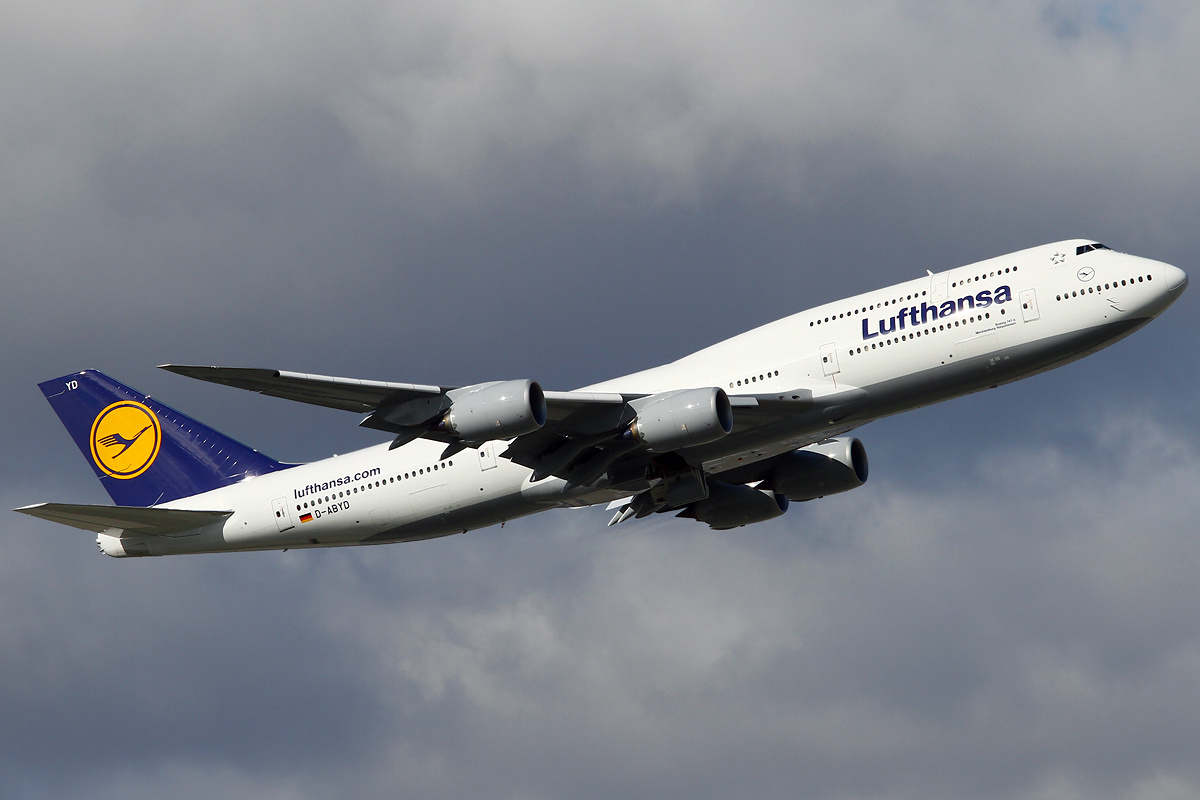
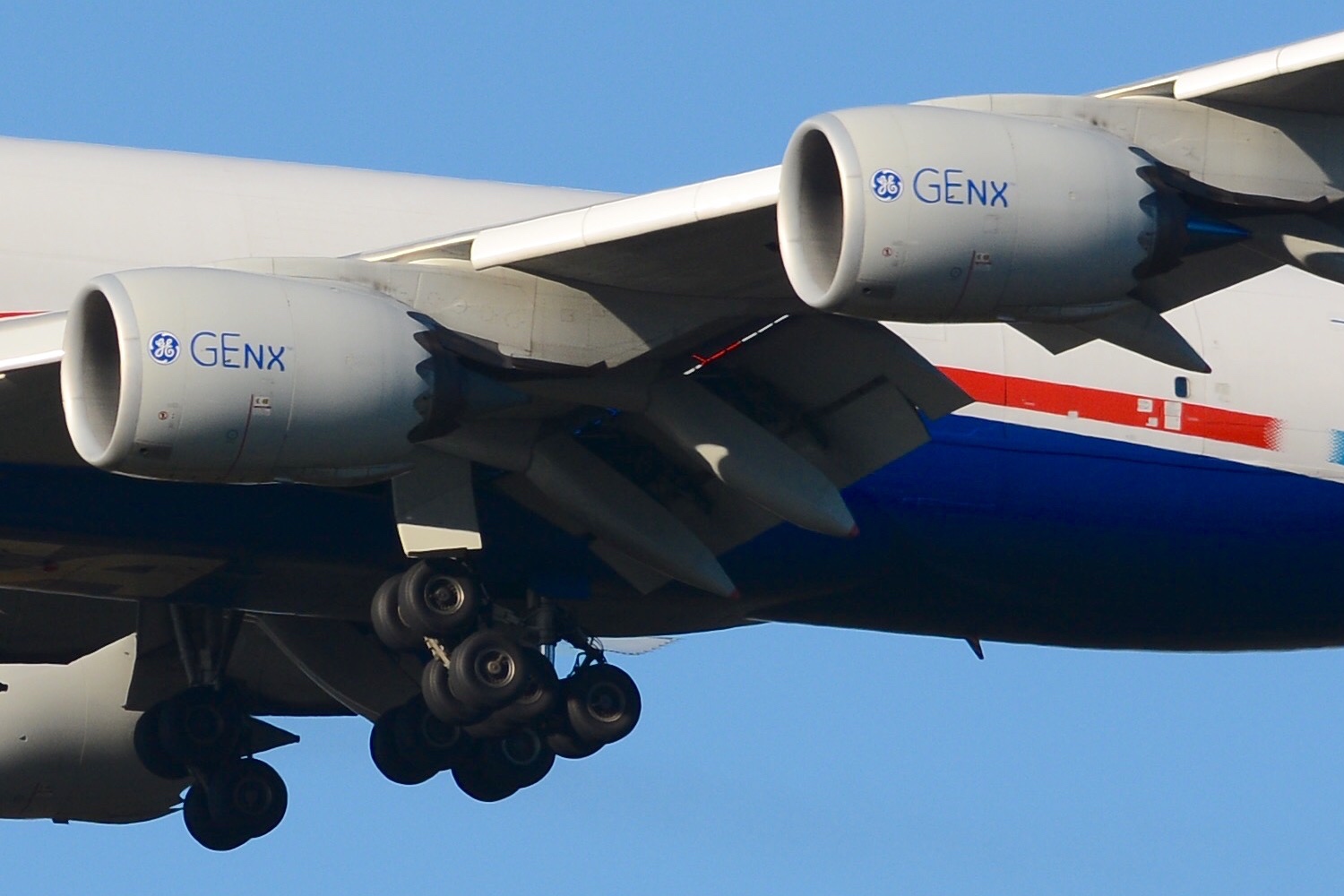
The Boeing 747 was history's first wide-body airliner and, for half a century, the very symbol of intercontinental flight. Nicknamed the "Jumbo", its partial double-deck silhouette made it the most recognisable aircraft ever built:…
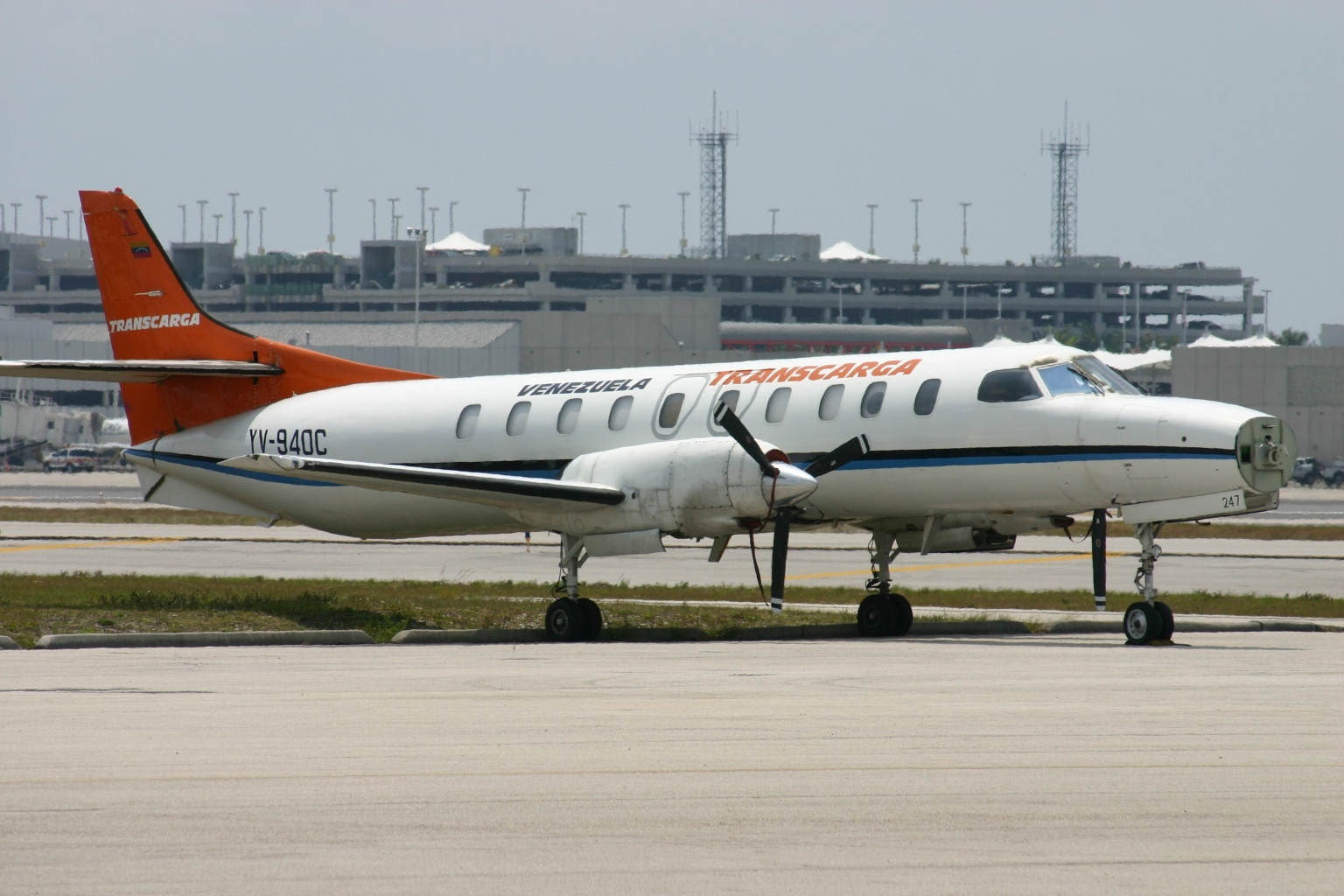
The Fairchild Swearingen Metroliner brought the regional market a pressurised 19-seat twin grown out of the Swearingen Merlin business aircraft. It flew on 26 August 1969, entered service in 1972, and its long, narrow fuselage became a…
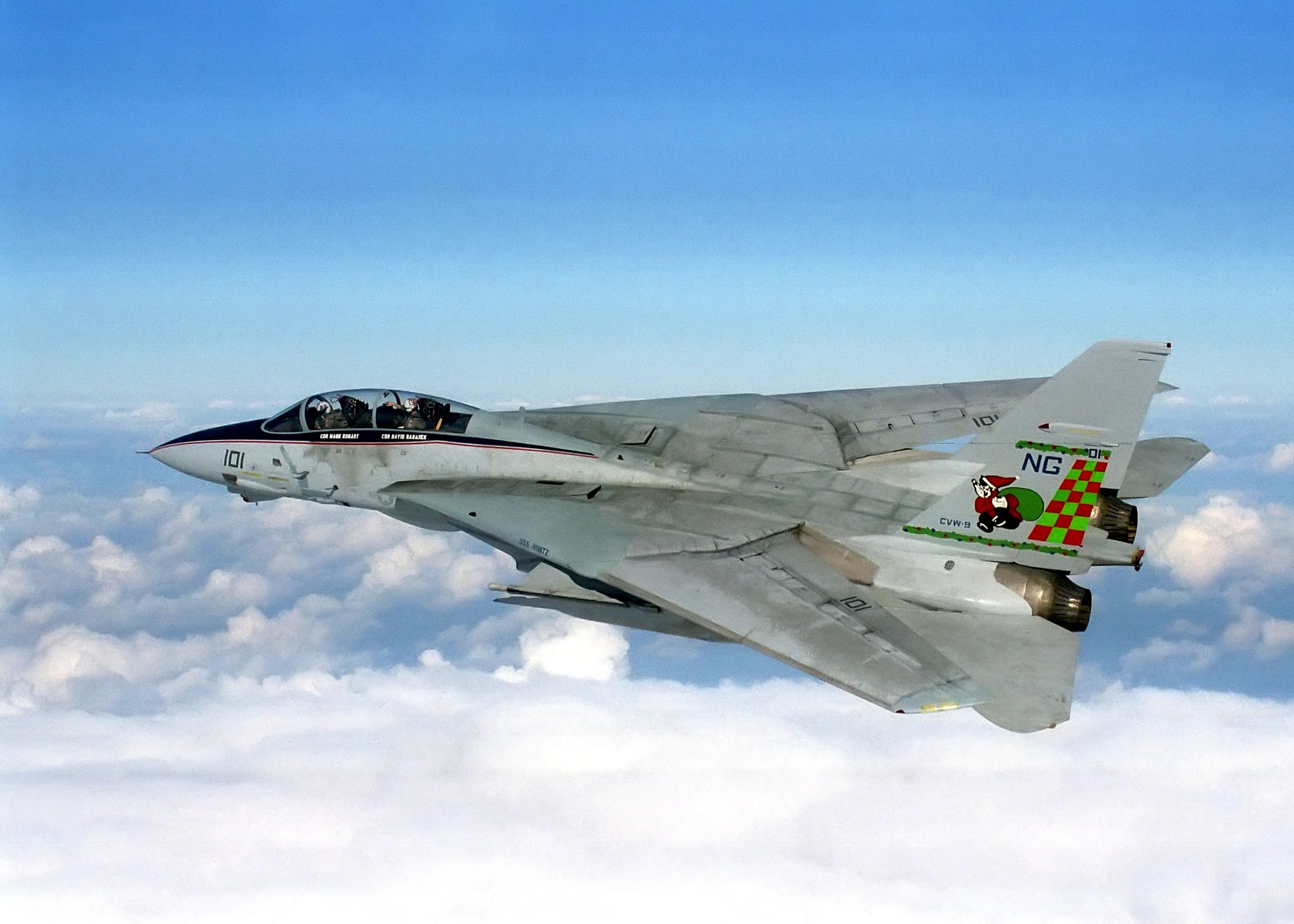
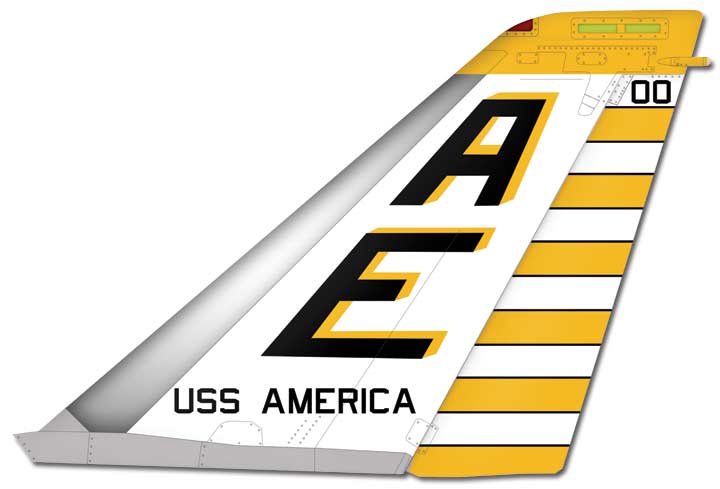
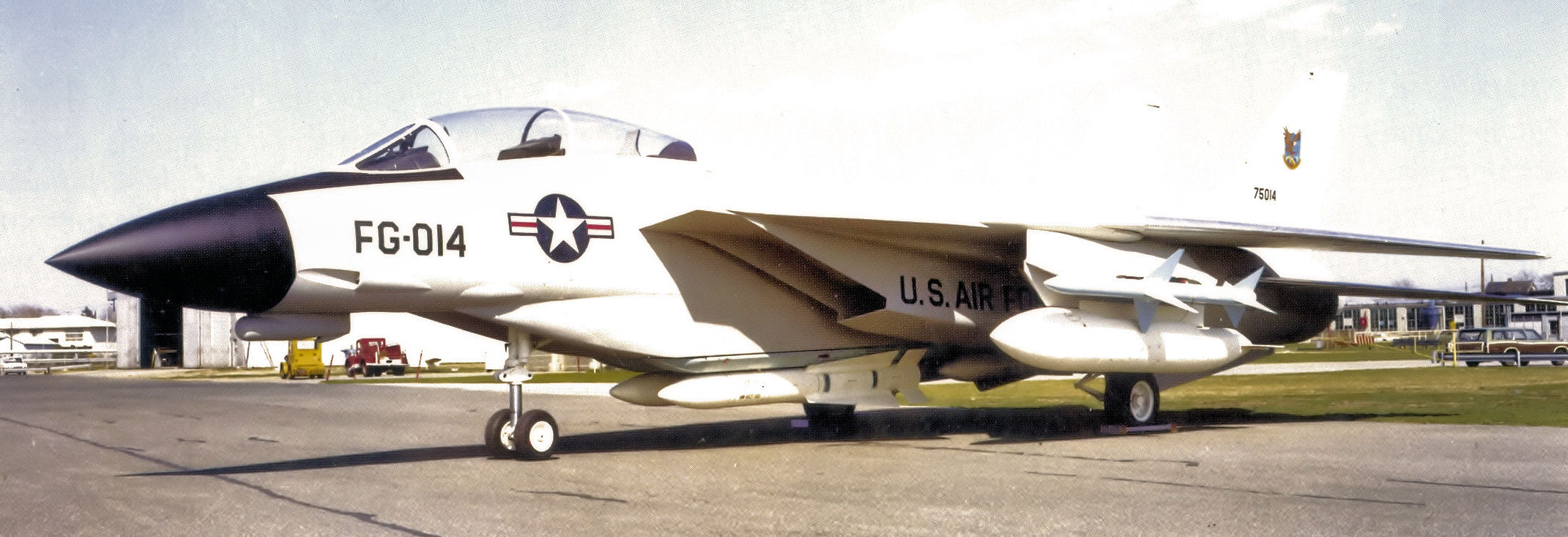
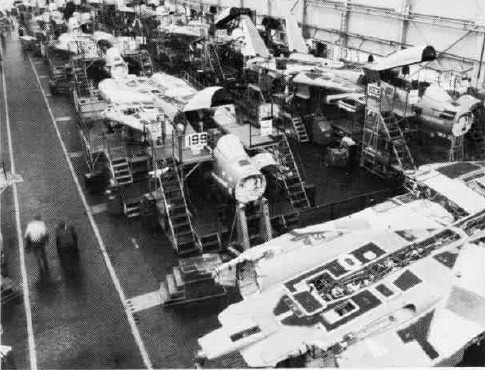
The Grumman F-14 Tomcat was a two-seat, twin-engine, variable-geometry carrier fighter built for one very specific job: to hold off, hundreds of kilometres from the carrier, the Soviet bombers that threatened to swamp an entire naval force…
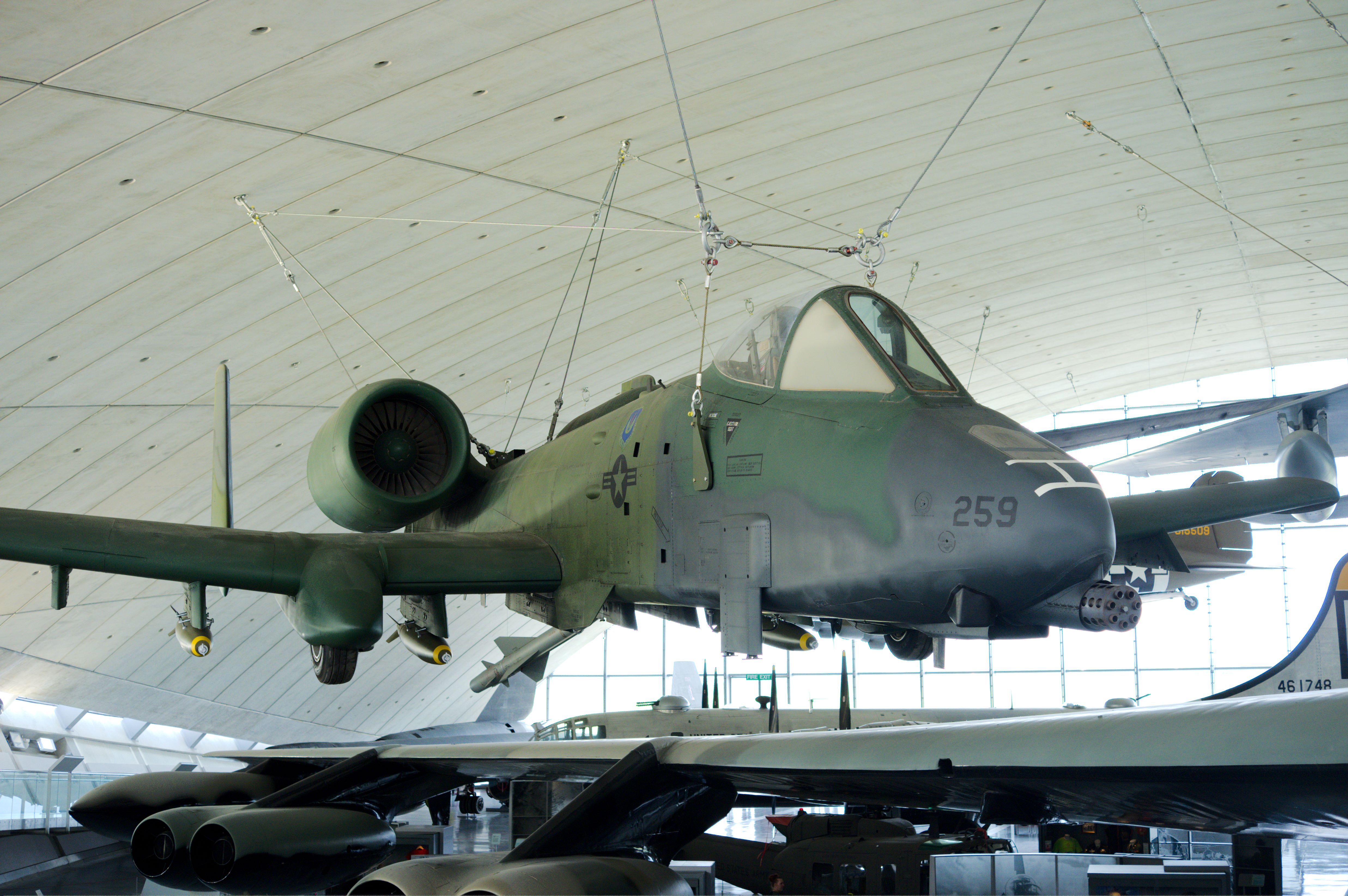
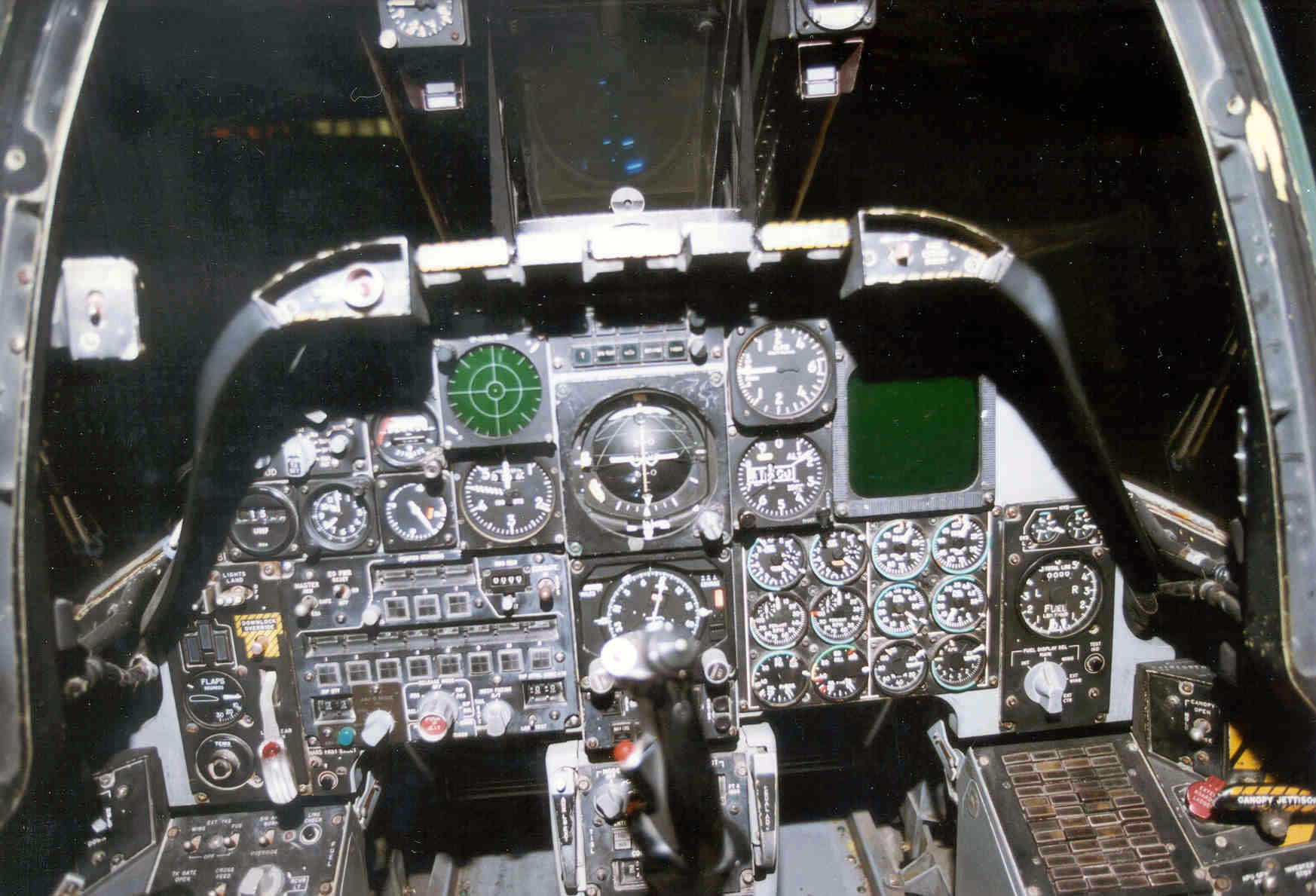
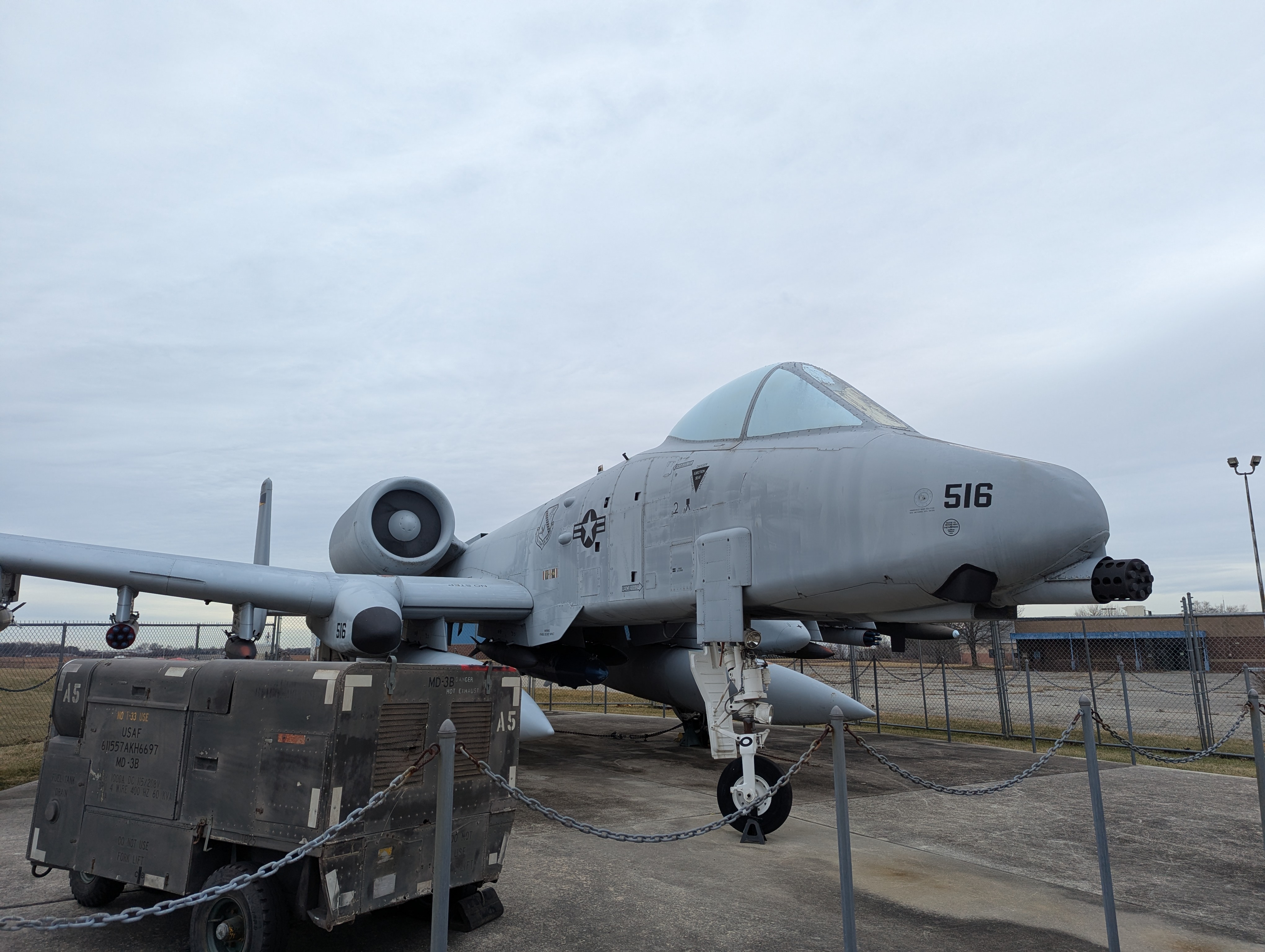
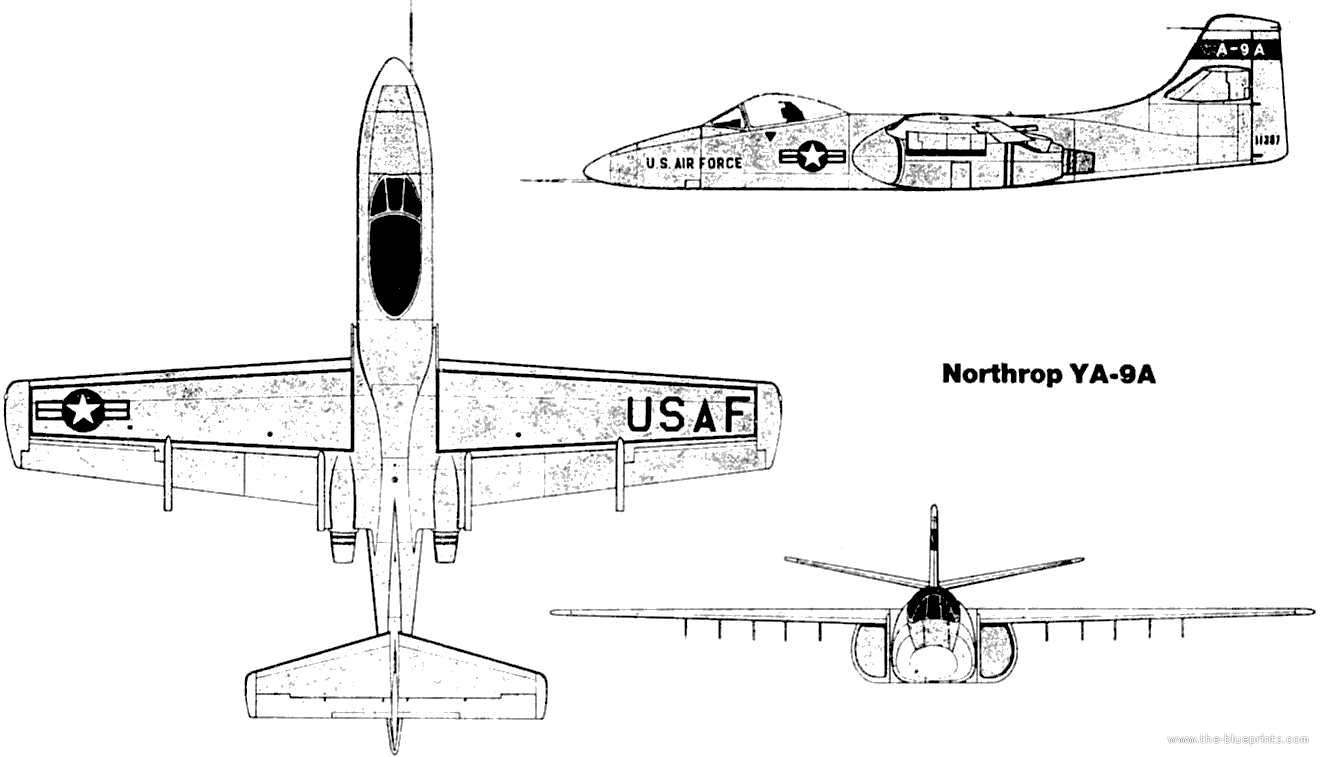
The Fairchild Republic A-10 Thunderbolt II, universally known by its "Warthog" nickname, is a single-seat, subsonic, straight-wing, twin-turbofan attack aircraft that has served with the United States Air Force since 1977. The USAF's own…
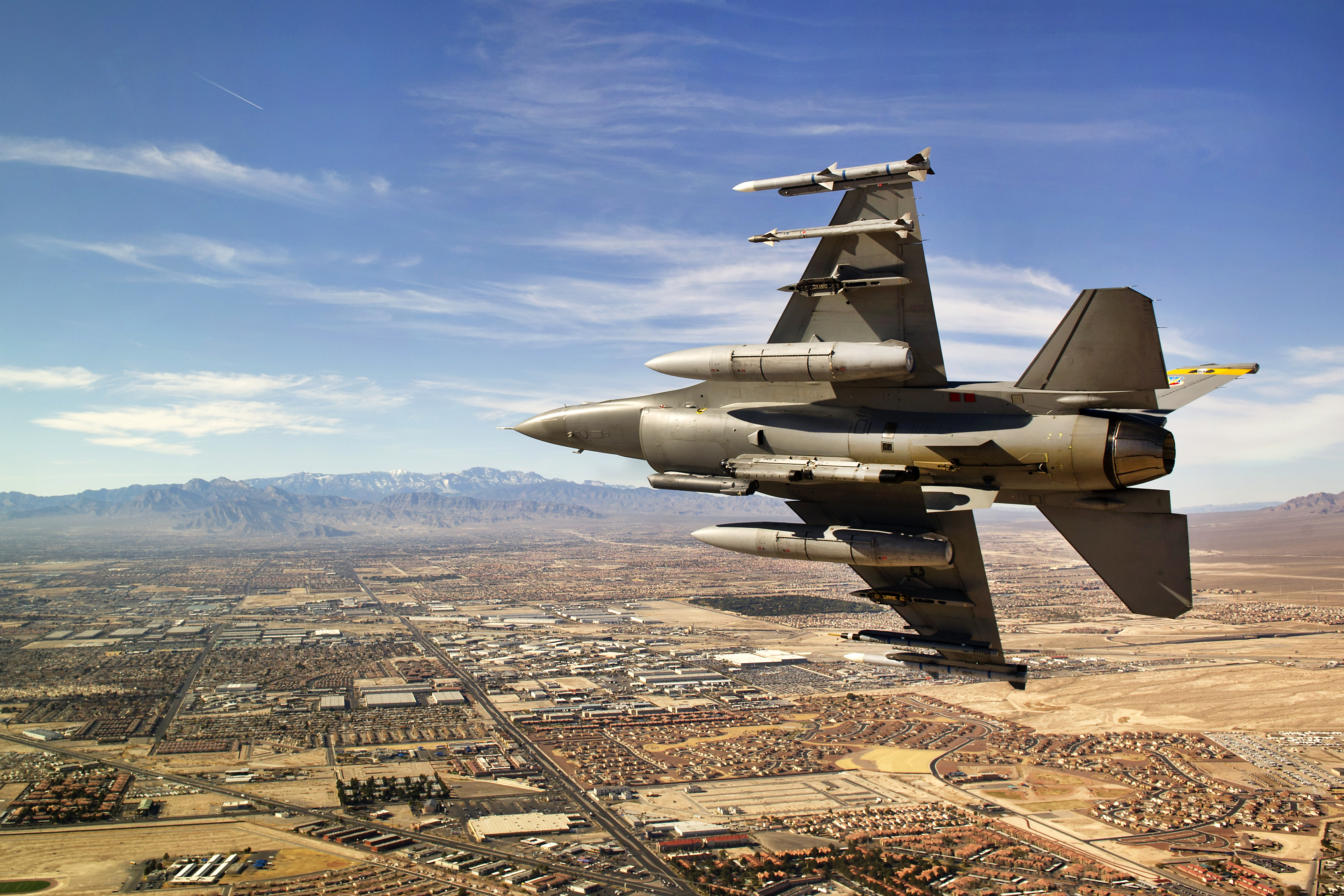
The General Dynamics F-16 Fighting Falcon is a single-engine, fourth-generation multirole fighter designed by General Dynamics and built by Lockheed Martin ever since the former sold its aircraft business in 1993. Its official maiden…
The McDonnell Douglas F/A-18 Hornet is a carrier-capable, supersonic, twin-engined, all-weather combat aircraft conceived as both a fighter and a ground-attack machine, hence the dual F/A designation. It was designed by McDonnell Douglas…
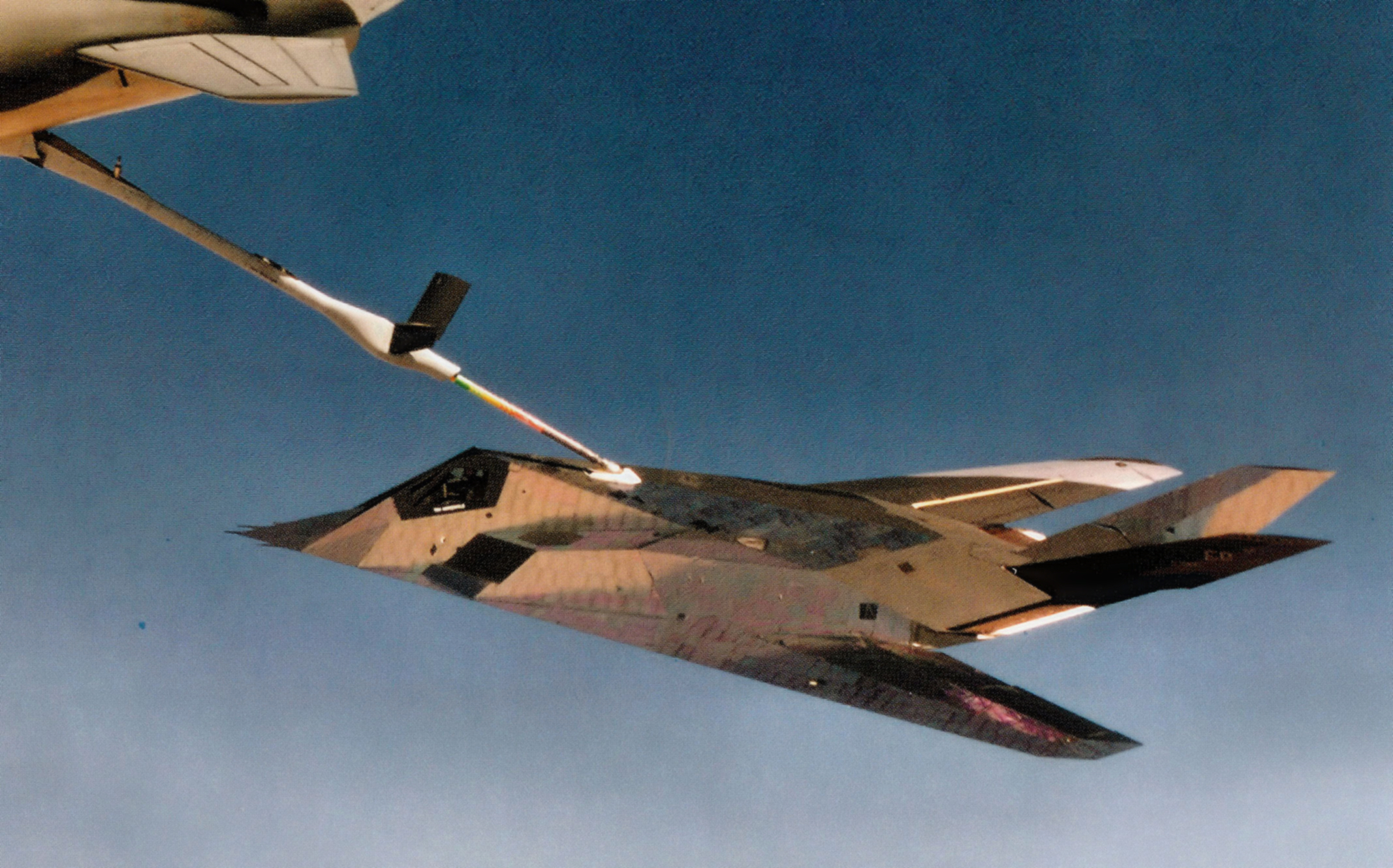
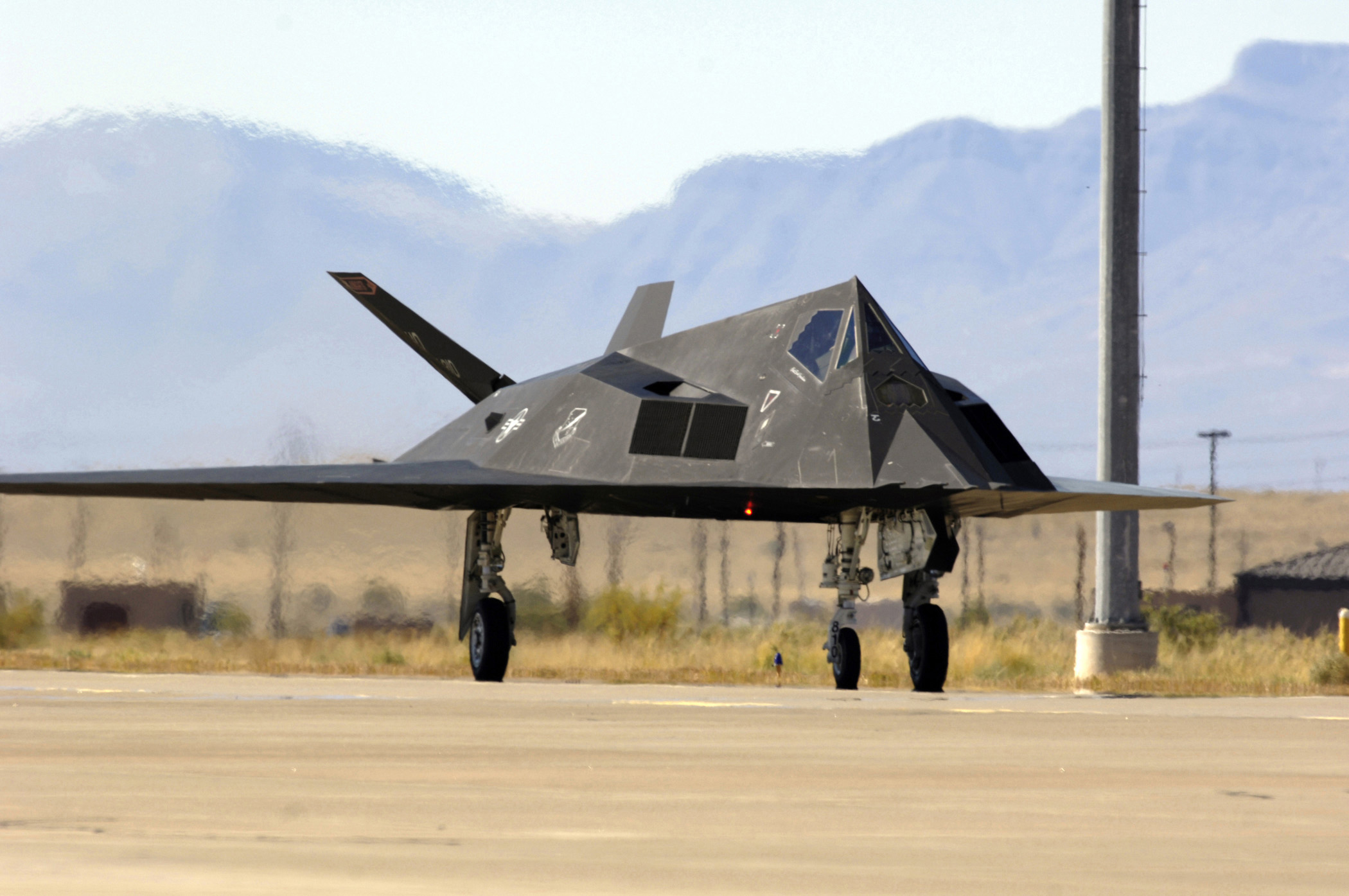
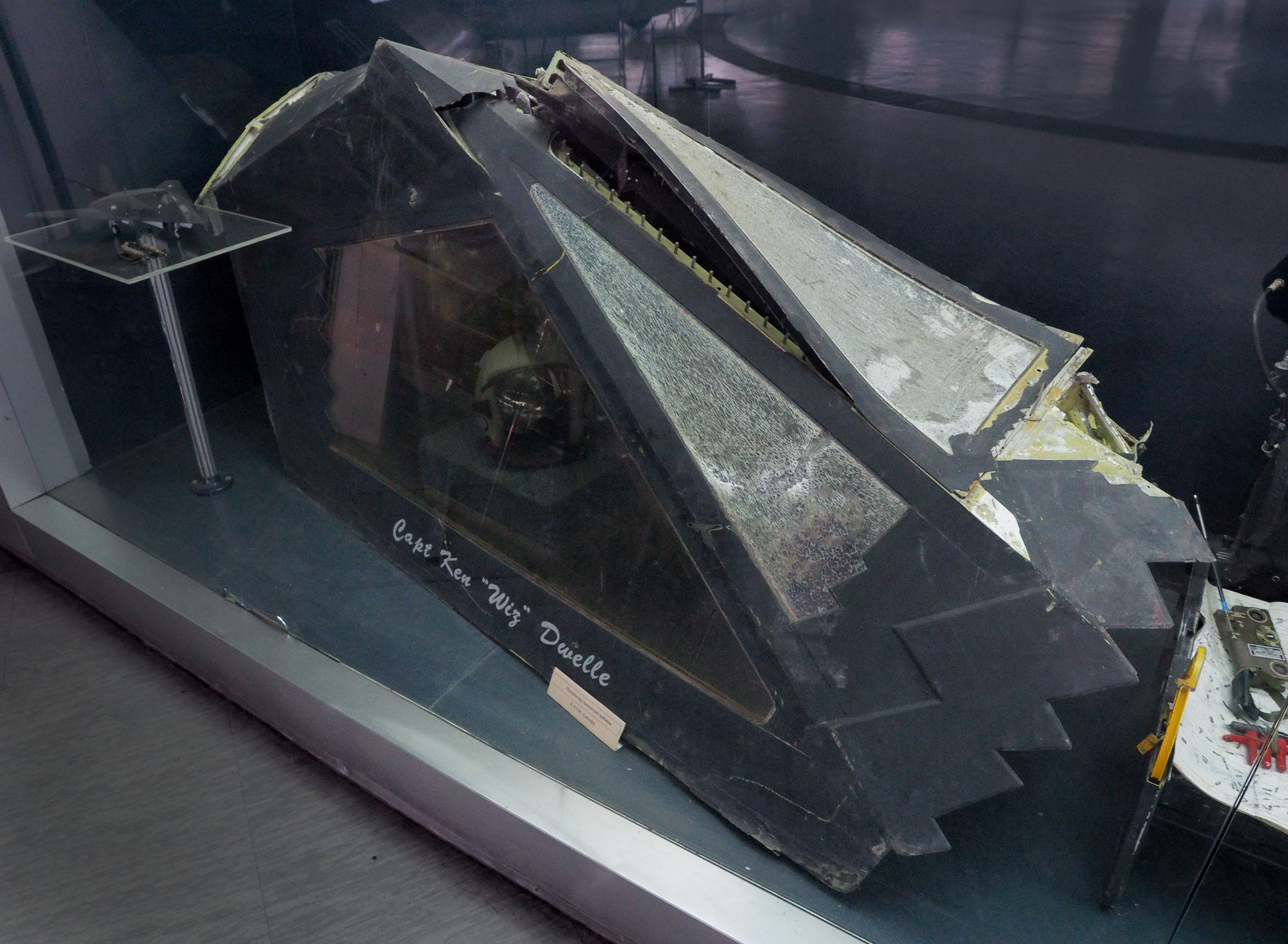
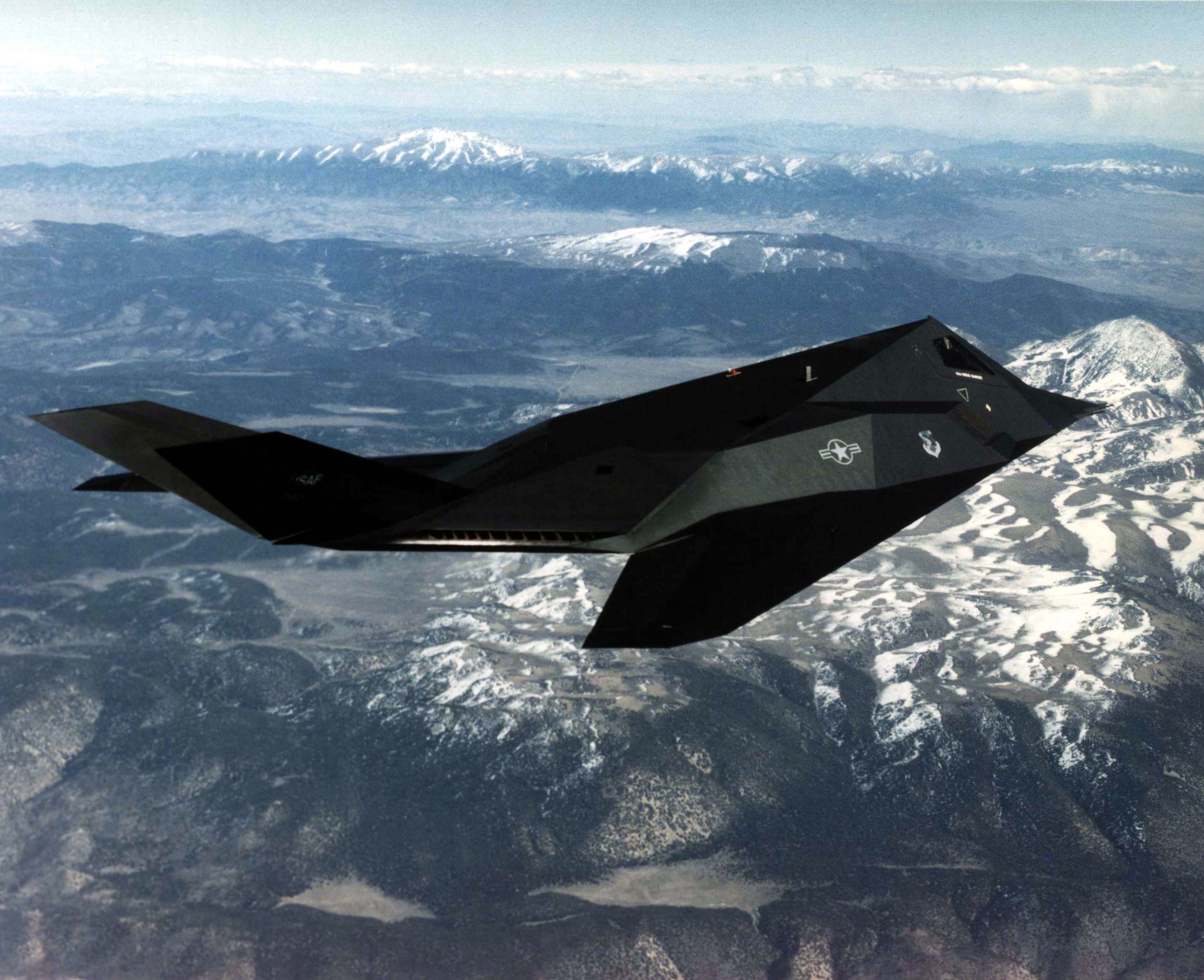
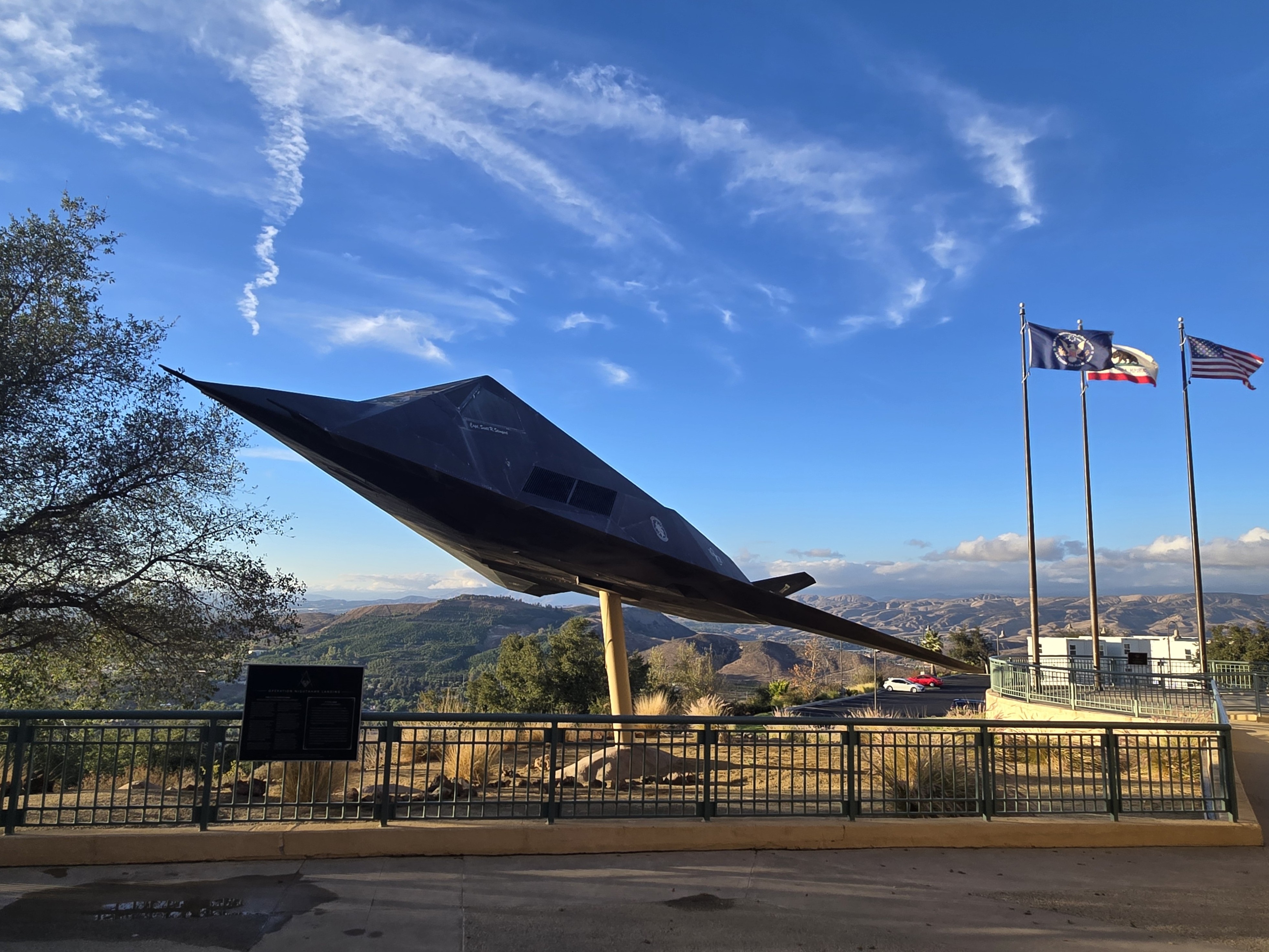
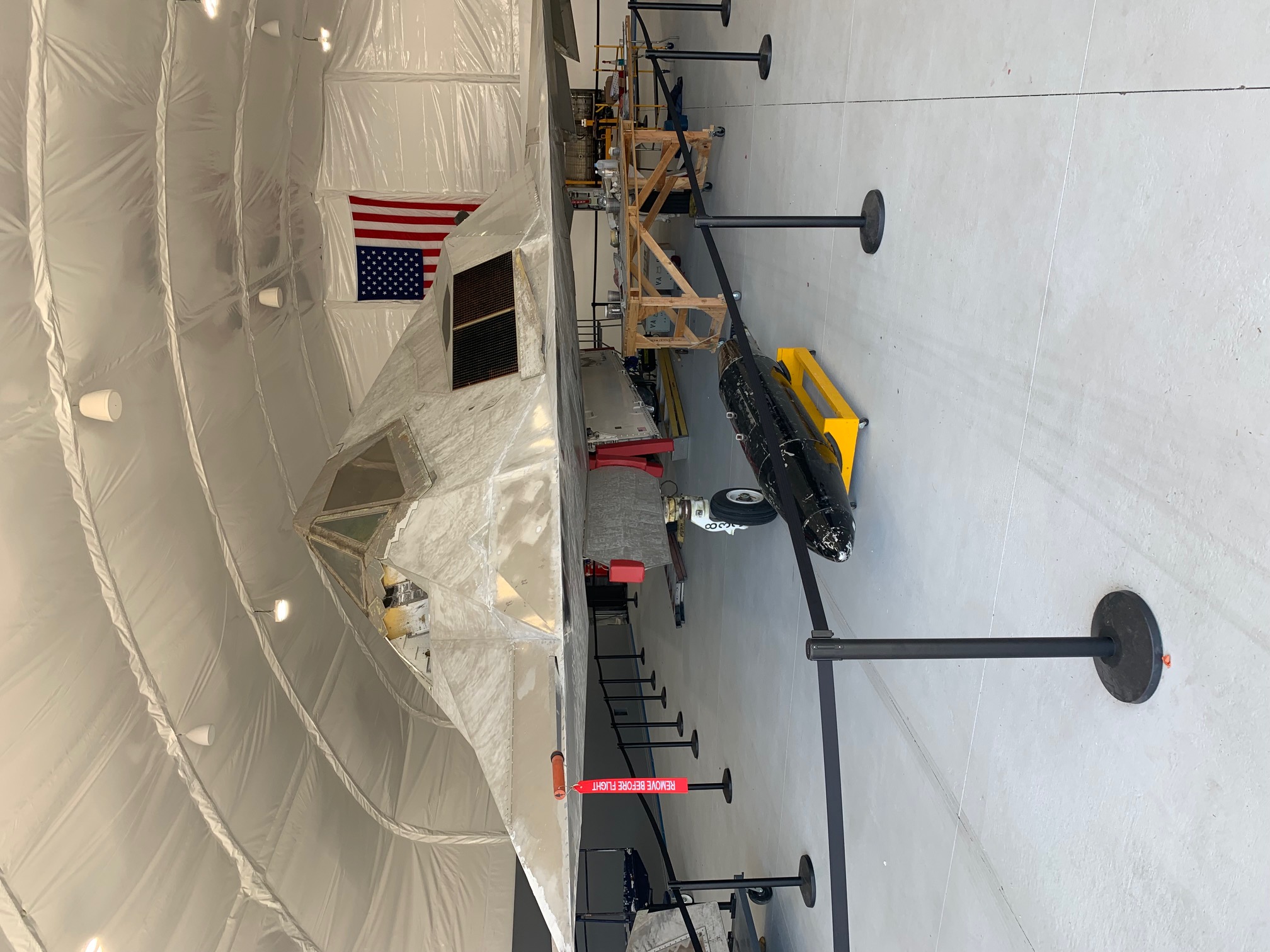
The Lockheed F-117 Nighthawk was the world's first operational aircraft designed from the outset around low observability: a single-seat, subsonic, twin-engined attack aircraft built by Lockheed's Skunk Works division and flown exclusively…
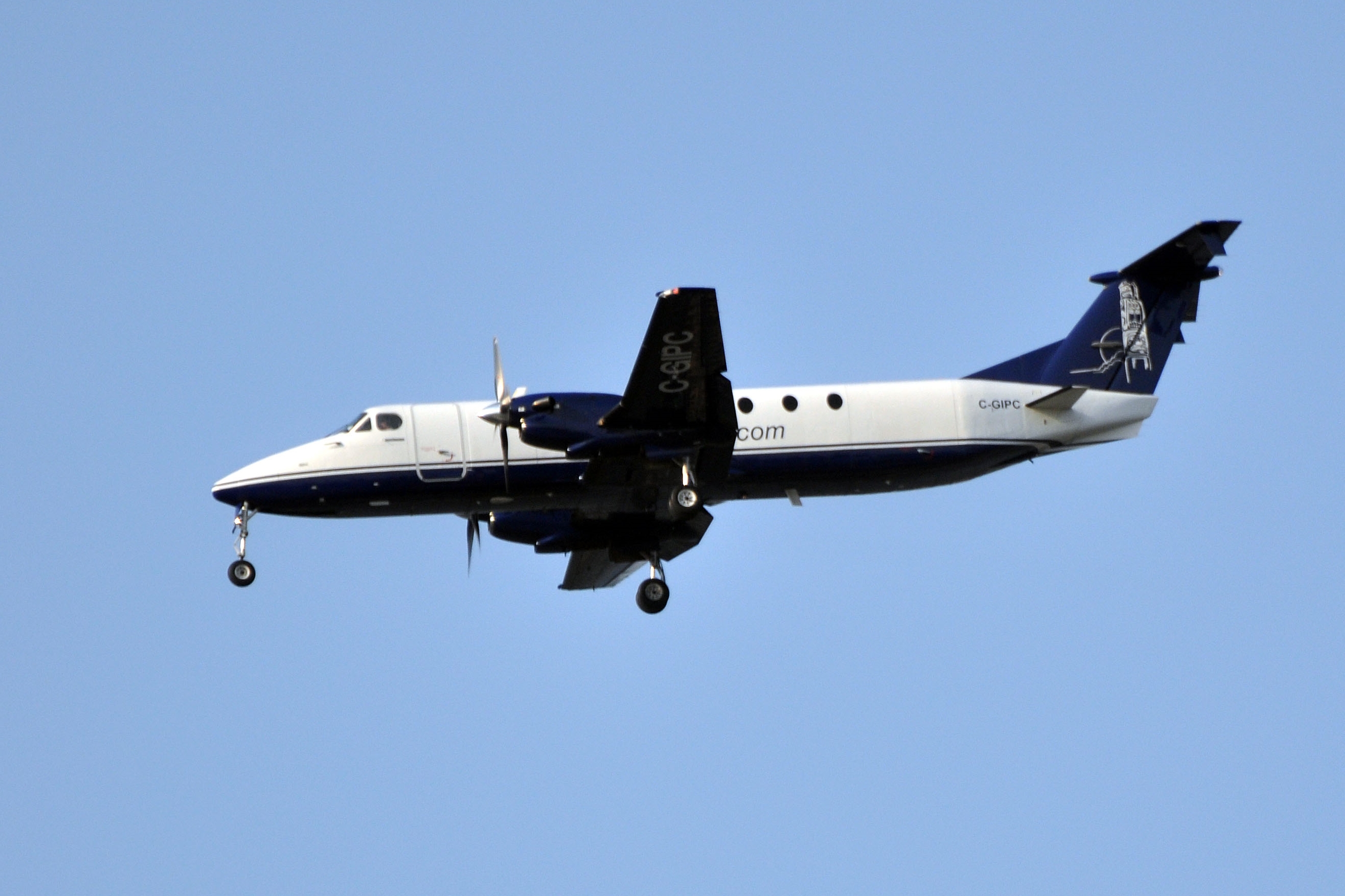
"Pacific Coastal Airlines, Beechcraft 1900, C-GIPC - YVR" by Eric Salard is licensed under CC BY-SA 2.0. To view a copy of this license, visit https://creativecommons.org/licenses/by-sa/2.0/.
Tomás Del Coro (CC BY SA), vía commons
Ken Fielding (CC BY SA), vía commons
Pedro Aragão (CC BY SA), vía commons
Quintin Soloviev (CC BY SA), vía commons
Bob Adams from George, South Africa (CC BY SA), vía commons
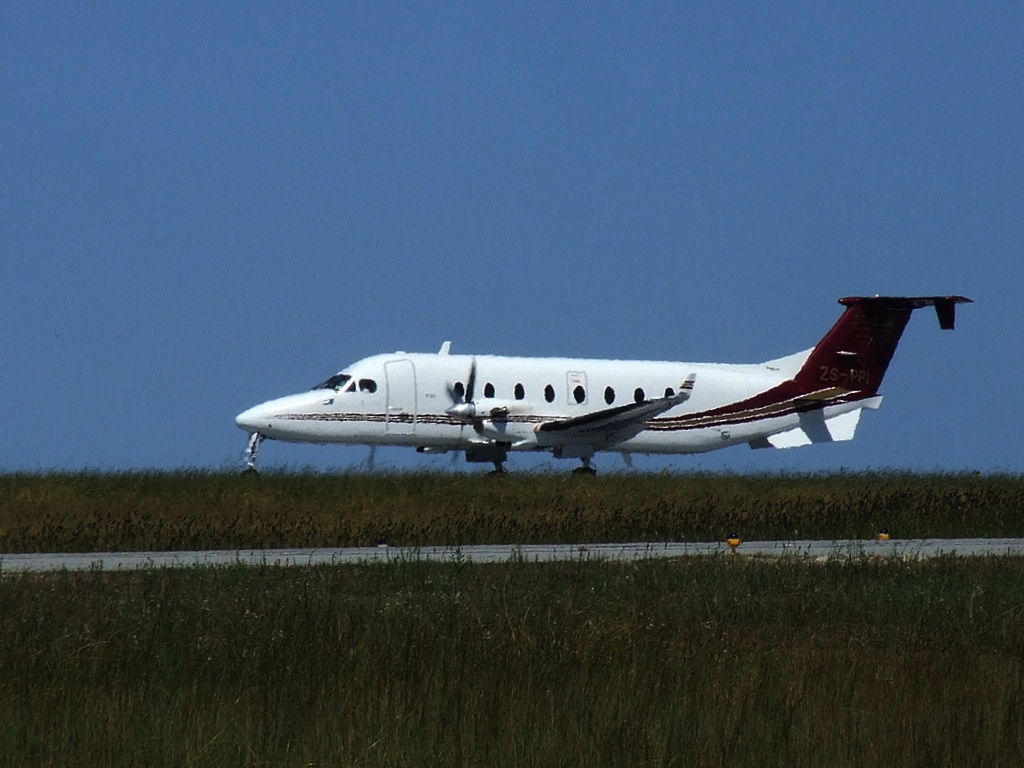
The Beechcraft 1900 is the 19-seat regional turboprop with which Beechcraft took the King Air family into scheduled airline work. It flew on 3 September 1982 and was built until October 2002, with 695 aircraft delivered.
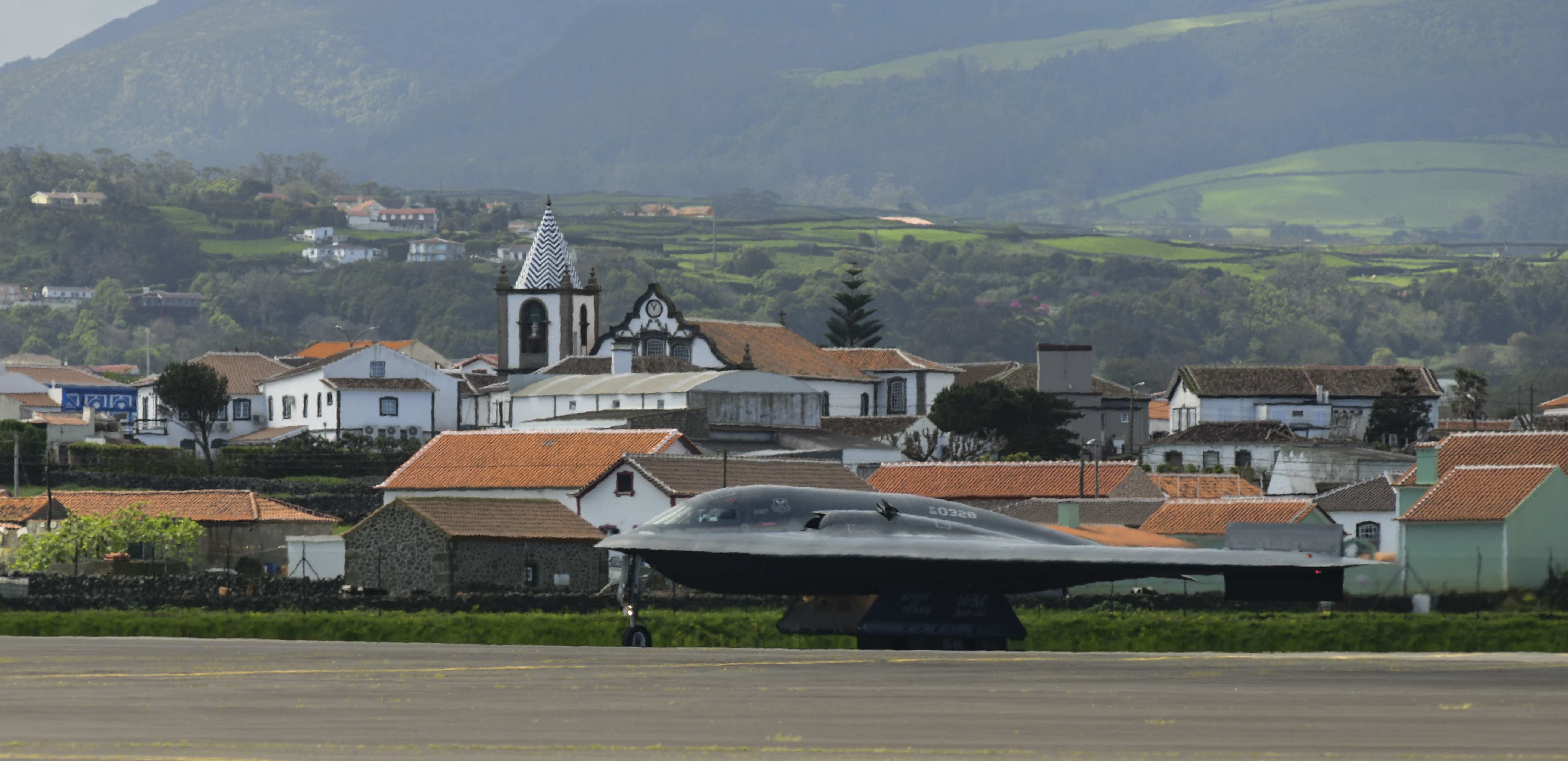
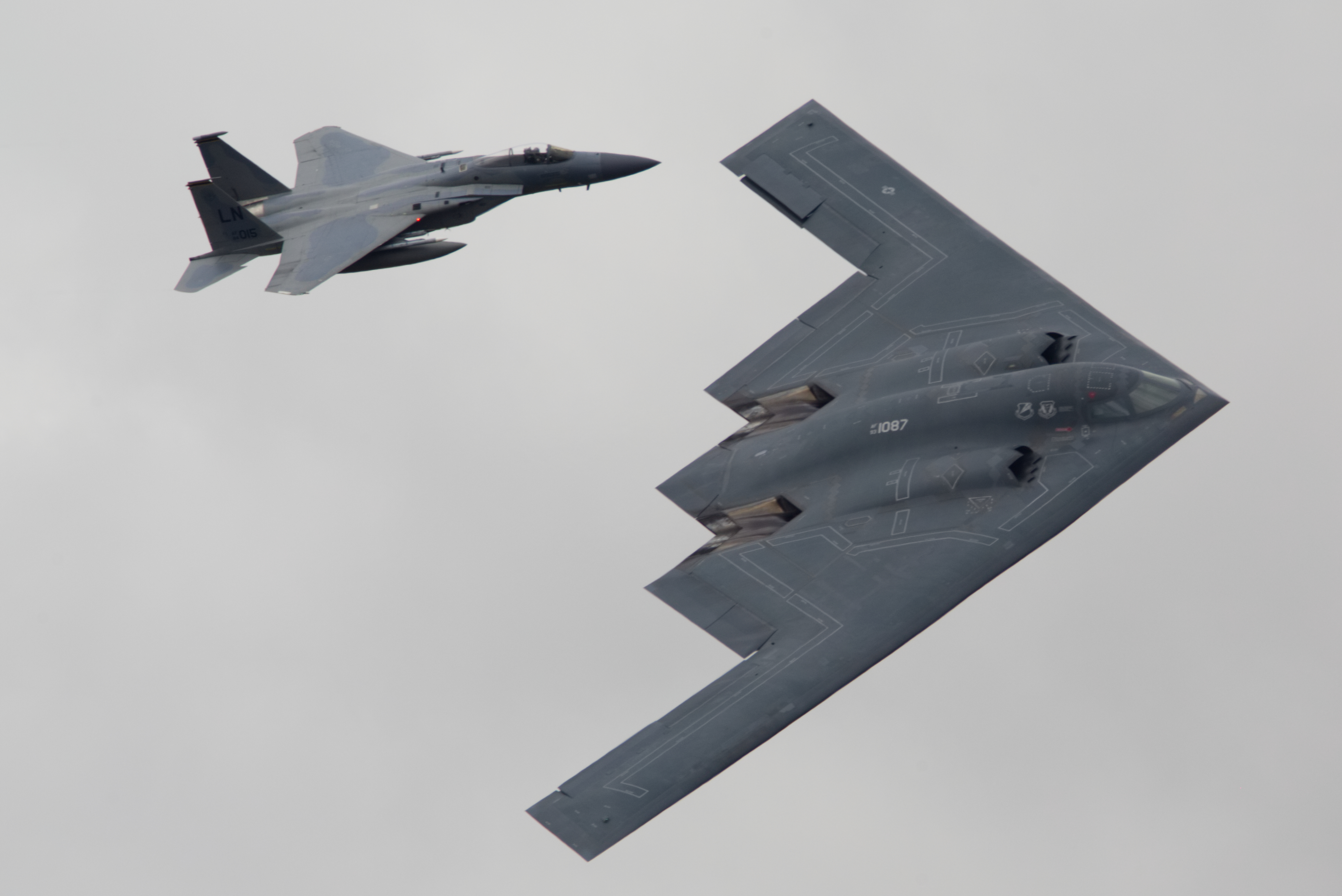
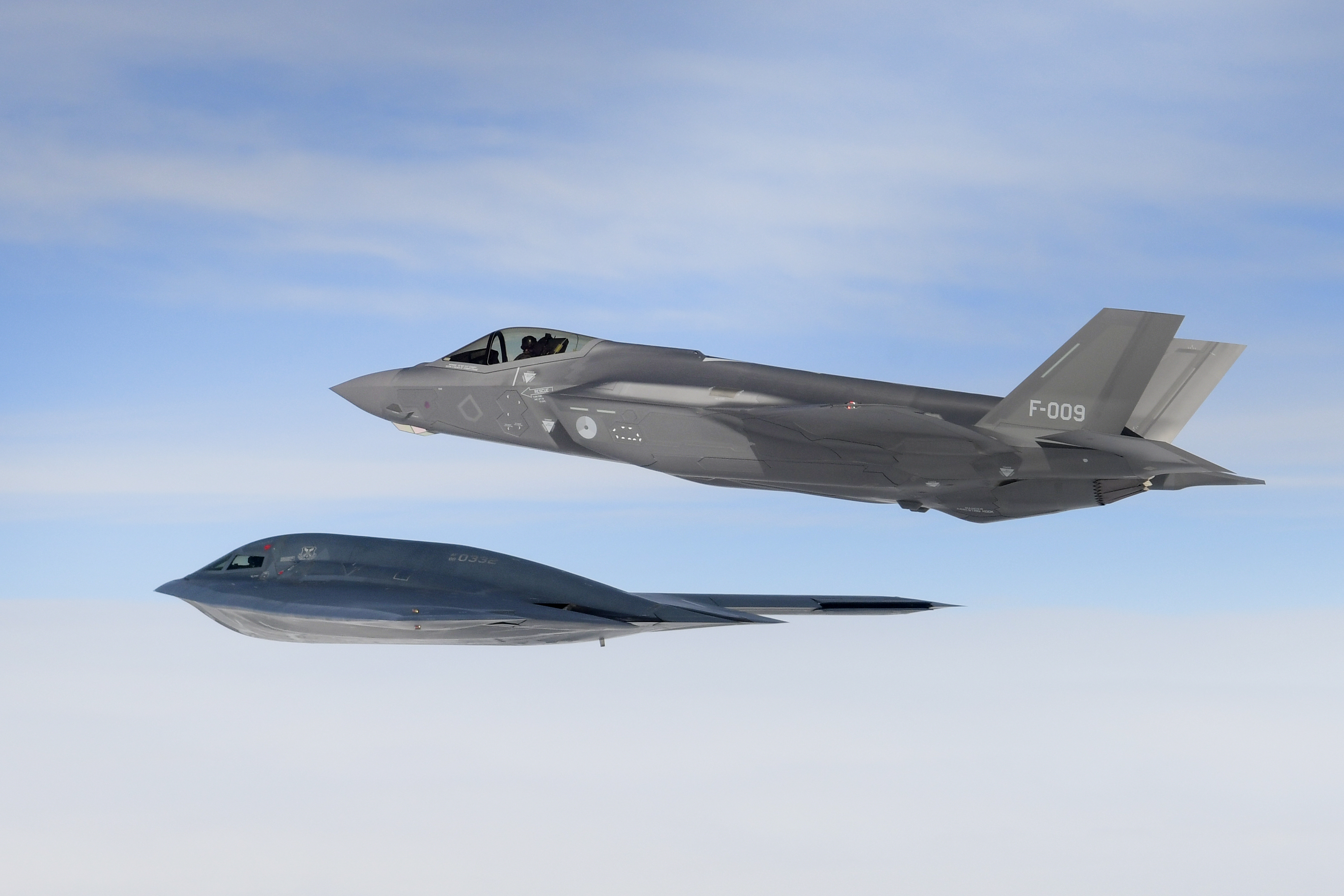
The Northrop Grumman B-2 Spirit is a subsonic, nuclear-capable stealth strategic bomber flown exclusively by the United States Air Force. It is a pure flying wing — no distinct fuselage, no tail — of lambda planform, powered by four…
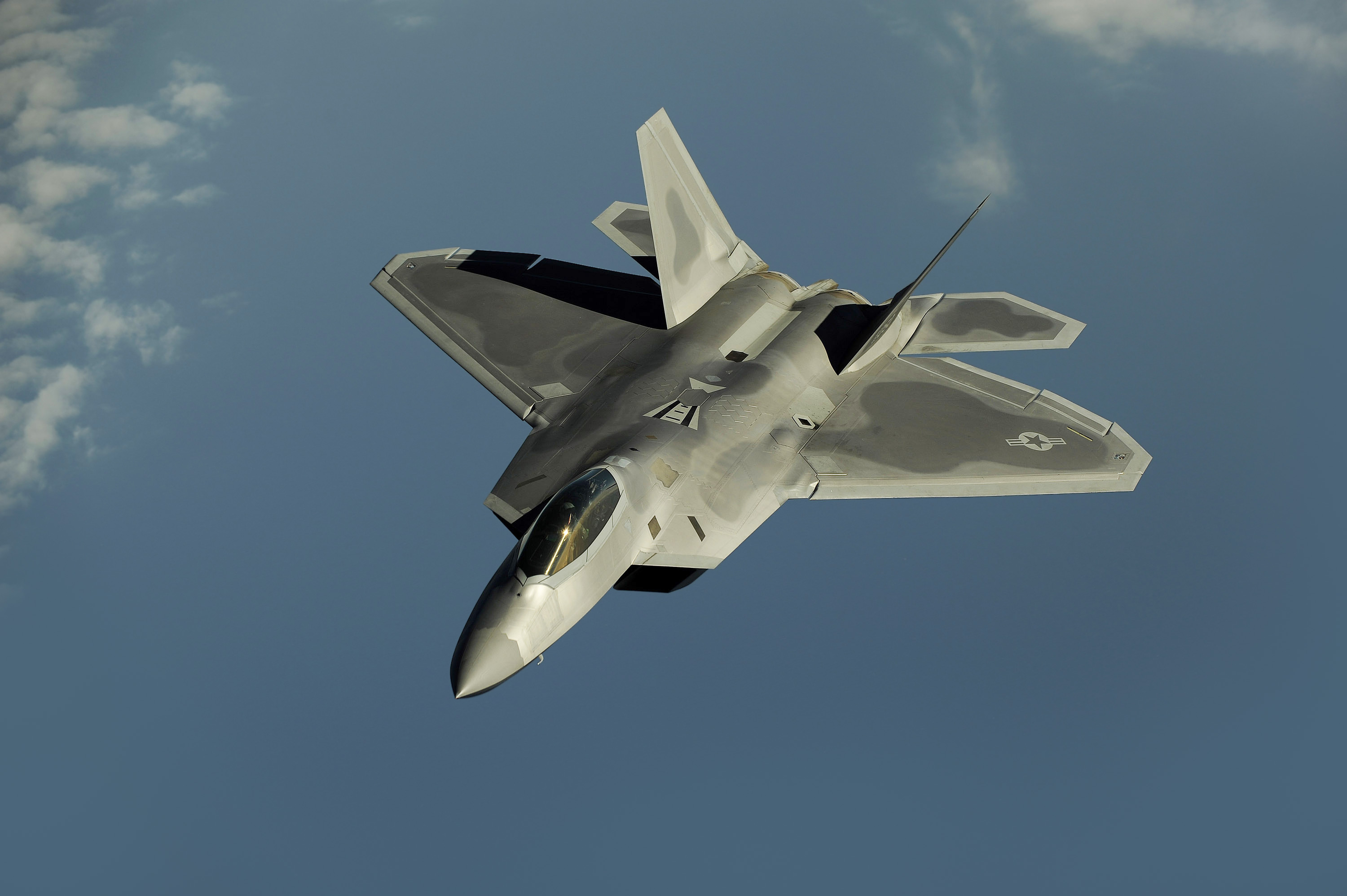
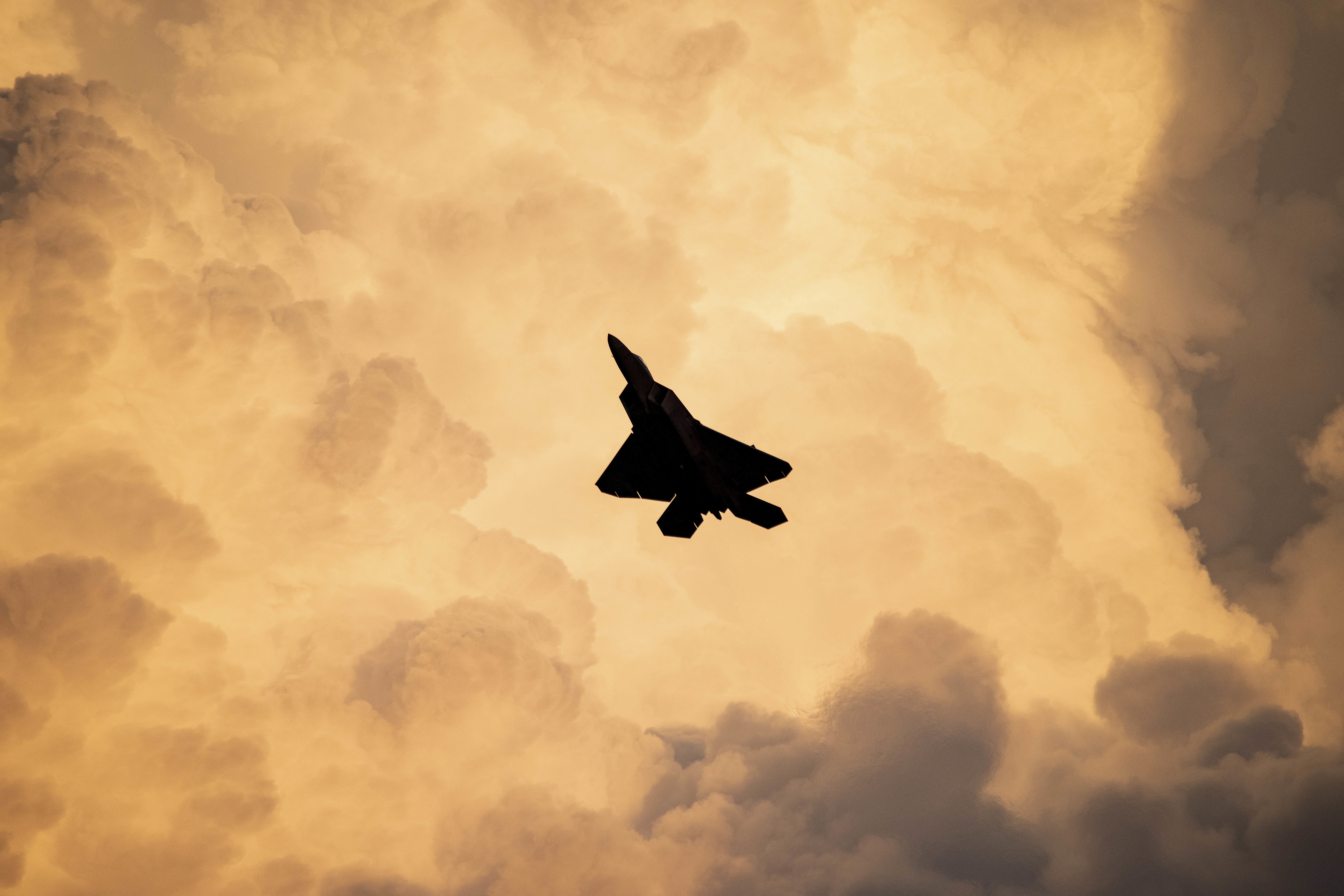
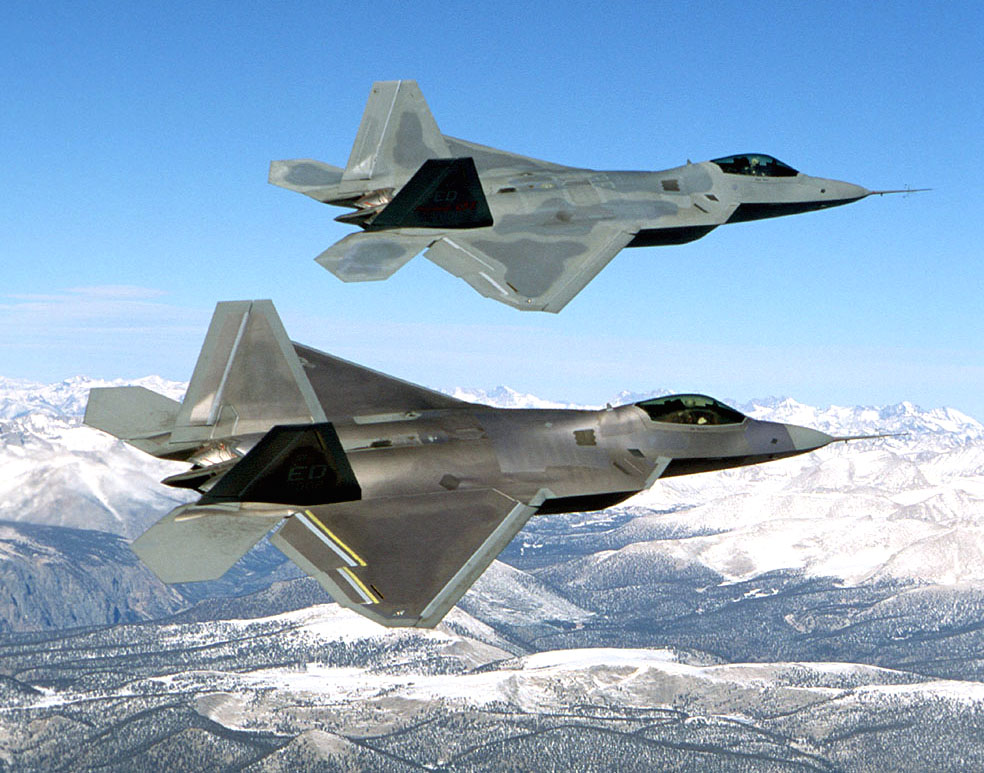
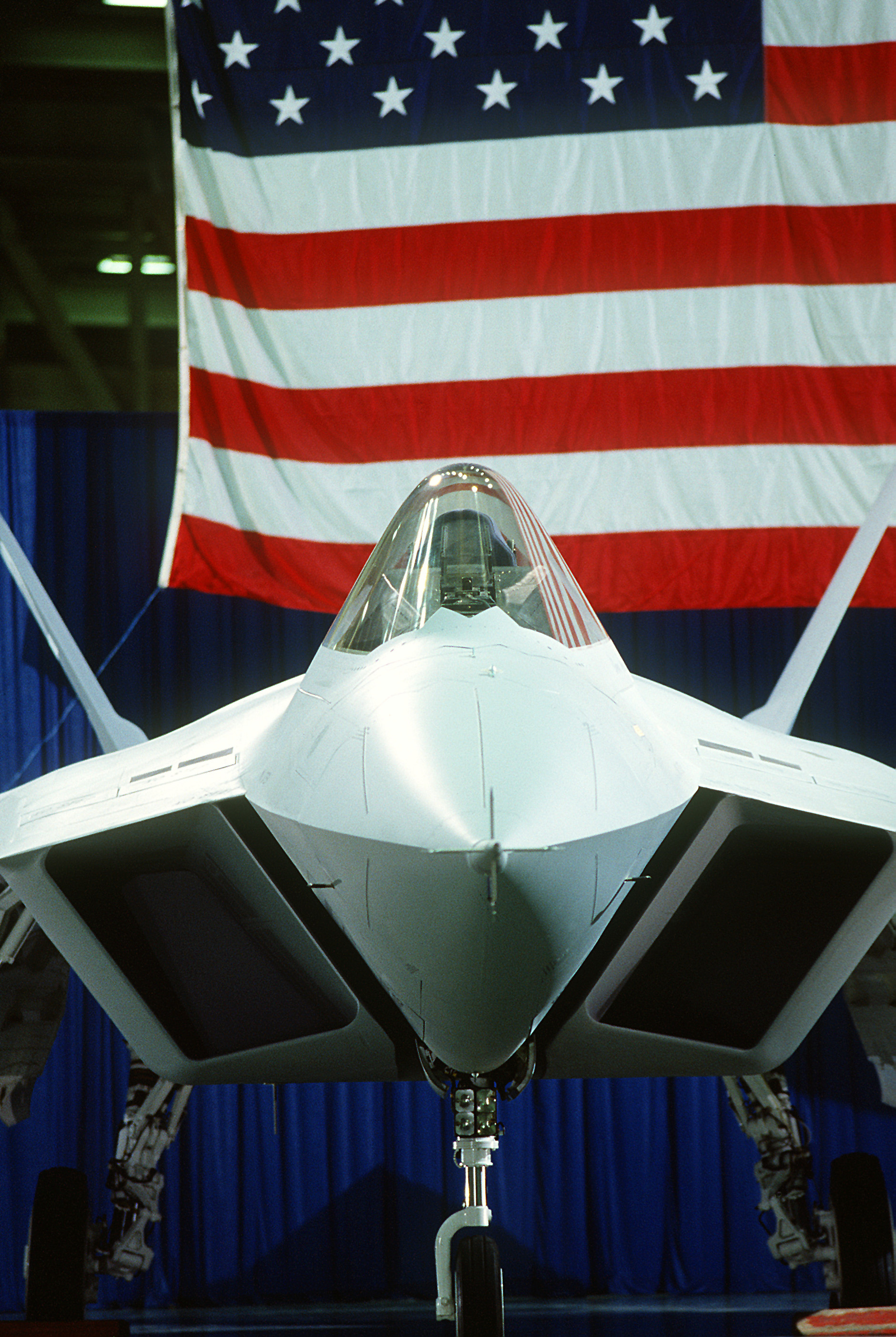
The F-22 Raptor, built by Lockheed Martin together with Boeing, is an American twin-engine, all-weather supersonic stealth fighter built above all for air superiority, though it also carries ground attack, electronic warfare and signals…
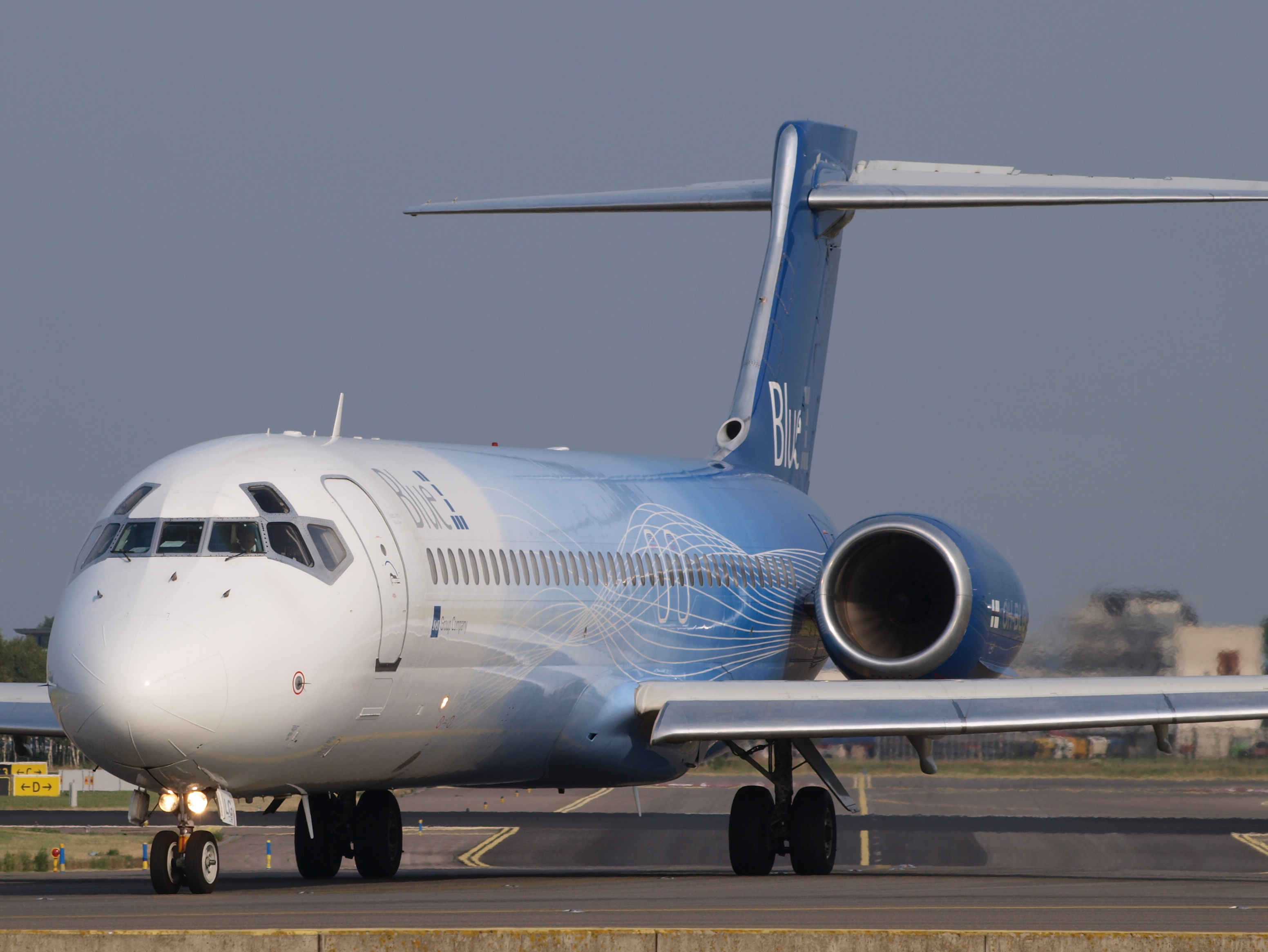
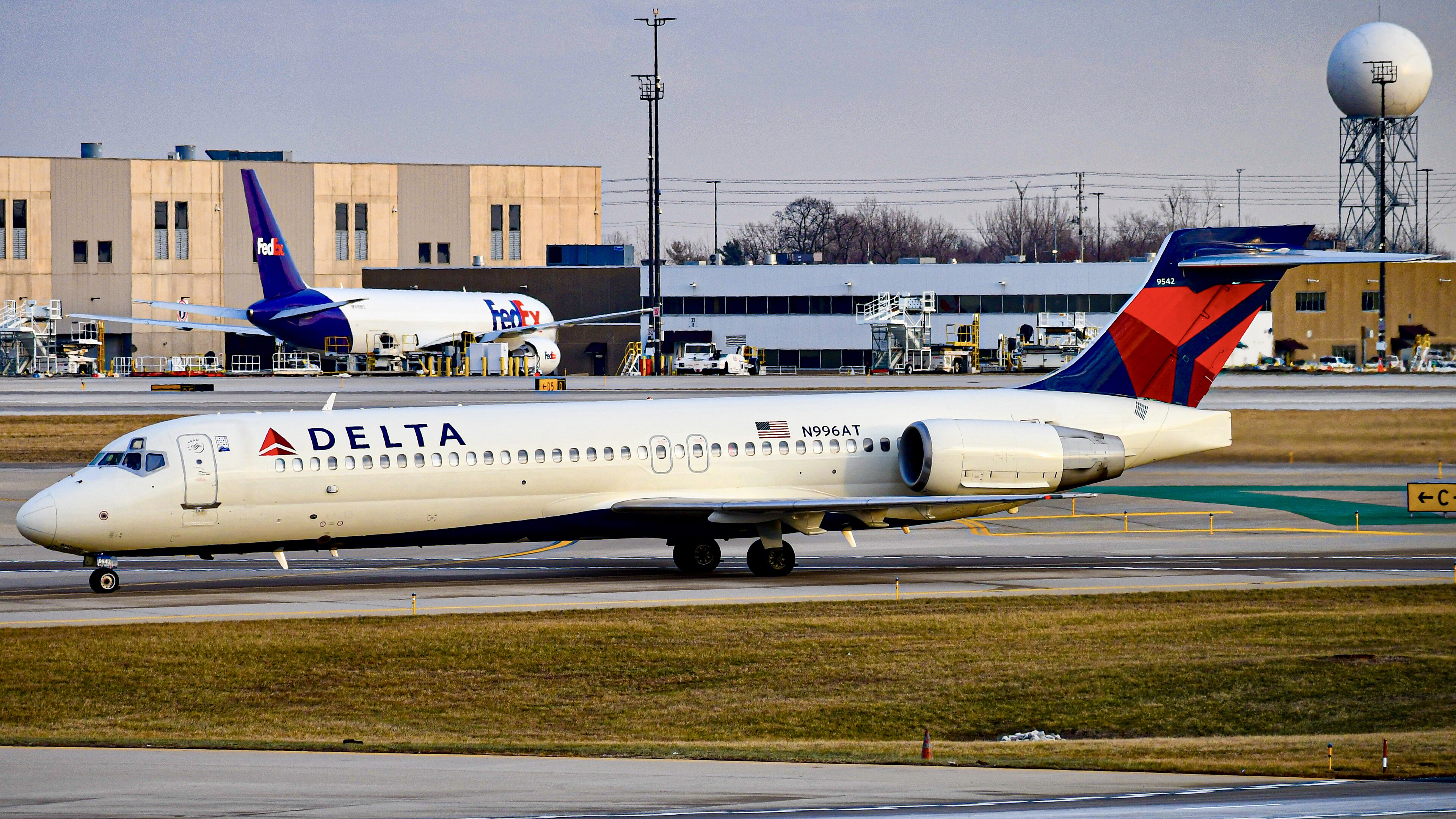
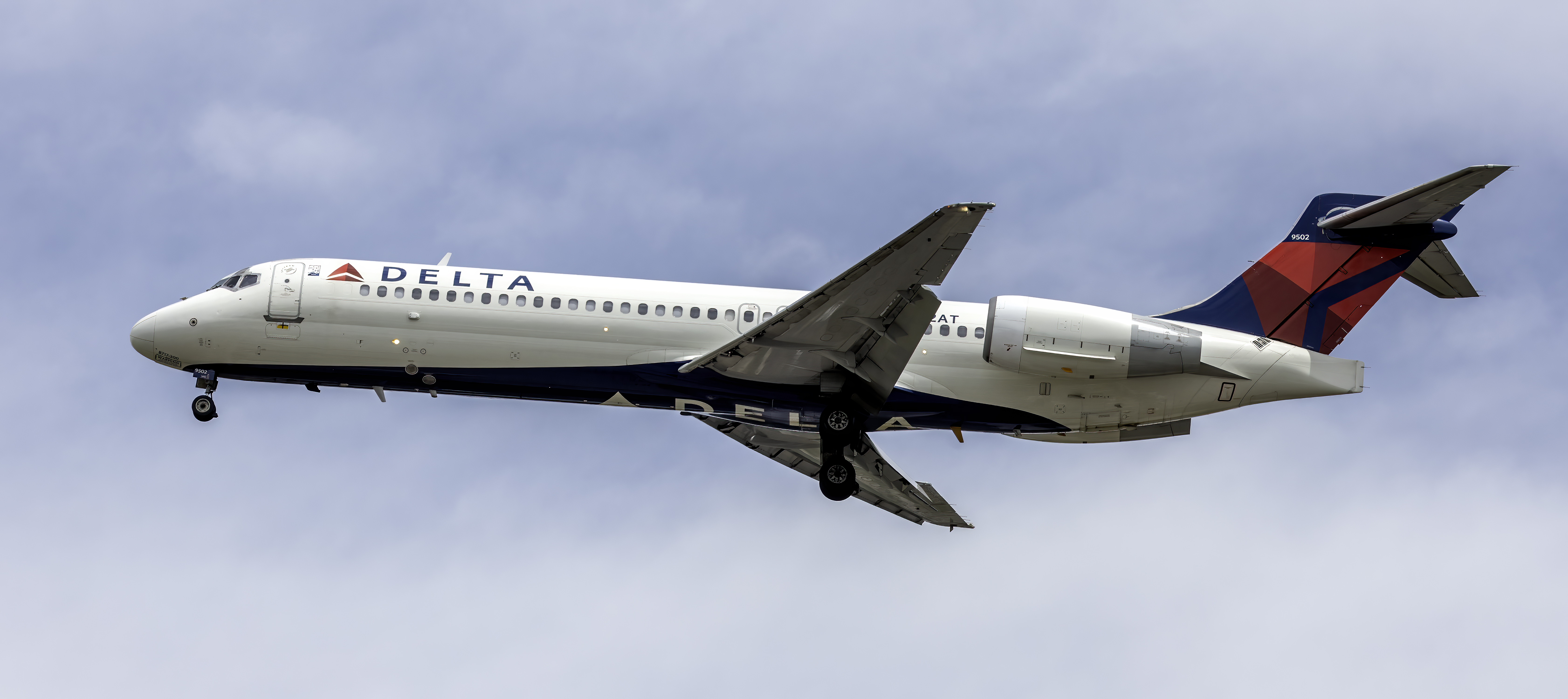
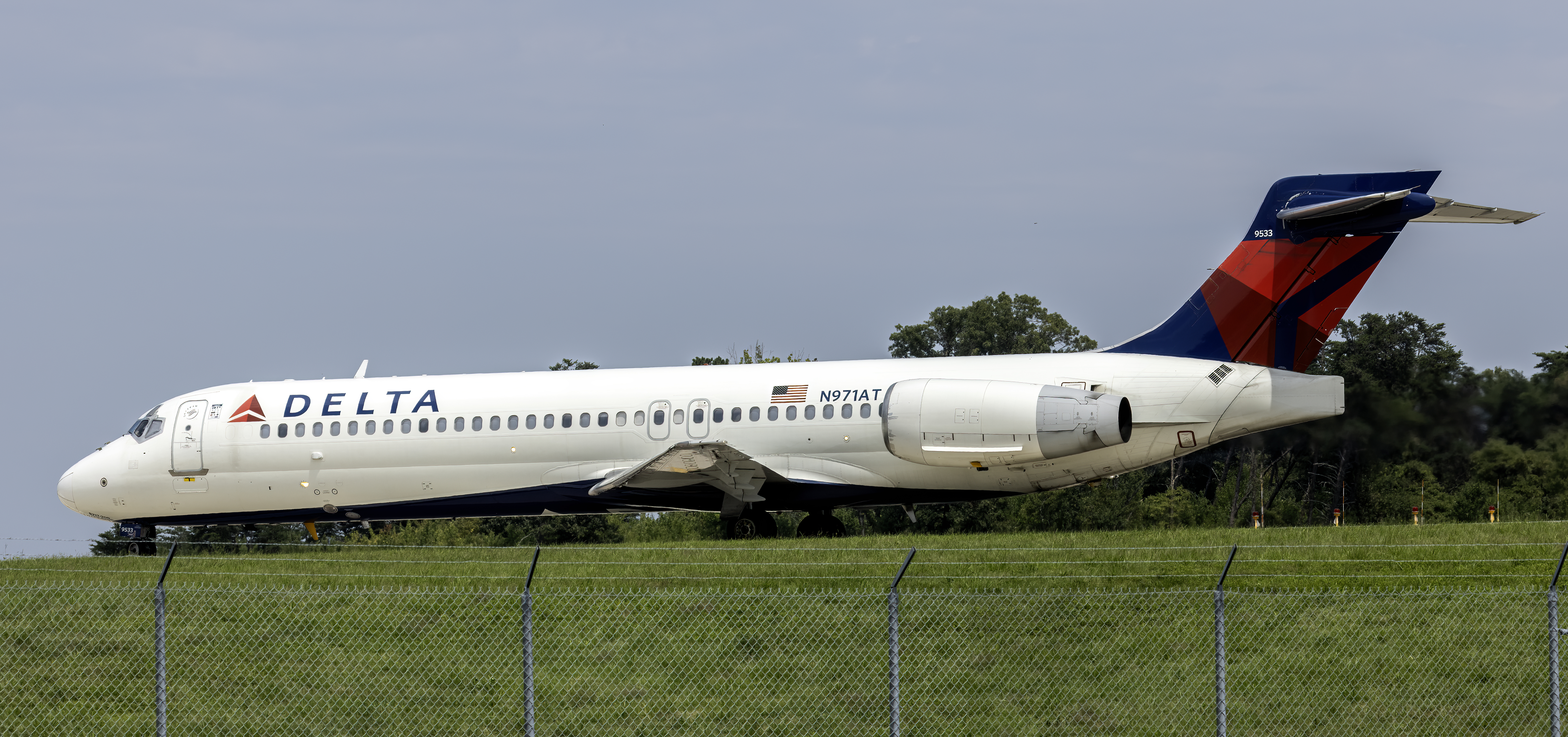
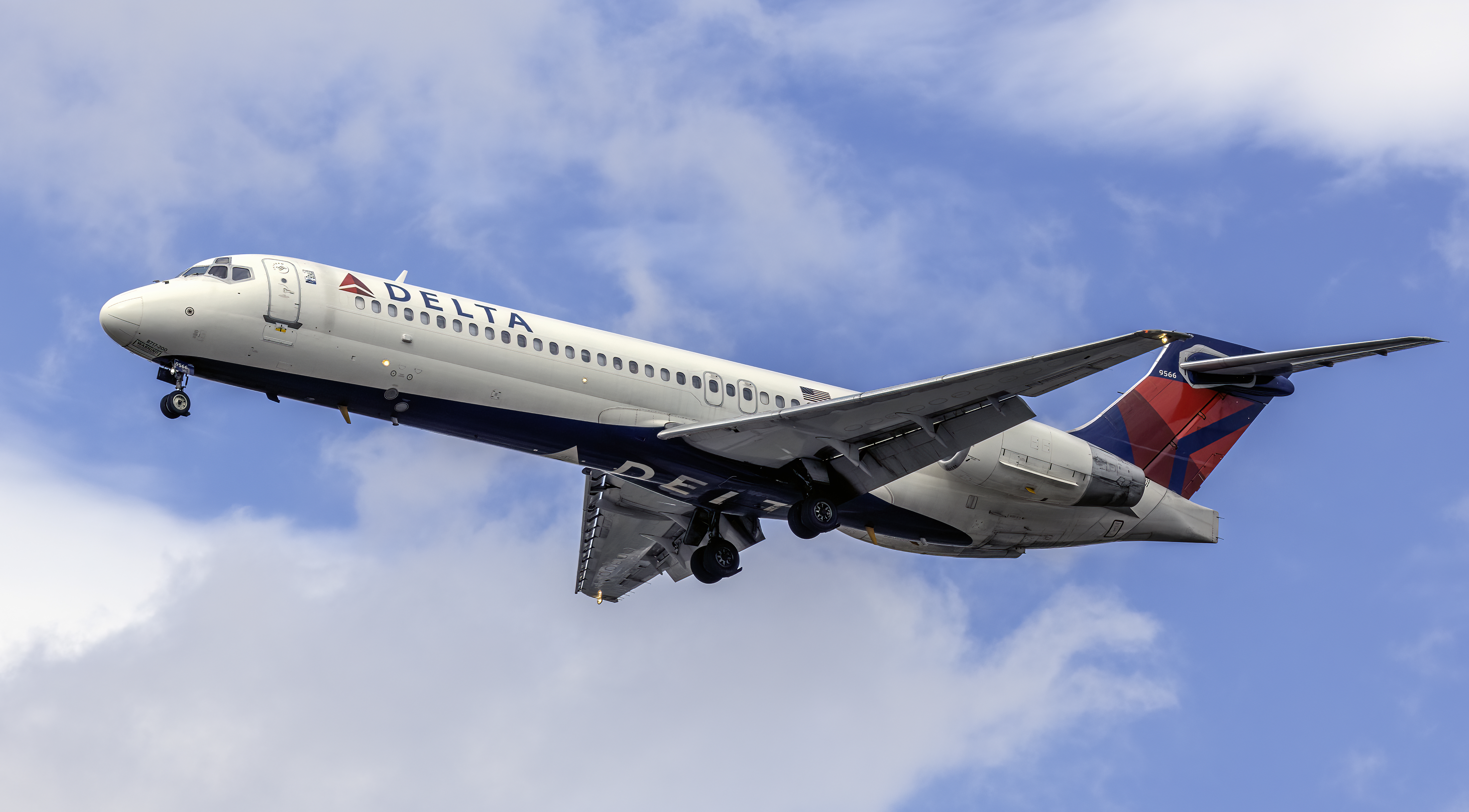
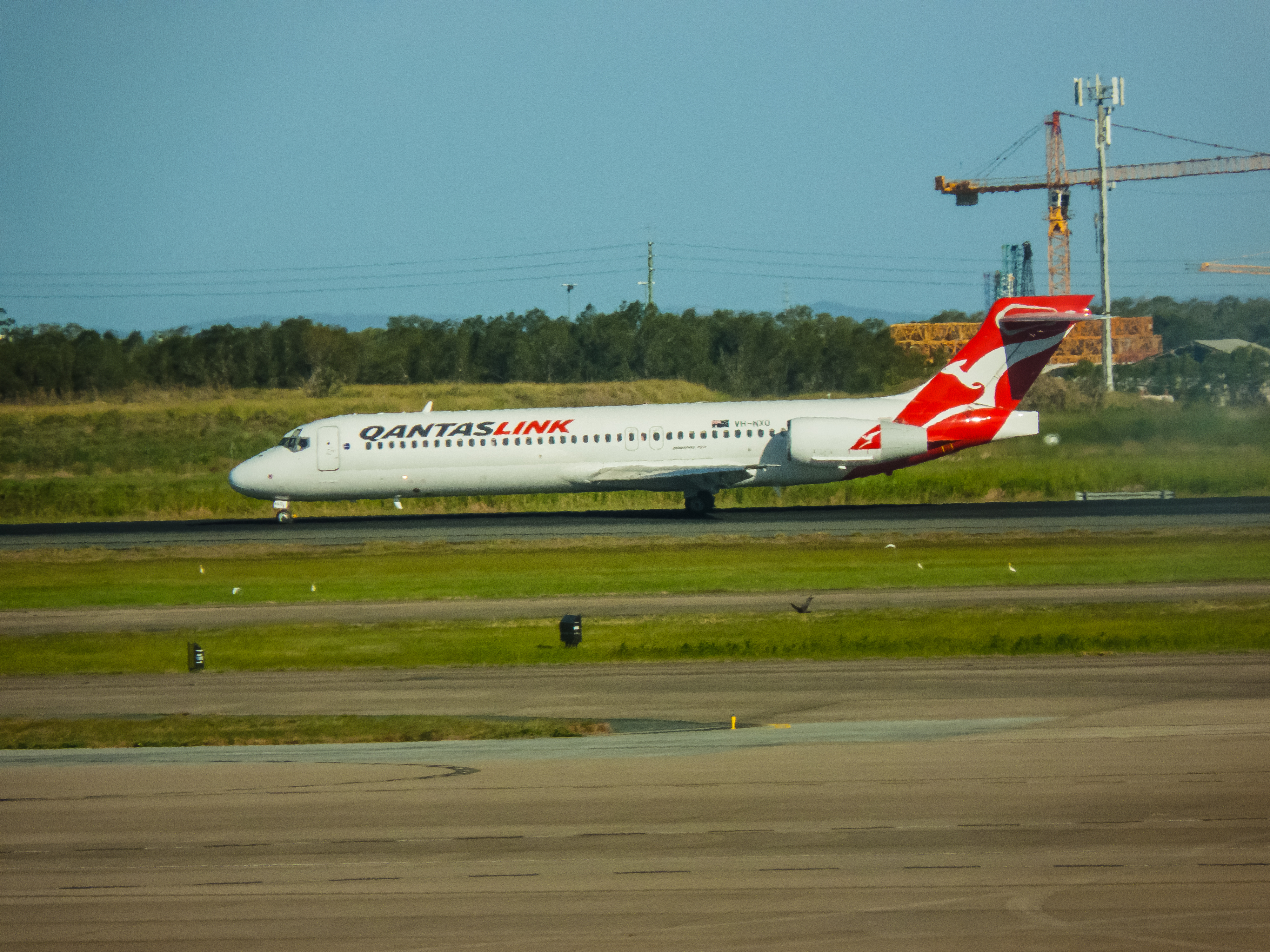
The Boeing 717 is an American five-abreast narrow-body airliner with two rear-mounted engines, conceived for the 100-seat market. It originated inside McDonnell Douglas in the early 1990s as the MD-95, a shortened derivative of the MD-80…
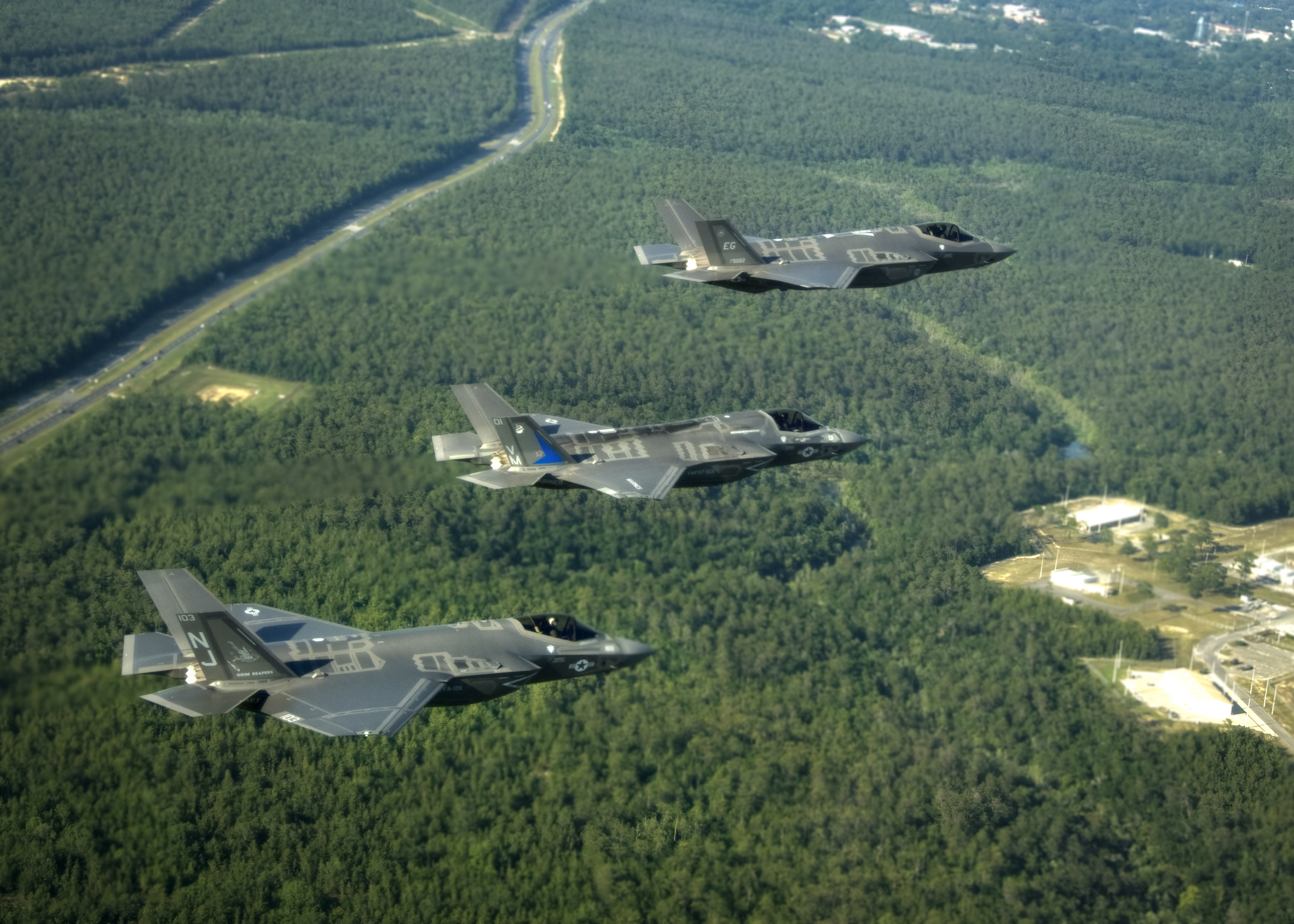
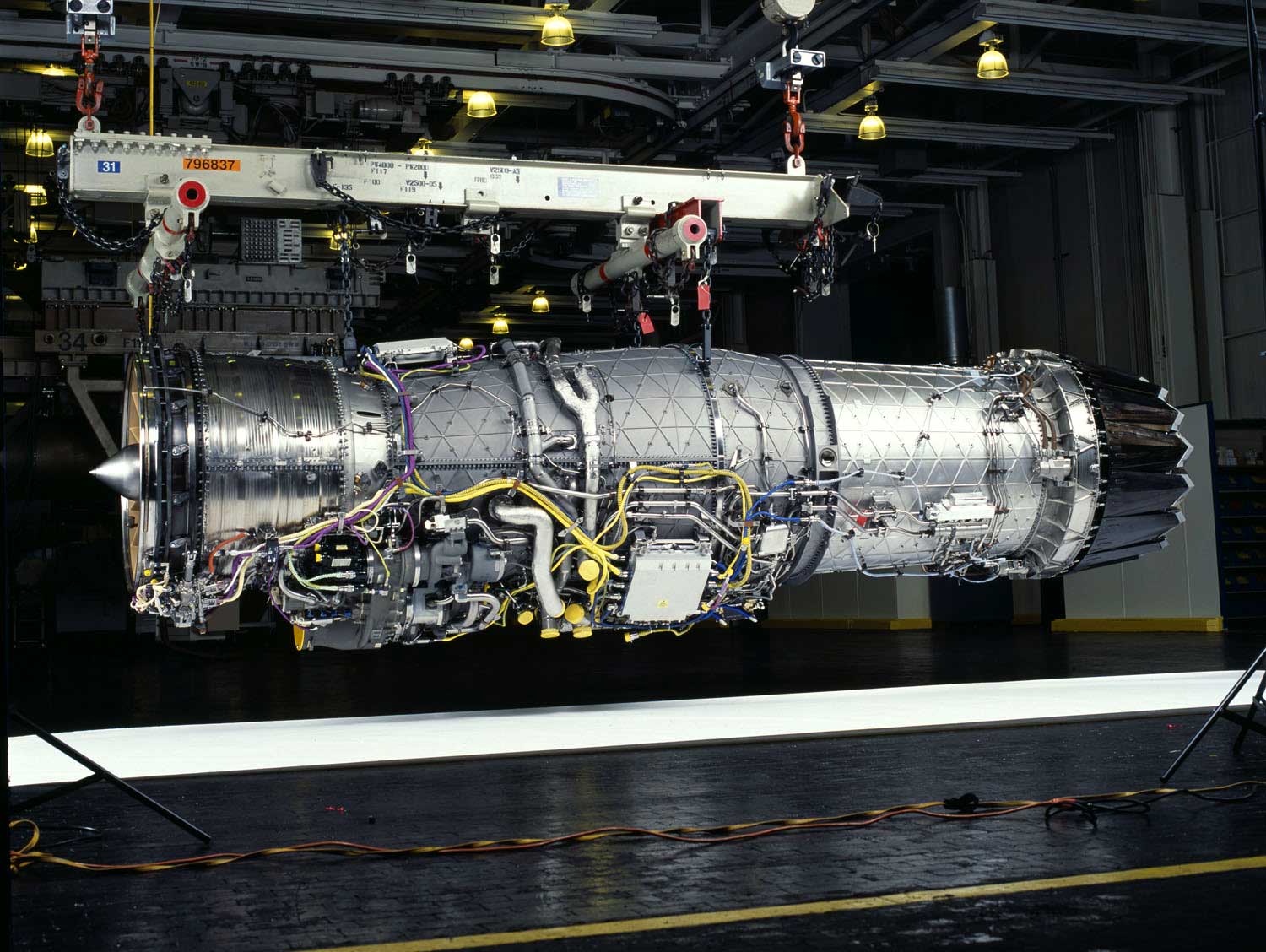
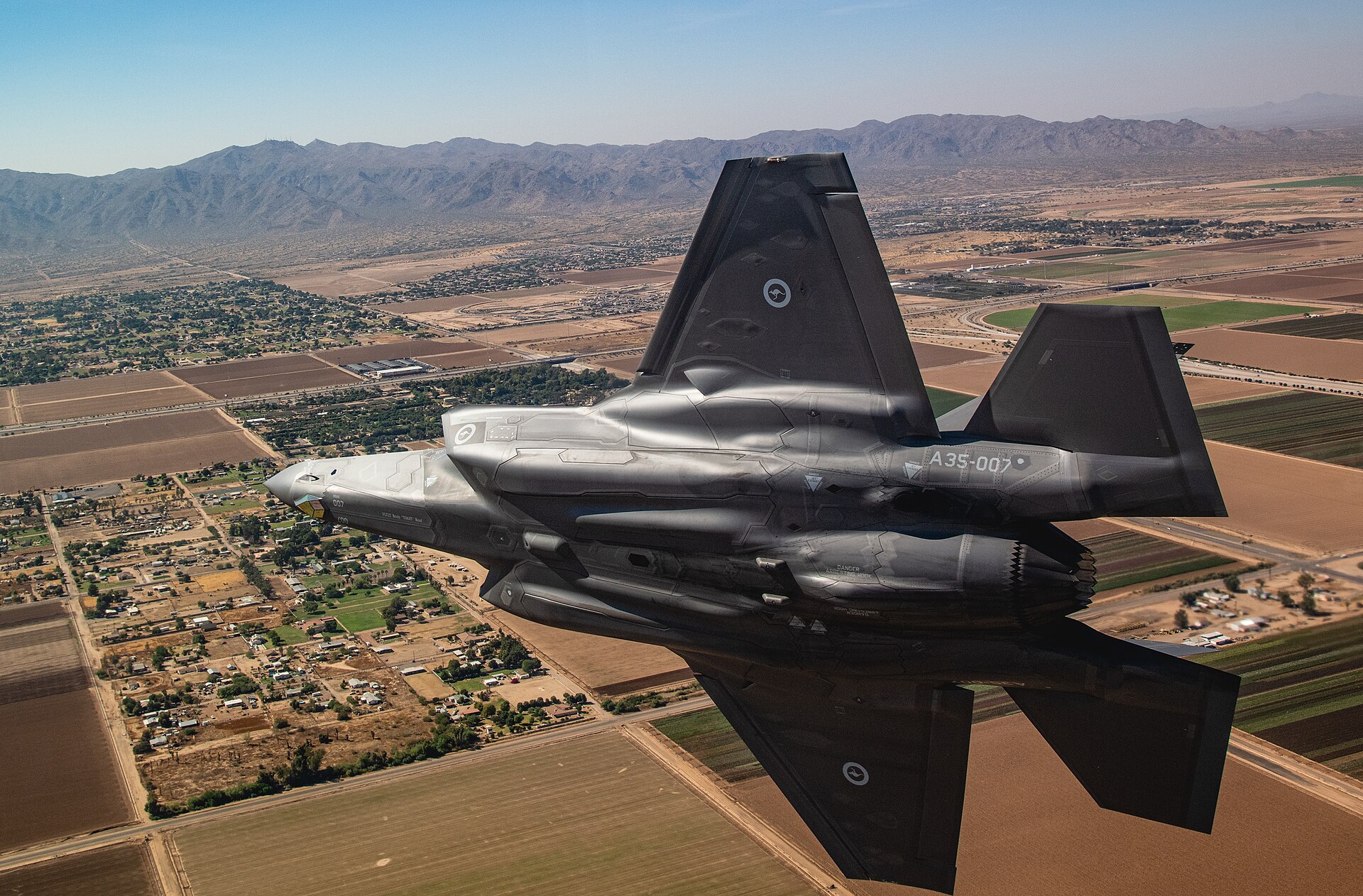
The Lockheed Martin F-35 Lightning II is a family of single-seat, single-engine fifth-generation stealth fighters conceived not as one aircraft but as a common design rendered in three versions that share airframe, powerplant, sensors and…
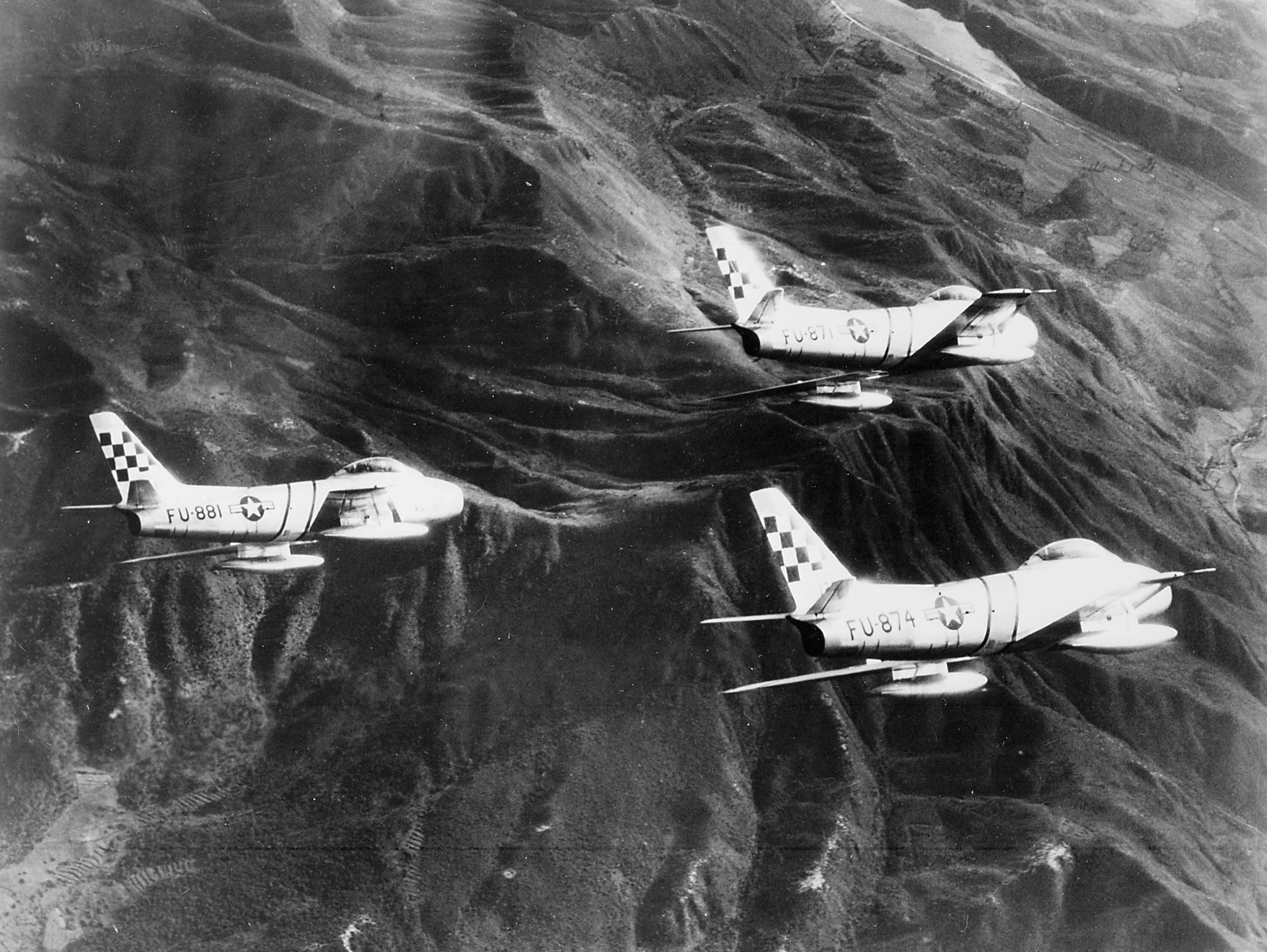
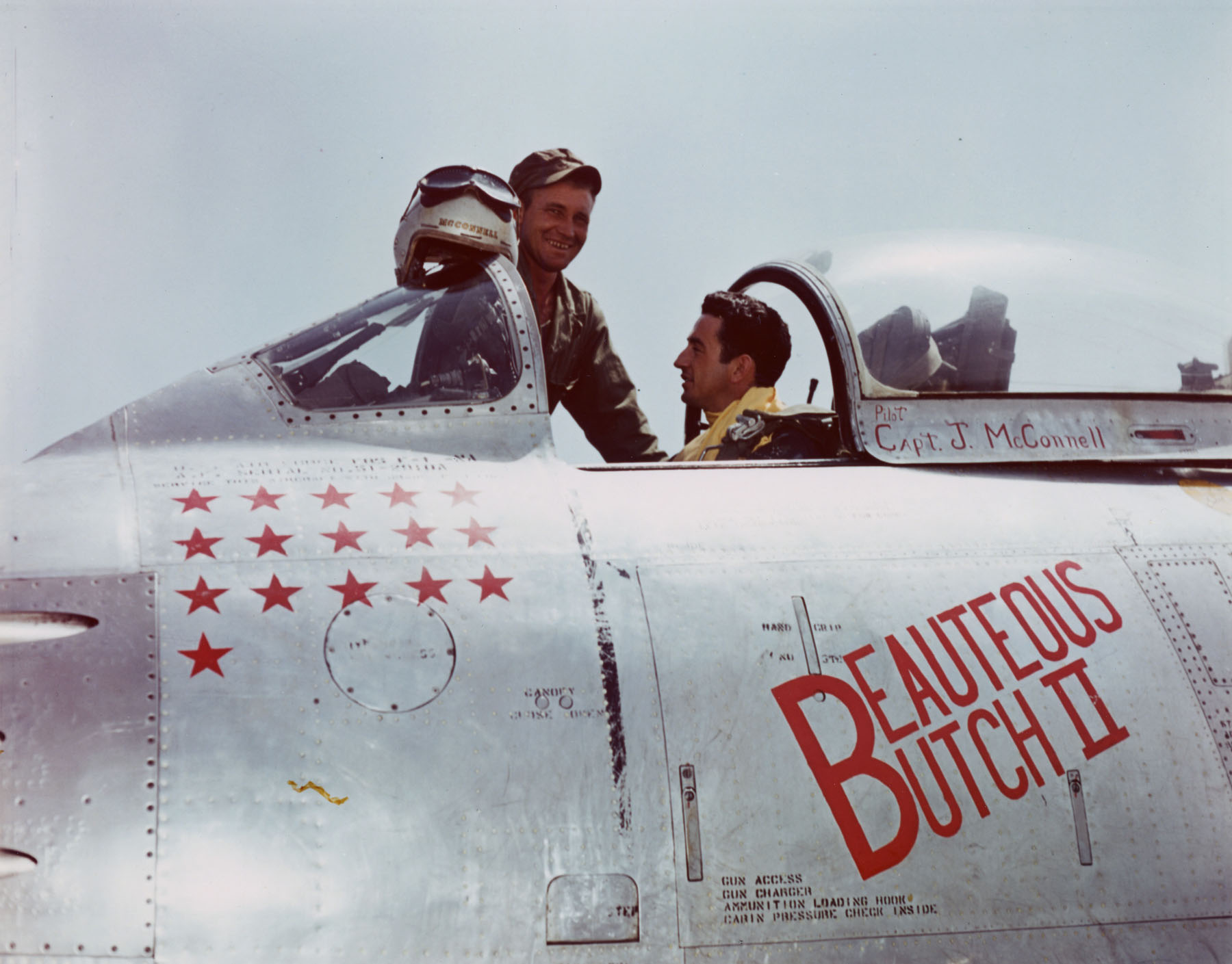
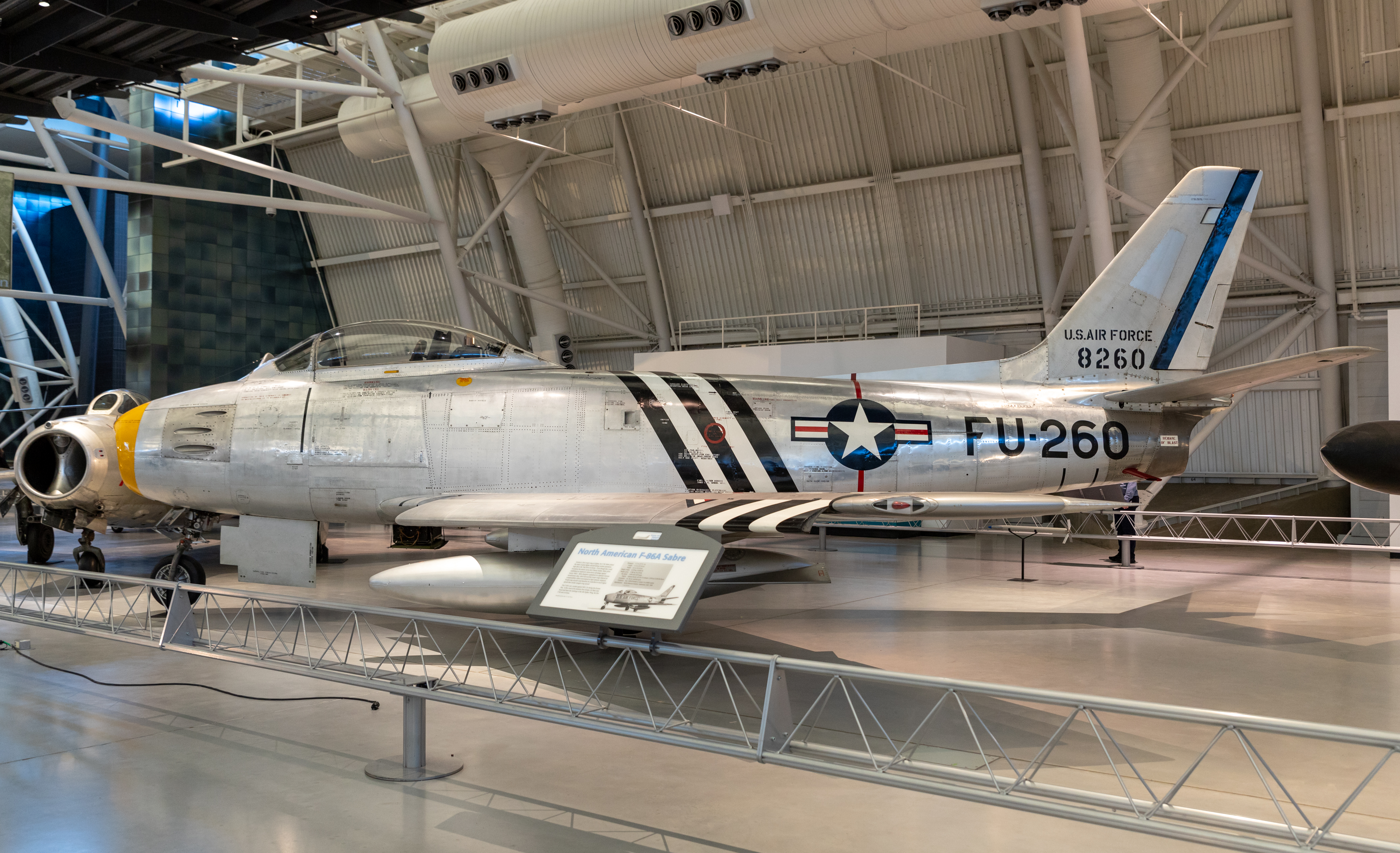
The North American F-86 Sabre was the United States' first swept-wing fighter and the aircraft that carried Western air combat into the transonic regime. Drawn from a US Army Air Forces requirement for a medium-range, single-seat day…
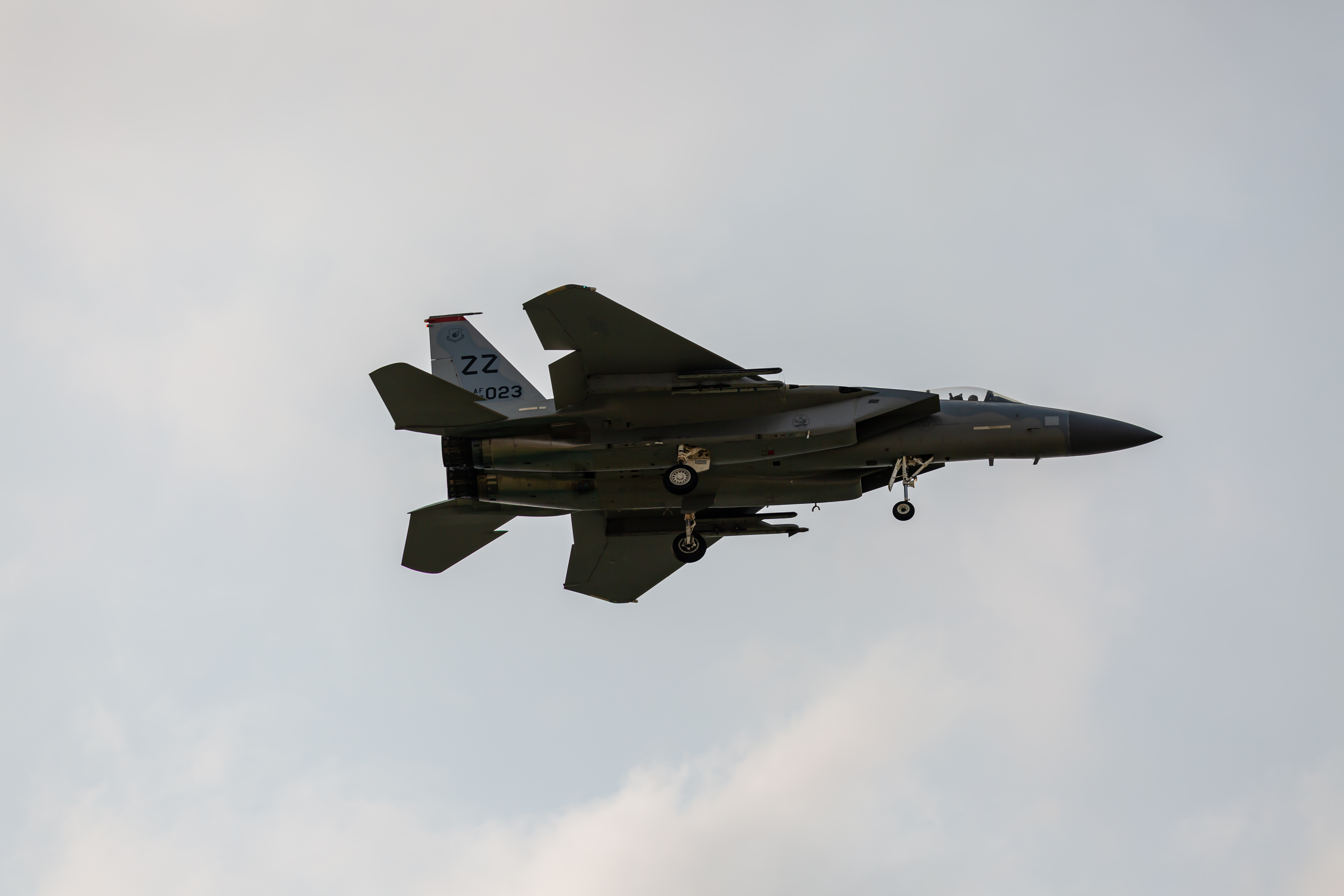
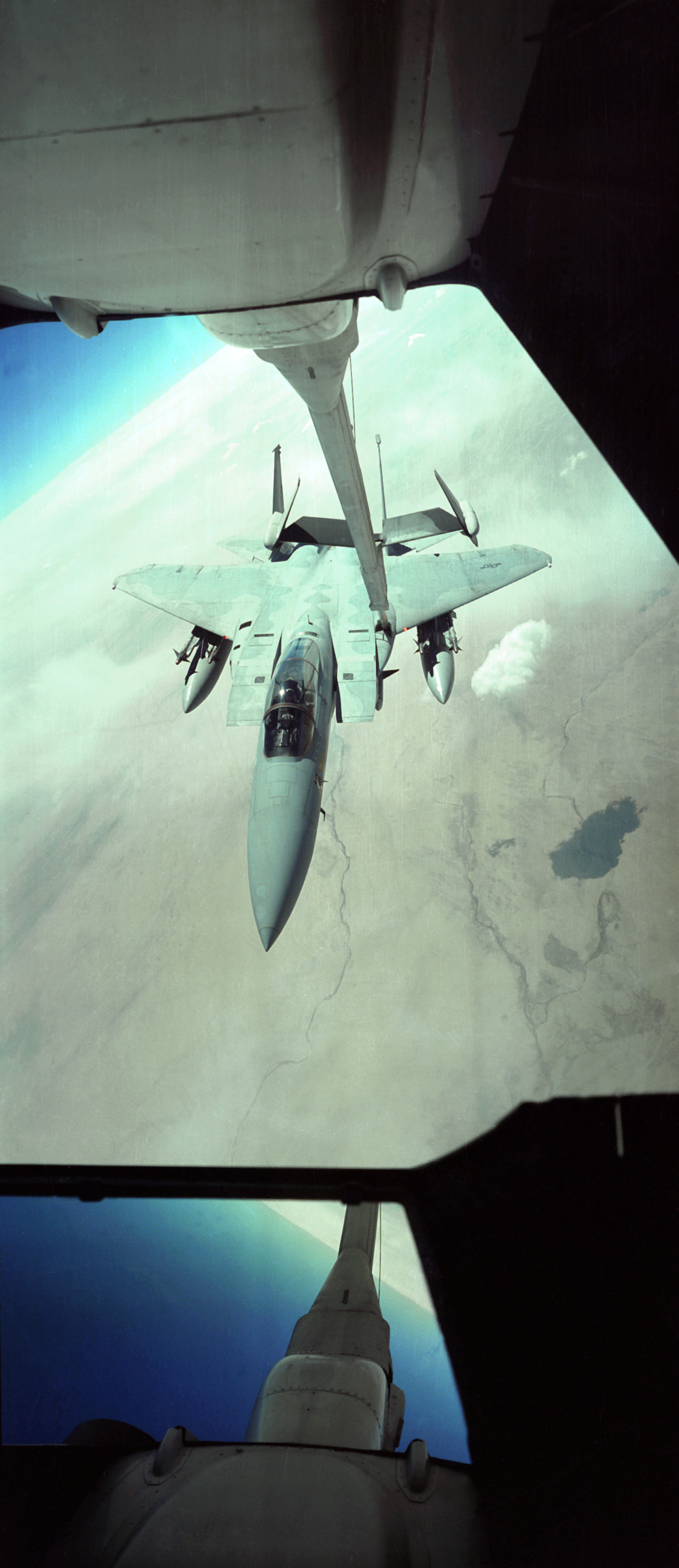
The McDonnell Douglas F-15 Eagle is an American twin-engine, all-weather air superiority fighter conceived in the late 1960s and in service since 1976. It was the first aircraft the U.S. Air Force devoted entirely to air-to-air combat…
.jpg)
.jpg)
.jpg)


%2C_USAAF_photo%2C_c._1944.jpg)
.jpg)


_-Wings_Over_Houston_air_show%2C_USA-15Oct2011.jpg)


.jpg)

.jpg)
_1990-05-03_Andre_Gerwing_Collection_ID_029103.jpg)
.jpg)
%2C_manufacturer_photo.jpg)
.jpg)

_Berliner_Luftbr%C3%BCcke.jpg)





_(5-22-2022).jpg)



.jpg)
.jpg)
.jpg)
.jpg)
_US_Air_Force%2C_RIAT_1993..jpg)
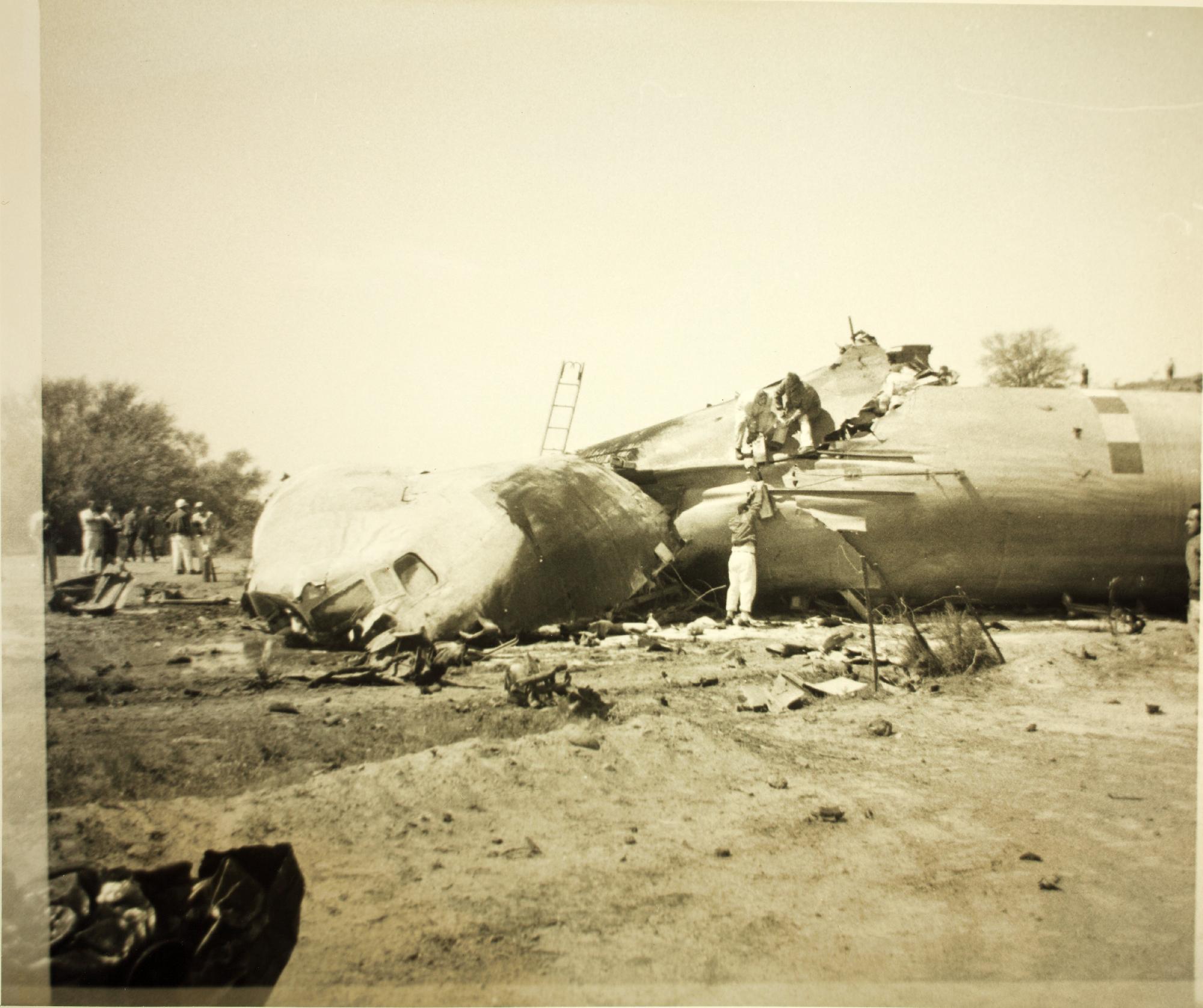
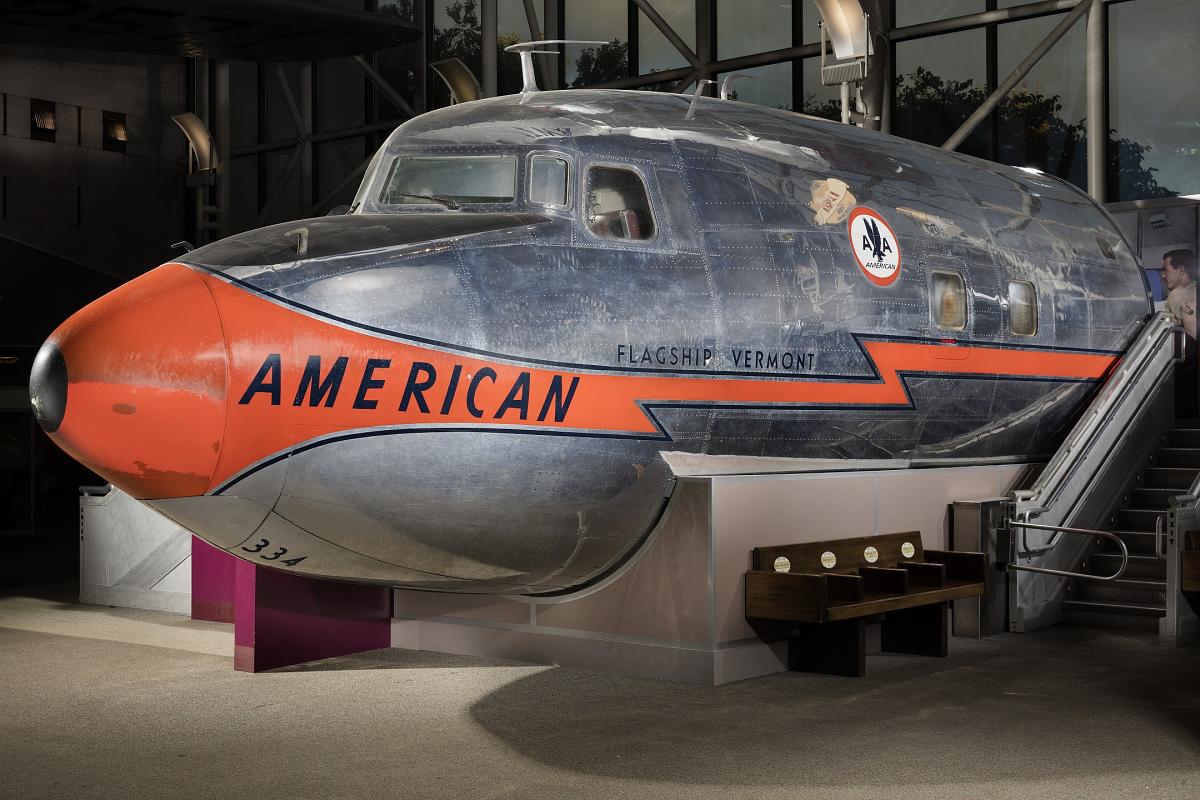
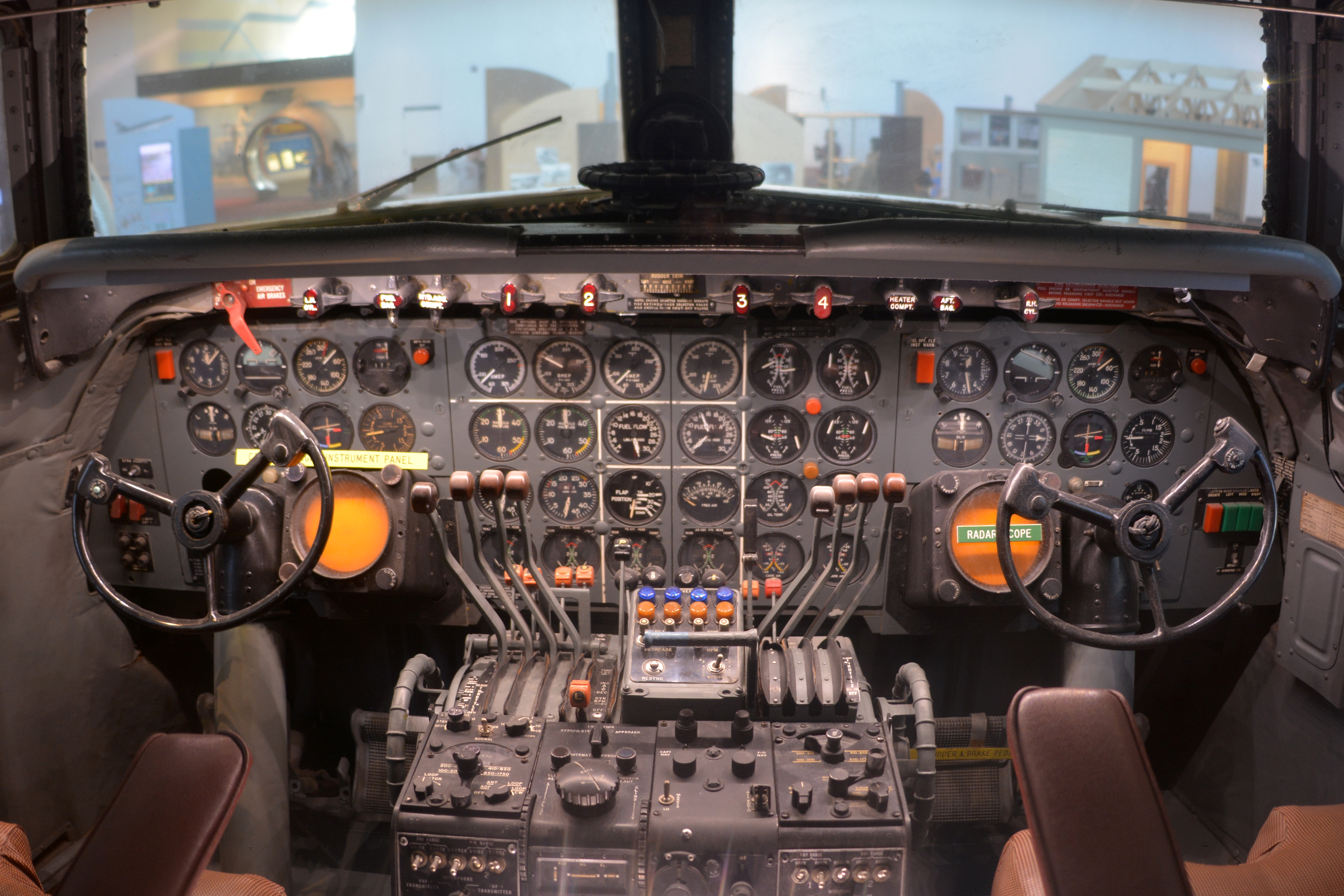
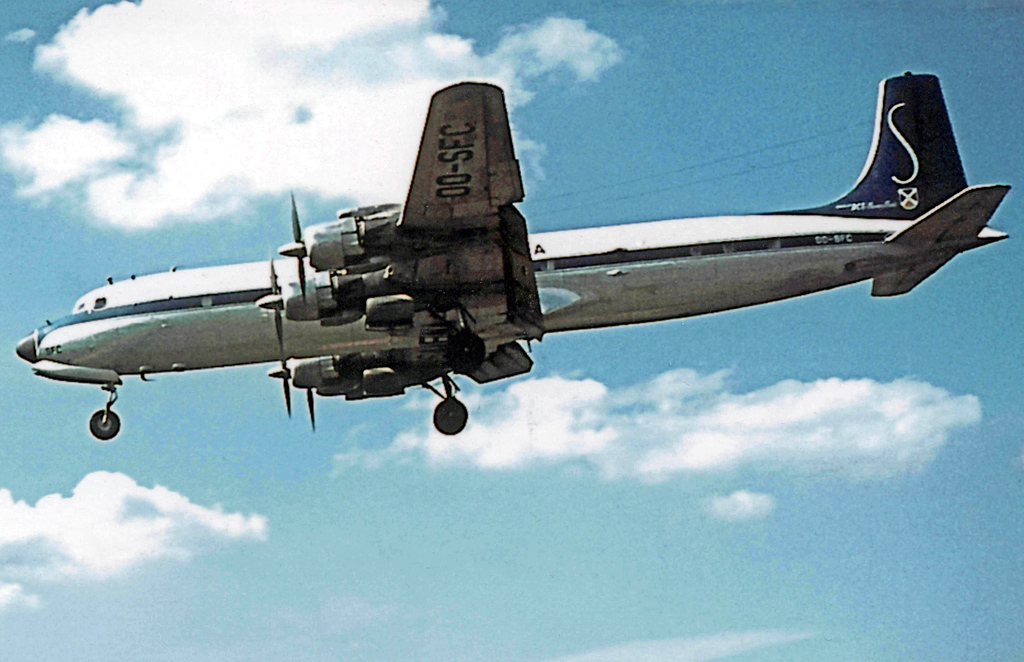
_at_Smithsonian_NASM_Udvar-Hazy_Center_in_Chantilly%2C_VA_(cropped).jpg)


.jpg)
.jpg)
.jpg)
.jpg)

_Electra_Channel_Express_STN_170401.jpg)

.jpg)
.jpg)
.jpg)
.jpg)
.jpg)
_N88CH%2C_D%C3%BCsseldorf_1978.jpg)
.jpg)
_AN1273108.jpg)
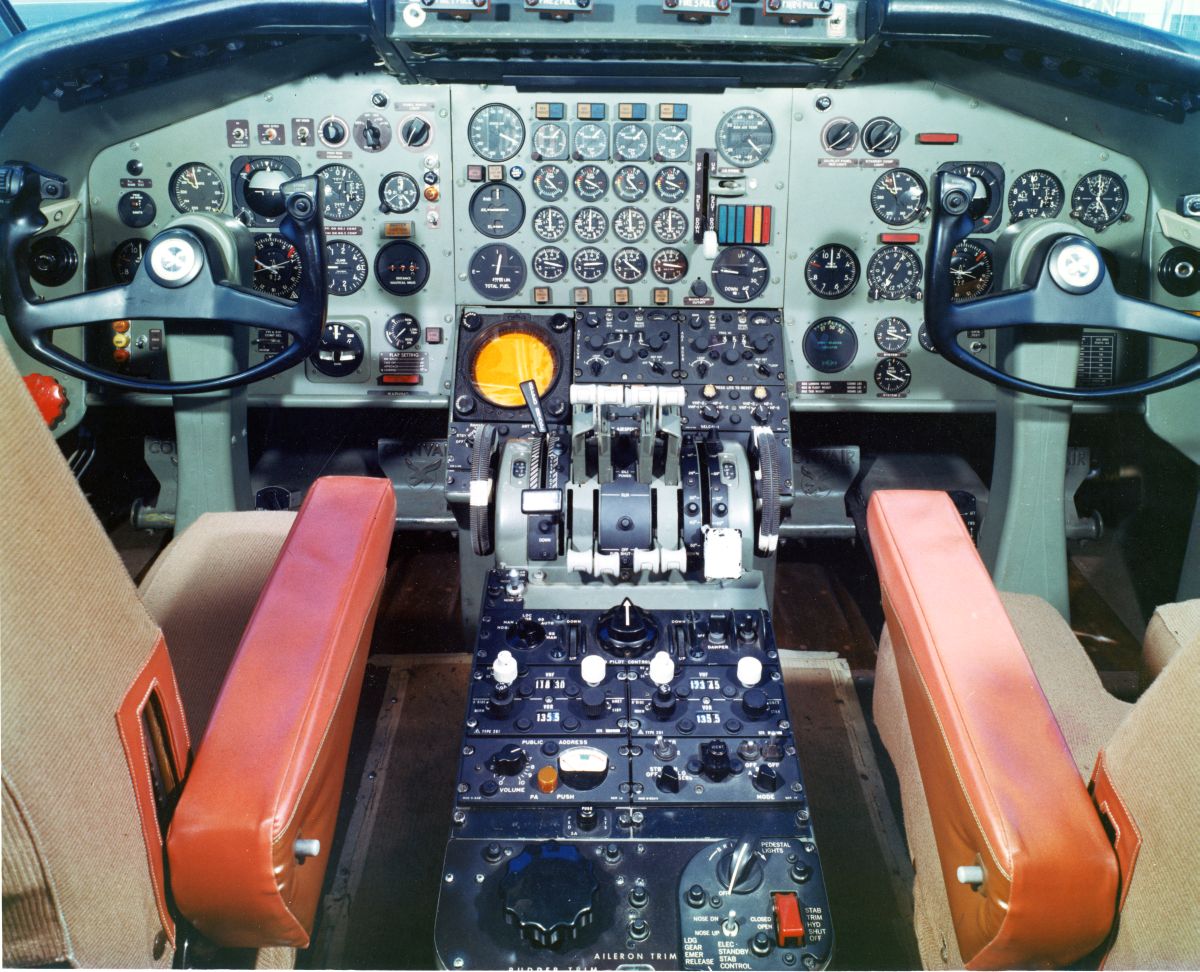
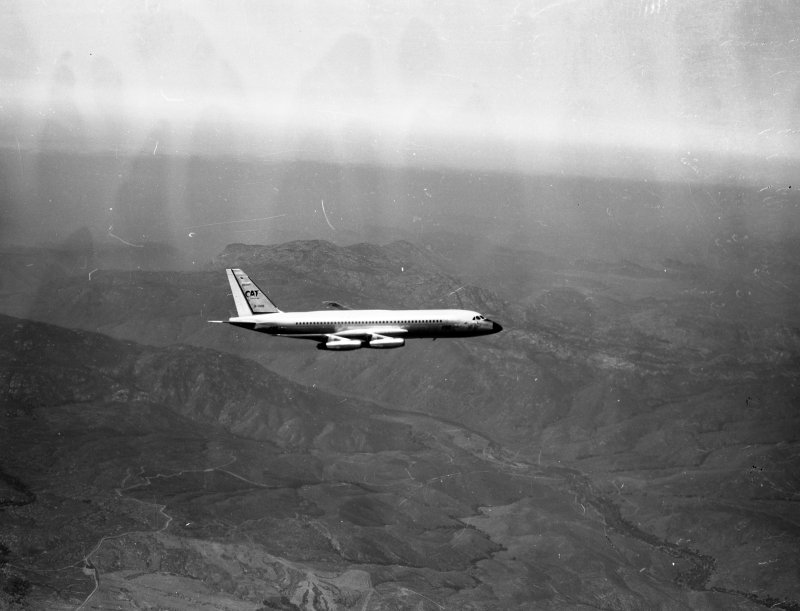

.jpg)
%2C_Escuela_Universitaria_de_Ingenieros_T%C3%A9cnicos_Aeron%C3%A1uticos.jpg)
.jpg)

.jpg)
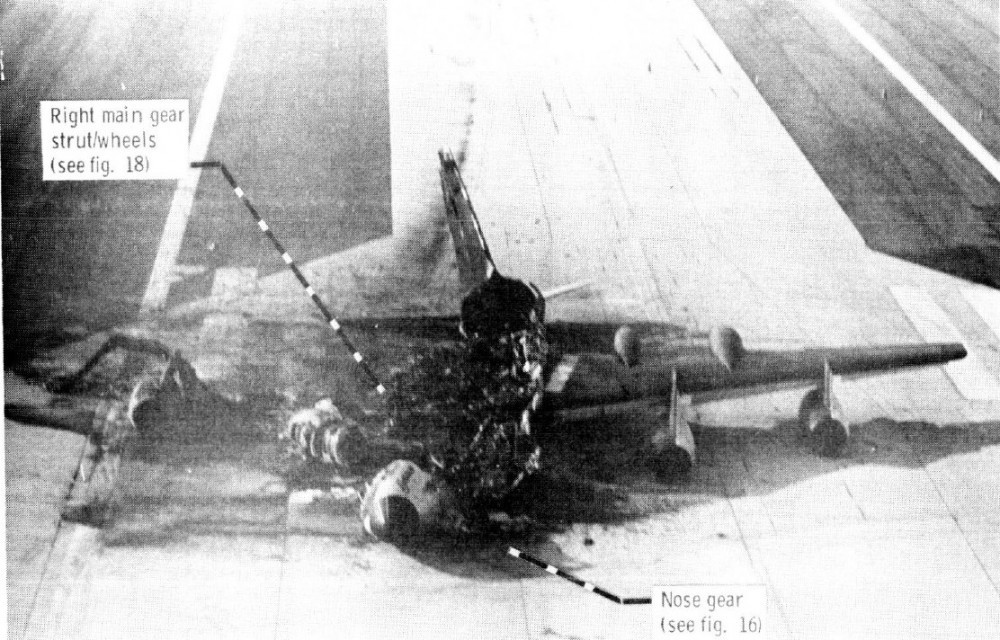
.jpg)
_being_fueled_in_August_of_1963.jpg)
.jpg)
.jpg)
.jpg)
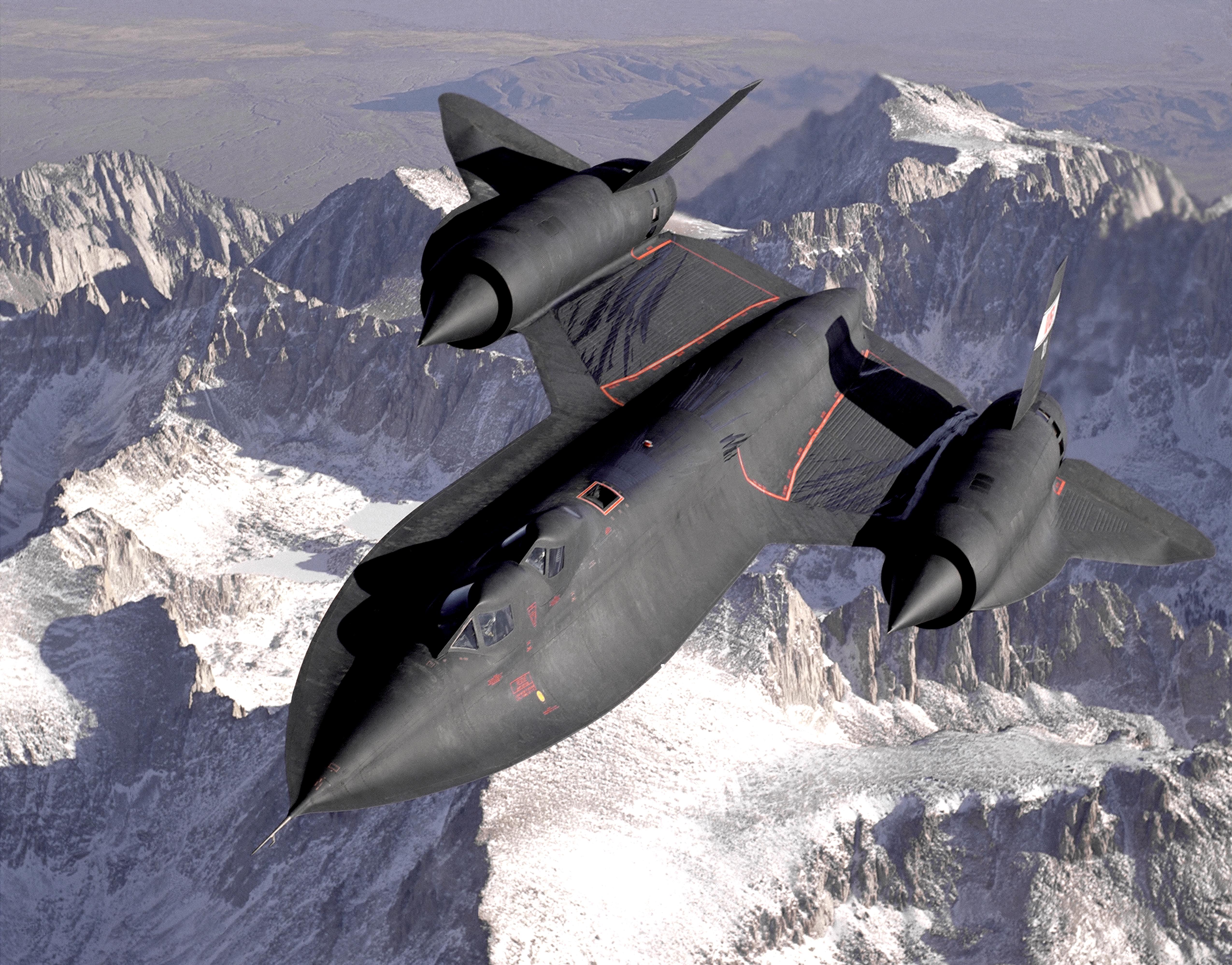
.jpg)
.jpg)
.jpg)

.jpg)
_PP1317232892.jpg)
.jpg)
_Taxiing_at_Darwin_Airport_in_March_2012.jpg)
_of_Flightline%2C_Birmingham%2C_2012_(second_view).jpg)
.jpg)
%2C_an_F-14B_Tomcat_attached_to_the_%22Jolly_Rogers%22_of_Fighter_Squadron_One_Zero_Three_(VF-103)%2C_launc.jpeg)
_from_the_303rd_Fighter_Squadron%2C_442nd_Fighter_Wing%2C_performs_close_ai.jpg)

_for_sonic_boom_research%2C_1995_(EC95-43024-7).jpg)


.jpg)
%2C_Spanish_Air_Force%2C_serial_C.15-48___C.15-60.jpg)

_1990.jpeg)
.jpg)
.png)
_%E2%80%94_Department_Of_The_Air_Force_Janet_EG%26G_N20RA_1985_Beech_1900_C-N_UB-42_(6524787629).jpg)
_%E2%80%94_N197GA_Beech_1900C_Gulfstream_Intl_Al_MIA_29MAY94_(6931147733).jpg)
_%E2%80%94_Beech_1900C%2C_Private_JP6119280.jpg)
_%E2%80%94_Pacific_Coastal_Airlines_-_Beech_1900C_-_C-FPCV_(Quintin_Soloviev).jpg)
.jpg)



.jpg)

.jpg)

.jpg)
.jpg)
.jpg)
_overview.jpg)
.jpg)
%2C_30_de_septiembre_de_2022.jpg)

-1600.webp)


-1600.webp)


-800.webp)


-1600.webp)
_1990-05-03_Andre_Gerwing_Collection_ID_029103-1600.webp)

%2C_manufacturer_photo-800.webp)


-800.webp)


_Berliner_Luftbr%C3%BCcke-1600.webp)


_(5-22-2022)-1600.webp)


-800.webp)
-1600.webp)

-800.webp)


_US_Air_Force%2C_RIAT_1993.-800.webp)


_at_Smithsonian_NASM_Udvar-Hazy_Center_in_Chantilly%2C_VA_(cropped)-800.webp)


-1600.webp)
-800.webp)
-1600.webp)
-1600.webp)


_Electra_Channel_Express_STN_170401-1600.webp)


-800.webp)
-800.webp)
-800.webp)
-1600.webp)
-1600.webp)

_N88CH%2C_D%C3%BCsseldorf_1978-800.webp)
-1600.webp)
_AN1273108-800.webp)


-1600.webp)
%2C_Escuela_Universitaria_de_Ingenieros_T%C3%A9cnicos_Aeron%C3%A1uticos-1600.webp)
-800.webp)

-1600.webp)

-800.webp)
_being_fueled_in_August_of_1963-1600.webp)
-800.webp)
-1600.webp)
-1600.webp)


-1600.webp)
-800.webp)


-800.webp)

-1600.webp)

_PP1317232892-800.webp)
-1600.webp)
_Taxiing_at_Darwin_Airport_in_March_2012-1600.webp)


_of_Flightline%2C_Birmingham%2C_2012_(second_view)-1600.webp)


-800.webp)
%2C_an_F-14B_Tomcat_attached_to_the_%22Jolly_Rogers%22_of_Fighter_Squadron_One_Zero_Three_(VF-103)%2C_launc-1600.webp)


_from_the_303rd_Fighter_Squadron%2C_442nd_Fighter_Wing%2C_performs_close_ai-1600.webp)


_for_sonic_boom_research%2C_1995_(EC95-43024-7)-1600.webp)


%2C_Spanish_Air_Force%2C_serial_C.15-48___C.15-60-1600.webp)

_1990-1600.webp)
-1600.webp)


_%E2%80%94_Department_Of_The_Air_Force_Janet_EG%26G_N20RA_1985_Beech_1900_C-N_UB-42_(6524787629)-1600.webp)
_%E2%80%94_N197GA_Beech_1900C_Gulfstream_Intl_Al_MIA_29MAY94_(6931147733)-1600.webp)
_%E2%80%94_Beech_1900C%2C_Private_JP6119280-800.webp)
_%E2%80%94_Pacific_Coastal_Airlines_-_Beech_1900C_-_C-FPCV_(Quintin_Soloviev)-1600.webp)


-800.webp)


-1600.webp)


-1600.webp)


-1600.webp)

-1600.webp)


-1600.webp)
_overview-1600.webp)
-1600.webp)
%2C_30_de_septiembre_de_2022-800.webp)