Family: Redstone · Chrysler Corporation
Redstone
Launch statistics
- —
- Total launches
- —
- Successes
- —
- Failures
- —
- Success rate


.jpg)





-1600.webp)




%2C_21_July_1961-1600.webp)


-1600.webp)


-1600.webp)


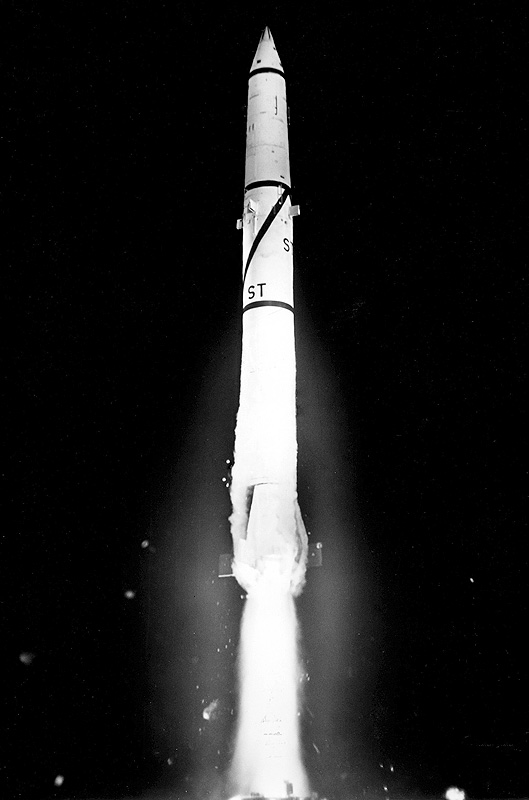


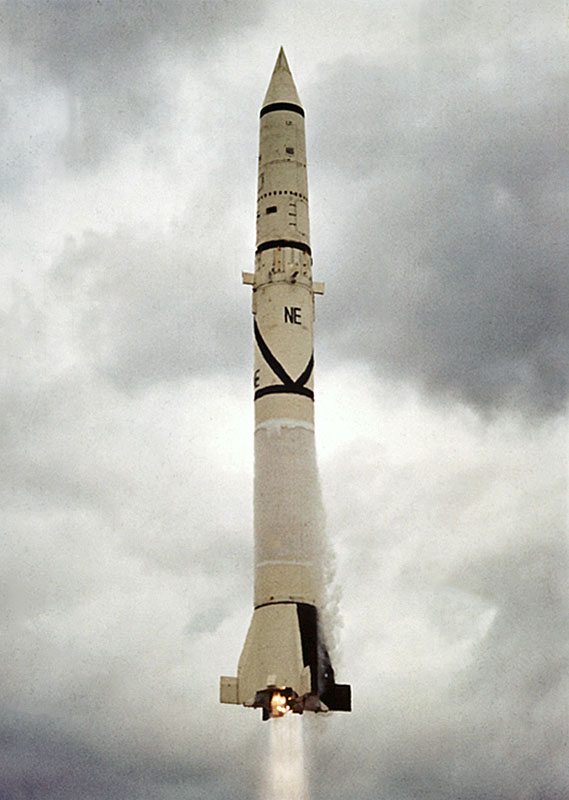
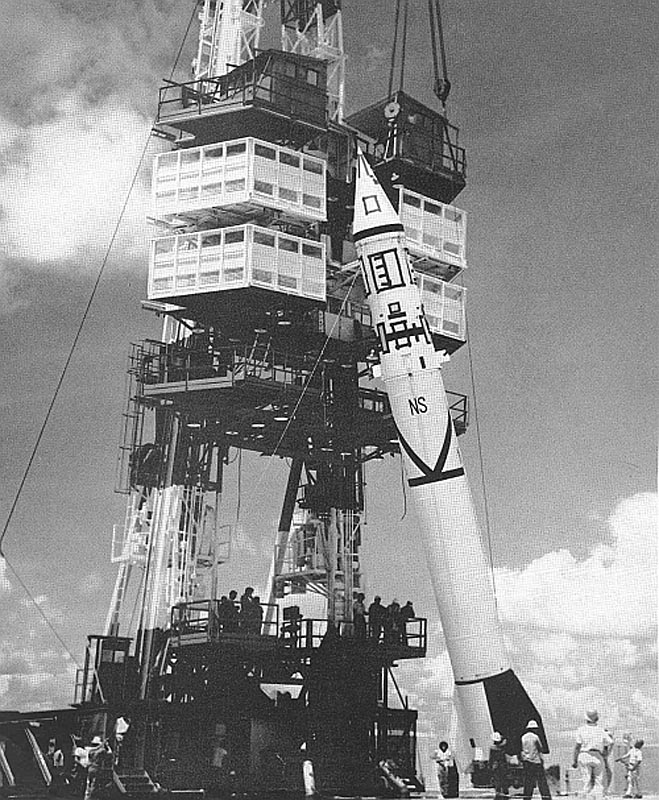
.jpg)


%2C_31_January_1961-1600.webp)


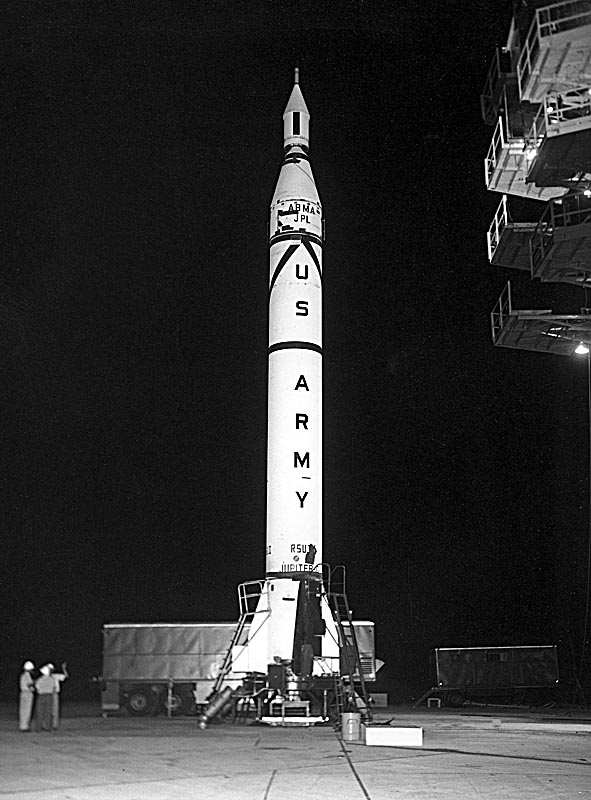
%2C_5_May_1961-1600.webp)
_lifts_off%2C_24_March_1961-800.webp)
.jpg)

The Redstone was the first large American ballistic missile and the trunk from which an entire family of launch vehicles grew. A direct descendant of the German V-2, it first flew in 1953, and its surplus airframes opened the way for the United States' crewed space programme.
Missions
- Mercury-Redstone 1 · 1960
- Mercury-Redstone 1A · 1960
- Mercury-Redstone 2 · 1961
- Mercury-Redstone BD · 1961
- Mercury-Redstone 3 · 1961
- Mercury-Redstone 4 · 1961
Redstone in the news
DOJ's No. 3 says the FBI's Redstone Arsenal counter-drone school will more than double capacity. It is the only gate to new police drone takedown powers.
More than 100 personnel have already relocated to Redstone Arsenal as construction of billion-dollar Space Command facility is set to begin The post Space Command expands Alabama footprint as…
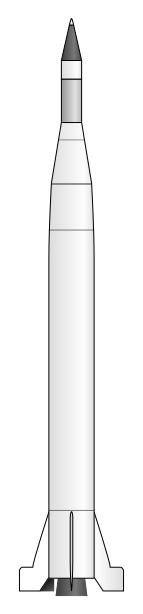
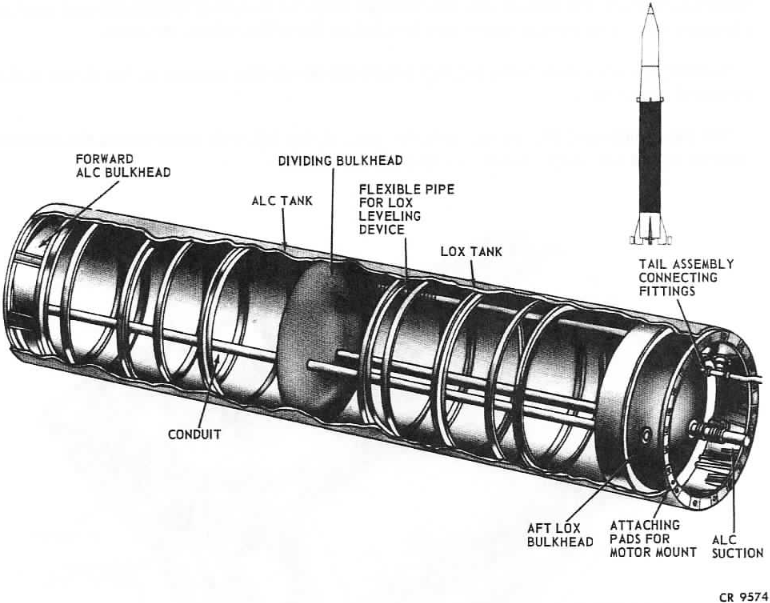
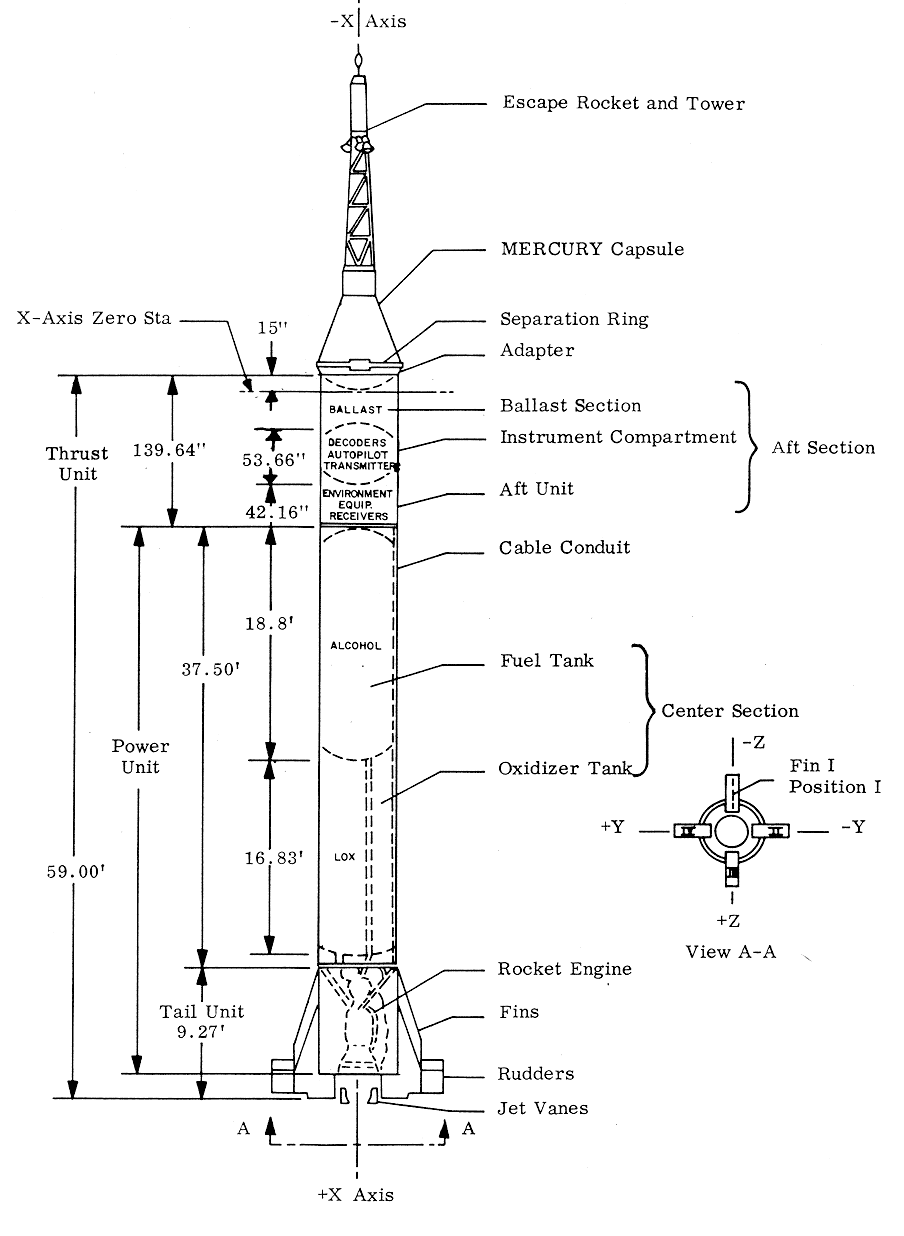
Three-view drawing



History
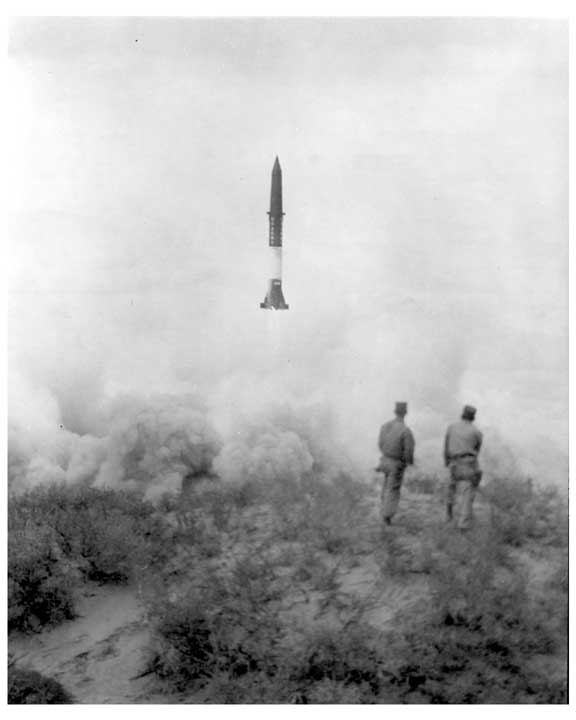
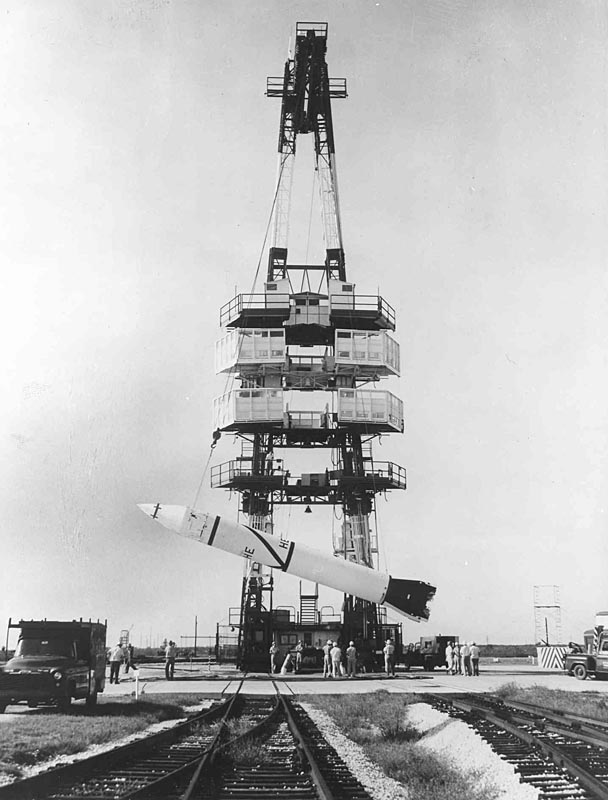
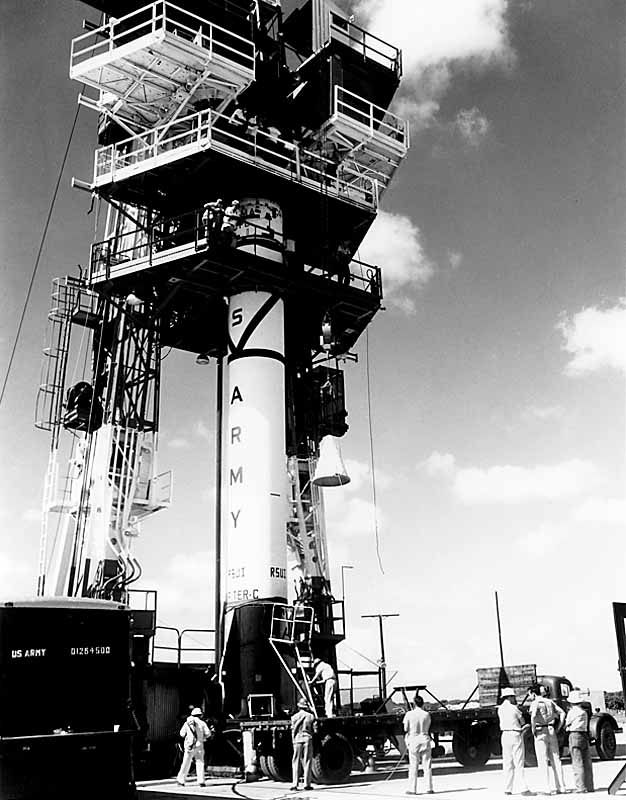
The Redstone was born at the Army Ballistic Missile Agency, based at Redstone Arsenal in Huntsville, Alabama, in the hands of the team of German engineers led by Wernher von Braun after their transfer to the United States under Operation Paperclip. The rocket took its name from the arsenal itself, named on 8 April 1952 after the red rocks and soil of the region, and it was a recognisable evolution of the V-2. The first vehicle lifted off from pad LC-4A at Cape Canaveral on 20 August 1953; it flew for little more than a minute before an engine failure sent it into the sea, a partial failure that nonetheless proved the design workable.
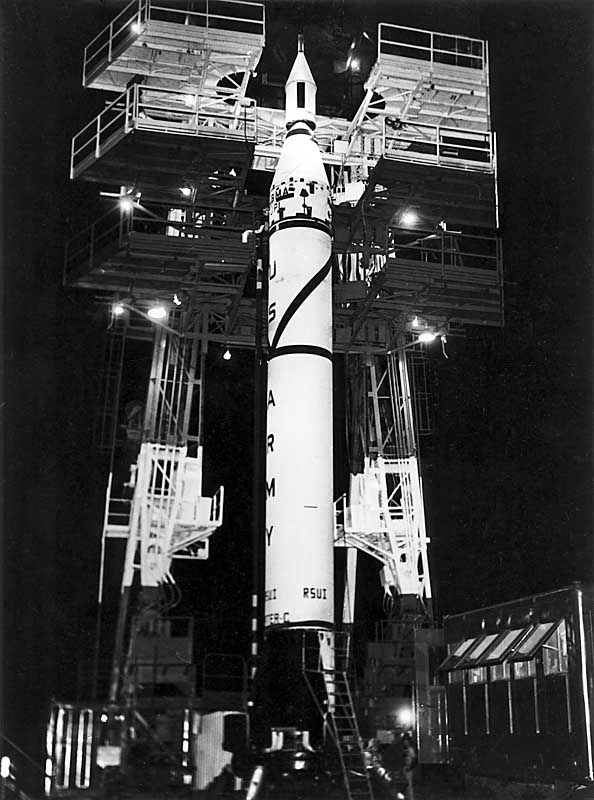
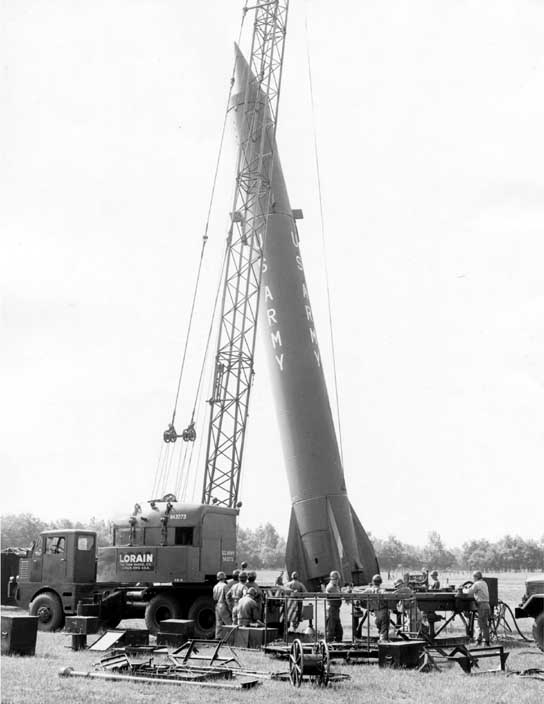
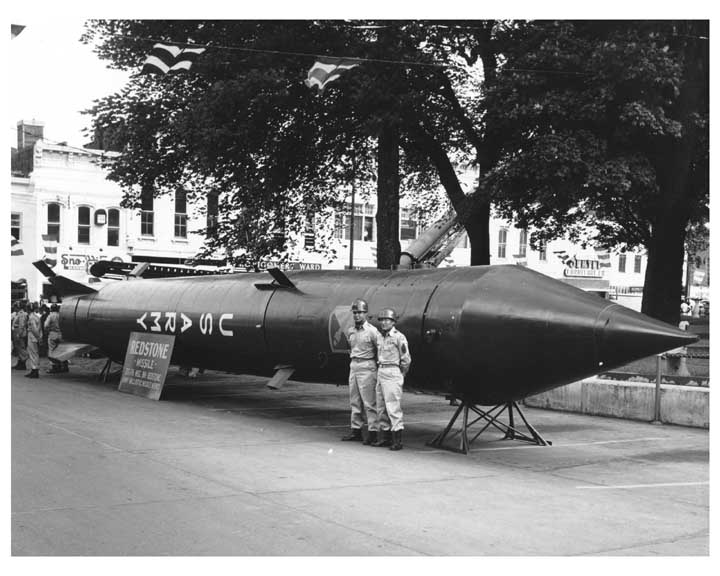
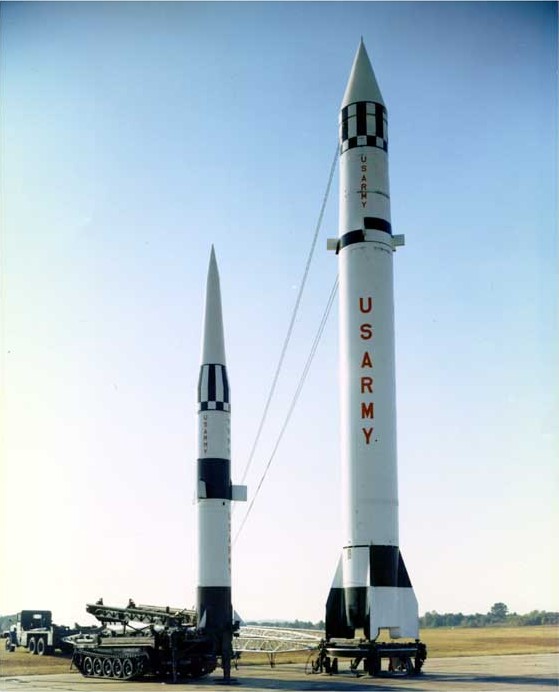
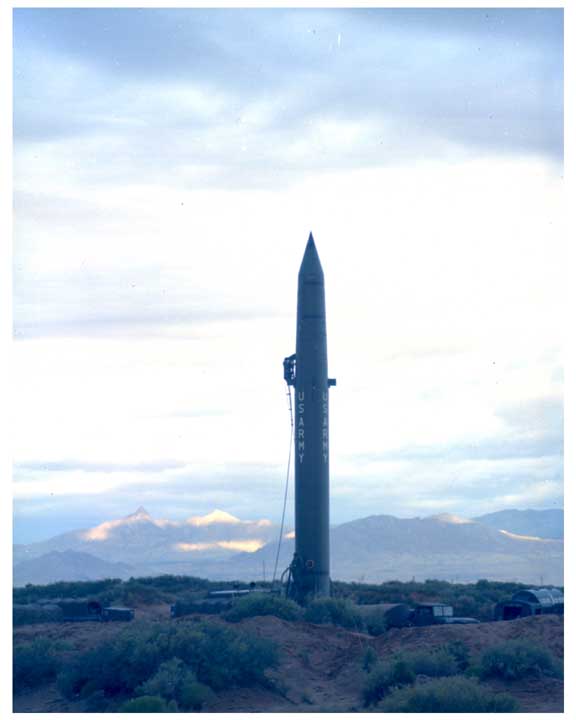
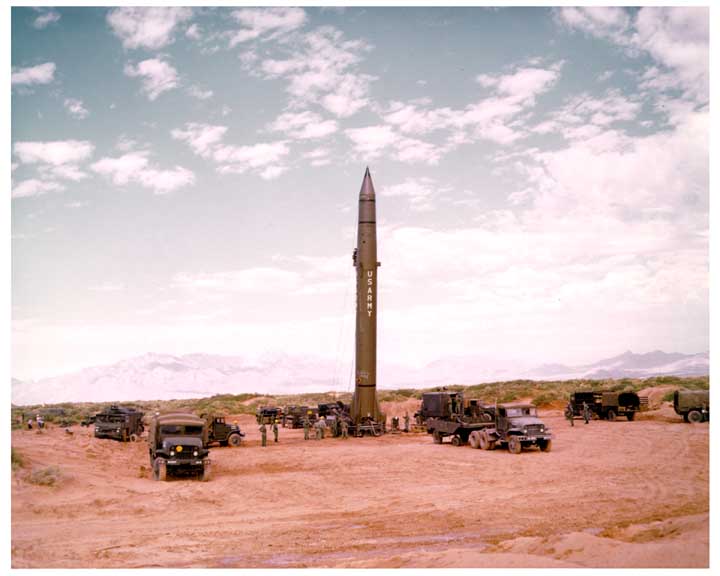
As a weapon the Redstone was a short-range ballistic missile. It served with the United States Army in West Germany from June 1958 to June 1964 as part of NATO's Cold War defence of Western Europe, and it was the first US missile to carry a live nuclear warhead, the W39. Series production went to the Chrysler Corporation, which concentrated it at the Michigan Ordnance Missile Plant in Warren, Michigan, with Rocketdyne supplying the engines and Ford Instrument Company the guidance and control systems. The Army retired it in 1964 and replaced it with the solid-fuelled MGM-31 Pershing.
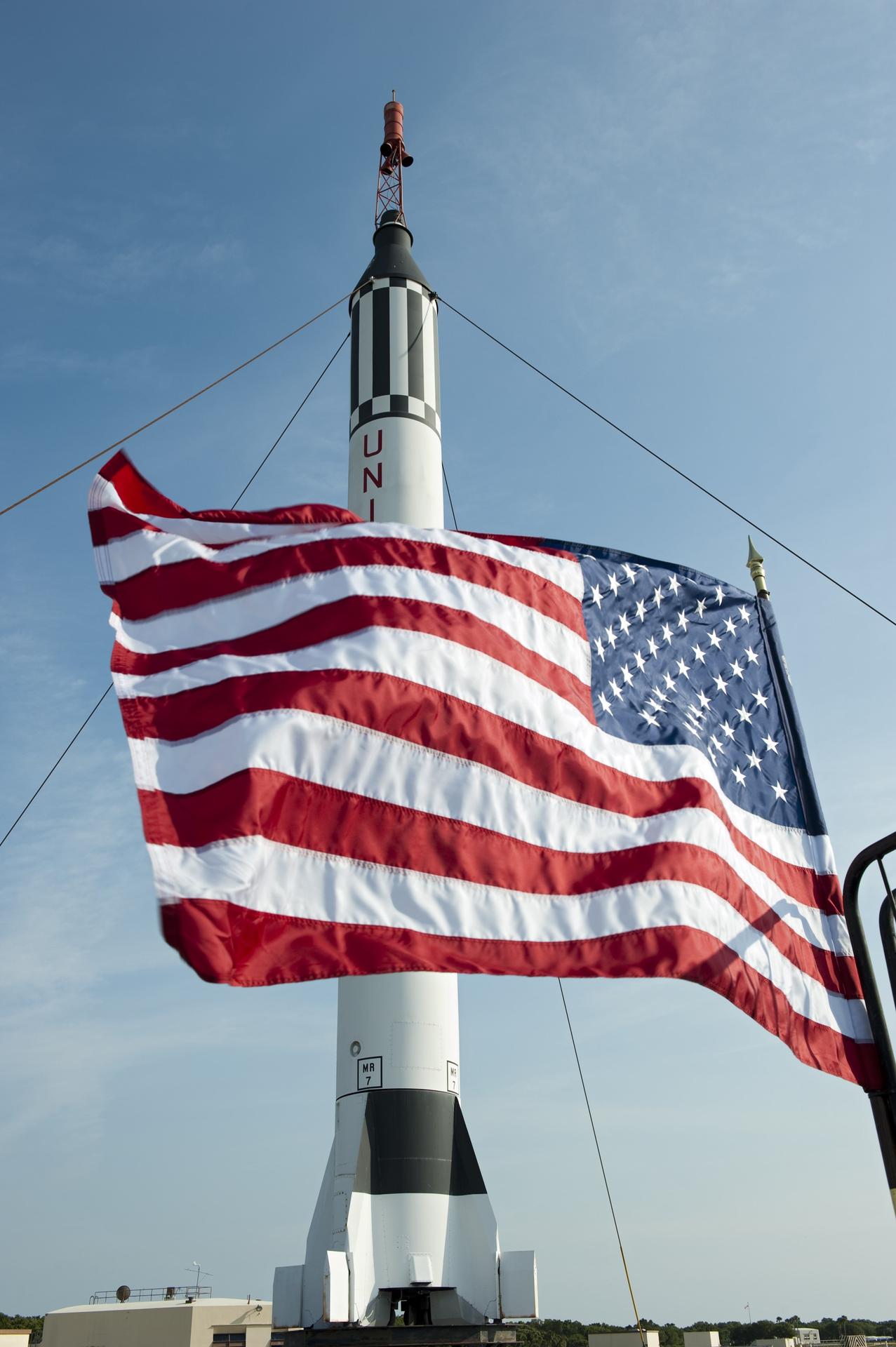
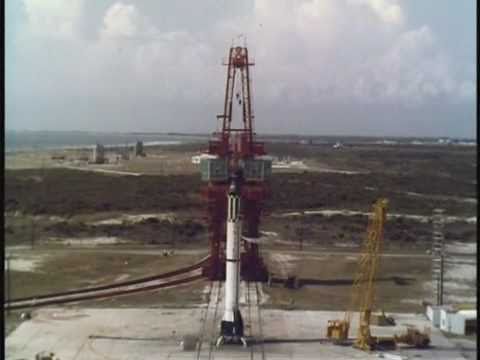
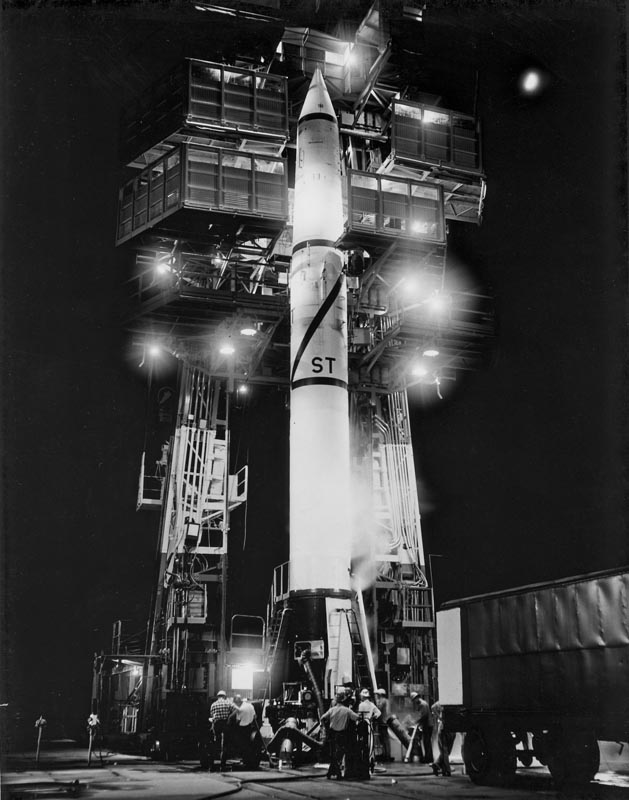
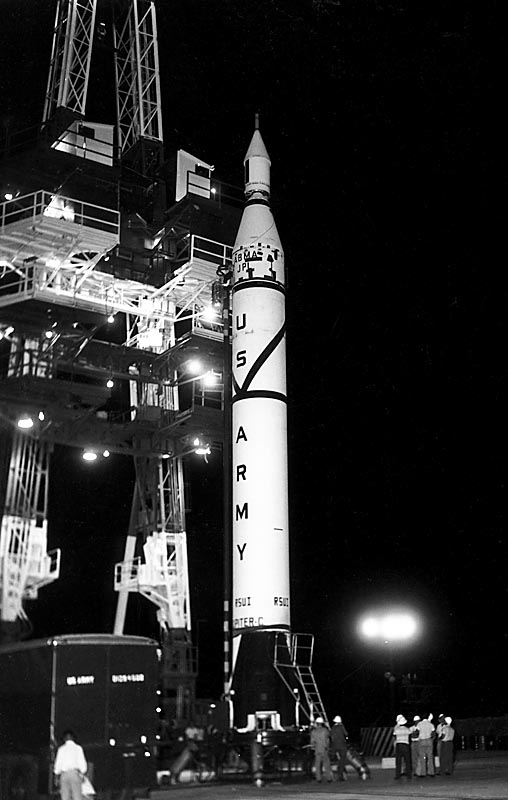
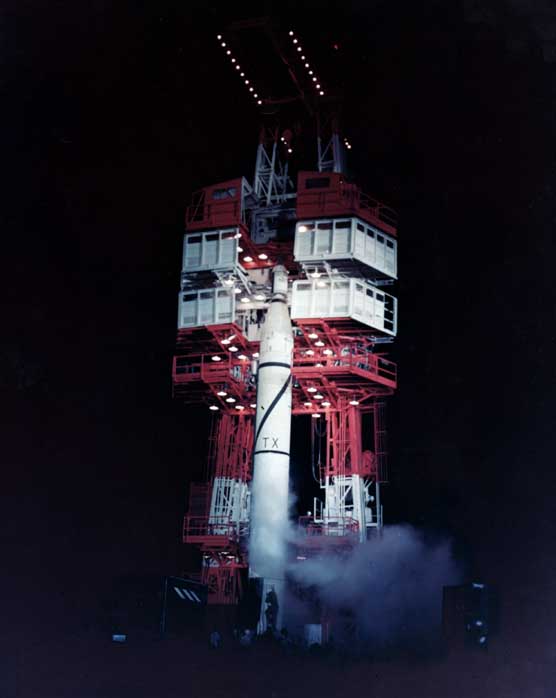
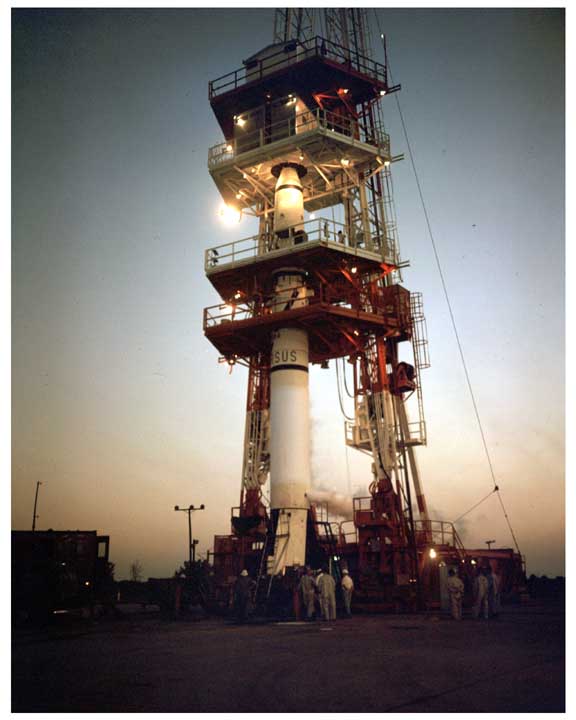
Its second life is what made it famous. Standing 21.1 metres tall, 1.8 metres across and weighing 27,763 kilograms at ignition, the Redstone was a cheap and readily available booster: the Mercury-Redstone version flew Alan Shepard on a sub-orbital hop on 5 May 1961, making him the second person and the first American in space, while surplus airframes reworked as Spartas and fired from Woomera in South Australia, under a joint programme with the United Kingdom and Australia, placed Australia's first satellite in orbit in 1967. That same trunk produced the Redstone launch vehicle family, which holds a number of firsts in the US space programme.
Launch timeline
| Date | Launch site | Program | Outcome | Payload |
|---|
Versions
| PGM-11 Redstone | Jupiter-A | Jupiter-C | Mercury-Redstone Launch Vehicle | Sparta | |
|---|---|---|---|---|---|
| First launch | August 20, 1953 | September 22, 1955 | September 20, 1956 | November 21, 1960 | November 28, 1966 |
| Last launch | — | June 11, 1958 | August 8, 1957 | July 21, 1961 | November 29, 1967 |
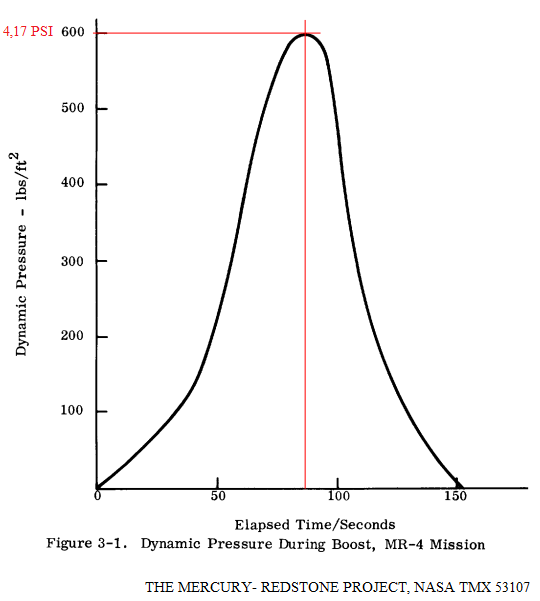
| Powerplant | — | One Rocketdyne NAA 75-110 engine (A-3, A-4 and A-6 versions) burning 75% ethanol/water with liquid oxygen; one flight (RS-22) on Hydyne. | — | One Rocketdyne A-7 engine of 347 kN, 215 s specific impulse and about 143.5 s burn time; 75% ethyl alcohol and 25% water with liquid oxygen, turbopump driven by hydrogen peroxide. | — |
| Propellant | — | — | — | LOX / ethyl alcohol | — |
| Height | 21.1 m | 21.2 m | 21.3 m | 25.4 m Best value in this row | 21.8 m |
| Diameter | 1.8 m Best value in this row | 1.8 m Best value in this row | 1.8 m | 1.8 m Best value in this row | 1.8 m Best value in this row |
| Mass | 27,763 kg | — | 29,000 kg | 29,937 kg | 30,000 kg Best value in this row |
| Liftoff thrust | 347 kN | — | 370 kN | 347 kN | 416 kN Best value in this row |
| Stages | 1 Best value in this row | 1 Best value in this row | 3 | 1 Best value in this row | 3 |
| LEO capacity | — | — | — | — | 45 kg |
| Reusable | No | No | No | No | No |
Images