Project Mercury · NASA · Crewed
Mercury-Redstone 3
- May 5, 1961
- Launch date
- 1
- Crew size
- Success
- Outcome


-3_Flight-1600.webp)


-3_Flight_-_Cape-1600.webp)
-3_flight-1600.webp)


-3_-_CAPE-1600.webp)


-3_-_%22FREEDOM_7%22_-_CAPE-1600.webp)


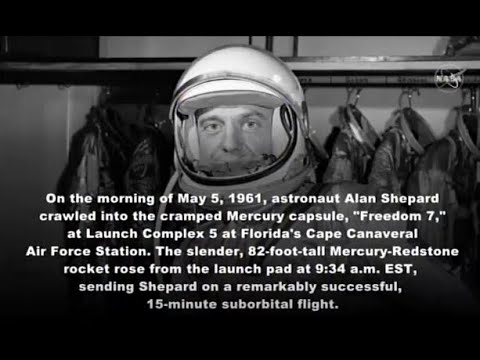
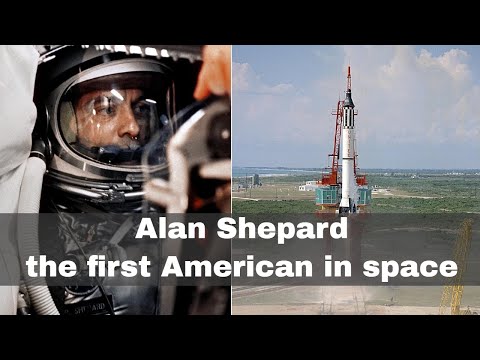
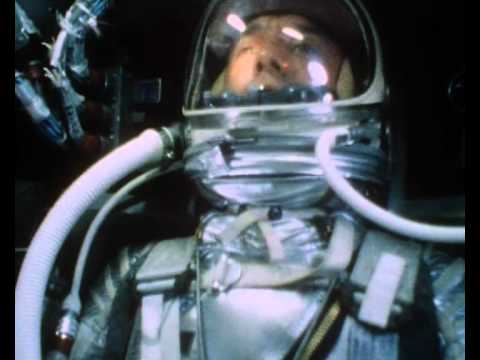
Mercury-Redstone 3, the mission Alan B. Shepard christened Freedom 7, was the first crewed spaceflight of the United States. It lifted off from Cape Canaveral on 5 May 1961 and lasted 15 minutes and 22 seconds: a ballistic hop that never reached orbit and was never meant to. Its primary objective was to show that a pilot could withstand the accelerations of launch and re-entry, work the controls of a spacecraft and come back fit. It was the fourth flight of the Mercury-Redstone launch vehicle and the first Mercury mission with a human aboard. The flight came three weeks after the Soviet Union placed Yuri Gagarin in orbit aboard Vostok 1 on 12 April 1961. That gap in the calendar shaped how MR-3 has been read ever since: technically a modest suborbital arc set against a full orbit, and politically the answer the United States was able to give at the lowest point of the space race. The comparison was unavoidable and painful, and yet the mission did exactly what was asked of it, with a pilot who genuinely worked through the handful of minutes available to him. The spacecraft, McDonnell's Mercury capsule number 7, reached an altitude of 187.5 km (116.5 statute miles, 101.2 nautical miles) and covered 487.3 km downrange over the Atlantic. Shepard took a peak acceleration of 6.3 g just before the Redstone engine cut off, some five minutes of weightlessness and a peak of 11.6 g on the way back down. After splashdown off the Bahamas a helicopter picked him up and carried him to the aircraft carrier USS Lake Champlain: eleven minutes elapsed between hitting the water and reaching the deck. What set MR-3 apart from the automated flights that preceded it was the pilot's workload. Shepard took manual attitude control one axis at a time - pitch, yaw and roll - compared the craft's response with the simulator he had trained on, observed the Earth through the periscope, flew the vehicle through retrofire and held it steady as the re-entry loads built up. It was the first time a human being manually flew an American spacecraft, and that mattered more than the altitude reached. The name left its own mark. Shepard called his capsule Freedom 7 and in doing so set two precedents the other six astronauts of the original group followed: naming the spacecraft at all, and ending the name in a "7". The mission opened the operational phase of Project Mercury, led straight to Mercury-Redstone 4 in July and preceded by twenty days John F. Kennedy's message to Congress committing the country to landing a man on the Moon and returning him safely to Earth.
Payload
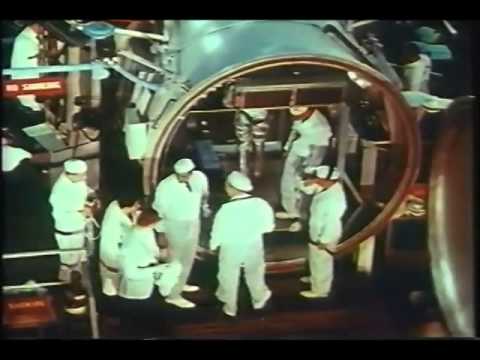
Freedom 7 was Mercury spacecraft No. 7, built by McDonnell Aircraft and named by its own pilot: the "7" commemorated the group of seven astronauts and also matched the model number of the McDonnell capsule. The mission record gives a launch mass of 4,040 pounds and a landing mass of 2,316 pounds. The payload was, above all, a man: Alan B. Shepard, Jr., NASA pilot and sole occupant. He wore a pressure suit with its own oxygen supply, which also cooled him, supplementing the cabin environmental control system, whose atmosphere was pure oxygen at 5.5 psi (38 kPa). His biomedical instrumentation, the standard Mercury fit, consisted of electrodes on the chest to record his heart rhythm, a cuff to take his blood pressure and a rectal thermometer, and the data were sent to the ground during the flight; no urine collection device had been provided, so after almost three hours of holds on the pad Shepard urinated in his suit and short-circuited some of those electrodes. For looking outside, the capsule, an earlier version of the Mercury, carried a periscope that extended through the hull beneath the pilot's feet, offering a wide-angle or a narrow-angle view with interchangeable optical filters, plus two small round viewing windows, one on each side; the periscope was the primary means of observation and was automatically retracted in preparation for reentry. Also aboard were a motion picture camera that filmed the pilot and a 70 mm Earth-Sky camera mounted on the spacecraft, which took photographs of the Earth.
| Crew | Role | Agency | Extravehicular activity |
|---|---|---|---|
| Alan B. Shepard, Jr. | Pilot | NASA · United States | — |
History
The United States in the spring of 1961
Project Mercury was built around a goal stated from the outset: put an astronaut into orbit around the Earth and bring him back alive. The suborbital flights on the Redstone were never the destination, only the step before it - a way of proving on a modest booster what would later have to be entrusted to the Atlas. Within that plan, MR-3 was the first flight with a man aboard in a sequence that had already been years in preparation.
The sequence was broken on 12 April 1961. That day the Soviet Union launched Yuri Gagarin aboard Vostok 1, and he completed one orbit of the Earth. The first human in space was not American, and neither would the first human in orbit be. When MR-3 lifted off three weeks later the comparison made itself: fifteen minutes of ballistic arc against a full circuit of the planet. Much of what followed - including the lunar commitment announced only weeks afterwards - is explained by the distance between what the United States could do and what its rival had already done.
Capsule number 7 and a schedule that kept stretching
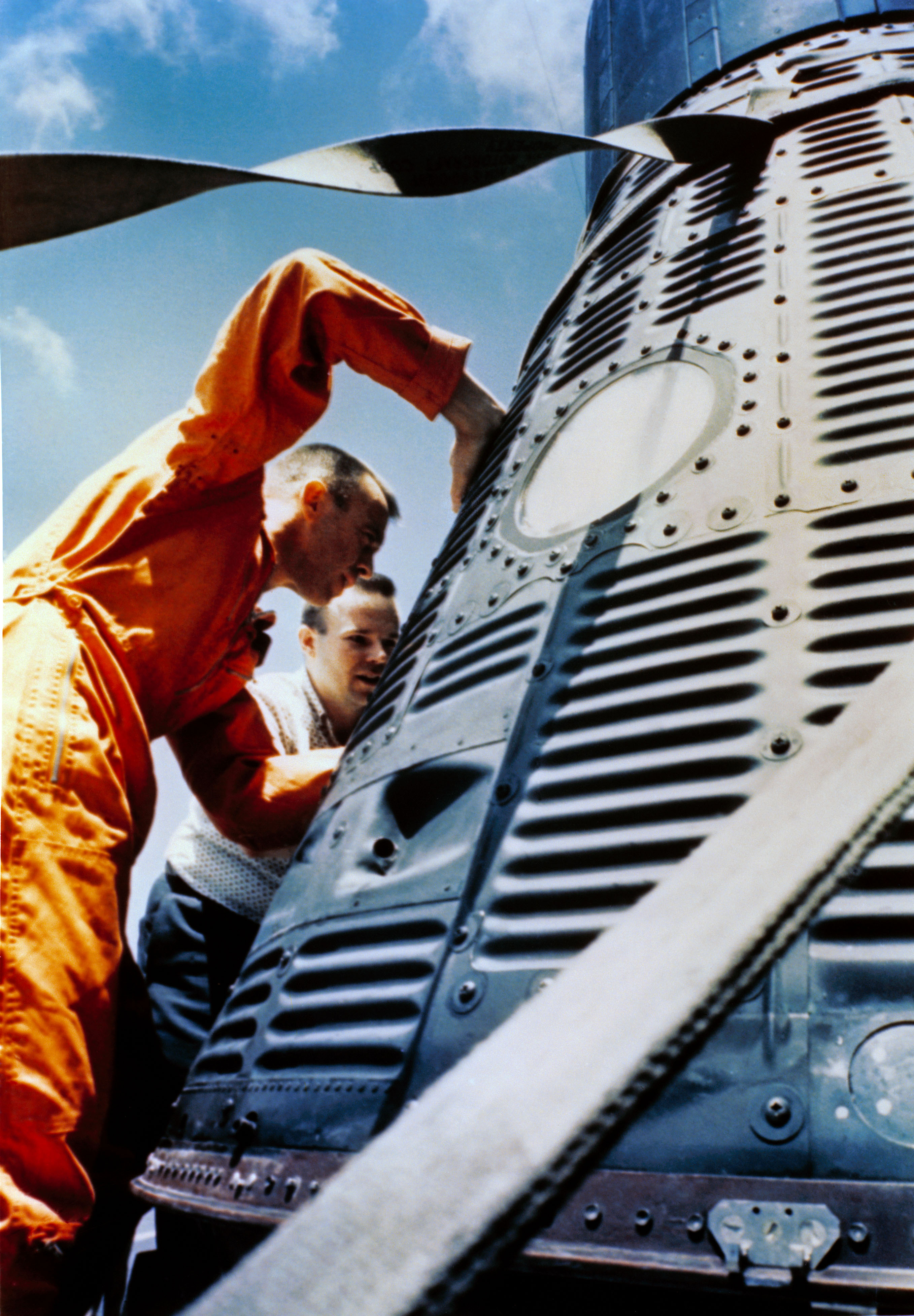
The spacecraft assigned to MR-3, Mercury capsule number 7 from McDonnell's plant, arrived at Cape Canaveral on 9 December 1960. The initial expectation was to launch soon after it became available, but inspection showed the capsule needed far more development and testing than anticipated before it could be considered safe to carry a person. Because that particular capsule had been earmarked since the summer for the first crewed flight, the decision was to wait for it rather than substitute another, and the tentative launch date slid to 6 March.
The booster had an equally awkward history. Redstone number 3, originally intended for the mission, had reached the Cape in early December but ended up flying the MR-1A test on 19 December. Its replacement, Redstone number 7, did not arrive until late March - by which point the mission had been postponed again for a different and more serious reason.
MR-2, Ham's rough ride and the MR-BD development flight
Through late 1960 concern had been building over the safety of the Redstone as a crew-carrying launch vehicle, and the MR-2 flight confirmed it. That mission carried the chimpanzee Ham and suffered technical problems during launch that sent the spacecraft too high, too far and too fast. The flight ran two minutes longer than planned and re-entry subjected the animal to 14.7 g instead of the roughly 12 g intended. Splashdown occurred sixty miles from the nearest recovery ship, and more than two and a half hours passed before a helicopter could lift out the capsule, which by then had very nearly sunk.
With that behind them, NASA was unwilling to fly MR-3 without further development work. By late February seven major alterations to the booster still required flight verification. An additional test flight was added to the schedule, MR-BD - for "Booster Development", originally designated MR-2A - which flew on 28 March. It pushed MR-3 back another month, to 25 April, but was almost entirely successful and cleared the way: the crewed mission could proceed without further significant delay on the booster's account.
Seen from today, the chain MR-2 to MR-BD to MR-3 is the strongest argument for the programme's uncrewed flights. Ham's ordeal was not a charming anecdote about a chimpanzee: it was the warning that kept a human pilot from riding a booster carrying seven unverified fixes.
Choosing the pilot, and training
The pilot for MR-3 had been settled several months in advance, in early January, by Robert R. Gilruth, who ran the programme. Gilruth picked Alan Shepard of the Navy as prime pilot, with John Glenn of the Marine Corps and Gus Grissom of the Air Force as his backups. The rest of the Mercury Seven carried on training for later missions.
The three names were announced to the press on 22 February with no indication of which of them would fly. Gilruth wanted to keep his options open in case a late change of personnel became necessary, so Shepard's name only became public after the first launch attempt had been scrubbed. On flight day Glenn served as Shepard's backup, while Grissom concentrated on preparing for MR-4, the next suborbital flight.
The name: Freedom 7
Shepard called his capsule Freedom 7. His reasoning was a test pilot's: aviators have always named their aircraft, it is a tradition, and it never occurred to him not to do it. He talked the name over with his wife Louise, with his backup John Glenn and with Gilruth, and all of them liked it.
The trailing "7" came to stand for the seven astronauts of the first group, though some accounts tie it instead to the spacecraft being McDonnell's model number 7. Whatever its origin, the gesture set a double precedent every Mercury crew followed: naming the spacecraft at all, and ending the name in seven.
The countdown of 5 May
The first launch attempt, on 2 May 1961, was scrubbed for weather two hours and twenty minutes before the scheduled time, with Shepard already suited and waiting in a hangar. The flight was rescheduled two days later, slipped one more day for poor weather, and settled on 5 May with a planned launch time of 7:20 in the morning.
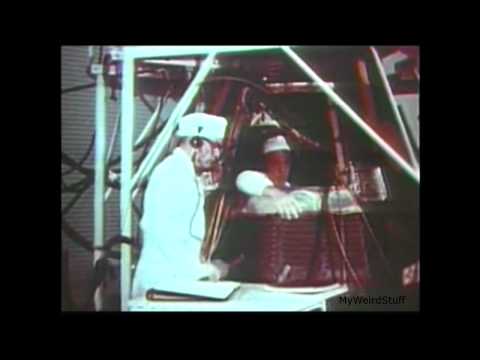
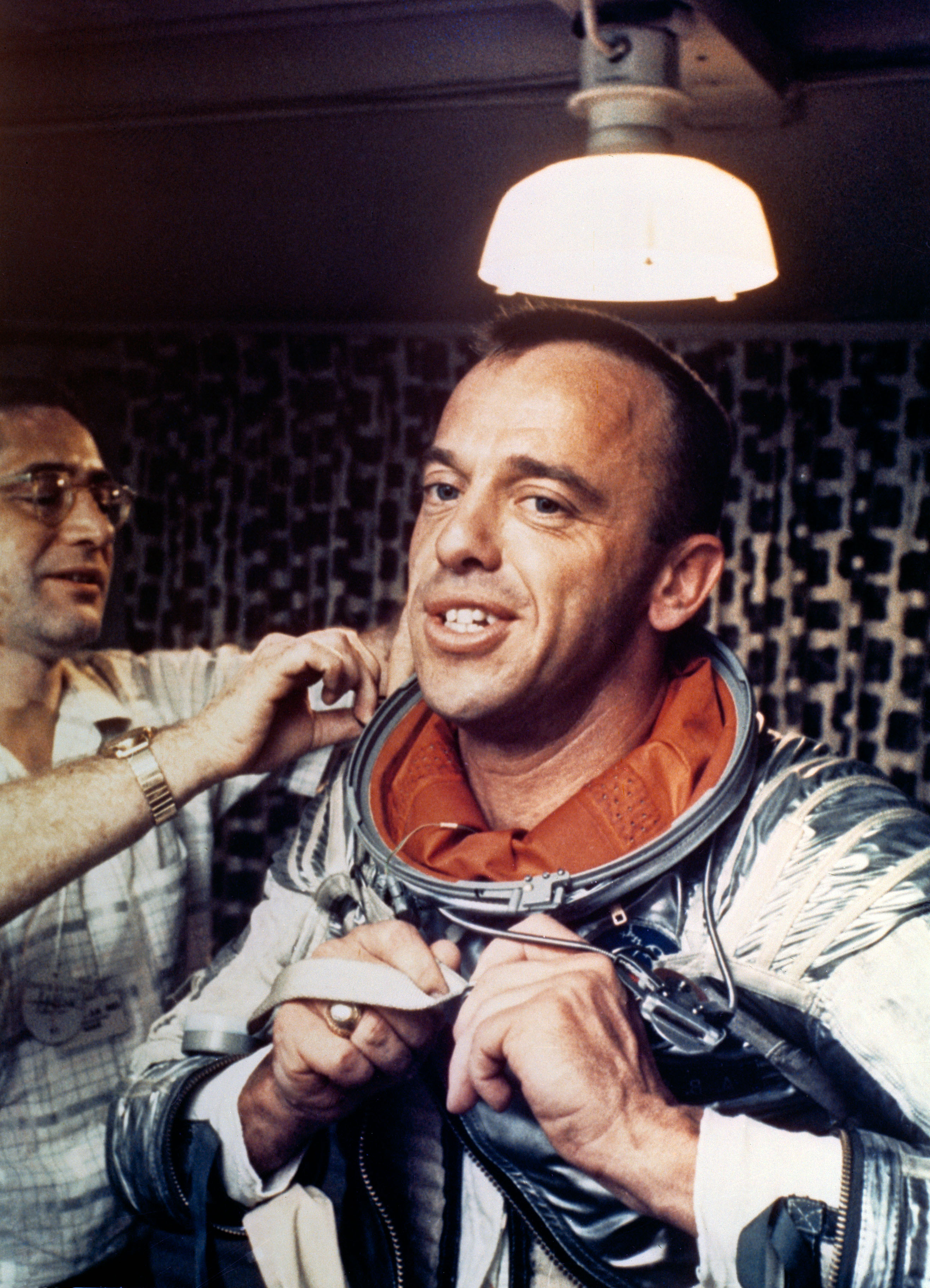
The countdown began at 8:30 the previous evening. Shepard breakfasted on steak and eggs with toast, coffee and orange juice - a menu that would become a launch-morning tradition. He entered the spacecraft at 5:15, a little over two hours before the planned lift-off. At 7:05 the count was held for an hour to let cloud cover clear, since good visibility mattered for the photographs of the Earth to be taken, and to fix a power supply unit. Shortly after the count resumed another hold was called to reboot a computer at the Goddard Space Flight Center.
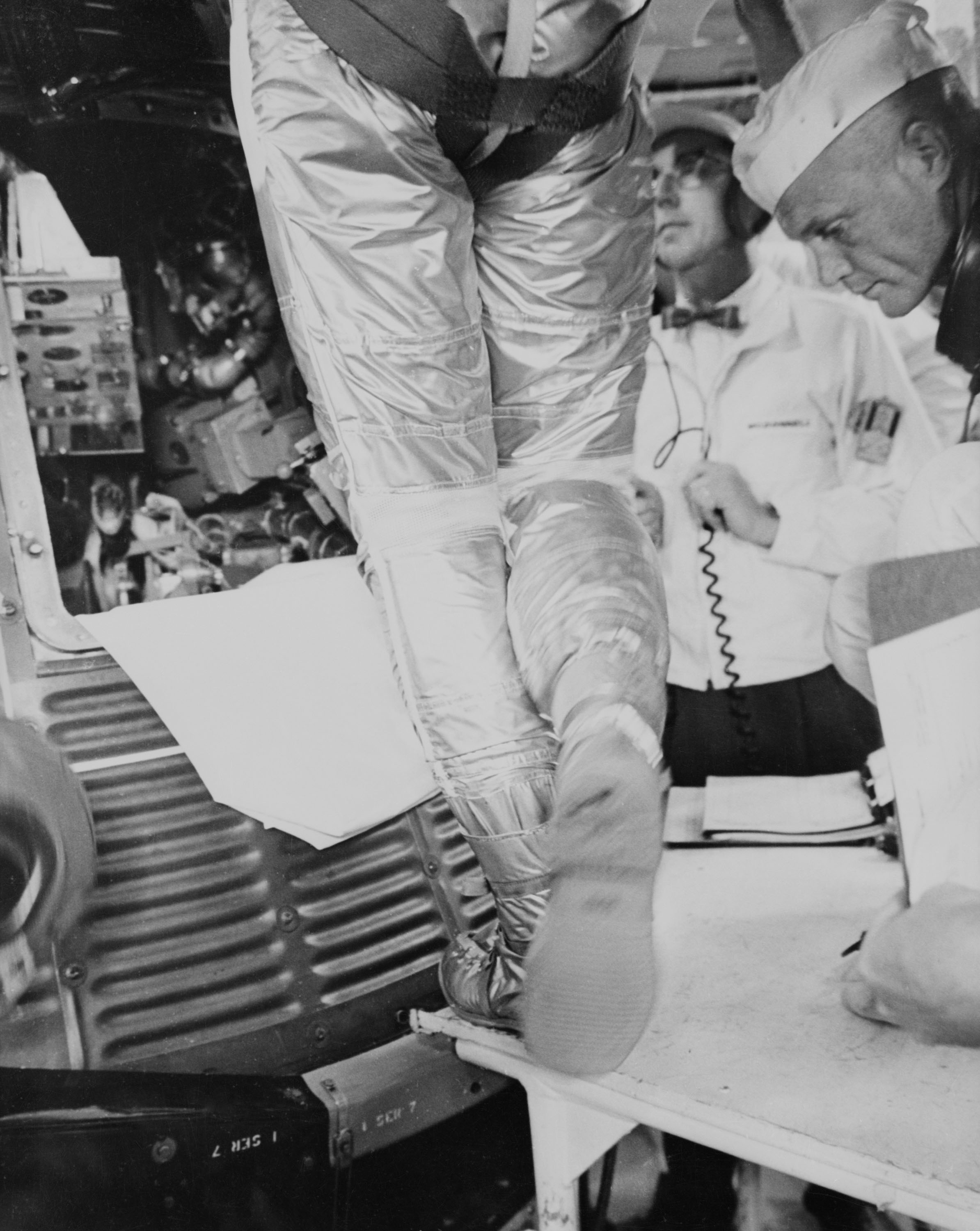
Unplanned holds added up to slightly over two and a half hours, and with them Shepard spent almost three hours lying on his back inside the capsule. From that came one of the most quoted episodes of the flight: because the mission was to last under twenty minutes, nobody had fitted the Mercury with a urine collection device, and Shepard told the blockhouse his need was pressing. Getting him out would have meant setting the White Room back up and removing the heavily bolted hatch, so he announced he would simply relieve himself in the suit; when the blockhouse objected that this would short out his medical electrodes, he told them to switch the power off. They did. Because of the way he was sitting the liquid pooled beneath his back, and the oxygen flowing through the suit soon dried him out. After the mission the Mercury suit was modified and a liquid waste collection device fitted.
Lift-off and ascent
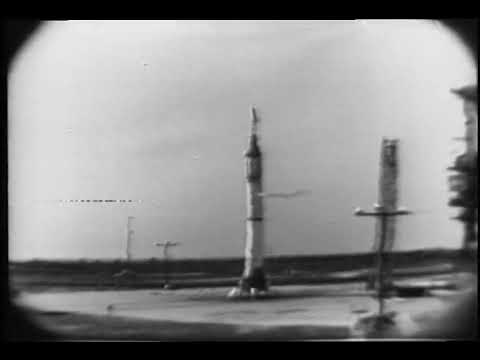
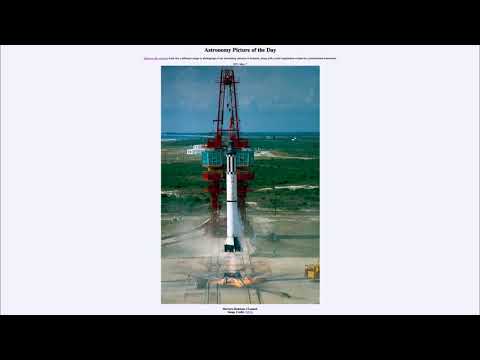
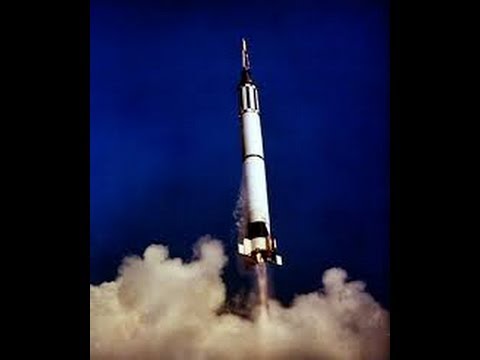
Mercury-Redstone 3 finally lifted off at 9:34 in the morning, watched by an estimated 45 million television viewers in the United States alone. The Redstone performed well through the powered phase, with some vibration, and cut off well within specified limits two minutes and 22 seconds after launch. Just before shutdown Shepard took a peak acceleration of 6.3 g. Freedom 7's space-fixed velocity was 5,134 miles per hour (8,262 km/h), close to the planned value; NASA's chronology records the flight's maximum speed as 5,180 miles per hour (8,340 km/h).
With the engine silent the escape tower was jettisoned. Ten seconds later came capsule separation: explosive bolts on the Marman clamping ring joining capsule to booster detonated and the posigrade rockets pushed the spacecraft clear of the spent vehicle. The Automatic Stabilization Control System damped out the residual tumbling and yawed the craft through 180 degrees, leaving the retrorockets facing forward and the heat shield oriented for re-entry.
Flying by hand: the manual control exercise
The Mercury's manual control system was deliberately redundant: it used a different set of jets from the automatic system and carried its own fuel, and when engaged the three-axis stick opened the manual valves in proportion to stick deflection. The system could be enabled axis by axis, with the automatic system holding whatever the pilot had not taken.
Shepard assumed control in stages. Pitch first: he moved the craft from its orbit attitude, nose fourteen degrees down, to the retrofire attitude of thirty-four degrees down, then back again. Then he added yaw, swinging the spacecraft left and bringing it back to the right. Finally he took roll as well, tested it and restored the normal attitude. With all three axes in hand his verdict was that the craft handled much as the simulator he had trained on did, with one clear difference: in flight he could not hear the jets firing as he could on the ground, because the background noise covered them.
The periscope and the Earth below
The next task was ground observation. Shepard's spacecraft, an early version of the Mercury capsule, had two small round viewing windows, one on each side, but its primary means of observation was a periscope extending through the bottom of the hull beneath his feet. It could be set to a wide-angle low-magnification view or a narrow high-magnification one, with optical filters selected by turning a knob.
During the long wait on the pad Shepard had fitted a medium-grey filter to cut sun glare and had no time to remove it before launch. In flight he found that reaching for the filter knob brought the wrist of his suit against the handle on his left that manually fired the launch escape system. The escape tower was long gone, but he judged it not worth the risk and left the filter in for the rest of the flight. The grey washed out colour, yet he still separated land masses from cloud without difficulty, reporting the east coast of Florida, Lake Okeechobee and Andros Island, the largest of the Bahamas, while cloud cover kept him from picking out the other islands of the group.
Retrofire, and an instrument that had been changed
Flying manually and using the periscope rather than the panel instruments as his attitude reference, Shepard held roll and yaw well but let pitch drift without noticing. As the spacecraft neared the top of its arc the start-retro-sequence light came on: the three retrorockets would fire five seconds apart, burning ten seconds each. Shepard began bringing the nose down towards the thirty-four degree retrofire attitude but had only reached around fourteen degrees when the first fired; he got to roughly twenty-five degrees in time for the second and third.
On a suborbital trajectory the discrepancy was not critical - re-entry would happen regardless and the attitude difference barely moved the landing point. What was being tested was the pilot's ability to control attitude manually through retrofire, which is why the post-flight analysis mattered. In his first debriefing Shepard assumed he had simply confused himself about the reference, but the real explanation lay elsewhere: this spacecraft's pitch indicator had originally been set so that its retrofire reference position, the "nine o'clock" mark, corresponded to forty-three degrees nose down rather than the thirty-four later adopted. Shepard deliberately compensated on the assumption that the old setting still stood, when in fact the indicator had been corrected and nobody had told him.
Re-entry, splashdown and recovery
Immediately after retrofire Shepard switched to fly-by-wire, in which stick inputs electrically triggered the automatic system's jets rather than proportionally opening the manual ones. Soon afterwards the retrorocket pack, strapped over the heat shield and normally released before re-entry, was jettisoned. Shepard heard the noise and saw one of the straps go past a window, but the confirmation light did not come on. Deke Slayton, a fellow Mercury astronaut serving as capsule communicator in the Mercury Control Center, confirmed that the pack had gone, and Shepard used the manual override for the jettison system to trigger the light. The cause was later traced to the pyrotechnic squibs that released the pack: firing them drew enough current to drop the system voltage and reset the timer that was meant to illuminate the light. The squibs were modified for later missions.
Shepard described fly-by-wire as smooth and as giving a real sense of commanding the craft. He let the automatic systems briefly reorient the capsule for re-entry, took control again and held it as the loads built to a peak of 11.6 g; once the spacecraft had stabilised he handed back to the automatic system. The descent was faster than anticipated, but the parachutes deployed as planned, a drogue at 21,000 ft (6.4 km) and the main canopy at 10,000 ft (3.0 km).
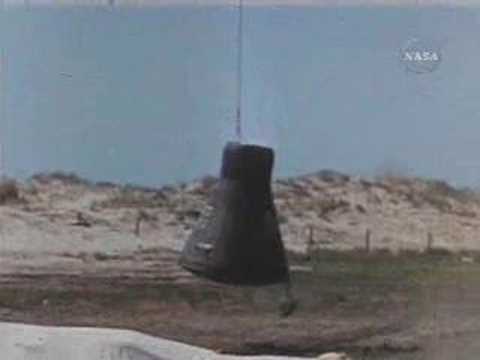
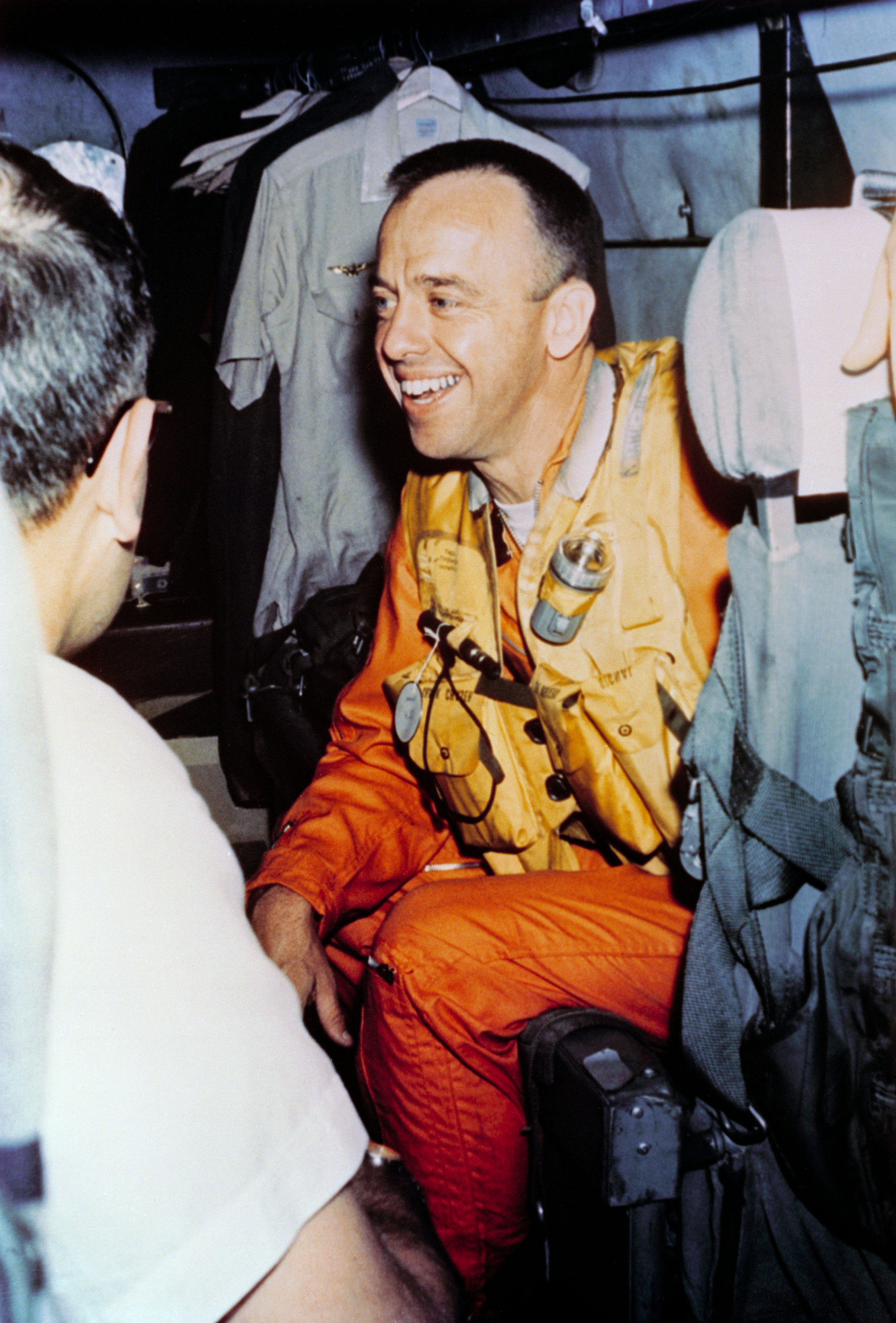
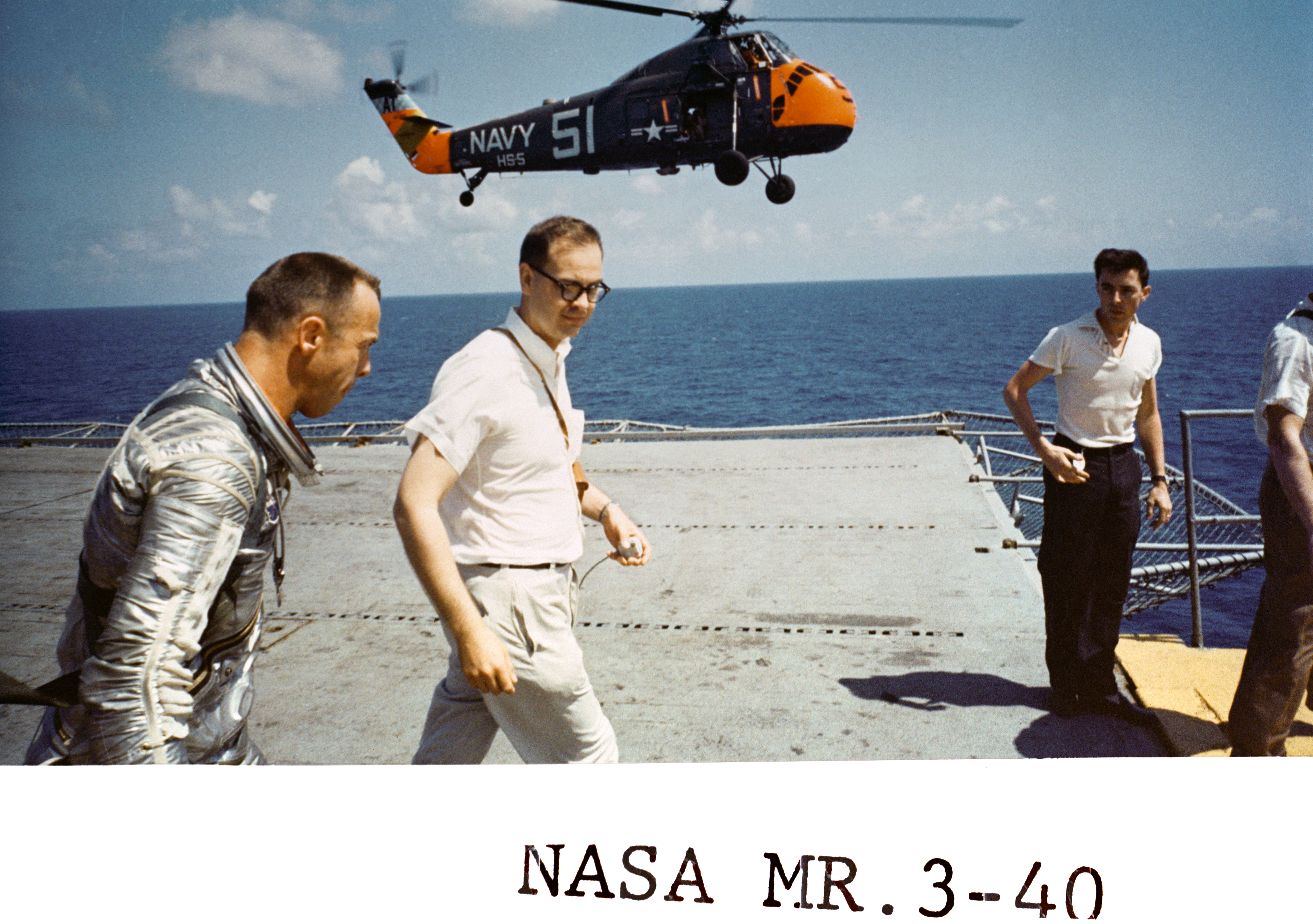
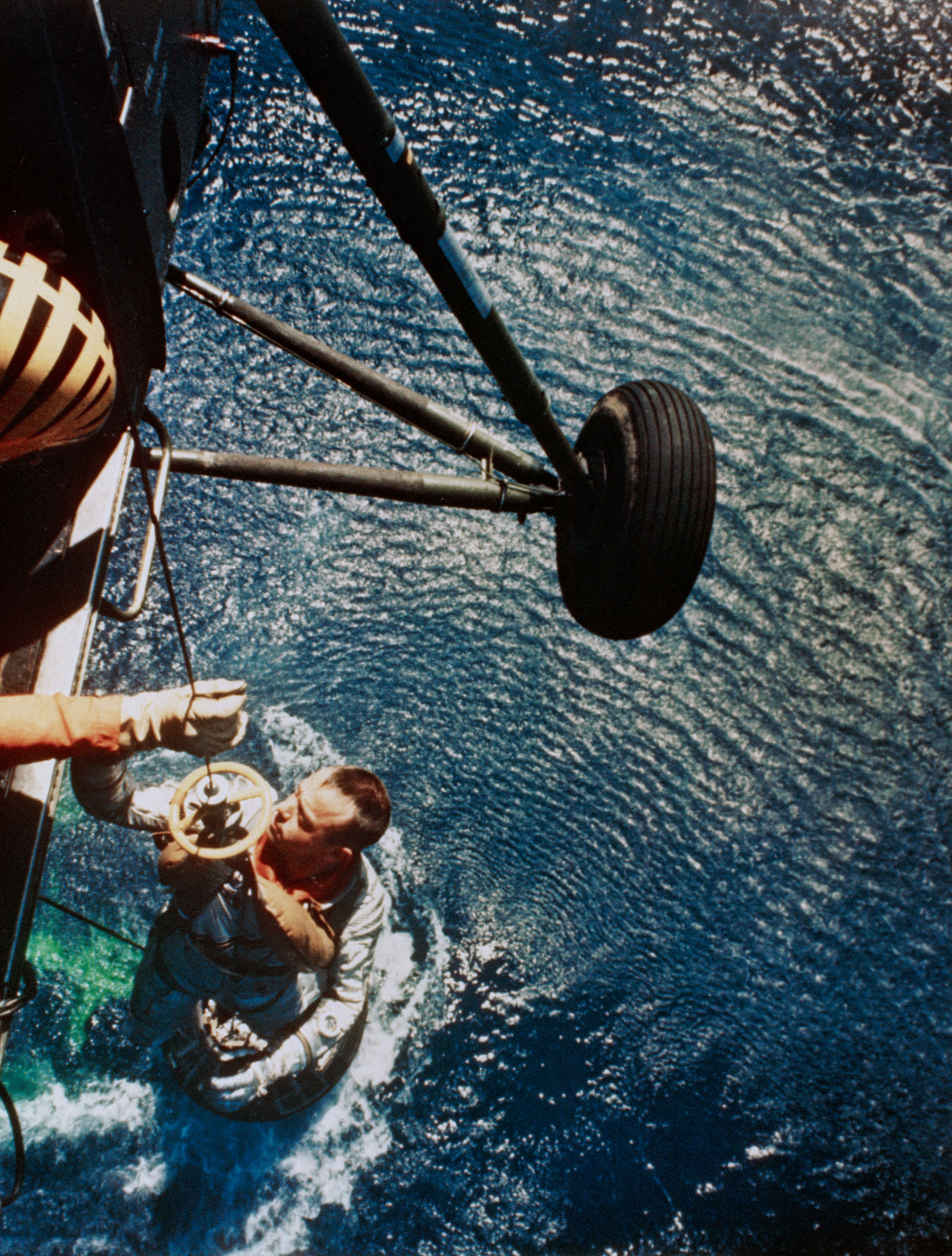
Splashdown hit with an impact comparable to landing a jet on a carrier deck. Freedom 7 tilted about sixty degrees onto its right side without any sign of leaking and righted itself gently after a minute, and Shepard was able to tell the circling aircraft that he was down safely and ready for pickup. A helicopter arrived within minutes and, after a brief problem with the spacecraft antenna, lifted the capsule partly clear of the water so the pilot could leave through the main hatch. Shepard squeezed out into a sling hoist and was pulled aboard, and the helicopter carried both astronaut and spacecraft to the USS Lake Champlain. The whole recovery, from impact to arrival on deck, took eleven minutes. NASA's own chronology called recovery operations perfect: the helicopters followed the descent visually, contact with the pilot was made two minutes after impact, and the spacecraft was undamaged.
The numbers
The flight lasted 15 minutes and 22 seconds, with roughly five minutes of weightlessness. The spacecraft travelled 302 statute miles (486 km) from the launch point and rose to 116.5 miles (187.5 km); in nautical units, 101.2 miles of altitude and 263.1 downrange. Splashdown was at 27.23° N, 75.88° W. Peak acceleration on ascent was 6.3 g, and on re-entry the chronology records slightly less than 12 g, with the flight account giving a peak of 11.6 g. Maximum speed is recorded as 5,180 miles per hour (8,340 km/h).
Public and political aftermath
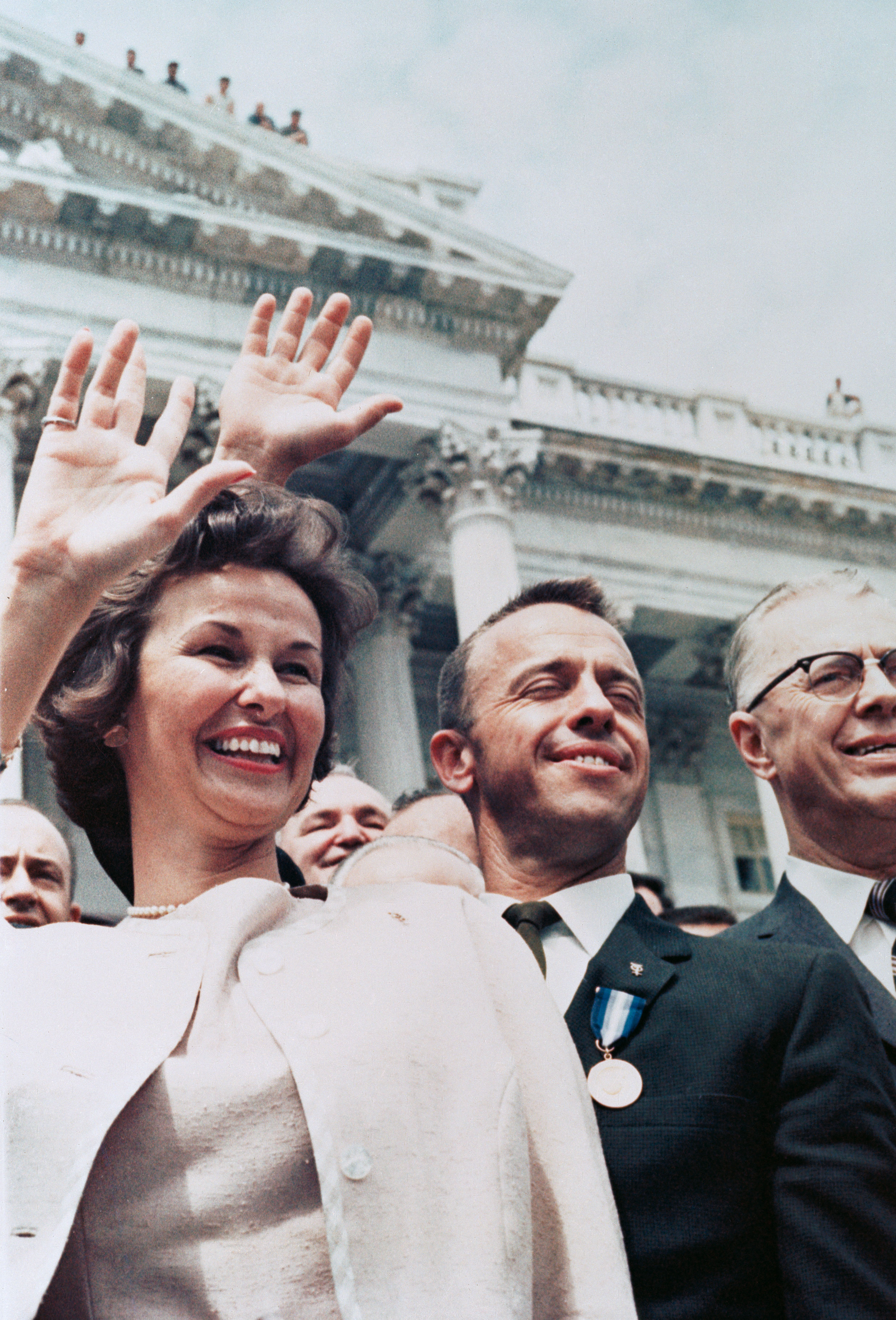
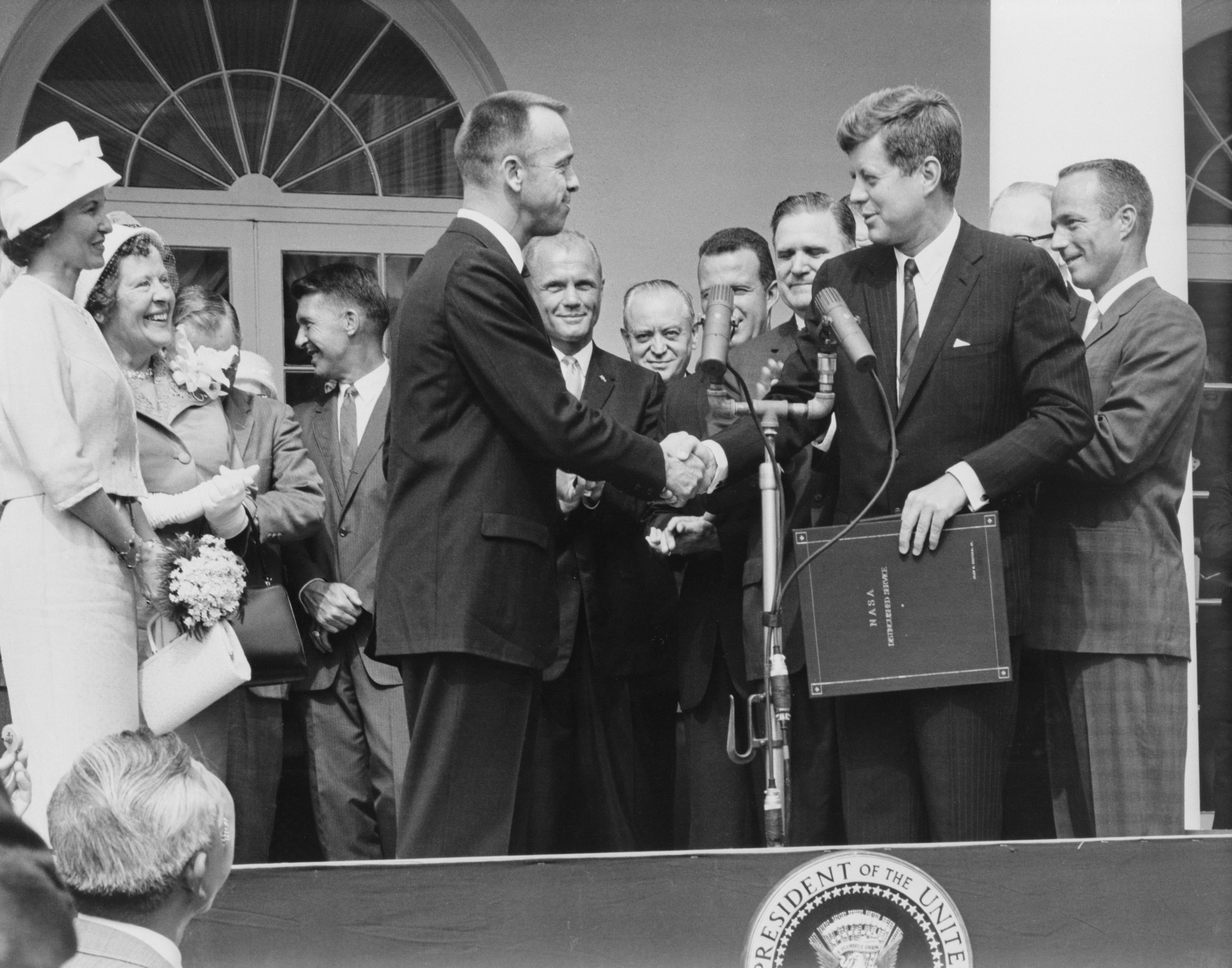
The mission was watched live in a country that had spent three weeks absorbing Gagarin's flight. On 8 May, three days after splashdown, President John F. Kennedy presented Shepard with NASA's Distinguished Service Medal at a White House ceremony that his wife Louise attended with him. For the flight he also received the Navy Distinguished Service Medal.
On 25 May, twenty days after MR-3, Kennedy addressed Congress in a message calling for a vastly accelerated space programme built around a long-range national goal: landing a man on the Moon and returning him safely to Earth. That speech was not a mechanical consequence of fifteen minutes of suborbital flight, but it came when the country had just watched its first astronaut fly and come home. The sequence - Vostok 1, Freedom 7, the lunar commitment - accounts for much of the decade that followed.
In 2017 the first National Astronaut Day was held on 5 May in tribute to this flight.
What MR-3 changed in the programme
The technical verdict was unambiguous: the first crewed Mercury suborbital flight was a success and Shepard reached the carrier deck in excellent condition. The findings were gathered at the conference on the results of the first United States crewed suborbital space flight, held on 6 June 1961.
The concrete changes were small and thoroughly practical, which is what a first flight that goes well should produce: the pyrotechnic squibs releasing the retropack were redesigned so their current draw could no longer reset the confirmation-light timer; a urine collection device was added to the suit; and the mismatch between the pitch indicator's reference and the adopted retrofire attitude was documented as what it was, a failure of internal communication rather than of engineering. At the same time the mission validated the essentials: the attitude control system worked well with few thruster fuel leaks, and re-entry and landing were accomplished without difficulty.
Above all, MR-3 settled the underlying question. A pilot could work in weightlessness, control the spacecraft manually in three axes, observe and describe what he saw, and take the loads of ascent and re-entry without impairment. With that resolved, the next suborbital mission, Grissom's MR-4, could fly in July, and the programme turned to the orbital step on the Atlas that arrived with Mercury-Atlas 6.
Freedom 7 afterwards
Engineers examined the capsule after recovery and found it in such good condition that they judged it could safely have flown again. NASA gave it to the Smithsonian Institution. It was displayed at the U.S. Naval Academy in Annapolis, Maryland, until 2012, then at the John F. Kennedy Library in Boston, and from 5 May 2021 - the sixtieth anniversary of the first American in space - at the Steven F. Udvar-Hazy Center in Chantilly, Virginia. It is now on display at the National Air and Space Museum in Washington, D.C.
Shepard stayed close to the programme: he was CAPCOM for John Glenn's orbital flight (Mercury-Atlas 6) and for Scott Carpenter's (Mercury-Atlas 7), backup pilot to Gordon Cooper for Mercury-Atlas 9, and was assigned to Mercury-Atlas 10, a three-day mission he had already named Freedom 7 II and which was never flown.
Images
Elsewhere
- JFK Presidential LibraryKennedy observa por televisión el despegue del Mercury-Redstone 3 con Shepard a bordo ↗
- JFK Presidential LibraryKennedy entrega a Shepard la Medalla al Servicio Distinguido de la NASA, 8 de mayo de 1961 ↗
- White House Historical AssociationKennedy y Shepard en la ceremonia de la medalla, jardín de rosas de la Casa Blanca ↗
- Wikimedia Commons (National Archives)Kennedy, Johnson y colaboradores siguen el vuelo de Shepard por televisión desde la Casa Blanca ↗
- State Archives of FloridaLanzamiento del Mercury-Redstone 3 desde Cabo Cañaveral ↗
- Smithsonian National Air and Space MuseumLa cápsula Freedom 7 conservada en el Smithsonian ↗
- Smithsonian National Air and Space MuseumInterior de la cápsula Freedom 7 ↗
- Naval History and Heritage CommandRéplica de la cápsula Freedom 7 en el National Naval Aviation Museum ↗
- Naval History and Heritage CommandUSS Lake Champlain (CVS-39), buque de recuperación del Mercury-Redstone 3 ↗
- National Archives (NARA)Lanzamiento del Mercury-Redstone 3, LC-5 de Cabo Cañaveral ↗
- Google Arts & CultureDespegue del Mercury-Redstone 3, Freedom 7 ↗
- Jacksonville Public Library Digital CollectionsLanzamiento del cohete Mercury-Redstone 3 (Freedom 7) ↗