Famiglia: Falcon · SpaceX
Falcon 9
Statistiche dei lanci
- 683
- Lanci (al 30 agosto 2026)
- 71
- Successi
- 2
- Fallimenti
- 97.3 %
- Tasso di successo

-800.webp)


-1600.webp)
-1600.webp)


-1600.webp)
-1600.webp)
-1600.webp)

-1600.webp)


-1600.webp)


-1600.webp)


-1600.webp)
-1600.webp)
-1600.webp)
-800.webp)
-1600.webp)

-1600.webp)
-1600.webp)

_de_un_Falcon_9_con_Crew_Dragon_hacia_la_rampa%2C_misi%C3%B3n_Crew-9-1600.webp)


-1600.webp)

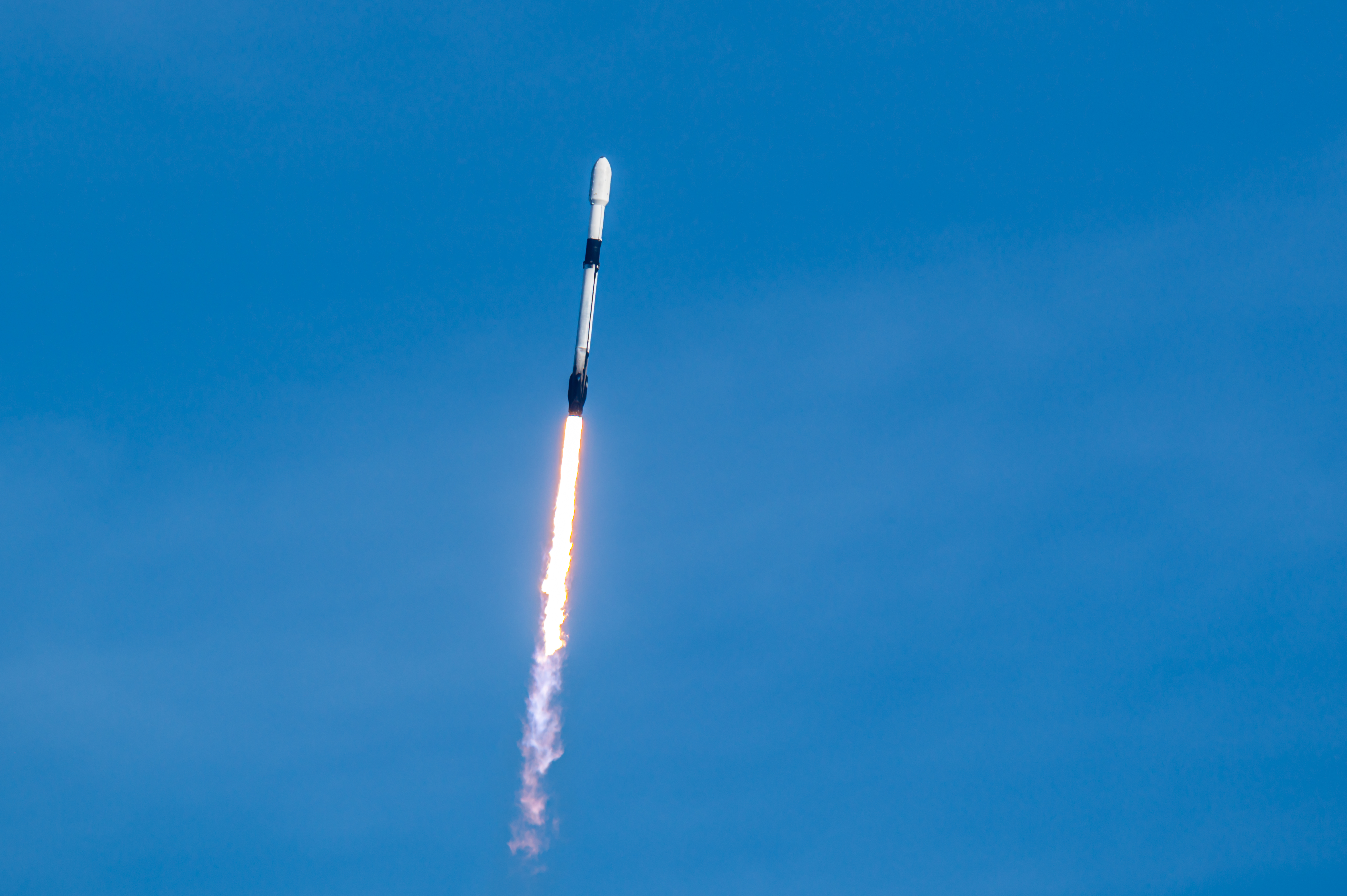
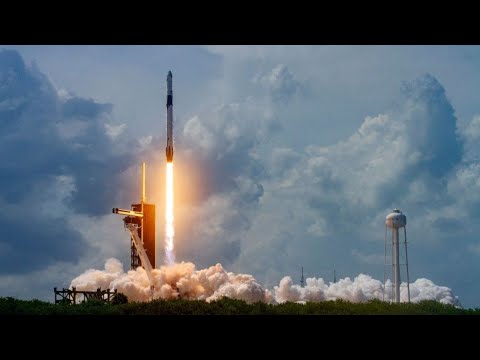
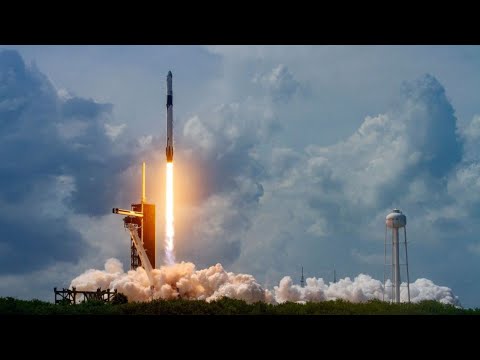
Il Falcon 9 è il lanciatore che ha cambiato le regole dell'accesso allo spazio: un razzo a due stadi, alimentato da cherosene RP-1 e ossigeno liquido, il cui primo stadio ritorna, atterra in verticale e torna a volare — qualcosa che l'industria riteneva economicamente impossibile finché SpaceX non lo ha trasformato in routine. Nacque dal programma commerciale della NASA della metà degli anni 2000, quando l'agenzia scelse di acquistare trasporto da aziende private invece di progettare i propri razzi. SpaceX, che proveniva dal piccolo Falcon 1, rispose con un lanciatore a nove motori Merlin che debuttò il 4 giugno 2010 e che l'azienda stessa sviluppò con circa 300 milioni di dollari, contro i 3.600 milioni che la NASA calcolò le sarebbe costato con il tradizionale metodo cost-plus. Il 21 dicembre 2015 riuscì in qualcosa di mai visto prima: far atterrare il primo stadio di un razzo orbitale di ritorno sulla terraferma. Da allora il riutilizzo smise di essere un esperimento — con atterraggi su chiatte autonome in mare, propulsori che accumulano fino a 36 voli e una cadenza di lancio senza precedenti nella storia. Anche l'ogiva viene recuperata e riutilizzata; il secondo stadio no: SpaceX abbandonò quell'obiettivo alla fine del 2014, constatando che lo scudo termico e l'attrezzatura di recupero avrebbero eroso il carico utile. Il razzo si è evoluto in cinque revisioni principali — v1.0, v1.1, Full Thrust (o Block 3), Block 4 e Block 5 —, da 8.500 kg a oltre 22.800 kg di carico in orbita bassa in configurazione monouso. La versione attuale, il Block 5, vola dal maggio 2018 ed è certificata per trasportare equipaggio, con nove motori Merlin 1D che erogano una spinta di 7.607 kN al livello del mare. Oggi il Falcon 9 è il cavallo di battaglia dell'accesso allo spazio occidentale: porta astronauti alla Stazione Spaziale Internazionale con la capsula Crew Dragon dal 2020, dispiega la costellazione Starlink, lancia missioni di rideshare con decine di piccoli satelliti e totalizzava 668 successi su 671 voli completi — un'affidabilità del 99,6% — al 30 luglio 2026.
Falcon 9 nelle notizie
L'azienda aerospaziale statunitense SpaceX ha lanciato giovedì il razzo Falcon 9 con la missione USSF-481 dal Complesso di Lancio Spaziale 4E (SLC-4E) presso la base della Forza Spaziale…
.jpg)
Il lancio utilizzerà un razzo Falcon 9 per trasportare un carico militare segreto dalla base della Space Force di Vandenberg, in California Il post SpaceX lancia una missione…
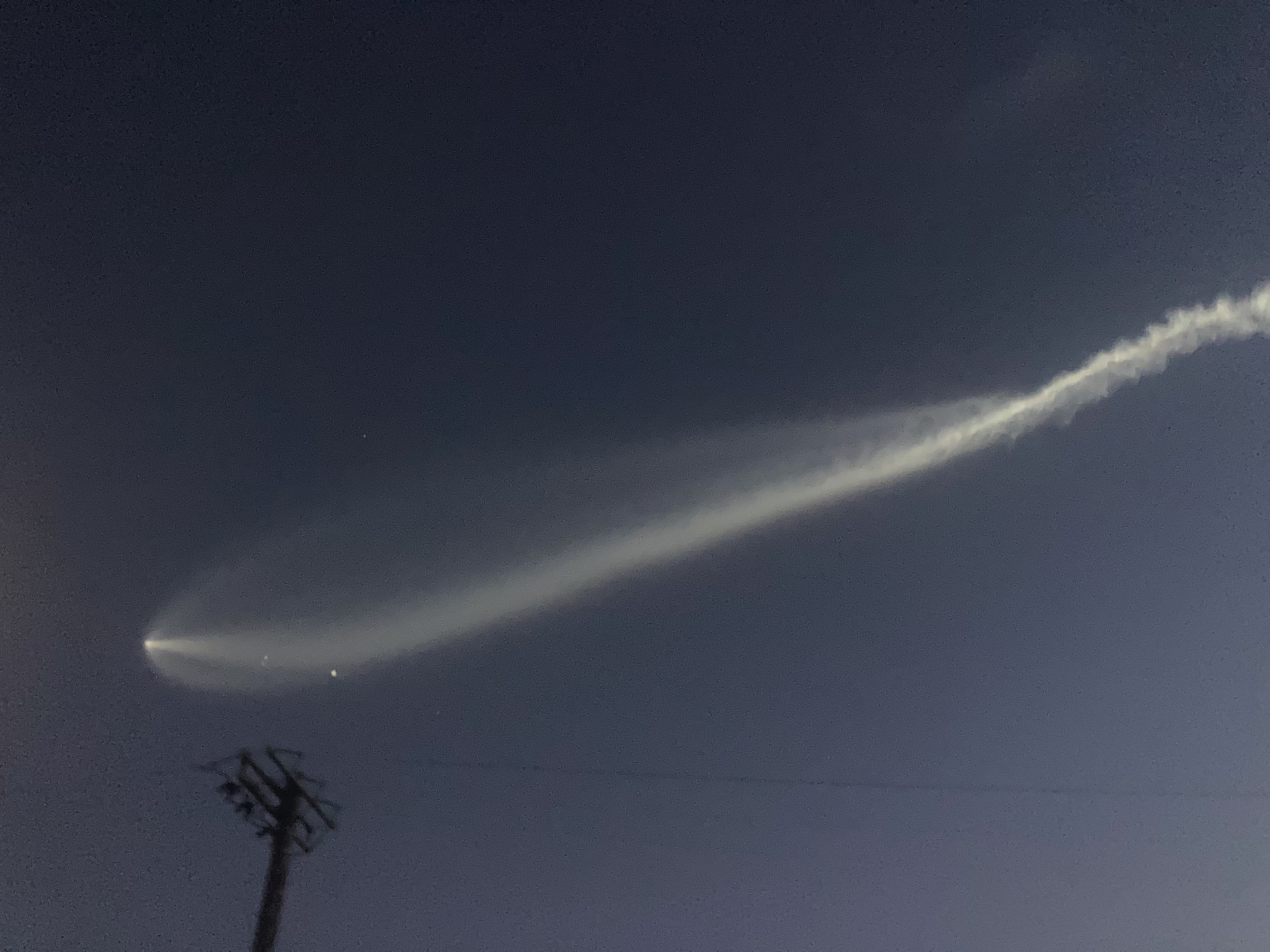
Le scie di scarico di un razzo Falcon 9 di SpaceX, che trasportava la navicella Dragon dell'azienda, appaiono illuminate dalla luce del sole contro il cielo prima dell'alba durante il lancio della…
.jpg)
La luce del sole illumina le scie di scarico di un razzo Falcon 9 di SpaceX, che trasportava la navicella Dragon dell'azienda, il 13 ottobre 2026. Questo fenomeno visivo è noto come "medusa"; si…
.jpg)
Settimana tranquilla per i lanci; il Falcon 9 di SpaceX copre buona parte… Il post Launch Preview: Falcon 9, ZhuQue-2E to launch during quiet week è apparso per primo su…

Apparato propulsivo
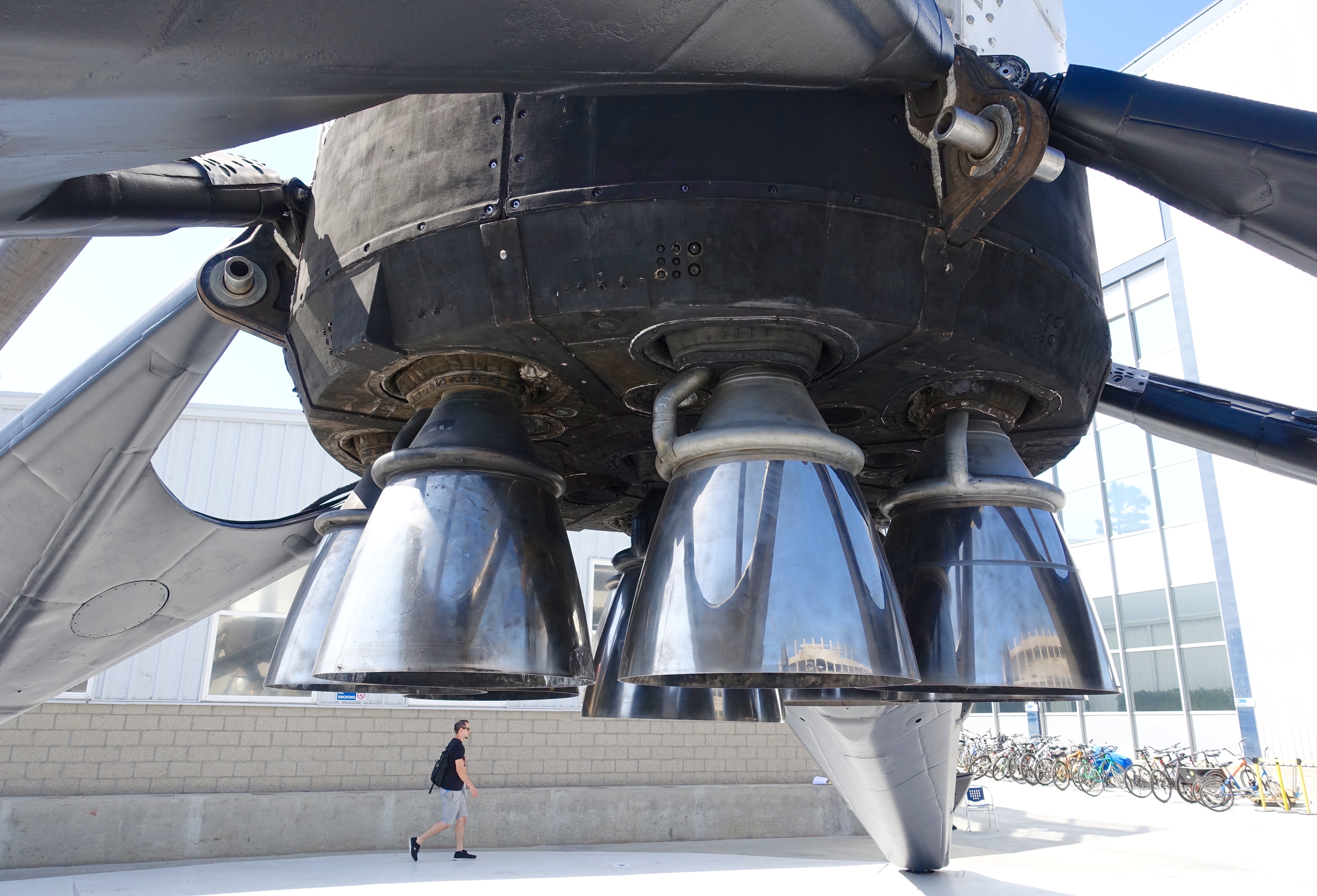
Il Falcon 9 Block 5 brucia la stessa combinazione di propellenti in entrambi gli stadi: cherosene raffinato RP-1 come combustibile e ossigeno liquido (LOX) come ossidante. Dalla versione Full Thrust entrambi vengono caricati raffreddati criogenicamente per densificarli — entra più massa nello stesso volume del serbatoio —, un cambiamento che da solo ha permesso di aumentare la spinta del 17%. I serbatoi sono in lega di alluminio-litio, con il serbatoio di LOX a costruzione monoscocca e quello del combustibile a pelle e correntini. Il primo stadio monta nove motori Merlin 1D disposti nello schema «Octaweb». Ciascuno eroga 854 kN, cosicché lo stadio sviluppa 7.607 kN al livello del mare e 8.227 kN nel vuoto, con impulsi specifici di 283 s e 312 s e una combustione nominale di 162 secondi. Il Merlin è un motore a ciclo generatore di gas aperto e ricco di combustibile: un iniettore di tipo pintle — ereditato dal motore di discesa del modulo lunare Apollo — e una turbopompa monoalbero a doppia girante alimentano una camera raffreddata rigenerativamente. L'accensione non è elettrica: viene iniettata una miscela piroforica di trietilalluminio e trietilboro (TEA-TEB) che brucia spontaneamente a contatto con l'ossidante. Ogni motore è governato da tre computer ridondanti che si controllano a vicenda, e lo stadio è progettato con capacità «engine-out», cioè per tollerare la perdita di un motore in volo. Il controllo d'assetto durante l'ascesa si ottiene orientando (gimbaling) gli stessi Merlin, che orientano l'ugello per beccheggio, imbardata e rollio; nelle fasi di volo balistico e nella discesa del propulsore subentrano i propulsori a gas azoto e le griglie aerodinamiche ripiegabili (grid fin). Il secondo stadio monta un unico Merlin Vacuum (MVac), variante del 1D con una sezione di scarico e un ugello di espansione molto più grandi: 981 kN di spinta, 348 s di impulso specifico, una combustione nominale di 397 secondi e un carico di 92.670 kg di propellente. Il motore può essere strozzato fino al 39% della sua spinta massima (360 kN) ed è predisposto per la riaccensione in orbita — le linee di propellente dell'accenditore sono state isolate termicamente per sopportare la riaccensione dopo fasi di deriva prolungate —, il che permette di circolarizzare l'orbita, raggiungere l'orbita di trasferimento geostazionaria o deorbitare lo stadio. Il suo controllo d'assetto combina l'orientamento (gimbaling) del motore con propulsori a gas azoto.
Storia
Il Falcon 9 debuttò il 4 giugno 2010 e trasformò l'accesso allo spazio: nel dicembre 2015 riuscì nel primo atterraggio propulsivo di un primo stadio orbitale, e da allora il riutilizzo è la norma della famiglia.
Origine
SpaceX annunciò il Falcon 9 nell'ottobre 2005, quando ancora non aveva raggiunto l'orbita con il suo piccolo Falcon 1, e promise di lanciarlo nella prima metà del 2007; il primo volo non sarebbe arrivato fino al 2010. L'azienda aveva pensato in precedenza a uno scalino intermedio, il Falcon 5, e scartò quella strada per passare direttamente a un lanciatore a nove motori. Il nome della famiglia deriva dal Millennium Falcon di Guerre stellari.
.jpg)
L'impulso decisivo arrivò dalla NASA. Il programma commerciale di carico —l'accordo COTS firmato nel 2006, nella forma giuridica di uno Space Act Agreement per «sviluppare e dimostrare un servizio commerciale di trasporto orbitale»— finanziò allo stesso tempo il razzo e la capsula Dragon tramite pagamenti per milestone: 278 milioni di dollari per tre voli dimostrativi, ampliati poi fino a 396 milioni. Nel 2008 SpaceX vinse inoltre un contratto di Servizi Commerciali di Rifornimento da 1,6 miliardi di dollari e un minimo di dodici missioni verso la Stazione Spaziale Internazionale, incassabili solo dopo aver completato le dimostrazioni. La scommessa dell'agenzia di acquistare trasporto invece di possedere razzi risultò economica: nel 2011 SpaceX quantificò lo sviluppo del Falcon 9 v1.0 in circa 300 milioni di dollari, mentre la NASA stimava che con la sua via tradizionale avrebbe speso 3.600 milioni, e un rapporto della stessa agenzia calcolò circa 4.000 milioni contro i 1.700 milioni di uno sviluppo «più commerciale». Nel 2014 SpaceX dichiarò che l'insieme Falcon 9 più Dragon era costato 396 milioni forniti dalla NASA e oltre 450 milioni propri.
Configurazione e architettura
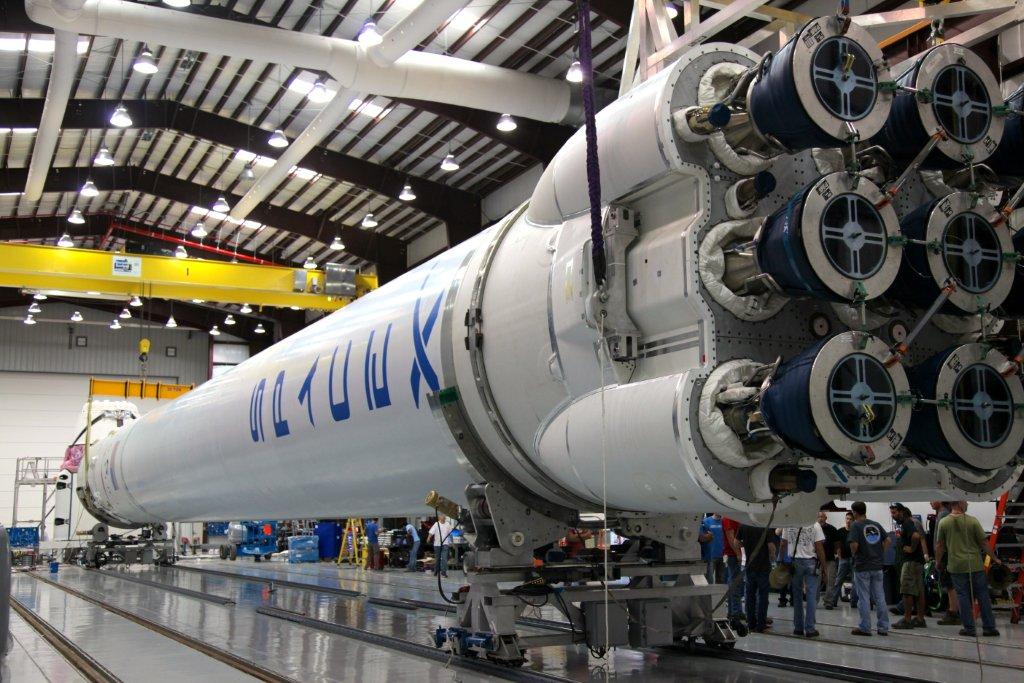
Il Falcon 9 è un lanciatore a due stadi che brucia ossigeno liquido e cherosene di grado missilistico (RP-1) in entrambi. Il primo stadio porta nove motori Merlin 1D disposti nella configurazione che SpaceX chiama Octaweb; il secondo, un unico Merlin 1D Vacuum a ugello lungo o corto. L'accensione è affidata a una miscela piroforica di trietilalluminio e trietilborano (TEA-TEB), che si incendia al contatto senza bisogno di scintilla.
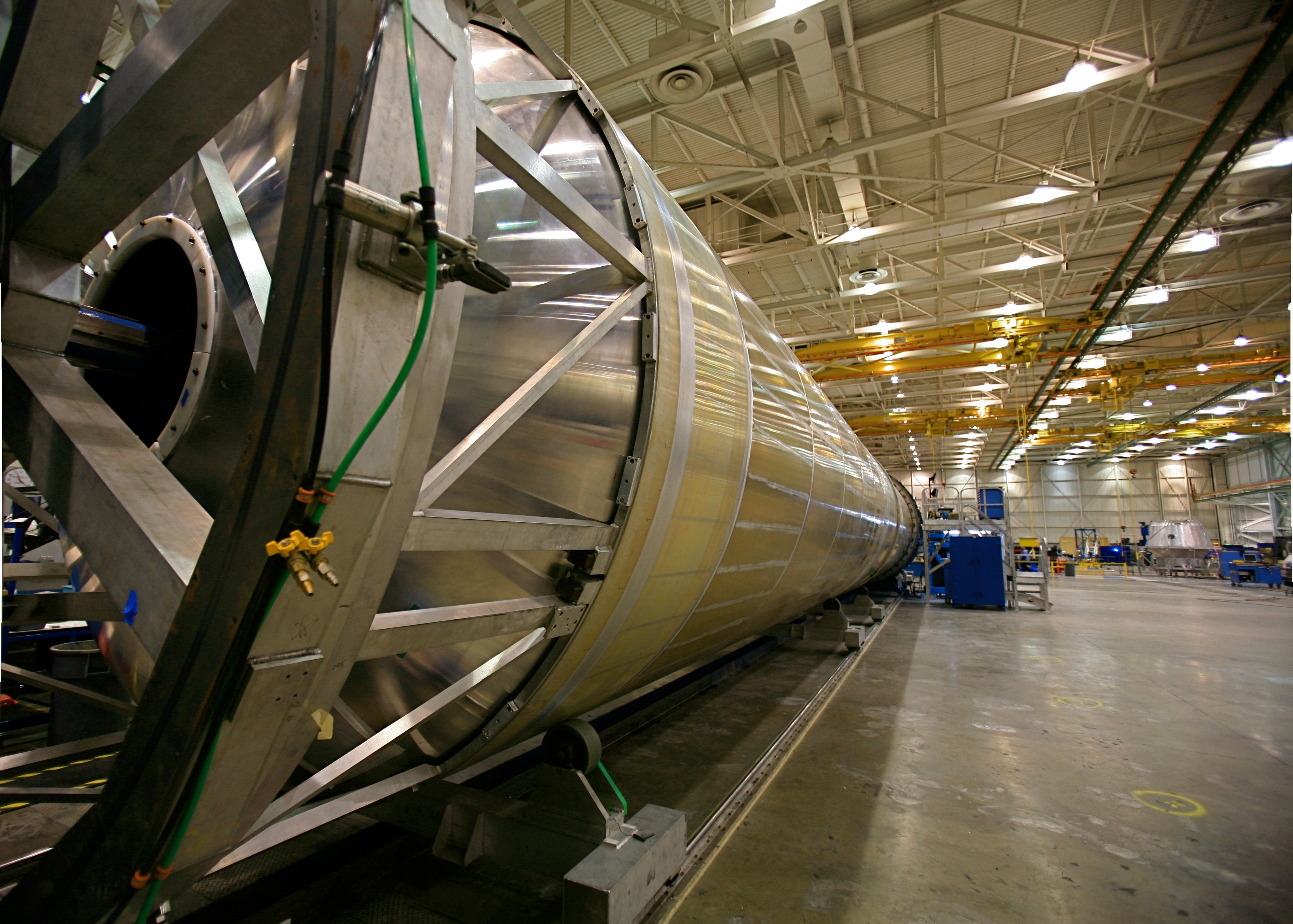
I serbatoi sono in lega di alluminio-litio, saldati per attrito-agitazione (friction stir welding), con il serbatoio dell'ossigeno a struttura monoscocca e quello del combustibile a struttura con pelle e correnti (skin-stringer). Il serbatoio del secondo stadio è una versione più corta di quello del primo e ne condivide utensileria, materiale e tecniche di fabbricazione, una scelta progettuale che abbassa i costi di produzione. L'interstadio che unisce i due è una struttura composita in fibra di carbonio con anima in alluminio, con pinze di separazione riutilizzabili e un sistema pneumatico di spinta; il progetto originale aveva dodici punti di ancoraggio, ridotti a tre nella v1.1.
L'ogiva protegge i carichi che non viaggiano su una Dragon: misura 13 m di lunghezza e 5,2 m di diametro, pesa circa 1.900 kg ed è realizzata in pelle di fibra di carbonio su un'anima a nido d'ape in alluminio. Viene progettata e costruita a Hawthorne, ed è stata collaudata nel 2013 presso l'impianto Plum Brook della NASA, dove sono stati riprodotti in camera a vuoto lo shock acustico, la vibrazione meccanica del lancio e le scariche elettrostatiche su un esemplare a grandezza reale.
Il controllo di volo si basa su computer ridondanti tolleranti ai guasti, con software scritto in C++ su Linux e componenti commerciali protetti per progetto contro le radiazioni invece di componenti irrobustiti (rad-hardened). Ogni stadio ha i propri computer di volo, e ogni Merlin la propria centralina: tre computer che votano tra loro, ciascuno con due CPU che sorvegliano costantemente le altre due del trio. I propulsori recuperabili portano quattro gambe di atterraggio estensibili alla base e alette a griglia (grid fin) che si dispiegano dopo la separazione degli stadi; quelle in alluminio dei primi Full Thrust hanno lasciato il posto ad altre in titanio, fuse e tagliate da un pezzo unico, più grandi, con maggiore autorità di controllo, capaci di sopravvivere al calore del rientro e di essere riutilizzate indefinitamente con una manutenzione minima. I propulsori destinati a essere consumati volano senza gambe né alette.
I motori Merlin
Il Merlin è un motore a ciclo generatore di gas alimentato da turbopompa. La versione 1D è stata sviluppata tra il 2011 e il 2012 con tre obiettivi dichiarati —affidabilità, prestazioni e facilità di fabbricazione— ed ha volato per la prima volta nel 2013. I suoi obiettivi iniziali del 2011 erano 690 kN di spinta nel vuoto; nel novembre 2013 Elon Musk affermò che il motore operava all'85% del suo potenziale e che si aspettavano di portare la spinta al livello del mare fino a circa 730 kN con un rapporto spinta-peso di 180. Nel maggio 2016 SpaceX annunciò un miglioramento fino a 914 kN nel vuoto e 845 kN al livello del mare, con cui il Falcon 9 avrebbe raggiunto circa 22 tonnellate in orbita bassa in configurazione monouso; nel maggio 2018, con l'entrata in servizio del Block 5, confermò che la cifra di 845 kN era stata raggiunta. Ogni Merlin del Block 5 eroga 854 kN di spinta.
La variante da vuoto, il Merlin 1D Vacuum, è stata sviluppata per il secondo stadio della v1.1 e del Falcon Heavy. Nel 2020 la sua spinta era di 981 kN con un impulso specifico di 348 secondi, il più alto mai raggiunto da un motore statunitense a idrocarburi.
v1.0: il razzo originale
Il Falcon 9 v1.0 fu un lanciatore monouso sviluppato tra il 2005 e il 2010 che volò cinque volte, tutte con successo, fino al suo ritiro nel 2013. Misurava 53 m di altezza e 3,66 m di diametro, con una massa al decollo di 318 tonnellate. Il suo primo stadio montava nove Merlin 1C in una griglia 3×3, ciascuno con 556 kN al livello del mare, per una spinta totale al decollo di circa 5.000 kN. Il secondo stadio portava un singolo Merlin 1C adattato al vuoto, con un rapporto di espansione di 117:1 e un tempo nominale di combustione di 345 secondi, e usava propulsori ad azoto gassoso come sistema di controllo d'assetto. Collocava tra 8.500 e 9.000 kg in orbita bassa da Cape Canaveral e 3.400 kg in orbita di trasferimento geostazionaria. Non volò mai con ogiva: le sue cinque missioni portarono la navicella Dragon.
I primi tentativi di recupero —uno scudo termico leggero in sughero ablativo e paracadute— fallirono di fronte allo sforzo aerodinamico e al riscaldamento del rientro. Nel 2011 SpaceX avviò un programma formale di sviluppo di un Falcon 9 riutilizzabile, concentrato inizialmente sul primo stadio.
v1.1: il salto di dimensione
La v1.1, che volò per la prima volta nel settembre 2013, era il 60% più pesante ed erogava il 60% di spinta in più rispetto alla v1.0. I suoi nove Merlin 1D furono riorganizzati nello schema ottagonale Octaweb per semplificare la fabbricazione, e i serbatoi crebbero del 60% in lunghezza, il che rese il razzo più sensibile alla flessione in volo. Il primo stadio offriva 5.885 kN al livello del mare, che salivano a 6.672 kN man mano che il propulsore lasciava l'atmosfera, con una combustione nominale di 180 secondi. Il sistema di separazione passò da dodici punti di ancoraggio a tre e l'avionica e il software furono aggiornati.
Il risultato fu elevare la capacità da 9.000 kg a 13.150 kg in orbita bassa e a 4.850 kg in trasferimento geostazionario, con 68,4 m di altezza e 506 tonnellate al decollo. La presidente di SpaceX, Gwynne Shotwell, riconobbe che la v1.1 aveva circa il 30% di capacità in più rispetto a quella pubblicata nel listino prezzi: quel margine era riservato al recupero degli stadi tramite rientro propulsivo. Le linee di propellente dell'accenditore del secondo stadio furono isolate in seguito per permettere riaccensioni nello spazio dopo lunghe fasi di volo balistico, e negli ultimi voli furono aggiunte quattro gambe estensibili in fibra di carbonio e nido d'ape di alluminio per tentare atterraggi. Il suo volo inaugurale portò un piccolo satellite, il CASSIOPE da 500 kg, e fu il primo da Vandenberg e il primo tentativo di rientro propulsivo dello stadio.
Full Thrust e Block 4
L'aggiornamento Full Thrust —conosciuto anche come FT, v1.2 o Block 3— introdusse cambiamenti importanti nel dicembre 2015. Il più rilevante fu il sottoraffreddamento dei propellenti per aumentarne la densità, che permise il 17% di spinta in più; inoltre fu migliorato il sistema di separazione degli stadi, fu allungato il secondo stadio per contenere più propellente e furono rinforzati i puntoni che sostengono le bombole di elio, sospettati del guasto del volo 19. Con 70 m di altezza e 549 tonnellate al decollo, la versione portava 22.800 kg in orbita bassa e 8.300 kg in trasferimento geostazionario in configurazione monouso, e circa 5.300 kg a GTO riutilizzando lo stadio. Il carico reale era limitato a 10.886 kg dal limite strutturale dell'adattatore del carico utile.
La Full Thrust fu la prima con un primo stadio davvero riutilizzabile, sviluppato con i sistemi e il software collaudati nei prototipi. I piani di riutilizzare anche il secondo stadio furono abbandonati: il peso dello scudo termico e dell'attrezzatura associata avrebbe ridotto troppo il carico utile. In questa versione fu introdotto il Sistema Autonomo di Sicurezza in Volo (AFSS), che sostituì il personale e l'attrezzatura di terminazione del volo a terra con logica decisionale e navigazione di bordo; inaugurato nel lancio di CRS-10 nel febbraio 2017, fu usato in tutti i lanci successivi al 16 marzo. Nel giugno 2017, il secondo lotto di dieci satelliti Iridium NEXT volò già con le alette a griglia in titanio.
Il Block 4, introdotto nel 2017, fu una transizione: all'inizio venne modificato solo il secondo stadio, che volò su primi stadi Block 3 in NROL-76 e Inmarsat-5 F5 nel maggio 2017 e in Intelsat 35e nel luglio. Il progetto completo, con entrambi gli stadi Block 4, debuttò nella missione CRS-12 il 14 agosto 2017, e incorporò gli incrementi progressivi di spinta che sarebbero sfociati nel Block 5.
Block 5: la versione definitiva
Nell'ottobre 2016 Musk descrisse il Block 5 come un insieme di «molti perfezionamenti minori che nel complesso sono importanti», con l'aumento di spinta e il miglioramento delle gambe come i più significativi; nel gennaio 2017 aggiunse che «migliora notevolmente le prestazioni e la facilità di riutilizzo». Il volo inaugurale ebbe luogo l'11 maggio 2018 con il satellite Bangabandhu-1.
Le sue cifre descrivono un razzo maturo. Il primo stadio misura 42,6 m e il secondo 12,6 m, entrambi con 3,7 m di diametro. Il primo pesa 22.200 kg a vuoto e 433.100 kg a pieno carico, con capacità per 287.400 kg di ossigeno liquido sottoraffreddato e 123.500 kg di RP-1; il secondo, 4.000 kg a vuoto e 111.500 kg a pieno carico, con 75.200 kg di ossigeno e 32.300 kg di cherosene. I nove Merlin 1D sommano 7.607 kN e il Merlin Vacuum del secondo stadio, 934 kN. Gli ugelli sono orientabili, con rapporto di espansione di 16:1 in basso e 165:1 in alto. Entrambi gli stadi possono riaccendersi: il primo solo con tre motori, per le manovre di ritorno, rientro e atterraggio; il secondo, con accenditori piroforici TEA-TEB doppi ridondanti. I serbatoi sono pressurizzati con elio riscaldato. La capacità dichiarata è di almeno 22.800 kg in orbita bassa in modalità monouso e almeno 17.400 kg riutilizzando lo stadio —il carico più pesante confermato esplicitamente—, e almeno 8.300 kg a GTO monouso contro 5.800 kg riutilizzabile.
La conquista del riutilizzo
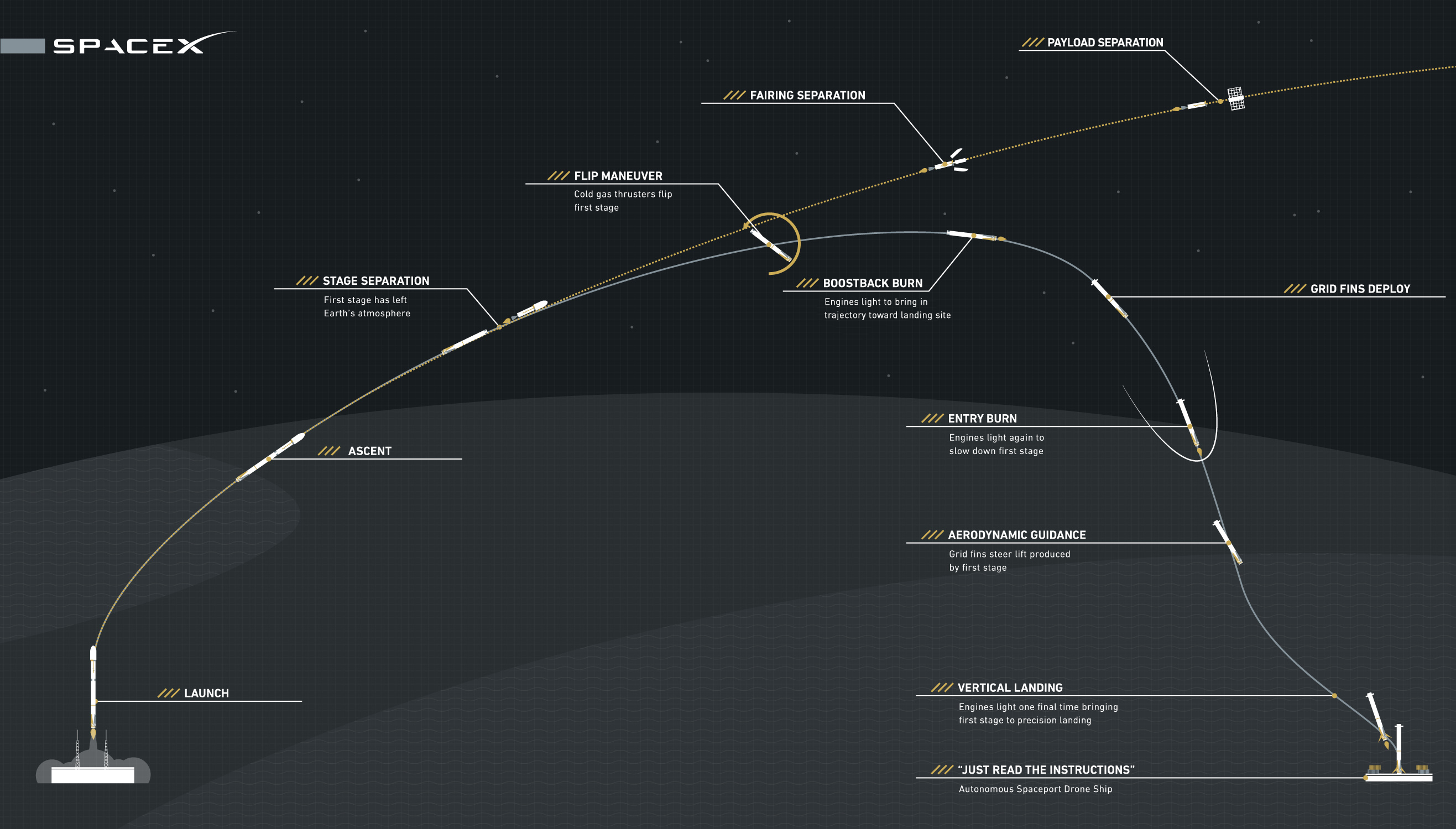
SpaceX pianificò fin dall'inizio di riutilizzare entrambi gli stadi. I primi stadi dei voli iniziali portavano paracadute e uno strato di sughero ablativo, resistenti alla corrosione salina, che non sopravvissero allo sforzo aerodinamico né al riscaldamento. Alla fine del 2011 l'azienda abbandonò i paracadute a favore della discesa propulsiva e completò il progetto nel febbraio 2012.
Gli atterraggi propulsivi furono collaudati prima con il Grasshopper, un dimostratore suborbitale a bassa quota e bassa velocità che tra il 2012 e il 2013 realizzò otto atterraggi verticali, incluso un volo di andata e ritorno di 79 secondi fino a 744 m di altezza. Nel marzo 2013 SpaceX annunciò che, a partire dal primo volo della v1.1, tutti i propulsori sarebbero stati equipaggiati per la discesa propulsiva.
Nel volo 6, nel settembre 2013, lo stadio doveva frenare con un'accensione di rientro e un'altra appena prima di toccare l'acqua. Sebbene non fu un successo completo, lo stadio riuscì a cambiare direzione ed entrare in modo controllato nell'atmosfera; durante l'accensione finale, i propulsori di controllo non riuscirono a vincere una rotazione indotta aerodinamicamente e la forza centrifuga privò di combustibile il motore, che si spense in anticipo. Dopo altri quattro test sull'oceano, il propulsore di CRS-5 tentò nel gennaio 2015 di atterrare sulla piattaforma galleggiante autonoma: incorporava per la prima volta in una missione orbitale le alette a griglia, si guidò con successo fino alla nave e si schiantò contro il ponte dopo essere rimasto senza fluido idraulico. Nell'aprile 2015, in CRS-6, una valvola bipropellente si bloccò e il sistema di controllo non reagì in tempo.
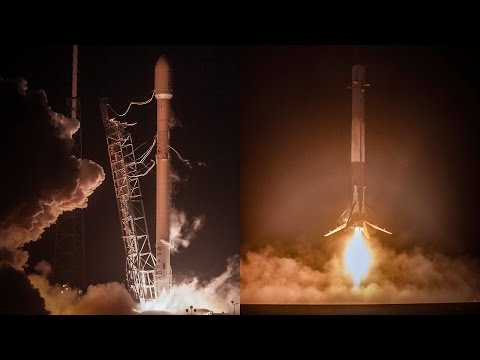
Il 21 dicembre 2015, nel volo 20 —la missione Orbcomm OG-2—, un primo stadio atterrò per la prima volta su una piattaforma a terra vicino al sito di lancio. Era la prima volta nella storia che il primo stadio di un lanciatore orbitale otteneva un atterraggio verticale controllato dopo aver compiuto la propria missione. Il primo atterraggio riuscito su una chiatta autonoma arrivò nell'aprile 2016, nella missione CRS-8, sulla Of Course I Still Love You. Tra il 2013 e il 2016 furono realizzati sedici voli di prova, sei dei quali terminarono con un atterraggio morbido e il recupero del propulsore. Dal gennaio 2017, salvo poche eccezioni —il nucleo centrale del volo di prova del Falcon Heavy, la missione STP-2, il rifornimento CRS-16 e alcune missioni Starlink—, tutti i tentativi di atterraggio sono andati a buon fine. Due propulsori sono andati persi in mare dopo l'atterraggio: il nucleo centrale di Arabsat-6A e il B1058 dopo un volo Starlink.
Il primo riutilizzo operativo di un propulsore già usato fu quello del B1021 nel marzo 2017, con la missione SES-10, dopo aver volato in CRS-8 nell'aprile 2016; fu ritirato dopo il suo secondo atterraggio. Nel giugno 2017 il B1029 portò il BulgariaSat-1 verso la GTO dopo una missione Iridium NEXT nel gennaio dello stesso anno. Il terzo riutilizzo arrivò nel novembre 2018 con SSO-A, il cui nucleo, il B1046, era stato il primo Block 5 costruito e aveva inaugurato la versione con il Bangabandhu-1. Nel maggio 2021 un propulsore raggiunse le dieci missioni, e al 30 luglio 2026 il record era di 36 voli di uno stesso esemplare, con 598 atterraggi ottenuti in totale.
Anche l'ogiva viene recuperata. SpaceX sviluppò metà ogiva con paracadute direzionabile e propulsori di controllo: la prima fu recuperata dall'acqua dopo un ammaraggio morbido nel marzo 2017, dopo SES-10. Seguì un sistema di cattura in aria con due navi equipaggiate con reti enormi, che ottennero le prime catture nel 2019; di fronte a risultati disomogenei, l'azienda tornò all'ammaraggio e al recupero in acqua. Dal 2019 le ogive sono progettate per rientrare e tornare a volare. Il secondo stadio, invece, fu dato per perso: alla fine del 2014 SpaceX concluse che la massa dello scudo termico, dei motori di atterraggio e del resto dell'attrezzatura era proibitiva, e abbandonò lo sforzo.
Affidabilità, guasti e anomalie
Al 30 luglio 2026 il Falcon 9 totalizzava 668 missioni pienamente riuscite su 671, il 99,6%, con due guasti in volo, un successo parziale e una distruzione prima del lancio. Il Block 5 da solo era al 99,8% (614 su 615). Il confronto con la concorrenza storica è eloquente: la famiglia Soyuz contava 1.880 lanci con il 95,1% di successo, la serie Proton 425 con l'88,7%, l'Ariane 5 europeo 117 con il 95,7% e il cinese Lunga Marcia 3B 85 con il 95,3%.
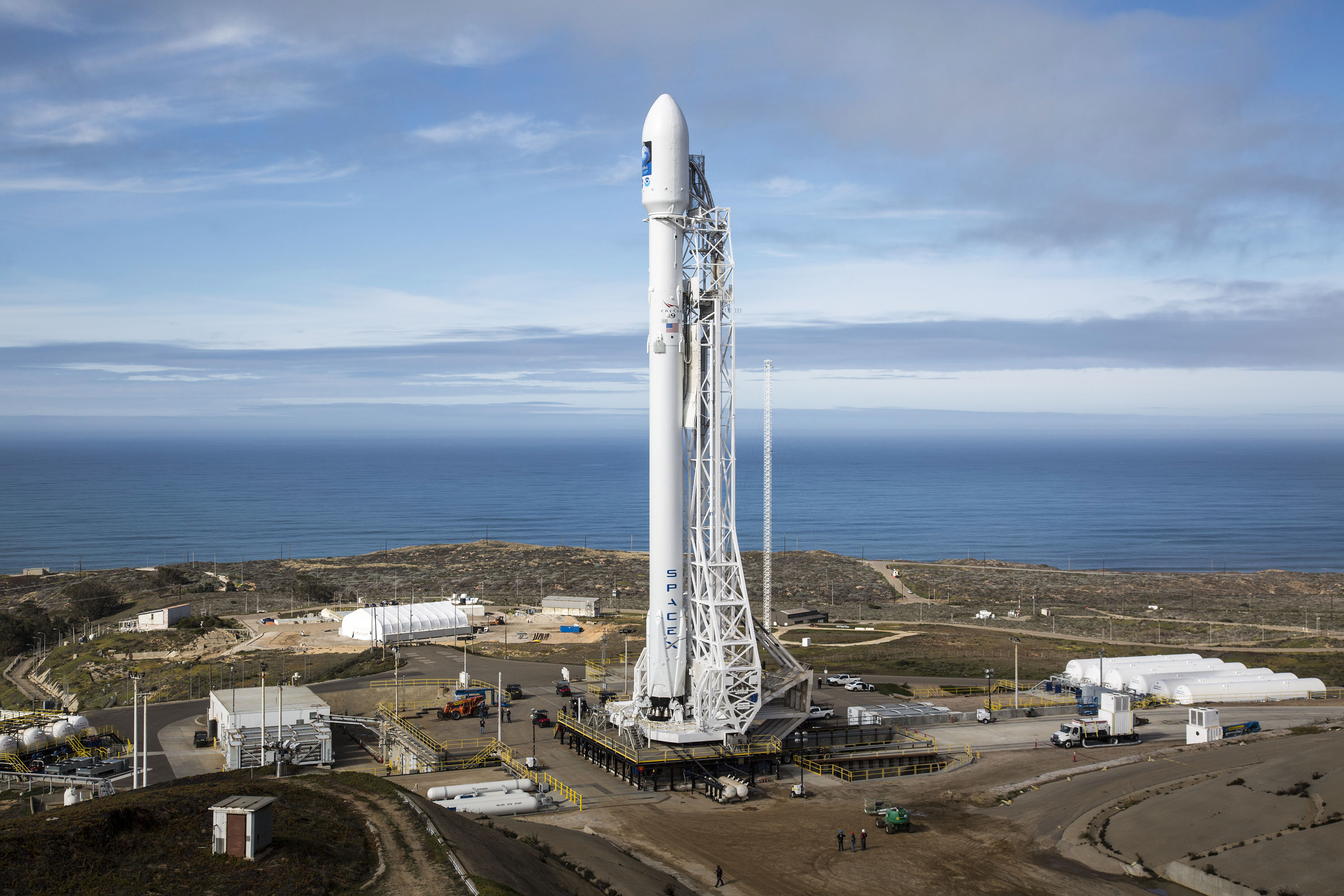
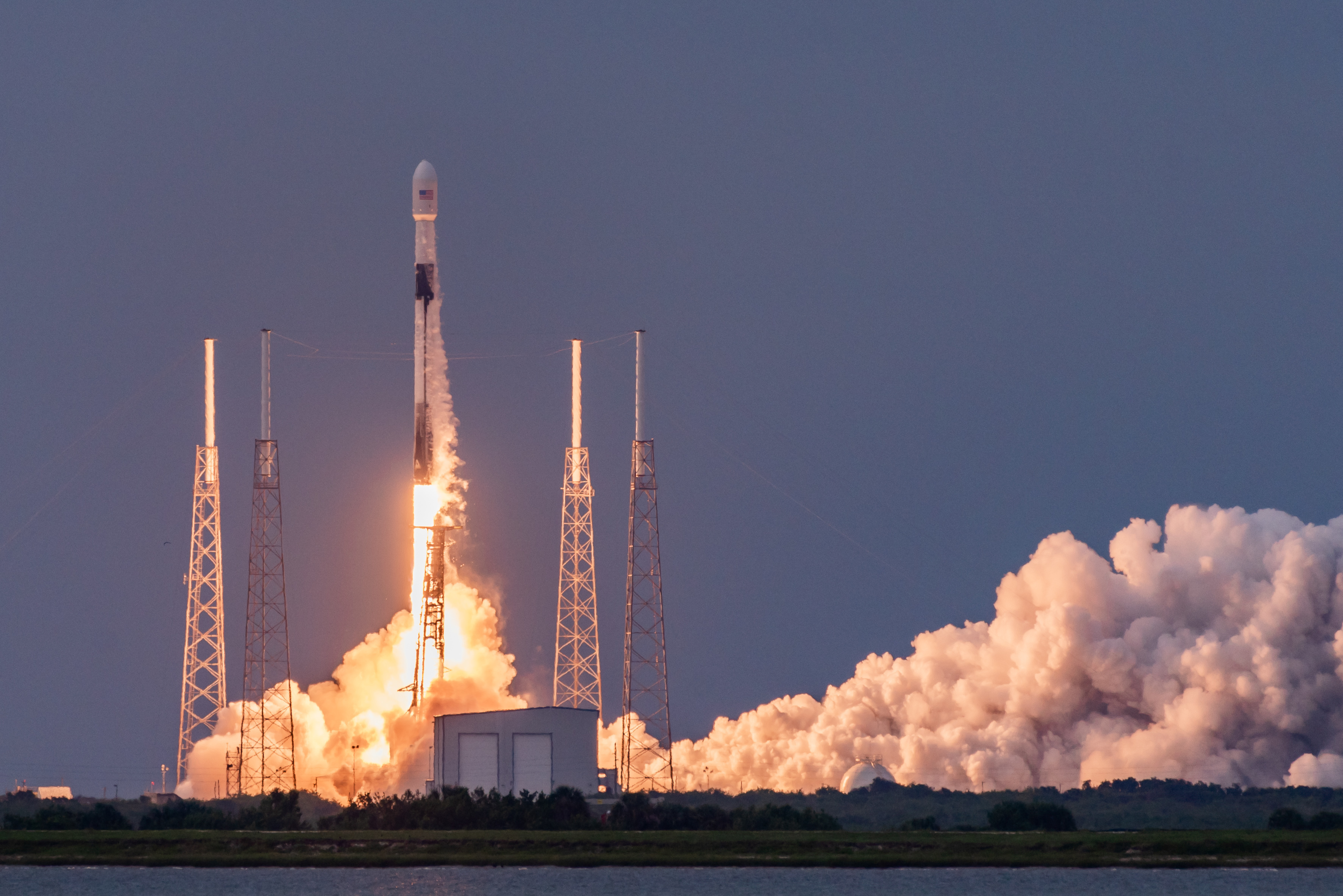
La sequenza di lancio include una ritenuta al suolo che permette di accendere i motori e verificare i sistemi prima di rilasciare il razzo —lo stesso principio usato dal Saturn V e dallo Space Shuttle—, con spegnimento automatico e scarico del propellente se viene rilevata qualsiasi anomalia. Il veicolo ha computer di volo e navigazione inerziale triplamente ridondanti, con correzione GPS.
.jpg)
Il primo avvertimento arrivò presto e sotto forma di successo parziale: in CRS-1, nell'ottobre 2012, il motore numero 1 perse pressione a 79 secondi e si spense. Il primo stadio bruciò 28 secondi in più del previsto e il secondo altri 15 per compensare, il che ridusse le riserve di carburante e abbassò dal 99% al 95% la probabilità di completare la missione secondaria; la NASA, che controllava contrattualmente diversi punti decisionali, negò a SpaceX la riaccensione del secondo stadio e il carico secondario rientrò nell'atmosfera. La missione principale, invece, fu compiuta: fu la dimostrazione pratica della capacità di perdere un motore e continuare a volare, un tratto ereditato dalla filosofia della famiglia Saturn. I Merlin 1D hanno subito due spegnimenti prematuri in ascesa —marzo 2020, per isopropanolo mal purgato dopo una pulizia, e febbraio 2021, per gas caldi entrati in un motore attraverso un foro da fatica nella sua copertura—; nessuno dei due ha compromesso la missione principale, ma entrambi hanno vanificato l'atterraggio.
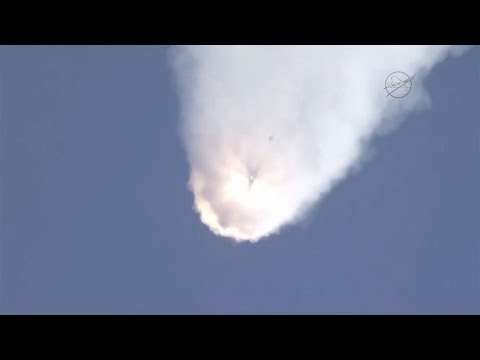
Il guasto grave arrivò il 28 giugno 2015 con CRS-7, il diciannovesimo volo del Falcon 9 e il quattordicesimo della v1.1. Il veicolo si disintegrò a 139 secondi, poco prima della separazione degli stadi: apparve una nube di vapore bianco seguita da una rapida perdita di pressione nel serbatoio di ossigeno liquido del secondo stadio. La capsula Dragon fu espulsa e continuò a trasmettere dati fino all'impatto nell'oceano; SpaceX segnalò che avrebbe potuto essere recuperata se i paracadute si fossero aperti, ma la versione del software di bordo non contemplava quello scenario. L'indagine attribuì l'incidente al cedimento di un puntone che fissava una bombola di elio ad alta pressione dentro il serbatoio di ossigeno: il recipiente si staccò e colpì la cupola superiore del serbatoio. Il rapporto di SpaceX indicò che il bullone in acciaio inossidabile era certificato per 10.000 libbre di carico e cedette a 2.000.
Poco più di un anno dopo, il 1° settembre 2016, il veicolo che doveva lanciare il satellite israeliano AMOS-6 —sarebbe stato il volo 29— esplose sulla rampa durante i preparativi di un test di accensione statica, con la perdita del razzo e del carico. Non ci furono feriti. SpaceX pubblicò la causa il 2 gennaio 2017: il rivestimento interno di diversi recipienti a pressione con involucro composito (COPV) si era imbarcato, provocando perforazioni attraverso cui penetrò ossigeno liquido o solido.
La cadenza estrema portò con sé una propria serie di problemi a partire dalla metà del 2024. Nel luglio di quell'anno il motore dello stadio superiore fallì nel lancio del gruppo Starlink 9-3, con la perdita dei venti satelliti e un fermo della flotta di due settimane imposto dalla FAA. Ad agosto un propulsore si ribaltò e si distrusse all'atterraggio dopo un lancio altrimenti riuscito, il primo atterraggio fallito in oltre tre anni. A settembre, dopo la missione Crew-9, lo stadio superiore fallì di nuovo nell'accensione di deorbitazione e rientrò fuori dalla zona prevista, dieci giorni prima della finestra di lancio della sonda Europa Clipper della NASA, che richiedeva due accensioni dello stesso stadio; l'agenzia partecipò all'indagine e convocò un proprio comitato indipendente. Europa Clipper decollò senza incidenti il 14 ottobre. Nel febbraio 2025 un altro stadio superiore non riuscì a eseguire la propria deorbitazione dopo il gruppo Starlink 11-4 e rimase due settimane in orbita prima di rientrare senza controllo vicino a Poznań, in Polonia, per una perdita di ossigeno liquido analoga a quella di luglio 2024; a marzo si perse un altro propulsore, incendiatosi e ribaltatosi dopo l'atterraggio sulla chiatta per una perdita di carburante in un motore durante l'ascesa. Il comitato consultivo per la sicurezza aerospaziale della NASA avvertì nel suo rapporto annuale 2024 che il ritmo dei lanci poteva «interferire con il giudizio ponderato, l'analisi meditata e l'attuazione accurata delle azioni correttive», pur elogiando la trasparenza dell'azienda.
Volo con equipaggio
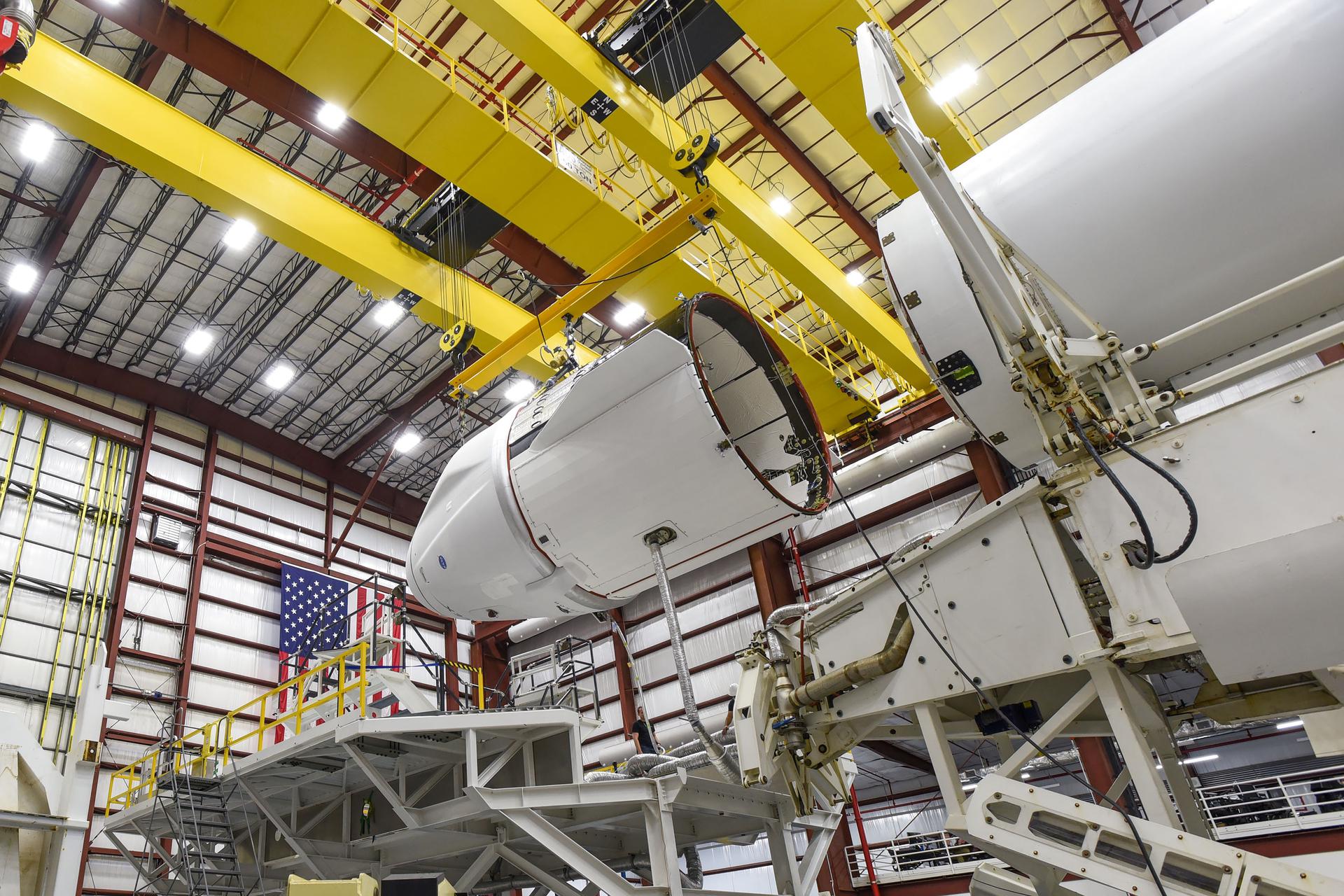
Il Falcon 9 è qualificato per il volo umano e trasporta astronauti della NASA verso la Stazione Spaziale Internazionale. Il primo volo della Crew Dragon, senza equipaggio, fu la missione Demo-1, nel volo 69 del lanciatore. Il passo decisivo arrivò con Demo-2: il 30 maggio 2020, nel volo 85, un Falcon 9 mise in orbita la capsula Endeavour con gli astronauti Doug Hurley e Bob Behnken a bordo. Fu il primo volo orbitale con equipaggio lanciato dagli Stati Uniti dall'ultima missione dello Space Shuttle nel 2011, il primo operato da un fornitore commerciale e il primo volo orbitale di due persone dagli Stati Uniti dallo STS-4 del 1982.
L'aggancio, autonomo ma supervisionato dall'equipaggio, avvenne il 31 maggio, diciannove ore dopo il lancio; dopo la cattura morbida si chiusero dodici ganci per completare la cattura rigida undici minuti più tardi. Hurley e Behnken lavorarono 62 giorni insieme alla Expedition 63 —Behnken realizzò quattro passeggiate spaziali con Chris Cassidy per sostituire batterie—, e la Endeavour si sganciò in modo autonomo il 1° agosto 2020. Demo-2 completò la convalida delle operazioni con equipaggio con materiale di SpaceX e diede alla capsula la sua certificazione per il volo umano. Nel settembre 2021, la missione Inspiration4, nel volo 126, fu il primo volo orbitale interamente privato.
Oltre alla qualifica umana, il Falcon 9 è certificato per il programma di Lancio di Sicurezza Nazionale e il Programma di Servizi di Lancio della NASA lo classifica nella «Categoria 3» (rischio basso), quella che permette di affidargli le missioni più costose, importanti e complesse dell'agenzia.
Carichi, record e missioni notevoli
L'elenco delle prime volte del Falcon 9 riassume il decennio. Il volo 1, nel giugno 2010, portò un'unità di qualifica della Dragon. Il volo 3, con la Dragon C2+, fu la prima consegna di carico alla Stazione Spaziale Internazionale. Il volo 7 portò il SES-8, primo satellite in orbita di trasferimento geostazionaria; il 9, in CRS-3, inaugurò le gambe di atterraggio e ottenne la prima discesa controllata fino a posarsi verticalmente sull'oceano; il 15 collocò l'osservatorio DSCOVR nella regione L1 del sistema Sole-Terra. Dopo gli atterraggi dei voli 20 e 23, il volo 30 (CRS-10) inaugurò il complesso LC-39A, il 32 (SES-10) aggiunse il primo riutilizzo e il primo recupero di ogiva, e il 41 lanciò lo spazioplano X-37B nella sua quinta missione. Il volo 129 portò la sonda DART, prima missione di difesa planetaria contro un asteroide vicino, e il 134 (CRS-24) segnò il centesimo atterraggio.
I carichi più pesanti inviati in orbita di trasferimento geostazionaria sono stati l'Intelsat 35e, con 6.761 kg, collocato in un'orbita supersincrona vantaggiosa, e il Telstar 19V, con 7.075 kg, in una GTO a minore energia e apogeo ben al di sotto dell'altitudine geostazionaria. Il 24 gennaio 2021, la missione Transporter-1 —volo 106— stabilì il record di satelliti lanciati da un singolo razzo, con 143 a bordo.
Starlink e la cadenza
Il grosso dei lanci lo fornisce oggi la stessa SpaceX. Starlink, la costellazione di internet satellitare in orbita bassa, contava nel giugno 2026 circa 10.413 satelliti, di cui 10.397 operativi, in comunicazione con terminali utente e stazioni a terra; nell'agosto 2026 la flotta attiva era di 10.895 unità tra le due generazioni di hardware. Dispiegare uno sciame simile ha trasformato il lancio orbitale in un'operazione quasi di routine e spiega la cadenza senza precedenti del Falcon 9, che accumula più lanci di qualsiasi altro lanciatore attivo. La seconda generazione di satelliti, tuttavia, non entra nel Falcon 9: SpaceX dichiarò nel 2022 che i Gen2 sono troppo grandi e necessitano della Starship.
Rideshare: Transporter e Bandwagon
SpaceX gestisce due programmi regolari di lancio condiviso per satelliti piccoli. Transporter, iniziato nel 2021, vola in orbita eliosincrona con inclinazioni vicine ai 90°, serve soprattutto carichi di osservazione della Terra e decolla da Vandenberg circa ogni quattro mesi. Bandwagon, iniziato nel 2024, dà accesso a inclinazioni medie di circa 45° con missioni ogni sei mesi da Cape Canaveral.
Poiché queste missioni lasciano molti satelliti in un'unica orbita di consegna, buona parte dei clienti ricorre a veicoli di trasferimento orbitale di terze parti —Momentus con il suo Vigoride, D-Orbit con l'ION Satellite Carrier o Exolaunch— che si separano dallo stadio superiore e portano ogni carico alla propria altitudine e inclinazione definitive. La missione Vigoride-7, in Transporter-16, dimostrò l'uso di bus ad alta potenza per carichi governativi complessi di DARPA e della NASA. Per satelliti tra 500 e 2.500 kg, SpaceX offre inoltre la posizione di «cake topper», in cima alla pila, quella che occuperebbe un carico principale in un lancio convenzionale. Nel 2025 il prezzo di partenza era di 300.000 dollari per 50 kg in orbita eliosincrona. La combinazione di cadenza alta e prezzo basso ha reso SpaceX il fornitore dominante del mercato dei satelliti piccoli e ha complicato la vita agli operatori di microlanciatori dedicati.
Basi di lancio
Il Falcon 9 decolla da tre complessi orbitali: lo SLC-40 della Stazione della Forza Spaziale di Cape Canaveral, in Florida, operativo dal 2007; lo SLC-4E della Base Vandenberg, in California, dal 2013; e il LC-39A del Centro Spaziale Kennedy, in Florida, dal 2017. Ognuno ha il proprio ruolo: lo SLC-40 è la rampa ad alto volume per orbite a inclinazione media, tra 28,5° e 55°; lo SLC-4E è ottimizzato per orbite polari molto inclinate, tra 66° e 145°; e il LC-39A è riservato alle missioni complesse, come i voli della Crew Dragon o del Falcon Heavy, anche se nel 2024 lo SLC-40 è stato adattato anche alla Crew Dragon come riserva. Il 21 aprile 2023 la Forza Spaziale ha autorizzato SpaceX ad affittare il complesso SLC-6 di Vandenberg, che sarà la sua quarta rampa orbitale e permetterà di lanciare il Falcon Heavy dalla costa occidentale.
Prezzo ed effetto sull'industria
Nel volo inaugurale del 2010, il prezzo annunciato di un lancio commerciale con la v1.0 era di 49,9-56 milioni di dollari. Salì poi al ritmo dell'inflazione: 54-59,5 milioni nel 2012, 56,5 milioni per la v1.1 nel 2013, 61,2 milioni nel 2014, 62 milioni per la Full Thrust nel 2016 e 74 milioni per il Block 5 nel 2026. I contratti pubblici sono più costosi: una missione di carico Dragon verso la Stazione Spaziale costava 133 milioni a prezzo fisso con la NASA, la missione DSCOVR per la NOAA 97 milioni, e i lanci dell'Aeronautica statunitense 95 milioni nel 2020 per i requisiti di sicurezza aggiuntivi. Quella differenza portò nel 2020 il direttore di Roscosmos, Dmitrij Rogozin, ad accusare SpaceX di dumping sul mercato commerciale.
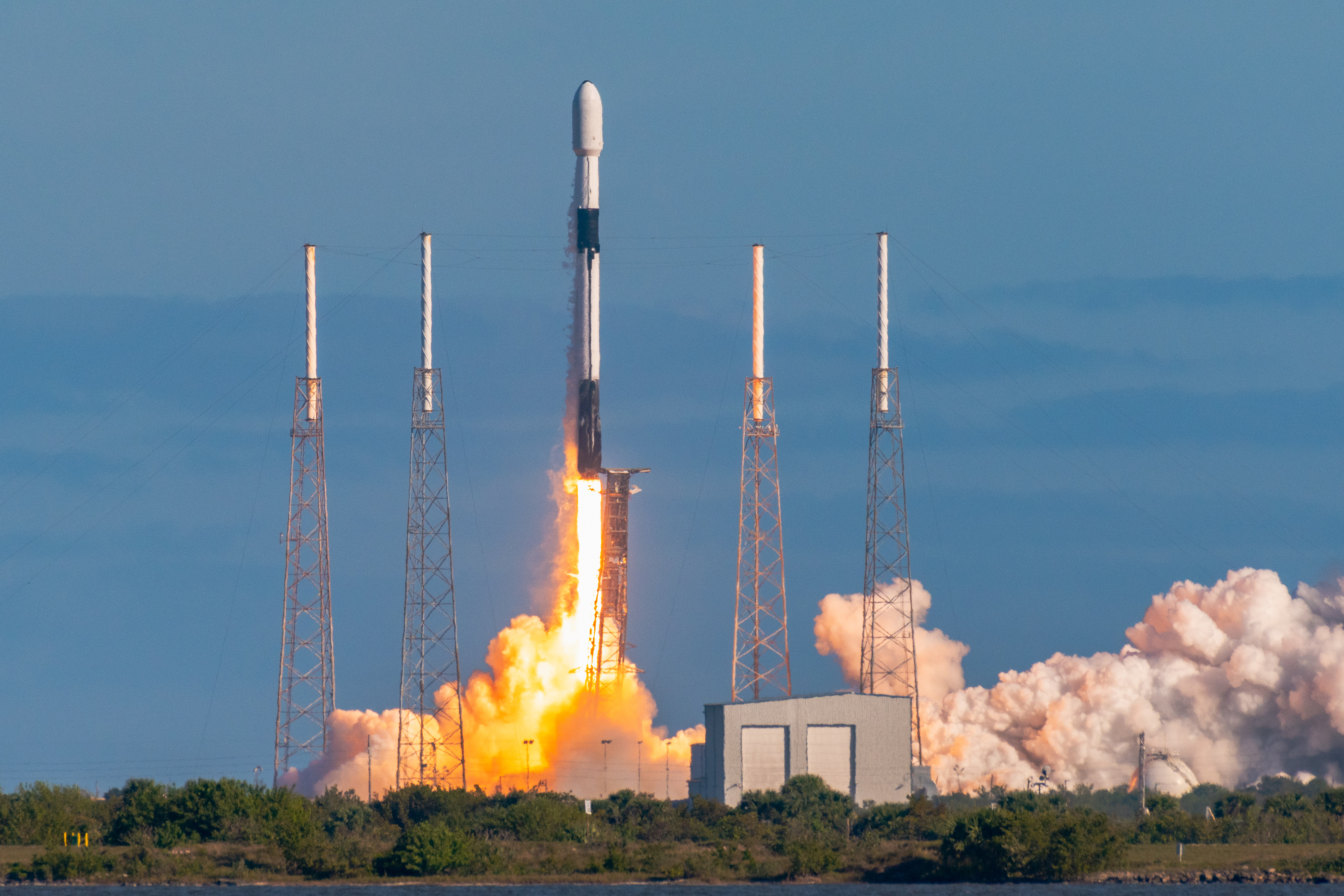
Internamente, il costo di un lancio era stimato nel 2024 tra 15 e 28 milioni di dollari contando personale, ricondizionamento, montaggio, operazioni e ammortamento degli impianti; il secondo stadio, che non viene recuperato, è la voce più costosa, con 12 milioni di costo di produzione secondo la direttrice operativa dell'azienda. Il dibattito sulla redditività del riutilizzo fu pubblico: l'amministratore delegato di ULA, Tory Bruno, calcolava che ogni propulsore avrebbe dovuto volare dieci volte per ammortizzare il sovraccosto di progettare e gestire un razzo riutilizzabile, mentre Musk sosteneva che il recupero e il ricondizionamento costano meno del 10% e che il punto di pareggio arriva al secondo volo, con un risparmio sostanziale già al terzo.
Il calo dei prezzi spinse i concorrenti a riprogettare la propria offerta: Arianespace lanciò l'Ariane 6, ULA sviluppò il Vulcan Centaur e Roscosmos si ritirò sul Proton-M.
Eredità
Il Falcon 9 ha dimostrato che il riutilizzo propulsivo funziona tecnicamente e commercialmente, e ha costretto l'intera industria —dall'Europa alla Cina— a riprogettare i propri lanciatori attorno a quell'idea. Ha trasformato l'atterraggio di un razzo orbitale in un'immagine quotidiana, ha restituito agli Stati Uniti la capacità di lanciare persone nello spazio e sostiene da solo la più grande costellazione di satelliti della storia. Poche macchine hanno spostato così tanto la frontiera del possibile nello spazio dallo Space Shuttle in poi.
_de_un_Falcon_9_con_Crew_Dragon_hacia_la_rampa%2C_misi%C3%B3n_Crew-9.jpg)
Cronologia dei lanci
| Data | Base di lancio | Programma | Esito | Carico utile |
|---|---|---|---|---|
| 10 ott 2026, 07:39 | Space Launch Complex 4E | — | Successo | Tranche 1 Transport Layer A is one of six missions by the United States Space Force Space Development Agency (SDA) for the Proliferated Warfighter Space Architecture (PWSA) Tranche 1 Transport Layer constellation, which will provide assured, resilient, low-latency military data and connectivity worldwide to the full range of warfighter platforms from Low Earth Orbit satellites. The constellation will be interconnected with Optical Inter-Satellite Links (OISLs) which have significantly increased performance over existing radio frequency crosslinks. It is expected to operate over Ka band, have stereo coverage and be dynamically networked for simpler hand-offs, greater bandwidth and fault tolerance. This launch carries 21 satellites manufactured by Northrop Grumman. |
| 1 ott 2026, 18:32 | Space Launch Complex 4E | — | Successo | Dedicated rideshare flight to a sun-synchronous orbit with dozens of small microsatellites and nanosatellites for commercial and government customers. |
| 1 ott 2026, 15:10 | Space Launch Complex 40 | — | Successo | SpaceX Crew-13 is the thirteenth crewed operational flight of a Crew Dragon spacecraft to the International Space Station as part of NASA's Commercial Crew Program. |
| 26 set 2026, 14:00 | Space Launch Complex 4E | — | Successo | A classified mission for the United States Space Force. It is possibly a batch of classified LEO satellites based on SpaceX’s Starshield satellite bus, based on locations of rocket stage drop zones being exact fits with previous Starlink Group 15 launches. |
| 20 set 2026, 01:47 | Space Launch Complex 4E | — | Successo | A batch of 27 satellites for the Starlink mega-constellation - SpaceX's project for space-based Internet communication system. |
| 17 set 2026, 01:07 | Space Launch Complex 4E | — | Successo | USSF-259 is a classified mission for the United States Space Force. It is possibly a batch of classified LEO satellites based on SpaceX’s Starshield satellite bus, based on locations of ascent rocket stage drop zones being fits with previous SDA Transport Layer launches. |
| 13 set 2026, 18:49 | Space Launch Complex 40 | — | Successo | 3 high-throughput communications satellites in Medium Earth Orbit (MEO) built by Boeing and operated by SES. |
| 10 set 2026, 15:42 | Space Launch Complex 4E | — | Successo | USSF-153 is a classified mission for the United States Space Force. It is possibly a batch of classified LEO satellites based on SpaceX’s Starshield satellite bus, based on locations of rocket stage drop zones being exact fits with previous Starlink Group 15 launches. |
| 6 set 2026, 14:26 | Space Launch Complex 4E | — | Successo | A batch of 27 satellites for the Starlink mega-constellation - SpaceX's project for space-based Internet communication system. |
| 2 set 2026, 08:42 | Space Launch Complex 4E | — | Successo | A batch of 27 satellites for the Starlink mega-constellation - SpaceX's project for space-based Internet communication system. |
| 26 ago 2026, 09:35 | Space Launch Complex 4E | — | Successo | A batch of 27 satellites for the Starlink mega-constellation - SpaceX's project for space-based Internet communication system. |
| 25 ago 2026, 09:33 | Space Launch Complex 40 | — | Successo | A batch of 29 satellites for the Starlink mega-constellation - SpaceX's project for space-based Internet communication system. |
| 22 ago 2026, 07:25 | Space Launch Complex 4E | — | Successo | A batch of 27 satellites for the Starlink mega-constellation - SpaceX's project for space-based Internet communication system. |
| 21 ago 2026, 15:14 | Space Launch Complex 40 | — | Successo | A batch of 29 satellites for the Starlink mega-constellation - SpaceX's project for space-based Internet communication system. |
| 19 ago 2026, 04:01 | Space Launch Complex 4E | — | Successo | A batch of 24 satellites for the Starlink mega-constellation - SpaceX's project for space-based Internet communication system. |
| 16 ago 2026, 01:50 | Space Launch Complex 4E | — | Successo | USSF-366 is a classified mission for the United States Space Force. It is possibly a batch of classified LEO satellites based on SpaceX’s Starshield satellite bus, based on locations of rocket stage drop zones being exact fits with previous Starlink Group 15 launches. |
| 16 ago 2026, 01:12 | Space Launch Complex 40 | — | Successo | The Globalstar global mobile communications network offers global, digital real time voice, data and fax services via its Low Earth Orbit satellite constellation. The constellation operates in a 1410 km orbit inclined at 52 degrees. In early 2022, Globalstar contracted with MDA for the construction of 17 new 2nd generation refresh satellites to replenish the existing constellation. Rocket Lab is sub-contracted to build the satellites' buses and the launch dispensers. |
| 12 ago 2026, 04:46 | Space Launch Complex 4E | — | Successo | A batch of 24 satellites for the Starlink mega-constellation - SpaceX's project for space-based Internet communication system. |
| 11 ago 2026, 15:58 | Space Launch Complex 40 | — | Successo | A batch of 29 satellites for the Starlink mega-constellation - SpaceX's project for space-based Internet communication system. |
| 8 ago 2026, 16:35 | Space Launch Complex 4E | — | Successo | A batch of 24 satellites for the Starlink mega-constellation - SpaceX's project for space-based Internet communication system. |
| 5 ago 2026, 07:49 | Space Launch Complex 40 | — | Successo | AST SpaceMobile’s Block 2 BlueBird satellites are designed to deliver up to 10 times the bandwidth capacity of the BlueBird Block 1 satellites, required to achieve 24/7 continuous cellular broadband service coverage in the United States, with beams designed to support a capacity of up to 40 MHz, enabling peak data transmission speeds up to 120 Mbps, supporting voice, full data and video applications. The Block 2 BlueBirds, featuring as large as 2400 square foot communications arrays, will be the largest satellites ever commercially deployed in Low Earth orbit once launched. This launch will feature 3 satellites. |
| 4 ago 2026, 17:05 | Space Launch Complex 4E | — | Successo | A batch of 24 satellites for the Starlink mega-constellation - SpaceX's project for space-based Internet communication system. |
| 1 ago 2026, 03:08 | Space Launch Complex 4E | — | Successo | A batch of 24 satellites for the Starlink mega-constellation - SpaceX's project for space-based Internet communication system. |
| 30 lug 2026, 07:10 | Space Launch Complex 40 | — | Successo | Classified payload for the US National Reconnaissance Office. |
| 25 lug 2026, 15:51 | Space Launch Complex 4E | — | Successo | A batch of 24 satellites for the Starlink mega-constellation - SpaceX's project for space-based Internet communication system. |
| 21 lug 2026, 21:15 | Space Launch Complex 40 | — | Successo | The Northrop Grumman/SpaceLogistics MRV-1 is a mission extension payload including a mission robotic vehicle (MRV) and multiple mission extension pods (MEPs). The MRV is designed to attach up to 30 MEPs (Mission Extension Pods) to various satellites in GEO over the course of its life, and the MEPs (Mission Extension Pods) are 400 kg spacecraft designed to be captured by the MRV and then attached to a customer's satellite. A single MEP can extend a 2000 kg satellite's service life by up to 6 years. For this mission, 2 of the MEP's will service satellites for Intelsat, while the third will service a satellite for Optus. |
| 21 lug 2026, 14:49 | Space Launch Complex 4E | — | Successo | A batch of 24 satellites for the Starlink mega-constellation - SpaceX's project for space-based Internet communication system. |
| 16 lug 2026, 20:32 | Space Launch Complex 4E | — | Successo | Tranche 1 Transport Layer E is one of six missions by the United States Space Force Space Development Agency (SDA) for the Proliferated Warfighter Space Architecture (PWSA) Tranche 1 Transport Layer constellation, which will provide assured, resilient, low-latency military data and connectivity worldwide to the full range of warfighter platforms from Low Earth Orbit satellites. The constellation will be interconnected with Optical Inter-Satellite Links (OISLs) which have significantly increased performance over existing radio frequency crosslinks. It is expected to operate over Ka band, have stereo coverage and be dynamically networked for simpler hand-offs, greater bandwidth and fault tolerance. This launch carries 21 satellites manufactured by York Space Systems. |
| 14 lug 2026, 09:10 | Space Launch Complex 40 | — | Successo | A batch of 29 satellites for the Starlink mega-constellation - SpaceX's project for space-based Internet communication system. |
| 14 lug 2026, 01:28 | Space Launch Complex 4E | — | Successo | A batch of 27 satellites for the Starlink mega-constellation - SpaceX's project for space-based Internet communication system. |
| 11 lug 2026, 03:01 | Space Launch Complex 4E | — | Successo | A batch of 24 satellites for the Starlink mega-constellation - SpaceX's project for space-based Internet communication system. |
| 9 lug 2026, 09:25 | Space Launch Complex 40 | — | Successo | A batch of 29 satellites for the Starlink mega-constellation - SpaceX's project for space-based Internet communication system. |
| 7 lug 2026, 07:12 | Space Launch Complex 4E | — | Successo | Dedicated rideshare flight to a sun-synchronous orbit with dozens of small microsatellites and nanosatellites for commercial and government customers. |
| 5 lug 2026, 10:50 | Space Launch Complex 40 | — | Successo | A batch of 29 satellites for the Starlink mega-constellation - SpaceX's project for space-based Internet communication system. The Falcon 9 1st stage carries 2 customer payload from Besxar Space Industries for testing their Fabships pilot reusable semiconductor wafers manufacturing pods in launch and re-entry environments. |
| 2 lug 2026, 02:58 | Space Launch Complex 4E | — | Successo | A batch of 24 satellites for the Starlink mega-constellation - SpaceX's project for space-based Internet communication system. |
| 29 giu 2026, 02:25 | Space Launch Complex 40 | — | Successo | SXM-11 is the 12th high-powered, digital, audio radio satellite built by Lanteris Space (ex-Maxar, Space System/Loral) for SiriusXM. The SXM-11 satellite will be based on the proven IM-1300 (ex-LS-1300)-class platform and built at the company’s manufacturing facility in Palo Alto, California. SXM-11 has a large, mesh, unfurlable reflector almost 10 meters in diameter that allows SiriusXM programming to reach its radios, including those in moving vehicles. |
| 28 giu 2026, 16:09 | Space Launch Complex 4E | — | Successo | A batch of 24 satellites for the Starlink mega-constellation - SpaceX's project for space-based Internet communication system. |
| 25 giu 2026, 03:30 | Space Launch Complex 4E | — | Successo | A batch of 24 satellites for the Starlink mega-constellation - SpaceX's project for space-based Internet communication system. |
| 23 giu 2026, 10:53 | Space Launch Complex 40 | — | Successo | Note: Mission profile and payload details are TBD. Demonstration mission for SpaceX’s Project Starfall, which aims to mass-produce reentry capsules designed to autonomously transport valuable customer experiments and other payloads safely back from space to Earth, including for in-orbit manufacturing. Starfall is a cylindrical shaped capsule approximately 0.75 meters tall with a diameter of 3.1 meters, weighing approximately 2100 kilograms, and capable of carrying 1000 kilograms of payload. It is designed to be carried on Starship flights. |
| 21 giu 2026, 16:39 | Space Launch Complex 4E | — | Successo | A batch of 24 satellites for the Starlink mega-constellation - SpaceX's project for space-based Internet communication system. |
| 19 giu 2026, 08:50 | Space Launch Complex 4E | — | Successo | Fourteenth batch of satellites for a reconnaissance satellite constellation built by SpaceX and Northrop Grumman for the National Reconnaissance Office to provide imaging and other reconnaissance capabilities. |
| 17 giu 2026, 06:39 | Space Launch Complex 40 | — | Successo | AST SpaceMobile’s Block 2 BlueBird satellites are designed to deliver up to 10 times the bandwidth capacity of the BlueBird Block 1 satellites, required to achieve 24/7 continuous cellular broadband service coverage in the United States, with beams designed to support a capacity of up to 40 MHz, enabling peak data transmission speeds up to 120 Mbps, supporting voice, full data and video applications. The Block 2 BlueBirds, featuring as large as 2400 square foot communications arrays, will be the largest satellites ever commercially deployed in Low Earth orbit once launched. This launch will feature 3 satellites. |
| 15 giu 2026, 15:34 | Space Launch Complex 4E | — | Successo | A batch of 24 satellites for the Starlink mega-constellation - SpaceX's project for space-based Internet communication system. |
| 12 giu 2026, 12:37 | Space Launch Complex 40 | — | Successo | A batch of 29 satellites for the Starlink mega-constellation - SpaceX's project for space-based Internet communication system. |
| 11 giu 2026, 15:05 | Space Launch Complex 4E | — | Successo | A batch of 24 satellites for the Starlink mega-constellation - SpaceX's project for space-based Internet communication system. |
| 8 giu 2026, 10:13 | Space Launch Complex 40 | — | Successo | A batch of 29 satellites for the Starlink mega-constellation - SpaceX's project for space-based Internet communication system. |
| 7 giu 2026, 04:24 | Space Launch Complex 4E | — | Successo | A batch of 21 satellites for the Starlink mega-constellation - SpaceX's project for space-based Internet communication system. 2 US military Starshield satellites are also on board. |
| 4 giu 2026, 10:26 | Space Launch Complex 40 | — | Successo | A batch of 29 satellites for the Starlink mega-constellation - SpaceX's project for space-based Internet communication system. |
| 3 giu 2026, 15:40 | Space Launch Complex 4E | — | Successo | A batch of 24 satellites for the Starlink mega-constellation - SpaceX's project for space-based Internet communication system. |
| 30 mag 2026, 15:25 | Space Launch Complex 4E | — | Successo | A batch of 24 satellites for the Starlink mega-constellation - SpaceX's project for space-based Internet communication system. |
Versioni
| v1.0 | v1.1 | Full Thrust | Block 4 | Block 5 | |
|---|---|---|---|---|---|
| Primo lancio | 4 giugno 2010 | 29 settembre 2013 | 22 dicembre 2015 | 14 agosto 2017 | 11 maggio 2018 |
| Ultimo lancio | 1 marzo 2013 | 17 gennaio 2016 | 22 febbraio 2018 | 29 giugno 2018 | — |
| Apparato propulsivo | Nove motori Merlin 1C a cherosene raffinato e ossigeno liquido nel primo stadio, con 170 secondi di accensione; un Merlin 1C Vacuum da 617 kN nel secondo. Il Merlin 1C utilizzava raffreddamento rigenerativo e un impulso specifico di 275 s al livello del mare e 304 s nel vuoto. | Primo stadio: 9 Merlin 1D in un octaweb (5.885 kN al livello del mare, 6.672 kN nel vuoto). Secondo stadio: 1 Merlin 1D Vacuum (716 kN). Ossigeno liquido e RP-1. | Nove Merlin 1D potenziati nel primo stadio, con 6800 kN al decollo e 162 secondi di accensione, e un Merlin 1D Vacuum da 934 kN — 840 kN nella variante a ugello corto — nel secondo, con 348 s di impulso specifico. Il raffreddamento criogenico del cherosene e dell'ossigeno liquido è ciò che rende possibile il salto di spinta. | Stessa architettura Merlin del Full Thrust con aumenti incrementali di spinta che conducono al valore finale del Block 5; SpaceX non pubblicò cifre di spinta proprie del Block 4. | Nove Merlin 1D+ nel primo stadio con 7600 kN al decollo e un Merlin 1D Vacuum da 934 kN nel secondo, che può essere equipaggiato con un kit di estensione della missione per accensioni aggiuntive e voli di maggiore durata. Propellenti di ossigeno liquido e RP-1 densificati mediante raffreddamento criogenico. |
| Propellente | LOX / RP-1 | LOX / RP-1 | LOX / RP-1 | LOX / RP-1 | LOX / RP-1 |
| Altezza | 54,9 m | 68,4 m | 70 m Valore migliore della riga | — | 70 m Valore migliore della riga |
| Diametro | 3,7 m Valore migliore della riga | 3,7 m Valore migliore della riga | 3,7 m Valore migliore della riga | 3,7 m Valore migliore della riga | 3,7 m Valore migliore della riga |
| Massa | 333.400 kg | 505.846 kg | 549.000 kg Valore migliore della riga | — | 549.000 kg Valore migliore della riga |
| Spinta al decollo | 4940 kN | 5885 kN | 6800 kN | — | 7607 kN Valore migliore della riga |
| Stadi | 2 Valore migliore della riga | 2 Valore migliore della riga | 2 Valore migliore della riga | 2 Valore migliore della riga | 2 Valore migliore della riga |
| Capacità in LEO | 10.450 kg | 13.150 kg | 22.800 kg Valore migliore della riga | — | 22.000 kg |
| Capacità in GTO | 4540 kg | 4850 kg | 8300 kg Valore migliore della riga | — | 8300 kg Valore migliore della riga |
| Altezza dell'ogiva | — | 13 m | — | — | 13,2 m Valore migliore della riga |
| Diametro dell'ogiva | — | 5,2 m Valore migliore della riga | — | — | 5,2 m Valore migliore della riga |
| Riutilizzabile | No | No | Sì | Sì | Sì |
Immagini
Altrove
- Wikimedia CommonsFalcon 9 booster B1063 tras el aterrizaje en el dron OCISLY ↗
- Wikimedia CommonsFalcon 9 lanza la misión CRS-34 desde Cabo Cañaveral ↗
- Wikimedia CommonsFalcon 9 lanza la misión TRACERS de la NASA desde Vandenberg ↗
- NASADespegue de Falcon 9 con la cápsula Dragon (CRS-8) ↗
- NASAFalcon 9 en la plataforma SLC-40 antes del lanzamiento CRS-6 ↗
- Flickr (SpaceX)Falcon 9 y Dragon despegan en la misión CRS-5 ↗
- Flickr (SpaceX)Aterrizaje de la primera etapa de Falcon 9 tras la misión SES-10 ↗
- Flickr (SpaceX)Primera etapa de Falcon 9 en el hangar de SpaceX ↗
- TeslaratiBooster Falcon 9 Block 5 regresa a bordo del dron oceánico ↗
- TeslaratiAterrizaje del booster de Falcon 9, fotos de prensa in situ ↗
- Getty ImagesFalcon 9 y la cápsula Crew Dragon listos para el lanzamiento ↗
- BehanceDespiece (cutaway) del Falcon 9 Full Thrust Block 4 ↗















![[Annulation météo] LANCEMENT SPACEX CRS-34 (Fusée Falcon 9 - Lancement spatial FR Cargo vers l'ISS)](https://i.ytimg.com/vi/oRwxxyQnrQo/hqdefault.jpg)





![🔴 EN DIRECT LANCEMENT SPACEX SES-18 et SES-19 ( Fusée Falcon 9 - Lancement spatial ) [FR]](https://i.ytimg.com/vi/QLsMMEMMFpk/hqdefault.jpg)







![[Annulation à T-1m14s] LANCEMENT SPACEX STARLINK 17 ( Fusée FALCON 9 )](https://i.ytimg.com/vi/F7QoYQlWIPo/hqdefault.jpg)