Aereo di linea · Civile · Regno Unito
Hawker Siddeley HS 748
- 24 giugno 1960
- Primo volo
- 1961
- Entrata in servizio
- In servizio
- Stato
- 380
- Esemplari costruiti


%2C_Southend%2C_13_Dec_1967-1600.webp)

_conversion-800.webp)
_of_BFS%2C_Berlin_Tempelhof%2C_1992_(2)-1600.webp)


-800.webp)


-1600.webp)
%2C_prior_to_delivery_to_RNZAF-800.webp)

%2C_Southend%2C_20_Feb_1969-1600.webp)

_XS790%2C_RAF_Queen's_Flight%2C_Southend%2C_1969-1600.webp)


-800.webp)



-800.webp)

_of_BFS%2C_Berlin_Tempelhof%2C_1992-1600.webp)
-800.webp)
-800.webp)


-800.webp)

-800.webp)

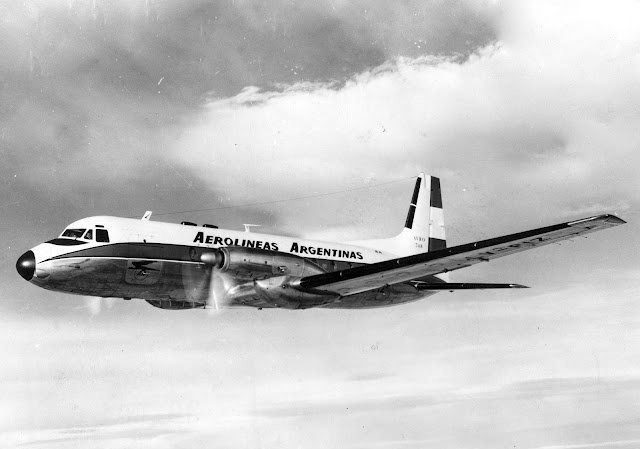
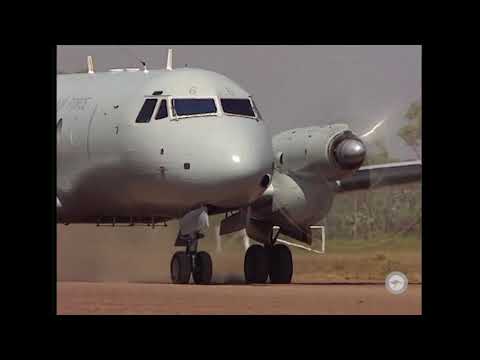
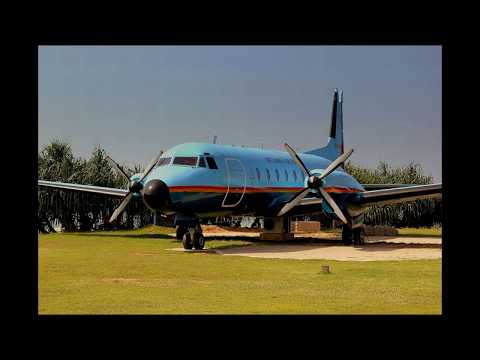
L'Hawker Siddeley HS 748 fu il turboelica regionale con cui Avro tentò di sostituire il Douglas DC-3 sulle rotte di adduzione di mezzo mondo. Volò il 24 giugno 1960 e la sua rusticità, pensata per piste non preparate, lo mantenne al lavoro molto dopo la chiusura della linea di montaggio.
Eventi correlati
Schede correlate
Categoria
Storia
Il programma nacque da una svolta commerciale. Dopo il Libro Bianco della Difesa del 1957, che annullò quasi tutto lo sviluppo britannico di aerei militari con equipaggio, Avro decise di guardare al mercato civile e nel 1958 intraprese un progetto da zero; il 9 gennaio 1959 rese pubblico il progetto con il nome di Avro 748. Poiché il quadrimotore Vickers Viscount dominava già la fascia alta del corto raggio, l'azienda puntò più in basso: un bimotore con turboeliche Rolls-Royce Dart capace di operare da qualsiasi campo adatto a un DC-3. L'idea iniziale da venti a trenta posti crebbe, dopo aver parlato con clienti potenziali, fino a una cabina di una quarantina di passeggeri su ala bassa, e la struttura fu calcolata con criteri fail-safe anziché a vita limitata: nelle prove resse l'equivalente di 100.000 ore di volo.
Il primo Avro 748 decollò da Woodford il 24 giugno 1960 e la Serie 1 entrò in servizio commerciale nel 1961. Da lì in avanti l'aereo trovò il suo spazio nel corto raggio mediante una successione di versioni che guadagnarono potenza e peso massimo, note come Serie 2A nel 1967, Serie 2M nel 1975, Serie 2B nel 1977 e Super 748 nel 1984. La variante più singolare prese un'altra strada: l'HS 780 Andover, trasporto militare per la RAF con rampa di carico posteriore e un carrello principale capace di abbassarsi per facilitare il carico voluminoso.
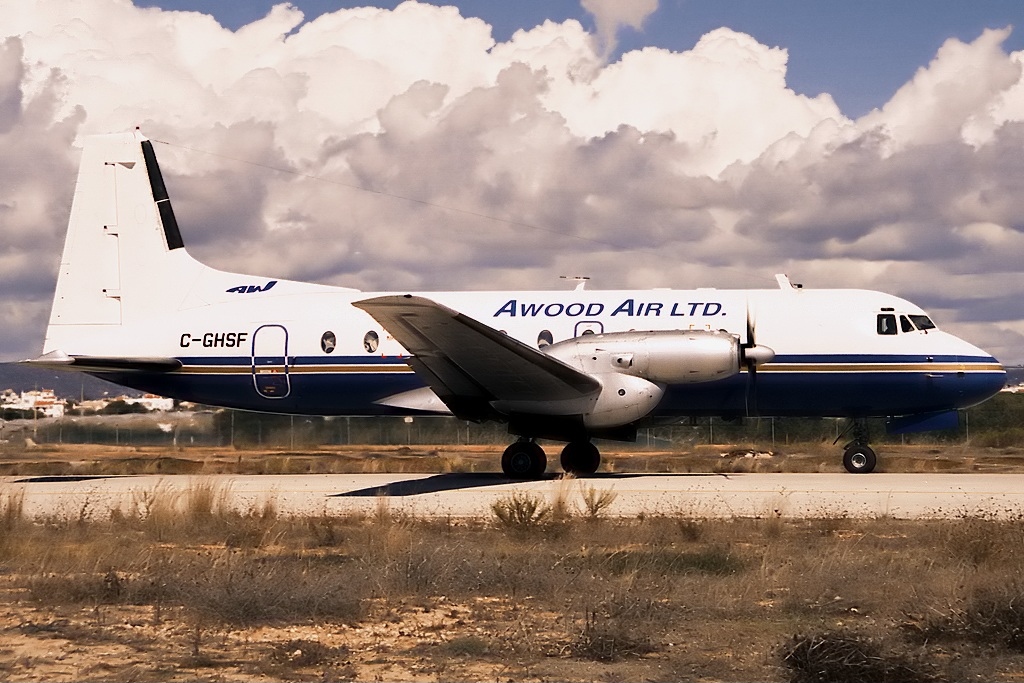
L'India fu la seconda casa del tipo. Hindustan Aeronautics lo fabbricò su licenza a Bangalore con la designazione HAL-748 e completò 89 apparecchi, 72 per l'Aeronautica Militare indiana e 17 per Indian Airlines. Quando la produzione terminò nel 1988 erano stati costruiti 380 esemplari fra Hawker Siddeley e HAL; lo sviluppo allungato che arrivò dopo, il BAe ATP, vendette poco di fronte al de Havilland Canada Dash 8 e all'ATR 42. Il 748 originale, invece, continuò a volare in servizio limitato con l'Aeronautica Militare indiana.
Varianti
| Avro 748 Series 1 | HAL 748 | HS 748 Series 2 | Avro 748MF | Hawker Siddeley HS 780 Andover C.1 | HAL 748 Series 2M | Coastguarder | 748 Military Transport (Series 2A/LFD) | 748 Series 5 | Andover C.1(PR) | Andover CC.2 | Andover E.3 / E.3A | HAL 748 ASP (Airborne Surveillance Platform) | HS 748 Series 2A | HS 748 Series 2B | HS 748 Series 2C | Super 748 | |
|---|---|---|---|---|---|---|---|---|---|---|---|---|---|---|---|---|---|
| Primo volo | 31 agosto 1961 | 1 novembre 1961 | 6 novembre 1961 | 21 dicembre 1963 | 9 luglio 1965 | 16 febbraio 1972 | 18 febbraio 1977 | — | — | — | — | — | — | — | — | — | — |
| Tipo di aeromobile | — | — | — | Tactical military transport | — | Tactical military transport | — | — | Proyecto de avión regional a reacción | Photographic reconnaissance aircraft | — | Navigation aid calibration aircraft | Avión de alerta temprana | — | — | Regional turboprop airliner | — |
| Apparato propulsivo | — | — | — | 2 × Rolls-Royce Dart RDa.12 Mk 201 turboprops of 2,420 kW (3,245 ehp) each, with reversible propellers. | — | 2 × Rolls-Royce Dart RDa.7 Mk 536-2T turboprops of 1,700 kW (2,280 ehp) each. | — | — | 2 × turbofán Rolls-Royce M45H montados sobre el ala; proyecto no construido. | 2 × Rolls-Royce Dart RDa.12 Mk 201 turboprops of 2,420 kW (3,245 ehp) each, unchanged from the C.1. | — | 2 × Rolls-Royce Dart RDa.12 Mk 201 turboprops of 2,420 kW (3,245 ehp) each, unchanged from the C.1. | 2 × turbohélice Rolls-Royce Dart RDa.7 Mk 531 de 1.424 kW (1.910 ehp) unitarios, los de la célula HAL 748 de origen. | — | — | 2 × Rolls-Royce Dart RDa.7 Mk 534-2 turboprops of 1,700 kW (2,280 ehp) each, as on the Series 2A it derives from. | — |
| Motorizzazione | 2 × Rolls-Royce Dart RDa.6 Mk 514 | 2 × Rolls-Royce Dart RDa.7 Mk 531 | 2 × Rolls-Royce Dart RDa.7 Mk 531 | 2 × Rolls-Royce Dart RDa.12 Mk 201 | 2 × Rolls-Royce Dart RDa.12 Mk 201 | 2 × Rolls-Royce Dart RDa.7 Mk 536-2T | 2 × Rolls-Royce Dart RDa.7 Mk 536-2 | 2 × Rolls-Royce Dart RDa.7 Mk 534-2 | 2 × Rolls-Royce M45H | 2 × Rolls-Royce Dart RDa.12 Mk 201 | 2 × Rolls-Royce Dart RDa.7 Mk 532-2L | 2 × Rolls-Royce Dart RDa.12 Mk 201 | 2 × Rolls-Royce Dart RDa.7 Mk 531 | 2 × Rolls-Royce Dart RDa.7 Mk 534-2 | 2 × Rolls-Royce Dart RDa.7 Mk 536-2 | 2 × Rolls-Royce Dart RDa.7 Mk 534-2 | 2 × Rolls-Royce Dart RDa.7 Mk 552-2 |
| Potenza unitaria | 1741 hp | 1910 hp | 1910 hp | 3245 hp Valore migliore della riga | 3245 hp Valore migliore della riga | 2280 hp | 2280 hp | 2280 hp | — | 3245 hp Valore migliore della riga | 2280 hp | 3245 hp Valore migliore della riga | 1910 hp | 2280 hp | 2280 hp | 2280 hp | 2280 hp |
| Lunghezza | 20,4 m | 20,4 m | 20,4 m | — | 23,8 m Valore migliore della riga | 20,4 m | 20,4 m | 20,4 m | — | 23,8 m Valore migliore della riga | 20,4 m | 23,8 m Valore migliore della riga | 20,4 m | 20,4 m | 20,4 m | 20,4 m | 20,4 m |
| Apertura alare | 30 m | 30 m | 30 m | — | 30 m | 30 m | 31,2 m Valore migliore della riga | 31,2 m | — | 30 m | 30 m | 30 m | 30 m | 30 m | 31,2 m Valore migliore della riga | 30 m | 31,2 m |
| Altezza | 7,6 m | 7,6 m | 7,6 m | — | 9,2 m Valore migliore della riga | 7,6 m | 7,6 m | — | — | 9,2 m Valore migliore della riga | 7,6 m | 9,2 m Valore migliore della riga | 7,6 m | 7,6 m | 7,6 m | 7,6 m | 7,6 m |
| Superficie alare | 75,4 m² | 75,4 m² | 75,4 m² | — | 77,2 m² Valore migliore della riga | 75,4 m² | 77 m² | 77 m² | — | 77,2 m² Valore migliore della riga | 75,4 m² | 77,2 m² Valore migliore della riga | 75,4 m² | 75,4 m² | 77 m² | 75,4 m² | 77 m² |
| Peso a vuoto | — | — | — | — | 13.301 kg | — | — | 11.700 kg Valore migliore della riga | — | — | 13.484 kg | — | — | 12.110 kg | 12.088 kg | — | 12.304 kg |
| MTOW | 16.690 kg | 19.750 kg | 19.750 kg | — | 23.133 kg Valore migliore della riga | — | 21.092 kg | 23.100 kg | — | 23.133 kg Valore migliore della riga | 21.092 kg | 23.133 kg Valore migliore della riga | — | 21.092 kg | 21.092 kg | 21.092 kg | 21.092 kg |
| Velocità massima | — | — | — | — | 515 km/h Valore migliore della riga | — | — | — | — | — | 394 km/h | — | — | 460 km/h | 463 km/h | — | — |
| Quota di velocità massima | — | — | — | — | 4572 m | — | — | — | — | — | — | — | — | — | — | — | — |
| Velocità di crociera | — | — | — | — | 435 km/h | — | — | 455 km/h Valore migliore della riga | — | — | — | — | — | 452 km/h | 426 km/h | — | 452 km/h |
| Quota di crociera | — | — | — | — | — | — | — | — | — | — | — | — | — | 3050 m | 7620 m | — | — |
| Tangenza operativa | 7620 m Valore migliore della riga | 7620 m Valore migliore della riga | 7620 m Valore migliore della riga | — | 7315 m | — | 7620 m Valore migliore della riga | 7600 m | — | — | 7010 m | — | — | 7620 m Valore migliore della riga | 7620 m Valore migliore della riga | 7620 m Valore migliore della riga | 7620 m Valore migliore della riga |
| Velocità di salita iniziale | — | — | — | — | 6,1 m/s | — | — | 7,2 m/s | — | — | 6,6 m/s | — | — | 6,7 m/s | 7,5 m/s Valore migliore della riga | — | — |
| Autonomia | — | — | — | — | 2295 km | — | — | 1865 km | — | — | 2942 km Valore migliore della riga | — | — | 1715 km | 1307 km | — | 1715 km |
| Autonomia di trasferimento | — | — | — | — | — | — | — | — | — | — | — | — | — | 3150 km | — | — | — |
| Raggio d'azione | 0 km Valore migliore della riga | 0 km Valore migliore della riga | 0 km Valore migliore della riga | 0 km Valore migliore della riga | 0 km Valore migliore della riga | 0 km Valore migliore della riga | — | 0 km Valore migliore della riga | 0 km Valore migliore della riga | 0 km Valore migliore della riga | 0 km Valore migliore della riga | 0 km Valore migliore della riga | 0 km Valore migliore della riga | 0 km Valore migliore della riga | 0 km Valore migliore della riga | 0 km Valore migliore della riga | 0 km Valore migliore della riga |
| Durata di volo | — | — | — | — | — | — | — | — | — | — | — | — | — | — | 504 min | — | — |
| Condizioni di autonomia | — | — | — | Development airframe for the Andover C.1; no performance figures are published for the prototype itself. | — | The sources consulted publish no range figures specific to this version. | — | — | Proyecto no construido: no existen prestaciones medidas. | Unchanged from the C.1: 23,133 kg maximum take-off weight. | — | Unchanged from the C.1: 23,133 kg maximum take-off weight. | Aparato de ensayos; las fuentes consultadas no publican prestaciones propias. | — | — | Same certified limits as the Series 2A: 21,092 kg maximum take-off weight and a 7,620 m (25,000 ft) operating ceiling. | — |
| Armamento | — | — | — | None | — | None | — | — | Ninguno | None | — | None | Ninguno | — | — | None | — |
| Carico bellico massimo | 0 kg Valore migliore della riga | 0 kg Valore migliore della riga | 0 kg Valore migliore della riga | 0 kg Valore migliore della riga | 0 kg Valore migliore della riga | 0 kg Valore migliore della riga | — | 0 kg Valore migliore della riga | 0 kg Valore migliore della riga | 0 kg Valore migliore della riga | 0 kg Valore migliore della riga | 0 kg Valore migliore della riga | 0 kg Valore migliore della riga | 0 kg Valore migliore della riga | 0 kg Valore migliore della riga | 0 kg Valore migliore della riga | 0 kg Valore migliore della riga |
| Carico utile | — | — | — | — | 6516 kg Valore migliore della riga | — | — | 5800 kg | — | — | — | — | — | 5350 kg | — | — | 5136 kg |
| Capacità di carico | — | — | — | Military freighter prototype: upswept rear fuselage with loading ramp and kneeling landing gear for loading at ground level. | — | Indian development of the Series 2 with a large freight door: twenty aircraft for the Indian Air Force, plus eleven Series 2s retrofitted with the same door. | — | — | Fuselaje alargado 2,0 m (78 pulgadas) para 64 plazas. | Two converted C.1s: the freight bay gives way to the photographic reconnaissance fit. | — | Seven converted C.1s for radio and airport navigation aid calibration; four carried the inertial referenced flight inspection system (IRFIS) and were designated E.3, the other three, without it, E.3A. | Banco de pruebas de alerta temprana: un HAL 748 modificado con un gran radomo dorsal giratorio y las consolas de operador en cabina. | — | — | Series 2A with a strengthened floor, large freight door and internal cargo hoist: mixed passenger-freight configuration on the same airframe. | — |
| Equipaggio | 2 Valore migliore della riga | 2 Valore migliore della riga | 2 Valore migliore della riga | — | 3 | 2 Valore migliore della riga | 2 Valore migliore della riga | 2 Valore migliore della riga | — | 3 | 3 | 3 | 2 Valore migliore della riga | 2 Valore migliore della riga | 2 Valore migliore della riga | 2 Valore migliore della riga | 2 Valore migliore della riga |
| Passeggeri | 48 | — | — | — | 52 | — | — | 60 | 64 Valore migliore della riga | — | 47 | — | — | 52 | 52 | — | 58 |
| Esemplari costruiti | 24 | 89 | 111 | 1 | 31 | 20 | — | — | — | 2 | 6 | 7 | — | 157 Valore migliore della riga | 28 | — | 8 |
Immagini




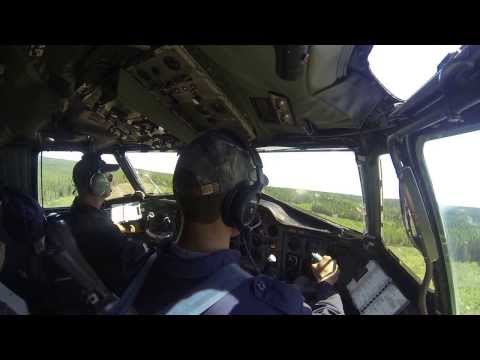
![Incredible HS 748! 2 extremely rare aircraft cockpits in same air-to-air session SUPERCUT [AIRCLIPS]](https://i.ytimg.com/vi/BOu72OKDsG0/hqdefault.jpg)








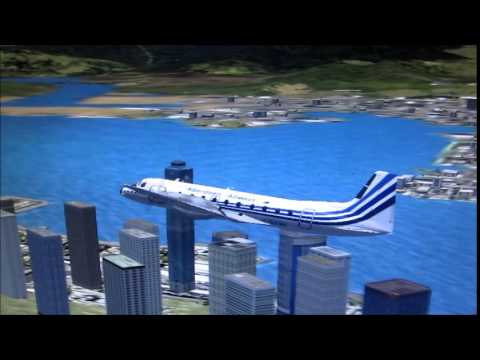
![[VATSIM Flight ✈️] Air Contractors [Hawker Siddeley HS 748] [P3Dv4] Live Stream 05/07/2018](https://i.ytimg.com/vi/mdyCdljT78k/hqdefault.jpg)