Airliner · Civil · United Kingdom
Hawker Siddeley HS 748
- June 24, 1960
- First flight
- 1961
- Introduced
- In service
- Status
- 380
- Units built


%2C_prior_to_delivery_to_RNZAF-800.webp)


%2C_Southend%2C_20_Feb_1969-1600.webp)

_of_BFS%2C_Berlin_Tempelhof%2C_1992_(2)-1600.webp)


_of_BFS%2C_Berlin_Tempelhof%2C_1992-1600.webp)

_XS790%2C_RAF_Queen's_Flight%2C_Southend%2C_1969-1600.webp)
-800.webp)


-800.webp)

-800.webp)
-800.webp)


-800.webp)

-1600.webp)


%2C_Southend%2C_13_Dec_1967-1600.webp)
_conversion-800.webp)


-800.webp)
-800.webp)


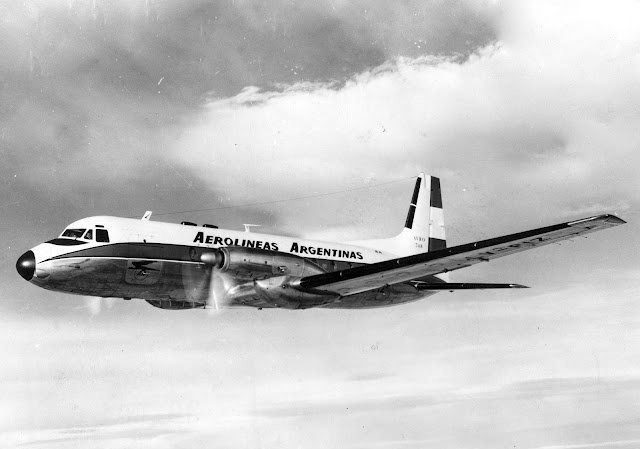
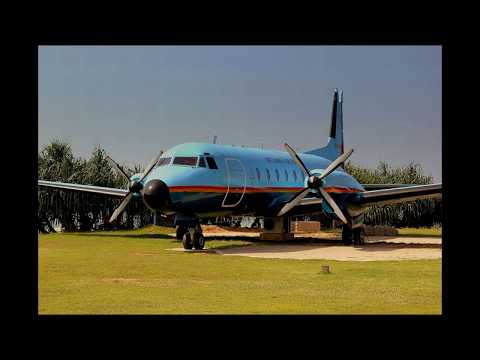
The Hawker Siddeley HS 748 was the regional turboprop with which Avro set out to replace the Douglas DC-3 on feeder routes around the world. It flew on 24 June 1960, and a ruggedness aimed at unprepared strips kept it working long after the assembly line closed.
Related sheets
Category
History
The programme began as a change of commercial direction. After the 1957 Defence White Paper cancelled almost all British development of crewed military aircraft, Avro turned towards the civil market and in 1958 started a clean-sheet design; the project was made public on 9 January 1959 as the Avro 748. The four-engined Vickers Viscount already held the upper end of the short-haul market, so Avro aimed lower: a twin powered by Rolls-Royce Dart turboprops able to work from any airfield a DC-3 could use. An initial twenty to thirty seats grew, after talks with prospective customers, into a low-wing cabin for around forty passengers, and the airframe was engineered to fail-safe rather than safe-life principles, surviving testing equivalent to 100,000 flight hours.
The first Avro 748 left Woodford on 24 June 1960 and the Series 1 entered revenue service in 1961. The airliner then settled into a short-haul niche through a run of versions with steadily more powerful engines and higher weights, marketed as the Series 2A in 1967, Series 2M in 1975, Series 2B in 1977 and Super 748 in 1984. The most distinctive derivative went its own way: the HS 780 Andover, a military freighter for the RAF with a rear loading ramp and main landing gear that could squat to ease the loading of bulky cargo.
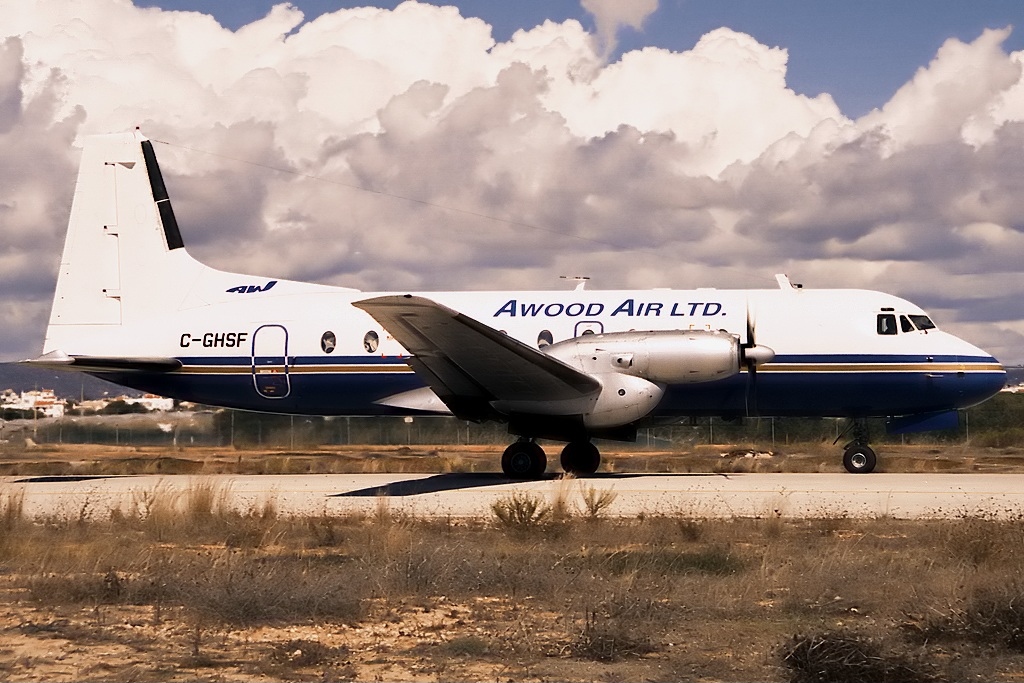
India became the type's second home. Hindustan Aeronautics built it under licence at Bangalore as the HAL-748 and completed 89 Indian-built aircraft, 72 for the Indian Air Force and 17 for Indian Airlines. When production ended in 1988, 380 aircraft had been built between Hawker Siddeley and HAL; the later stretched development, the BAe ATP, sold poorly against the de Havilland Canada Dash 8 and the ATR 42. The original 748, by contrast, remained in limited service with the Indian Air Force.
Variants
| Avro 748 Series 1 | HAL 748 | HS 748 Series 2 | Avro 748MF | Hawker Siddeley HS 780 Andover C.1 | HAL 748 Series 2M | Coastguarder | 748 Military Transport (Series 2A/LFD) | 748 Series 5 | Andover C.1(PR) | Andover CC.2 | Andover E.3 / E.3A | HAL 748 ASP (Airborne Surveillance Platform) | HS 748 Series 2A | HS 748 Series 2B | HS 748 Series 2C | Super 748 | |
|---|---|---|---|---|---|---|---|---|---|---|---|---|---|---|---|---|---|
| First flight | August 31, 1961 | November 1, 1961 | November 6, 1961 | December 21, 1963 | July 9, 1965 | February 16, 1972 | February 18, 1977 | — | — | — | — | — | — | — | — | — | — |
| Aircraft type | Regional turboprop airliner | Regional turboprop airliner | Regional turboprop airliner | Tactical military transport | Tactical military transport | Tactical military transport | Maritime patrol aircraft | Tactical military transport | Regional jet airliner project | Photographic reconnaissance aircraft | Military VIP transport | Navigation aid calibration aircraft | Airborne early warning aircraft | Regional turboprop airliner | Regional turboprop airliner | Regional turboprop airliner | Regional turboprop airliner |
| Powerplant | 2 × Rolls-Royce Dart RDa.6 Mk 514 turboprops of 1,298 kW (1,740 ehp) each, driving four-blade Dowty Rotol constant-speed propellers. | 2 × Rolls-Royce Dart RDa.7 Mk 531 turboprops of 1,424 kW (1,910 ehp) each, as on the Series 2 built under licence. | 2 × Rolls-Royce Dart RDa.7 Mk 531 turboprops of 1,424 kW (1,910 ehp) each; the type certificate also approves the Dart RDa.7 Mk 533-2 and Dart 8 Mk 550-2. | 2 × Rolls-Royce Dart RDa.12 Mk 201 turboprops of 2,420 kW (3,245 ehp) each, with reversible propellers. | 2 × Rolls-Royce Dart RDa.12 Mk 201 turboprops of 2,420 kW (3,245 ehp) each, driving 4.42 m four-blade Dowty Rotol reversible, fully-feathering propellers. | 2 × Rolls-Royce Dart RDa.7 Mk 536-2T turboprops of 1,700 kW (2,280 ehp) each. | 2 × Rolls-Royce Dart RDa.7 Mk 536-2 turboprops of 1,700 kW (2,280 ehp) each, as on the Series 2B it was built from. | 2 × Rolls-Royce Dart RDa.7 Mk 534-2 turboprops of 1,700 kW (2,280 ehp) each, 3,400 kW installed. | 2 × Rolls-Royce M45H turbofans mounted above the wing; project not built. | 2 × Rolls-Royce Dart RDa.12 Mk 201 turboprops of 2,420 kW (3,245 ehp) each, unchanged from the C.1. | 2 × Rolls-Royce Dart RDa.7 Mk 532-2L turboprops of 1,700 kW (2,280 ehp) each, as on the civil Series 2A it derives from. | 2 × Rolls-Royce Dart RDa.12 Mk 201 turboprops of 2,420 kW (3,245 ehp) each, unchanged from the C.1. | 2 × Rolls-Royce Dart RDa.7 Mk 531 turboprops of 1,424 kW (1,910 ehp) each, as on the parent HAL 748 airframe. | 2 × Rolls-Royce Dart RDa.7 Mk 534-2 turboprops of 1,700 kW (2,280 ehp) each — the mark was known as the Mk 532-2L before redesignation — mounted above the wing and driving four-blade Dowty Rotol constant-speed propellers. | 2 × Rolls-Royce Dart RDa.7 Mk 536-2 turboprops of 1,700 kW (2,280 ehp) each — formerly designated Mk 532-2S; the type certificate also approves the Mk 535-2 and Mk 552-2. | 2 × Rolls-Royce Dart RDa.7 Mk 534-2 turboprops of 1,700 kW (2,280 ehp) each, as on the Series 2A it derives from. | 2 × Rolls-Royce Dart RDa.7 Mk 536-2 turboprops of 1,700 kW (2,280 ehp) each, fitted with hush kits. |
| Powerplant | 2 × Rolls-Royce Dart RDa.6 Mk 514 | 2 × Rolls-Royce Dart RDa.7 Mk 531 | 2 × Rolls-Royce Dart RDa.7 Mk 531 | 2 × Rolls-Royce Dart RDa.12 Mk 201 | 2 × Rolls-Royce Dart RDa.12 Mk 201 | 2 × Rolls-Royce Dart RDa.7 Mk 536-2T | 2 × Rolls-Royce Dart RDa.7 Mk 536-2 | 2 × Rolls-Royce Dart RDa.7 Mk 534-2 | 2 × Rolls-Royce M45H | 2 × Rolls-Royce Dart RDa.12 Mk 201 | 2 × Rolls-Royce Dart RDa.7 Mk 532-2L | 2 × Rolls-Royce Dart RDa.12 Mk 201 | 2 × Rolls-Royce Dart RDa.7 Mk 531 | 2 × Rolls-Royce Dart RDa.7 Mk 534-2 | 2 × Rolls-Royce Dart RDa.7 Mk 536-2 | 2 × Rolls-Royce Dart RDa.7 Mk 534-2 | 2 × Rolls-Royce Dart RDa.7 Mk 552-2 |
| Power per engine | 1,741 hp | 1,910 hp | 1,910 hp | 3,245 hp Best value in this row | 3,245 hp Best value in this row | 2,280 hp | 2,280 hp | 2,280 hp | — | 3,245 hp Best value in this row | 2,280 hp | 3,245 hp Best value in this row | 1,910 hp | 2,280 hp | 2,280 hp | 2,280 hp | 2,280 hp |
| Length | 20.4 m | 20.4 m | 20.4 m | — | 23.8 m Best value in this row | 20.4 m | 20.4 m | 20.4 m | — | 23.8 m Best value in this row | 20.4 m | 23.8 m Best value in this row | 20.4 m | 20.4 m | 20.4 m | 20.4 m | 20.4 m |
| Wingspan | 30 m | 30 m | 30 m | — | 30 m | 30 m | 31.2 m Best value in this row | 31.2 m | — | 30 m | 30 m | 30 m | 30 m | 30 m | 31.2 m Best value in this row | 30 m | 31.2 m |
| Height | 7.6 m | 7.6 m | 7.6 m | — | 9.2 m Best value in this row | 7.6 m | 7.6 m | — | — | 9.2 m Best value in this row | 7.6 m | 9.2 m Best value in this row | 7.6 m | 7.6 m | 7.6 m | 7.6 m | 7.6 m |
| Wing area | 75.4 m² | 75.4 m² | 75.4 m² | — | 77.2 m² Best value in this row | 75.4 m² | 77 m² | 77 m² | — | 77.2 m² Best value in this row | 75.4 m² | 77.2 m² Best value in this row | 75.4 m² | 75.4 m² | 77 m² | 75.4 m² | 77 m² |
| Empty weight | — | — | — | — | 13,301 kg | — | — | 11,700 kg Best value in this row | — | — | 13,484 kg | — | — | 12,110 kg | 12,088 kg | — | 12,304 kg |
| MTOW | 16,690 kg | 19,750 kg | 19,750 kg | — | 23,133 kg Best value in this row | — | 21,092 kg | 23,100 kg | — | 23,133 kg Best value in this row | 21,092 kg | 23,133 kg Best value in this row | — | 21,092 kg | 21,092 kg | 21,092 kg | 21,092 kg |
| Top speed | — | — | — | — | 515 km/h Best value in this row | — | — | — | — | — | 394 km/h | — | — | 460 km/h | 463 km/h | — | — |
| Max speed altitude | — | — | — | — | 4,572 m | — | — | — | — | — | — | — | — | — | — | — | — |
| Cruise speed | — | — | — | — | 435 km/h | — | — | 455 km/h Best value in this row | — | — | — | — | — | 452 km/h | 426 km/h | — | 452 km/h |
| Cruise altitude | — | — | — | — | — | — | — | — | — | — | — | — | — | 3,050 m | 7,620 m | — | — |
| Service ceiling | 7,620 m Best value in this row | 7,620 m Best value in this row | 7,620 m Best value in this row | — | 7,315 m | — | 7,620 m Best value in this row | 7,600 m | — | — | 7,010 m | — | — | 7,620 m Best value in this row | 7,620 m Best value in this row | 7,620 m Best value in this row | 7,620 m Best value in this row |
| Initial climb rate | — | — | — | — | 6.1 m/s | — | — | 7.2 m/s | — | — | 6.6 m/s | — | — | 6.7 m/s | 7.5 m/s Best value in this row | — | — |
| Range | — | — | — | — | 2,295 km | — | — | 1,865 km | — | — | 2,942 km Best value in this row | — | — | 1,715 km | 1,307 km | — | 1,715 km |
| Ferry range | — | — | — | — | — | — | — | — | — | — | — | — | — | 3,150 km | — | — | — |
| Combat radius | 0 km Best value in this row | 0 km Best value in this row | 0 km Best value in this row | 0 km Best value in this row | 0 km Best value in this row | 0 km Best value in this row | — | 0 km Best value in this row | 0 km Best value in this row | 0 km Best value in this row | 0 km Best value in this row | 0 km Best value in this row | 0 km Best value in this row | 0 km Best value in this row | 0 km Best value in this row | 0 km Best value in this row | 0 km Best value in this row |
| Endurance | — | — | — | — | — | — | — | — | — | — | — | — | — | — | 504 min | — | — |
| Range conditions | The first and lightest series: 16,690 kg maximum take-off weight and a certified operating ceiling of 7,620 m (25,000 ft). The sources consulted publish no series-specific range figure. | Same certified limits as the British Series 2: 19,750 kg maximum take-off weight and a 7,620 m (25,000 ft) operating ceiling. | Raising the maximum take-off weight to 19,750 kg widened payload and reach over the Series 1; certified operating ceiling 7,620 m (25,000 ft). | Development airframe for the Andover C.1; no performance figures are published for the prototype itself. | 2,295 km with fuel for a 370 km diversion and 30 minutes' holding; service ceiling 7,315 m (24,000 ft). | The sources consulted publish no range figures specific to this version. | Optimised for long-endurance coastal patrol; the sources consulted publish no range or endurance figures of its own. | 1,865 km carrying the full 5,800 kg payload; 7,600 m ceiling and a 1,082 m take-off run at maximum weight. | Project not built: no measured performance exists. | Unchanged from the C.1: 23,133 kg maximum take-off weight. | 2,942 km maximum range and a 7,010 m (23,000 ft) service ceiling; minimum balanced field length of 4,050 ft. | Unchanged from the C.1: 23,133 kg maximum take-off weight. | Trials aircraft; the sources consulted publish no performance figures of its own. | 1,715 km with maximum payload and 3,150 km with full tanks; certified operating ceiling 7,620 m (25,000 ft), with maximum cruise reached at 3,050 m. | 1,307 km with maximum payload and 8.4 hours' endurance at normal cruise at 7,620 m (25,000 ft), the type's certified operating ceiling. | Same certified limits as the Series 2A: 21,092 kg maximum take-off weight and a 7,620 m (25,000 ft) operating ceiling. | 1,715 km with maximum payload and a certified operating ceiling of 7,620 m (25,000 ft). |
| Armament | None | None | None | None | None | None | The sources consulted give no armament detail for this version, which first flew in 1977 optimised for coastal surveillance. | None | None | None | None | None | None | None | None | None | None |
| Max weapons load | 0 kg Best value in this row | 0 kg Best value in this row | 0 kg Best value in this row | 0 kg Best value in this row | 0 kg Best value in this row | 0 kg Best value in this row | — | 0 kg Best value in this row | 0 kg Best value in this row | 0 kg Best value in this row | 0 kg Best value in this row | 0 kg Best value in this row | 0 kg Best value in this row | 0 kg Best value in this row | 0 kg Best value in this row | 0 kg Best value in this row | 0 kg Best value in this row |
| Payload | — | — | — | — | 6,516 kg Best value in this row | — | — | 5,800 kg | — | — | — | — | — | 5,350 kg | — | — | 5,136 kg |
| Cargo capacity | Pressurised cabin seating up to 48; forward and rear holds, the largest rated at 835 kg. No enlarged freight door. | Indian production by Hindustan Aeronautics at Kanpur: 89 aircraft of the Series 1 and Series 2, split between the Indian Air Force and Indian Airlines. | The family's 40 to 58-seat cabin, with a maximum zero-fuel weight of 16,783 kg. | Military freighter prototype: upswept rear fuselage with loading ramp and kneeling landing gear for loading at ground level. | Upswept rear fuselage with loading ramp and kneeling gear: 6,516 kg of payload, 52 troops, 40 paratroops or 24 stretcher cases. | Indian development of the Series 2 with a large freight door: twenty aircraft for the Indian Air Force, plus eleven Series 2s retrofitted with the same door. | Cabin reconfigured as a maritime surveillance station on the Series 2B airframe. | Large rear freight door, strengthened floor and optional military overload weights: 5,800 kg of payload or up to 60 occupants. | Fuselage stretched by 2.0 m (78 in) for 64 seats. | Two converted C.1s: the freight bay gives way to the photographic reconnaissance fit. | Not a variant of the Andover freighter but the Series 2A adapted for VIP and communications work: 47 seats, six built for the RAF, two of them for the Queen's Flight. | Seven converted C.1s for radio and airport navigation aid calibration; four carried the inertial referenced flight inspection system (IRFIS) and were designated E.3, the other three, without it, E.3A. | Airborne early warning testbed: a HAL 748 modified with a large dorsal rotodome and operator consoles in the cabin. | Pressurised cabin seating 40 to 52 in this series (up to 58 in the family's later versions), with a 5,350 kg maximum payload and forward and rear holds, the largest rated at 835 kg. | Modernised 52-seat cabin, with a maximum zero-fuel weight of 17,463 kg and a maximum landing weight of 19,504 kg. | Series 2A with a strengthened floor, large freight door and internal cargo hoist: mixed passenger-freight configuration on the same airframe. | Cabin seating 40 to 58 with a 5,136 kg maximum payload. |
| Crew | 2 Best value in this row | 2 Best value in this row | 2 Best value in this row | — | 3 | 2 Best value in this row | 2 Best value in this row | 2 Best value in this row | — | 3 | 3 | 3 | 2 Best value in this row | 2 Best value in this row | 2 Best value in this row | 2 Best value in this row | 2 Best value in this row |
| Passengers | 48 | — | — | — | 52 | — | — | 60 | 64 Best value in this row | — | 47 | — | — | 52 | 52 | — | 58 |
| Units built | 24 | 89 | 111 | 1 | 31 | 20 | — | — | — | 2 | 6 | 7 | — | 157 Best value in this row | 28 | — | 8 |
Images





![Incredible HS 748! 2 extremely rare aircraft cockpits in same air-to-air session SUPERCUT [AIRCLIPS]](https://i.ytimg.com/vi/BOu72OKDsG0/hqdefault.jpg)








![[VATSIM Flight ✈️] Air Contractors [Hawker Siddeley HS 748] [P3Dv4] Live Stream 05/07/2018](https://i.ytimg.com/vi/mdyCdljT78k/hqdefault.jpg)