Aereo di linea · Civile · Stati Uniti
Boeing 247
- 8 febbraio 1933
- Primo volo
- 1933
- Entrata in servizio
- In servizio
- Stato
- 75
- Esemplari costruiti
-1600.webp)
_-_NC13369.jpg)


_viewed_from_above-1600.webp)


.jpg)
-1600.webp)
%2C_USAAF_photo%2C_c._1944.jpg)
-1600.webp)
%2C_Museum_of_Flight-1600.webp)


-1600.webp)
-1600.webp)
-1600.webp)
-1600.webp)

.jpg)
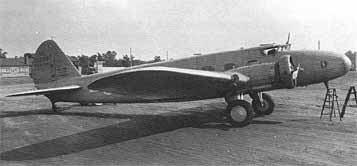
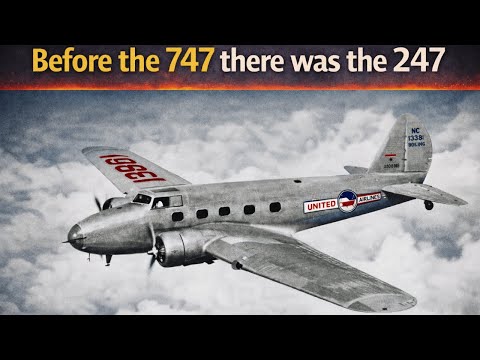
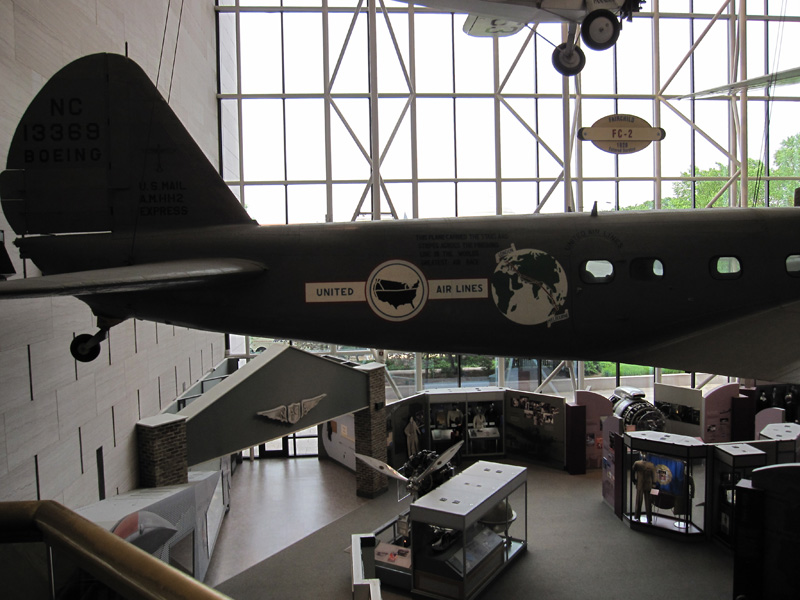
Il Boeing 247, volato per la prima volta l'8 febbraio 1933, è considerato il primo aereo di linea moderno: monoplano interamente metallico, con carrello retrattile, pilota automatico e impianti antighiaccio. Ne furono costruiti soltanto 75, perché il suo stesso successo spinse la concorrenza verso Douglas e la saga che portò al DC-3.
Eventi correlati
Schede correlate
Categoria
Storia
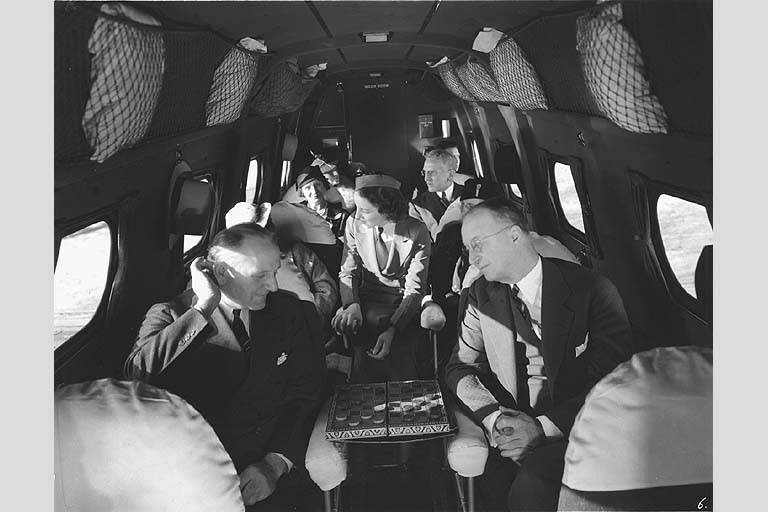
Quando il Boeing 247 volò l'8 febbraio 1933 riunì per la prima volta in un aereo commerciale i tratti che avrebbero definito l'aereo di linea moderno: costruzione interamente metallica semimonoscocca, ala bassa, carrello d'atterraggio retrattile, pilota automatico e impianti antighiaccio. Con una capacità di 10 passeggeri, poteva attraversare gli Stati Uniti da est a ovest otto ore più rapidamente dei suoi predecessori, come il Ford Trimotor. Entrò in servizio il 22 maggio 1933 con la Boeing Air Transport, la compagnia aerea di William Boeing, che ne acquisì 60 esemplari.
Proprio quell'esclusività ne segnò il destino commerciale. Quando la TWA volle comprare il 247, il conglomerato della Boeing rifiutò l'ordine, e il suo presidente, Jack Frye, si rivolse alla Douglas: da quella commessa nacque il DC-1 e, con esso, la famiglia che sarebbe culminata nel DC-3, che lasciò il 247 tecnicamente superato nel giro di pochi anni. In totale ne furono costruite soltanto 75 unità.
Ciononostante, il 247 ebbe una vita variegata: partecipò alla corsa aerea MacRobertson del 1934 tra Inghilterra e Australia con un esemplare noleggiato alla United che in seguito tornò al servizio di linea fino al 1937, e durante la Seconda guerra mondiale diversi apparecchi prestarono servizio con la designazione militare C-73. La sua impronta non sta nella quantità prodotta, ma nell'aver fissato la formula che tutti gli aerei di linea avrebbero seguito in seguito.
Varianti
| Model 247 | 247D | 247A | 247E | 247Y | C-73 | Model 280 | |
|---|---|---|---|---|---|---|---|
| Primo volo | 8 febbraio 1933 | 5 settembre 1934 | — | — | — | — | — |
| Tipo di aeromobile | — | — | Pioneering airliner | Flying testbed | — | — | Proposed airliner |
| Apparato propulsivo | — | — | 2 × Pratt & Whitney Twin Wasp Junior radials of 466 kW (625 hp) each, with variable-pitch propellers. | 2 × Pratt & Whitney R-1340 Wasp radials; the aircraft served Pratt & Whitney for powerplant trials and tested the improvements later adopted by the 247D. | — | — | 2 × Pratt & Whitney R-1690 Hornet radials of 522 kW (700 hp) each, proposed to recover performance at a higher weight. |
| Motorizzazione | 2 × Pratt & Whitney Wasp S1D1 | 2 × Pratt & Whitney R-1340 S1H1-G Wasp | 2 × Pratt & Whitney Twin Wasp Junior | 2 × Pratt & Whitney R-1340 Wasp | 2 × Pratt & Whitney R-1340 S1H1-G Wasp | 2 × Pratt & Whitney R-1340 S1H1-G Wasp | 2 × Pratt & Whitney R-1690 Hornet |
| Potenza unitaria | 550 hp | 550 hp | 625 hp | — | 550 hp | 550 hp | 700 hp Valore migliore della riga |
| Lunghezza | — | 15,7 m | — | — | — | — | — |
| Apertura alare | — | 22,6 m | — | — | — | — | — |
| Altezza | — | 3,7 m | — | — | — | — | — |
| Superficie alare | — | 77,7 m² | — | — | — | — | — |
| Peso a vuoto | — | 4046 kg | — | — | — | — | — |
| MTOW | — | 6192 kg | — | — | — | — | — |
| Velocità massima | — | 322 km/h | — | — | — | — | — |
| Quota di velocità massima | — | 2000 m | — | — | — | — | — |
| Velocità di crociera | — | 304 km/h | — | — | — | — | — |
| Quota di crociera | — | 3658 m | — | — | — | — | — |
| Tangenza operativa | — | 7700 m | — | — | — | — | — |
| Velocità di salita iniziale | — | 5,8 m/s | — | — | — | — | — |
| Autonomia | — | 1199 km | — | — | — | — | — |
| Raggio d'azione | 0 km Valore migliore della riga | 0 km Valore migliore della riga | 0 km Valore migliore della riga | 0 km Valore migliore della riga | — | 0 km Valore migliore della riga | 0 km Valore migliore della riga |
| Condizioni di autonomia | — | — | More powerful engines than the standard 247; no separate published range figures. | No published performance of its own: configuration changed with each test. | — | — | No published performance: the project never left the drawing board. |
| Armamento | — | — | None | None | — | — | None |
| Carico bellico massimo | 0 kg Valore migliore della riga | 0 kg Valore migliore della riga | 0 kg Valore migliore della riga | 0 kg Valore migliore della riga | — | 0 kg Valore migliore della riga | 0 kg Valore migliore della riga |
| Carico utile | — | 1180 kg | — | — | — | — | — |
| Capacità di carico | — | — | Ten seats. Special order placed by Deutsche Luft Hansa in 1934. | One of the early 247s, diverted from the United Air Lines order for test work. | — | — | Fourteen seats against the ten of the 247. A proposed development that was never built. |
| Equipaggio | 3 Valore migliore della riga | 3 Valore migliore della riga | 3 Valore migliore della riga | 3 Valore migliore della riga | 3 Valore migliore della riga | 3 Valore migliore della riga | — |
| Passeggeri | 10 | 10 | 10 | — | — | 10 | 14 Valore migliore della riga |
| Esemplari costruiti | — | 14 | — | 1 | 2 | 27 Valore migliore della riga | — |
Immagini