Avion de ligne · Civil · Pays-Bas
Fokker F.VII
- 24 novembre 1924
- Premier vol
- 1925
- Mise en service
- En service
- Statut
-1600.webp)
-1600.webp)
-1600.webp)

-800.webp)
%2C_1928%2C_en_el_agua-1600.webp)
_at_Muriwai_beach_before_the_first_official_airmail_to_Australia%2C_17_Feb_1934-800.webp)

%2C_1928-1600.webp)
%2C_vista_cenital-1600.webp)
-1600.webp)
_in_flight%2C_before_its_loss_in_1931.png)


%2C_New_England_Airways%2C_1933-1935-1600.webp)

-1600.webp)
.jpg)


-1600.webp)
-800.webp)
-1600.webp)
_with_pilot_and_visitors%2C_1933-1935-1600.webp)
-1600.webp)


_in_Queensland-800.webp)
-800.webp)
%2C_febrero_de_1934-800.webp)


_en_vuelo_con_flotadores-1600.webp)
-800.webp)
-800.webp)
-800.webp)
-1600.webp)
-1600.webp)

-800.webp)
_with_pilot_Keith_Virtue_and_visitors%2C_1933-1935-1600.webp)
_at_Bolling_Field%2C_1927-1600.webp)
-800.webp)

-1600.webp)
%2C_1928%2C_vista_lateral-1600.webp)
-1600.webp)
-1600.webp)
%2C_enero_de_1933-1600.webp)

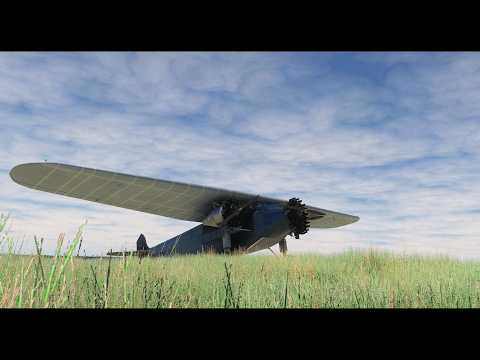
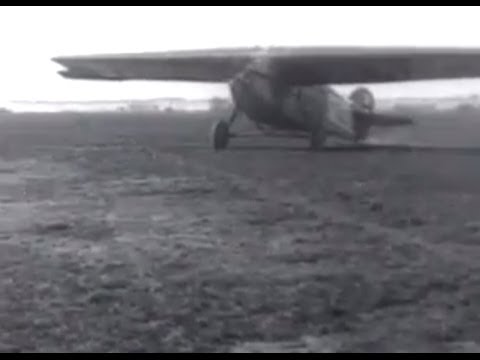
Le Fokker F.VII, connu populairement sous le nom de Fokker Trimotor, fut un avion de ligne des années vingt construit par le néerlandais Fokker, par sa filiale américaine Atlantic Aircraft Corporation et par plusieurs entreprises sous licence. Il emportait de six à douze passagers selon la version et fut l'appareil retenu par une bonne part des vols pionniers de l'époque.
Événements liés
Fiches liées
Catégorie
Fokker F.VII dans l’actualité
Le dernier Greyhound opérationnel s'est posé à Pensacola avant de rejoindre la collection du National Naval Aviation Museum.

Le dernier Greyhound opérationnel atterrit à Pensacola avant de rejoindre le Naval Aviation Museum
Le C-2A Greyhound de la marine américaine a effectué son dernier vol et a atterri à la base aéronavale (NAS) de Pensacola. Il rejoindra désormais le National Naval Aviation Museum. Le Grumman […]…
.jpg)
Le Grumman C-2A Greyhound, l'un des appareils les plus emblématiques de l'aéronavale américaine, a officiellement terminé sa carrière après six décennies. Le dernier vol de l'appareil a eu…
Avant l'atterrissage, le Greyhound a volé en formation avec l'équipe de voltige Blue Angels de l'US Navy, dans le cadre de l'hommage rendu à la…

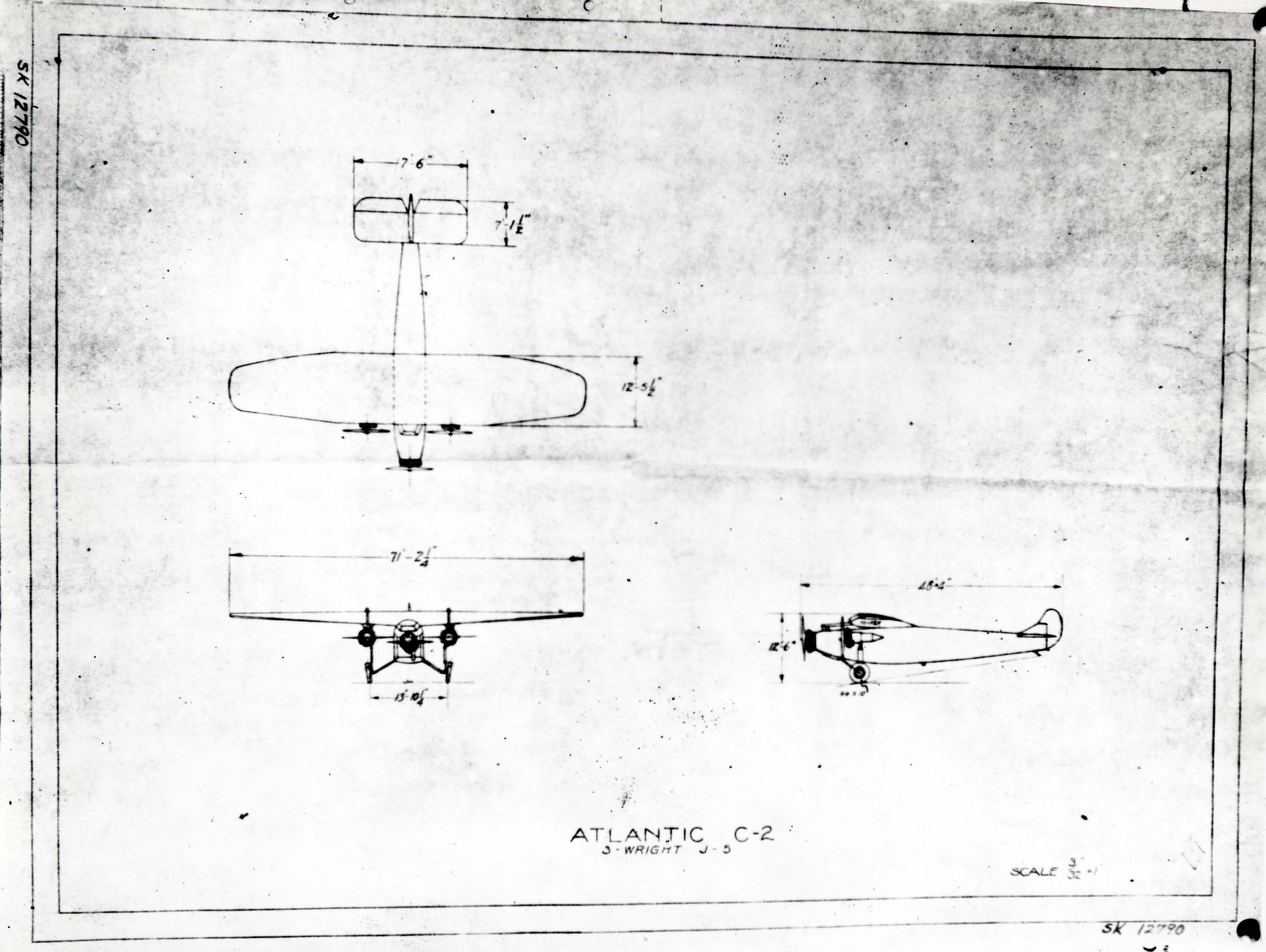
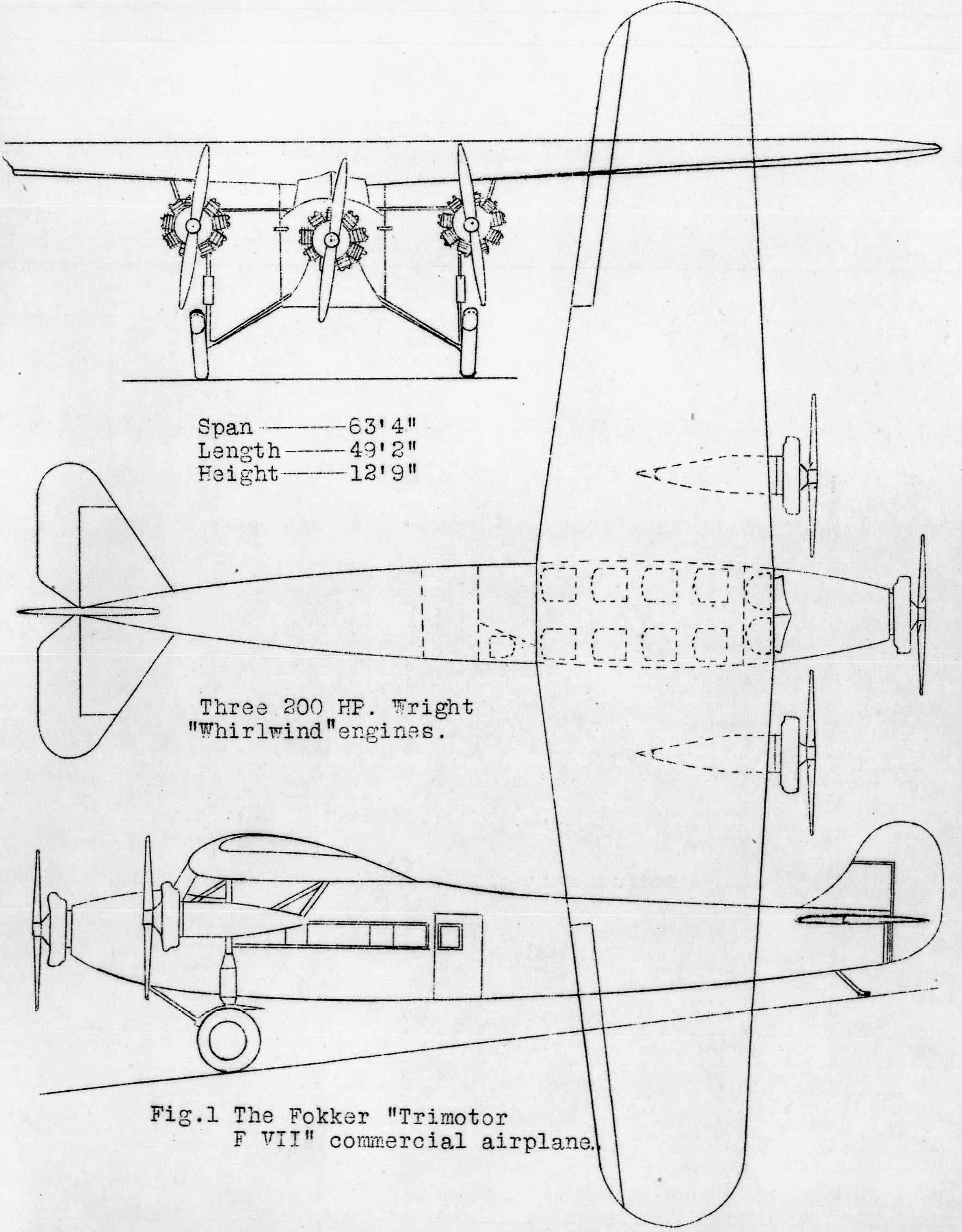
Plan trois vues
.jpg)
Histoire
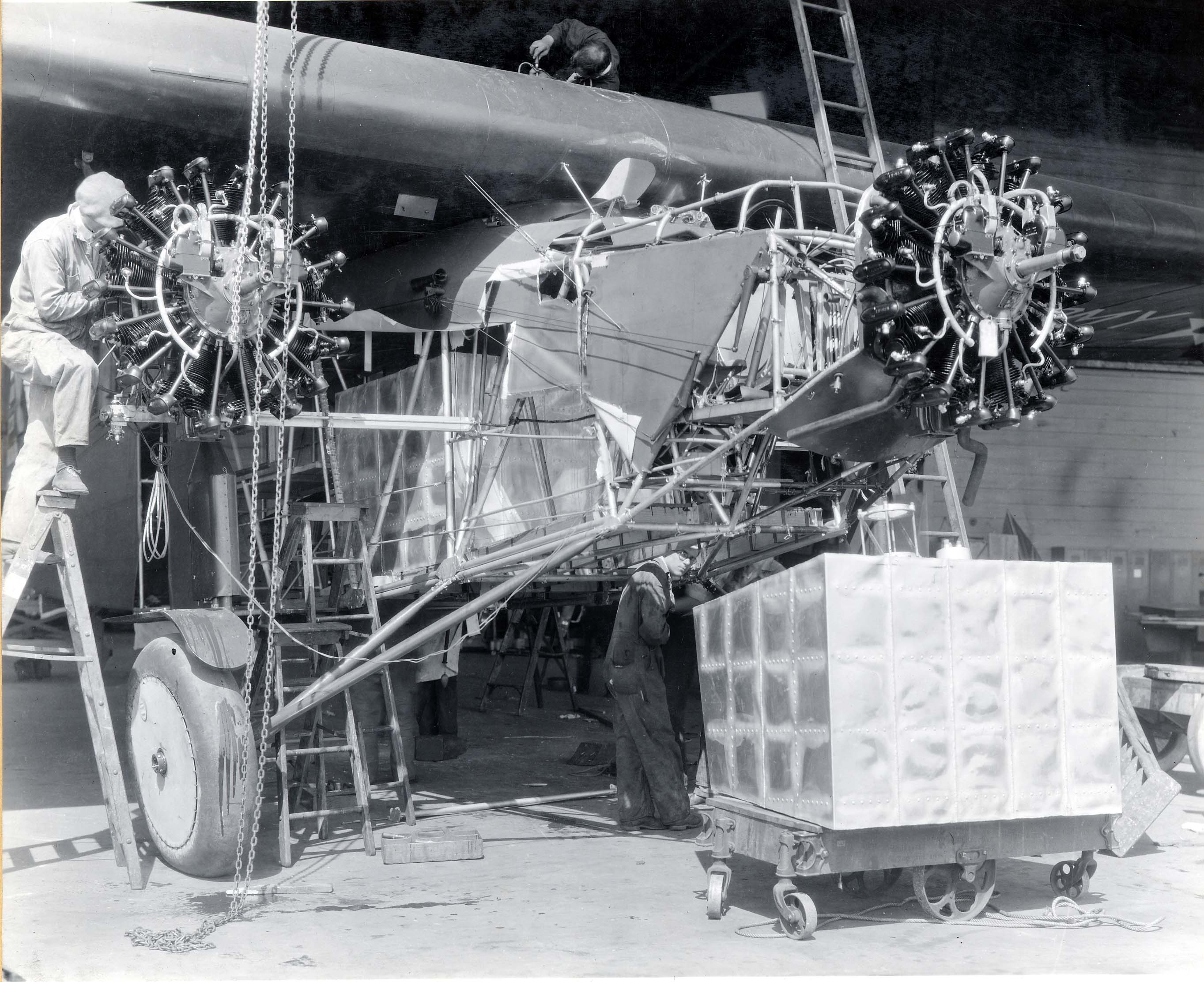
Walter Rethel dessina le F.VII comme un transport monomoteur et cinq exemplaires furent construits pour la compagnie néerlandaise KLM ; l'un d'eux, immatriculé H-NACC, effectua en 1924 le premier vol des Pays-Bas vers les Indes orientales néerlandaises. Le premier vol du type eut lieu le 24 novembre 1924 et l'entrée en service intervint en 1925. Cette année-là, Anthony Fokker, qui vivait aux États-Unis, apprit la création du Ford Reliability Tour, un concours réservé aux avions de transport, et chargea le chef du bureau d'études de la maison, Reinhold Platz, de convertir un F.VIIA monomoteur en trimoteur doté de moteurs en étoile Wright Whirlwind de 200 hp. Le résultat, désigné F.VIIA-3m, vola le 4 septembre 1925 et remporta l'épreuve américaine à la fin de la même année. La structure associait un fuselage en tubes d'acier entoilé à une aile en bois revêtue de contreplaqué.
Le modèle donna naissance à plusieurs générations. Du F.VIIA-3m il ne fut sans doute construit que dix-huit exemplaires, même si beaucoup de F.VIIA furent portés à ce standard. La principale variante de série fut le F.VIIB-3m, doté de moteurs plus puissants — le Wright Whirlwind de 300 hp, l'Armstrong Siddeley Lynx et le Titan Major de 360 hp furent proposés —, d'une envergure supérieure et d'une géométrie de voilure modifiée : il en fut construit 154, licences comprises. Hors des Pays-Bas, il fut fabriqué par SABCA à 29 exemplaires, par Avia à 18, en trois unités italiennes sous la désignation IMAM Ro.10 pour Avio Linee Italiane et Ala Littoria, en trois unités espagnoles et par le polonais Plage i Laśkiewicz, qui livra entre 1929 et 1930 onze F.VIIB-3m plus vingt d'une version de bombardement propre mise au point par Jerzy Rudlicki. Les dérivés supérieurs furent le F.VIII, bimoteur et plus grand, le F.IX pour vingt passagers et l'américain F-10, capable d'en emporter douze.
Le F.VII fut l'avion des explorateurs. Richard E. Byrd affirma avoir survolé le pôle Nord à bord du F.VIIA-3m Josephine Ford le 9 mai 1926, quelques jours avant que Roald Amundsen n'y parvienne avec le dirigeable Norge ; les lieutenants Lester Maitland et Albert Hegenberger réalisèrent le premier vol transpacifique du territoire continental des États-Unis à Hawaï, quelque 2400 milles, les 28 et 29 juin 1927 à bord de l'Atlantic-Fokker C-2 Bird of Paradise ; Byrd, Bernt Balchen et deux compagnons transportèrent le premier courrier aérien transatlantique officiel dans le C-2 America, qui finit par amerrir en catastrophe au large des côtes de France le 1er juillet 1927. Charles Kingsford Smith traversa pour la première fois le Pacifique des États-Unis à l'Australie en juin 1928 avec le F.VIIB-3m Southern Cross et franchit en septembre la mer de Tasman aller et retour ; Amelia Earhart devint la première femme à survoler l'Atlantique le 17 juin 1928, comme passagère du F.VIIB-3m Friendship ; et un équipage de l'Air Corps de l'armée américaine mené par Carl Spaatz dépassa les 150 heures de vol avec le C-2A Question Mark entre le 1er et le 7 janvier 1929 grâce au ravitaillement en vol. Toutes les tentatives ne se soldèrent pas par un succès : le St. Raphael disparut sans laisser de trace en tentant de traverser l'Atlantique d'est en ouest le 31 août 1927 et l'Old Glory se perdit dans l'Atlantique Nord quelques jours plus tard.
Le Fokker de huit à douze places domina le marché américain à la fin des années vingt, mais son prestige s'effondra avec l'accident d'un F-10 de Transcontinental & Western Air en 1931, dans lequel périt Knute Rockne, entraîneur de football américain de Notre Dame. L'enquête mit en cause la construction lamellée en contreplaqué du Fokker, ce qui entraîna une interdiction temporaire de ses vols commerciaux, des exigences d'entretien plus strictes et le glissement du marché vers des avions entièrement métalliques comme le Ford Trimotor puis, plus tard, le Boeing 247 et le Douglas DC-2. La production s'arrêta en 1932.
Variantes
| F.VII | F.VIIa (F.VIIa/1m) | F.VIIa/3m | Avia F.VIIb/3m | Avro 618 Ten | C-2 | C-2A | C-5 | C-7 | C-7A | F-10 | F-10A | F-9 | F.VIIa/3m/M | F.VIIb/3m | F.VIIb/3m de construcción española | IMAM Ro.10 | Plage i Laśkiewicz F.VIIb/3m | Plage i Laśkiewicz F.VIIb/3m (bombardero) | RA-1 | RA-2 | RA-3 | RA-4 | SABCA F.VIIb/3m | TA-1 | TA-2 | TA-3 | XC-7 | XLB-2 | |
|---|---|---|---|---|---|---|---|---|---|---|---|---|---|---|---|---|---|---|---|---|---|---|---|---|---|---|---|---|---|
| Premier vol | 11 avril 1924 | 12 mars 1925 | 4 septembre 1925 | — | — | — | — | — | — | — | — | — | — | — | — | — | — | — | — | — | — | — | — | — | — | — | — | — | — |
| Type d'aéronef | — | — | — | Pioneering airliner | — | — | Military transport | Military transport | Military transport | Military transport | — | Pioneering airliner | Pioneering airliner | Light bomber | — | Military transport | Pioneering airliner | Pioneering airliner | Night bomber | Military transport | Military transport | Military transport | Military transport | Pioneering airliner | Military transport | Military transport | Military transport | Experimental military transport | Experimental light bomber |
| Groupe motopropulseur | — | — | — | 3 × Walter Castor I radials of 191 kW (260 hp) at take-off driving three-blade metal propellers; aircraft also flew with 154 kW Škoda-Wright Whirlwind, 184 kW Avia DR-14, 187 kW Avia Rk-17 and, on the CIDNA machines, Gnome-Rhône Titan engines. | — | — | 3 × Wright J-5 Whirlwind (R-790) radials of 164 kW (220 hp) each. | 3 × Wright R-975 Whirlwind (J-6-9) radials of 246 kW (330 hp) each. | 3 × Wright R-975 Whirlwind (J-6-9) radials of 246 kW (330 hp) each. | 3 × Wright R-975 Whirlwind (J-6-9) radials of 246 kW (330 hp) each. | — | 3 × Pratt & Whitney Wasp C radials of 317 kW (425 hp) each; some aircraft moved to the 450 hp Wasp. | 3 × Wright J-5 Whirlwind radials of 164 kW (220 hp) each. | 3 × Wright J-4 Whirlwind radials of 149 kW (200 hp), the same powerplant as the civil F.VIIa/3m. | — | 3 × Wright J-5 Whirlwind radials of 164 kW (220 hp), the standard F.VIIb/3m powerplant. | 3 × Alfa Romeo Lynx radials of 160 kW (215 hp), the Armstrong Siddeley Lynx built under licence in Italy. | 3 × Wright J-5B Whirlwind radials of 162 kW (220 hp) each; the LOT aircraft were re-engined in 1934-35 with the 309 kW Pratt & Whitney Wasp Junior TB and two-blade metal propellers. | 3 × Wright J-5B Whirlwind radials of 162 kW (220 hp) each. | 3 × Wright J-5 Whirlwind radials of 164 kW (220 hp) each. | 3 × Wright J-5 Whirlwind radials of 164 kW (220 hp) each. | 3 × Wright J-6-9 Whirlwind (R-975) radials of 224 kW (300 hp) each. | 3 × Pratt & Whitney Wasp C radials of 317 kW (425 hp) each. | 3 × air-cooled radials, identical across the 29 Belgian aircraft; consulted sources do not pin down the exact designation of SABCA's production engine. | 3 × Wright J-5 Whirlwind radials of 164 kW (220 hp) each. | 3 × Wright J-5 Whirlwind radials of 164 kW (220 hp) each. | 3 × Wright J-6-9 Whirlwind (R-975) radials of 224 kW (300 hp) each. | 3 × Wright J-6-9 Whirlwind (R-975) radials of 246 kW (330 hp) each. | 2 × Pratt & Whitney R-1690 Hornet radials of 391 kW (525 hp) each, later replaced by the R-1340; other sources credit the aircraft with three 306 kW R-1380 Wasps. |
| Motorisation | 1 × Rolls-Royce Eagle | 1 × Bristol Jupiter | 3 × Wright J-4 Whirlwind | 3 × Walter Castor I | 3 × Armstrong Siddeley Lynx IVB/IVC | 3 × Wright J-5 Whirlwind (R-790) | 3 × Wright J-5 Whirlwind (R-790) | 3 × Wright R-975 Whirlwind (J-6-9) | 3 × Wright R-975 Whirlwind (J-6-9) | 3 × Wright R-975 Whirlwind (J-6-9) | 3 × Pratt & Whitney R-1340 Wasp | 3 × Pratt & Whitney Wasp C | 3 × Wright J-5 Whirlwind | 3 × Wright J-4 Whirlwind | 3 × Wright J-6 Whirlwind (R-975) | 3 × Wright J-5 Whirlwind | 3 × Alfa Romeo Lynx | 3 × Wright J-5B Whirlwind | 3 × Wright J-5B Whirlwind | 3 × Wright J-5 Whirlwind | 3 × Wright J-5 Whirlwind | 3 × Wright J-6-9 Whirlwind (R-975) | 3 × Pratt & Whitney Wasp C | 3 × piston | 3 × Wright J-5 Whirlwind | 3 × Wright J-5 Whirlwind | 3 × Wright J-6-9 Whirlwind (R-975) | 3 × Wright J-6-9 Whirlwind (R-975) | 2 × Pratt & Whitney R-1690 Hornet |
| Puissance unitaire | 362 hp | — | 200 hp | 256 hp | 241 hp | 220 hp | 220 hp | 330 hp | 330 hp | 330 hp | 425 hp | 425 hp | 220 hp | 200 hp | 295 hp | 220 hp | 215 hp | 217 hp | 217 hp | 220 hp | 220 hp | 300 hp | 425 hp | — | 220 hp | 220 hp | 300 hp | 330 hp | 524 hp Meilleure valeur de la ligne |
| Longueur | — | — | 14,6 m | 14,5 m | 14,5 m | 14,5 m | 14,7 m | — | 14,9 m | — | 15,4 m | 15,2 m | — | — | 14,5 m | — | — | — | — | 15 m | — | — | — | — | 15 m | — | — | — | 15,7 m Meilleure valeur de la ligne |
| Envergure | — | — | — | 21,7 m | 21,7 m | 19,4 m | 22,6 m | — | 22,2 m | — | 21,7 m | 24,2 m Meilleure valeur de la ligne | — | — | 21,7 m | — | — | — | — | 19,3 m | 22,2 m | — | — | — | 19,3 m | 22,2 m | — | — | 22,2 m |
| Hauteur | — | — | — | 3,9 m Meilleure valeur de la ligne | 3,9 m | — | — | — | — | — | 3,8 m | — | — | — | 3,9 m | — | — | — | — | — | — | — | — | — | — | — | — | — | — |
| Surface alaire | — | — | — | 67,6 m² | 71,7 m² Meilleure valeur de la ligne | — | — | — | — | — | 67,6 m² | — | — | — | 67,6 m² | — | — | — | — | — | — | — | — | — | — | — | — | — | — |
| Masse à vide | — | — | — | 2 440 kg Meilleure valeur de la ligne | 2 731 kg | — | — | — | — | — | 2 971 kg | — | — | — | 3 100 kg | — | — | — | — | — | — | — | — | — | — | — | — | — | — |
| MTOW | — | — | — | 5 000 kg | 4 808 kg | — | — | — | — | — | 5 216 kg | — | — | — | 5 300 kg Meilleure valeur de la ligne | — | — | — | — | — | — | — | — | — | — | — | — | — | — |
| Vitesse maximale | — | — | — | 208 km/h | 185 km/h | 208 km/h | — | — | 219 km/h | — | 230 km/h | 248 km/h Meilleure valeur de la ligne | — | — | 210 km/h | — | — | 185 km/h | 185 km/h | 187 km/h | — | — | — | — | 187 km/h | — | — | — | — |
| Altitude de vitesse maximale | — | — | — | — | — | — | — | — | — | — | — | — | — | — | 0 m | — | — | — | — | — | — | — | — | — | — | — | — | — | — |
| Vitesse de croisière | — | — | — | 165 km/h | 160 km/h | 187 km/h | — | — | 177 km/h | — | 190 km/h | 203 km/h Meilleure valeur de la ligne | — | — | 178 km/h | — | — | 160 km/h | 160 km/h | — | — | — | — | — | — | — | — | — | 198 km/h |
| Altitude de croisière | — | — | — | — | — | — | — | — | — | — | — | — | — | — | 2 400 m | — | — | — | — | — | — | — | — | — | — | — | — | — | — |
| Plafond pratique | — | — | — | 4 300 m | 4 900 m | 4 724 m | — | — | 5 639 m Meilleure valeur de la ligne | — | 5 500 m | — | — | — | 4 400 m | — | — | 4 250 m | 4 250 m | — | — | — | — | — | — | — | — | — | — |
| Vitesse ascensionnelle initiale | — | — | — | — | 3,4 m/s | — | — | — | — | — | 7,2 m/s Meilleure valeur de la ligne | — | — | — | 7,1 m/s | — | — | — | — | — | — | — | — | — | — | — | — | — | — |
| Distance franchissable | — | — | — | 800 km | 640 km | 571 km | — | — | — | — | 1 279 km Meilleure valeur de la ligne | 1 215 km | — | — | 1 200 km | — | — | 1 240 km | 1 240 km | 740 km | — | — | — | — | 740 km | — | — | — | — |
| Rayon d'action | 0 km Meilleure valeur de la ligne | 0 km Meilleure valeur de la ligne | 0 km Meilleure valeur de la ligne | 0 km Meilleure valeur de la ligne | 0 km Meilleure valeur de la ligne | 0 km Meilleure valeur de la ligne | 0 km Meilleure valeur de la ligne | 0 km Meilleure valeur de la ligne | 0 km Meilleure valeur de la ligne | 0 km Meilleure valeur de la ligne | 0 km Meilleure valeur de la ligne | 0 km Meilleure valeur de la ligne | 0 km Meilleure valeur de la ligne | — | 0 km Meilleure valeur de la ligne | — | 0 km Meilleure valeur de la ligne | 0 km Meilleure valeur de la ligne | — | 0 km Meilleure valeur de la ligne | 0 km Meilleure valeur de la ligne | 0 km Meilleure valeur de la ligne | 0 km Meilleure valeur de la ligne | 0 km Meilleure valeur de la ligne | 0 km Meilleure valeur de la ligne | 0 km Meilleure valeur de la ligne | 0 km Meilleure valeur de la ligne | 0 km Meilleure valeur de la ligne | — |
| Conditions de distance franchissable | — | — | — | 800 km range, 165 km/h cruise and a 4,300 m ceiling. | — | — | — | — | 177 km/h cruise and a 5,639 m ceiling. | — | — | 1,215 km range and 203 km/h cruise. | — | — | — | — | — | 1,240 km range, 160 km/h cruise and a 4,250 m ceiling. | 1,240 km range and a 4,250 m ceiling. | 740 km range at a 187 km/h top speed. | — | — | — | — | 740 km range at a 187 km/h top speed. | — | — | — | — |
| Armement | — | — | — | None: civil transport. | — | — | None: unarmed military transport. | None: unarmed military transport. | None: unarmed military transport. | None: unarmed military transport. | — | None: civil transport. | None: civil transport. | Bomb racks under the fuselage; three airframes modified for the Dutch air arm, with powerful floodlights for landing in poor visibility. | — | No factory armament; the Spanish Fokkers were pressed into service as improvised bombers when the Civil War broke out. | None: civil transport. | None: civil transport. | 1 × 7.7 mm Lewis machine gun on a dorsal ring mount and 1,000 kg of bombs; some sources raise the load to 1,500 kg and the armament to four machine guns. | None: unarmed military transport. | None: unarmed military transport. | None: unarmed military transport. | None: unarmed military transport. | None: civil transport. | None: unarmed military transport. | None: unarmed military transport. | None: unarmed military transport. | None: unarmed military transport. | Light-bomber prototype; consulted sources give no armament detail. |
| Charge militaire maximale | 0 kg | 0 kg | 0 kg | 0 kg | 0 kg | 0 kg | 0 kg | 0 kg | 0 kg | 0 kg | 0 kg | 0 kg | 0 kg | — | 0 kg | — | 0 kg | 0 kg | 1 000 kg Meilleure valeur de la ligne | 0 kg | 0 kg | 0 kg | 0 kg | 0 kg | 0 kg | 0 kg | 0 kg | 0 kg | — |
| Charge utile | — | — | — | — | — | — | — | — | — | — | — | — | — | — | 1 000 kg | — | — | — | — | — | — | — | — | — | — | — | — | — | — |
| Capacité d'emport | — | — | — | Eight to 12 passengers and two crew on the ČSA, ČLS and CIDNA aircraft. | — | — | Long-span version for two pilots and ten passengers; one of them, the Question Mark, set the air-refuelled endurance record. | A single re-engined F-10A bought by the Army Air Corps, seating 12 passengers. | Re-engined and redesignated C-2As, with a two-pilot cockpit and military passengers. | Six new-build aircraft with a larger wing, redesigned fin and a fuselage derived from the commercial F-10A. | — | Luxury version seating 12 to 14 passengers, with a longer-span wing. | American-built version of the F.VIIb/3m produced by the Atlantic Aircraft Corporation. | Transport airframe adapted to bombing; consulted sources publish no load figure. | — | Three military trimotors built by Aeronáutica Industrial (AISA), the former Talleres Loring, for the Sahara squadron. | Three Italian-built aircraft operated by Avio Linee Italiane and Ala Littoria. | Up to 10 passengers and two crew in the airliner version built in Lublin. | No passenger cabin: side windows deleted, vertical bomb cells inside the fuselage and racks for heavier bombs underneath, with a crew of three. | Redesignation of the TA-1 once the Navy reserved the letter T for torpedo aircraft; all were later converted to RA-3. | Redesignation of the long-span TA-2; these too were later converted to RA-3. | Six TA-1 and TA-2 conversions plus one new-build aircraft, re-engined with the nine-cylinder Whirlwind. | One civil F-10A bought by the US Navy for evaluation and ultimately not accepted. | Eight passengers and two crew; Sabena was the type's largest operator with 28 aircraft. | Three short-span transports for the US Navy and Marine Corps. | Identical to the TA-1 except for the longer-span wing; three built. | Only one aircraft left the factory with this designation; the rest were TA-1 and TA-2 conversions. | One C-2A re-engined as the testbed for the C-7 series. | Experimental twin-engined derivative of the C-2, with five stations and a single aircraft built. |
| Équipage | 2 | 2 | 2 | 2 | 2 | 2 | 2 | — | 2 | 2 | 1 Meilleure valeur de la ligne | — | 2 | — | 2 | 2 | 2 | 2 | 3 | — | — | — | — | 2 | — | — | — | — | 5 |
| Passagers | 8 | 8 | 8 | 12 | 8 | 10 | 10 | 12 | — | — | 12 | 14 Meilleure valeur de la ligne | 10 | — | 8 | — | 8 | 10 | — | — | — | — | 14 Meilleure valeur de la ligne | 8 | — | — | — | — | — |
| Exemplaires construits | 5 | 39 | 18 | 19 | 14 | 3 | 8 | 1 | 4 | 6 | 65 | 61 | — | 3 | 154 Meilleure valeur de la ligne | 3 | 3 | 11 | 20 | — | — | — | 1 | 29 | 3 | 3 | 1 | 1 | 1 |
Images