Aereo di linea · Civile · Paesi Bassi
Fokker F.VII
- 24 novembre 1924
- Primo volo
- 1925
- Entrata in servizio
- In servizio
- Stato
-1600.webp)
-800.webp)
%2C_1928-1600.webp)
%2C_vista_cenital-1600.webp)
-1600.webp)


-800.webp)

-1600.webp)


-1600.webp)
_at_Bolling_Field%2C_1927-1600.webp)


-1600.webp)


.jpg)

-800.webp)

%2C_New_England_Airways%2C_1933-1935-1600.webp)
%2C_1928%2C_vista_lateral-1600.webp)
-800.webp)

-1600.webp)
_with_pilot_and_visitors%2C_1933-1935-1600.webp)


-1600.webp)

-1600.webp)
-800.webp)
_in_Queensland-800.webp)
-800.webp)
_with_pilot_Keith_Virtue_and_visitors%2C_1933-1935-1600.webp)
%2C_febrero_de_1934-800.webp)
_at_Muriwai_beach_before_the_first_official_airmail_to_Australia%2C_17_Feb_1934-800.webp)
-800.webp)
-800.webp)
_in_flight%2C_before_its_loss_in_1931.png)
-1600.webp)

-1600.webp)
_en_vuelo_con_flotadores-1600.webp)
-1600.webp)


%2C_enero_de_1933-1600.webp)

%2C_1928%2C_en_el_agua-1600.webp)

-1600.webp)

-1600.webp)

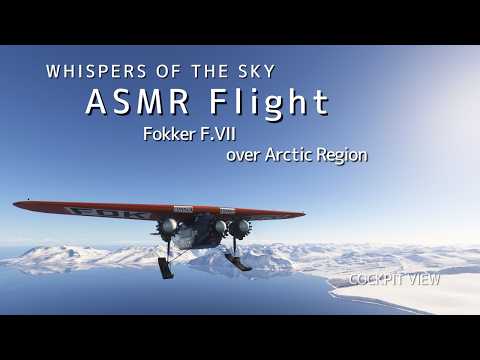
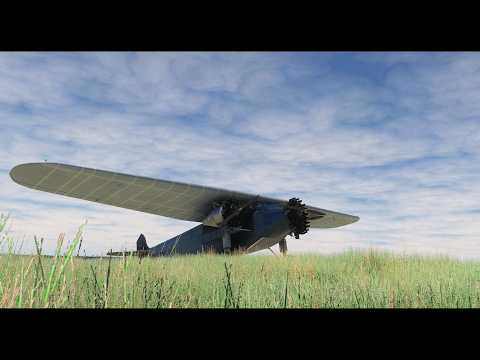
Il Fokker F.VII, noto popolarmente come Fokker Trimotor, fu un aereo di linea degli anni Venti costruito dall'olandese Fokker, dalla sua filiale statunitense Atlantic Aircraft Corporation e da diverse imprese su licenza. Portava da sei a dodici passeggeri a seconda della versione e fu l'apparecchio scelto da buona parte dei voli pionieristici dell'epoca.
Eventi correlati
Schede correlate
Categoria
Fokker F.VII nelle notizie
L'ultimo Greyhound operativo è atterrato a Pensacola prima di entrare a far parte della collezione del Museo dell'Aviazione Navale

L'ultimo Greyhound operativo atterra a Pensacola prima di entrare a far parte del Naval Aviation Museum
Il C-2A Greyhound della Marina statunitense ha completato il suo ultimo volo, atterrando alla stazione aeronavale (NAS) di Pensacola. Ora entrerà a far parte del National Naval Aviation Museum. Il…
.jpg)
Il Grumman C-2A Greyhound, uno degli aerei più iconici dell'aviazione navale statunitense, ha ufficialmente concluso la propria carriera dopo sei decenni di operazioni. L'ultimo volo del tipo si è…
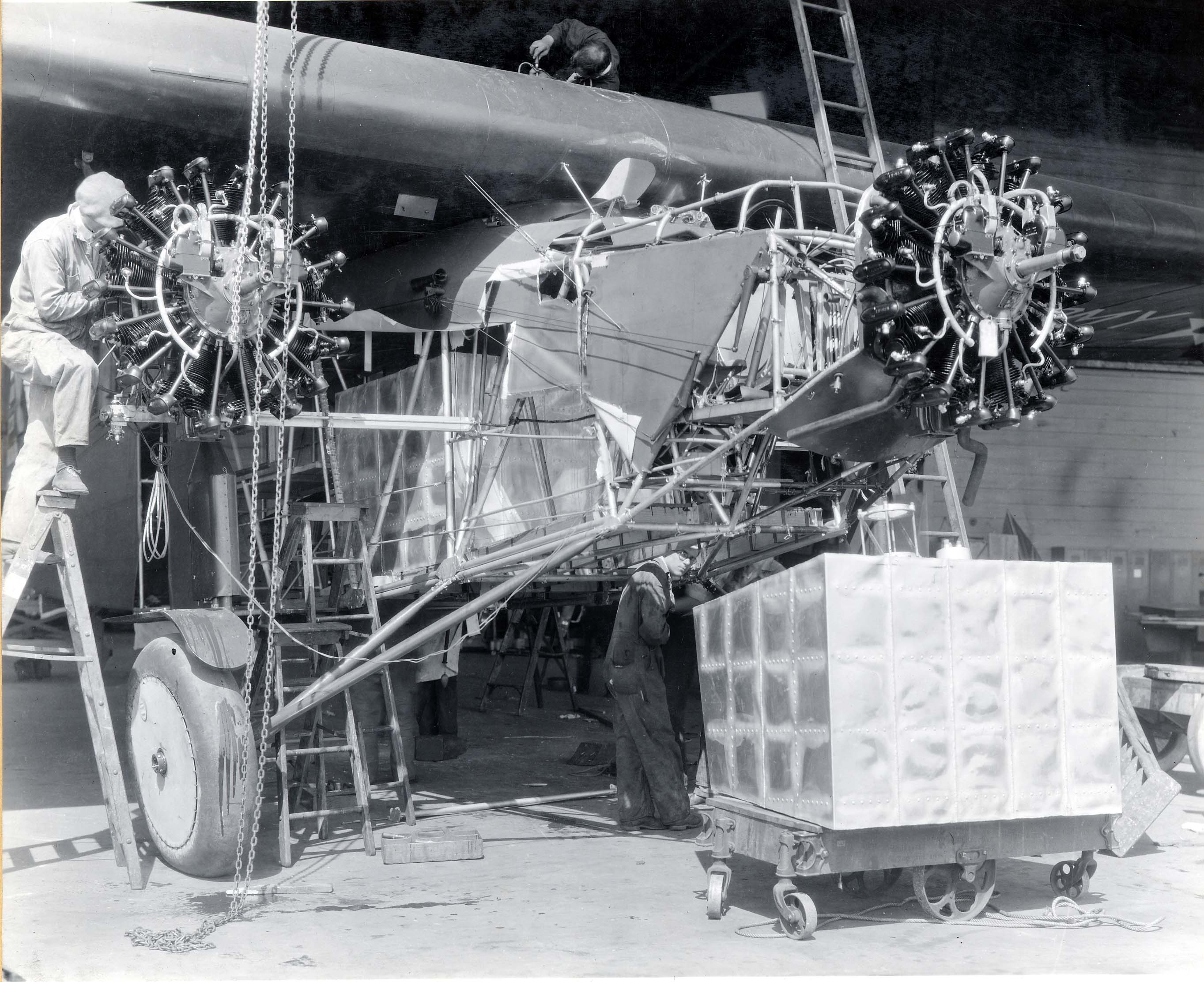
Prima dell'atterraggio, il Greyhound ha volato in formazione con la pattuglia acrobatica Blue Angels della Marina statunitense, come parte del tributo preparato per…

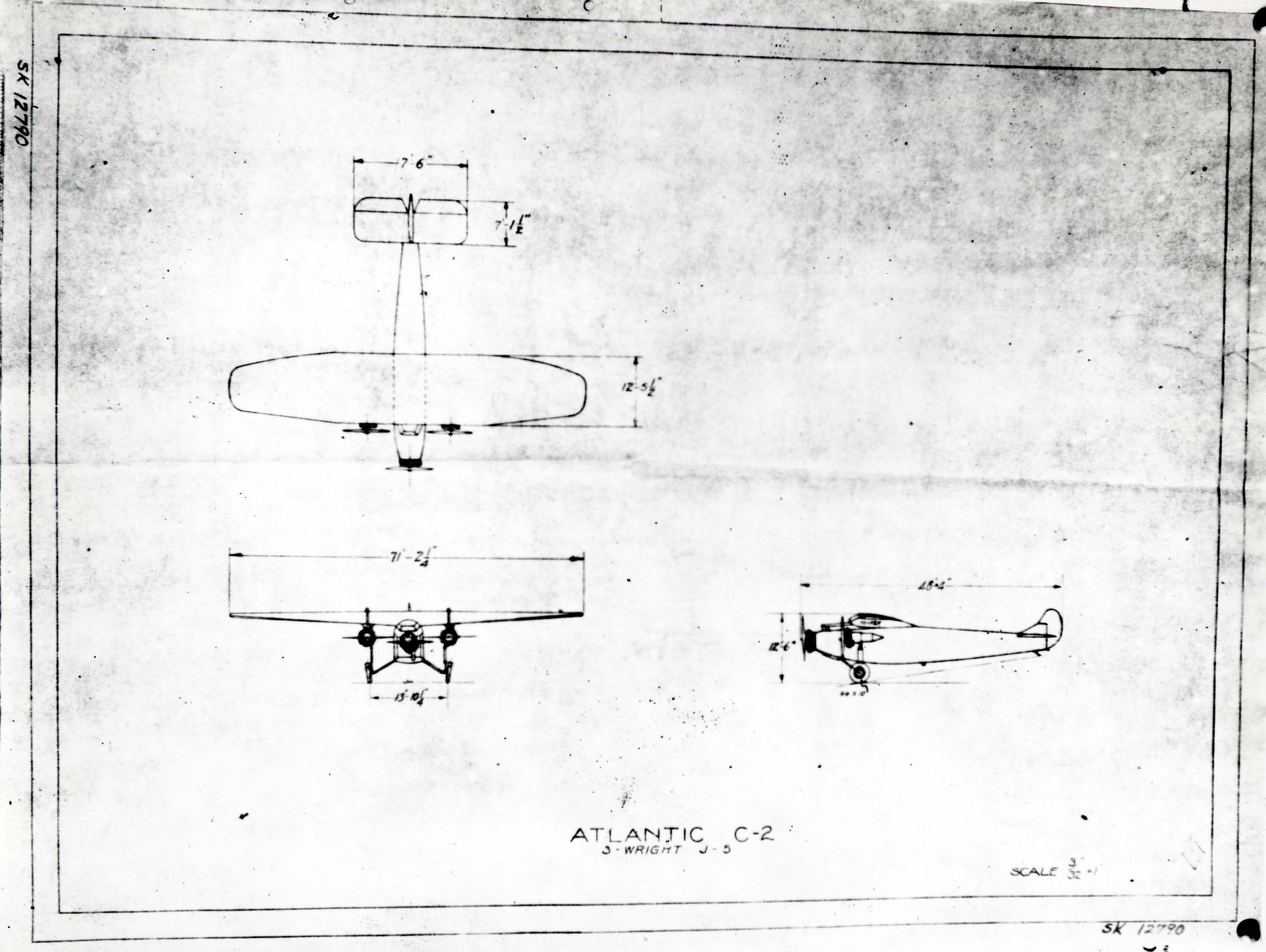
Disegno a tre viste
.jpg)
Storia
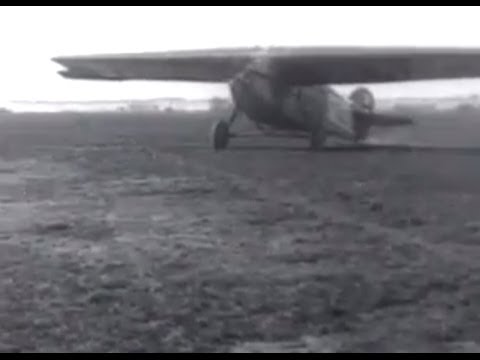
Walter Rethel progettò l'F.VII come trasporto monomotore e ne furono costruiti cinque esemplari per la compagnia aerea olandese KLM; uno di essi, immatricolato H-NACC, compì nel 1924 il primo volo dai Paesi Bassi alle Indie orientali olandesi. Il primo volo del tipo ebbe luogo il 24 novembre 1924 e l'entrata in servizio arrivò nel 1925. Quell'anno Anthony Fokker, che viveva negli Stati Uniti, venne a sapere dell'istituzione del Ford Reliability Tour, un concorso per aerei da trasporto, e incaricò il capo progettista della casa, Reinhold Platz, di trasformare un F.VIIA monomotore in trimotore con radiali Wright Whirlwind da 200 hp. Il risultato, designato F.VIIA-3m, volò il 4 settembre 1925 e vinse la prova statunitense alla fine di quell'anno. La struttura combinava una fusoliera in tubi d'acciaio rivestita di tela con un'ala di legno foderata di compensato.
Dal modello uscirono varie generazioni. Dell'F.VIIA-3m furono costruite probabilmente solo diciotto unità, benché molti F.VIIA fossero aggiornati a quello standard. La variante principale di produzione fu l'F.VIIB-3m, con motori più potenti —furono offerti il Wright Whirlwind da 300 hp, l'Armstrong Siddeley Lynx e il Titan Major da 360 hp—, maggiore apertura alare e geometria alare modificata: ne furono costruiti 154, comprendendo quelli su licenza. Fuori dai Paesi Bassi lo fabbricarono la SABCA con 29 apparecchi, la Avia con 18, tre unità italiane come IMAM Ro.10 per Avio Linee Italiane e Ala Littoria, tre spagnole e la polacca Plage i Laśkiewicz, che tra il 1929 e il 1930 consegnò undici F.VIIB-3m più venti di una versione propria da bombardamento sviluppata da Jerzy Rudlicki. Le derivazioni maggiori furono l'F.VIII, bimotore e più grande, l'F.IX da venti passeggeri e lo statunitense F-10, capace di portarne dodici.
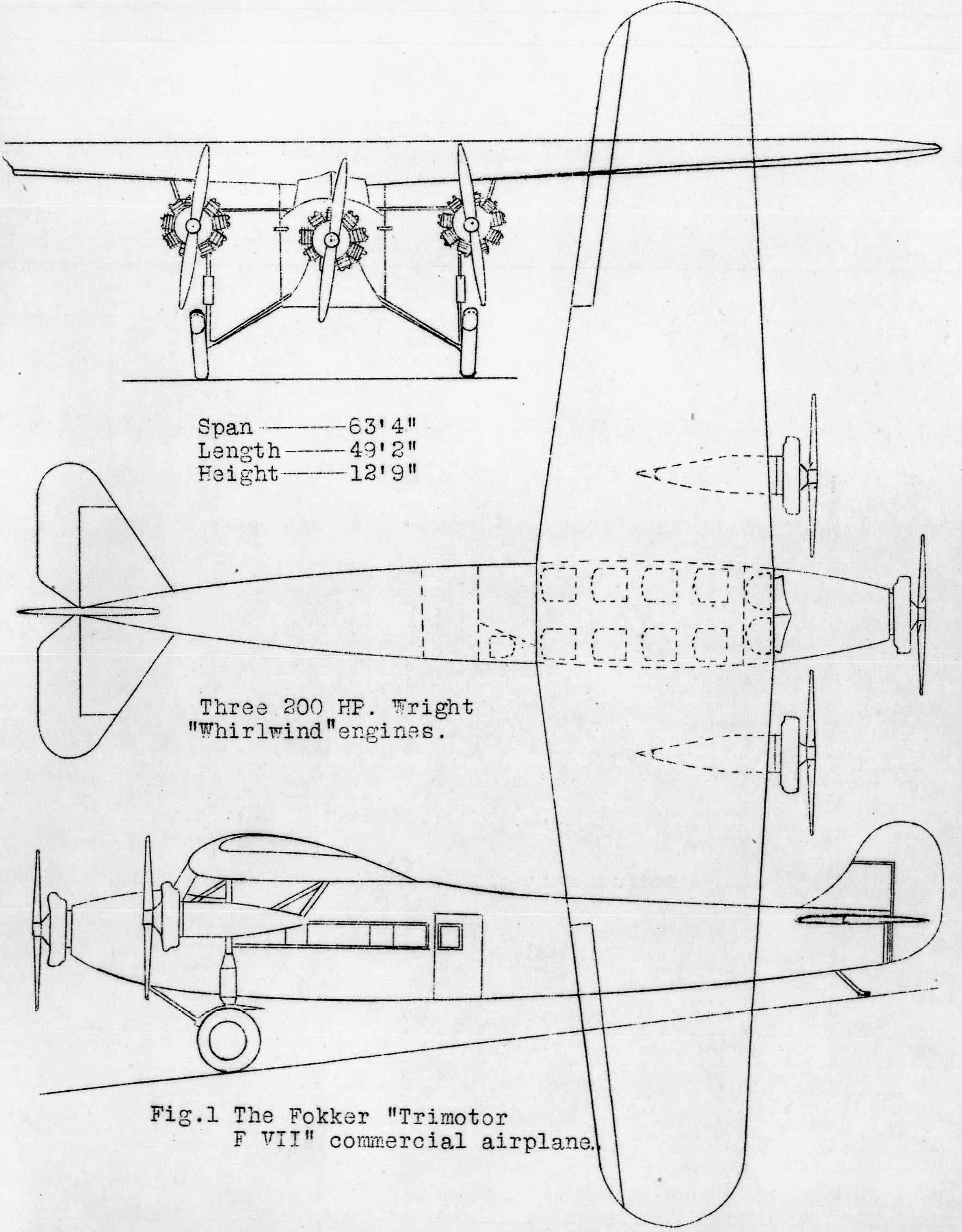
L'F.VII fu l'aereo degli esploratori. Richard E. Byrd affermò di aver sorvolato il Polo Nord con l'F.VIIA-3m Josephine Ford il 9 maggio 1926, pochi giorni prima che Roald Amundsen ci riuscisse con il dirigibile Norge; i tenenti Lester Maitland e Albert Hegenberger compirono il primo volo transpacifico dal territorio continentale statunitense alle Hawaii, circa 2400 miglia, il 28 e il 29 giugno 1927 con l'Atlantic-Fokker C-2 Bird of Paradise; Byrd, Bernt Balchen e due compagni portarono la prima posta aerea transatlantica ufficiale sul C-2 America, che finì per ammarare d'emergenza davanti alle coste della Francia il 1º luglio 1927. Charles Kingsford Smith attraversò per la prima volta il Pacifico dagli Stati Uniti all'Australia nel giugno 1928 con l'F.VIIB-3m Southern Cross e in settembre attraversò il mar di Tasman andata e ritorno; Amelia Earhart divenne la prima donna a sorvolare l'Atlantico il 17 giugno 1928, come passeggera dell'F.VIIB-3m Friendship; e un equipaggio dell'Army Air Corps statunitense guidato da Carl Spaatz superò le 150 ore di volo con il C-2A Question Mark tra il 1º e il 7 gennaio 1929 grazie al rifornimento in volo. Non tutti i tentativi andarono a buon fine: il St. Raphael scomparve senza lasciare traccia nel tentativo di attraversare l'Atlantico da est a ovest il 31 agosto 1927 e l'Old Glory andò perduto nell'Atlantico settentrionale pochi giorni dopo.
Il Fokker da otto a dodici posti dominò il mercato statunitense alla fine degli anni Venti, ma il suo prestigio crollò con l'incidente di un F-10 della Transcontinental & Western Air nel 1931 in cui morì Knute Rockne, allenatore di football americano di Notre Dame. L'inchiesta segnalò problemi nella costruzione laminata in compensato del Fokker, il che comportò un divieto temporaneo dei suoi voli commerciali, requisiti di manutenzione più severi e lo spostamento del mercato verso aerei interamente metallici come il Ford Trimotor e, più tardi, il Boeing 247 e il Douglas DC-2. La produzione si arrestò nel 1932.
Varianti
| F.VII | F.VIIa (F.VIIa/1m) | F.VIIa/3m | Avia F.VIIb/3m | Avro 618 Ten | C-2 | C-2A | C-5 | C-7 | C-7A | F-10 | F-10A | F-9 | F.VIIa/3m/M | F.VIIb/3m | F.VIIb/3m de construcción española | IMAM Ro.10 | Plage i Laśkiewicz F.VIIb/3m | Plage i Laśkiewicz F.VIIb/3m (bombardero) | RA-1 | RA-2 | RA-3 | RA-4 | SABCA F.VIIb/3m | TA-1 | TA-2 | TA-3 | XC-7 | XLB-2 | |
|---|---|---|---|---|---|---|---|---|---|---|---|---|---|---|---|---|---|---|---|---|---|---|---|---|---|---|---|---|---|
| Primo volo | 11 aprile 1924 | 12 marzo 1925 | 4 settembre 1925 | — | — | — | — | — | — | — | — | — | — | — | — | — | — | — | — | — | — | — | — | — | — | — | — | — | — |
| Tipo di aeromobile | — | — | — | Pioneering airliner | — | — | Military transport | Military transport | Military transport | Military transport | — | Pioneering airliner | Pioneering airliner | Light bomber | — | Military transport | Pioneering airliner | Pioneering airliner | Night bomber | Military transport | Military transport | Military transport | Military transport | Pioneering airliner | Military transport | Military transport | Military transport | Experimental military transport | Experimental light bomber |
| Apparato propulsivo | — | — | — | 3 × Walter Castor I radials of 191 kW (260 hp) at take-off driving three-blade metal propellers; aircraft also flew with 154 kW Škoda-Wright Whirlwind, 184 kW Avia DR-14, 187 kW Avia Rk-17 and, on the CIDNA machines, Gnome-Rhône Titan engines. | — | — | 3 × Wright J-5 Whirlwind (R-790) radials of 164 kW (220 hp) each. | 3 × Wright R-975 Whirlwind (J-6-9) radials of 246 kW (330 hp) each. | 3 × Wright R-975 Whirlwind (J-6-9) radials of 246 kW (330 hp) each. | 3 × Wright R-975 Whirlwind (J-6-9) radials of 246 kW (330 hp) each. | — | 3 × Pratt & Whitney Wasp C radials of 317 kW (425 hp) each; some aircraft moved to the 450 hp Wasp. | 3 × Wright J-5 Whirlwind radials of 164 kW (220 hp) each. | 3 × Wright J-4 Whirlwind radials of 149 kW (200 hp), the same powerplant as the civil F.VIIa/3m. | — | 3 × Wright J-5 Whirlwind radials of 164 kW (220 hp), the standard F.VIIb/3m powerplant. | 3 × Alfa Romeo Lynx radials of 160 kW (215 hp), the Armstrong Siddeley Lynx built under licence in Italy. | 3 × Wright J-5B Whirlwind radials of 162 kW (220 hp) each; the LOT aircraft were re-engined in 1934-35 with the 309 kW Pratt & Whitney Wasp Junior TB and two-blade metal propellers. | 3 × Wright J-5B Whirlwind radials of 162 kW (220 hp) each. | 3 × Wright J-5 Whirlwind radials of 164 kW (220 hp) each. | 3 × Wright J-5 Whirlwind radials of 164 kW (220 hp) each. | 3 × Wright J-6-9 Whirlwind (R-975) radials of 224 kW (300 hp) each. | 3 × Pratt & Whitney Wasp C radials of 317 kW (425 hp) each. | 3 × air-cooled radials, identical across the 29 Belgian aircraft; consulted sources do not pin down the exact designation of SABCA's production engine. | 3 × Wright J-5 Whirlwind radials of 164 kW (220 hp) each. | 3 × Wright J-5 Whirlwind radials of 164 kW (220 hp) each. | 3 × Wright J-6-9 Whirlwind (R-975) radials of 224 kW (300 hp) each. | 3 × Wright J-6-9 Whirlwind (R-975) radials of 246 kW (330 hp) each. | 2 × Pratt & Whitney R-1690 Hornet radials of 391 kW (525 hp) each, later replaced by the R-1340; other sources credit the aircraft with three 306 kW R-1380 Wasps. |
| Motorizzazione | 1 × Rolls-Royce Eagle | 1 × Bristol Jupiter | 3 × Wright J-4 Whirlwind | 3 × Walter Castor I | 3 × Armstrong Siddeley Lynx IVB/IVC | 3 × Wright J-5 Whirlwind (R-790) | 3 × Wright J-5 Whirlwind (R-790) | 3 × Wright R-975 Whirlwind (J-6-9) | 3 × Wright R-975 Whirlwind (J-6-9) | 3 × Wright R-975 Whirlwind (J-6-9) | 3 × Pratt & Whitney R-1340 Wasp | 3 × Pratt & Whitney Wasp C | 3 × Wright J-5 Whirlwind | 3 × Wright J-4 Whirlwind | 3 × Wright J-6 Whirlwind (R-975) | 3 × Wright J-5 Whirlwind | 3 × Alfa Romeo Lynx | 3 × Wright J-5B Whirlwind | 3 × Wright J-5B Whirlwind | 3 × Wright J-5 Whirlwind | 3 × Wright J-5 Whirlwind | 3 × Wright J-6-9 Whirlwind (R-975) | 3 × Pratt & Whitney Wasp C | 3 × piston | 3 × Wright J-5 Whirlwind | 3 × Wright J-5 Whirlwind | 3 × Wright J-6-9 Whirlwind (R-975) | 3 × Wright J-6-9 Whirlwind (R-975) | 2 × Pratt & Whitney R-1690 Hornet |
| Potenza unitaria | 362 hp | — | 200 hp | 256 hp | 241 hp | 220 hp | 220 hp | 330 hp | 330 hp | 330 hp | 425 hp | 425 hp | 220 hp | 200 hp | 295 hp | 220 hp | 215 hp | 217 hp | 217 hp | 220 hp | 220 hp | 300 hp | 425 hp | — | 220 hp | 220 hp | 300 hp | 330 hp | 524 hp Valore migliore della riga |
| Lunghezza | — | — | 14,6 m | 14,5 m | 14,5 m | 14,5 m | 14,7 m | — | 14,9 m | — | 15,4 m | 15,2 m | — | — | 14,5 m | — | — | — | — | 15 m | — | — | — | — | 15 m | — | — | — | 15,7 m Valore migliore della riga |
| Apertura alare | — | — | — | 21,7 m | 21,7 m | 19,4 m | 22,6 m | — | 22,2 m | — | 21,7 m | 24,2 m Valore migliore della riga | — | — | 21,7 m | — | — | — | — | 19,3 m | 22,2 m | — | — | — | 19,3 m | 22,2 m | — | — | 22,2 m |
| Altezza | — | — | — | 3,9 m Valore migliore della riga | 3,9 m | — | — | — | — | — | 3,8 m | — | — | — | 3,9 m | — | — | — | — | — | — | — | — | — | — | — | — | — | — |
| Superficie alare | — | — | — | 67,6 m² | 71,7 m² Valore migliore della riga | — | — | — | — | — | 67,6 m² | — | — | — | 67,6 m² | — | — | — | — | — | — | — | — | — | — | — | — | — | — |
| Peso a vuoto | — | — | — | 2440 kg Valore migliore della riga | 2731 kg | — | — | — | — | — | 2971 kg | — | — | — | 3100 kg | — | — | — | — | — | — | — | — | — | — | — | — | — | — |
| MTOW | — | — | — | 5000 kg | 4808 kg | — | — | — | — | — | 5216 kg | — | — | — | 5300 kg Valore migliore della riga | — | — | — | — | — | — | — | — | — | — | — | — | — | — |
| Velocità massima | — | — | — | 208 km/h | 185 km/h | 208 km/h | — | — | 219 km/h | — | 230 km/h | 248 km/h Valore migliore della riga | — | — | 210 km/h | — | — | 185 km/h | 185 km/h | 187 km/h | — | — | — | — | 187 km/h | — | — | — | — |
| Quota di velocità massima | — | — | — | — | — | — | — | — | — | — | — | — | — | — | 0 m | — | — | — | — | — | — | — | — | — | — | — | — | — | — |
| Velocità di crociera | — | — | — | 165 km/h | 160 km/h | 187 km/h | — | — | 177 km/h | — | 190 km/h | 203 km/h Valore migliore della riga | — | — | 178 km/h | — | — | 160 km/h | 160 km/h | — | — | — | — | — | — | — | — | — | 198 km/h |
| Quota di crociera | — | — | — | — | — | — | — | — | — | — | — | — | — | — | 2400 m | — | — | — | — | — | — | — | — | — | — | — | — | — | — |
| Tangenza operativa | — | — | — | 4300 m | 4900 m | 4724 m | — | — | 5639 m Valore migliore della riga | — | 5500 m | — | — | — | 4400 m | — | — | 4250 m | 4250 m | — | — | — | — | — | — | — | — | — | — |
| Velocità di salita iniziale | — | — | — | — | 3,4 m/s | — | — | — | — | — | 7,2 m/s Valore migliore della riga | — | — | — | 7,1 m/s | — | — | — | — | — | — | — | — | — | — | — | — | — | — |
| Autonomia | — | — | — | 800 km | 640 km | 571 km | — | — | — | — | 1279 km Valore migliore della riga | 1215 km | — | — | 1200 km | — | — | 1240 km | 1240 km | 740 km | — | — | — | — | 740 km | — | — | — | — |
| Raggio d'azione | 0 km Valore migliore della riga | 0 km Valore migliore della riga | 0 km Valore migliore della riga | 0 km Valore migliore della riga | 0 km Valore migliore della riga | 0 km Valore migliore della riga | 0 km Valore migliore della riga | 0 km Valore migliore della riga | 0 km Valore migliore della riga | 0 km Valore migliore della riga | 0 km Valore migliore della riga | 0 km Valore migliore della riga | 0 km Valore migliore della riga | — | 0 km Valore migliore della riga | — | 0 km Valore migliore della riga | 0 km Valore migliore della riga | — | 0 km Valore migliore della riga | 0 km Valore migliore della riga | 0 km Valore migliore della riga | 0 km Valore migliore della riga | 0 km Valore migliore della riga | 0 km Valore migliore della riga | 0 km Valore migliore della riga | 0 km Valore migliore della riga | 0 km Valore migliore della riga | — |
| Condizioni di autonomia | — | — | — | 800 km range, 165 km/h cruise and a 4,300 m ceiling. | — | — | — | — | 177 km/h cruise and a 5,639 m ceiling. | — | — | 1,215 km range and 203 km/h cruise. | — | — | — | — | — | 1,240 km range, 160 km/h cruise and a 4,250 m ceiling. | 1,240 km range and a 4,250 m ceiling. | 740 km range at a 187 km/h top speed. | — | — | — | — | 740 km range at a 187 km/h top speed. | — | — | — | — |
| Armamento | — | — | — | None: civil transport. | — | — | None: unarmed military transport. | None: unarmed military transport. | None: unarmed military transport. | None: unarmed military transport. | — | None: civil transport. | None: civil transport. | Bomb racks under the fuselage; three airframes modified for the Dutch air arm, with powerful floodlights for landing in poor visibility. | — | No factory armament; the Spanish Fokkers were pressed into service as improvised bombers when the Civil War broke out. | None: civil transport. | None: civil transport. | 1 × 7.7 mm Lewis machine gun on a dorsal ring mount and 1,000 kg of bombs; some sources raise the load to 1,500 kg and the armament to four machine guns. | None: unarmed military transport. | None: unarmed military transport. | None: unarmed military transport. | None: unarmed military transport. | None: civil transport. | None: unarmed military transport. | None: unarmed military transport. | None: unarmed military transport. | None: unarmed military transport. | Light-bomber prototype; consulted sources give no armament detail. |
| Carico bellico massimo | 0 kg | 0 kg | 0 kg | 0 kg | 0 kg | 0 kg | 0 kg | 0 kg | 0 kg | 0 kg | 0 kg | 0 kg | 0 kg | — | 0 kg | — | 0 kg | 0 kg | 1000 kg Valore migliore della riga | 0 kg | 0 kg | 0 kg | 0 kg | 0 kg | 0 kg | 0 kg | 0 kg | 0 kg | — |
| Carico utile | — | — | — | — | — | — | — | — | — | — | — | — | — | — | 1000 kg | — | — | — | — | — | — | — | — | — | — | — | — | — | — |
| Capacità di carico | — | — | — | Eight to 12 passengers and two crew on the ČSA, ČLS and CIDNA aircraft. | — | — | Long-span version for two pilots and ten passengers; one of them, the Question Mark, set the air-refuelled endurance record. | A single re-engined F-10A bought by the Army Air Corps, seating 12 passengers. | Re-engined and redesignated C-2As, with a two-pilot cockpit and military passengers. | Six new-build aircraft with a larger wing, redesigned fin and a fuselage derived from the commercial F-10A. | — | Luxury version seating 12 to 14 passengers, with a longer-span wing. | American-built version of the F.VIIb/3m produced by the Atlantic Aircraft Corporation. | Transport airframe adapted to bombing; consulted sources publish no load figure. | — | Three military trimotors built by Aeronáutica Industrial (AISA), the former Talleres Loring, for the Sahara squadron. | Three Italian-built aircraft operated by Avio Linee Italiane and Ala Littoria. | Up to 10 passengers and two crew in the airliner version built in Lublin. | No passenger cabin: side windows deleted, vertical bomb cells inside the fuselage and racks for heavier bombs underneath, with a crew of three. | Redesignation of the TA-1 once the Navy reserved the letter T for torpedo aircraft; all were later converted to RA-3. | Redesignation of the long-span TA-2; these too were later converted to RA-3. | Six TA-1 and TA-2 conversions plus one new-build aircraft, re-engined with the nine-cylinder Whirlwind. | One civil F-10A bought by the US Navy for evaluation and ultimately not accepted. | Eight passengers and two crew; Sabena was the type's largest operator with 28 aircraft. | Three short-span transports for the US Navy and Marine Corps. | Identical to the TA-1 except for the longer-span wing; three built. | Only one aircraft left the factory with this designation; the rest were TA-1 and TA-2 conversions. | One C-2A re-engined as the testbed for the C-7 series. | Experimental twin-engined derivative of the C-2, with five stations and a single aircraft built. |
| Equipaggio | 2 | 2 | 2 | 2 | 2 | 2 | 2 | — | 2 | 2 | 1 Valore migliore della riga | — | 2 | — | 2 | 2 | 2 | 2 | 3 | — | — | — | — | 2 | — | — | — | — | 5 |
| Passeggeri | 8 | 8 | 8 | 12 | 8 | 10 | 10 | 12 | — | — | 12 | 14 Valore migliore della riga | 10 | — | 8 | — | 8 | 10 | — | — | — | — | 14 Valore migliore della riga | 8 | — | — | — | — | — |
| Esemplari costruiti | 5 | 39 | 18 | 19 | 14 | 3 | 8 | 1 | 4 | 6 | 65 | 61 | — | 3 | 154 Valore migliore della riga | 3 | 3 | 11 | 20 | — | — | — | 1 | 29 | 3 | 3 | 1 | 1 | 1 |
Immagini