Did you know…
Why did many Vulcans have bulges for a missile they never used?
Short answer
Because of Skybolt. When the Blue Steel Mk.2 was dropped in December 1959 in favour of the US Douglas GAM-87 Skybolt ballistic missile, Vulcans were fitted to carry one under each wing; although Skybolt was cancelled in November 1962, many aircraft were delivered or converted with those bulged fairings.

A missile to extend deterrence
In the late 1950s the United Kingdom was looking for a weapon that would let its bombers attack without getting too close to enemy defences. The Vulcan B.2 could already carry the Blue Steel, a stand-off missile developed by Avro, and 33 aircraft had been delivered with the necessary modifications. The improved version, the Blue Steel Mk.2, was cancelled in December 1959 in favour of another weapon: the US-developed Douglas GAM-87 Skybolt air-launched ballistic missile.
The bulges under the wing
To carry the new missile, the Vulcans had their fittings changed: the Skybolt would be carried under the wings, one on each side. Many aircraft were delivered from the factory, or converted, with the corresponding bulged fairings, known as "Skybolt blisters".
A weapon that never arrived
Skybolt was cancelled in November 1962, on the recommendation of US Defense Secretary Robert McNamara, and the decision triggered the so-called Skybolt crisis between Washington and London. The RAF kept the Blue Steel. The fairings, however, remained on many aircraft as a reminder of a weapon they never got to carry.
Afterwards, the deterrence role passed to the Royal Navy with its Polaris missile submarines, and the Vulcan switched to low-level tactics. Avro even proposed a Vulcan that would carry three Gnat fighters under the fuselage to escort itself, an idea that never went ahead.
The aircraft originated from the British Ministry of Supply's B.35/46 specification. The first prototype flew on 30 August 1952, and the RAF received its first Vulcan B.1 in September 1956.
More questions
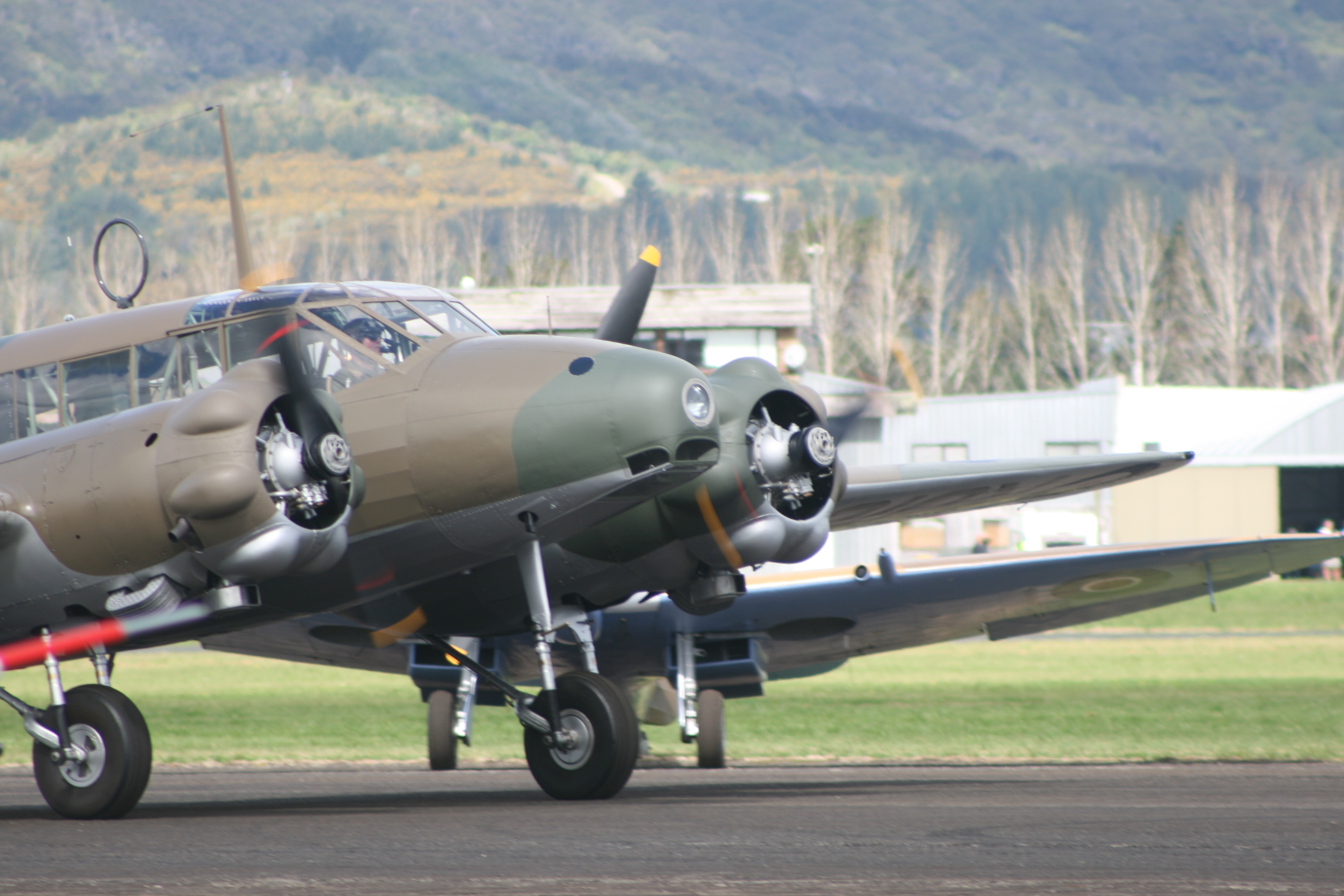
L-Bit (CC BY SA), vía commons Military aviation
How many Anson Mk I were built?
6,688 or 6,742 Avro Anson Mk I were built, according to different sources; History of War, which gives the second figure, places 3,935 at Woodford and the… more…
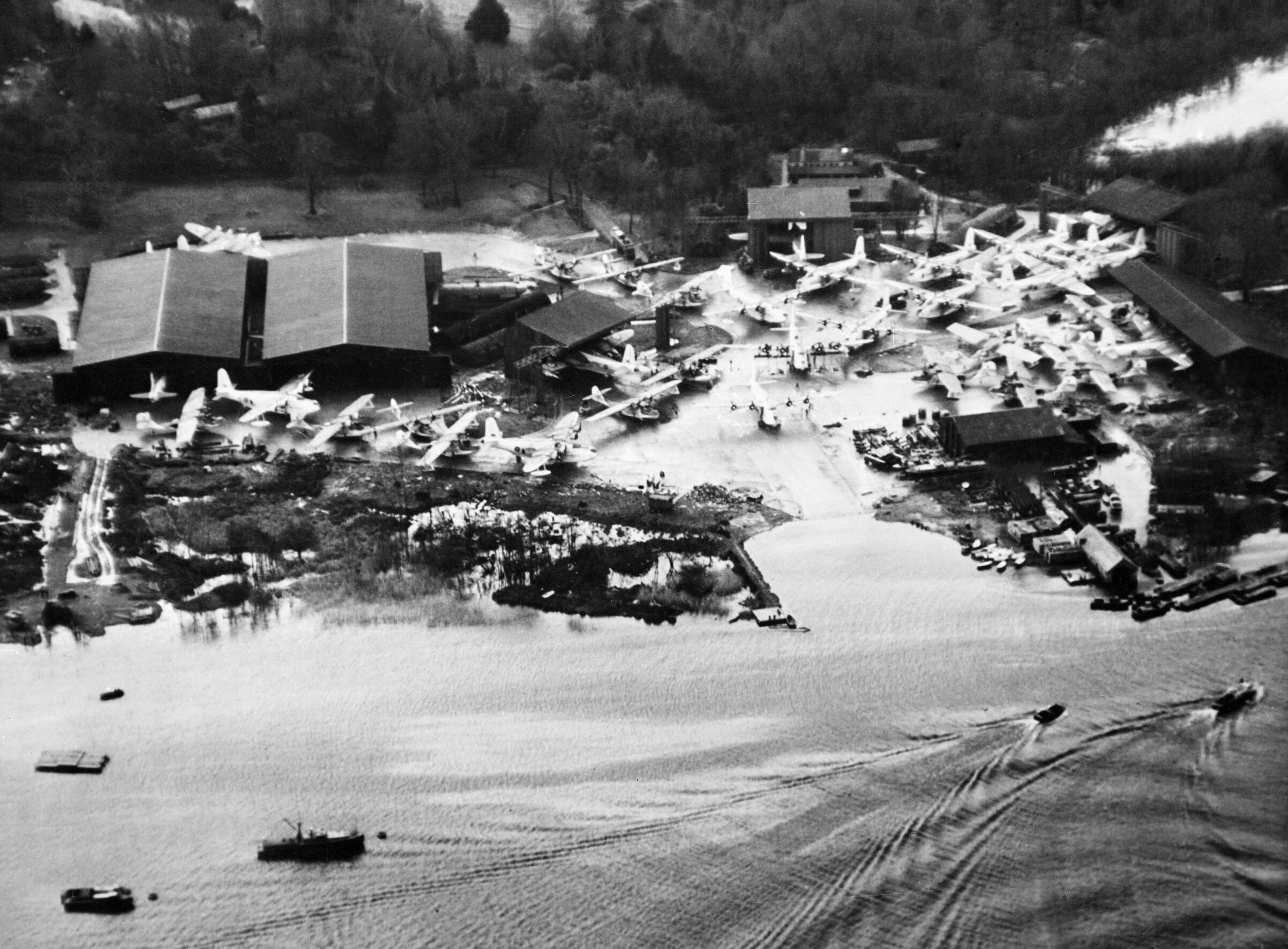
Military aviation
Which flying boats rescued the crew of the Kensington Court in 1939?
They were two RAF Sunderland flying boats: according to uboat.net, an aircraft of Squadron 228 and L5802 of Squadron 204 landed on the water next to the… more…
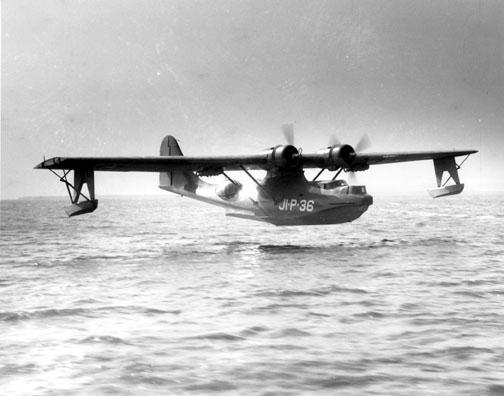
Military aviation
How long did Catalina convoy escort flights to the USSR last?
Many of the Catalina flights protecting convoys to the Soviet Union lasted between 15 and 20 hours and ended at Gryaznaya Bay (Murmansk) or at Arkhangelsk… more…
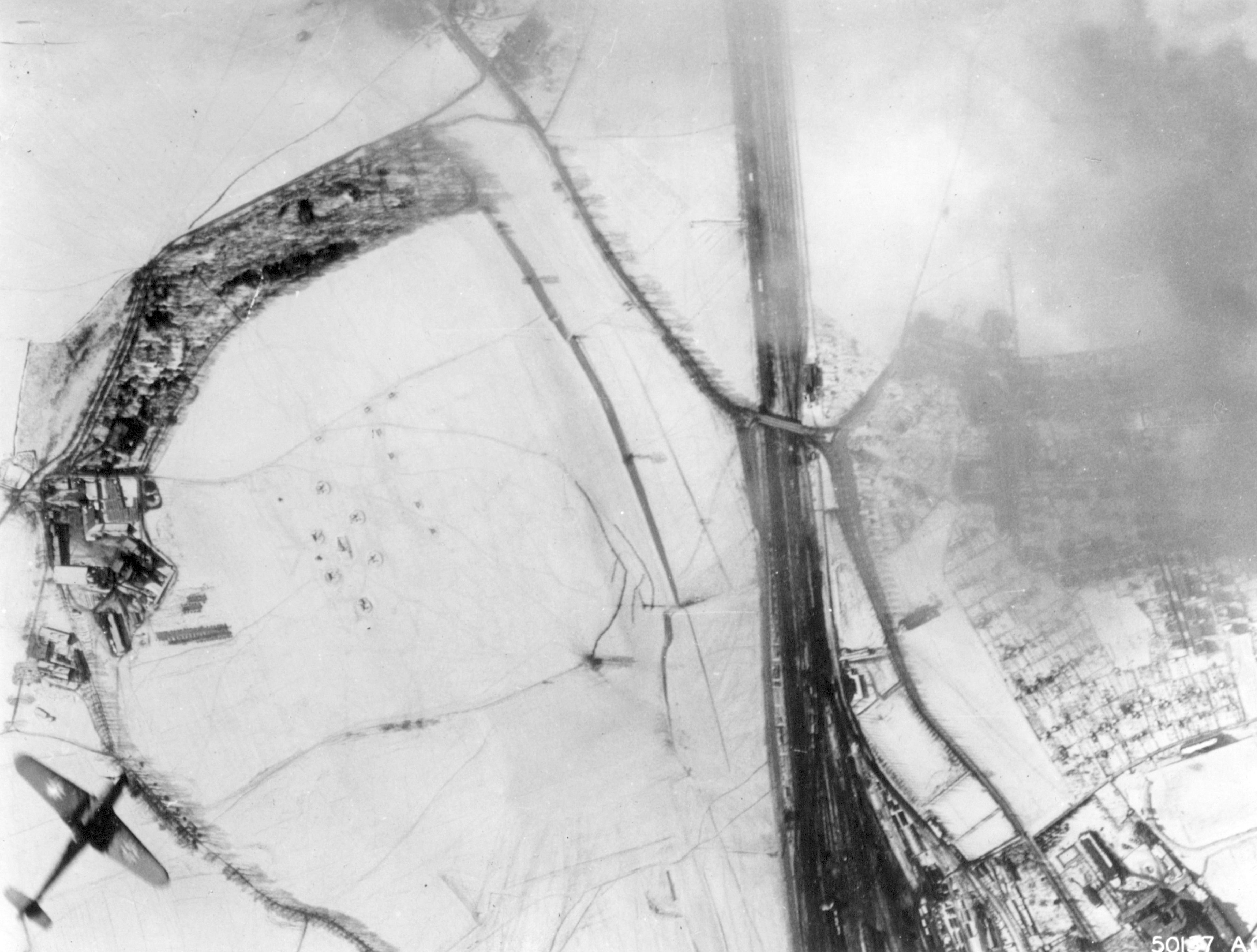
Military aviation
How many aircraft did the Axis lose in Crusader?
Around 332 aircraft destroyed and around 228 abandoned in the operation's tally, which took place between 18 November and 30 December 1941. According to their… more…
Military aviation
How many victories did No. 604 Squadron, the RAF night-fighter squadron, claim?
Around 127 aerial victories over the course of the war, 41 of them since May 1944. No. 604 (County of Middlesex) Squadron RAF spent most of the Second World… more…
Military aviation
Why did the "Torch" P-40Fs carry a flag on the fuselage?
To deter Vichy French forces from shooting them down: aircraft with yellow-outlined roundels sometimes had an American flag added in front of the roundel. The… more…


