Did you know…
Why did the "Torch" P-40Fs carry a flag on the fuselage?
Short answer
To deter Vichy French forces from shooting them down: aircraft with yellow-outlined roundels sometimes had an American flag added in front of the roundel. The yellow outline was meant to stop Americans shooting down unfamiliar British aircraft, but it produced no significant results.

Markings for an invasion against the French
During Operation Torch, the American invasion of North Africa, those P-40Fs were catapulted off a United States aircraft carrier with United States Army Air Forces (USAAF) pilots. Opposing them, French pilots of GC II/5 fought against United States Navy Grumman F4F Wildcats under the flag of Vichy France, allied with Germany. Aircraft carrying yellow-outlined roundels sometimes had American flags added in front of the roundels, in an attempt to deter Vichy forces from shooting them down. A photograph from those days shows Daniel Rathbun taking off in his P-40 fighter from the USS Chenango (CVE-28) heading for land for combat operations in Morocco, around 10 November 1942, with the American flag markings and the catapult bridle still visible behind the aircraft.
A marking that didn't do its job
The yellow outline on the roundels was used on the idea that it would reduce instances of Americans shooting down unfamiliar British aircraft. It produced no significant results, and friendly-fire incidents continued. By June 1943 the yellow ring had been abandoned, as the aircraft switched to the star-and-bars insignia with a red outline.
Three days of fighting and a change of sides
Hostilities lasted only three days: on 11 November 1942, Vichy French forces in North Africa swore loyalty to General Charles de Gaulle, commander of Free France. On 8 January 1943, the newly reconstituted Free French air force formally received its first frontline combat aircraft in Casablanca, Curtiss P-40Fs, delivered by the USAAF.
More questions
L-Bit (CC BY SA), vía commons Military aviation
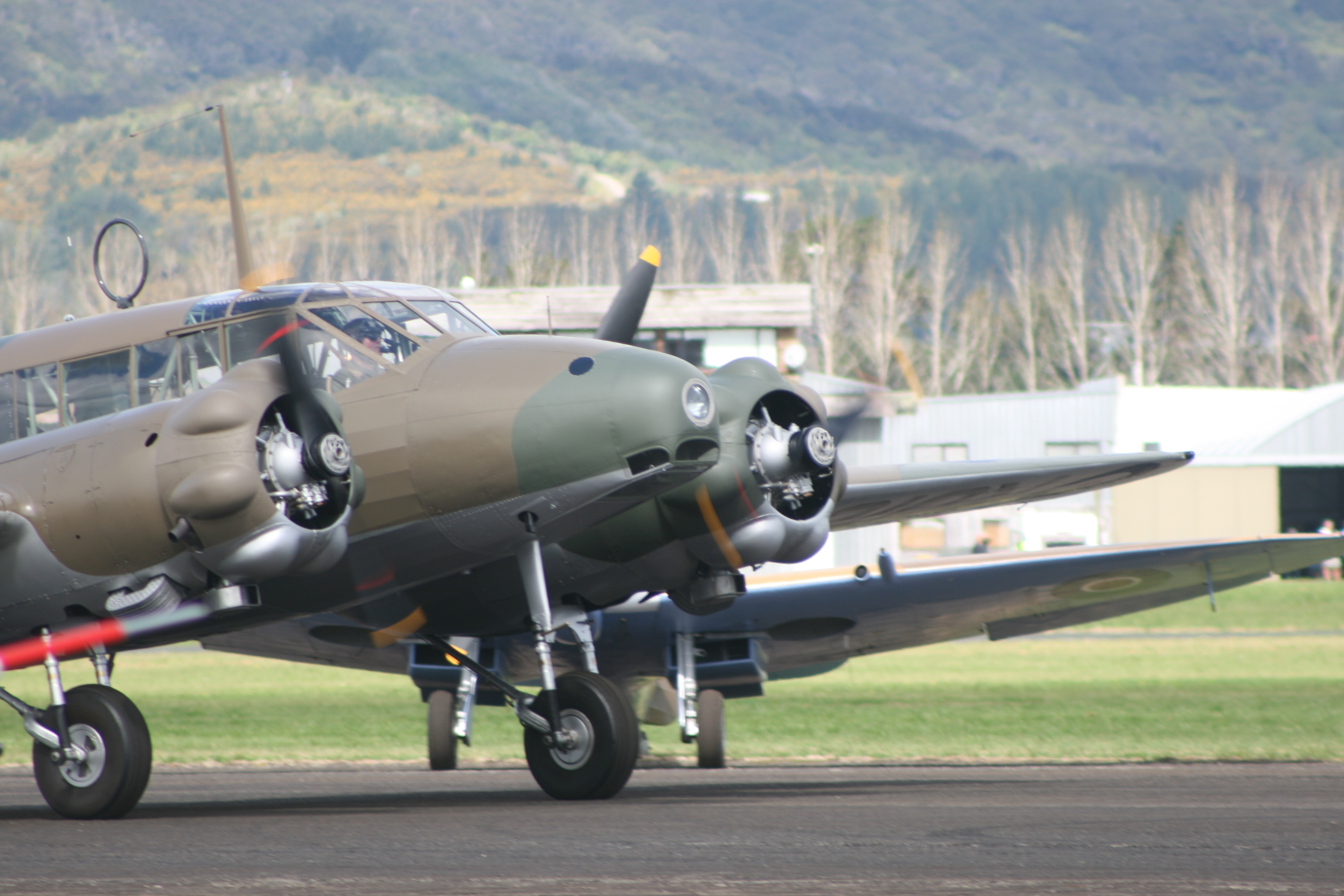
How many Anson Mk I were built?
6,688 or 6,742 Avro Anson Mk I were built, according to different sources; History of War, which gives the second figure, places 3,935 at Woodford and the… more…
Military aviation
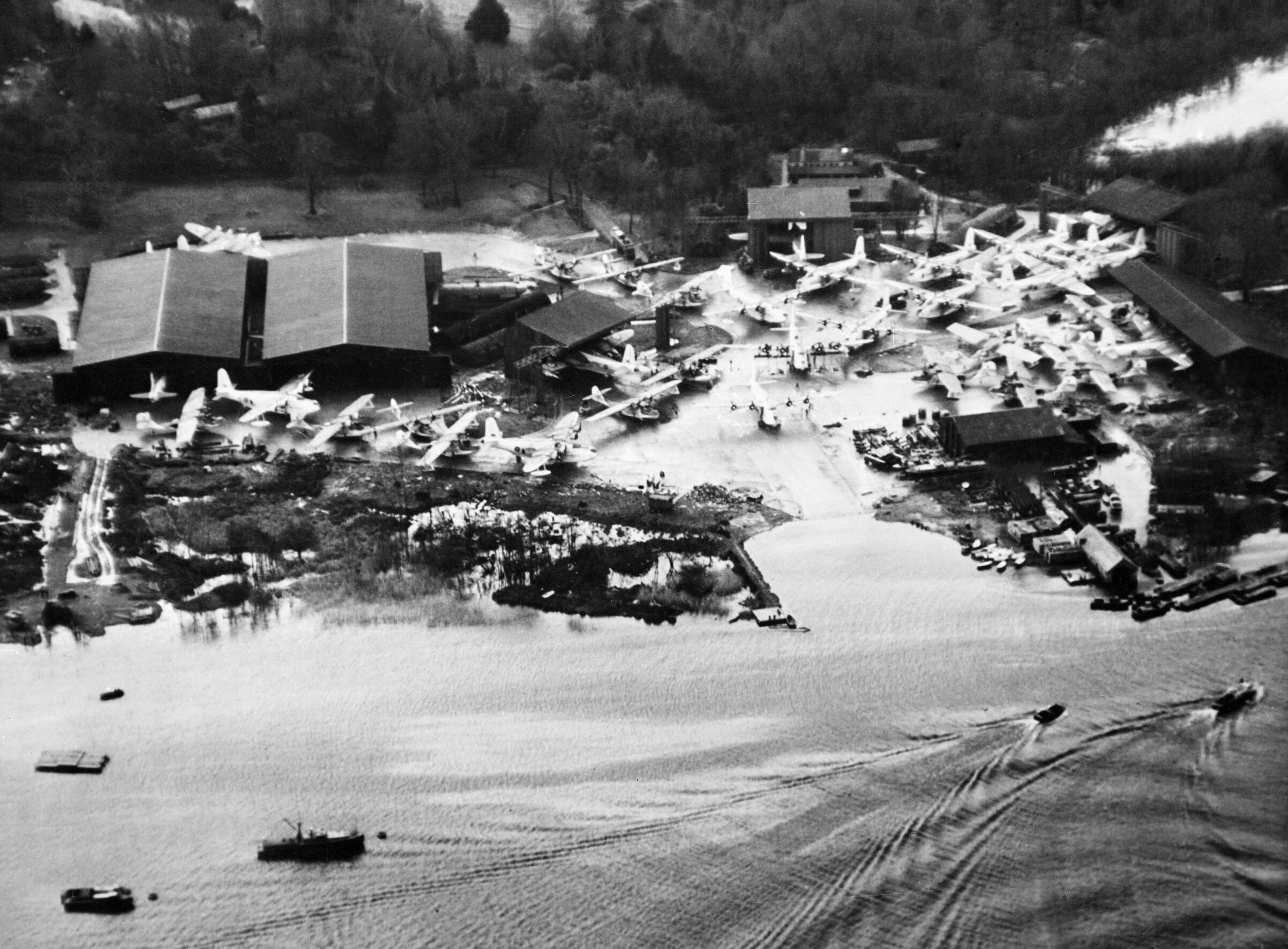
Which flying boats rescued the crew of the Kensington Court in 1939?
They were two RAF Sunderland flying boats: according to uboat.net, an aircraft of Squadron 228 and L5802 of Squadron 204 landed on the water next to the… more…
Military aviation
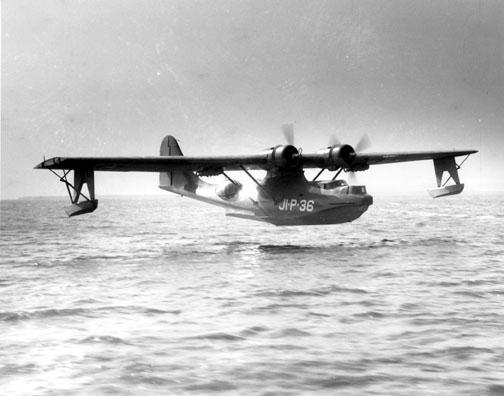
How long did Catalina convoy escort flights to the USSR last?
Many of the Catalina flights protecting convoys to the Soviet Union lasted between 15 and 20 hours and ended at Gryaznaya Bay (Murmansk) or at Arkhangelsk… more…
Military aviation
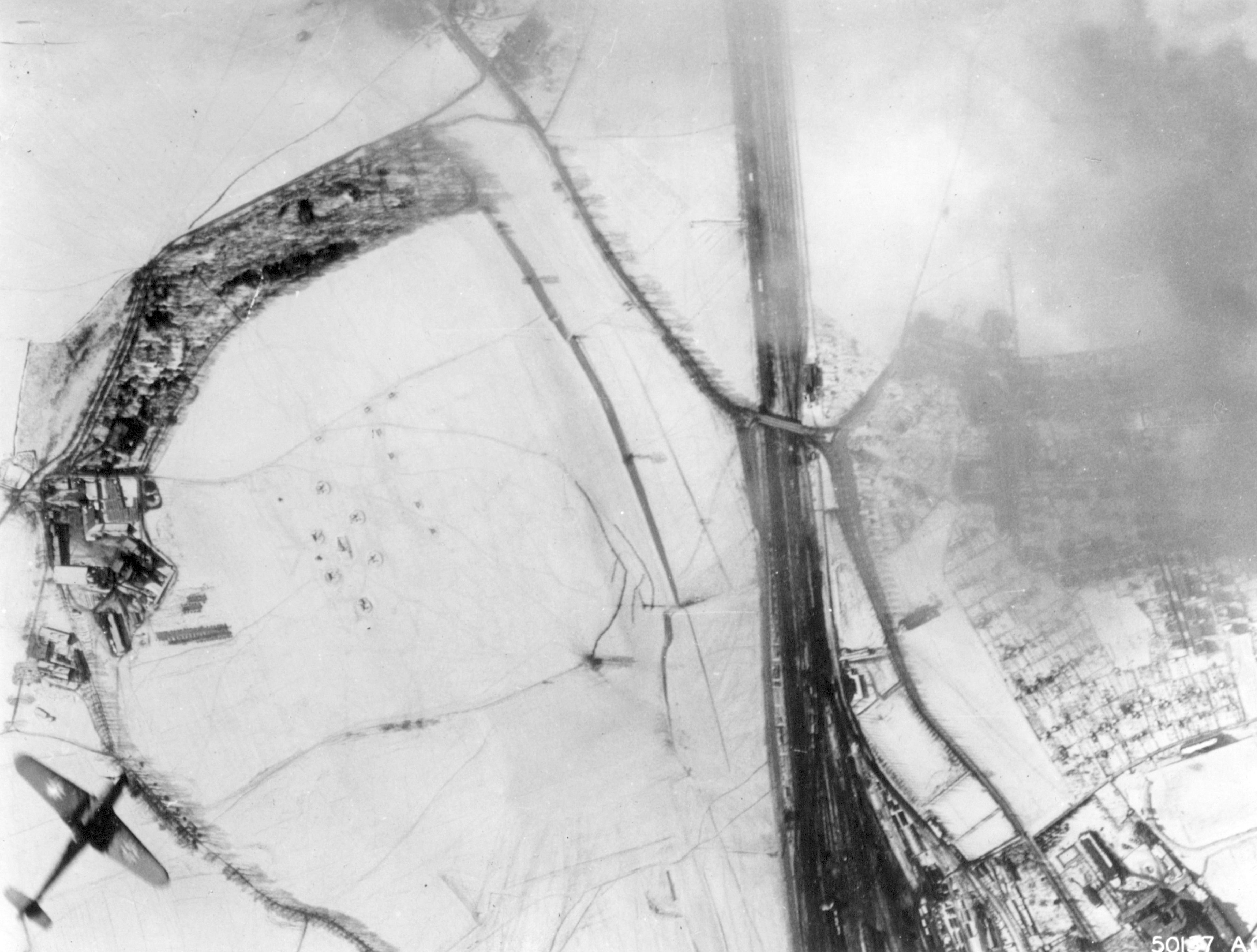
How many aircraft did the Axis lose in Crusader?
Around 332 aircraft destroyed and around 228 abandoned in the operation's tally, which took place between 18 November and 30 December 1941. According to their… more…
Military aviation
How many victories did No. 604 Squadron, the RAF night-fighter squadron, claim?
Around 127 aerial victories over the course of the war, 41 of them since May 1944. No. 604 (County of Middlesex) Squadron RAF spent most of the Second World… more…
Military aviation
Who was the top-scoring Australian flying ace?
The top-scoring Australian ace was Clive Caldwell, Australia's leading flying ace of World War II, officially credited with 28.5 enemy aircraft shot down over… more…


