Russia · 1922–
Tupolev
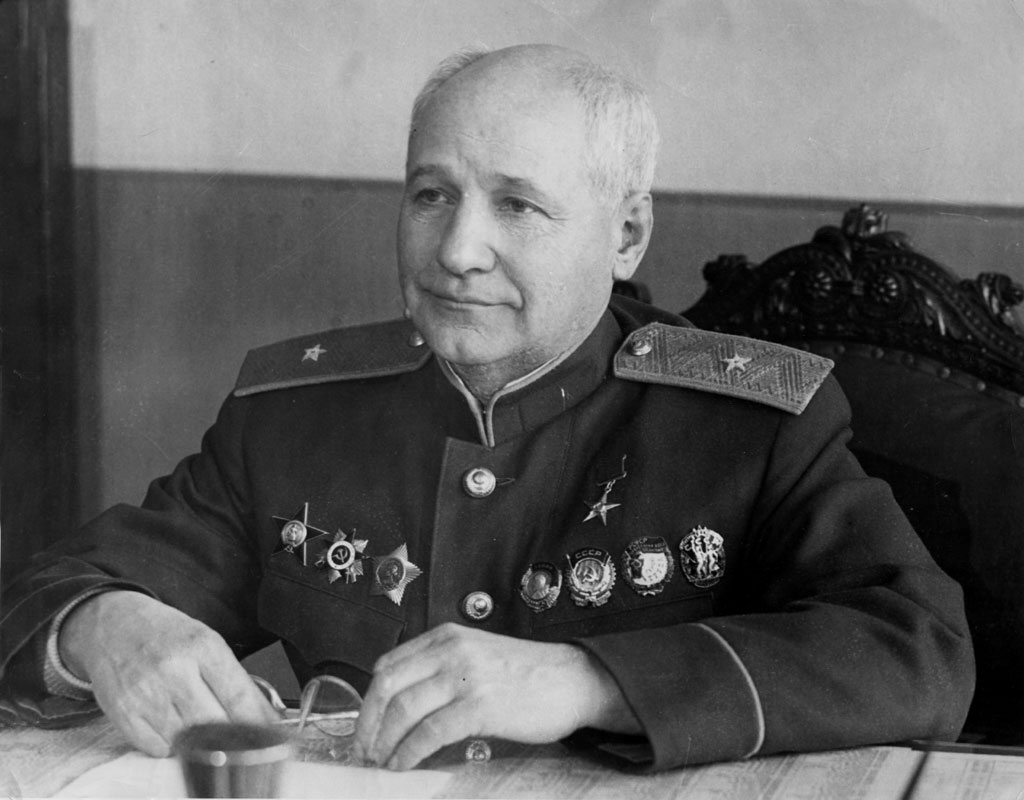
Tupolev is a Russian aerospace and defence company headquartered in Moscow's Basmanny District, whose current official name is United Aircraft Company Tupolev - Public Joint Stock Company. It is the direct successor of the Soviet Tupolev Design Bureau (OKB-156), founded in 1922 by the engineer and aerospace pioneer Andrei Tupolev, who led it for fifty years until his death in 1972. That is the origin of the "Tu" prefix that identifies all of its aircraft. Over its history Tupolev has designed more than one hundred models of civil and military aircraft and produced more than 18,000 aircraft for Russia, the Soviet Union and the Eastern Bloc; it marked its centenary on 22 October 2022. Its facilities are tailored to aeronautics research and aircraft design, while series manufacturing is handled by other firms. Its portfolio spans development, production and overhaul of civil and military aerospace products, including weapons systems, missile technologies and naval aviation. In 2006, by decree of Russian president Vladimir Putin, Tupolev became a division of the United Aircraft Corporation, in a merger that also brought together Mikoyan, Ilyushin, Irkut, Sukhoi and Yakovlev. The company was not dissolved: it retains its brand, its own management and its activity within the group. In early 2023 UAC confirmed that Tupolev would produce twenty Tu-214 aircraft a year and develop a freighter version to meet Russian needs.
Tupolev in the news
.jpg)
The Tupolev Tu-95 was on a training flight in the Amur region; one crew member survived and was hospitalized
A Tupolev Tu-95 strategic bomber of Russia's Aerospace Forces crashed this Tuesday, September 29, 2026, during a training flight in the Amur region, in the country's Far East…
.jpg)
The Defense Ministry reported that the aircraft was on a training flight in the Amur region this Tuesday; one of the seven crew members survived.
).jpg)
A Russian Tupolev Tu-95 strategic bomber crashed during a training flight in Russia's Amur region, in the Far East, on Tuesday, September 29, 2026, killing…
Tu-20 For a long time, the iconic Tupolev Tu-95 (Russian: Туполев Ту-95; NATO reporting name: “Bear”) was known to US/NATO intelligence as the Tu-20. While this was the original Soviet Air Force…
-1600.webp)

-1600.webp)
)-1600.webp)

History
Foundation and all-metal beginnings
Andrei Tupolev founded his design bureau in 1922 with an approach uncommon for the time: all-metal aircraft. Through the 1920s the OKB pursued that path, building directly on the pioneering work Hugo Junkers had done during the First World War. Out of it came two heavy bombers with corrugated duralumin skins that set the house style: the twin-engined ANT-4, which first flew in 1925, and the four-engined ANT-6 of 1932, from which the giant ANT-20 "Maxim Gorky", the largest aeroplane of the 1930s, was derived. The design approach of those two aircraft defined the trends of heavy civil and military aviation for decades.
The Soviet golden age
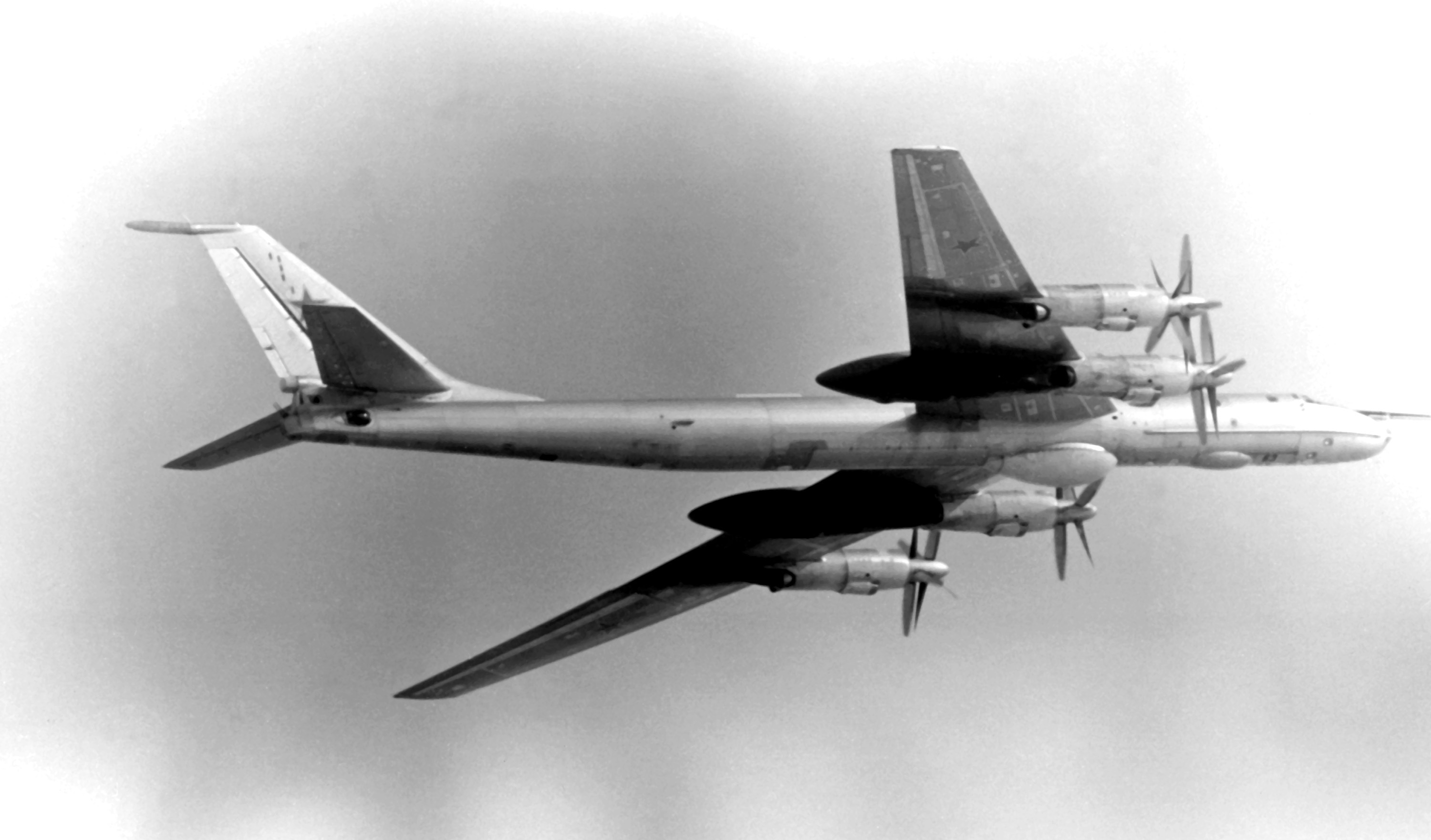
During the Second World War the twin-engined Tu-2 was one of the best Soviet front-line bombers, produced in large numbers from 1942 with wooden rear fuselages because of a metal shortage. After the war came the Tu-4, a copy of the American B-29 Superfortress, and from it the bureau unfolded its most recognisable catalogue: the jet-powered Tu-16, the Tu-95 with its four Kuznetsov NK-12 turboprops — the definitive Soviet intercontinental bomber — and the civil derivatives Tu-104, the first Soviet jet airliner, and Tu-114. A hallmark of its large subsonic aircraft are the pods extending rearward from the wing trailing edge to house landing gear with many low-pressure tyres, essential on the poor-quality runways common in the Soviet Union: the Tu-154 carried fourteen tyres, the same number as the far larger Boeing 777-200.
Supersonics and a generational handover
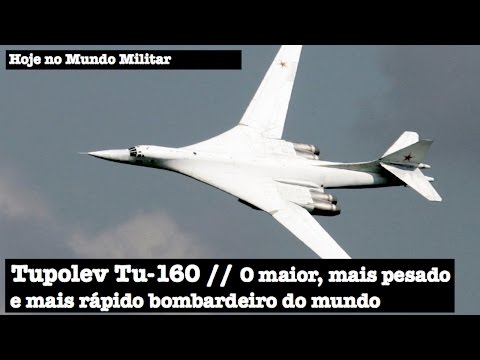
In the 1960s Alexei Tupolev, the founder's son, joined the management and led development of the Tu-144, the world's first supersonic airliner, as well as the popular Tu-154 and the Tu-22M bomber. The Tu-144 proved a disappointment: crashes in 1973 and 1978 ended its career as a passenger aircraft that same year. In the 1980s the bureau developed the Tu-160 strategic bomber, with variable-geometry wings.
The post-Soviet era
With the end of the Cold War, work shifted towards subsonic civil aircraft, operating economics and alternative fuels, yielding the Tu-204/Tu-214, the Tu-330 and the Tu-334. Alexei Tupolev ran the company until his death in 2001. It employed 3,524 people in 2011 and has operated as a division of the United Aircraft Corporation since 2006.
Catalog — Aircraft
- 1924
Tupolev ANT-2 Sheet pending
Variants (1)
- ANT-2
- 1925
Tupolev TB-1 Sheet pending
Variants (3)
- G-1
- TB-1
- TB-1P
- 1930
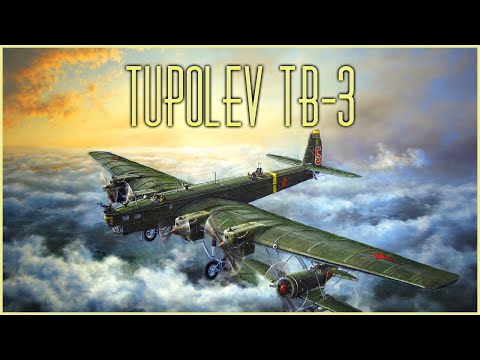
Tupolev TB-3 Sheet pending
Variants (4)
- G-2
- TB-3-4AM-34R
- TB-3-4AM-34RN
- TB-3-4M-17F
- 1933
Tupolev ANT-25 Sheet pending
Variants (1)
- ANT-25
- 1934
Tupolev ANT-20 Sheet pending
Variants (2)
- ANT-20
- ANT-20bis
- 1934
Tupolev SB Sheet pending
Variants (7)
- Avia B-71
- PS-40
- PS-41
- SB 2M-100
- SB 2M-100A
- SB 2M-103
- USB
- 1941
Tupolev Tu-2 Sheet pending
Variants (5)
- Tu-10
- Tu-2
- Tu-2S
- Tu-2T
- Tu-6
- 1946
Tupolev Tu-70 Sheet pending
Variants (1)
- Tu-70
- 1947
Tupolev Tu-4 Sheet pending
Variants (4)
- Tu-4
- Tu-4A
- Tu-4D
- Tu-4K
- 1949
Tupolev Tu-80 Sheet pending
Variants (1)
- Tu-80
- 1951
Tupolev Tu-85 Sheet pending
Variants (1)
- Tu-85
- 1952
Tupolev Tu-16 Sheet pending
Variants (9)
- Tu-16
- Tu-16A
- Tu-16K-10
- Tu-16KS
- Tu-16N
- Tu-16P
- Tu-16R
- Tu-16T
- Tu-16Z
- 1952
Tupolev Tu-95
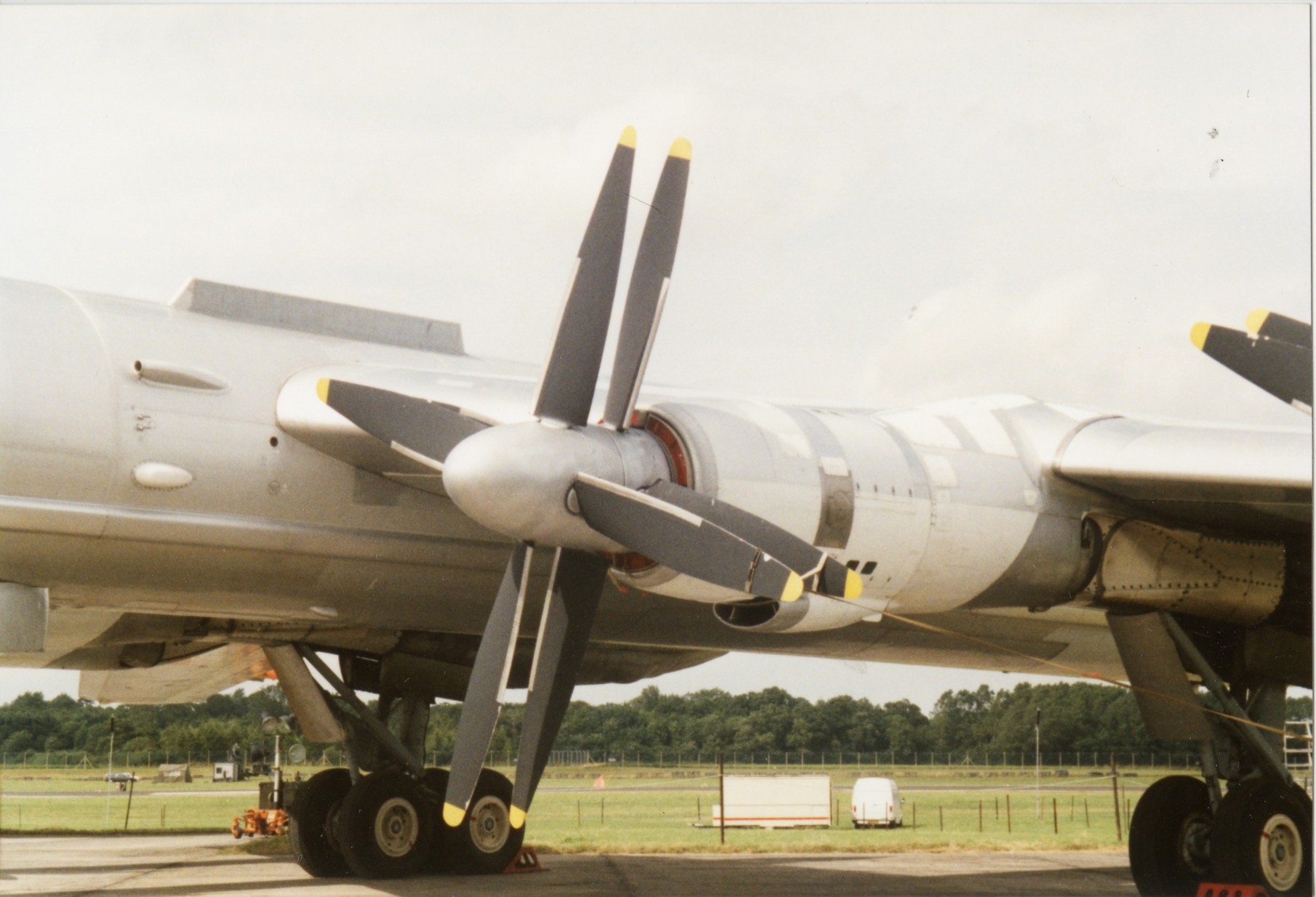
The Tupolev Tu-95 — "Bear" in NATO parlance — is a Soviet four-turboprop heavy strategic bomber, conceived to reach targets in the United States without refuelling and capable of carrying nuclear weapons. It first flew on 12 November 1952, entered service with Soviet Long-Range Aviation in 1956 and, seven decades later, is still on the flight line of the Russian Aerospace Forces, which expect to operate it until at least 2040. It is the only turboprop-powered strategic bomber still in operational use and the only propeller-driven aircraft with swept wings built in large numbers: a combination so improbable that Western intelligence took years to believe the figures it was measuring. Its origin lies in a Soviet requirement of 1950, issued simultaneously to the Tupolev and Myasishchev design bureaus, calling for a bomber with an unrefuelled range of 8,000 km and the ability to carry an 11,000 kg load to the target. The previous generation — the Tu-4, an unlicensed copy of the Boeing B-29, and its scaled-up development, the Tu-85 of 1949 — had shown that piston engines had reached their ceiling. The available turbojets, on the other hand, drank too much fuel. Andrei Tupolev backed a third path that almost everyone considered old-fashioned: four turboprops of extreme power, with which he promised to exceed 13,000 km of range and 800 km/h at 10,000 metres. The government formally approved the "95" project on 11 July 1951. The bet rested on an extraordinary engine. The Kuznetsov NK-12, developed by a team that included German engineers interned after the war under Ferdinand Brandner, remains the most powerful turboprop ever to enter service. Each of the four drives two contra-rotating four-blade propellers 5.6 metres in diameter. At cruise settings the tips of those blades turn at supersonic speed, and from that comes the aircraft's most famous signature: the Tu-95 is one of the loudest military aircraft ever built, audible from the cockpits of the fighters escorting it and detectable by the submarine hydrophones of the SOSUS network. In service, the Bear was the backbone of Soviet nuclear deterrence. Its crews rehearsed transpolar strikes against North America on routine ten-hour missions twice a week, in an aircraft whose early versions had neither lavatory nor galley. A modified Tu-95V dropped the Tsar Bomba on 30 October 1961, the most powerful thermonuclear device ever detonated. And from the first recorded contact in December 1961 to the end of the Cold War, the "Bear intercept" became the recurring image of the confrontation: around Iceland alone some 3,000 interceptions were logged between 1962 and 1991, with F-102s, F-4s and F-15s flying formation alongside the bomber while both sides photographed each other. The airframe proved so adaptable that it spawned an entire family. The Tu-114 Rossiya carried the bomber's wing, undercarriage and powerplants over to a pressurised fuselage of much greater diameter and became the fastest, longest-ranged airliner of its day; it still holds the official record for the fastest propeller-driven aircraft. From the Tu-114 in turn came the Tu-126, the first Soviet airborne early warning aircraft. The Tu-142, with a stretched fuselage and reinforced undercarriage, gave the Soviet Navy its long-range anti-submarine warfare platform. And in 1981 the production line reopened for the Tu-95MS, a missile carrier built on the Tu-142 fuselage and designed around the Kh-55 cruise missile. After the dissolution of the USSR, Ukraine inherited between 23 and 29 aircraft, most of them scrapped under the Nunn–Lugar programme before 2001, while Russia concentrated its fleet at Engels and Ukrainka. Long-range patrols resumed in August 2007 on Vladimir Putin's orders, and the bomber saw combat for the first time in its history in November 2015 over Syria, almost sixty years after entering service. Since 2022 it has been used as a launch platform for Kh-101 cruise missiles in the war against Ukraine, and Ukrainian drone attacks have destroyed several examples on the ground. The most recent version, the Tu-95MSM, replaces the radar, navigation and defensive systems and fits NK-12MPM engines with AV-60T propellers that halve vibration levels. What explains its permanence is not the excellence of any single figure of merit, but the same virtue that has kept the American B-52 flying: a large, robust airframe with margin to spare, able to accept missions nobody had imagined when it was drawn. From free-fall bomber it became a missile carrier, a maritime patrol aircraft, an airliner and an early warning platform. Around 500 units were built from 1952 into the 1990s. If it meets the forecast of serving until 2040, the design will have accompanied strategic aviation for nearly ninety years.
- 1955
Tupolev Tu-104
The Tupolev Tu-104 is a Soviet medium-range, narrow-body airliner powered by two turbojets. Its historical significance is twofold: it was the second jetliner to enter regular service, after the British de Havilland Comet, and from 1956 to 1958 it was the only one operating anywhere in the world, after the British jets were grounded following several crashes. Its NATO reporting name was Camel. The aircraft answered a very specific need: in the early 1950s Aeroflot required a modern airliner with better capacity and performance than the piston-engined types then in use. The Tupolev OKB met the requirement by deriving it from the Tu-16 strategic bomber, retaining its wings, engines and tail surfaces and mating them to a wider pressurised fuselage designed for fifty passengers. Two Mikulin AM-3 turbojets sat in the wing roots, as on the bomber. The prototype flew on 17 June 1955 with Yu. L. Alasheyev at the controls and carried a drag parachute to shorten the landing run by up to 400 m, since few airports then had long enough runways. In civil service the Tu-104 carried over 90 million passengers with Aeroflot, at the time the world's largest airline, and a smaller number with Czechoslovak carrier ČSA; it was also operated by the Soviet Air Force. Its safety record was poor compared with Western jetliners, and the aircraft was heavy on the controls and unstable, with a tendency to stall with little or no warning. Its successors were the Tu-124, the Tu-134 and the Tu-154.
- 1957
Tupolev Tu-114
The Tupolev Tu-114 Rossiya is a large Soviet turboprop-powered long-range airliner designed by the Tupolev design bureau. In its day it was the largest and fastest passenger aircraft in the world, and also the longest-legged, at 10,900 km. Since 1960 it has held the official title of fastest propeller-driven aircraft. Its NATO reporting name was Cleat. Its most singular feature is that, thanks to its swept wing and powerplant layout, it reached speeds typical of contemporary jetliners, 880 km/h, despite turning four Kuznetsov NK-12 turboprops with contra-rotating propellers. It could accommodate up to 224 passengers, though Aeroflot more commonly configured it for 170 seats with sleeping berths and a dining lounge. Among its oddities were the lower-deck galleys and crew rest area, linked to the upper deck by a dumbwaiter, and landing gear so tall — the nose leg stood three metres high — that many destination airports had no steps able to reach the cabin door. The Tu-114 carried over six million passengers before being replaced by the jet-powered Ilyushin Il-62. Thirty-two aircraft were built at the Kuibyshev aviation plant. Its commercial life was short — scheduled flights from 1961 to 1976 — but it earned an excellent reputation for reliability, speed and fuel economy, with a safety record that was rarely matched.
- 1958
Tupolev Tu-22 Sheet pending
Variants (7)
- Tu-22B
- Tu-22K
- Tu-22KD
- Tu-22P
- Tu-22R
- Tu-22RD
- Tu-22U
- 1961
Tupolev Tu-28 Sheet pending
Variants (2)
- Tu-128
- Tu-128UT
- 1962
Tupolev Tu-126 Sheet pending
Variants (1)
- Tu-126
- 1963
Tupolev Tu-134
The Tupolev Tu-134 is a twin-engined Soviet narrow-body jet airliner with rear-mounted engines and a T-tail, built for short and medium-haul routes between 1966 and 1989. The original version was distinguished by the glazed nose inherited from the Tupolev bomber tradition and, like other Russian airliners of its generation, it could operate from unpaved airfields. Its NATO reporting name was Crusty. It was one of the most widely used aircraft in the former Comecon countries and saw long-term service in some 42 countries, with European airlines scheduling as many as twelve daily takeoffs and landings per aircraft. Besides regular passenger work it was used in air force, army and navy support roles, for pilot and navigator training, and in aviation research and test projects. In recent years a number have been converted into VIP transports and business jets. A total of 854 Tu-134s were built across all versions, including test-bed examples. Aeroflot was the largest user: by 1995 the type had carried 360 million passengers for that airline alone. The number of active aircraft has fallen steadily because of operational safety concerns and the noise restrictions imposed on its engines.
- 1968
Tupolev Tu-142 Sheet pending
Variants (5)
- Tu-142
- Tu-142M
- Tu-142MK
- Tu-142MR
- Tu-142MZ
- 1968
Tupolev Tu-144 Sheet pending
Variants (4)
- Tu-144
- Tu-144D
- Tu-144LL
- Tu-144S
- 1969
Tupolev Tu-22M Sheet pending
Variants (6)
- Tu-22M0
- Tu-22M1
- Tu-22M2
- Tu-22M3
- Tu-22M3M
- Tu-22MR
- 1981
Tupolev Tu-160 Sheet pending
Variants (2)
- Tu-160
- Tu-160M
- 1988
Tupolev Tu-155 Sheet pending
Variants (1)
- Tu-155
- 1989
Tupolev Tu-204 Sheet pending
Variants (6)
- Tu-204
- Tu-204-100
- Tu-204-120
- Tu-204-300
- Tu-204SM
- Tu-214
- 1999
Tupolev Tu-334 Sheet pending
Variants (1)
- Tu-334-100
- —
Tupolev Tu-116 Sheet pending
Variants (1)
- Tu-116
- —
Tupolev I-4 Sheet pending
Variants (2)
- I-4
- I-4bis
- —
Tupolev Tu-123 Sheet pending
Variants (2)
- Tu-123 Yastreb
- Tu-139 Yastreb-2
- —
Tupolev Tu-14 Sheet pending
Variants (3)
- Tu-14
- Tu-14R
- Tu-14T
- —
Tupolev ANT-29 Sheet pending
Variants (1)
- ANT-29
- —
Tupolev ANT-21 Sheet pending
Variants (2)
- ANT-21
- ANT-21bis
- —
Tupolev ANT-1 Sheet pending
Variants (1)
- ANT-1
- —
Tupolev DB-1 Sheet pending
Variants (1)
- DB-1
- —
Tupolev Tu-1 Sheet pending
Variants (1)
- Tu-1
- —
Tupolev Tu-107 Sheet pending
Variants (1)
- Tu-107
- —
Tupolev ANT-8 Sheet pending
Variants (1)
- ANT-8
- —
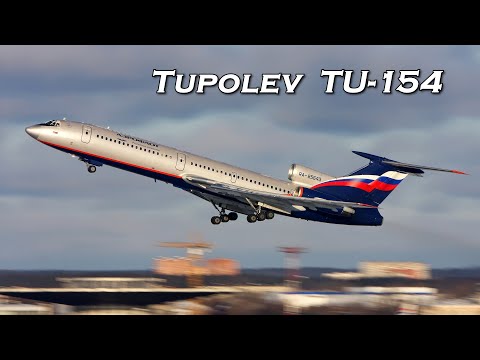
Tupolev Tu-154 Sheet pending
Variants (6)
- Tu-154
- Tu-154A
- Tu-154B
- Tu-154B-2
- Tu-154M
- Tu-154S
- —
Tupolev ANT-37 Sheet pending
Variants (2)
- ANT-37
- ANT-37bis Rodina
- —
Tupolev MTB-2 Sheet pending
Variants (2)
- ANT-44
- ANT-44bis
- —
Tupolev Tu-12 Sheet pending
Variants (1)
- Tu-12
- —
Tupolev ANT-41 Sheet pending
Variants (1)
- ANT-41
- —
Tupolev Tu-75 Sheet pending
Variants (1)
- Tu-75
- —
Tupolev I-8 Sheet pending
Variants (1)
- I-8
- —
Tupolev ANT-3 Sheet pending
Variants (3)
- ANT-3
- PS-3
- R-3
- —
Tupolev Tu-141 Sheet pending
Variants (1)
- Tu-141 Strizh
- —
Tupolev ANT-10 Sheet pending
Variants (1)
- ANT-10
- —
Tupolev ANT-35 Sheet pending
Variants (2)
- ANT-35
- ANT-35bis
- —
Tupolev Tu-98 Sheet pending
Variants (1)
- Tu-98
- —
Tupolev Tu-91 Sheet pending
Variants (1)
- Tu-91
- —
Tupolev Tu-82 Sheet pending
Variants (1)
- Tu-82
- —
Tupolev ANT-7 Sheet pending
Variants (4)
- KR-6
- MR-6
- PS-7
- R-6
- —
Tupolev '73' Sheet pending
Variants (2)
- '73'
- '78'
- —
Tupolev Tu-124 Sheet pending
Variants (4)
- Tu-124
- Tu-124K
- Tu-124Sh
- Tu-124V
- —
Tupolev MTB-1 Sheet pending
Variants (2)
- MDR-4
- MTB-1
- —
Tupolev ANT-16 Sheet pending
Variants (1)
- ANT-16
- —
Tupolev ANT-22 Sheet pending
Variants (1)
- ANT-22
- —
Tupolev ANT-9 Sheet pending
Variants (2)
- ANT-9
- PS-9
- —
Tupolev I-12 Sheet pending
Variants (1)
- I-12
- —
Tupolev Tu-143 Sheet pending
Variants (3)
- Tu-143 Reis
- Tu-243 Reis-D
- Tu-300 Korshun
- —
Tupolev Tu-121 Sheet pending
Variants (1)
- Tu-121
- —
Tupolev ANT-14 Sheet pending
Variants (1)
- ANT-14
- —
Tupolev Tu-110 Sheet pending
Variants (1)
- Tu-110
- —
Tupolev I-14 Sheet pending
Variants (2)
- I-14
- I-14bis
- —
Tupolev Tu-8 Sheet pending
Variants (1)
- Tu-8






![The Bomber That Inspired A Generation Of Giant Aircraft | Tupolev ANT-4 [Aircraft Overview #26]](https://i.ytimg.com/vi/TFODWvM_I-E/hqdefault.jpg)