United Kingdom · 1954–
Britten-Norman
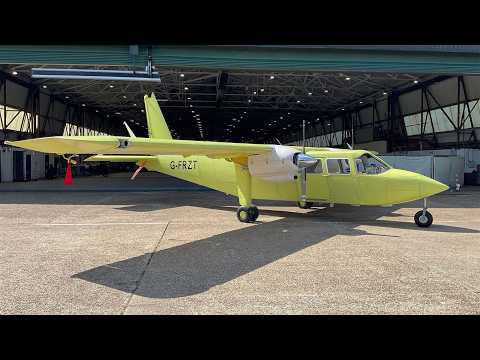
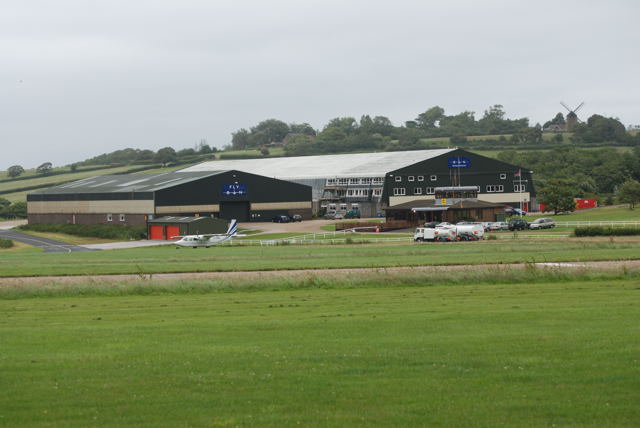
Britten-Norman is a privately owned British aircraft manufacturer and aviation services provider, and the only independent commercial aircraft builder left in the United Kingdom. Its historic home is at Bembridge on the Isle of Wight, although final assembly now takes place at its Lee-on-the-Solent plant at Daedalus Airfield, a former Royal Naval Air Station. Its emblematic product is the BN-2 Islander, a deliberately simple twin-engined utility aircraft able to work from short, rough strips and designed for inter-island schedules and high-density commuter flights. From it come the militarised Defender and the three-engined Trislander, still in service although no longer built. The company grew out of the workshop of John Britten and Desmond Norman and has passed through very different hands — Fairey Aviation, Oerlikon-Bührle, Litchfield Continental and B-N Group — with a long record of subcontracted airframe assembly in Romania. It has sold aircraft to customers in more than 120 countries and combines manufacturing with maintenance, overhaul and repair work as well as subcontract engineering and design.
Britten-Norman in the news
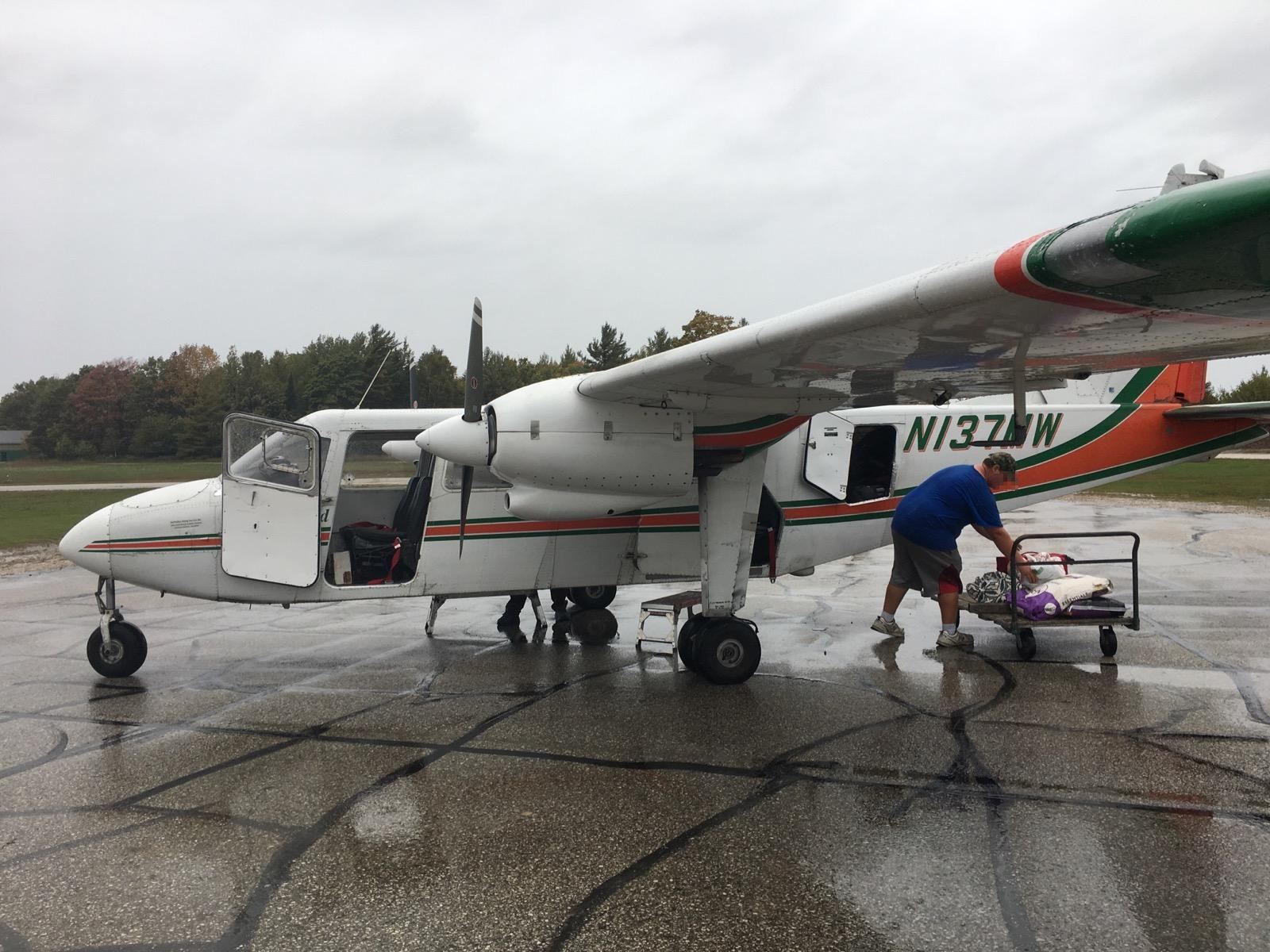
UK-based aircraft interiors specialist, Starling Aerospace, has delivered the fully trimmed crew and passenger seating for aircraft 2317, the first Britten-Norman Islander built in the UK from the…
Tropic Air Charters has taken delivery of its first Tecnam P2012 Traveller as the South Florida operator begins replacing its legacy Britten-Norman aircraft. The aircraft was accepted at Tecnam’s…

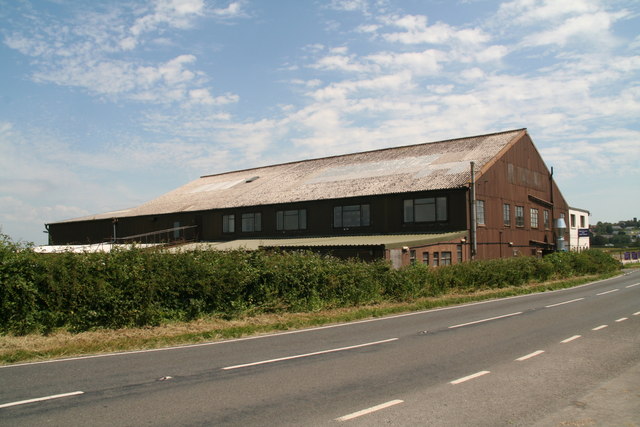
The Britten-Norman Islander had its structures produced in Romania since 1968, although final assembly continued on the Isle of Wight
Britten-Norman carried out the first flight of a BN2 Islander on 3 September, whose airframe was assembled in the United Kingdom from basic components also produced locally. The aircraft…
.jpg)
Aircraft for the Falkland Islands marks the return of complete Islander manufacturing to the Isle of Wight after nearly six decades


-1600.webp)
History
From crop-spraying Tiger Moths to the BN-2 Islander
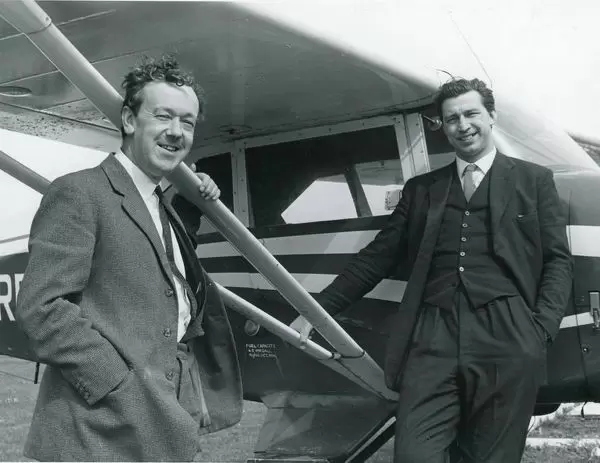
John Britten and Desmond Norman, both trained at De Havilland, began in the middle 1950s by developing crop-spraying equipment and modifying de Havilland Tiger Moths at their workshop near Ventnor, on the Isle of Wight, for a contract in Sudan. From there they turned to aircraft design. Their first project, the BN-1 Finibee, a light single-seat parasol-wing machine, found no company willing to produce it. The two partners then analysed the market in detail and concluded that there was demand for a twin-engined utility aircraft with the minimum of complex systems, able to work from short, rough airstrips and to serve high-density commuter routes as well. That brief became the BN-2 Islander, and the Britten-Norman company was formed precisely to build it; the aircraft first flew in 1965.
Hovercraft and the Nymph that never was
During the 1960s the firm also went into air-cushion vehicles through its subsidiary Cushioncraft Ltd, whose first craft, the CC1, was the world's second hovercraft. Norman additionally designed a four-seat touring aircraft to compete with established types such as the Cessna 172 and the Piper Cherokee: a single prototype of the BN-3 Nymph was built and flown in 1969, but it failed to attract significant orders. Norman set up his own company to produce it under the name Freelance and built components and fuselage sections for six aircraft; the orders still did not come and, after also failing to win a military order for the Firecracker design, the company closed. Following Norman's death in 2002, his son completed one of those Freelances to airworthy condition and planned to finish the remaining five.
The Trislander and a long line of owners
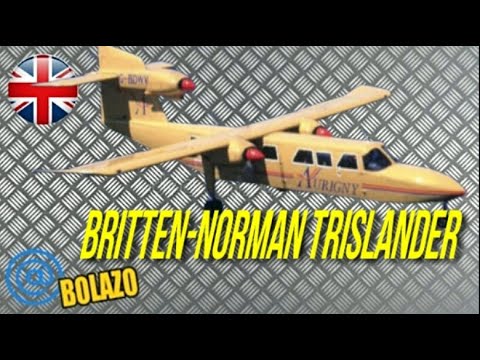
With the Nymph behind it, Britten-Norman kept improving the Islander, which was selling very well, and in 1970 crowned that development with the Trislander, a three-engined version with greater range and capacity. In 1975 the Trislander earned the company the Queen's Award to Industry for technological innovation. Ownership, by contrast, never stopped changing: the Fairey Aviation group bought Britten-Norman in 1973 and, after financial trouble at Fairey, the company passed in 1978 to Oerlikon-Bührle, owner of Switzerland's Pilatus Aircraft — hence the Pilatus Britten-Norman designation carried by some aircraft. Oerlikon-Bührle later sold it to Litchfield Continental and Biofarm, and in 2000 the assets were acquired by B-N Group.
The company today
Britten-Norman holds the title of sole independent commercial aircraft producer in the United Kingdom, with an industrial arrangement split across two countries: airframes have been assembled under subcontract in Romania for more than fifty years and used to travel to Britain for finishing and certification, while manufacturing is now concentrated at Lee-on-the-Solent, at Daedalus Airfield, with spare parts production continuing at Bembridge and sub-assemblies still arriving from the Romanian plant. To the catalogue — the Islander and the Defender, both capable of short take-off and landing, plus the Trislander, in service but out of production — the company adds maintenance, overhaul and repair work and subcontract engineering and design. In March 2024 it announced new investment from a group of investors led by 4D Capital Partners LLP.
Catalog — Aircraft
- 1951
Britten-Norman BN-1 Sheet pending
- 1965
Britten-Norman Islander
The Britten-Norman Islander is a British light utility twin carrying a pilot and up to nine passengers, designed in the 1960s for short-haul work between small and poorly prepared airstrips. It first flew on 13 June 1965, was certified in the United Kingdom in August 1967 and remains in production, with 1,280 aircraft built and a return to its original Bembridge factory announced in 2023.
- 1969
NAC Freelance Sheet pending
Variants (2)
- BN-3 Nymph
- NAC-1 Freelance
- 1970
Britten-Norman Trislander Sheet pending
Variants (6)
- BN-2A Mk III-1
- BN-2A Mk III-2
- BN-2A Mk III-3
- BN-2A Mk III-4
- BN-2A Mk III-5 (proyecto)
- Trislander M (proyecto)