Did you know…
Why did the US Navy prefer radial engines?
Short answer
The US Navy knew radial engines were much simpler to maintain and that their rugged design could absorb combat damage and keep flying. An inline engine was far more vulnerable to a hit on its cooling system that could seize the engine. That cooling also added complexity and maintenance.

The US Navy's preference for radial engines stemmed from a simple idea: they were much easier to maintain.
Fewer systems to look after
The cooling systems that came with inline designs added complexity and required more maintenance. The radial was also a trusted engine. The US Navy assumed a radial was far simpler to maintain.
Withstanding hits
The radial's design was rugged: it could absorb combat damage and keep flying. An inline engine, by contrast, was far more vulnerable to hits on its cooling system, risking the engine seizing up. That combination of ruggedness and the ability to keep flying after taking damage was part of the Navy's reasoning.
The F4U Corsair as an example
The F4U incorporated the largest engine available at the time: the 18-cylinder Pratt & Whitney R-2800 Double Wasp radial, producing 2,000 hp (1,500 kW). The propeller clearance problem was solved by placing the main landing gear at the lowest point of the V formed by each wing, allowing for a short, sturdy landing gear leg.
More questions
L-Bit (CC BY SA), vía commons Military aviation
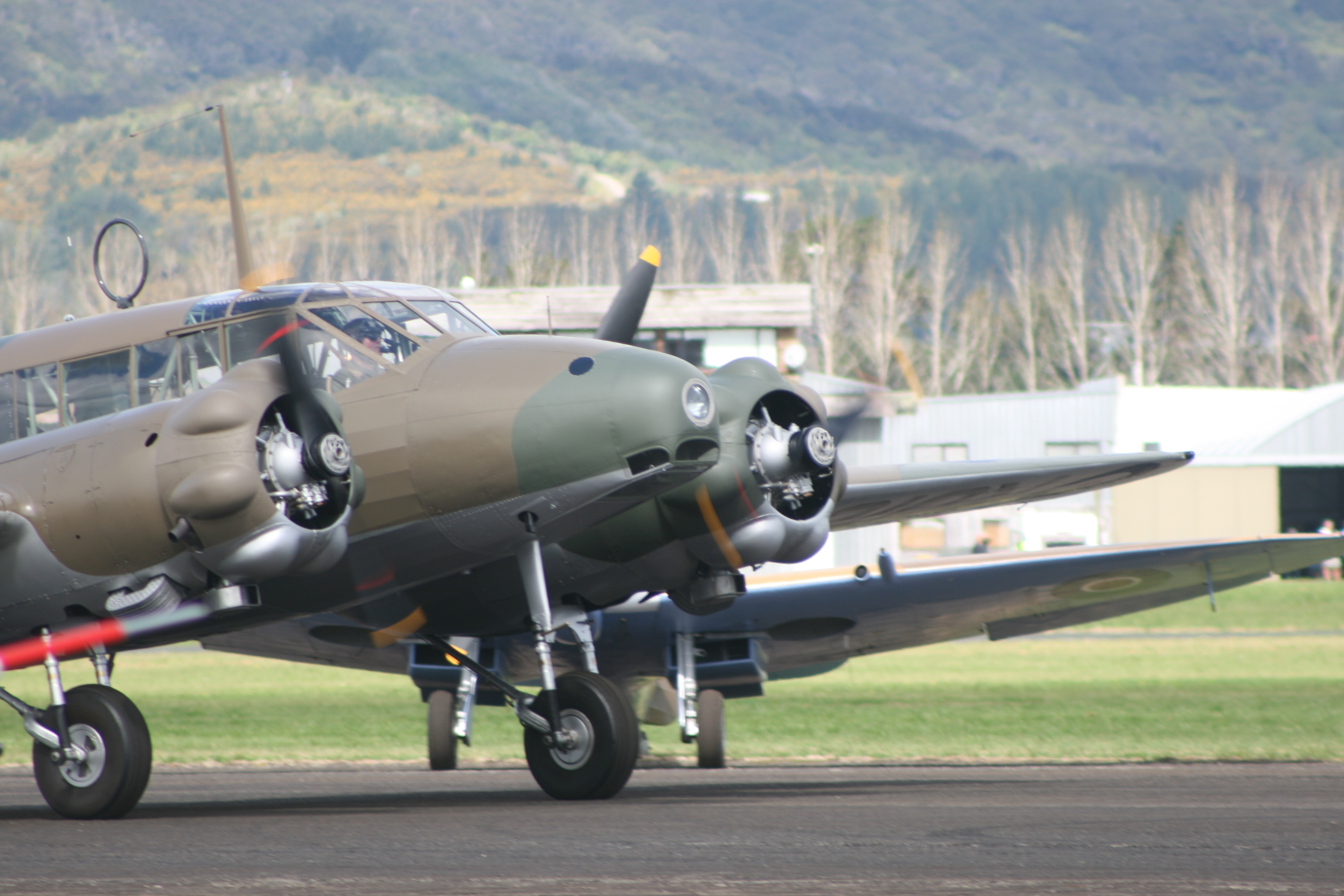
How many Anson Mk I were built?
6,688 or 6,742 Avro Anson Mk I were built, according to different sources; History of War, which gives the second figure, places 3,935 at Woodford and the… more…
Military aviation
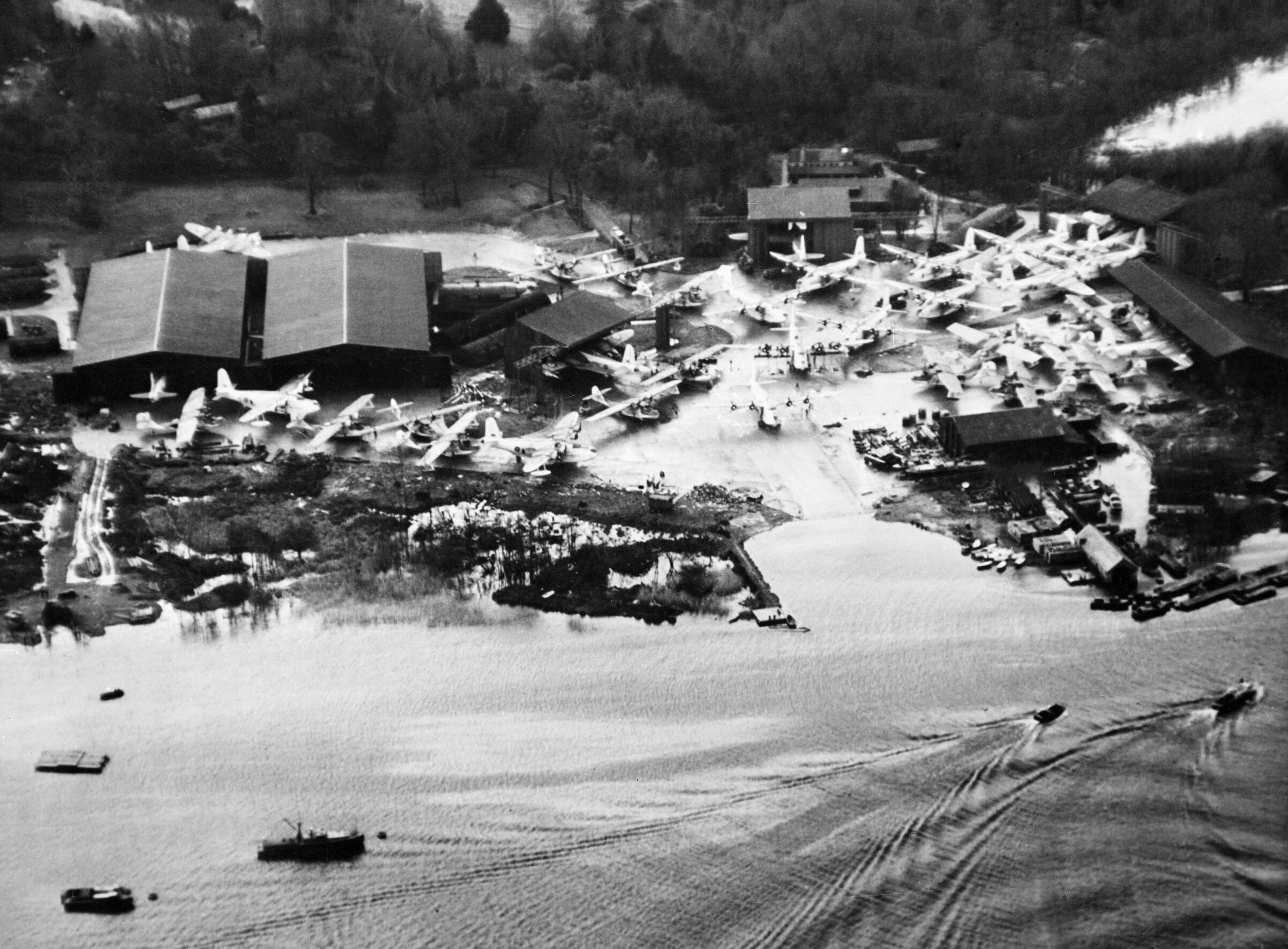
Which flying boats rescued the crew of the Kensington Court in 1939?
They were two RAF Sunderland flying boats: according to uboat.net, an aircraft of Squadron 228 and L5802 of Squadron 204 landed on the water next to the… more…
Military aviation
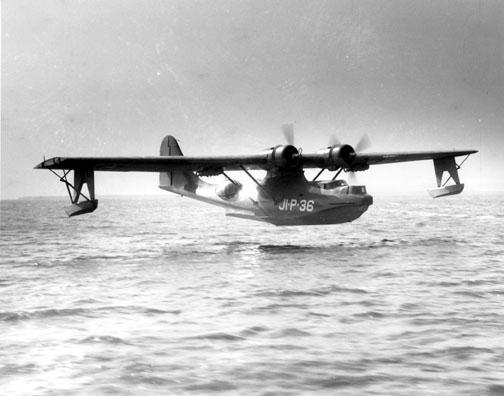
How long did Catalina convoy escort flights to the USSR last?
Many of the Catalina flights protecting convoys to the Soviet Union lasted between 15 and 20 hours and ended at Gryaznaya Bay (Murmansk) or at Arkhangelsk… more…
Military aviation
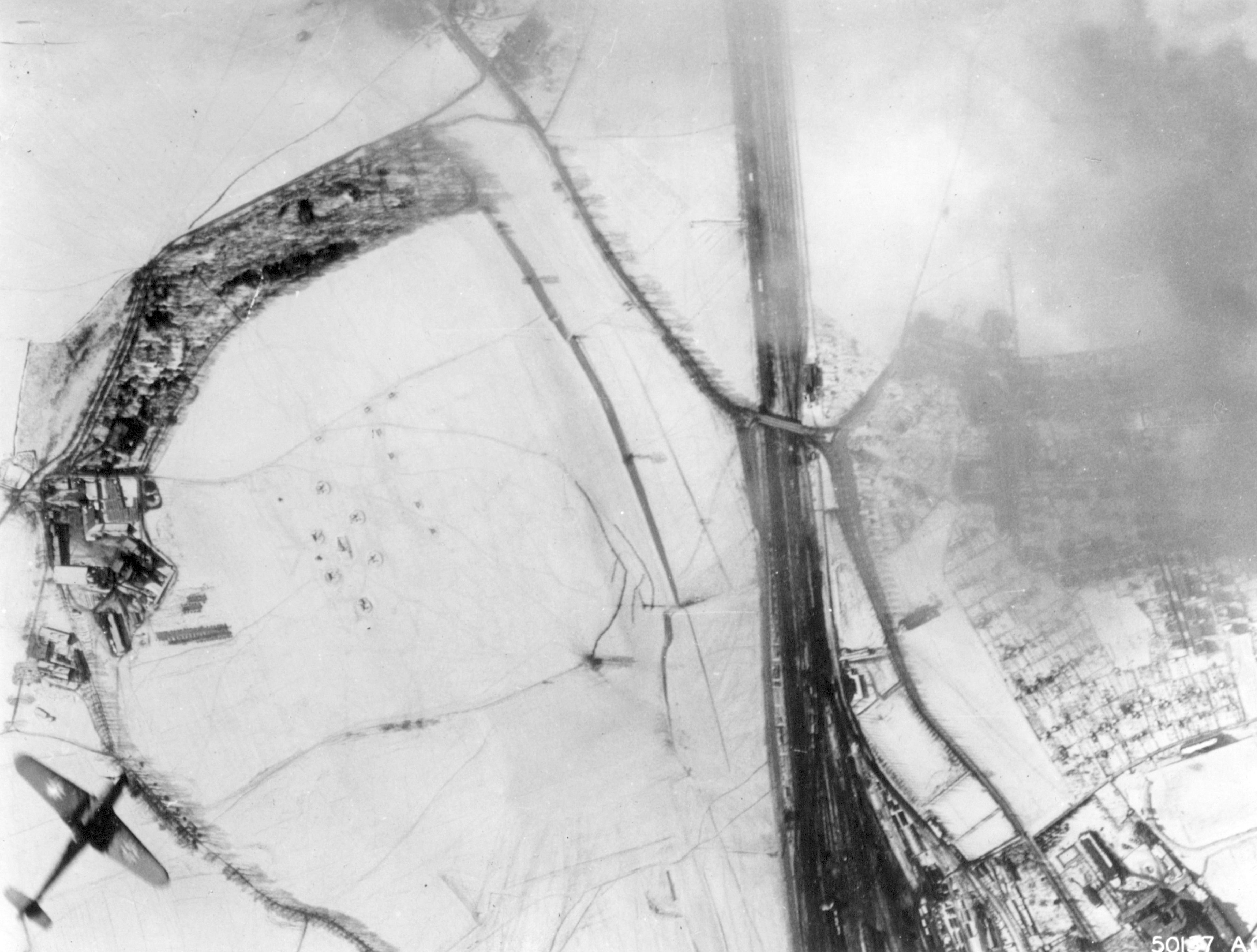
How many aircraft did the Axis lose in Crusader?
Around 332 aircraft destroyed and around 228 abandoned in the operation's tally, which took place between 18 November and 30 December 1941. According to their… more…
Military aviation
How many victories did No. 604 Squadron, the RAF night-fighter squadron, claim?
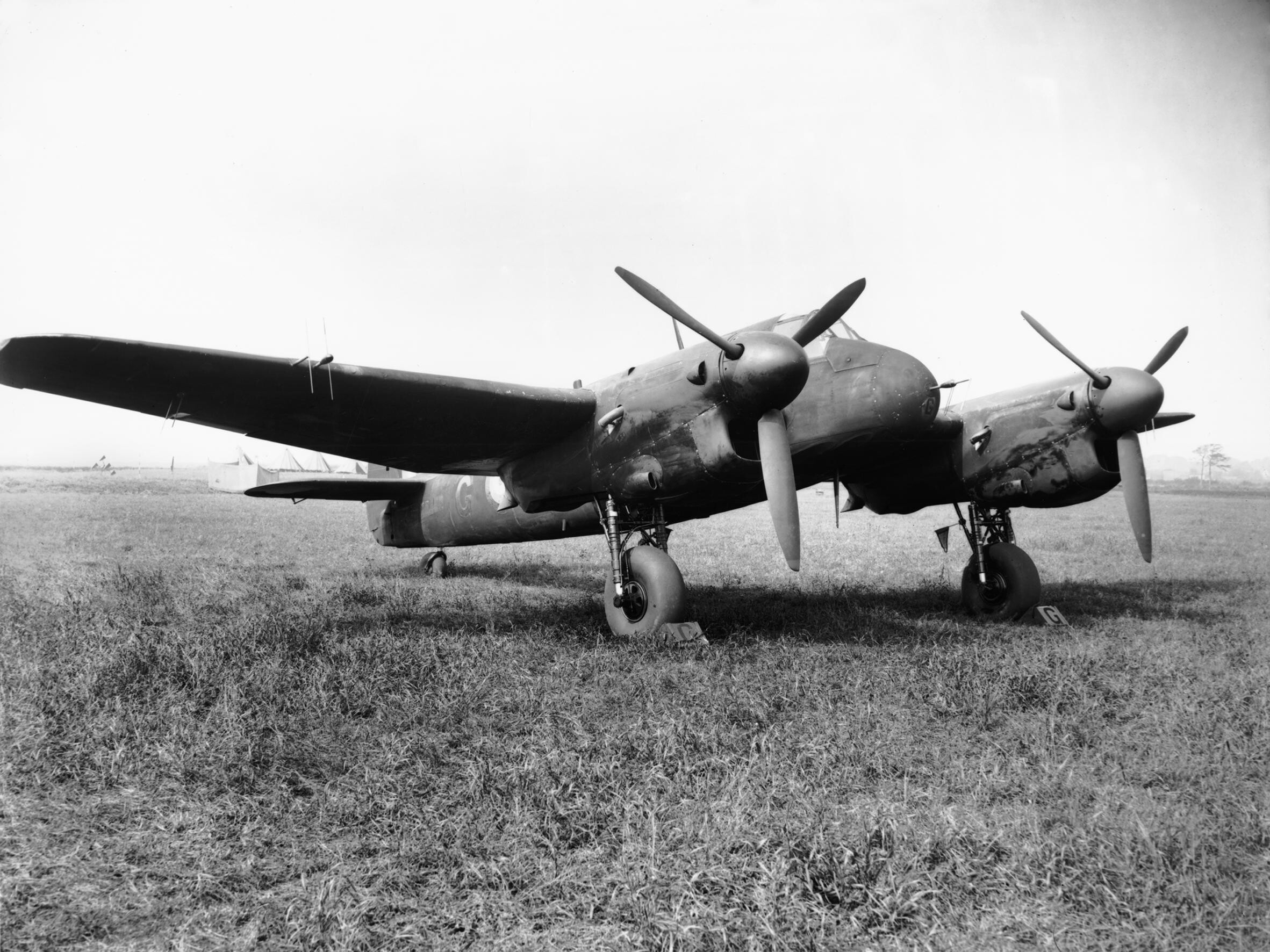
Around 127 aerial victories over the course of the war, 41 of them since May 1944. No. 604 (County of Middlesex) Squadron RAF spent most of the Second World… more…
Military aviation
Why did the "Torch" P-40Fs carry a flag on the fuselage?
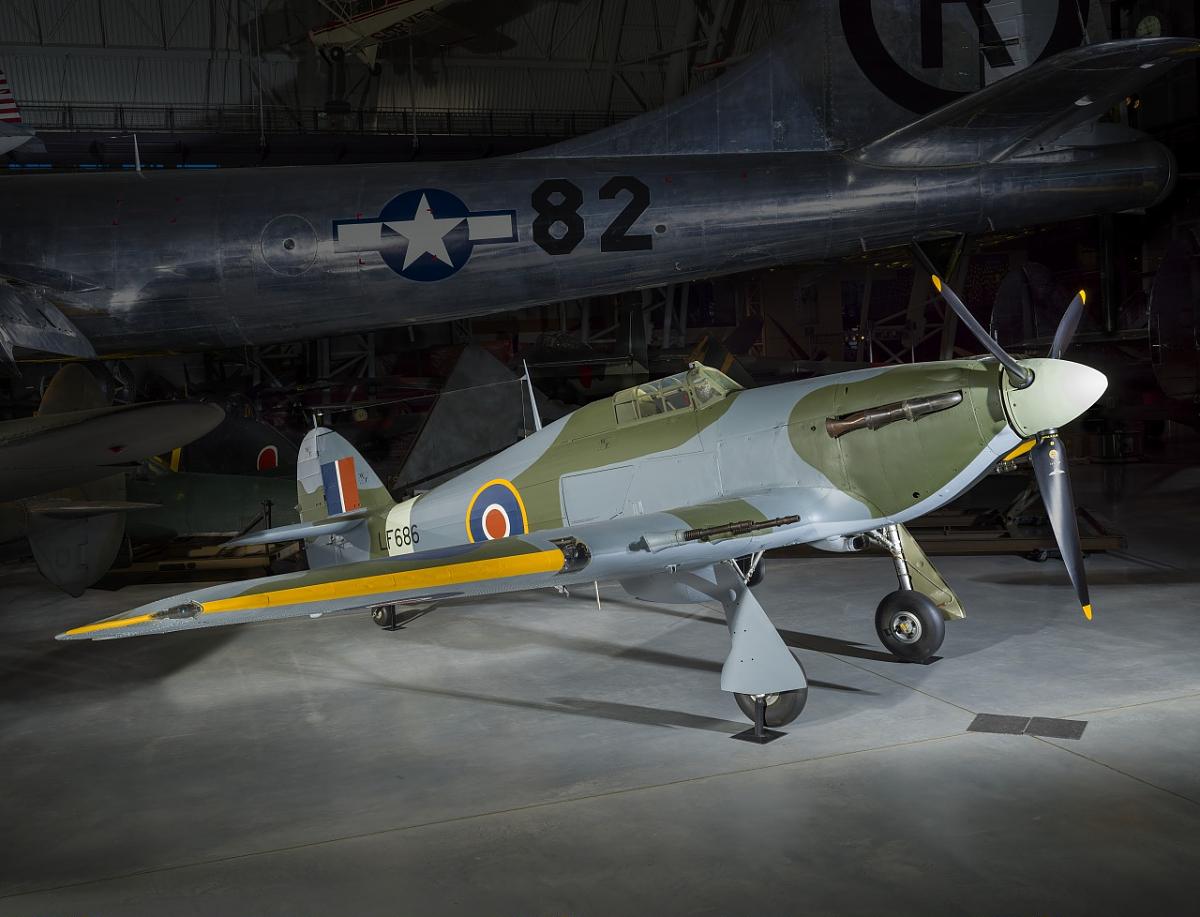
To deter Vichy French forces from shooting them down: aircraft with yellow-outlined roundels sometimes had an American flag added in front of the roundel. The… more…


