Family: H3 · Mitsubishi Heavy Industries
H3-30
Launch statistics
- 1
- Launches (as of July 27, 2026)
- 1
- Successes
- 0
- Failures
- 100.0 %
- Success rate
_from_Tanegashima%2C_7_March_2023-1600.webp)
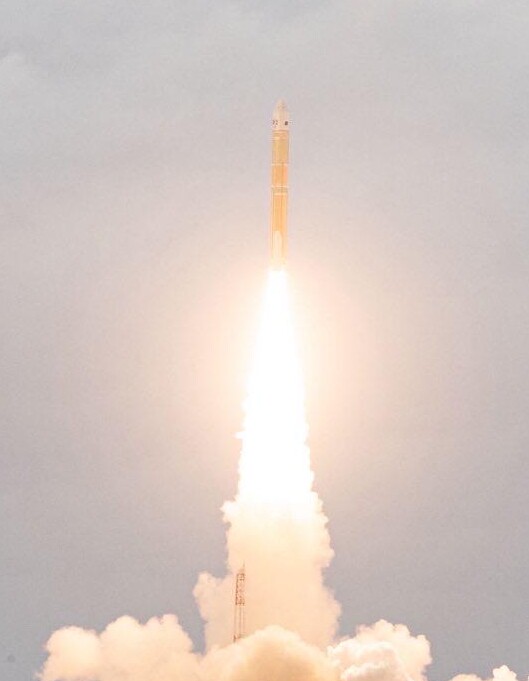


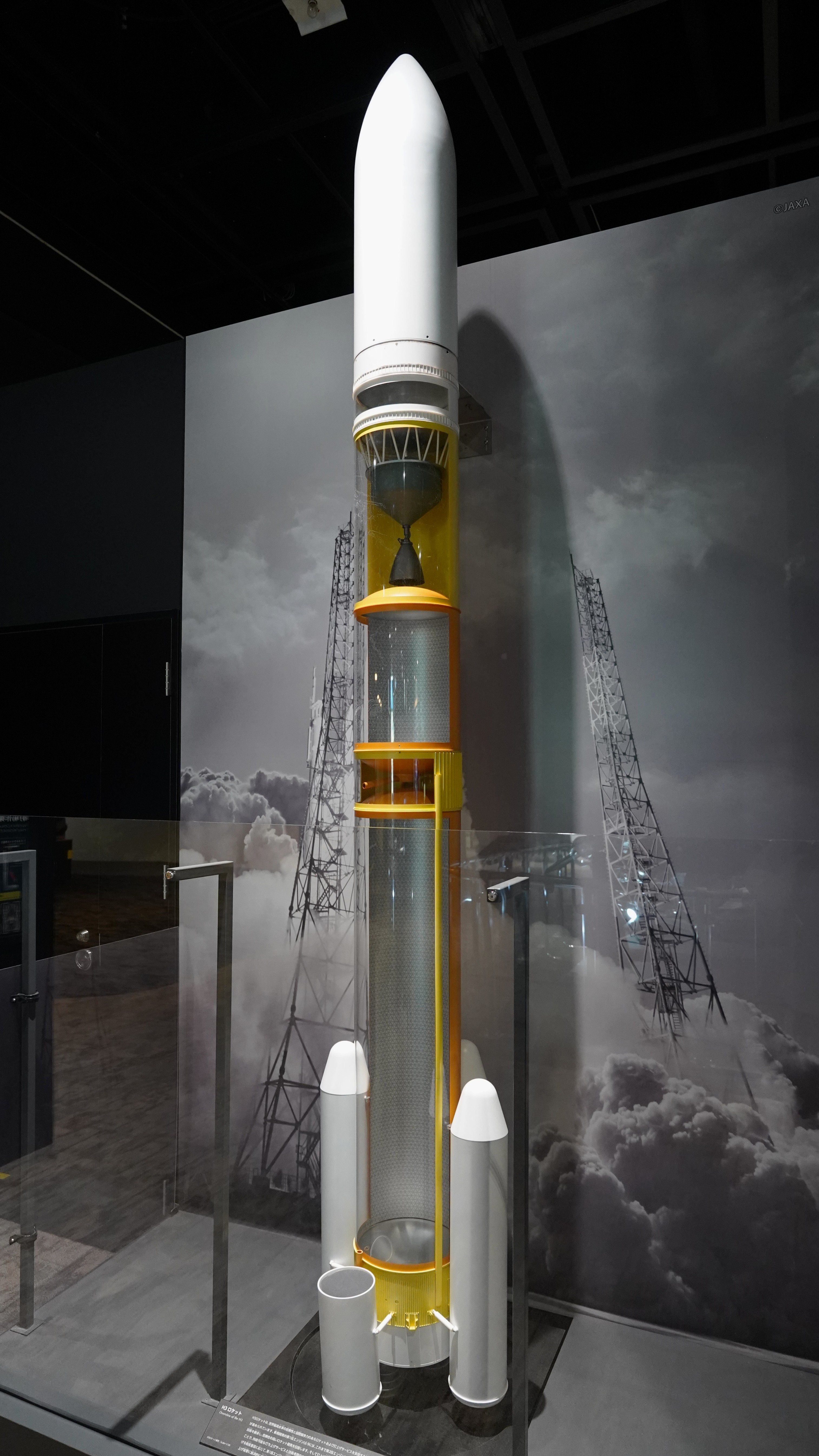
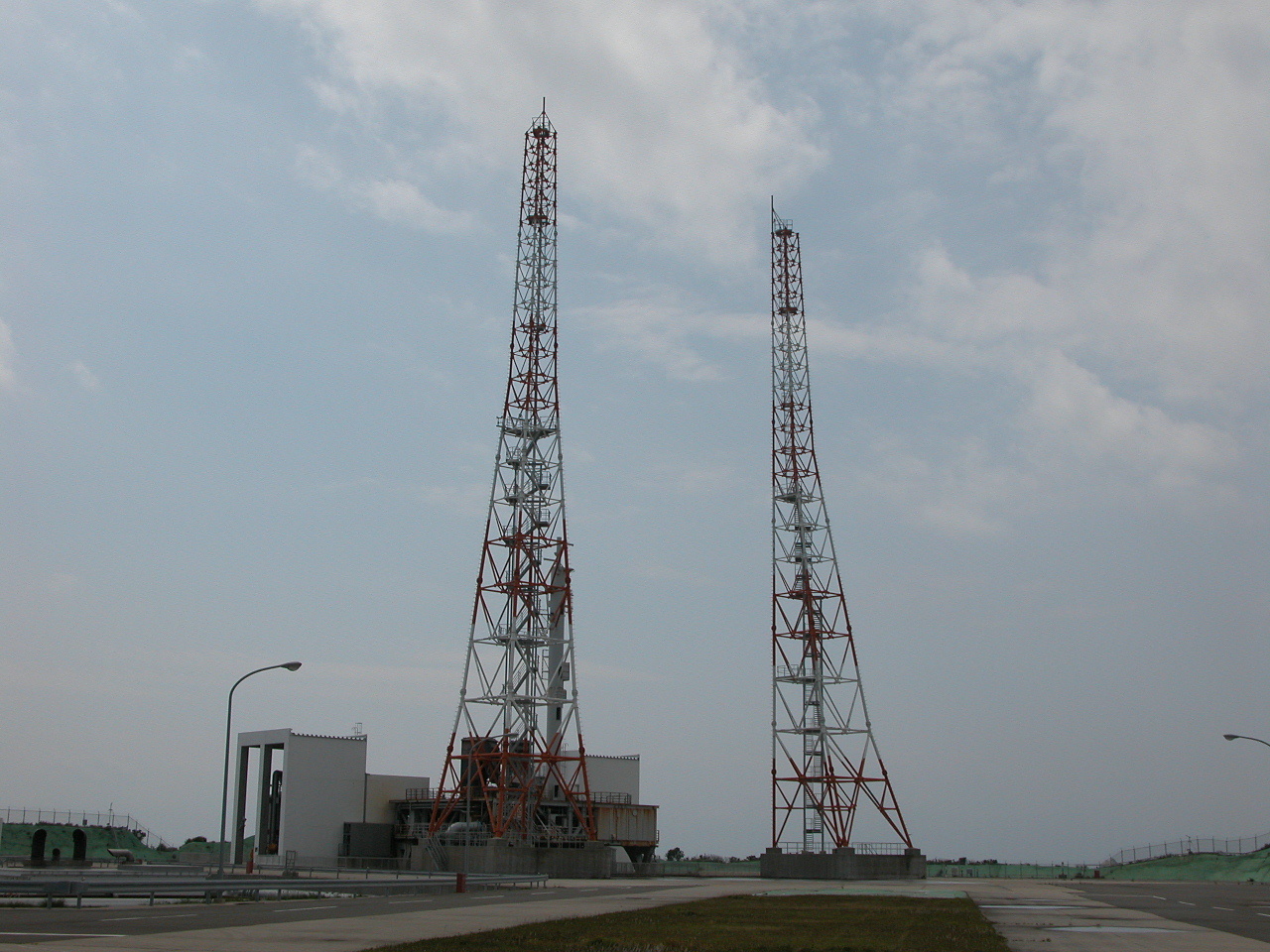
The H3-30 is a specific configuration of the H3, the Japanese medium-lift launch vehicle developed by JAXA and Mitsubishi Heavy Industries as the successor to the H-IIA and H-IIB. H3 configurations are identified by two digits and a letter: the first digit gives the number of LE-9 engines on the core stage (two or three), the second the number of SRB-3 solid rocket boosters fitted (zero, two or four), and the final letter specifies the fairing, short (S), long (L) or wide (W). The H3-30 is therefore the version with three LE-9 engines and no solid boosters. That combination makes it a singular case: by dispensing entirely with solid rocket boosters, the H3-30 is a fully liquid-propellant launcher, burning liquid hydrogen and liquid oxygen in both stages. Its liftoff mass is 271 tonnes, well below the 420 of the H3-22 or the 575 of the H3-24, and with the short fairing the vehicle stands 57 m tall on a 5.27 m diameter. The H3-30 was conceived as the family's low-cost variant, aimed primarily at government customers. It can carry up to 4,000 kg to Sun-synchronous orbit for about ¥5 billion, roughly half the cost of an H-IIA, with the declared intention of matching SpaceX's Falcon 9 on price. It flies from the LA-Y2 complex at the Tanegashima Space Center.
Three-view drawing
History
The H3 programme
The Japanese government approved the H3 programme on 17 May 2013 and detailed development began in 2014, with Mitsubishi Heavy Industries as prime contractor and JAXA as partner on the propulsion system. The key to lowering costs was the new LE-9 engine, which uses an expander bleed cycle, a combustion method previously used only on upper-stage engines such as the LE-5A and never before on a first stage. As early as 2015 JAXA planned to debut the rocket in precisely the H3-30 configuration, without solid boosters, and to fly the booster-equipped version afterwards.
A troubled debut
Those plans were reversed. The first launch attempt, on 17 February 2023, was aborted shortly before ignition of the SRB-3 boosters even though the main engines had already lit. The second attempt, on 7 March 2023, ended in failure: the second-stage engine did not ignite and JAXA commanded destruction of the vehicle and the ALOS-3 satellite. After the investigation and corrective measures, the second test vehicle flew successfully on 17 February 2024. The H3-24 configuration debuted on 26 October 2025 with the first HTV-X cargo mission to the International Space Station, and an H3-22S failed on 22 December 2025 in what JAXA attributed to a failure of the payload support structure after fairing separation.
Debut of the 30 configuration
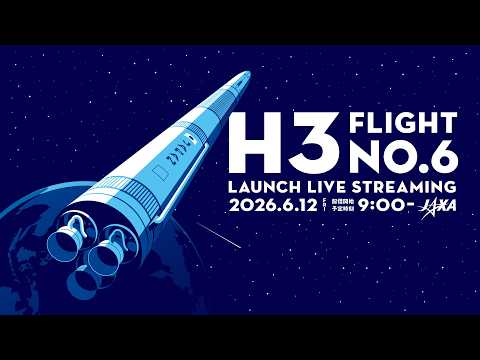
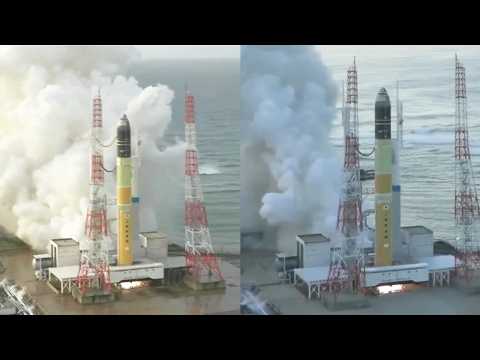
Flight F6, the first of the H3-30 configuration, was delayed after defects were found during a captive firing test in July 2025. It finally lifted off on 12 June 2026 in the H3-30S variant, returning the H3 to flight and placing JAXA's fifth Vehicle Evaluation Payload, VEP-5, into orbit alongside rideshares PETREL, STARS-X, BRO-22, VERTECS, HORN-L and HORN-R. It was Japan's first launch of an all-liquid-propellant orbital rocket and the first rocket whose engines use only the expander bleed cycle.
Launch timeline
| Date | Launch site | Program | Outcome | Payload |
|---|---|---|---|---|
| Jun 12, 2026, 12:53 AM | Yoshinobu Launch Complex LP-2 | — | Success | Test flight of the H3-30 variant of the H3 launch vehicle with 3 LE-9 engines in the first stage and no SRBs. The flight will carry a dummy main payload (Vehicle Evaluation Payload 5, VEP-5) and several hitchhiking small satellites: * PETREL * STARS-X * BRO-22 * VERTECS * HORN-L/R |
Versions
| H3-22S | H3-24W | H3-30S | H3-22L | H3-24L | |
|---|---|---|---|---|---|
| First launch | March 7, 2023 | October 26, 2025 | June 12, 2026 | — | — |
| Last launch | December 22, 2025 | October 26, 2025 | June 12, 2026 | — | — |
| Height | 57 m | 63 m Best value in this row | 57 m | 63 m Best value in this row | 63 m Best value in this row |
| Diameter | 5.3 m Best value in this row | 5.3 m Best value in this row | 5.3 m Best value in this row | 5.3 m Best value in this row | 5.3 m Best value in this row |
| Stages | 2 Best value in this row | 2 Best value in this row | 2 Best value in this row | 2 Best value in this row | 2 Best value in this row |
| LEO capacity | — | 16,000 kg Best value in this row | — | — | 16,000 kg Best value in this row |
| GTO capacity | — | 7,900 kg Best value in this row | — | — | 7,900 kg Best value in this row |
| Reusable | No | No | No | No | No |
Images






![2026年3月15日 H3ロケット6号機(30形態試験機)第2回1段実機型タンクステージ燃焼試験(CFT)[4K]](https://i.ytimg.com/vi/wYgDYqw6GWU/hqdefault.jpg)

![[A few tense seconds] Can it fly without a booster?! The H3 rocket's "30 configuration" attempts ...](https://i.ytimg.com/vi/vH_S8PH8Wog/hqdefault.jpg)
