France · 1970–2000
Aérospatiale
French state-owned aerospace company, prime contractor for the Ariane 5 launcher at its entry into service; absorbed by EADS in 2000.
Aérospatiale in the news

Testia, an Airbus company, is celebrating its 35th anniversary. The company was founded in 1991 by Airbus predecessor Aérospatiale alongside testing, inspection, and certification provider Bureau…
Founded on 4 November 1981 following the alliance of European manufacturers Aérospatiale and Aeritalia, ATR…
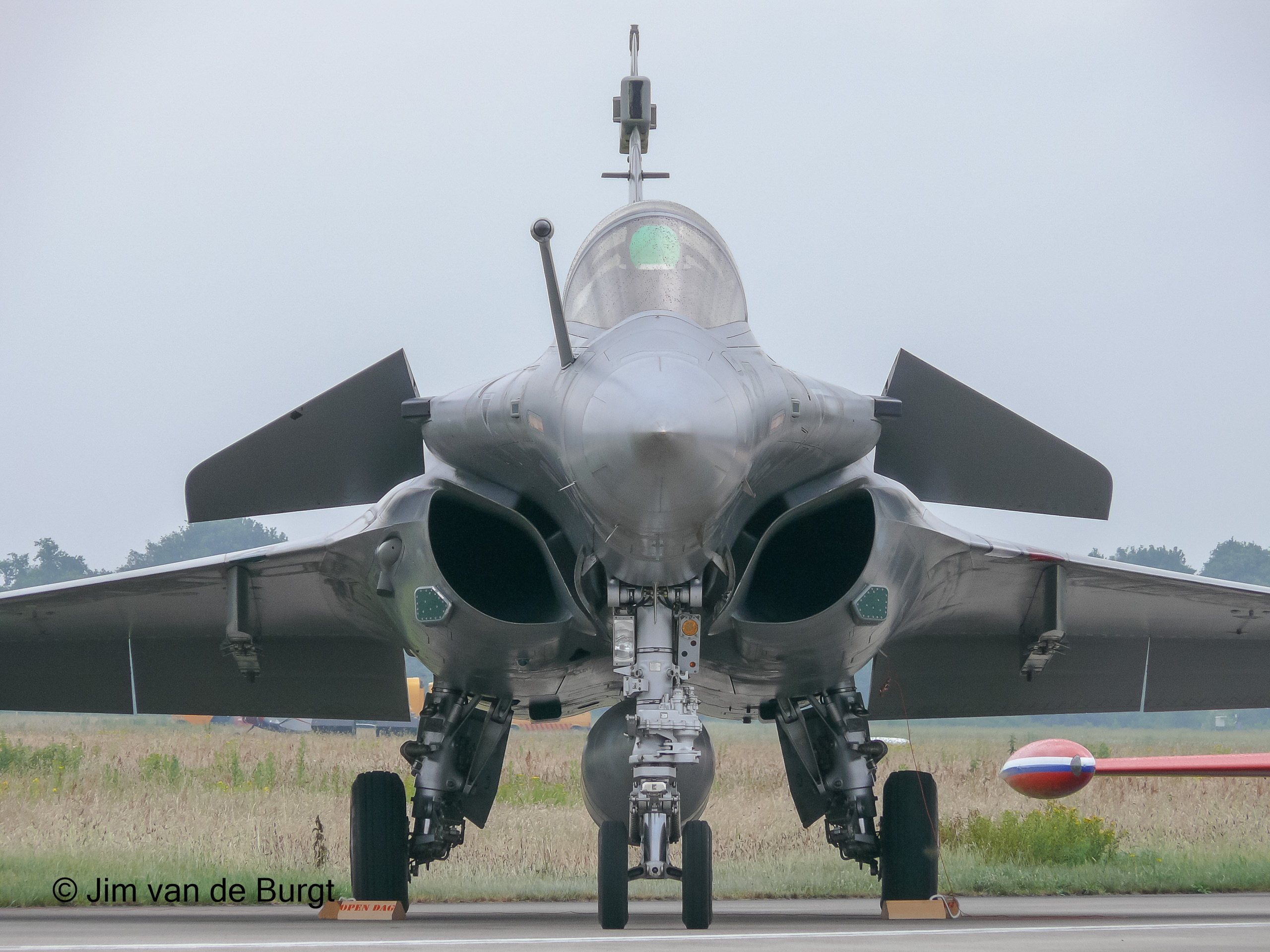
In June, Germany's aerospace industry finally got what it wanted: the end of cooperation with Dassault Aviation to develop a next-generation fighter jet [NGF –…
Did Russia's aerospace forces ever imagine that one day five of their strategic bomber bases would be attacked almost simultaneously by swarms of FPV drones…
The Colombian Aerospace Force (FAC) has signed a contract with Embraer for two KC-390 Millennium transport aircraft. The deal was officially signed in Bogota on 4 August. […]…


Catalog — Aircraft
- March 2, 1969
Concorde
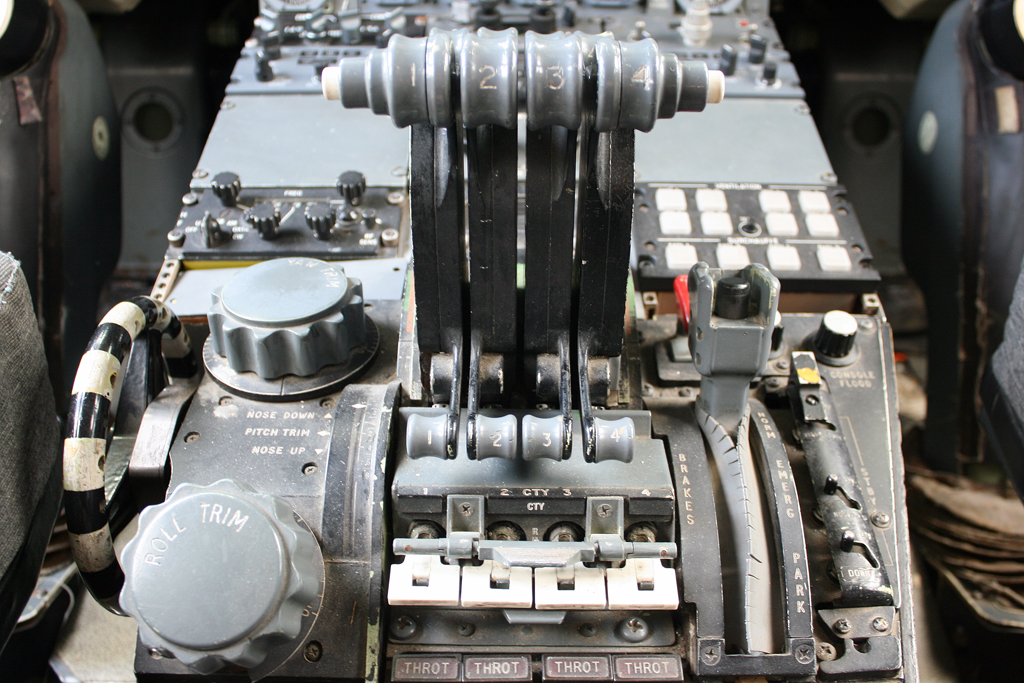
Concorde is the supersonic airliner jointly developed by France and the United Kingdom, and the only one to sustain a long commercial career. It grew out of the intergovernmental agreement of November 1962, drafted as a treaty so that neither partner could walk away without a heavy political price, and split the work between Sud Aviation — later Aérospatiale — and the British Aircraft Corporation, with the engines entrusted to Bristol Siddeley, later Rolls-Royce, and to Snecma. Technically it is a slender ogee delta with a drooping nose and four reheated Olympus 593 turbojets, able to cross the Atlantic at a little over twice the speed of sound. Its cruising speed was set not by available thrust but by heat: the aluminium alloy skin could sustain about 127 °C, and that limit pegged the aircraft at Mach 2.02. Variable-geometry intakes, governed by the first digital processors with full authority over an essential system in a passenger aircraft, supplied most of the installed thrust in cruise. It first flew in March 1969 and entered service on 21 January 1976 with British Airways and Air France simultaneously. The sonic boom, which barred supersonic flight over inhabited land, confined it to oceanic routes; the oil crisis destroyed its economic premise and only twenty airframes were built. The transatlantic axis to New York, opened in 1977 after a legal battle, was its only consistently profitable route. The crash of Air France Flight 4590 at Gonesse in July 2000 — the type's only fatal accident — combined with the collapse of premium transatlantic traffic and the cost of keeping a tiny, ageing fleet flying, led to its retirement in 2003. Its legacy lies not in a descendant that never came but in the engineering and the symbolism it left behind: almost half a century later it remains the benchmark any supersonic transport project has to beat.
Catalog — Rockets
- 1996
Ariane 5
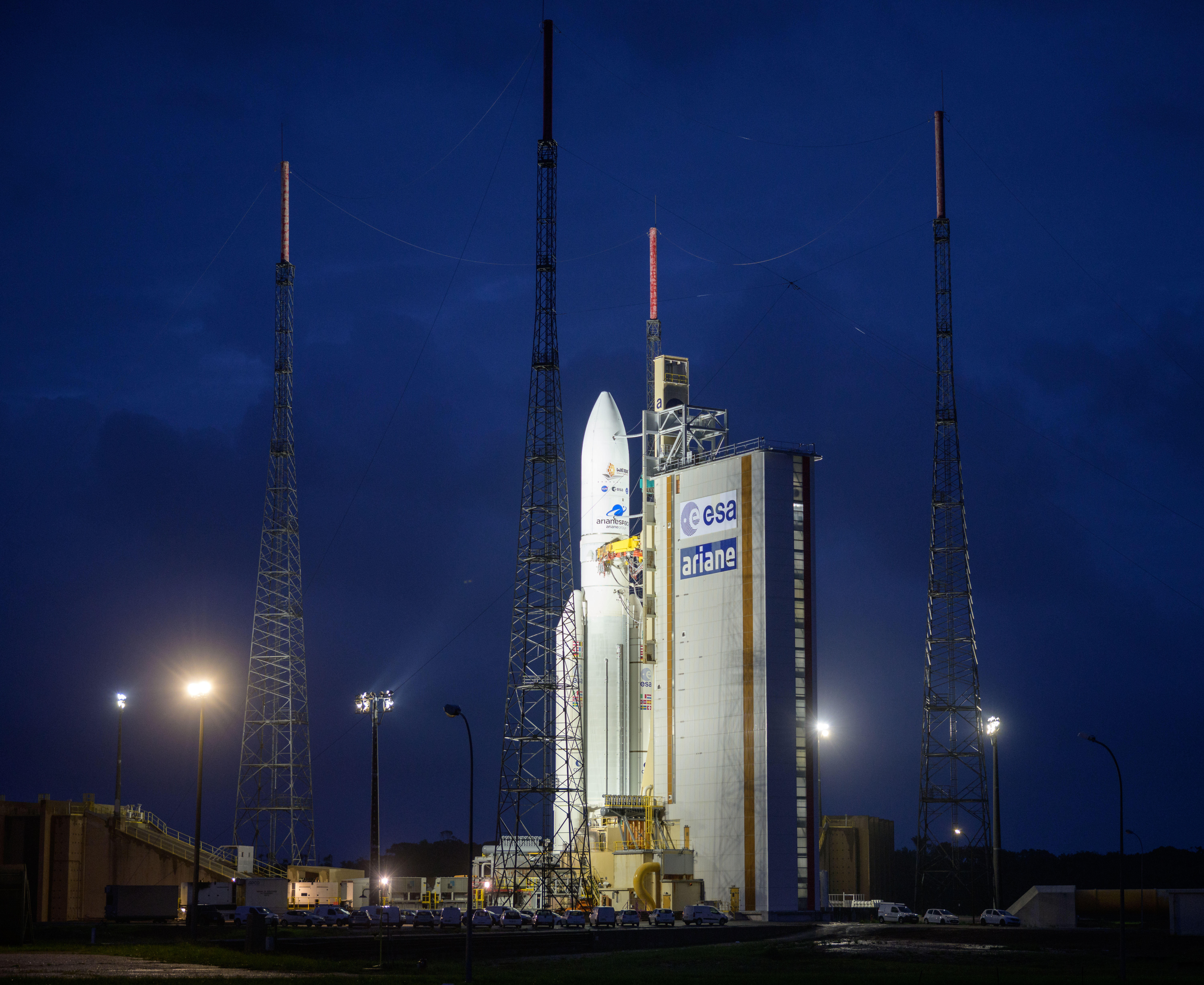
Ariane 5 was the European heavy-lift launcher that for almost three decades gave the European Space Agency its own access to geostationary orbit from French Guiana. After a catastrophic debut in 1996 it strung together 82 consecutive successes and bowed out on 5 July 2023, having placed the James Webb Space Telescope among its payloads.
Videos


Did you know… about Aérospatiale
- Which was the first AS 350 to fly?
The first to fly was the initial AS350C prototype, fitted with a Lycoming LTS101 turboshaft, which made its maiden flight on 27 June 1974 at Marignane…
- What is the Starflex rotor?
It is the rotor head with which Aérospatiale did away with the traditional breakdown into parts: with the Star Flex there is only one piece, leading to…