Space launch
Launch of Zarya, first module of the International Space Station
November 20, 1998
On 20 November 1998 a Russian Proton rocket lifted off from the Baikonur Cosmodrome, in Kazakhstan, carrying Zarya, the first component of the International Space Station. With its arrival in orbit began the step-by-step assembly of the future station, a task that would continue for a decade.
Zarya, a name that in Russian means "dawn", was a cargo module that supplied power through batteries and fuel storage, and that gave the assembly rendezvous and docking capability for Soyuz and Progress spacecraft.
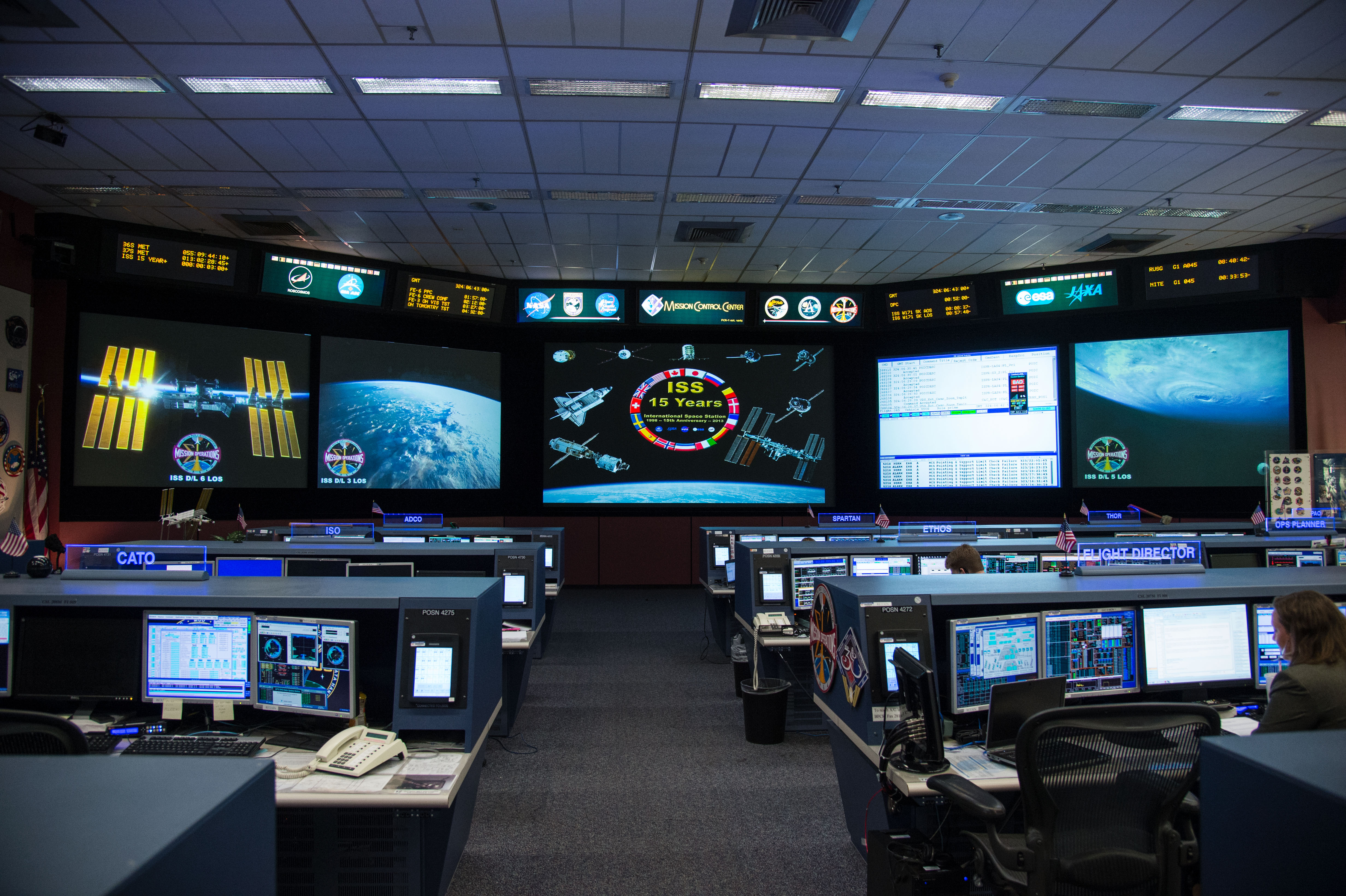
The construction that began with Zarya required more than 30 missions. Starting from a modest pair of modules, one American and one Russian, the station kept growing until it formed a 460-tonne platform with dimensions similar to those of an American football field. When marking the twentieth anniversary of the launch, the ISS National Laboratory described that step as the beginning of the world's most spectacular scientific and engineering endeavor.
Did you know… about Launch of Zarya, first module of the International Space Station
- How long astronauts stay in space?
Most crew members fly a standard increment of about six months aboard the International Space Station. A few have stayed far longer: the endurance record for…
- How fast do astronauts travel in space?
About 28,000 km/h (17,500 mph) for anyone aboard the International Space Station — roughly 5 miles per second, one lap of the planet every 90 minutes. Orbital…
- What do astronauts eat in space?
Real food, not pills. Aboard the International Space Station, crews combine rehydratable dishes mixed with hot water, thermostabilized food in pouches or…