Did you know…
How fast do astronauts travel in space?
Short answer
About 28,000 km/h (17,500 mph) for anyone aboard the International Space Station — roughly 5 miles per second, one lap of the planet every 90 minutes. Orbital speed is set by altitude rather than by engine power, and because crew and station fall together, nobody on board feels any of it.
-1600.webp)
Orbit is a speed, not a place
What keeps a spacecraft up is not height but pace. At station altitude the vehicle is still deep inside Earth's gravity well; it stays up because it moves sideways fast enough that the curve of its fall matches the curve of the planet beneath it. NASA quotes about 28,000 km/h (17,500 mph), close to 5 miles per second, which works out at one orbit every 90 minutes and sixteen sunrises a day. The figure is not a choice. Slow down and the orbit decays into the atmosphere; speed up and it climbs to a higher, slower one.
Beyond low Earth orbit
The number rises as soon as a crew leaves that regime. Escaping Earth's pull altogether takes around 11.2 km/s, roughly 40,000 km/h, and Apollo crews were accelerated to close to that value by the Saturn V's third stage before coasting towards the Moon, losing speed the whole way out. Coming home, every bit of that energy had to be shed again into the atmosphere, which is why lunar-return capsules needed a far deeper heat shield than anything dropping back from low orbit.
Why nobody feels it
Speed by itself produces no sensation; acceleration does. Once the engines shut down, crew and vehicle share an identical free-fall trajectory, so nothing presses anyone into a seat and there is no way to distinguish 28,000 km/h from standing still except by looking out of a window. Relative speeds are what matter operationally: a visiting cargo ship closes the last few metres at walking pace, because both vehicles are already travelling at almost exactly the same enormous velocity.
More questions
.jpg)
Astronauts and life in space
Why does astronauts float in space?
Because they are in free fall, not because gravity is absent. At the International Space Station's altitude of about 400 km, Earth still pulls almost as hard… more…
YSSYguy (CC BY SA), vía commons Astronauts and life in space
Why did yuri gagarin die?
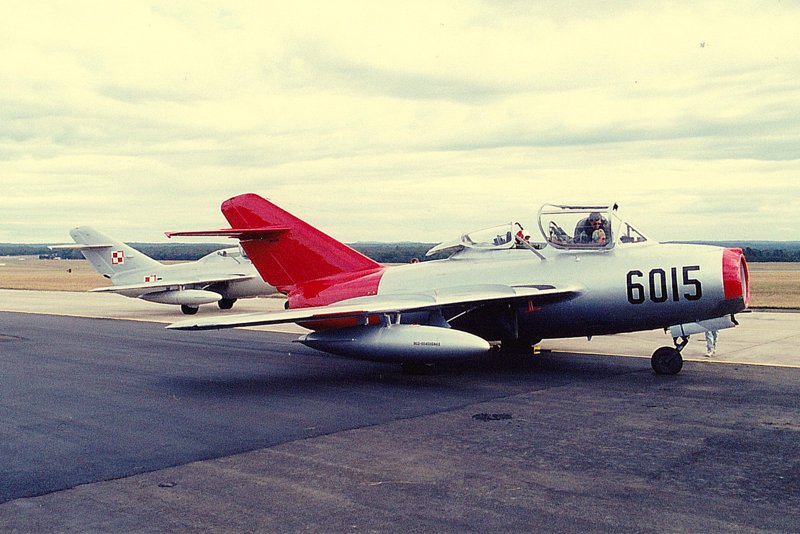
Gagarin died in an aircraft crash, not in a spacecraft. On 27 March 1968 the MiG-15UTI trainer he was flying with instructor Vladimir Seryogin went down in… more…

Astronauts and life in space
How much an astronaut is paid?
NASA's civilian astronauts are ordinary federal employees, paid on the General Schedule grade-and-step scale with no bonus per flight, per spacewalk or per… more…
.png)
Astronauts and life in space
Why is blue origin so slow?
Blue Origin was built on deliberate, owner-funded incrementalism: its motto is Gradatim Ferociter, step by step, and it spent its first two decades on… more…
Astronauts and life in space
When did astronauts last walk on the moon?
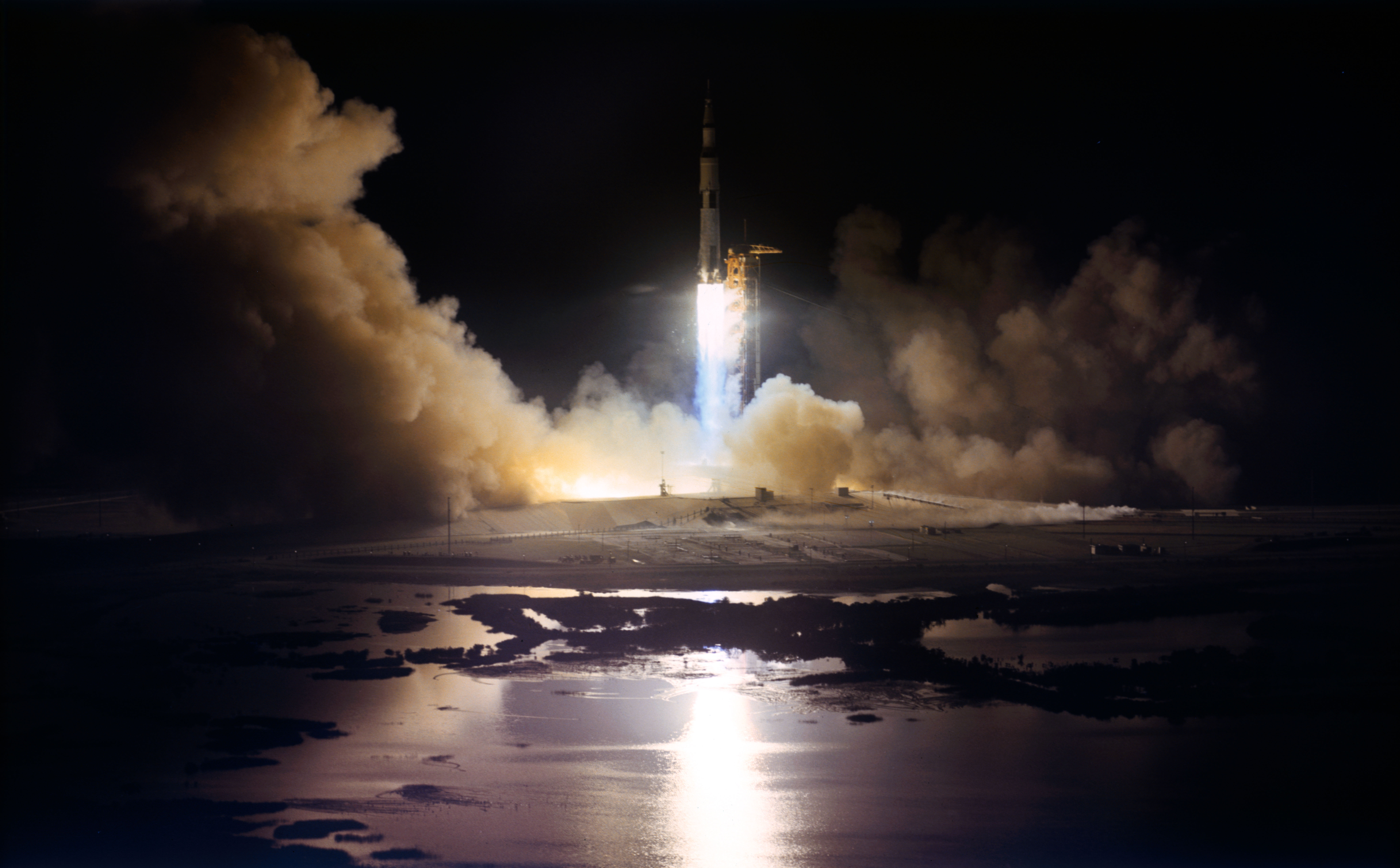
Apollo 17, in December 1972. Eugene Cernan and Harrison Schmitt landed in the Taurus-Littrow valley on 11 December 1972, worked on the surface for three days… more…
Astronauts and life in space
How high do astronauts orbit the earth?
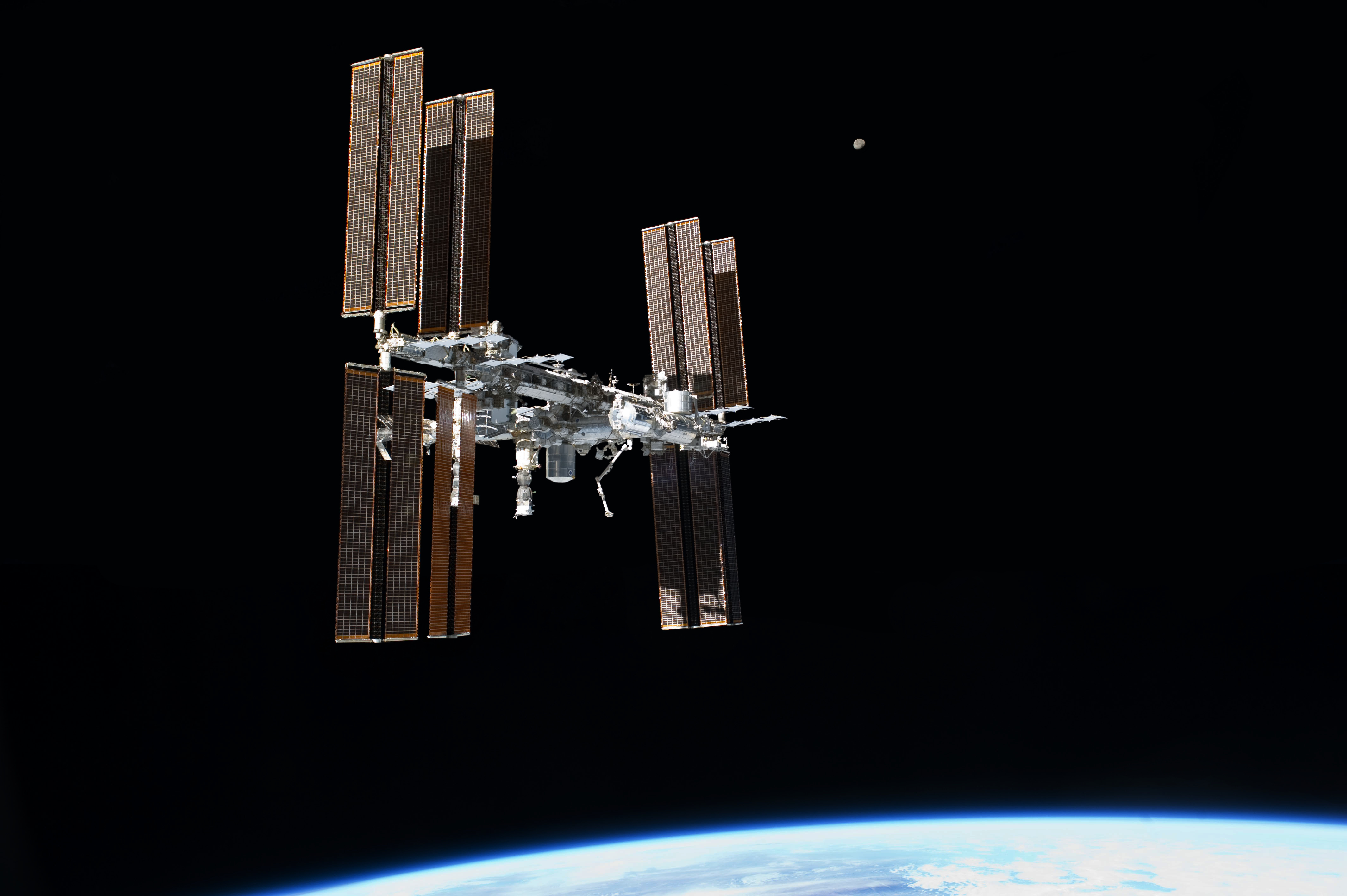
Crewed spaceflight today happens a few hundred kilometres up. The International Space Station orbits at about 400 km, lapping the planet roughly every 90… more…


