Did you know…
How did German submarines know a Sunderland was approaching?
Short answer
Through a radar warning receiver: the Metox, informally nicknamed the "Biscay Cross" for the look of its receiving antenna, was tuned to the frequency of the British ASV radar and gave submarines early warning that an aircraft was in the area. Sunderlands received the ASV Mark II radar from October 1941.

The Metox and ASV radar
The Sunderland was heavily involved in the Allied effort to counter the threat posed by German U-boats during the Battle of the Atlantic. From October 1941 the aircraft received the ASV Mark II radar, for "Air to Surface Vessel." In response, German submarines began carrying a radar warning system formally known as "Metox" and informally as the "Biscay Cross," after the look of its receiving antenna, tuned to the ASV's frequency, which gave the submarines early warning that an aircraft was in the area.
The deception of August 1943
In August 1943, a captured RAF airman misled the Germans by telling them that aircraft homed in on the signals emitted by the Metox itself; as a result, U-boat commanders were instructed to switch it off. Centimetric radar was invisible to the Metox and initially baffled the Germans.
Sunderland attacks and combats
On 17 July 1940, an RAAF Sunderland from No. 10 Squadron achieved the type's first unassisted submarine sinking. The Germans are reputedly said to have nicknamed the Sunderland Fliegendes Stachelschwein, "flying porcupine," for its defensive firepower. On 3 April 1940, a Sunderland operating off Norway was attacked by six German Junkers Ju 88C fighters: it shot one down, damaged another badly enough that it withdrew and ended up making a forced landing, and drove off the rest.
More questions
L-Bit (CC BY SA), vía commons Military aviation
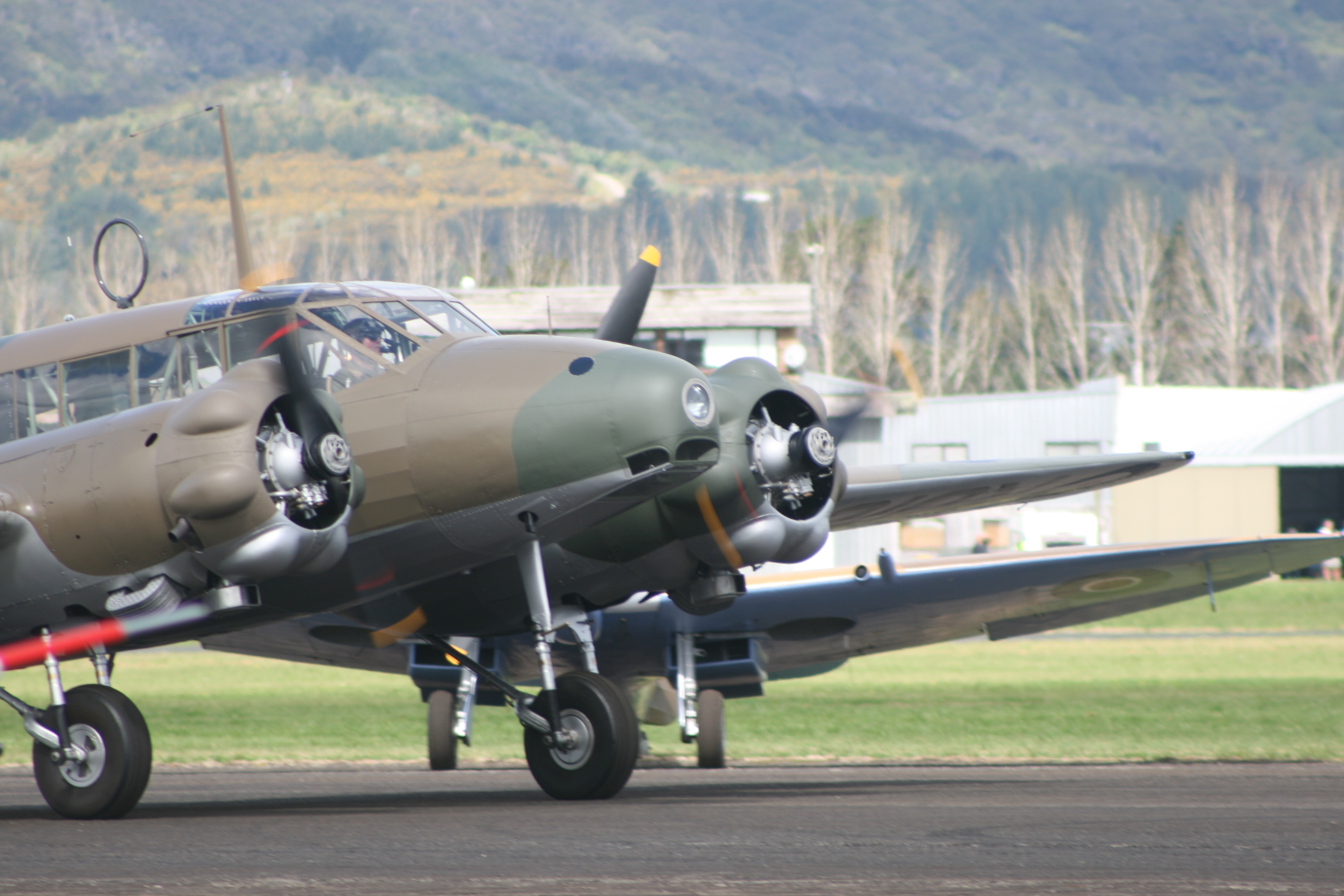
How many Anson Mk I were built?
6,688 or 6,742 Avro Anson Mk I were built, according to different sources; History of War, which gives the second figure, places 3,935 at Woodford and the… more…

Military aviation
Which flying boats rescued the crew of the Kensington Court in 1939?
They were two RAF Sunderland flying boats: according to uboat.net, an aircraft of Squadron 228 and L5802 of Squadron 204 landed on the water next to the… more…
Military aviation
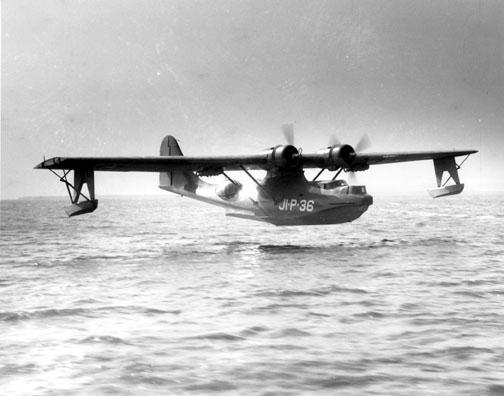
How long did Catalina convoy escort flights to the USSR last?
Many of the Catalina flights protecting convoys to the Soviet Union lasted between 15 and 20 hours and ended at Gryaznaya Bay (Murmansk) or at Arkhangelsk… more…
Military aviation
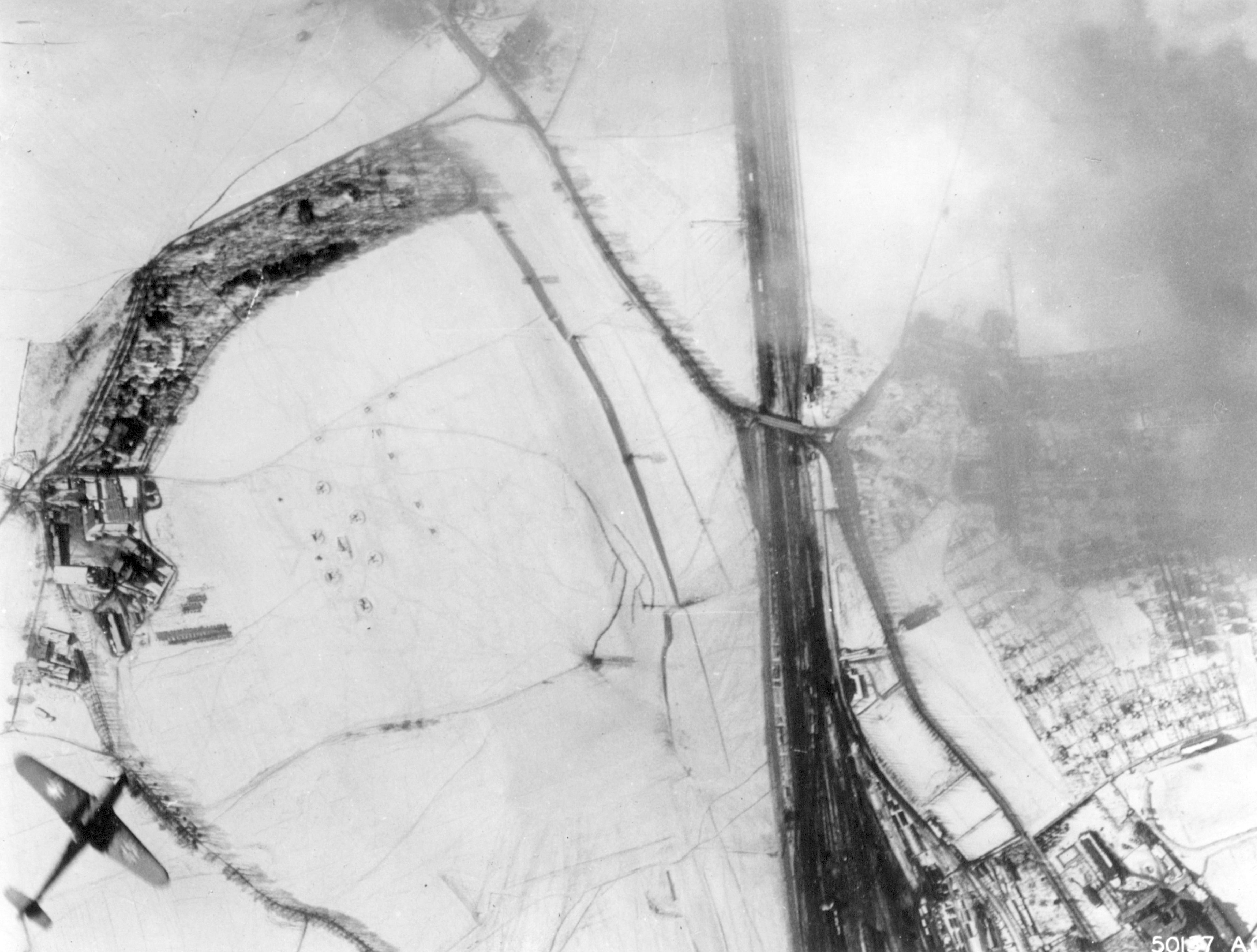
How many aircraft did the Axis lose in Crusader?
Around 332 aircraft destroyed and around 228 abandoned in the operation's tally, which took place between 18 November and 30 December 1941. According to their… more…
Military aviation
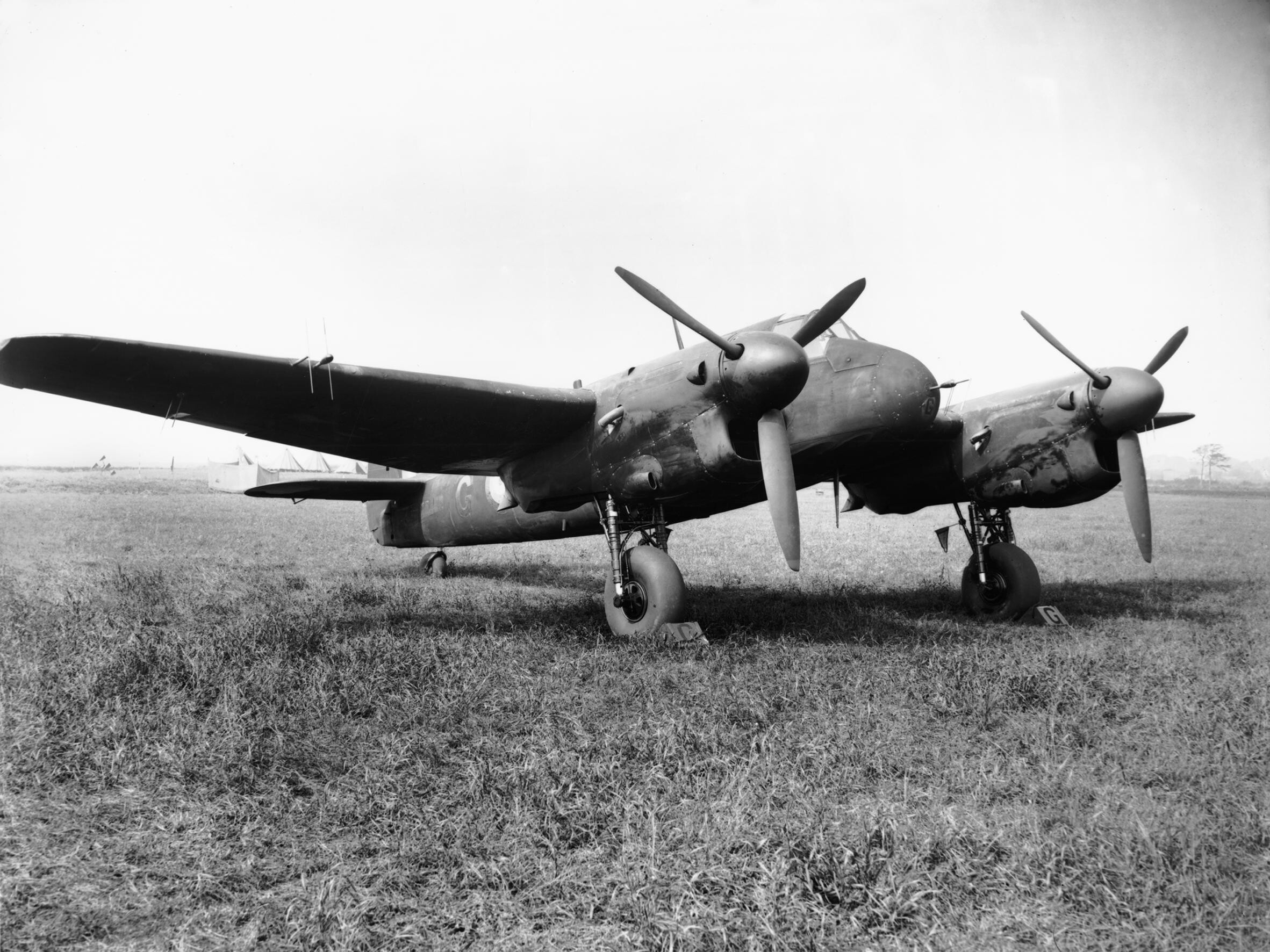
How many victories did No. 604 Squadron, the RAF night-fighter squadron, claim?
Around 127 aerial victories over the course of the war, 41 of them since May 1944. No. 604 (County of Middlesex) Squadron RAF spent most of the Second World… more…
Military aviation
Why did the "Torch" P-40Fs carry a flag on the fuselage?
To deter Vichy French forces from shooting them down: aircraft with yellow-outlined roundels sometimes had an American flag added in front of the roundel. The… more…


