Aero L-39 Albatros variant
Aero L-39 Albatros L-39ZA/ART
The L-39ZA/ART is the version of the armed L-39ZA Albatros built for the Royal Thai Air Force (RTAF) with avionics from Israel's Elbit, and the only first-generation member of the family delivered with Western electronics from the outset. In Thai service it was designated B.KhF.1. Thailand ordered 36 aircraft in the early 1990s, the first delivered in October 1993, and received four more in April 1997. It used them for fighter and attack pilot training, close air support and combat search and rescue with 401 and 411 Squadrons, until retiring them on 31 March 2021 at Chiang Mai. Three of them now fly in the Netherlands with AEC Skyline.

- 40
- Units built
History
An armed Albatros with Western electronics
The L-39ZA/ART grew out of the situation Aero Vodochody faced in the 1990s. After the dissolution of the Soviet Union and the end of the Cold War, L-39 sales fell sharply and the Czech manufacturer decided to develop versions of the Albatros with Western-sourced avionics, engines and weapon systems. Around the same time Aero formed an active partnership with Elbit Systems of Israel: a number of L-39s were delivered to Elbit to be fitted with modern electronics and onboard systems before being re-exported to end users such as the Royal Thai Air Force. The ZA/ART is the clearest product of that arrangement, and the ART suffix identifies this Thai configuration.
The Elbit relationship was meant to go further: Aero had intended to develop the L-159 ALCA together with the Israeli firm, but the Czech Ministry of Defence instead selected Rockwell Collins as partner on the programme. The ZA/ART therefore remained the main first-generation Albatros to come out of that partnership.
How it differs from the L-39ZA
The basis is the L-39ZA, the light attack and reconnaissance variant of the Albatros: strengthened landing gear, greater load capacity and a twin-barrel 23 mm GSh-23L cannon in a pod under the cockpit with 150 rounds, plus underwing pylons. On that airframe the Thai version replaces the Soviet-origin avionics with an Israeli and Western suite supplied by Elbit. The engine remains the Ivchenko AI-25TL turbofan used across the family.
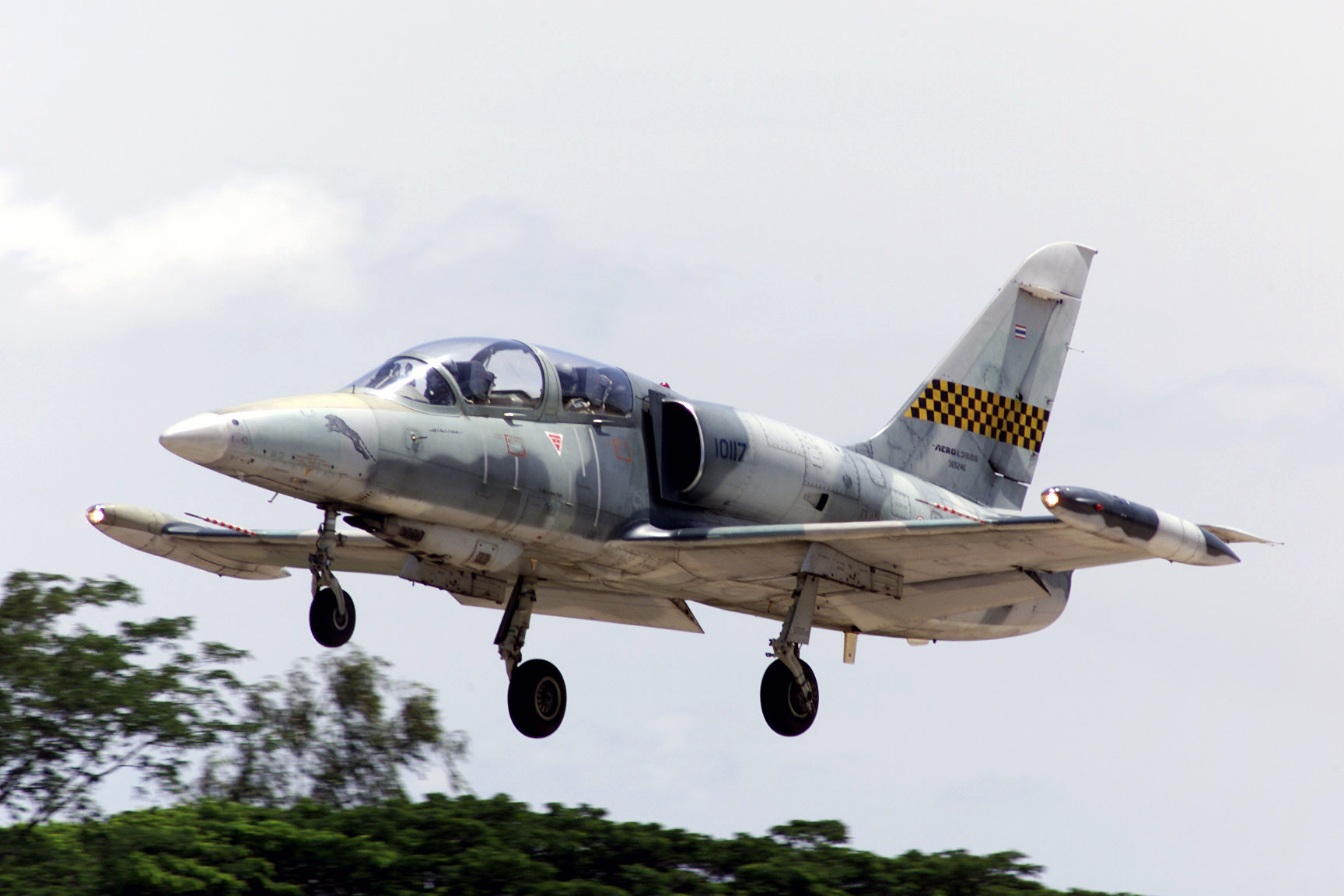
Externally very little changes. According to recognition guides, the feature that separates a ZA/ART from a standard ZA is a rectangular blade antenna under the rear fuselage. Internally, the key difference lies in the mission computer: as late as 2024 the examples sold to a Dutch company still retained their original mission computer and underwing hardpoints with all the wiring needed for weapons delivery intact.
Order and deliveries
The RTAF placed an initial order for 36 aircraft, the first of which was delivered in October 1993. A further four followed in April 1997, bringing the Thai fleet to 40 aircraft, which is also the production figure given in variant listings. One list of operators, however, speaks of 37 aircraft in service between 1994 and 2021, and other reports place service entry in the mid-1990s: the sources do not fully agree on the count or on the exact date the type became operational. In the RTAF the type received the local designation B.KhF.1 (บ.ขฝ.๑), and the aircraft carried five-digit serials such as 41122.
In Thai service
The L-39ZA/ARTs were used for fighter and attack pilot training, close air support and combat search and rescue; in 2007, for instance, they were photographed during the SAREX exercise. Two units flew them: 41 Wing's 411 'Thunder' Squadron at Chiang Mai Air Base, and 401 'Dragon' Squadron at Takhli Air Base.

In 2017 401 Squadron's aircraft were transferred to Chiang Mai, and in 2018 that unit received the KAI T-50TH in their place, leaving 411 as the last operator of the type. Service also carried a human cost: on 11 July 2019 Squadron Leader Naruephol Lertkuson was killed when his RTAF L-39ZA suffered an engine malfunction on the return flight to the Wing 41 airfield.
Retirement in 2021
The RTAF withdrew its last operational L-39ZA/ARTs on 31 March 2021 at a ceremony at Chiang Mai Air Base presided over by the RTAF commander-in-chief, Air Chief Marshal Airbull Suthiwan. The aircraft made a final flypast, and the last example to taxi in received the traditional water cannon salute. One of the aircraft on the ramp that day was 41122.
No replacement had been ordered at that point. Thailand was expected to buy the Beechcraft AT-6E Wolverine, locally designated A-6TH; the plans were revealed at a defence symposium in August 2020, together with the purchase of the T-6TH trainer to replace the Pilatus PC-9, for which Textron later announced an order of 12 aircraft.
A second life in Europe
The variant's story did not end with retirement. In November 2024 the Dutch contract air service provider AEC Skyline announced the purchase of three former Thai L-39ZA/ARTs, which were being collected in Thailand for shipment to the Netherlands. The deal was part of a joint arrangement with the International Test Pilots School (ITPS), an independent experimental flight test school that also took a number of the aircraft, and it included spare engines and extensive stocks of spare parts for both parties.
AEC Skyline uses its aircraft for close air support, electronic warfare, adversary training, target towing, remote sensing, calibration and testing. With the ZA/ARTs, which keep their mission computer and weapons wiring, the company aimed to expand its JTAC close air support training, a field in which it has been active for more than thirty years.
Multimedia


