Did you know…
Why did blue origin explode?
Short answer
No Blue Origin rocket has exploded with people on board. The event usually meant is NS-23, an uncrewed New Shepard research flight in September 2022: the BE-3PM engine failed about a minute into the ascent, the escape system fired and pulled the capsule clear under parachutes, and the booster was destroyed.
What happened on NS-23
A New Shepard rocket lifted off from West Texas in September 2022 carrying research payloads and no passengers. About a minute into the ascent, with the vehicle already supersonic, the BE-3PM engine failed. The capsule's solid-fuel escape motor fired automatically, pushed it clear of the booster and brought it down under parachutes with its experiments largely intact; the booster itself was destroyed. The abort system had been demonstrated in dedicated tests before, and this was the first time it saved a real flight.
The cause
The investigation, run by Blue Origin under Federal Aviation Administration oversight, traced the failure to the engine nozzle. Operating temperatures there ran higher than the design assumed, and the resulting thermo-structural fatigue let the nozzle fail, which in turn disrupted the thrust. The corrective actions were unglamorous: design changes to the nozzle and engine, revised inspections and additional qualification testing. The FAA closed the mishap investigation in 2023, and New Shepard returned to flight at the end of that year, first without a crew and then with passengers again.
The other losses people remember
Two further events get folded into the same question. In 2011 an early Blue Origin development vehicle was lost during a high-altitude test when it became unstable and the flight was terminated, which is routine attrition in a flight-test programme and was described openly by the company at the time. And in January 2025 the first New Glenn reached orbit and delivered its payload, but the first stage was lost during the landing attempt at sea. That was a failed recovery rather than an explosion on the way up, and the following New Glenn flight landed its booster intact. The distinction matters: losing a stage you were trying to reuse is a different kind of failure from losing the mission.
More questions
- Image pending
Astronauts and life in space
Why does astronauts float in space?
Because they are in free fall, not because gravity is absent. At the International Space Station's altitude of about 400 km, Earth still pulls almost as hard… more…
- Image pending
Astronauts and life in space
Why did yuri gagarin die?
Gagarin died in an aircraft crash, not in a spacecraft. On 27 March 1968 the MiG-15UTI trainer he was flying with instructor Vladimir Seryogin went down in… more…
- Image pending
Astronauts and life in space
How much an astronaut is paid?
NASA's civilian astronauts are ordinary federal employees, paid on the General Schedule grade-and-step scale with no bonus per flight, per spacewalk or per… more…
.png)
Astronauts and life in space
Why is blue origin so slow?
Blue Origin was built on deliberate, owner-funded incrementalism: its motto is Gradatim Ferociter, step by step, and it spent its first two decades on… more…
Astronauts and life in space
When did astronauts last walk on the moon?
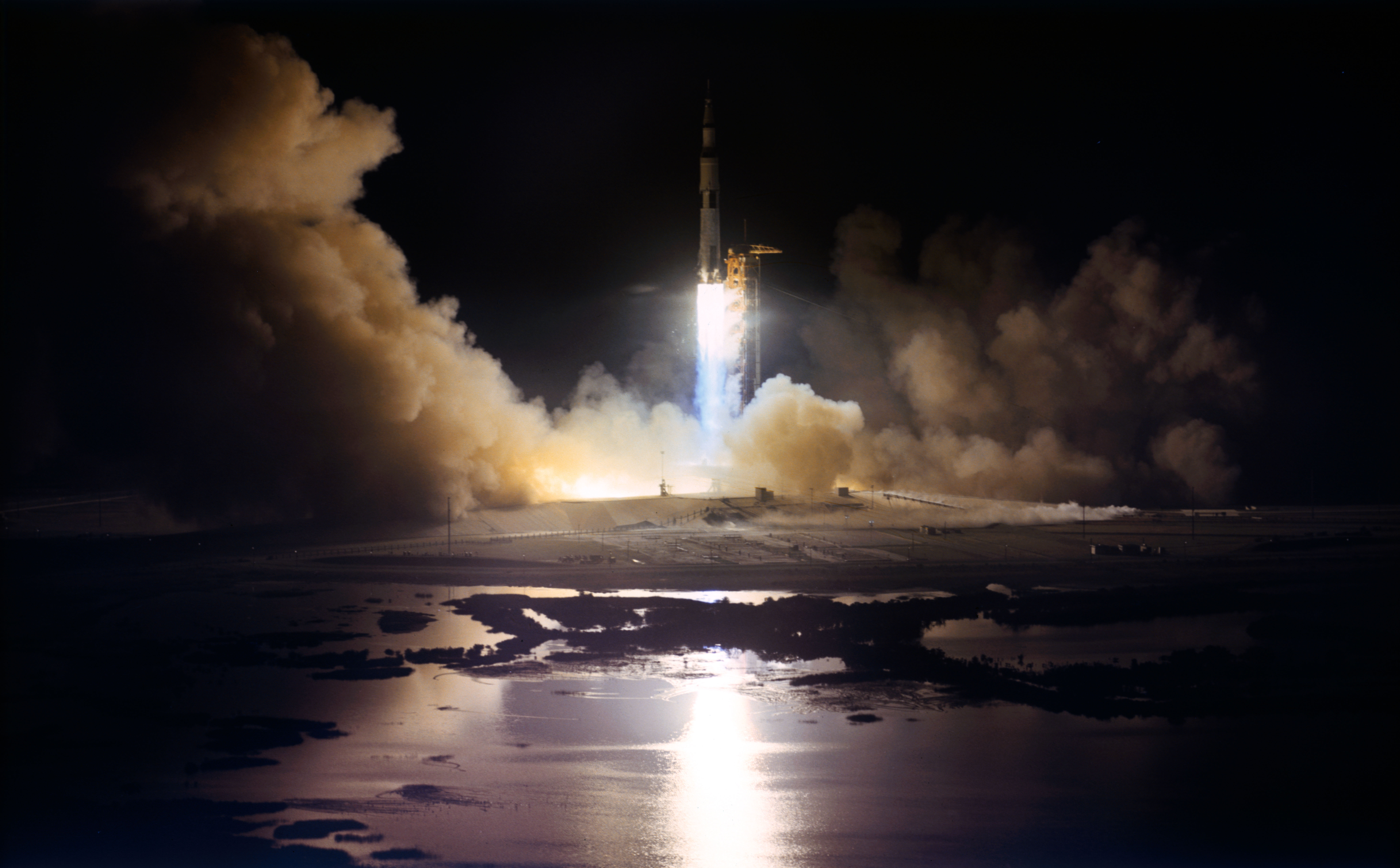
Apollo 17, in December 1972. Eugene Cernan and Harrison Schmitt landed in the Taurus-Littrow valley on 11 December 1972, worked on the surface for three days… more…
- Image pending
Astronauts and life in space
How high do astronauts orbit the earth?
Crewed spaceflight today happens a few hundred kilometres up. The International Space Station orbits at about 400 km, lapping the planet roughly every 90… more…
