Did you know…
What problem do Sukhoi Su-7s share in close support?
Short answer
Fuel: the Su-7 was rugged in its simplicity, but its Lyulka AL-7's consumption limited its payload so much that even short-range missions forced at least two hardpoints to be used for drop tanks instead of weapons. Its very short combat radius and need for long runways hampered its operational usefulness.

High thirst, low payload
The Su-7 was rugged in its simplicity, but its Lyulka AL-7 engine had such high fuel consumption that it seriously limited the aircraft's payload, to the point that even short-range missions required dedicating at least two hardpoints to drop tanks instead of weapons. The aircraft had four underwing and two underbelly stations for 2,000 kg (4,400 lb) of external stores, two of which were reserved for 2,300 L (610 US gal) tanks. Its fuel capacity was 3,220 kg (7,099 lb).
Short radius, long runways
The very short combat radius and the need for long runways limited the Su-7's operational usefulness.
The Soviet fighter-bomber of the sixties
The Su-7B series, introduced shortly after, became the main Soviet fighter-bomber and ground-attack aircraft of the 1960s.
More questions
L-Bit (CC BY SA), vía commons Military aviation
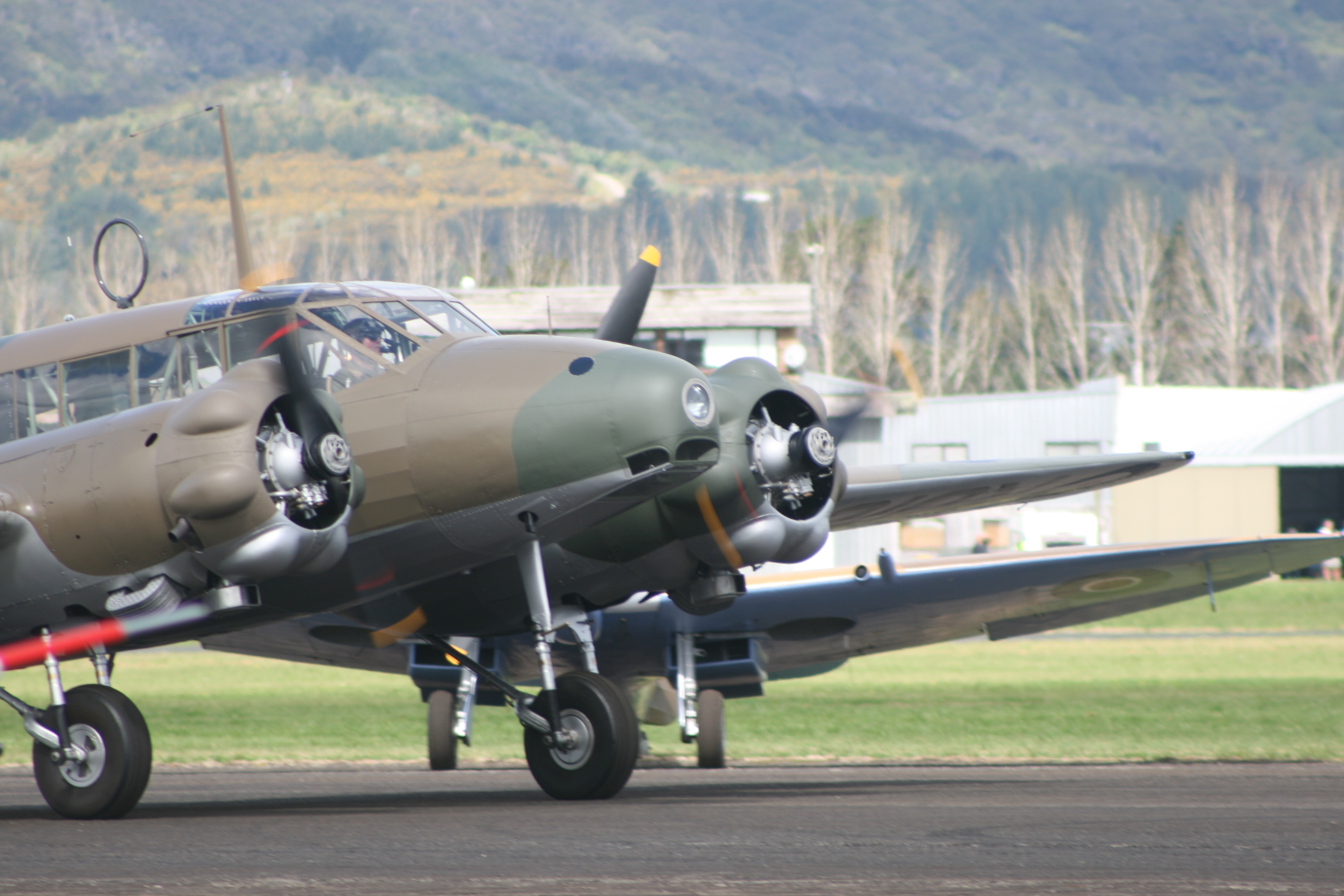
How many Anson Mk I were built?
6,688 or 6,742 Avro Anson Mk I were built, according to different sources; History of War, which gives the second figure, places 3,935 at Woodford and the… more…
Military aviation
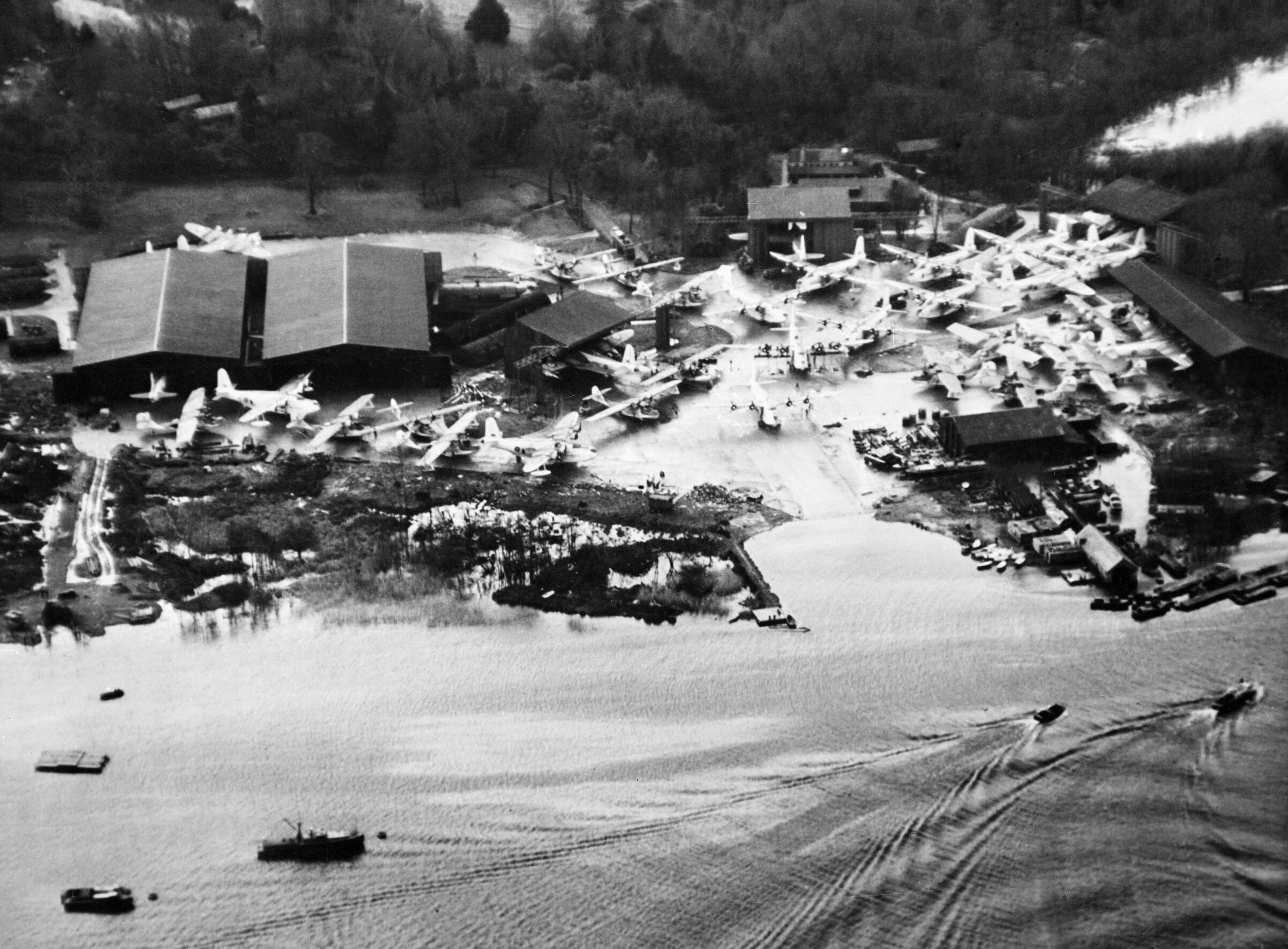
Which flying boats rescued the crew of the Kensington Court in 1939?
They were two RAF Sunderland flying boats: according to uboat.net, an aircraft of Squadron 228 and L5802 of Squadron 204 landed on the water next to the… more…
Military aviation
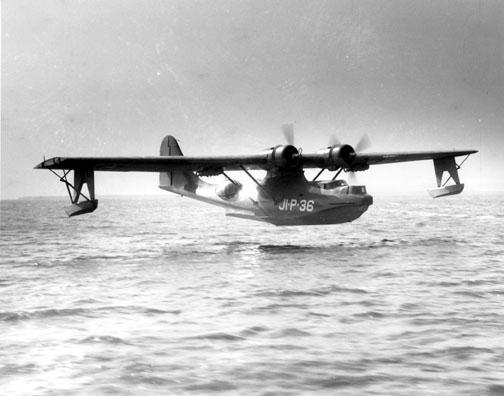
How long did Catalina convoy escort flights to the USSR last?
Many of the Catalina flights protecting convoys to the Soviet Union lasted between 15 and 20 hours and ended at Gryaznaya Bay (Murmansk) or at Arkhangelsk… more…
Military aviation
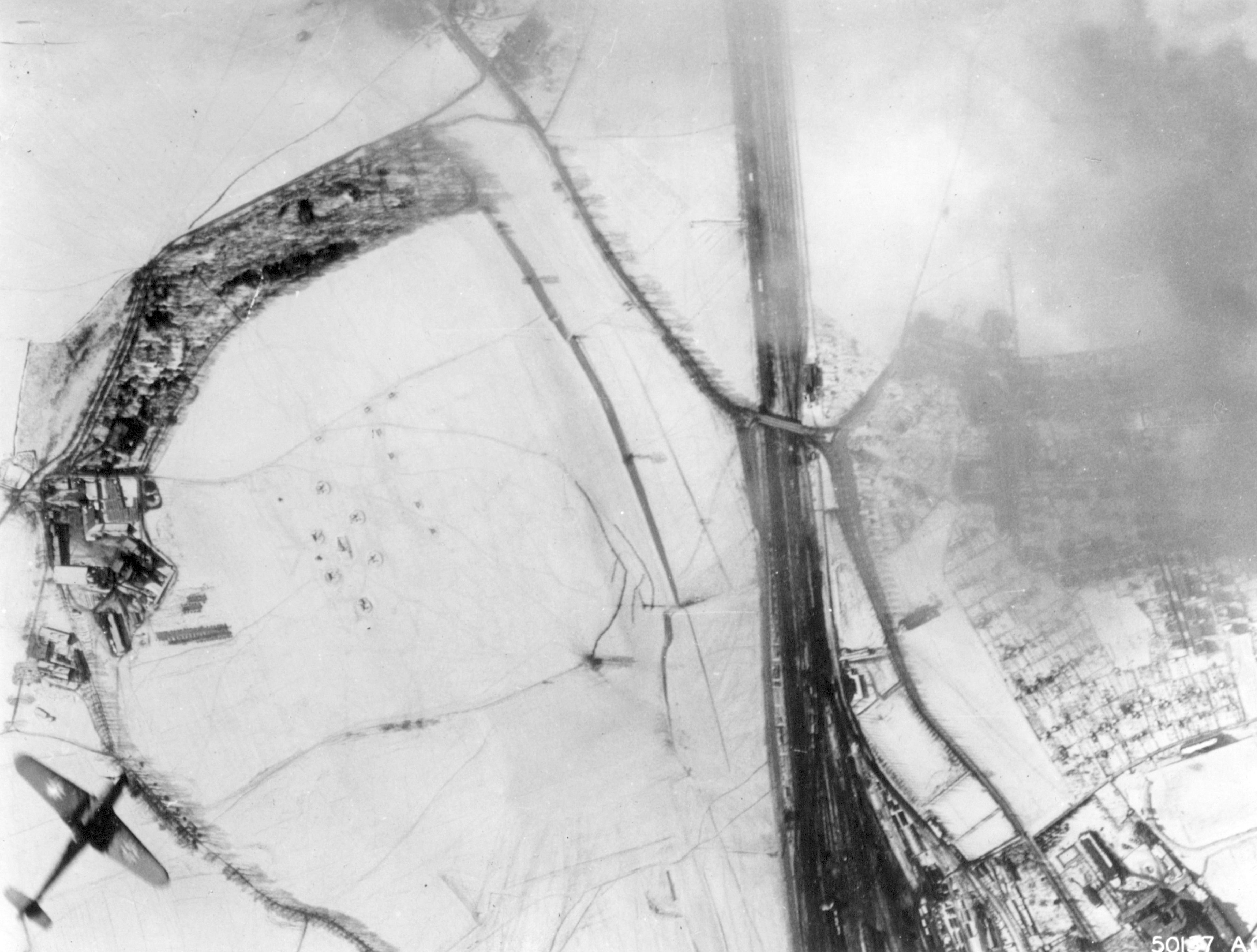
How many aircraft did the Axis lose in Crusader?
Around 332 aircraft destroyed and around 228 abandoned in the operation's tally, which took place between 18 November and 30 December 1941. According to their… more…
Military aviation
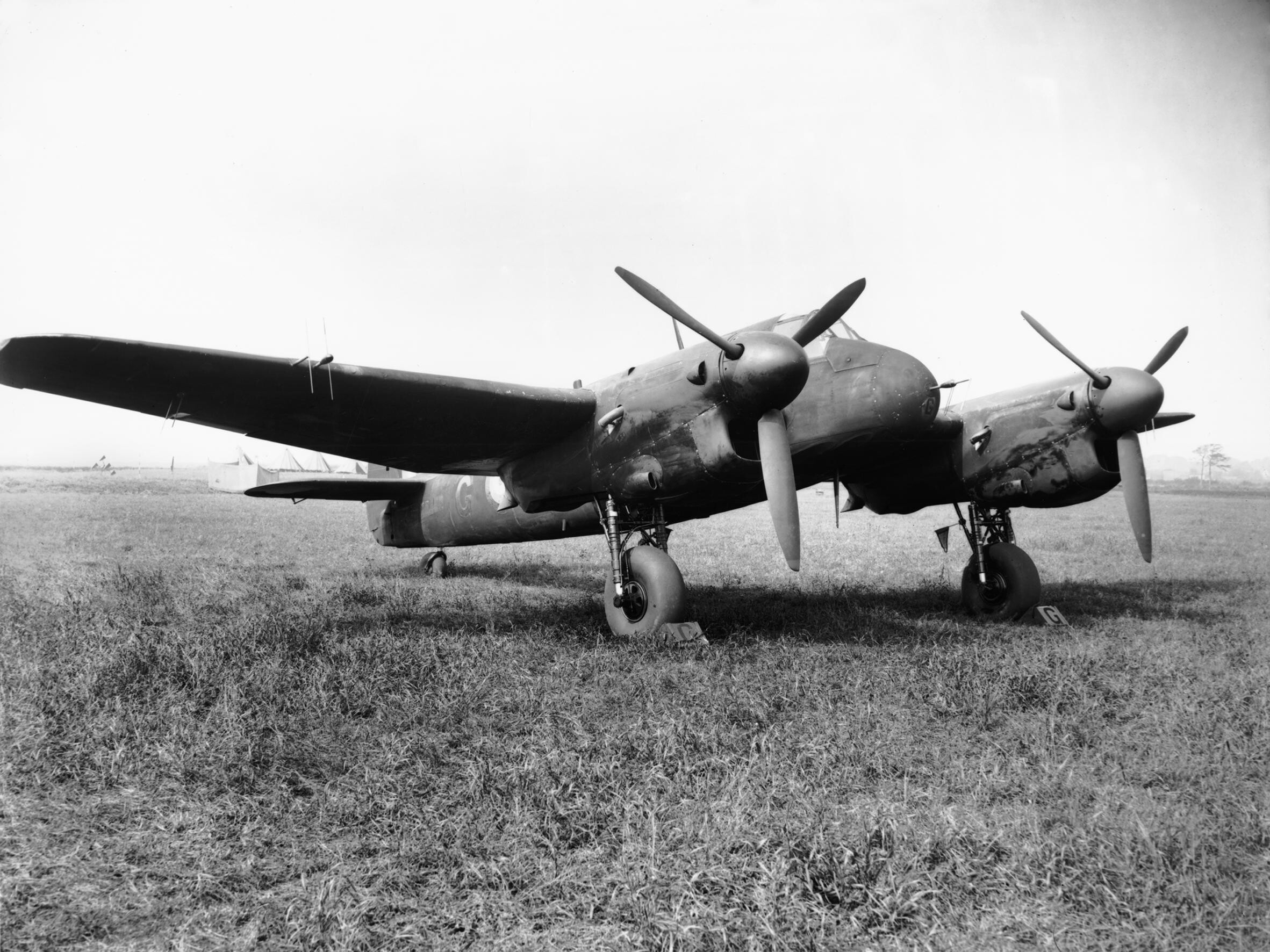
How many victories did No. 604 Squadron, the RAF night-fighter squadron, claim?
Around 127 aerial victories over the course of the war, 41 of them since May 1944. No. 604 (County of Middlesex) Squadron RAF spent most of the Second World… more…
Military aviation
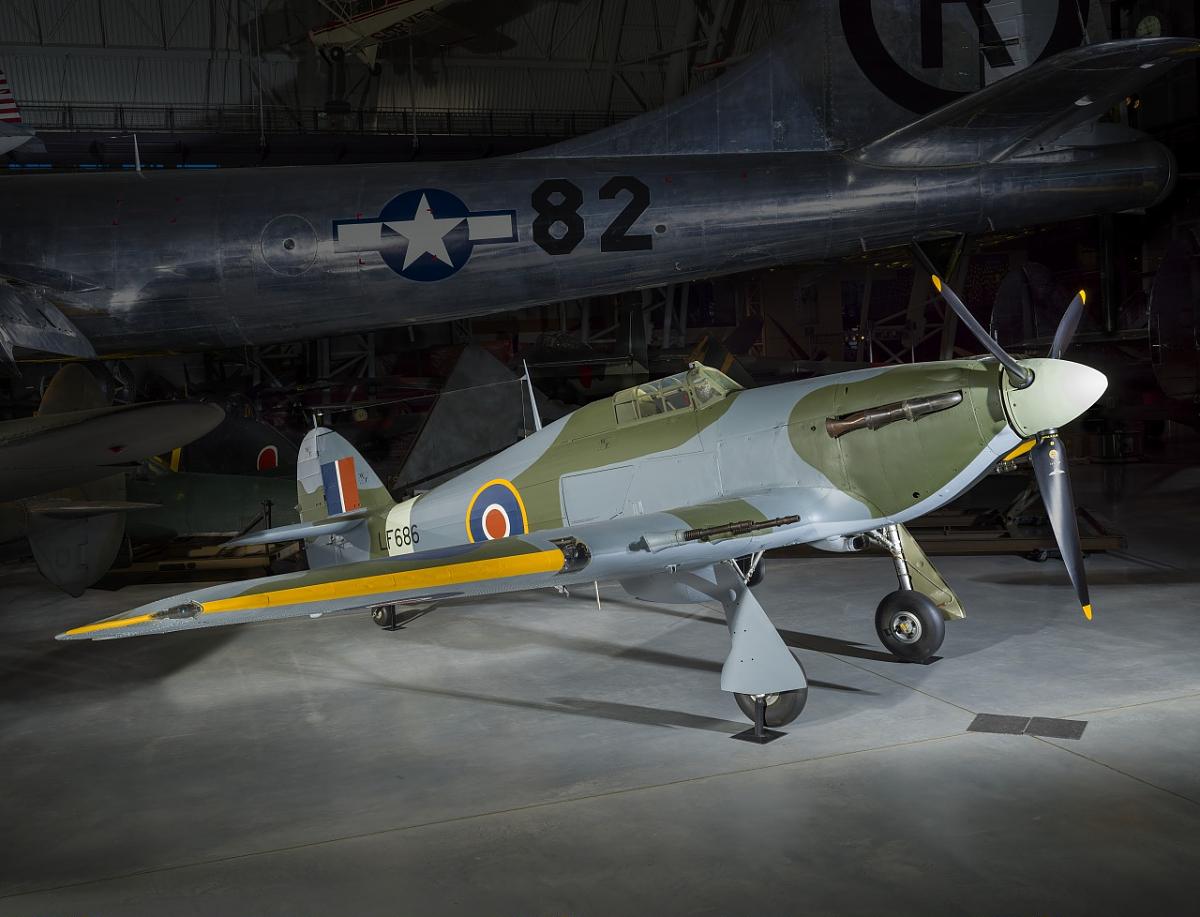
Why did the "Torch" P-40Fs carry a flag on the fuselage?
To deter Vichy French forces from shooting them down: aircraft with yellow-outlined roundels sometimes had an American flag added in front of the roundel. The… more…


