Did you know…
How many MiG-29s does Peru have?
Short answer
Peru bought 21 MiG-29s: 18 secondhand from Belarus in 1996 and 3 new MiG-29SEs from Russia in 1998. After several accidents and years of low availability, open-source yearbooks put around a dozen still in inventory, of which only 8 were upgraded to the SMP standard (as of September 2026). Peru chose the Gripen E/F in 2025 to renew the fleet.

An emergency purchase
The Peruvian Air Force acquired its MiG-29s following the 1995 Cenepa conflict with Ecuador, which exposed the need for a modern fighter. In 1996 it bought 18 used aircraft from Belarus (16 single-seaters and 2 MiG-29UB two-seaters), in a deal surrounded by controversy over cost overruns and commissions later investigated by the courts. In 1998 it completed the fleet with three new MiG-29SE aircraft acquired directly from Russia, bringing the total to 21 and making Peru the only operator of the model in South America.
Partial modernization and attrition
In 2008 Lima signed with RAC MiG to upgrade 8 aircraft to the MiG-29SMP standard, with an improved radar, glass cockpit, refueling probe and capability for R-77 missiles and guided weapons; the rest remained in their original configuration. At least two aircraft have been lost in accidents and others spent long periods grounded due to a lack of spare parts and RD-33 engines, so real availability has been well below the nominal inventory. The MiG-29s share air defense duties with an even smaller fleet of Mirage 2000P jets and the Su-25 attack aircraft.
The handover to the Gripen
In 2025 the Peruvian government selected the Saab Gripen E/F as its new fighter after also evaluating the F-16 Block 70 and the Rafale, with a 24-aircraft program whose deliveries will extend through the second half of the decade. Until then, the MiG-29 SMPs will remain the FAP's spearhead from Air Group No. 6 in Chiclayo, although their maintenance depends on a Russian supply chain constrained by international sanctions, which explains why the number of aircraft actually fit to fly is still lower than the number of airframes on inventory.
More questions
L-Bit (CC BY SA), vía commons Military aviation
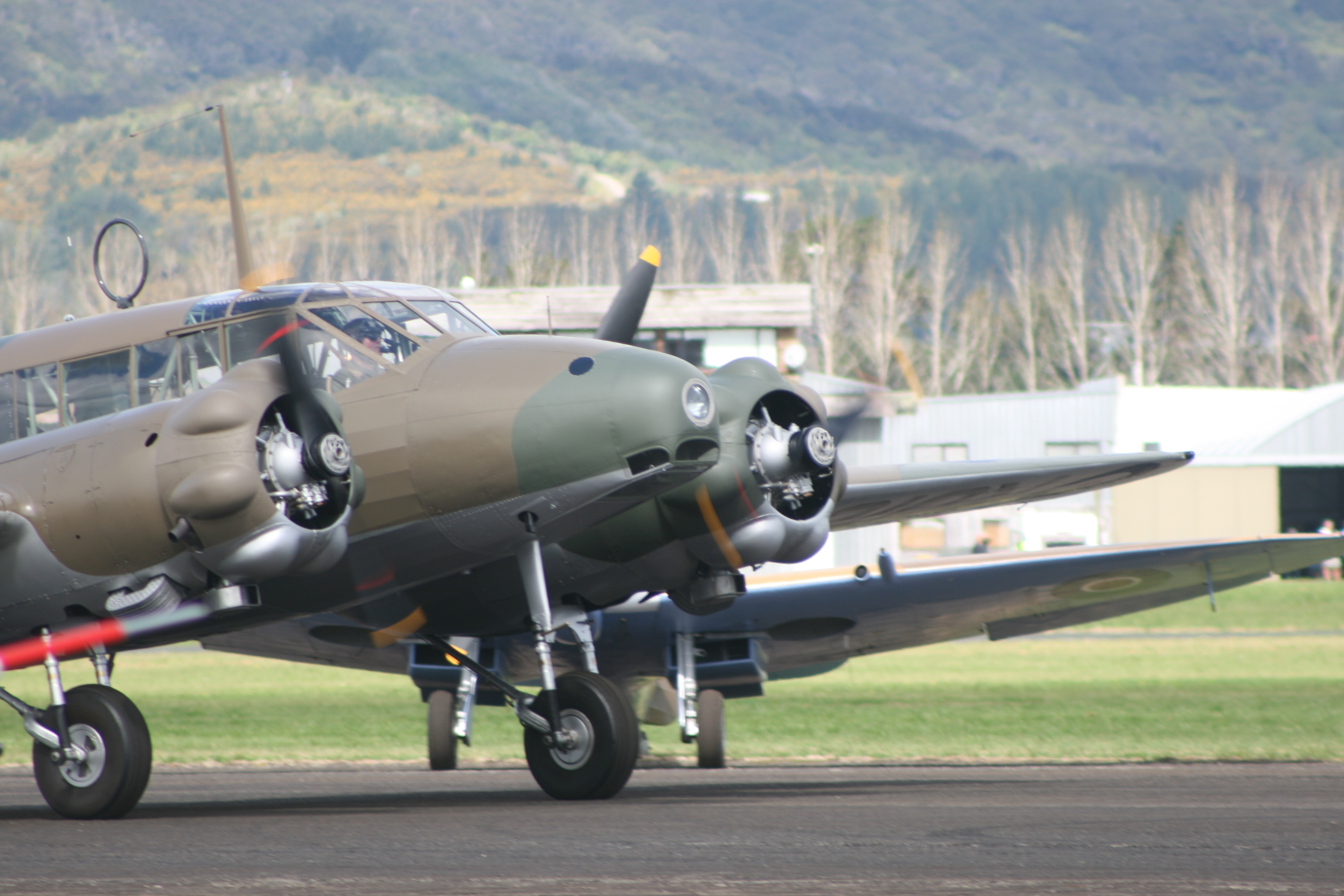
How many Anson Mk I were built?
6,688 or 6,742 Avro Anson Mk I were built, according to different sources; History of War, which gives the second figure, places 3,935 at Woodford and the… more…
Military aviation
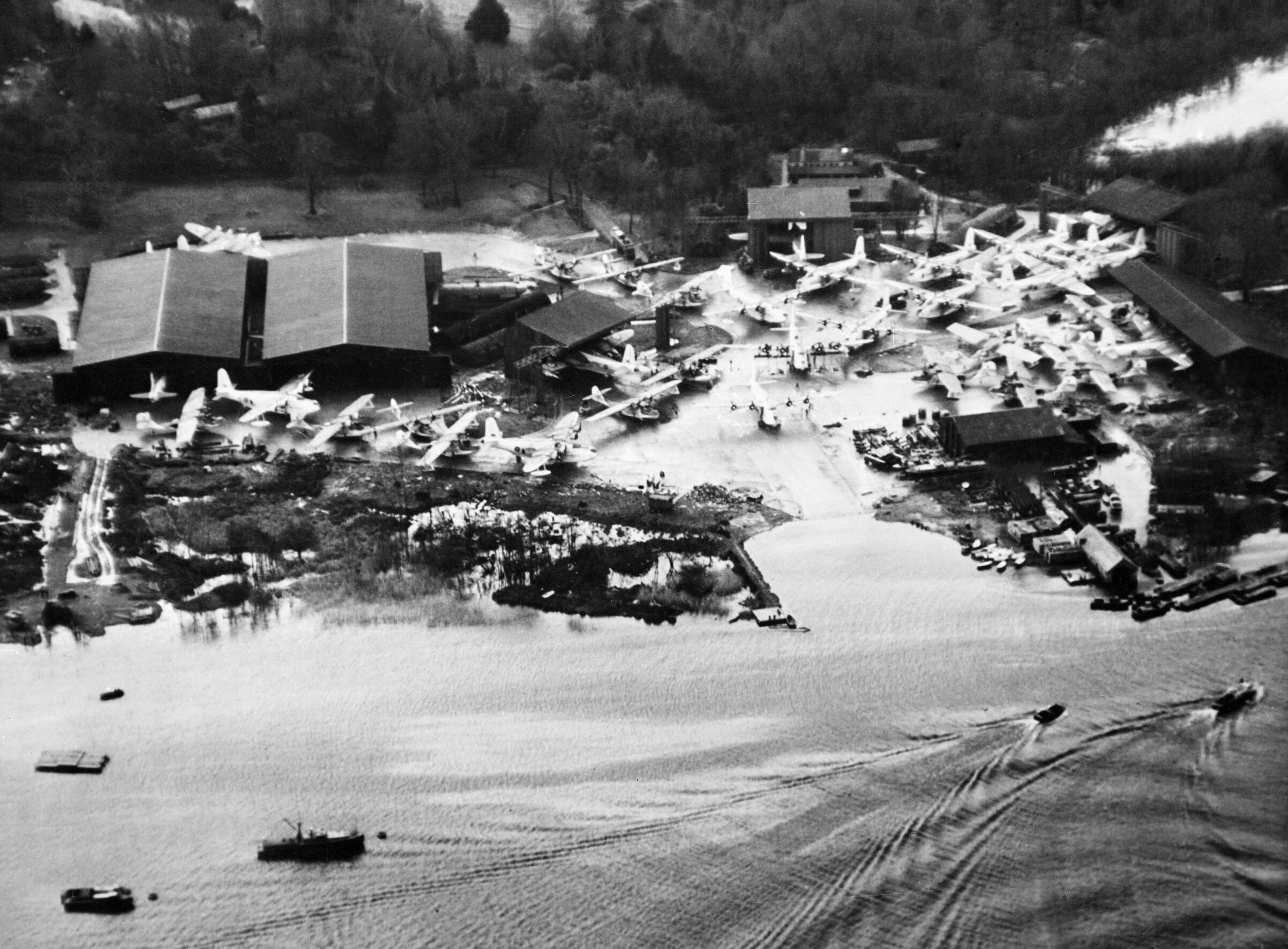
Which flying boats rescued the crew of the Kensington Court in 1939?
They were two RAF Sunderland flying boats: according to uboat.net, an aircraft of Squadron 228 and L5802 of Squadron 204 landed on the water next to the… more…
Military aviation
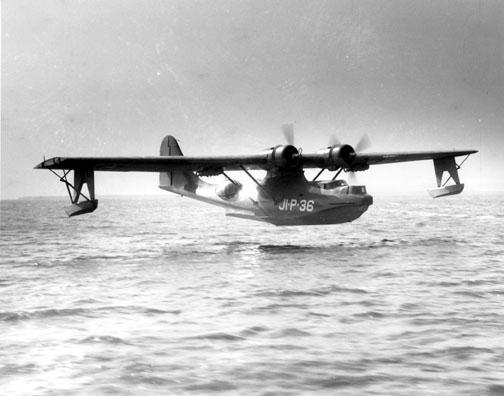
How long did Catalina convoy escort flights to the USSR last?
Many of the Catalina flights protecting convoys to the Soviet Union lasted between 15 and 20 hours and ended at Gryaznaya Bay (Murmansk) or at Arkhangelsk… more…
Military aviation
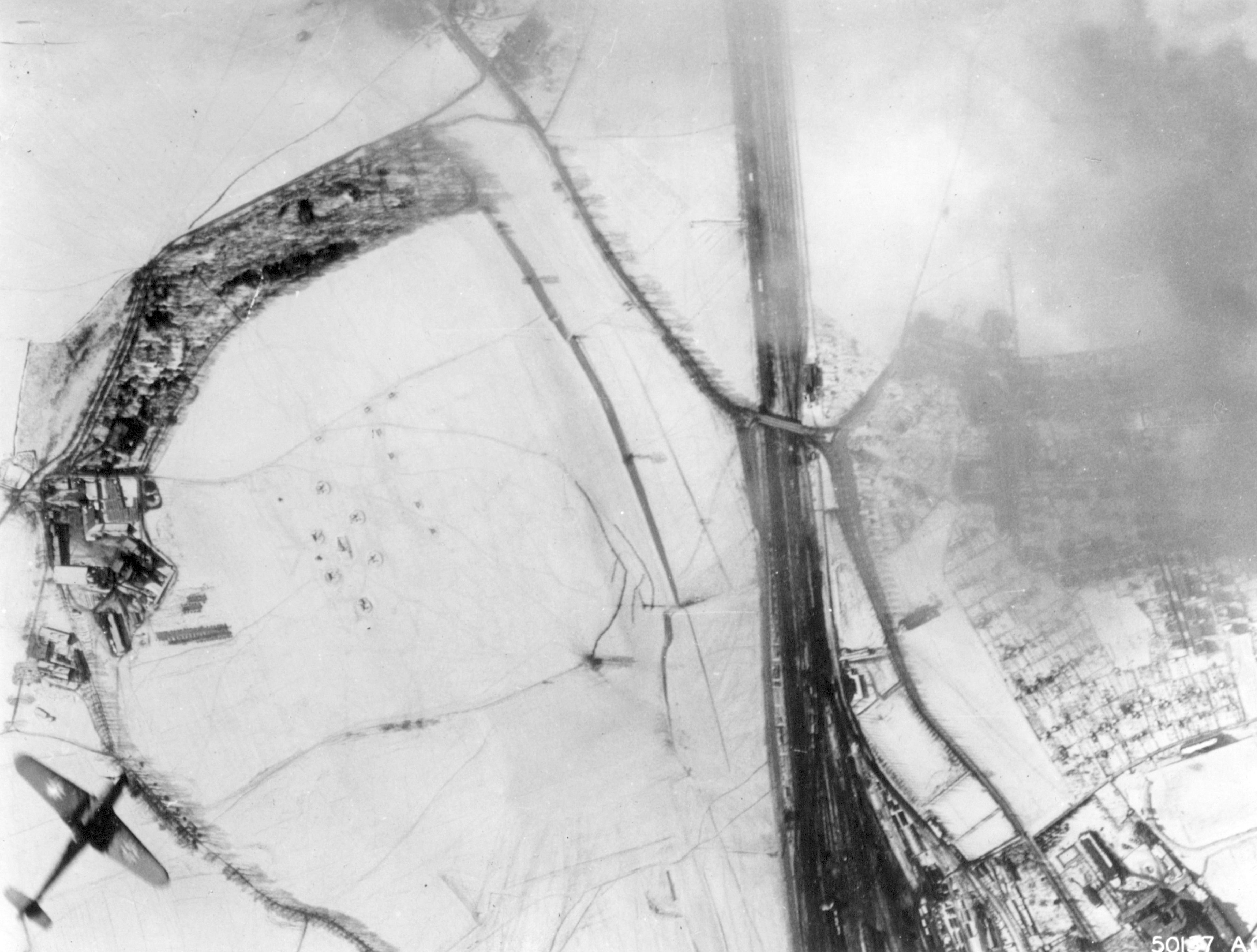
How many aircraft did the Axis lose in Crusader?
Around 332 aircraft destroyed and around 228 abandoned in the operation's tally, which took place between 18 November and 30 December 1941. According to their… more…
Military aviation
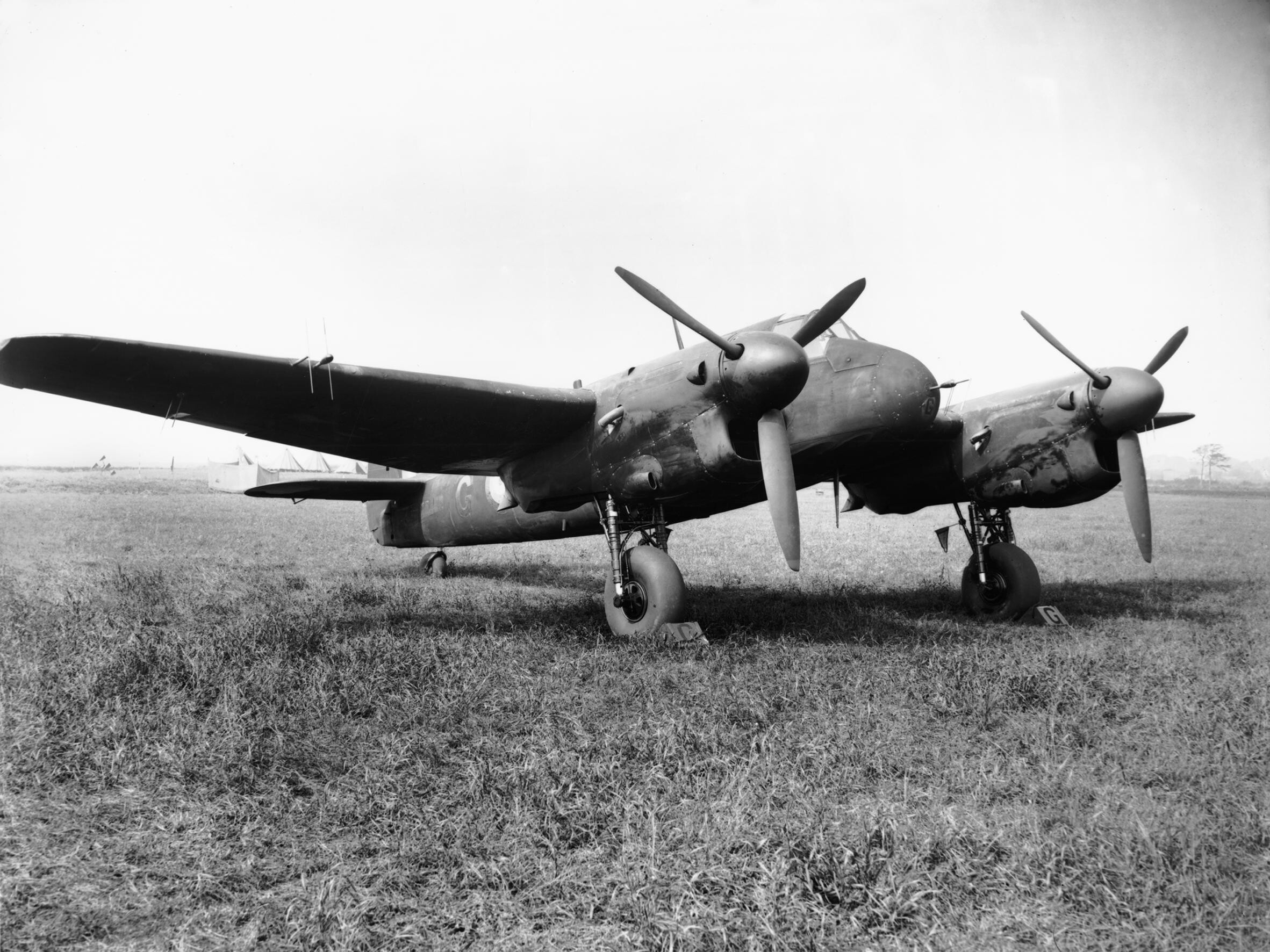
How many victories did No. 604 Squadron, the RAF night-fighter squadron, claim?
Around 127 aerial victories over the course of the war, 41 of them since May 1944. No. 604 (County of Middlesex) Squadron RAF spent most of the Second World… more…
Military aviation
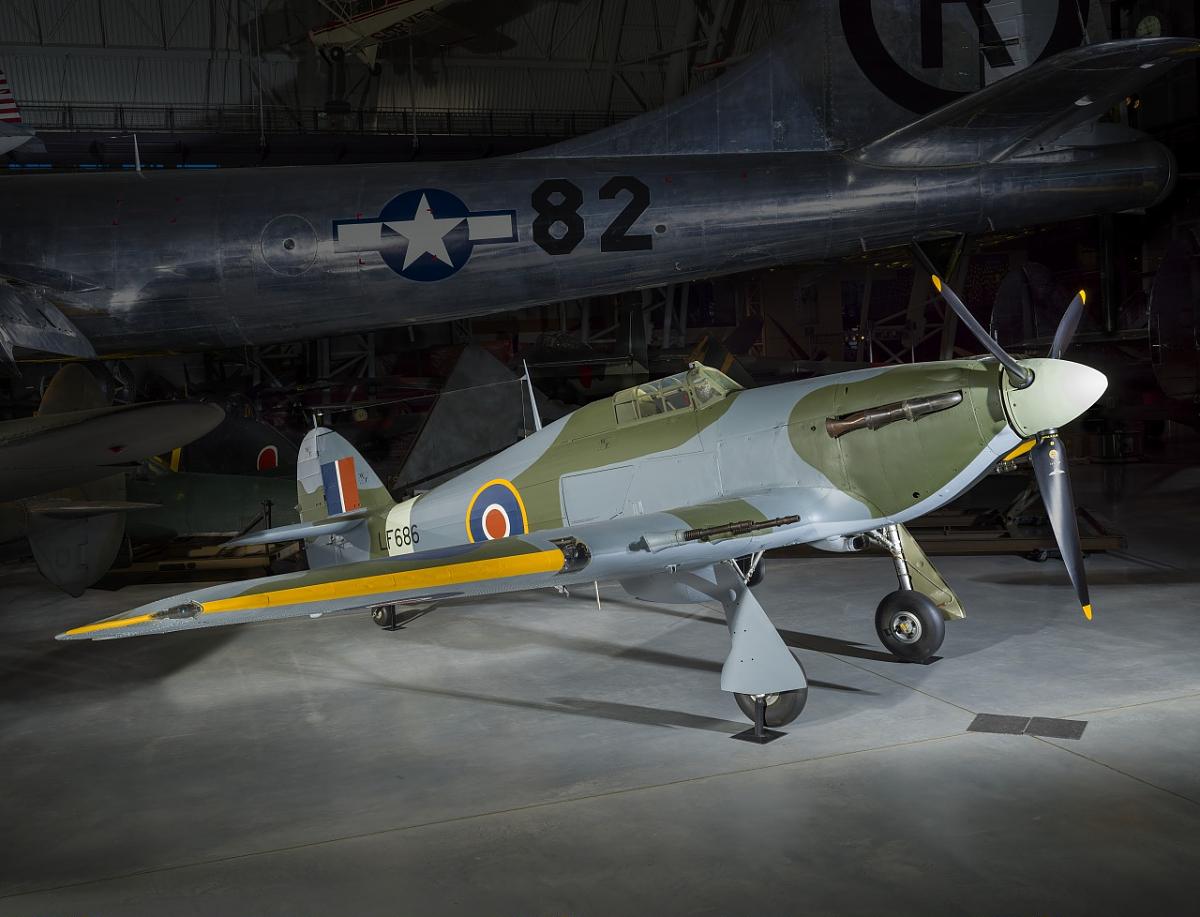
Why did the "Torch" P-40Fs carry a flag on the fuselage?
To deter Vichy French forces from shooting them down: aircraft with yellow-outlined roundels sometimes had an American flag added in front of the roundel. The… more…


