Did you know…
Which Warning Star was called "Triple Nickel," and why is it historic?
Short answer
It was the US Air Force EC-121D with serial number 53-0555, hence the nickname. On October 24, 1967, over the Gulf of Tonkin, it radar-guided a US fighter to shoot down a North Vietnamese MiG-21 — the first time a controller aboard a radar aircraft had successfully directed an attack on an enemy aircraft.

A nickname born from the serial number
Within the EC-121 Warning Star family, the early-warning aircraft derived from the Super Constellation, US Air Force aircraft 53-0555 earned the nickname "Triple Nickel" for the three fives in its serial number (53-555). It was an EC-121D assigned to College Eye, the radar aircraft deployment that monitored airspace during the Vietnam War.
October 24, 1967
That day, while operating over the Gulf of Tonkin, the Triple Nickel's crew picked up a North Vietnamese fighter, a MiG-21, on radar and guided a US fighter into attack position. The MiG-21 was shot down. It was the first time a weapons controller aboard a radar aircraft had successfully directed an attack against an enemy aircraft, a mission that decades later would become routine for AWACS.
Retirement to the museum
The aircraft was retired in 1971 and transferred to the Air Force museum. Today it is displayed, fully restored and under cover, at the National Museum of the United States Air Force, at Wright-Patterson base near Dayton, Ohio, as a testament to the early days of airborne air control.
The EC-121 family kept evolving afterward: in 1969 some EC-121D aircraft were upgraded to EC-121T, the last operational variant, which served in 1972 as an AWACS prototype in Southeast Asia.
The Triple Nickel was not an isolated case. The Air Force eventually had 74 EC-121 aircraft, of which 42 were converted into EC-121H from 1962 onward, while others carried out very different missions in the same conflict: in 1966 Lockheed converted 30 Navy Super Constellations into EC-121R, intended to monitor sensors along the Ho Chi Minh trail.
More questions
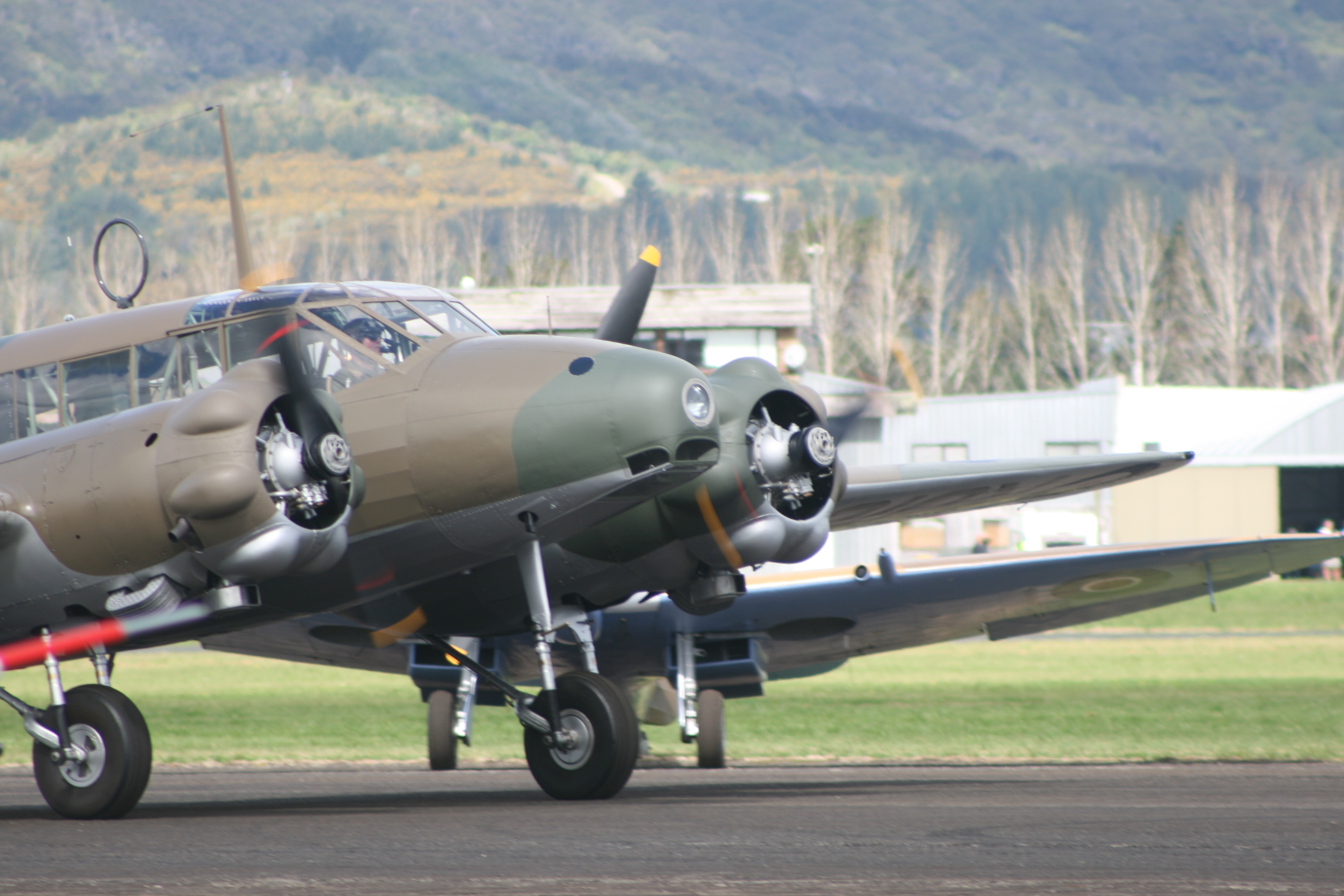
L-Bit (CC BY SA), vía commons Military aviation
How many Anson Mk I were built?
6,688 or 6,742 Avro Anson Mk I were built, according to different sources; History of War, which gives the second figure, places 3,935 at Woodford and the… more…
Military aviation
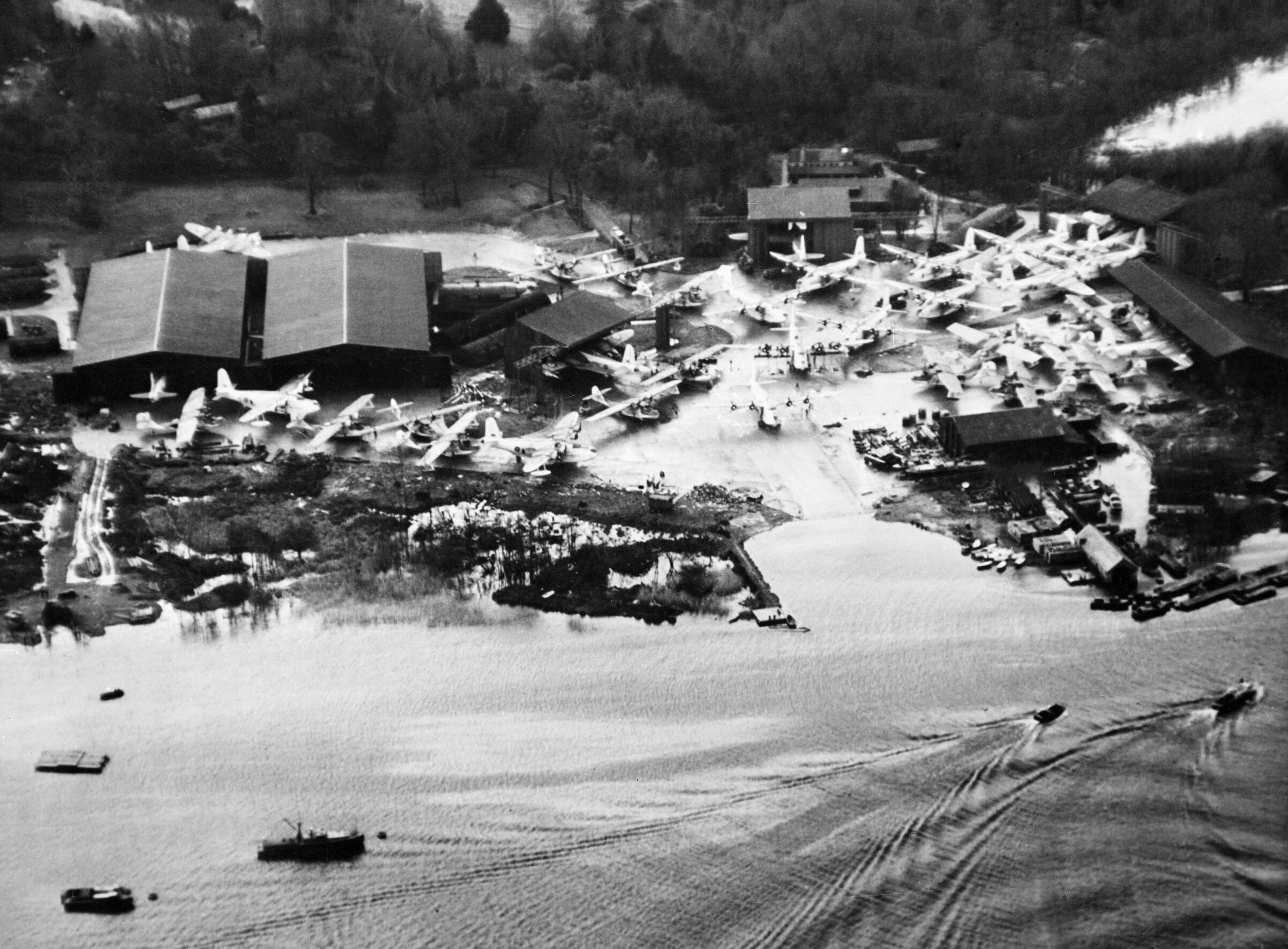
Which flying boats rescued the crew of the Kensington Court in 1939?
They were two RAF Sunderland flying boats: according to uboat.net, an aircraft of Squadron 228 and L5802 of Squadron 204 landed on the water next to the… more…
Military aviation
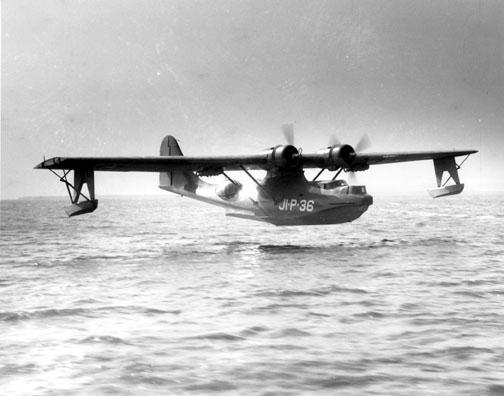
How long did Catalina convoy escort flights to the USSR last?
Many of the Catalina flights protecting convoys to the Soviet Union lasted between 15 and 20 hours and ended at Gryaznaya Bay (Murmansk) or at Arkhangelsk… more…
Military aviation
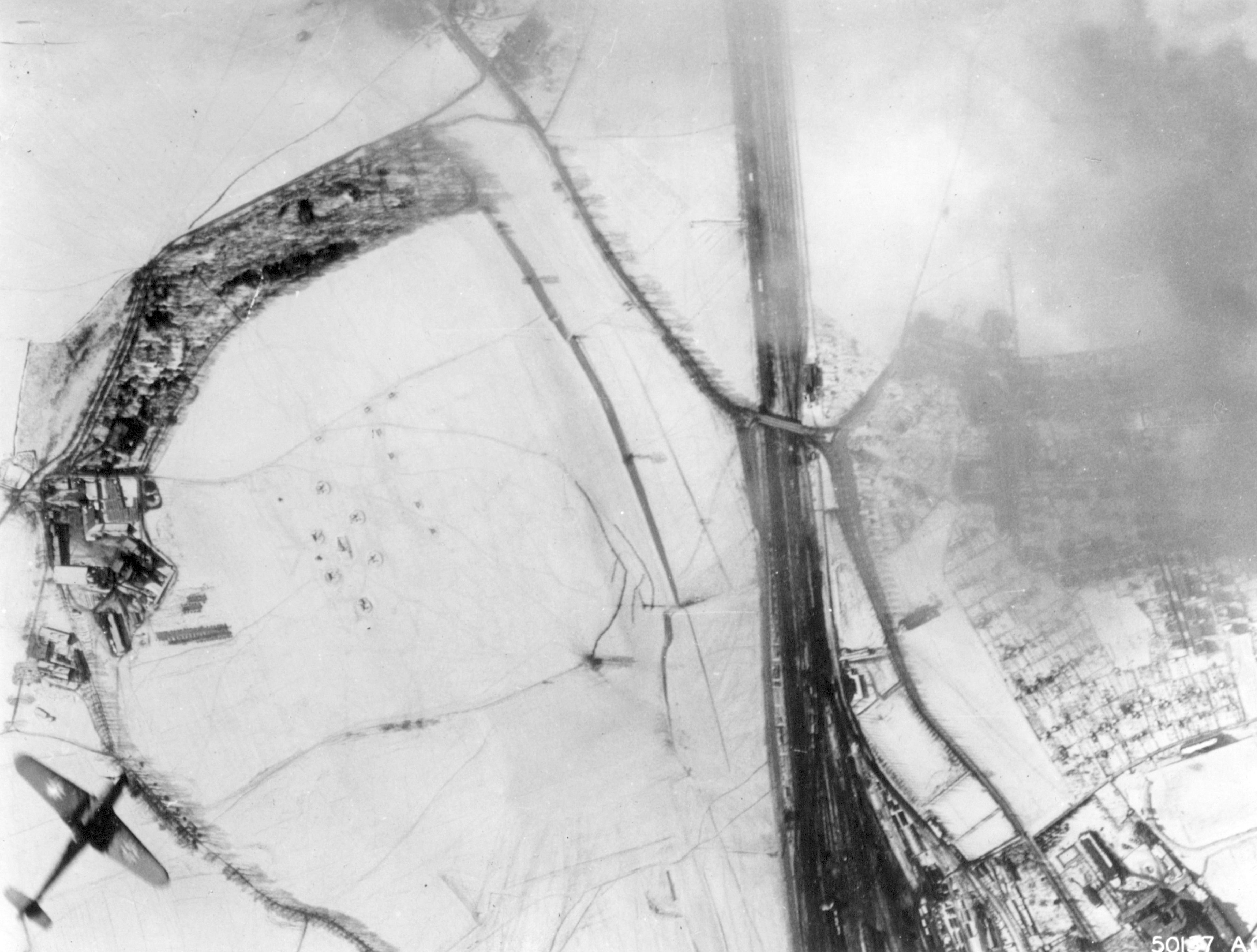
How many aircraft did the Axis lose in Crusader?
Around 332 aircraft destroyed and around 228 abandoned in the operation's tally, which took place between 18 November and 30 December 1941. According to their… more…
Military aviation
How many victories did No. 604 Squadron, the RAF night-fighter squadron, claim?
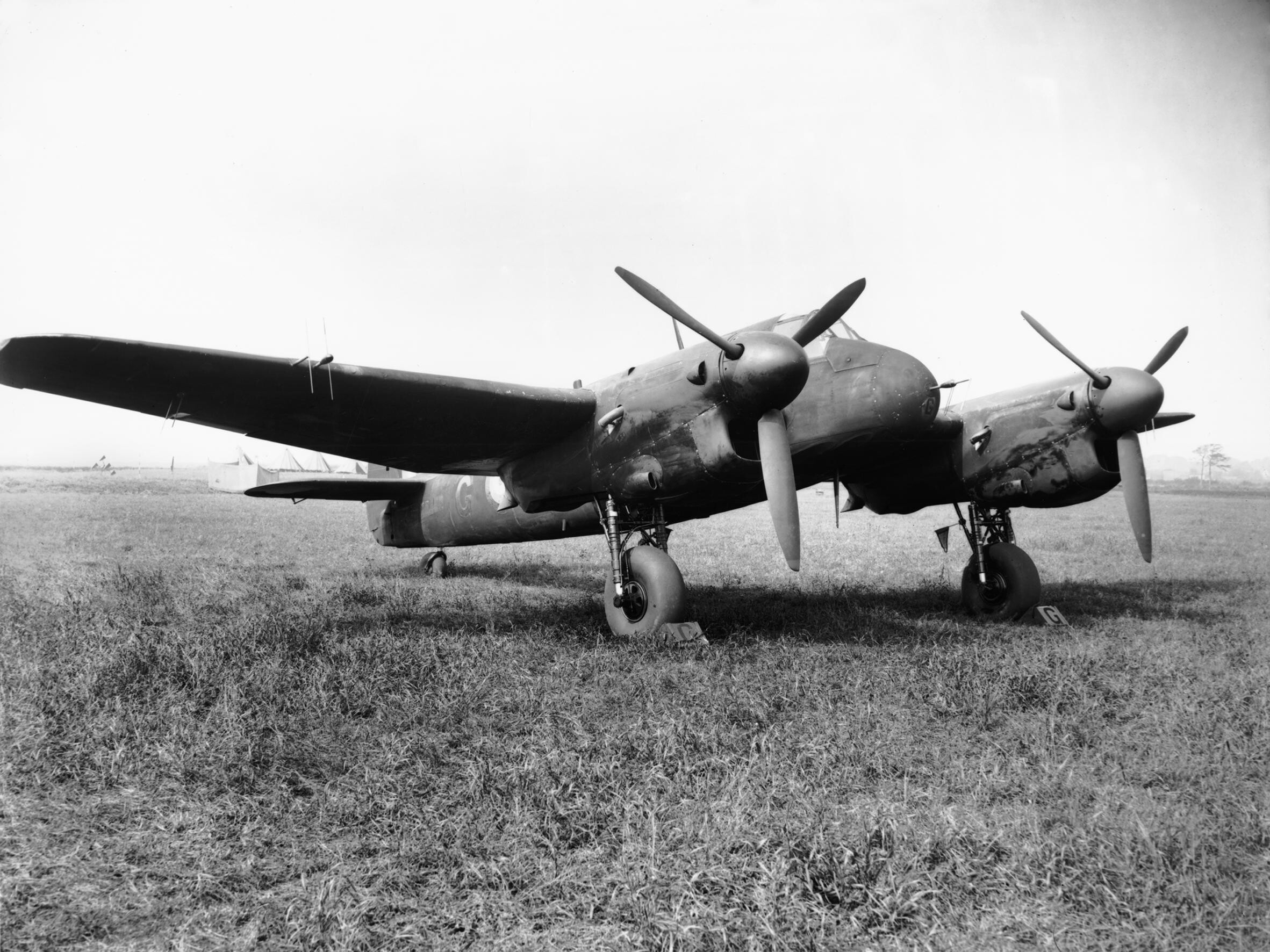
Around 127 aerial victories over the course of the war, 41 of them since May 1944. No. 604 (County of Middlesex) Squadron RAF spent most of the Second World… more…
Military aviation
Why did the "Torch" P-40Fs carry a flag on the fuselage?
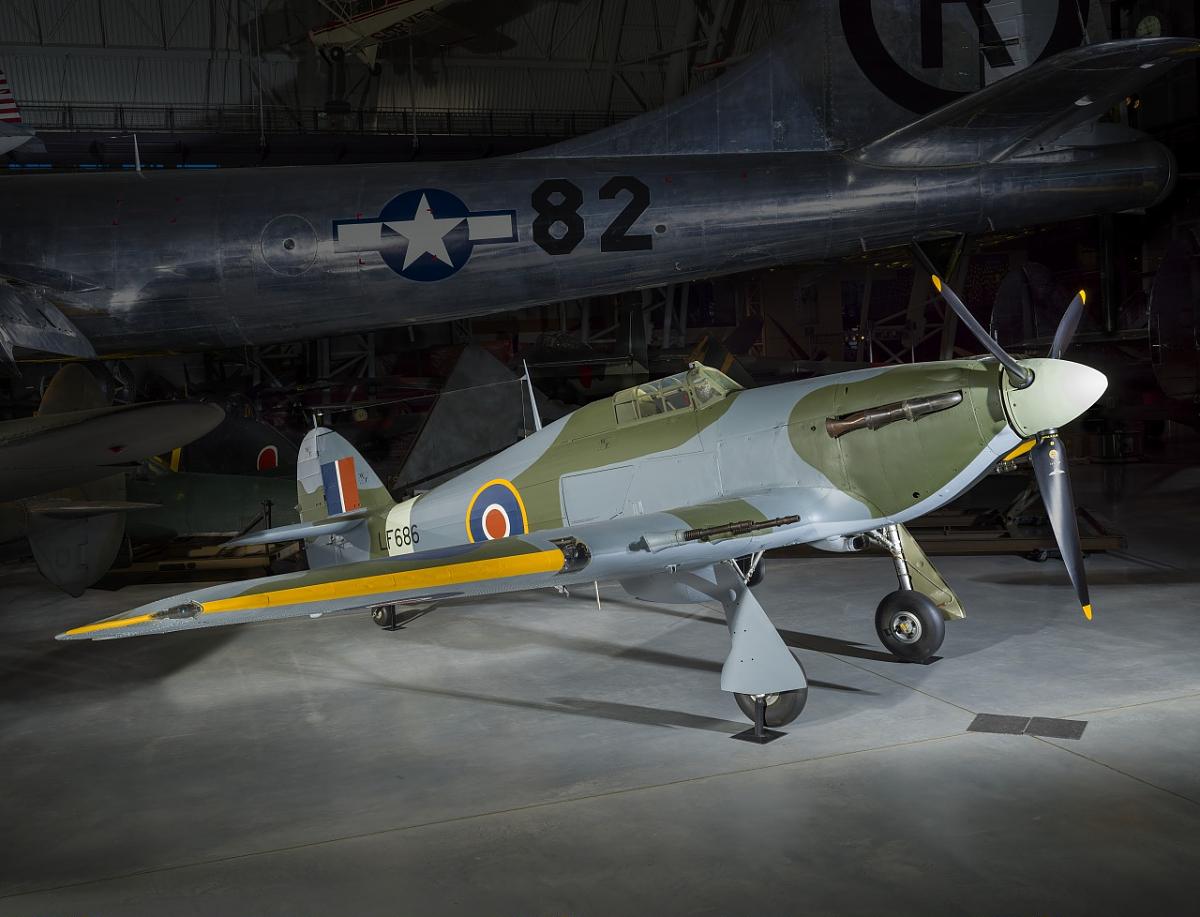
To deter Vichy French forces from shooting them down: aircraft with yellow-outlined roundels sometimes had an American flag added in front of the roundel. The… more…


