Did you know…
How much does the titanium 'bathtub' that protects the A-10's pilot weigh?
Short answer
The titanium armor protecting the A-10's cockpit and some flight control systems weighs 1,200 lb (540 kg). It's made of titanium plates ranging from 0.5 to 1.5 inches thick, i.e. 13 to 38 mm. The aircraft's airframe was designed around the 30mm GAU-8 Avenger cannon.

540 kg of titanium around the pilot
The A-10's cockpit and parts of the flight control systems are protected by 1,200 lb (540 kg) of titanium aircraft armour. This armour is made up of titanium plates whose thickness varies between 0.5 and 1.5 inches, equivalent to 13 and 38 mm.
An aircraft built around the GAU-8
The Thunderbolt II's airframe was designed around the high-powered 30 mm GAU-8 Avenger rotary autocannon. The complete weapon assembly, properly called the A/A 49E-6 Gun System, accounts for roughly 17 % of the aircraft's empty weight. The gun alone weighs 620 lb (280 kg), while the complete weapon, with feed system and drum, reaches 4,029 lb (1,828 kg) with a full ammunition load. Its rate of fire was originally selectable, 2,100 or 4,200 rounds per minute, and was later fixed at 3,900. The PGU-14/B armour-piercing incendiary round weighs about 14.0 oz (395 g). With armour-piercing incendiary ammunition, the muzzle velocity is 1,013 m/s.
The prototypes and the 1973 decision
The two YA-10 prototypes were built at Republic's plant in Farmingdale, New York, and first flew on 10 May 1972 with Howard "Sam" Nelson at the controls. Northrop's YA-9 fully met the USAF requirements, but on 18 January 1973 the YA-10 was declared the winner. Among the factors cited, the Air Force may have preferred the YA-10's already established TF34 to the untested F102, and Fairchild had no alternative work and was unlikely to survive without the A-X contract.
More questions
L-Bit (CC BY SA), vía commons Military aviation
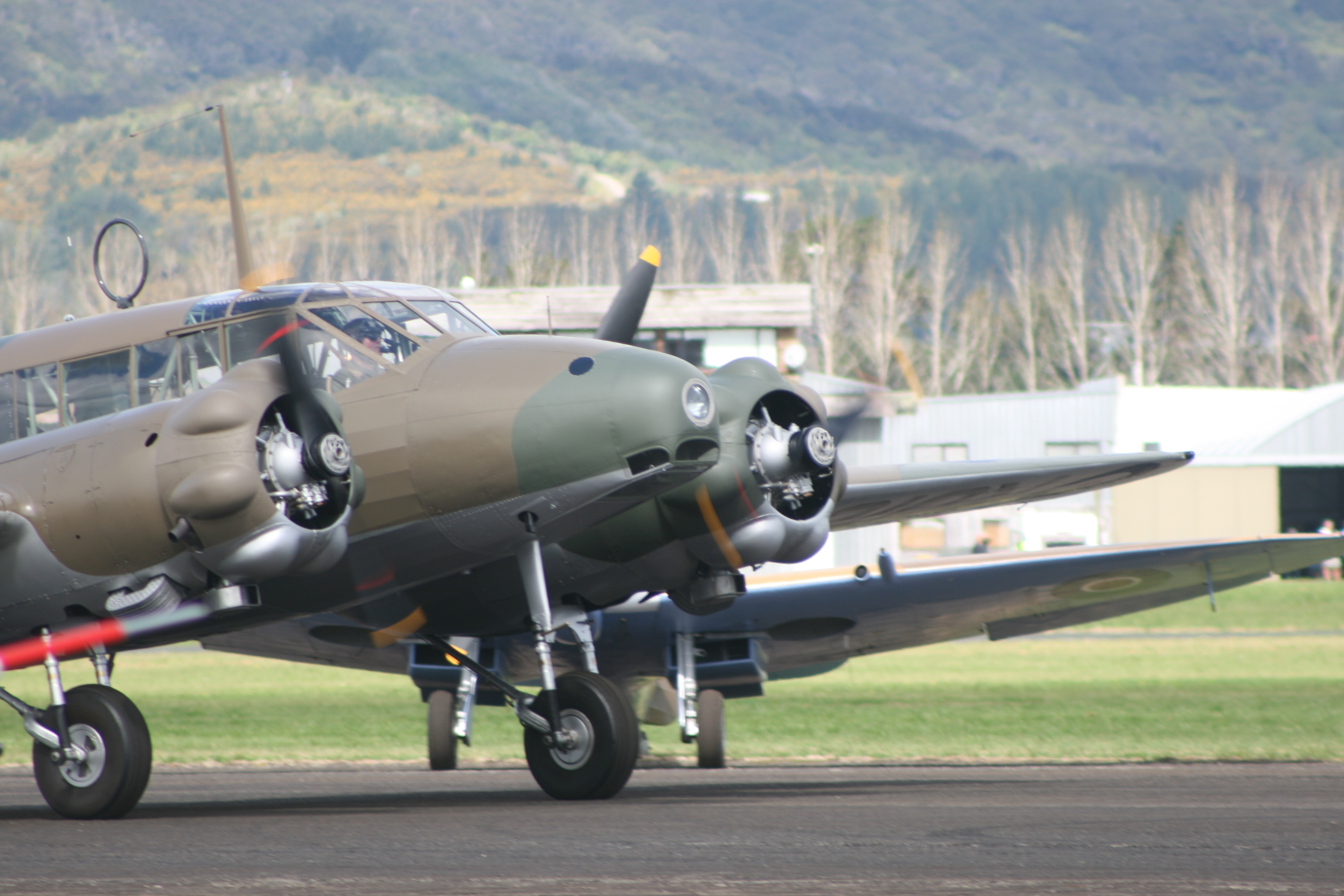
How many Anson Mk I were built?
6,688 or 6,742 Avro Anson Mk I were built, according to different sources; History of War, which gives the second figure, places 3,935 at Woodford and the… more…
Military aviation
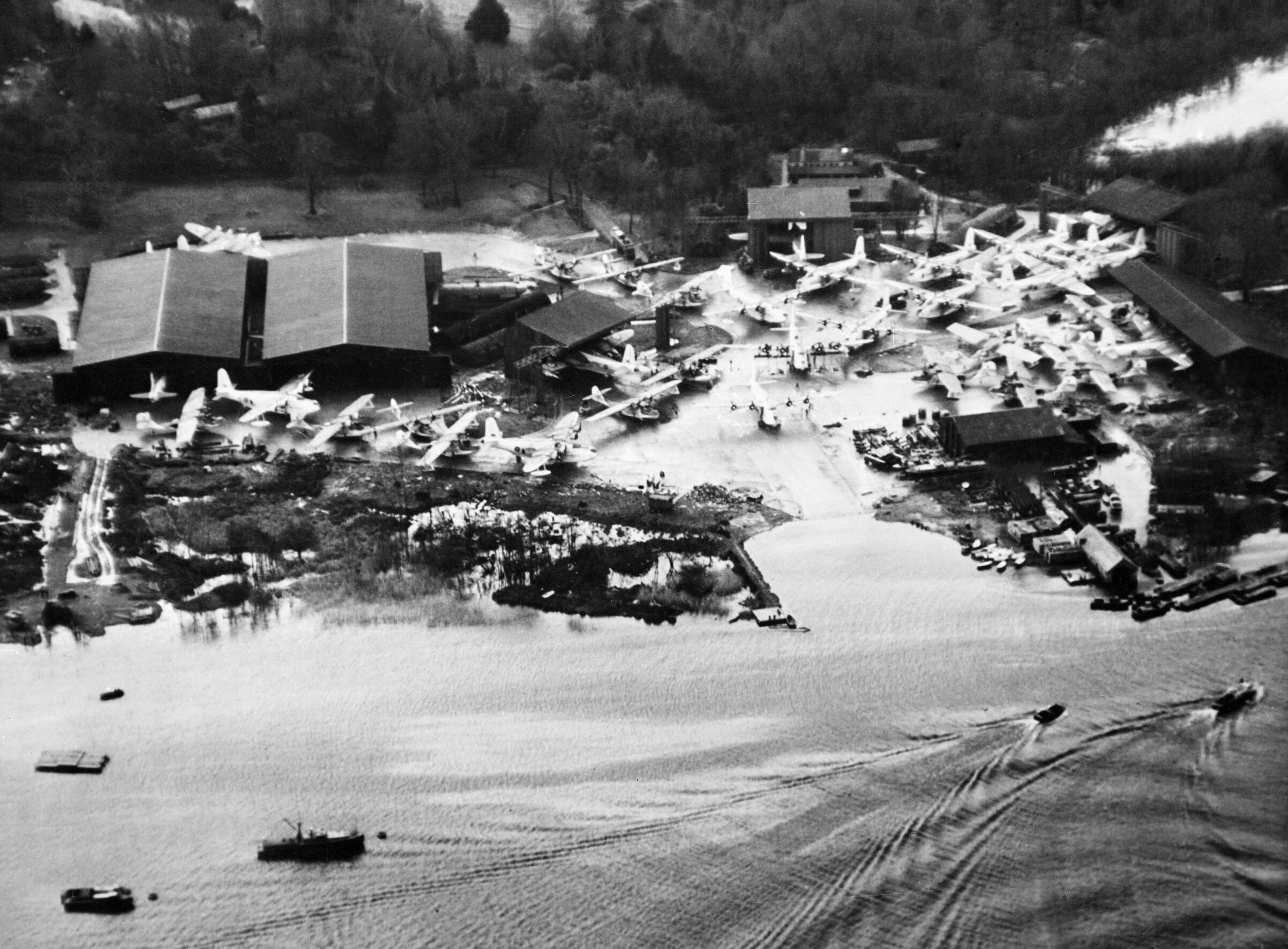
Which flying boats rescued the crew of the Kensington Court in 1939?
They were two RAF Sunderland flying boats: according to uboat.net, an aircraft of Squadron 228 and L5802 of Squadron 204 landed on the water next to the… more…
Military aviation
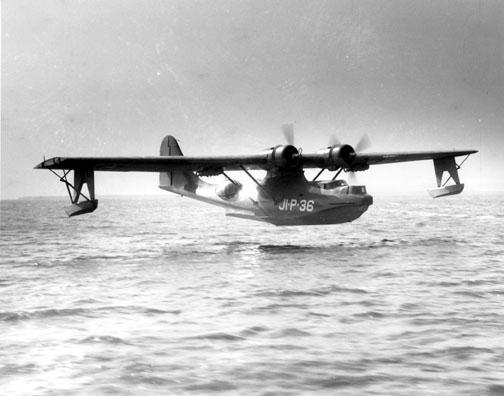
How long did Catalina convoy escort flights to the USSR last?
Many of the Catalina flights protecting convoys to the Soviet Union lasted between 15 and 20 hours and ended at Gryaznaya Bay (Murmansk) or at Arkhangelsk… more…
Military aviation
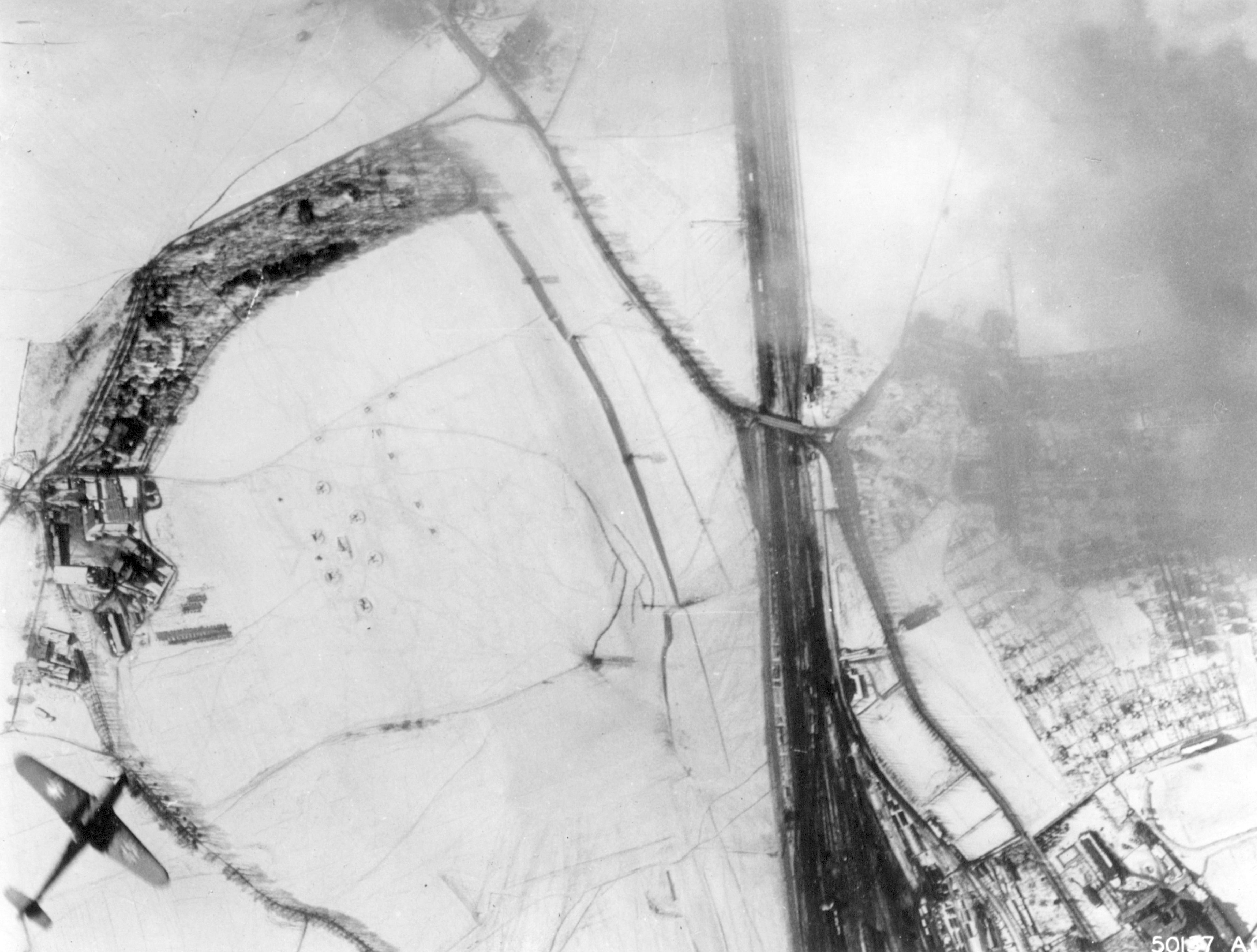
How many aircraft did the Axis lose in Crusader?
Around 332 aircraft destroyed and around 228 abandoned in the operation's tally, which took place between 18 November and 30 December 1941. According to their… more…
Military aviation
How many victories did No. 604 Squadron, the RAF night-fighter squadron, claim?
Around 127 aerial victories over the course of the war, 41 of them since May 1944. No. 604 (County of Middlesex) Squadron RAF spent most of the Second World… more…
Military aviation
Why did the "Torch" P-40Fs carry a flag on the fuselage?
To deter Vichy French forces from shooting them down: aircraft with yellow-outlined roundels sometimes had an American flag added in front of the roundel. The… more…


