Consolidated B-24 Liberator variant
Consolidated B-24 Liberator B-24J
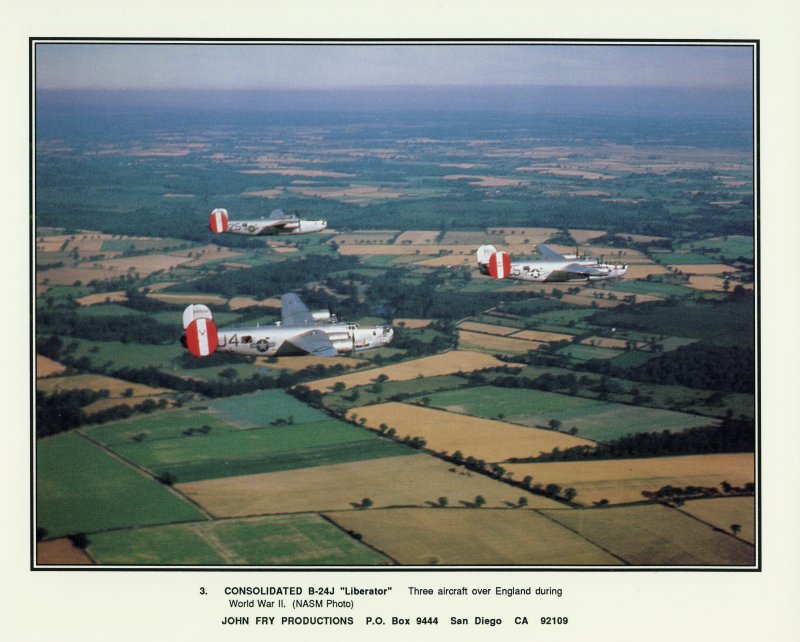
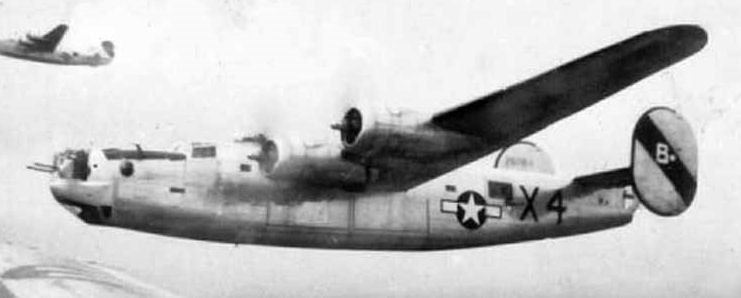
The most numerous version of the Consolidated B-24 Liberator, with 6678 aircraft built across the five plants of the Liberator Production Pool. It standardised the C-1 automatic pilot and the M-series bombsight, and was the only mark produced simultaneously at San Diego, Fort Worth, Willow Run, Tulsa and Dallas, with detail differences between factories.
Consolidated B-24 Liberator sheet
-1600.webp)
- 6,678
- Units built
- 2,480 km
- Range
History
The B-24J was the most numerous production version of the Liberator: the five plants of the Liberator Production Pool delivered 6678 aircraft in all, a figure no other mark of the bomber came close to matching. Its purpose was not a leap in design but standardisation. Built on the B-24H, it generalised a new C-1 automatic pilot and a modified M-series bombsight so that crews and maintenance units could count on a common aiming and automatic flight equipment across every group. Indeed, B-24H sub-assemblies completed by other companies, and any airframe retrofitted with the C-1 or the M-1 sight, were also redesignated B-24J, which partly explains the size of the total.
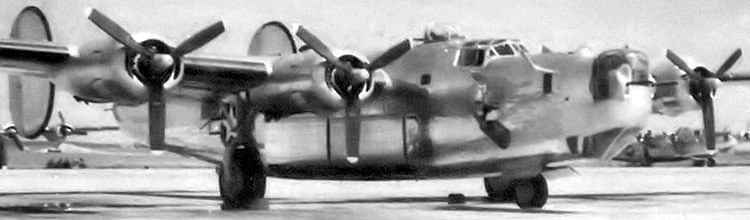
The designation originally applied to aircraft leaving the Consolidated plants at San Diego and Fort Worth, which, because of the shortage of the Emerson nose turret fitted to the B-24H, had to use a modified Consolidated A-6 hydraulic turret, that is, a turret conceived for the tail installed in the nose. Production began at San Diego in August 1943 and at Fort Worth in September of the same year. Once enough Emerson turrets became available both plants switched over to them: at San Diego from the 181st aircraft or from production block 190, and at Fort Worth from the 41st aircraft or from block 45, depending on the source consulted. The Emerson A-15 electric turret, used on late war Liberators except those from San Diego, carried a K-11 compensating gunsight that computed the reticle from the aircraft altitude and speed in relation to where the weapon was pointed, a late war innovation.
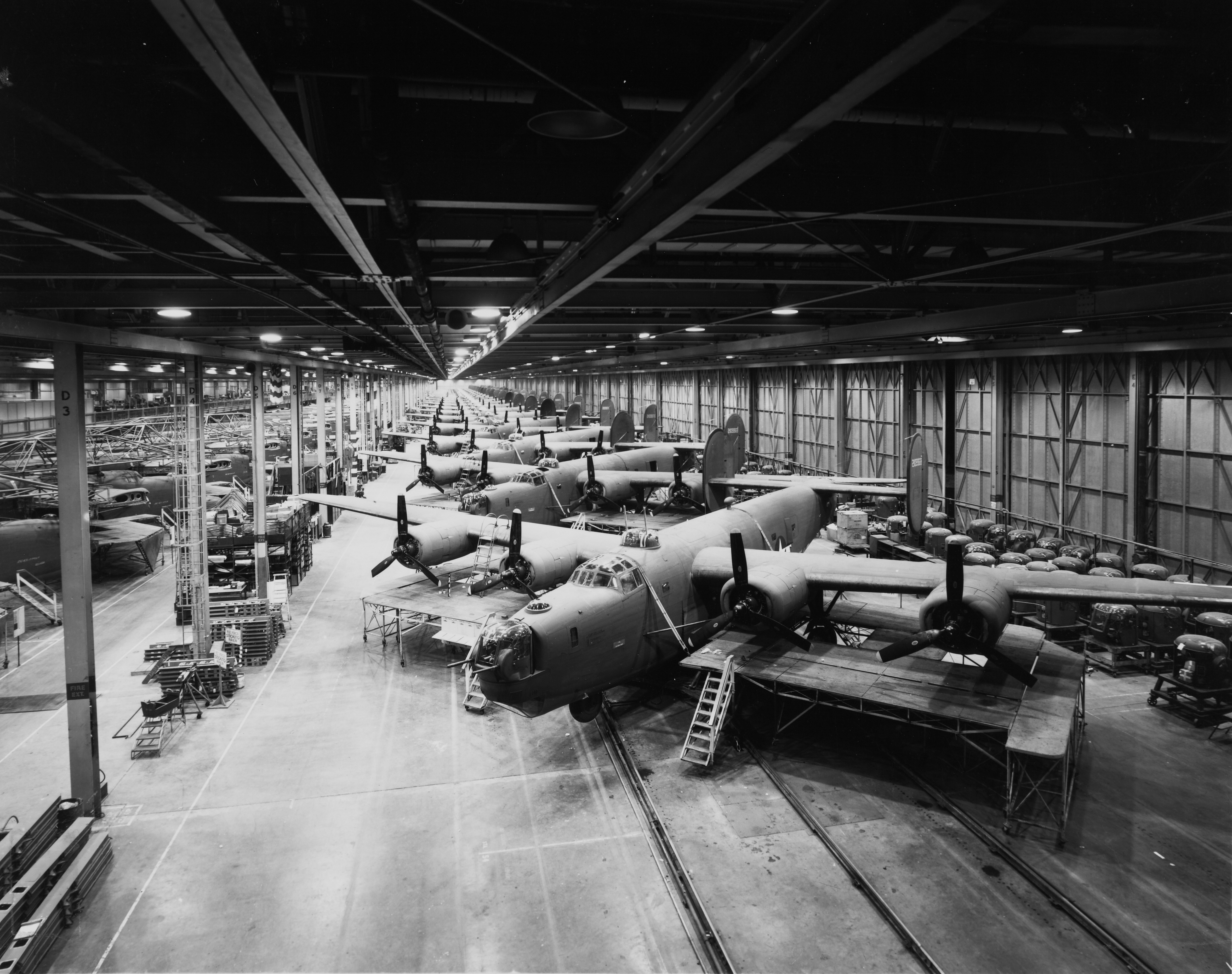
In the spring of 1944 the remaining three factories in the pool also turned to the J model: Ford at Willow Run began in April 1944, while North American at Dallas and Douglas at Tulsa both started in May of that year. The final breakdown by plant was 2792 aircraft at Consolidated San Diego, 1587 at Ford Willow Run, 1558 at Consolidated Fort Worth, 536 at North American Dallas and 205 at Douglas Tulsa. Despite the shared designation the aircraft were far from identical: the three plants that joined in 1944, together with Fort Worth, fitted the raised high hat dorsal turret with better visibility and staggered, enclosed waist windows, whereas San Diego B-24Js kept the lower upper turret and open waist positions through much of the run. That diversity made maintenance awkward in practice, since parts and procedures were not always interchangeable between aircraft of the same mark.
Every B-24J shared the same powerplant of four Pratt & Whitney R-1830-65 engines of 1200 horsepower each. With the A-6 nose turret, the published figures for the version give a wingspan of 110 feet, a length of 67 feet and 7 inches and a fraction, an empty weight of 36500 pounds and a maximum weight of 65000 pounds, with a top speed of 290 miles per hour, a service ceiling of 28000 feet and a range of 2100 miles. Defensive armament consisted of ten 12.7 mm machine guns: two in the nose, two in the tail, two in the dorsal turret, two in the ventral turret and one in each waist position.
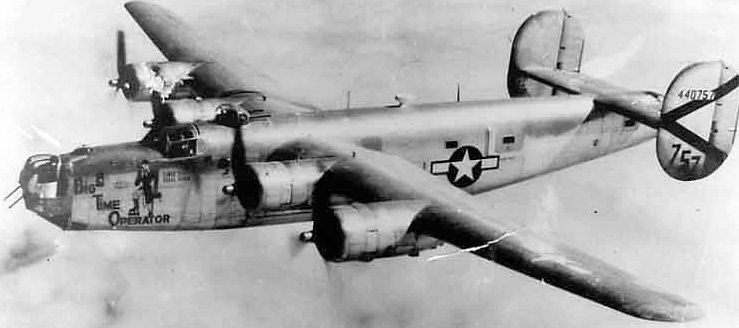
The J model also spawned further lines: the F-7A photographic reconnaissance version with three cameras and the F-7B with up to six cameras in the bomb bay; BQ-8 conversions into radio-controlled flying bombs at the end of the airframes useful life, a role shared with the B-24D; and aircraft delivered to the United States Navy under the PB4Y-1 designation. In British service the B-24J corresponded to the Liberator B.Mk VIII, and Coastal Command operated GR.Mk VI and GR.Mk VIII reconnaissance and anti-submarine patrol variants derived from the mark. Australia received Liberators of the D, J, L and M models up to a total of 287 aircraft.
Multimedia