Why The Airbus A380 Is Making An Unlikely Comeback
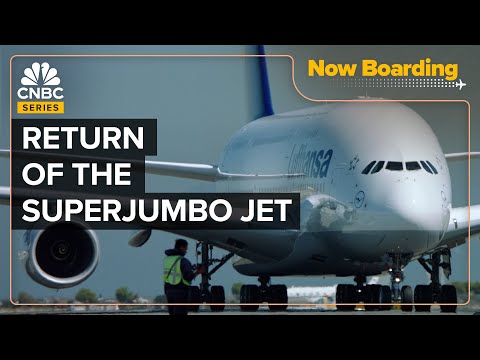
Video from the channel CNBC about Airbus A380, linked on its Above Ten Thousand entry. Duration: 14:42. Language: English. Video type: Documentary.
What it's about
CNBC report combining a flight on an Emirates A380 with statements from Airbus and airline officials and analyst opinion. It explains the aircraft's origin, its commercial decline and its comeback after the pandemic.
Historical background
Airbus and Boeing jointly studied a very large capacity aircraft, but Boeing abandoned the cooperation because it did not see enough demand. Airbus launched the program in 2000, and the aircraft entered commercial service in 2007 with Singapore Airlines, overtaking the 747 as the largest passenger aircraft. Airbus was betting on congested airports and the hub-and-spoke model; Boeing on point-to-point routes with twin-engine jets like the 777 and 787. 251 units were sold to 14 airlines, almost half to Emirates. Airbus decided to stop production in 2019 and the last aircraft rolled off the line in 2021.
Highlights
The report cites a wingspan of just over 261 feet, a range of 8,000 nautical miles, a takeoff weight of over a million pounds and a price of $445 million in 2019. It estimates that Airbus invested around $25 billion in the program. During the pandemic nearly 90% of the fleet was grounded at one point, and several airlines later returned it to service. Emirates mentions a refurbishment program worth around $2 billion for 120 aircraft, 67 of them A380s. A freighter version was ruled out because of the floor reinforcement it would have required. At the time of the report it was operated by ten airlines.