Family: Vikram · Skyroot Aerospace
Vikram-I
Launch statistics
- 1
- Launches (as of July 27, 2026)
- 1
- Successes
- 0
- Failures
- 100.0 %
- Success rate
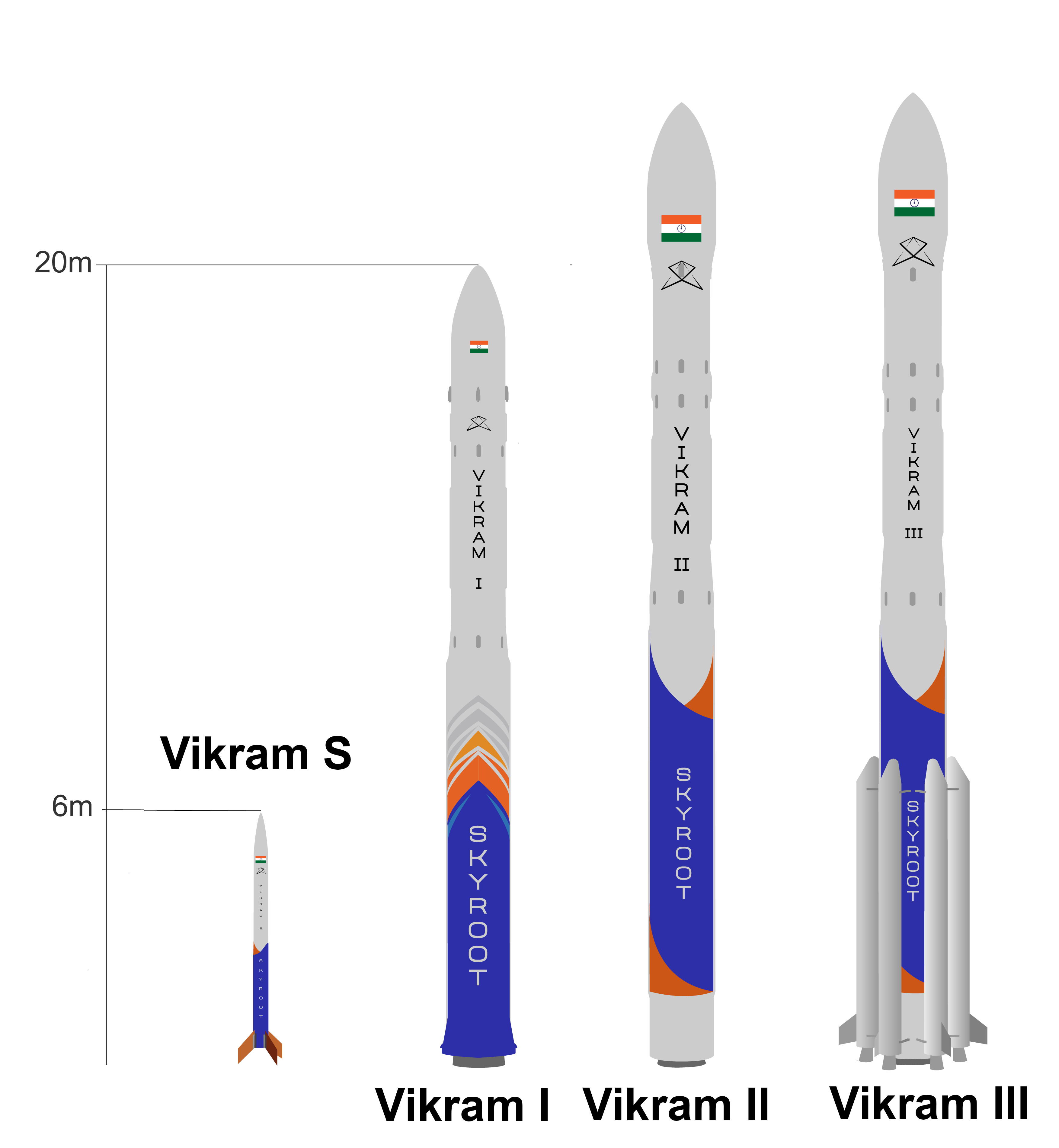
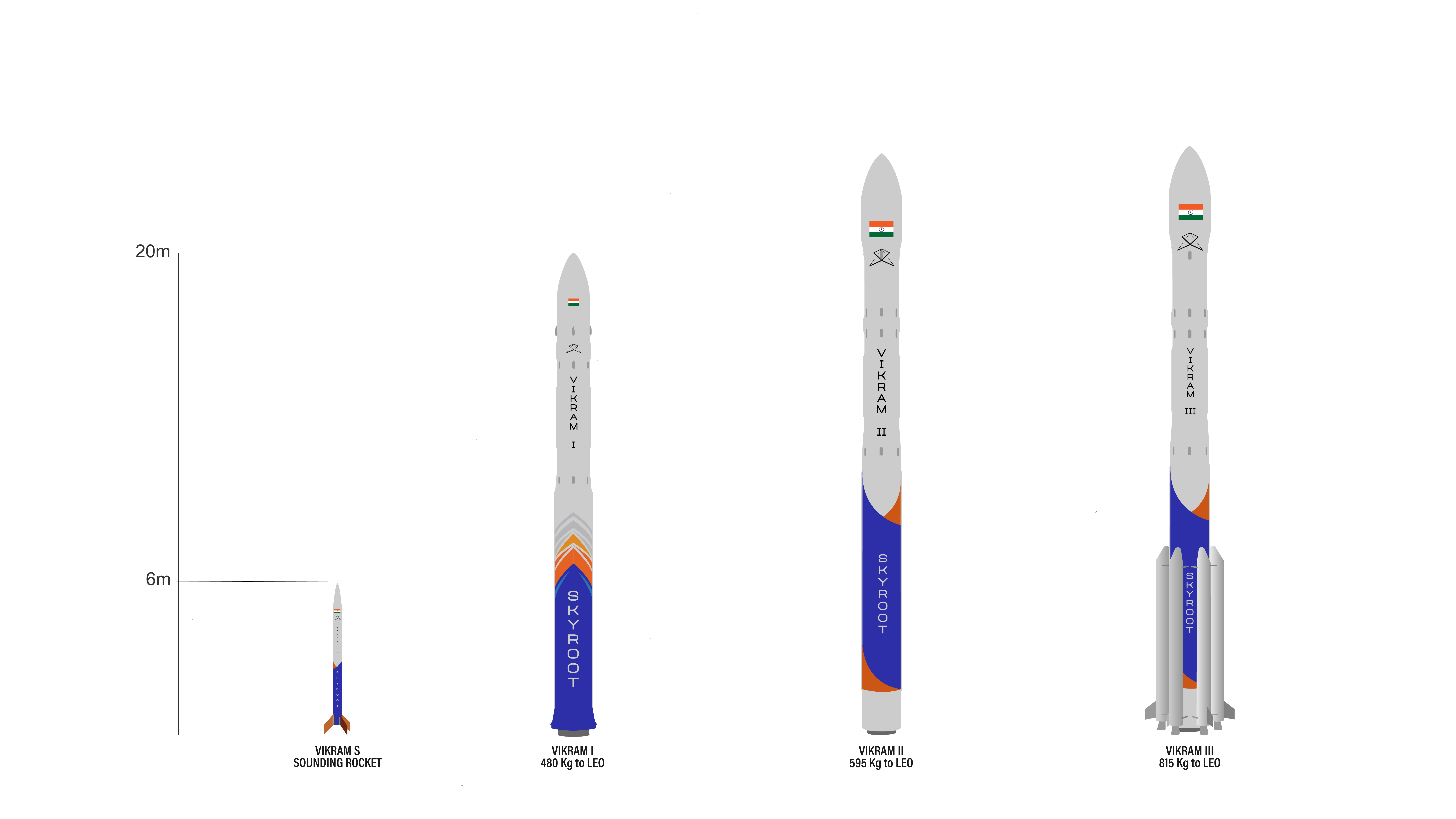
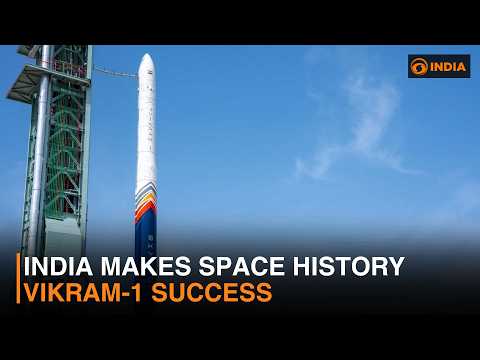
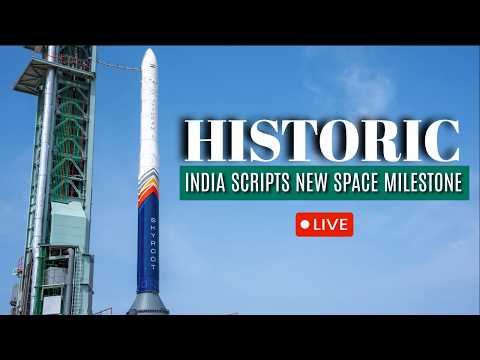
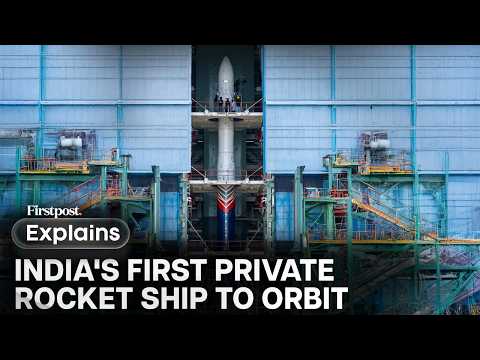
Vikram-1 (also written Vikram-I) is a four-stage, expendable small-lift orbital launch vehicle developed by the Indian company Skyroot Aerospace. Its first three stages burn solid propellant, while the fourth acts as a liquid kick stage using nitrogen tetroxide and monomethylhydrazine for orbital insertion and fine adjustment manoeuvres. The vehicle is named after Vikram Sarabhai, widely described as the father of the Indian space programme. The rocket targets the small-satellite launch market: it can fly dedicated or rideshare missions, and Skyroot markets it as a responsive system requiring minimal launch infrastructure. Its airframe uses carbon-composite structures to cut structural mass, and the company has stated that the vehicle employs 3D-printed liquid engines and modular avionics. The second stage, called Kalam 250, has thrust vector control for steering, while the upper stage carries reaction-control thrusters for attitude control. The vehicle is active. Its maiden flight, the Aagaman mission (Sanskrit for 'arrival'), lifted off on 18 July 2026 from the Satish Dhawan Space Centre and successfully placed its payload into low Earth orbit, making India the third country with a private orbital launch capability after the United States and China. Skyroot described the mission as a test flight and said further test flights would precede routine commercial service; a Vikram-1U configuration with additional solid rocket boosters is also planned.
Vikram-I in the news
This report was originally published on IDRW.org. Marking a decisive shift from historic milestones to repeatable execution, private aerospace manufacturer Skyroot Aerospace has commenced... The…
This report was originally published on IDRW.org. Following the historic maiden orbital flight of its Vikram-1 rocket, Indian private aerospace pioneer Skyroot Aerospace has... The post Beyond…
According to Skyroot, these pieces are a tribute to India's scientific legacy. The first mission of the rocket, called Aagaman, has been to validate the different subsystems..
On Saturday, Indian startup Skyroot Aerospace successfully reached orbit on the first flight of its Vikram-1 rocket. Ajey Lele says this is a milestone not just for the company but the emerging…
Indian company Skyroot Aerospace today, 18 July 2026, launched its Vikram-1 vehicle, successfully completing the first demonstration mission, Aagaman ("the arrival"), in the sense of being…
History
Origins and development
Skyroot Aerospace conceived Vikram-1 to serve the growing demand for small-satellite launches. The path to an orbital rocket ran through a suborbital demonstrator, Vikram-S, flown in November 2022, which made Skyroot the first Indian private company to launch a rocket from ISRO facilities. Earlier, in May 2022, the company had completed a full-duration static test of the Kalam-100 solid stage, one of the future launcher's components.
Unveiling and qualification
Skyroot publicly unveiled Vikram-1 in October 2023 at its MAX-Q headquarters in Hyderabad. Qualification testing continued through 2024 and 2025, including stage separation tests and avionics validation. In November 2025, Prime Minister Narendra Modi unveiled the flight-ready configuration of the rocket during the inauguration of Skyroot's Infinity Campus in Hyderabad.
The Aagaman flight
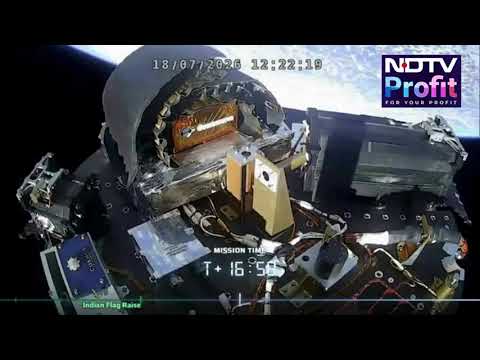
On 18 July 2026 Vikram-1 lifted off from the First Launch Pad at the Satish Dhawan Space Centre on the Aagaman mission. The payload was injected into orbit roughly fifteen minutes after liftoff. Aboard were Indian miniaturised satellites including SCOPE, SOLARAS S3 and EMBRACE — the latter a robotic arm from Cosmoserve Space — along with on-orbit demonstrations hosted on the upper stage by the German company DCUBED. Reaching orbit on the first attempt was widely reported as a milestone for India's private space industry.
Current status
Skyroot treats Aagaman as a test flight and plans further trials before moving to routine commercial operations. The next announced mission is the debut of the Vikram-1U configuration, fitted with additional solid rocket boosters, targeted for the first quarter of 2027.
Launch timeline
| Date | Launch site | Program | Outcome | Payload |
|---|---|---|---|---|
| Jul 18, 2026, 6:35 AM | Satish Dhawan Space Centre First Launch Pad | — | Success | First launch of Skyroot Aerospace's Vikram-I launch vehicle. This first launch will carry 4 payloads: - Grahaa Space's SOLARAS S3 satellite - Cosmoserve Space's in-orbit robotic arm Embrace - An in-orbit demonstration from DCUBED - Skyroot's own SCOPE satellite |
Versions
| Vikram-1 | Vikram-1U | |
|---|---|---|
| First launch | July 18, 2026 | — |
| Height | 24 m | — |
| Stages | 4 Best value in this row | 4 Best value in this row |
| LEO capacity | 350 kg | 550 kg Best value in this row |
| Reusable | No | No |
Images
Videos





Show the 54 more
 Skyroot's Vikram-1 Launch Explained: Why It Could Be A Game Changer For India's Space Sector
 India’s First Private Orbital Rocket Vikram-I Unveiled | PM Modi Launches Skyroot’s Space Revolution
 LIVE: PM To Virtually Inaugurate Skyroot’s Infinity Hyderabad Campus, Unveil Vikram-I Orbital Rocket