Did you know…
What were "cab ranks"?
Short answer
A close air support procedure: fighter-bombers were held available from "cab ranks," orbiting holding points near the forward edge of the battle area. Although already assigned a target, they first waited for a call to attack a more urgent one.

Aircraft waiting their turn
Fighter-bombers were made available from "cab ranks," orbiting holding points close to the forward edge of the combat zone. Although they had already been assigned a target, they first waited for a call to attack a more pressing one. This made it possible to request air support very quickly against targets of opportunity or threats to troops in the area, while aircraft that were not called attacked their planned target.
Who directed the traffic
The controller rode in "the leading car or armored car" and directed a cab rank of aircraft over the battlefield. Ground FACs operated from White Scout Cars or M3 half-tracks — and later tanks — equipped with a wide range of radios for air-to-ground and ground-to-ground links. At least ten tanks in each armored division carried VHF sets to contact aircraft overhead. Airborne FACs came from the air observation post squadrons.
Precision and doctrine
The "cab rank" system for close air support was one of the lessons from Italy incorporated into Second Tactical Air Force doctrine.
More questions
L-Bit (CC BY SA), vía commons Military aviation
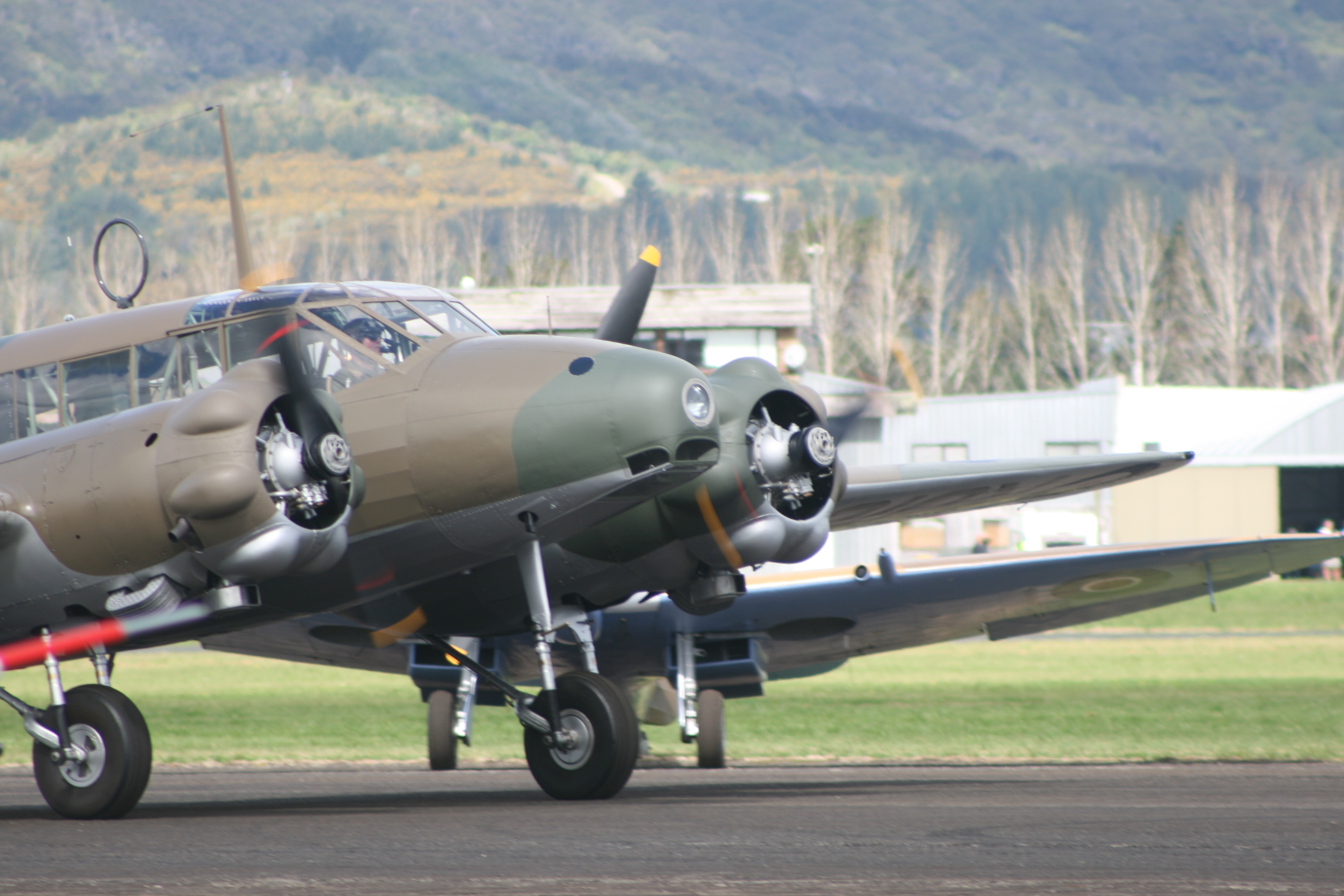
How many Anson Mk I were built?
6,688 or 6,742 Avro Anson Mk I were built, according to different sources; History of War, which gives the second figure, places 3,935 at Woodford and the… more…
Military aviation
Which flying boats rescued the crew of the Kensington Court in 1939?
They were two RAF Sunderland flying boats: according to uboat.net, an aircraft of Squadron 228 and L5802 of Squadron 204 landed on the water next to the… more…
Military aviation
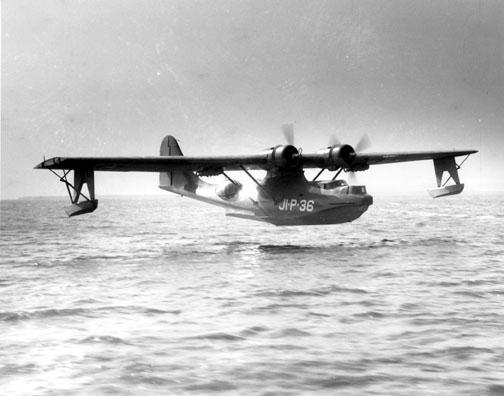
How long did Catalina convoy escort flights to the USSR last?
Many of the Catalina flights protecting convoys to the Soviet Union lasted between 15 and 20 hours and ended at Gryaznaya Bay (Murmansk) or at Arkhangelsk… more…
Military aviation
How many aircraft did the Axis lose in Crusader?
Around 332 aircraft destroyed and around 228 abandoned in the operation's tally, which took place between 18 November and 30 December 1941. According to their… more…
Military aviation
How many victories did No. 604 Squadron, the RAF night-fighter squadron, claim?
Around 127 aerial victories over the course of the war, 41 of them since May 1944. No. 604 (County of Middlesex) Squadron RAF spent most of the Second World… more…
Military aviation
Why did the "Torch" P-40Fs carry a flag on the fuselage?
To deter Vichy French forces from shooting them down: aircraft with yellow-outlined roundels sometimes had an American flag added in front of the roundel. The… more…


