Did you know…
What was the Chinook's top speed when it entered service?
Short answer
When it entered service in 1962, the Chinook had a top speed of 170 kn (310 km/h) and a cruise speed of 157 kn (291 km/h). That made it notably faster than the utility and attack helicopters of the 1960s, and it remains one of the fastest helicopters in the US inventory today.

Faster than its contemporaries
When the Chinook entered service in 1962, its top speed of 170 knots (310 km/h, 200 mph) put it clearly ahead of the utility and attack helicopters of that era. The aircraft's technical data sheet also lists a cruise speed of 157 kn (291 km/h). More than sixty years later, the Chinook still ranks among the fastest helicopters in the US inventory, a notable achievement for a machine designed above all to move heavy loads rather than to set speed records. That speed advantage over early-1960s rotorcraft is part of why the type has remained in frontline service for so long.
The advantage of tandem rotors
The Chinook flies with two large tandem rotors, one at the front and one at the rear, driven by two turbine engines. If one of the two engines fails, the other can still drive both rotors. Added to this are several fuselage doors, a wide rear ramp, and three ventral hooks for sling loads. The CH-47D, in service since 1979, used that three-hook system to carry up to 26,000 lb (12,000 kg) of external cargo, such as 12 m containers. The CH-47F crew consists of three people: pilot, co-pilot, and flight engineer or crew chief. That engine redundancy and those cargo options are central to the helicopter's reputation as a heavy-lift workhorse.
Speed in modern versions
Successive versions have kept that agility despite growing in weight and capacity. The CH-47F can fly at more than 282 km/h (175 mph) carrying over 9,500 kg (21,000 lb) of payload, thanks to a stiffer machined structure, the CAAS digital cockpit, and a digital flight control system that eases pilot workload. That blend of speed and lift capacity is unusual among helicopters of comparable size. The combination of speed, capacity, and reliability explains why this design, born in the 1960s, remains the US Army's benchmark heavy-lift transport.
More questions
- Image pending
Records and curiosities
Which aircraft was called "perhaps the greatest failure" of Italian aviation?
The Breda Ba.88 Lince, though the usual description is more nuanced: it's cited as one of the most notable failures among operational aircraft that served in… more…
Tulumnes (CC BY SA), vía commons Records and curiosities
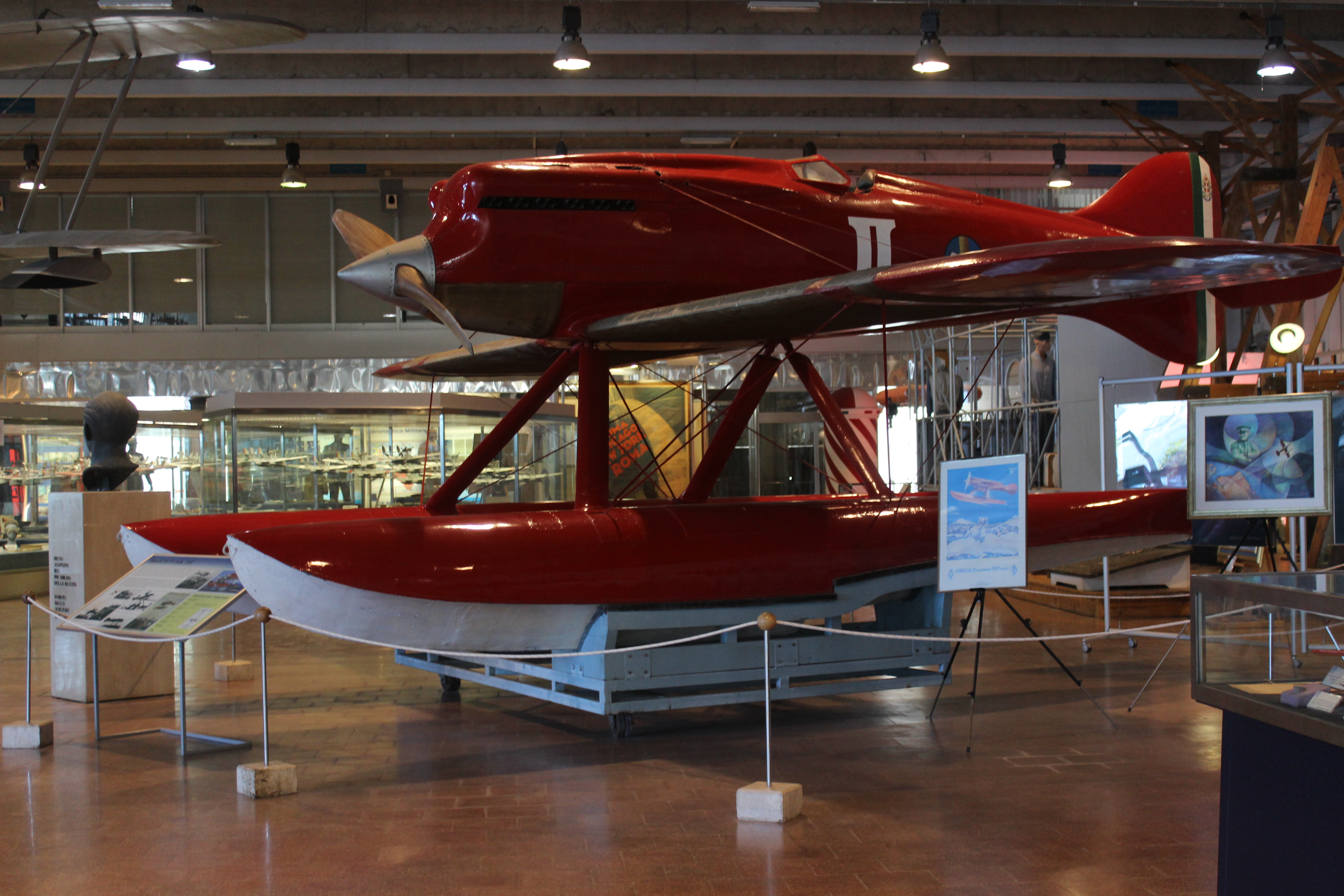
What speed record did Macchi start with?
With the M.39: its MM.76, flown by Mario de Bernardi, took first place in the Schneider Trophy at an average of 396.698 km/h (246.497 mph) and set a new world… more…
Records and curiosities
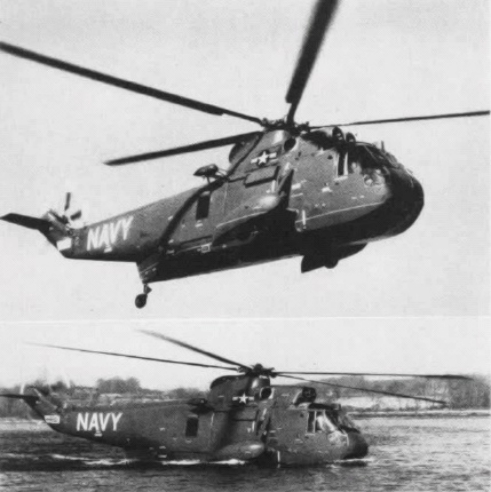
What speed record did a modified Sea King set?
It wasn't a production example but a modified US Navy HSS-2: on 5 February 1962 it set the absolute speed record for helicopters at 338.9 km/h (210.6 mph). It… more…
Records and curiosities
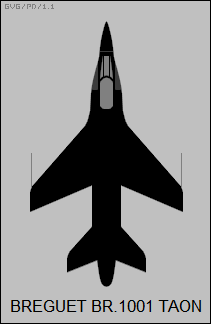
What records did the Breguet 1001 Taon break?
The Bréguet 1001 Taon broke the international 1,000 km closed-circuit speed record: on 25 April 1958 it reached 1,046.65 km/h at 7,620 m altitude. On 23 July… more…
RoyDickson (CC BY), vía commons Records and curiosities
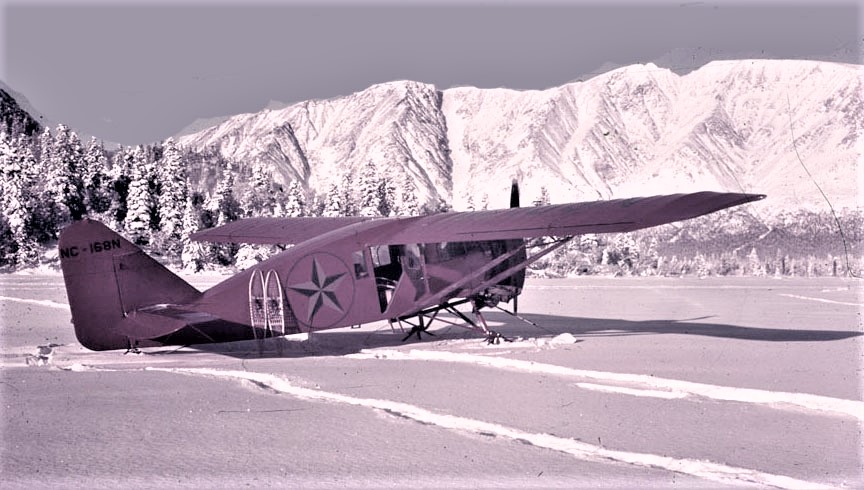
How long did a Bellanca Pacemaker fly without refueling in 1931?
84 hours and 32 minutes: on May 28, 1931, a Bellanca CH-300 with a diesel Packard DR-980 engine, flown by Walter Edwin Lees and Frederic Brossy, stayed… more…
Records and curiosities
Which aircraft broke the world absolute speed record at 448 km/h in 1924?
The Bernard SIMB V.2, a French single-seat, single-engine monoplane built in the mid-1920s. In a second attempt, on 11 December 1924, it averaged 448 km/h… more…


