Did you know…
What did some US aircraft carriers do to stop the kamikaze?
Short answer
The answer was the "big blue blanket," an air defense system devised by John Thach against the kamikaze. Blue-painted Hellcats and Corsairs intercepted Japanese aircraft long before they could attack the main ships. A line of picket destroyers, 50 miles or more from the fleet, gave earlier radar detection.

A blue blanket over the fleet
The "big blue blanket" was an air defense system devised by John Thach during the Second World War to protect American warships from Japanese kamikaze attacks. The system used Hellcats and Corsairs painted blue, tasked with intercepting Japanese aircraft long before they could reach the main American ships. This was reinforced by dawn-to-dusk fighter sweeps over Japanese airfields.
Radar pickets out front
The defense included a line of destroyers and destroyer escorts stationed 50 miles or more from the main body of the fleet to achieve earlier radar interceptions. At Okinawa, destroyers and destroyer escorts were pulled from the fleet's immediate screens and lined up well north of the carriers, across the path of the kamikaze aircraft. The system left the picket ships exposed to suicide attacks, but gave greater protection to the carriers and troop transports.
Radar, fighters and guns
The suicide attack was by far the most difficult antiaircraft problem the fleet had ever faced. Combat air patrols and antiaircraft fire, both aided by radar, were excellent, averaging around 90% success in destroying enemy aircraft. The Navy's standard short-range automatic weapon, the 20mm gun, proved ineffective against kamikaze attacks: its rate of fire was too slow and its gyroscopic computing sight could not keep up with such fast suicide attacks.
More questions
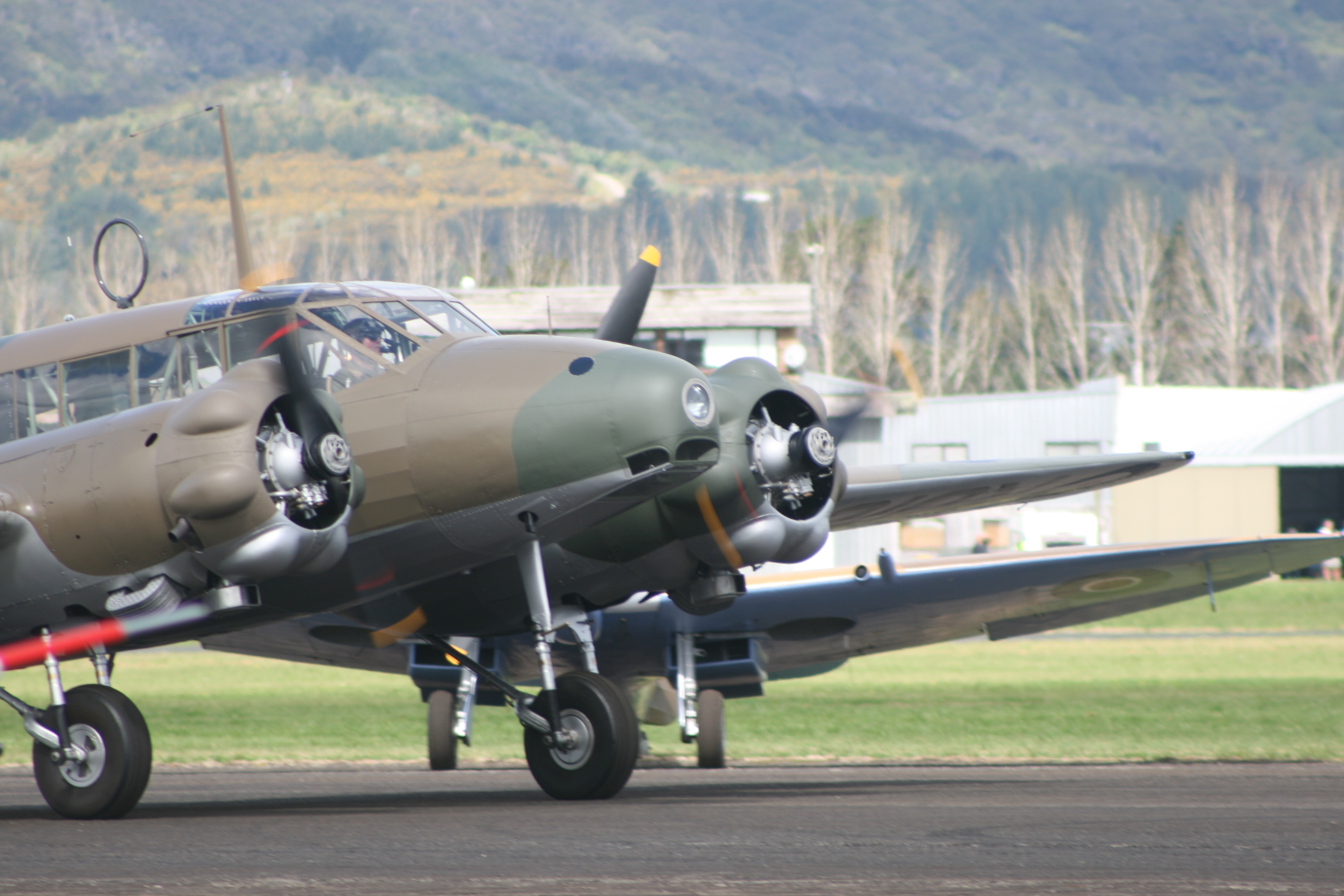
L-Bit (CC BY SA), vía commons Military aviation
How many Anson Mk I were built?
6,688 or 6,742 Avro Anson Mk I were built, according to different sources; History of War, which gives the second figure, places 3,935 at Woodford and the… more…
Military aviation
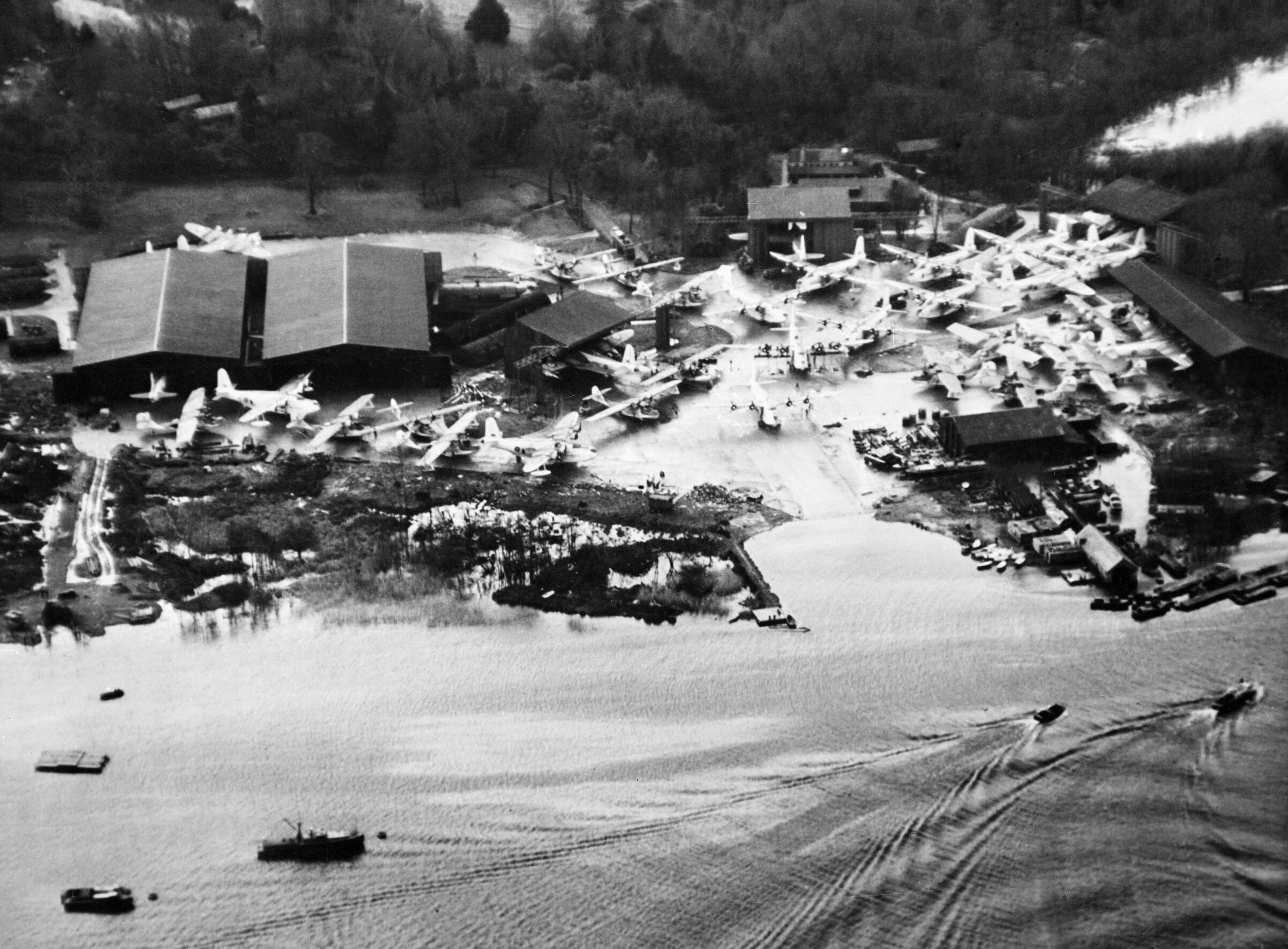
Which flying boats rescued the crew of the Kensington Court in 1939?
They were two RAF Sunderland flying boats: according to uboat.net, an aircraft of Squadron 228 and L5802 of Squadron 204 landed on the water next to the… more…
Military aviation
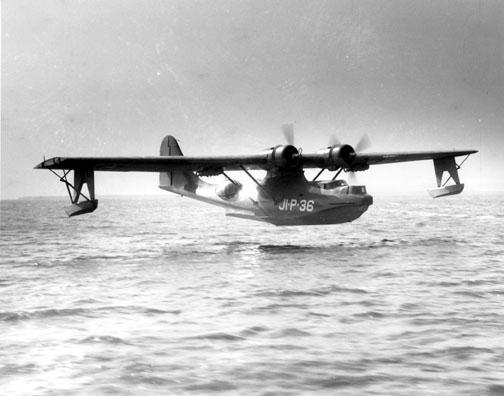
How long did Catalina convoy escort flights to the USSR last?
Many of the Catalina flights protecting convoys to the Soviet Union lasted between 15 and 20 hours and ended at Gryaznaya Bay (Murmansk) or at Arkhangelsk… more…
Military aviation
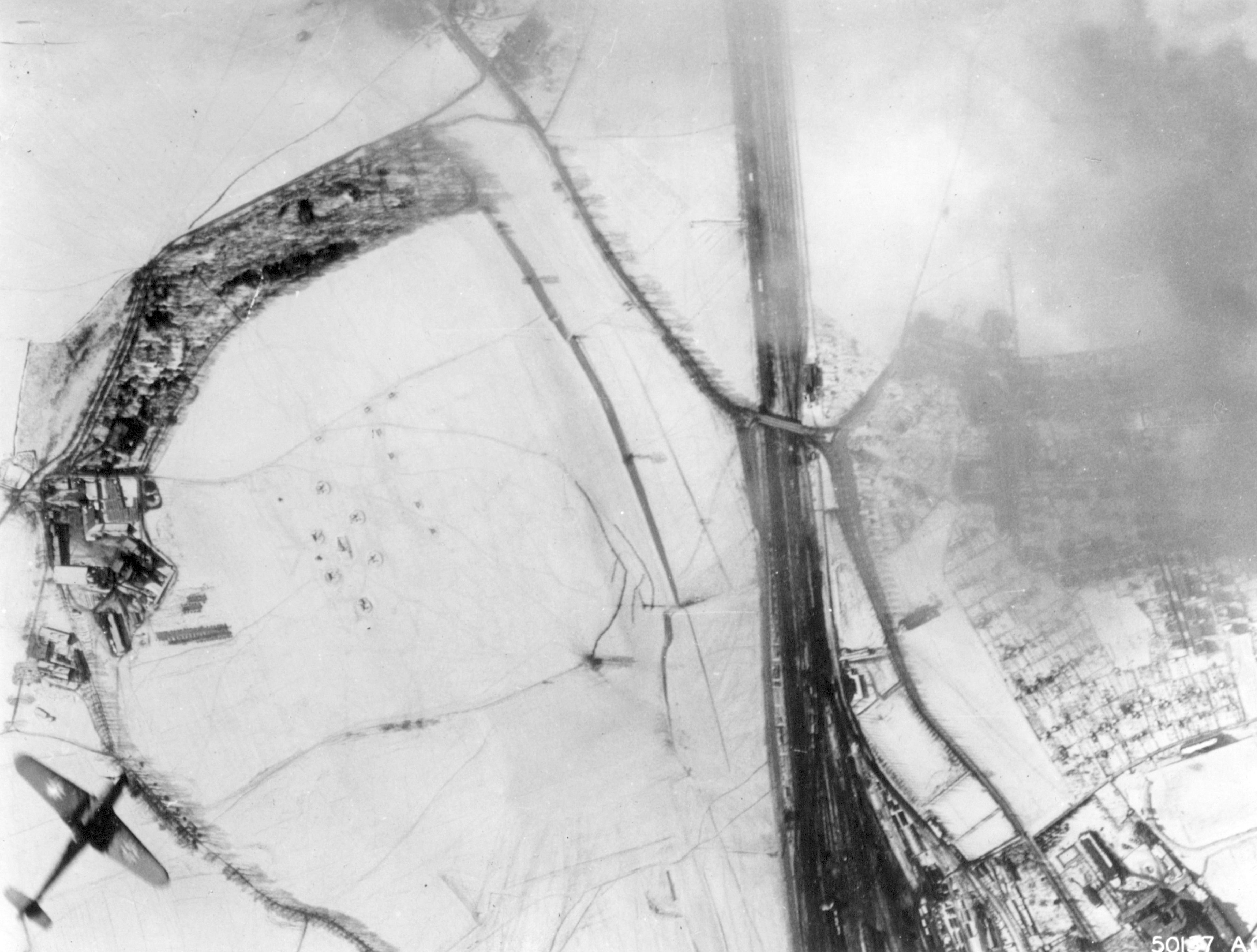
How many aircraft did the Axis lose in Crusader?
Around 332 aircraft destroyed and around 228 abandoned in the operation's tally, which took place between 18 November and 30 December 1941. According to their… more…
Military aviation
How many victories did No. 604 Squadron, the RAF night-fighter squadron, claim?
Around 127 aerial victories over the course of the war, 41 of them since May 1944. No. 604 (County of Middlesex) Squadron RAF spent most of the Second World… more…
Military aviation
Why did the "Torch" P-40Fs carry a flag on the fuselage?
To deter Vichy French forces from shooting them down: aircraft with yellow-outlined roundels sometimes had an American flag added in front of the roundel. The… more…


