Did you know…
Was the Bf 109's roll really as bad as it's said to be?
Short answer
Yes at high speed: between 350 and 400 mph the ailerons stiffened so much that reaching a 45° bank took four seconds. The short-travel, short-arm stick was heavy, and the cockpit was so narrow the pilot couldn't put his weight behind it. At low speed the wing slats improved its horizontal maneuverability.

Roll at high speed
The ailerons became so heavy between 350 and 400 mph that banking the aircraft 45° took four seconds at those speeds. Part of the problem lay in the control geometry: the stick was short, allowing only a small lever arm, and its travel was limited, giving it little mechanical advantage. The cockpit was so small and narrow that the pilot literally could not put his full weight behind the stick. The elevators also stiffened at high speed to the point that the pilot could not pull significant g, limiting the aircraft's maneuverability.
What the wing did offer
The leading-edge slats considerably increased the wing's lift when deployed and greatly improved the aircraft's horizontal maneuverability. Up to 180 mph the ailerons are described as light. They are also credited with maintaining response up to 350 mph rather than only up to 220.
An aircraft flown by hand
The 109 was an aircraft governed mostly by hand: the propeller had to be readjusted to get the correct rpm every time the throttle was moved. The rudder had no trim, and the aircraft flew with increasing yaw the faster it went, which had to be corrected by pushing the rudder bar.
More questions
L-Bit (CC BY SA), vía commons Military aviation
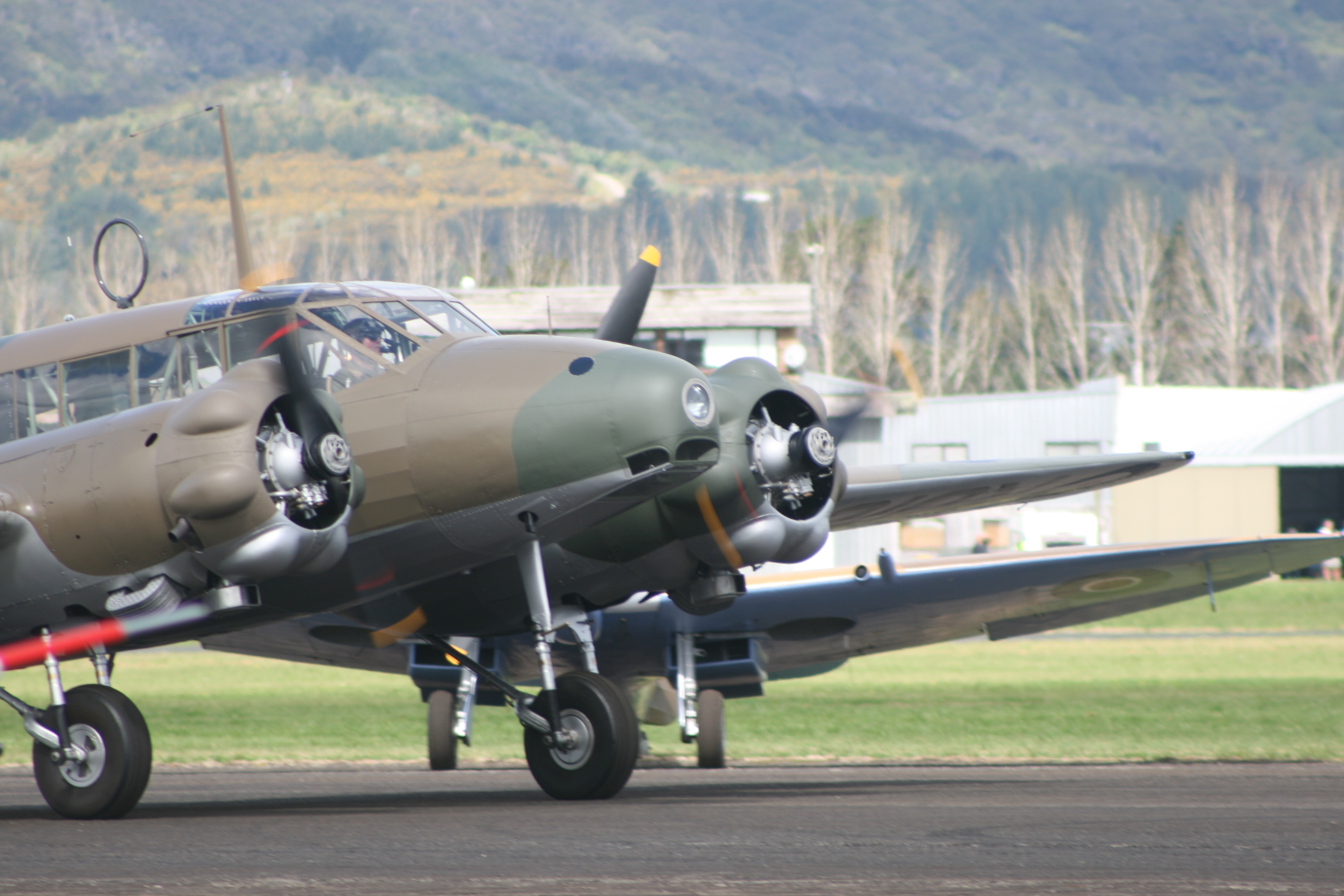
How many Anson Mk I were built?
6,688 or 6,742 Avro Anson Mk I were built, according to different sources; History of War, which gives the second figure, places 3,935 at Woodford and the… more…
Military aviation
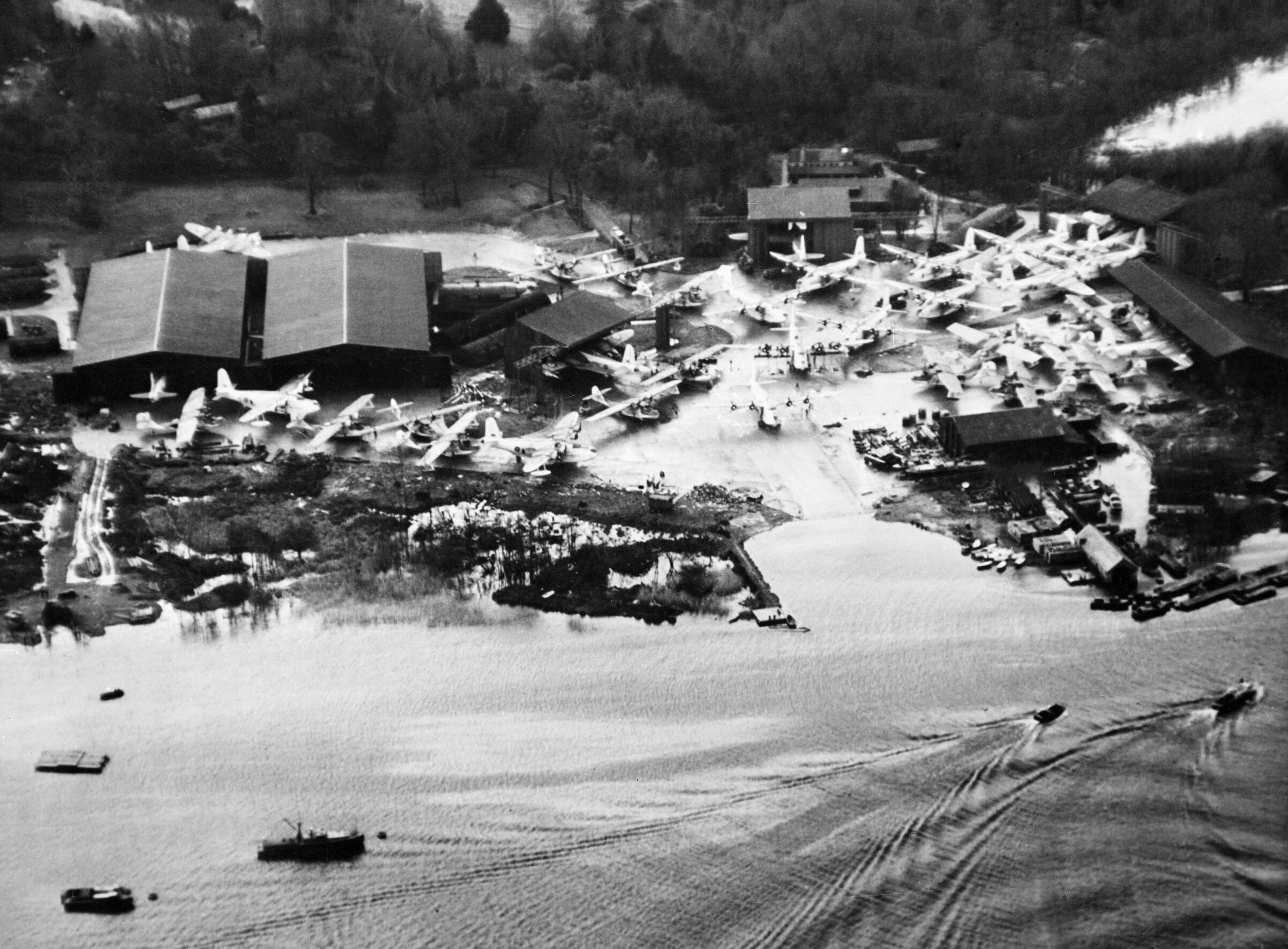
Which flying boats rescued the crew of the Kensington Court in 1939?
They were two RAF Sunderland flying boats: according to uboat.net, an aircraft of Squadron 228 and L5802 of Squadron 204 landed on the water next to the… more…
Military aviation
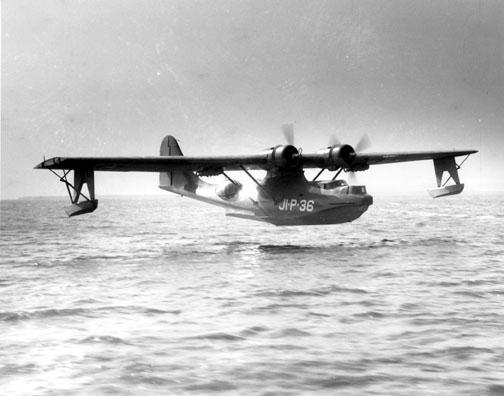
How long did Catalina convoy escort flights to the USSR last?
Many of the Catalina flights protecting convoys to the Soviet Union lasted between 15 and 20 hours and ended at Gryaznaya Bay (Murmansk) or at Arkhangelsk… more…
Military aviation
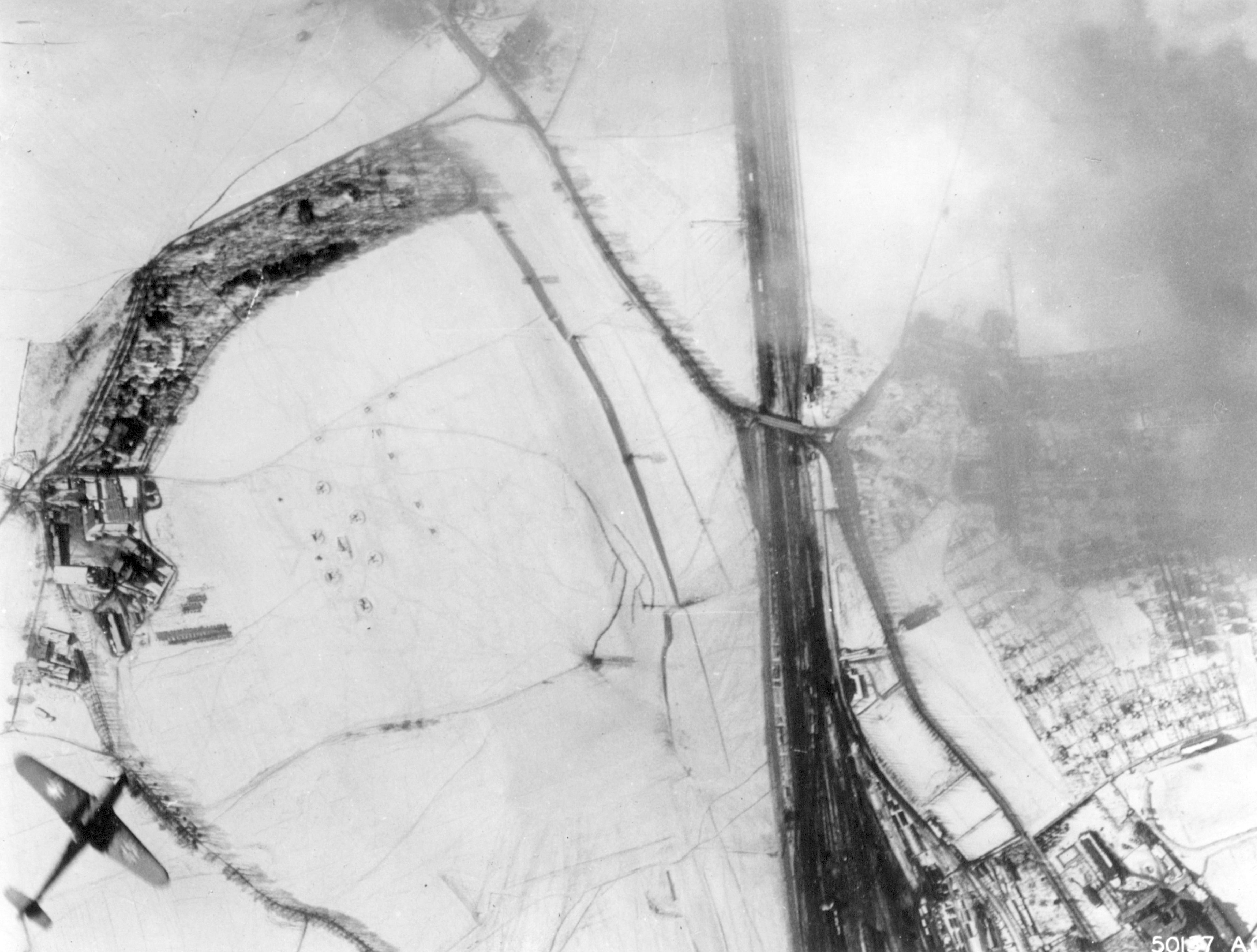
How many aircraft did the Axis lose in Crusader?
Around 332 aircraft destroyed and around 228 abandoned in the operation's tally, which took place between 18 November and 30 December 1941. According to their… more…
Military aviation
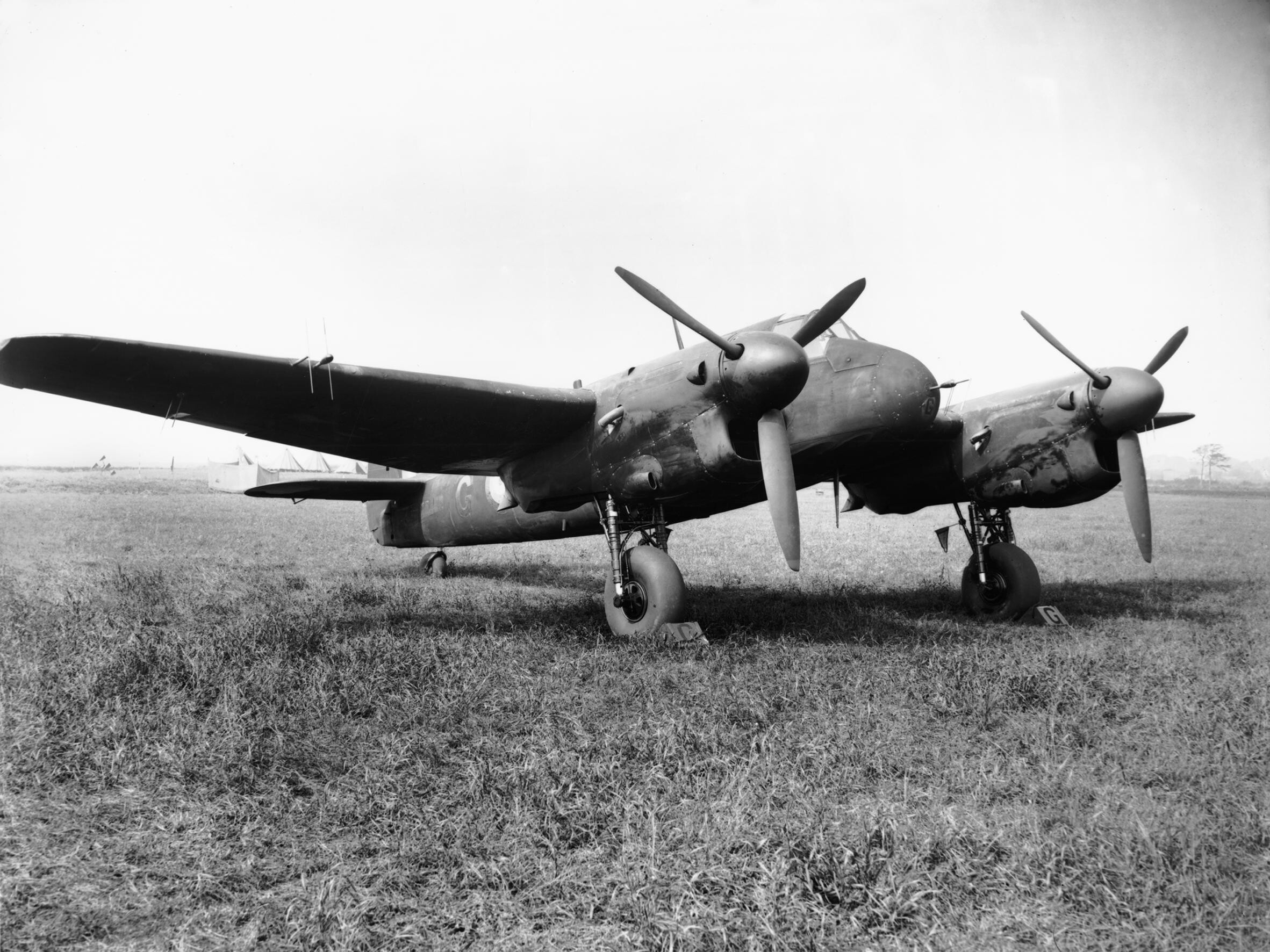
How many victories did No. 604 Squadron, the RAF night-fighter squadron, claim?
Around 127 aerial victories over the course of the war, 41 of them since May 1944. No. 604 (County of Middlesex) Squadron RAF spent most of the Second World… more…
Military aviation
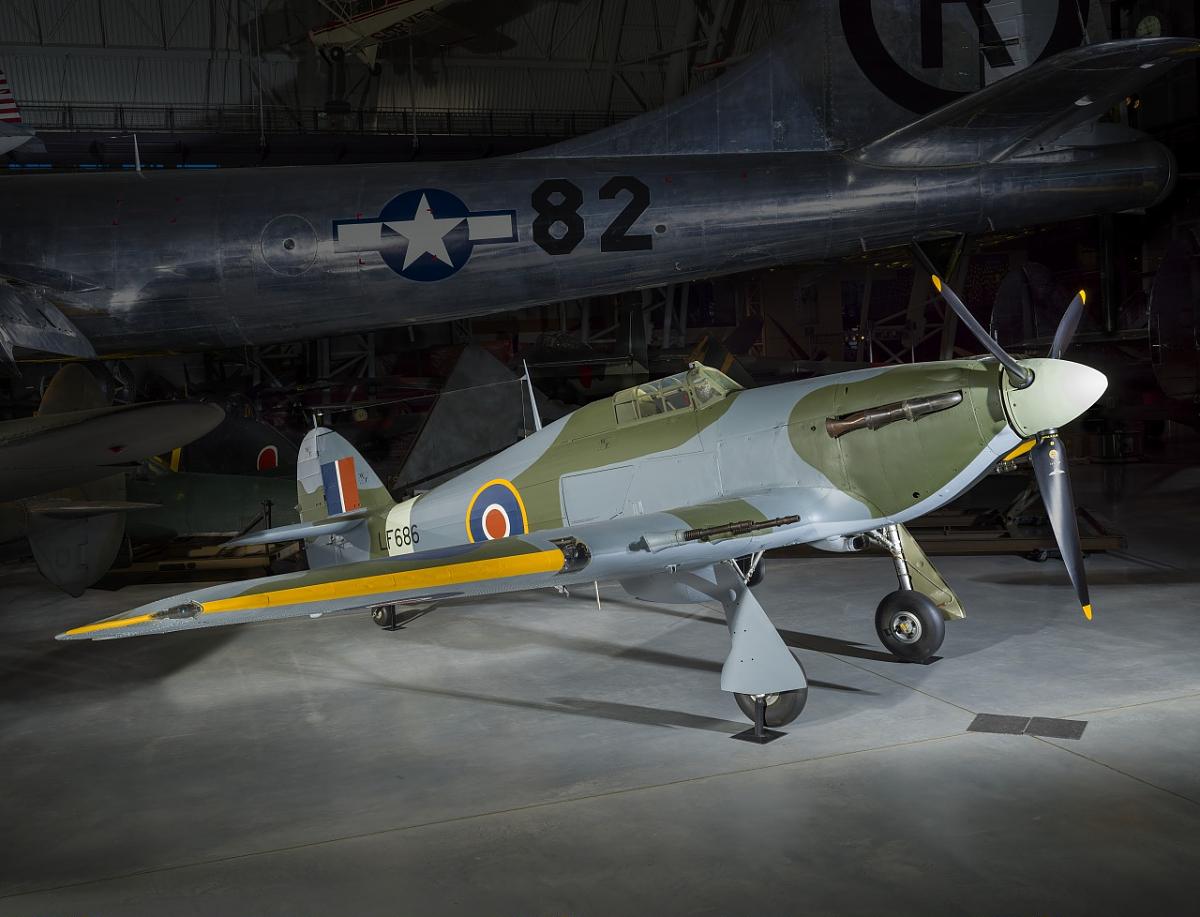
Why did the "Torch" P-40Fs carry a flag on the fuselage?
To deter Vichy French forces from shooting them down: aircraft with yellow-outlined roundels sometimes had an American flag added in front of the roundel. The… more…


