Did you know…
Why was the mig 29 made?
Short answer
The MiG-29 was built to give Soviet frontal aviation a light, agile fighter able to win air superiority over the battlefield against the American F-15 and F-16. It came from the 1970s PFI requirement alongside the larger Su-27: the Sukhoi covered long range, the MiG flew from rough front-line airfields. It first flew in 1977 and entered service in 1983.

Answering the American teen-series fighters
In the late 1960s the Soviet air force learned that the United States was developing the F-15, a large air-superiority fighter with a powerful radar and a thrust-to-weight ratio above one. The existing MiG-21 and MiG-23 could not match it. The PFI (advanced frontal fighter) requirement of 1969-1971 asked for an aircraft of similar performance and, as in the United States, the programme soon split into a heavy and a light type. Sukhoi took the heavy long-range fighter that became the Su-27; Mikoyan received the lighter, cheaper aircraft meant to be built in far larger numbers.
A fighter for the front line
The MiG-29 was designed to operate with the army, from damaged or unpaved strips close to the fighting. That explains several choices: sturdy landing gear, auxiliary intakes on top of the wing roots with doors that seal the main intakes on the ground to keep debris out of the RD-33 engines, and short-range weapons such as the R-73 missile cued by a helmet-mounted sight. Its N019 radar and infrared search-and-track sensor let it engage without emitting, and the blended wing-body with twin fins gave it exceptional low-speed manoeuvrability. Range and avionics growth were sacrificed for these qualities.
From prototype to a global fleet
The first prototype flew on 6 October 1977 and regiments began receiving the aircraft in 1983. Western observers who saw it in the 1980s were impressed by its agility, a judgement confirmed when unified Germany flew ex-East German examples alongside NATO fighters. Exports to India, Iraq, Syria, Yugoslavia, Poland and others followed, and later versions, the MiG-29M, the carrier-based MiG-29K and the MiG-35, extended the design. More than 1,600 have been built.
More questions
L-Bit (CC BY SA), vía commons Military aviation
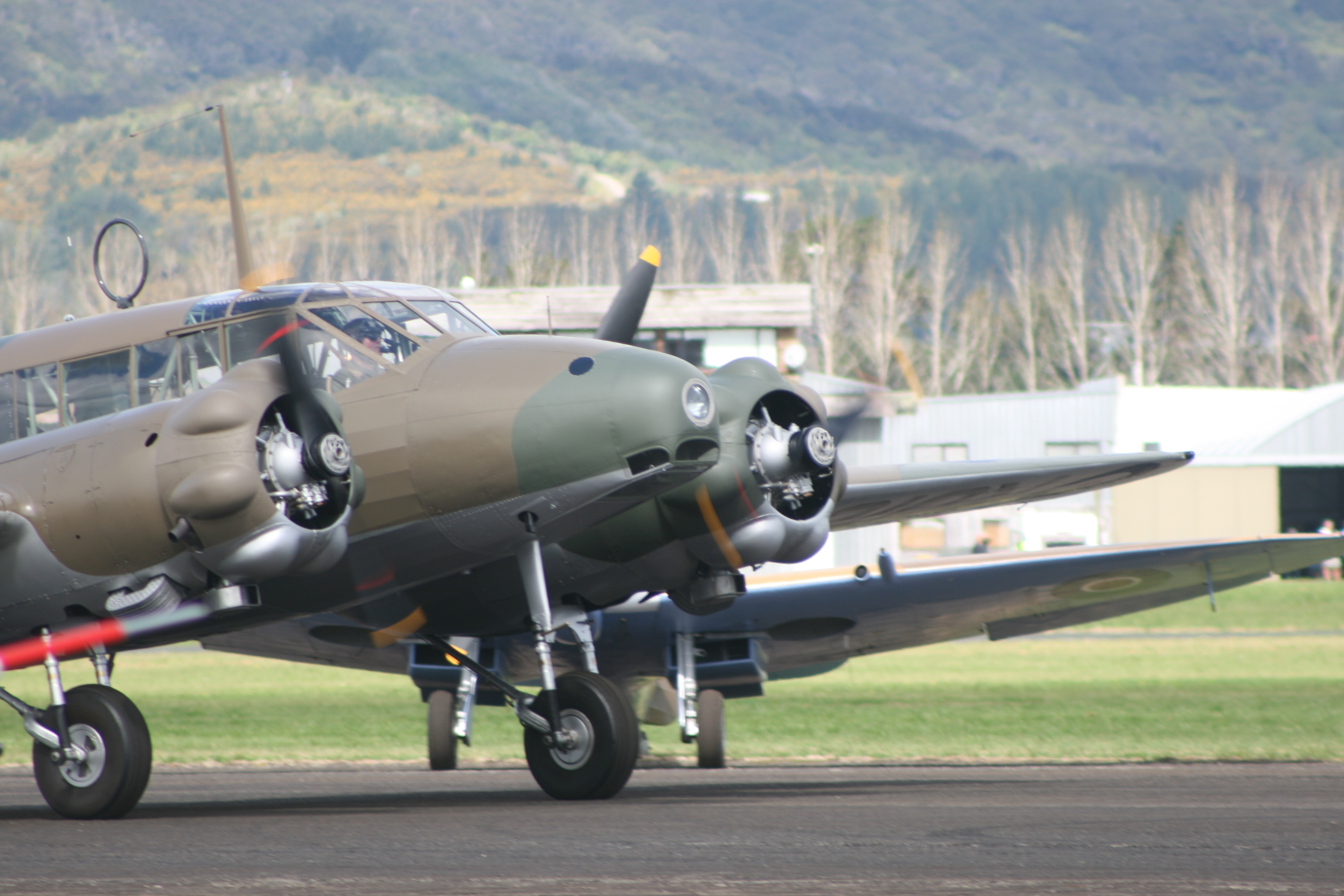
How many Anson Mk I were built?
6,688 or 6,742 Avro Anson Mk I were built, according to different sources; History of War, which gives the second figure, places 3,935 at Woodford and the… more…
Military aviation
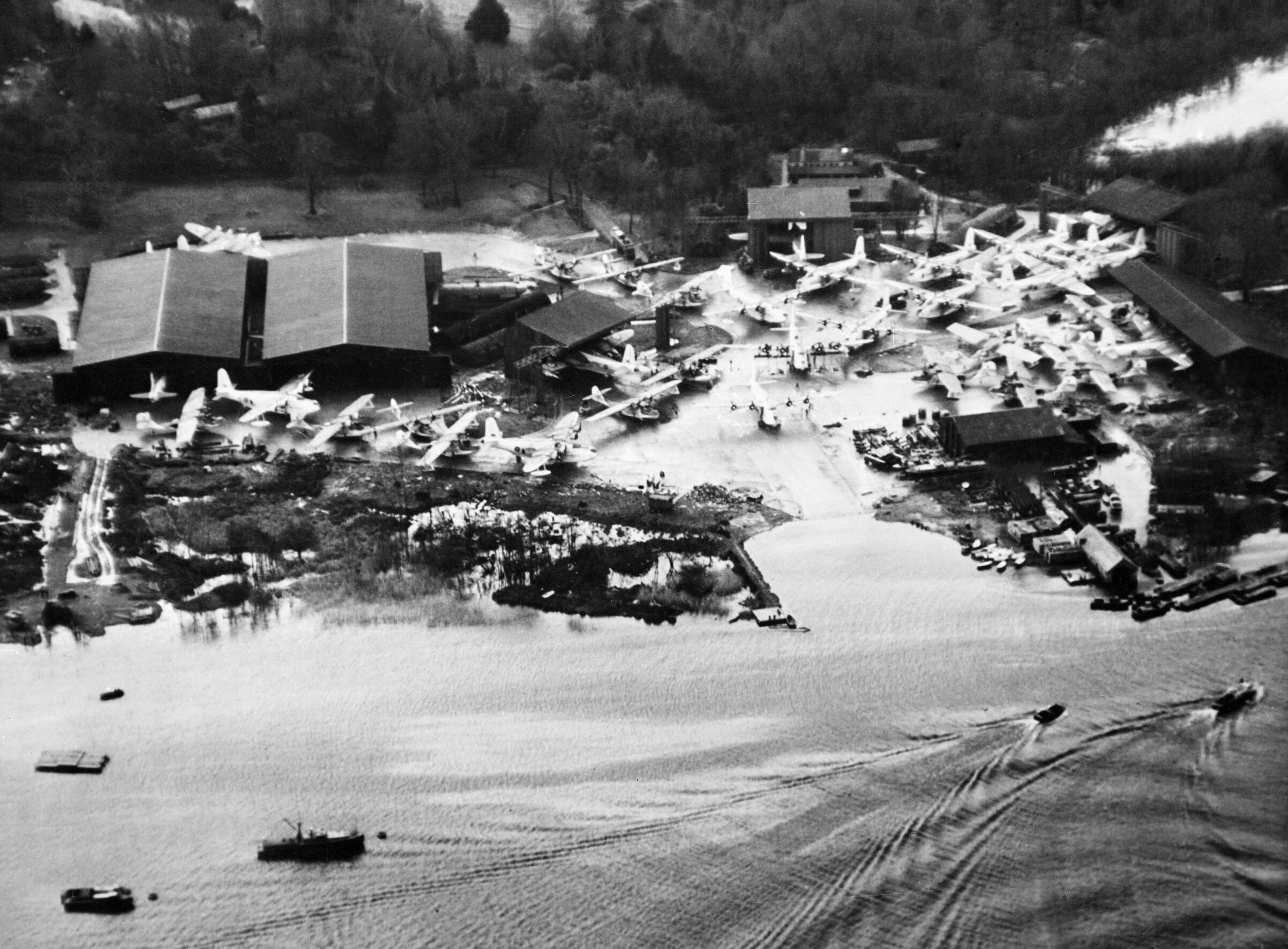
Which flying boats rescued the crew of the Kensington Court in 1939?
They were two RAF Sunderland flying boats: according to uboat.net, an aircraft of Squadron 228 and L5802 of Squadron 204 landed on the water next to the… more…
Military aviation
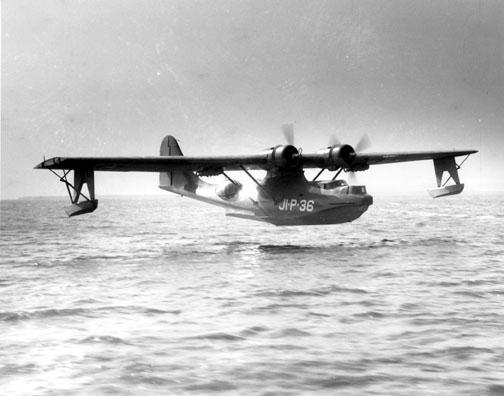
How long did Catalina convoy escort flights to the USSR last?
Many of the Catalina flights protecting convoys to the Soviet Union lasted between 15 and 20 hours and ended at Gryaznaya Bay (Murmansk) or at Arkhangelsk… more…
Military aviation
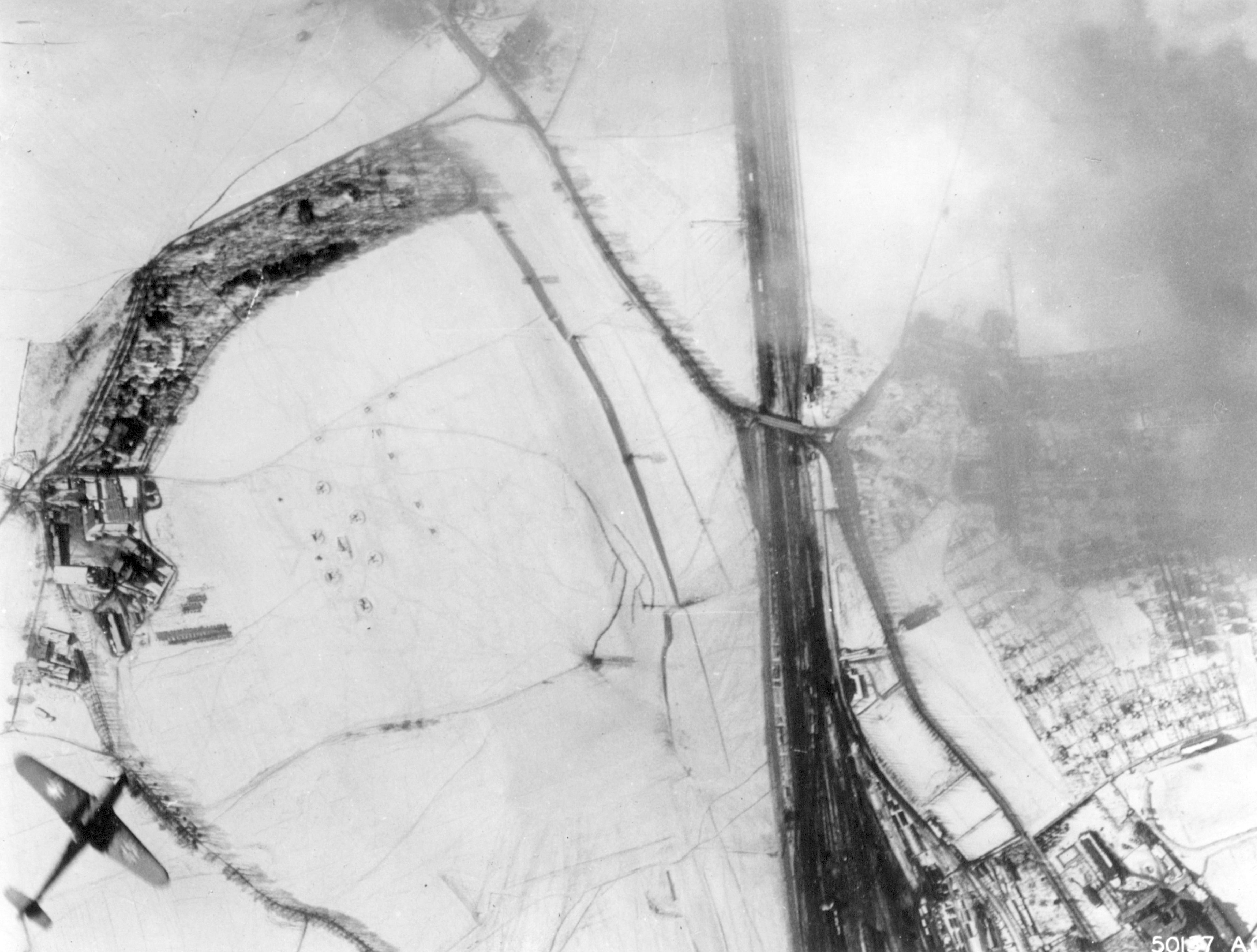
How many aircraft did the Axis lose in Crusader?
Around 332 aircraft destroyed and around 228 abandoned in the operation's tally, which took place between 18 November and 30 December 1941. According to their… more…
Military aviation
How many victories did No. 604 Squadron, the RAF night-fighter squadron, claim?
Around 127 aerial victories over the course of the war, 41 of them since May 1944. No. 604 (County of Middlesex) Squadron RAF spent most of the Second World… more…
Military aviation
Why did the "Torch" P-40Fs carry a flag on the fuselage?
To deter Vichy French forces from shooting them down: aircraft with yellow-outlined roundels sometimes had an American flag added in front of the roundel. The… more…


