Did you know…
Why do planes board front to back?
Short answer
Most airlines do not board front to back for speed: the premium cabin at the front boards first as a commercial perk, and economy then boards by zones, often rear rows first or by window, middle and aisle. Simulations and trials show front-to-back is the slowest method; the order is a compromise between loyalty benefits and gate logistics.

Checking the premise
Airlines do not generally board front to back, and when boarding appears to go that way it is because the front of the cabin is where first and business class sit. Those passengers board first, along with elite frequent flyers, for commercial rather than operational reasons. Economy then boards in numbered groups, and on most large carriers those groups are ordered from the rear forward or by seat position. Boarding sequence is a compromise between three things that pull in different directions: turnaround time, which the airline wants short; the perceived value of priority, which it sells; and the simplicity of the announcement at the gate.
What the research says
Boarding has been studied with computer simulation, mathematical models and full-scale trials with volunteers in mock cabins. The results are consistent. Boarding strictly front to back is the worst method of all, because every passenger must wait behind the one in front stowing a bag. Back to front is only slightly better, since congestion simply moves to the rear. Random boarding, which sounds chaotic, is faster than either. The fastest practical scheme is window-middle-aisle, which the industry knows as WILMA: all window seats board first, then middles, then aisles, so that nobody has to stand up to let a neighbour in. The theoretical optimum, proposed by the astrophysicist Jason Steffen in 2008, interleaves rows and sides so that passengers stow bags in parallel, but it requires people to line up in a precise order that few gates can enforce.
Why airlines still do what they do
Priority boarding is a product. Business travellers and cardholders pay for the right to board early and secure overhead space, and an airline that abandoned it in favour of pure efficiency would lose revenue that dwarfs the minutes saved. Families, passengers needing assistance and those with tight connections also break any pure scheme. Low-cost carriers with a single class already come close to random boarding, which is one reason their turnarounds are short. United Airlines reintroduced WILMA for economy in October 2023, claiming a saving of about two minutes per flight, an example of the industry inching toward the evidence without giving up the premium sequence at the front.
The other half of the problem
The real bottleneck is not walking to the seat but stowing hand baggage. Cabin-bag fees, larger overhead bins and gate checking do more for boarding time than any reordering of groups, which is why the most visible changes in recent years have been to bins rather than to boarding calls.
More questions
Physics of flight
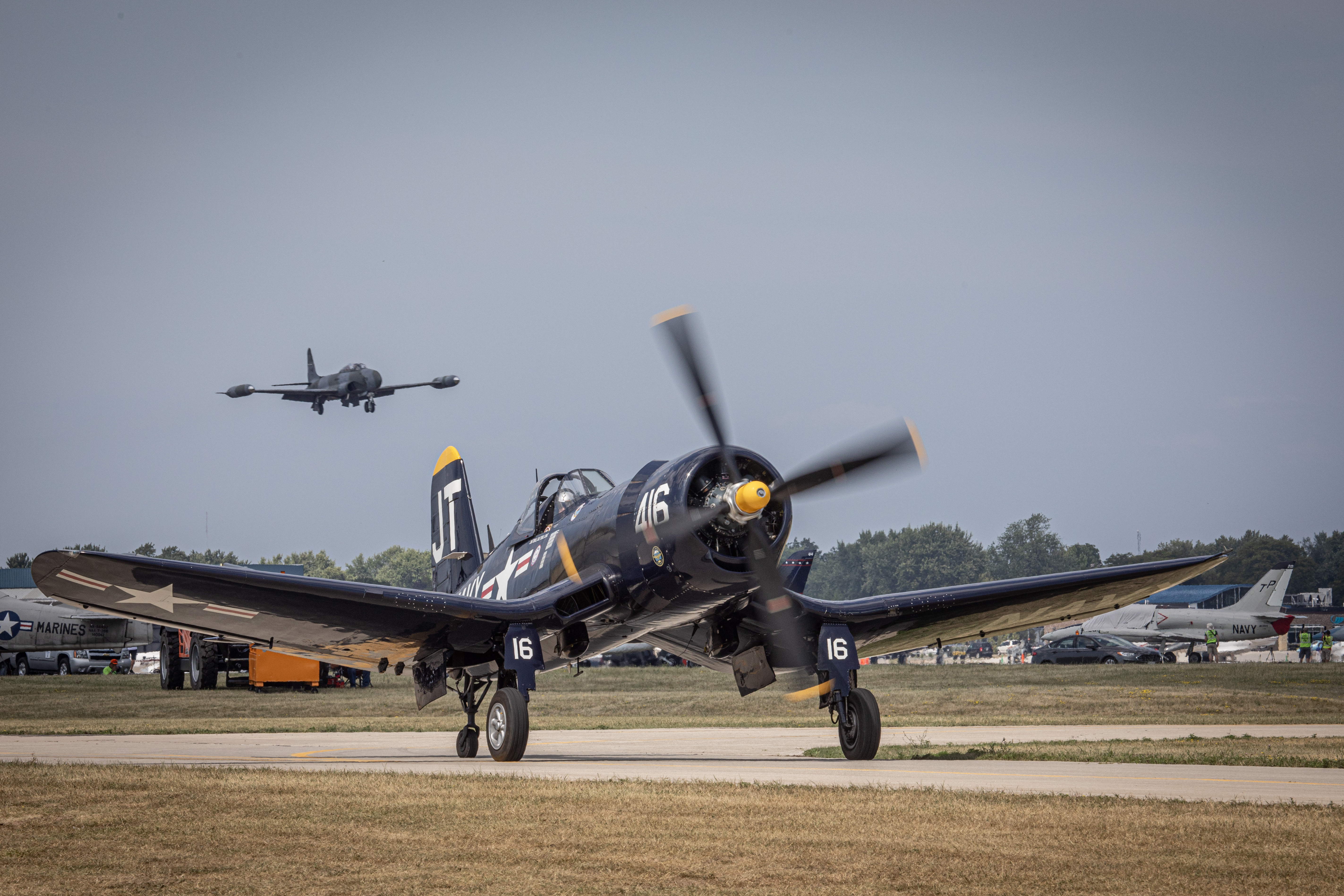
Why can't a Corsair pilot apply full power when going around after a failed carrier landing?
Because at low speed and high power the Corsair would drop its left wing suddenly and with almost no warning, due to propeller torque. If the throttle was… more…
Physics of flight
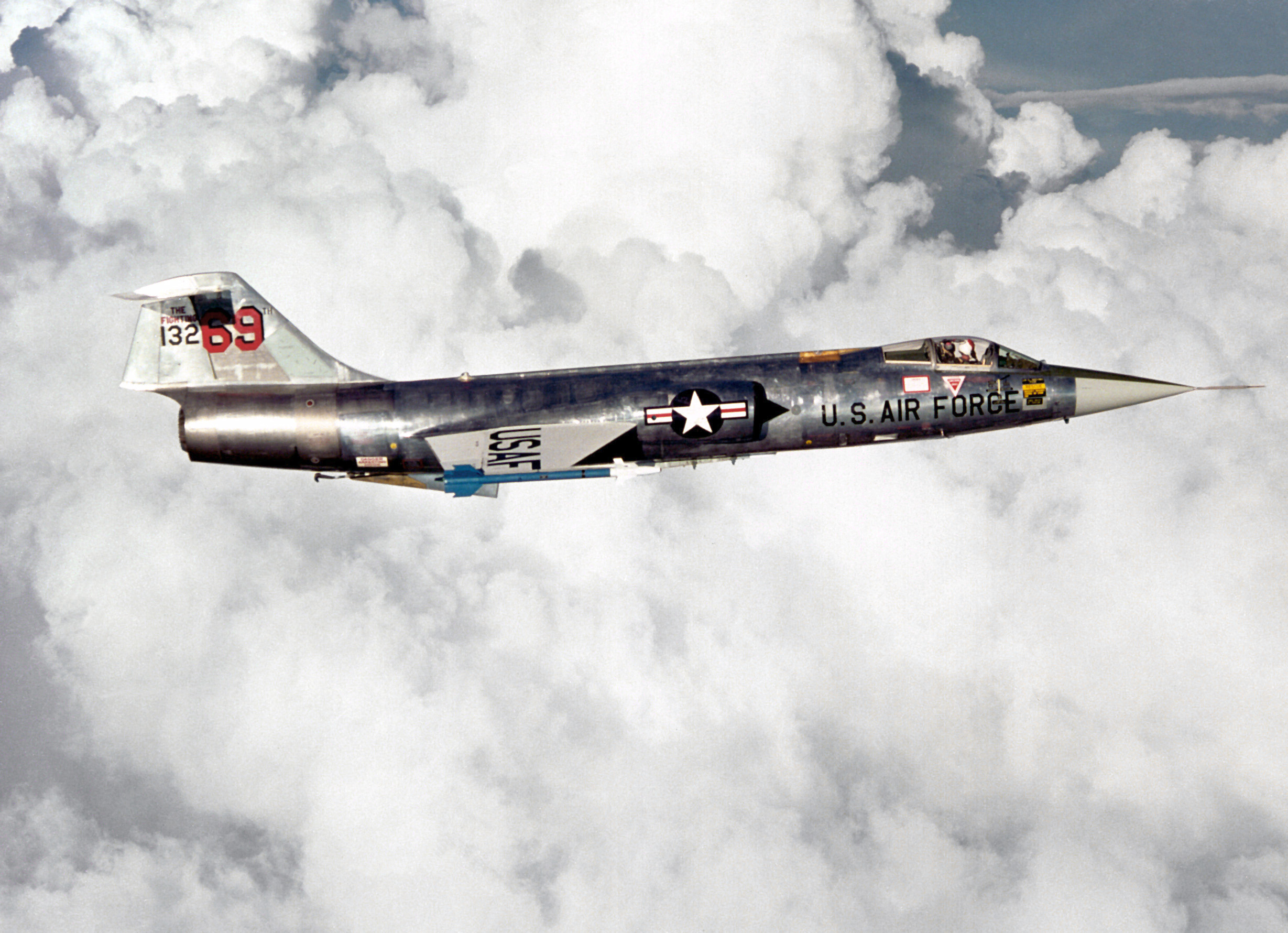
What did the phrase "banking with intent to turn" mean among F-104 pilots?
It was a joke among Canadian F-104 pilots: banking the aircraft "with intent to turn" referred to its poor low-speed turning. Its sustained turn capability… more…
Julian Herzog (Website) (CC BY), vía commons Physics of flight
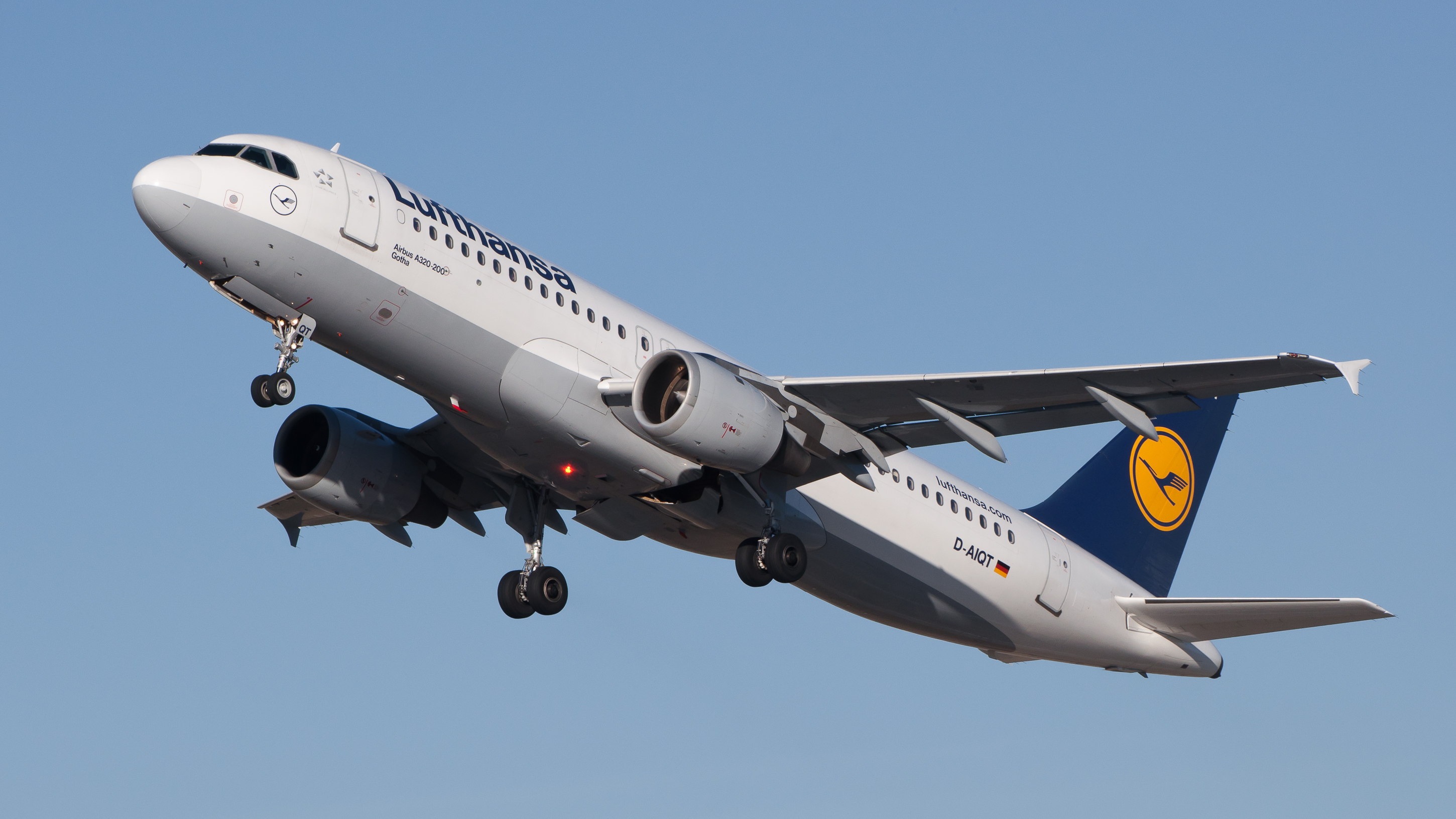
What is "flight envelope protection," which the A320 pioneered?
A set of limits embedded in the flight control software: it calculates the flight envelope, adds a safety margin, and blocks pilot inputs that would take the… more…
Julian Herzog (Website) (CC BY), vía commons Physics of flight
What is the A320's SHARP package for?
SHARP (SHort AiRfield Package) improves takeoff and landing performance on short runways and is designed to increase low-speed lift. It combines aerodynamic… more…
Physics of flight
What flaw sank Vought's all-metal V-141 fighter?
It wasn't a single flaw: tests showed the V-141 still flew poorly, was prone to spinning, and also suffered tail flutter, which is why it was rejected. It… more…
Physics of flight
What wind tunnel did NACA use to study the Corsair, and how big was it?
The full-scale 30- by 60-Foot Tunnel at the Langley Research Center, in Hampton, Virginia. NACA dedicated the facility on 27 May 1931 and used it to test the… more…


