Did you know…
What is "flight envelope protection," which the A320 pioneered?
Short answer
A set of limits embedded in the flight control software: it calculates the flight envelope, adds a safety margin, and blocks pilot inputs that would take the aircraft outside it. The A320 was the first commercial aircraft to incorporate full envelope protection in its control software.

What it limits
An aircraft's flight envelope corresponds to the various critical operating limits beyond which its controllability and structural integrity may be at risk. Flight envelope protection calculates that envelope, adds a safety margin to it, and uses that information to prevent pilots from making control inputs that would place the aircraft outside it. The protections are embedded in the flight control laws generated by the onboard flight control computers, and are intended to keep the aircraft within preset parameter limits. Their purpose is to allow the best possible performance and control authority while minimizing the risk of overcontrolling, losing control, overstressing, or damaging the aircraft. One of them is high angle-of-attack protection, against the risk of an aerodynamic stall, even in wind shear situations. Low energy and alpha floor protections ensure that an adequate level of in-flight energy is maintained, with corrections via manual or automatic thrust increases.
Two philosophies
The A320 was the first commercial aircraft to incorporate full flight envelope protection in its flight control software. The initiative came from Bernard Ziegler, Airbus's former senior vice president of engineering. On the Airbus, the protection cannot be fully overridden, although the crew can fly beyond the envelope limits by selecting an alternative "control law." Boeing took a different approach on the 777, allowing the crew to override the envelope limits by applying excessive force to the controls.
The measured effect
Loss-of-control-in-flight (LOC-I) accidents have fallen by 89% in the latest generations of commercial aircraft equipped with this envelope protection.
More questions
Physics of flight
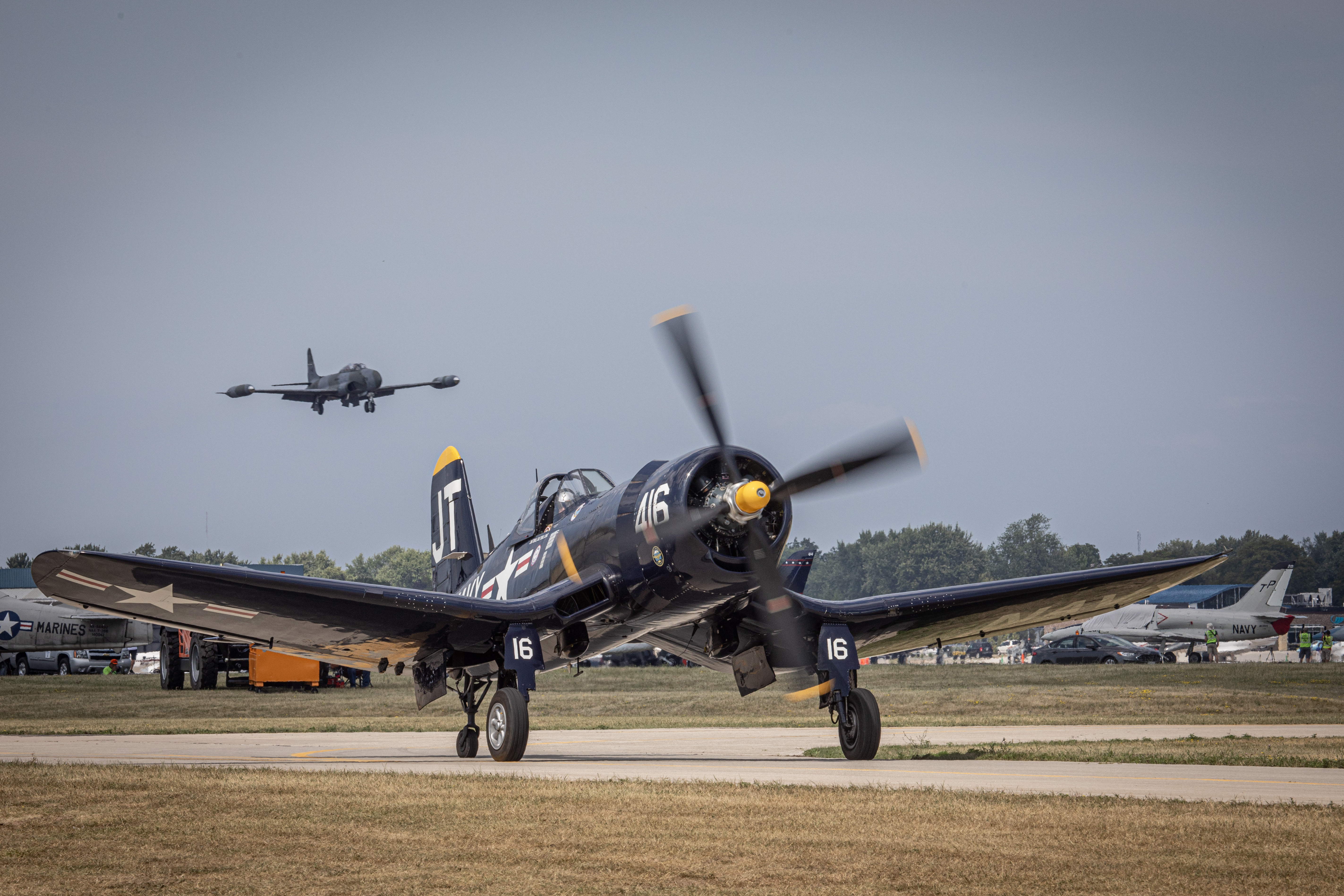
Why can't a Corsair pilot apply full power when going around after a failed carrier landing?
Because at low speed and high power the Corsair would drop its left wing suddenly and with almost no warning, due to propeller torque. If the throttle was… more…
Physics of flight
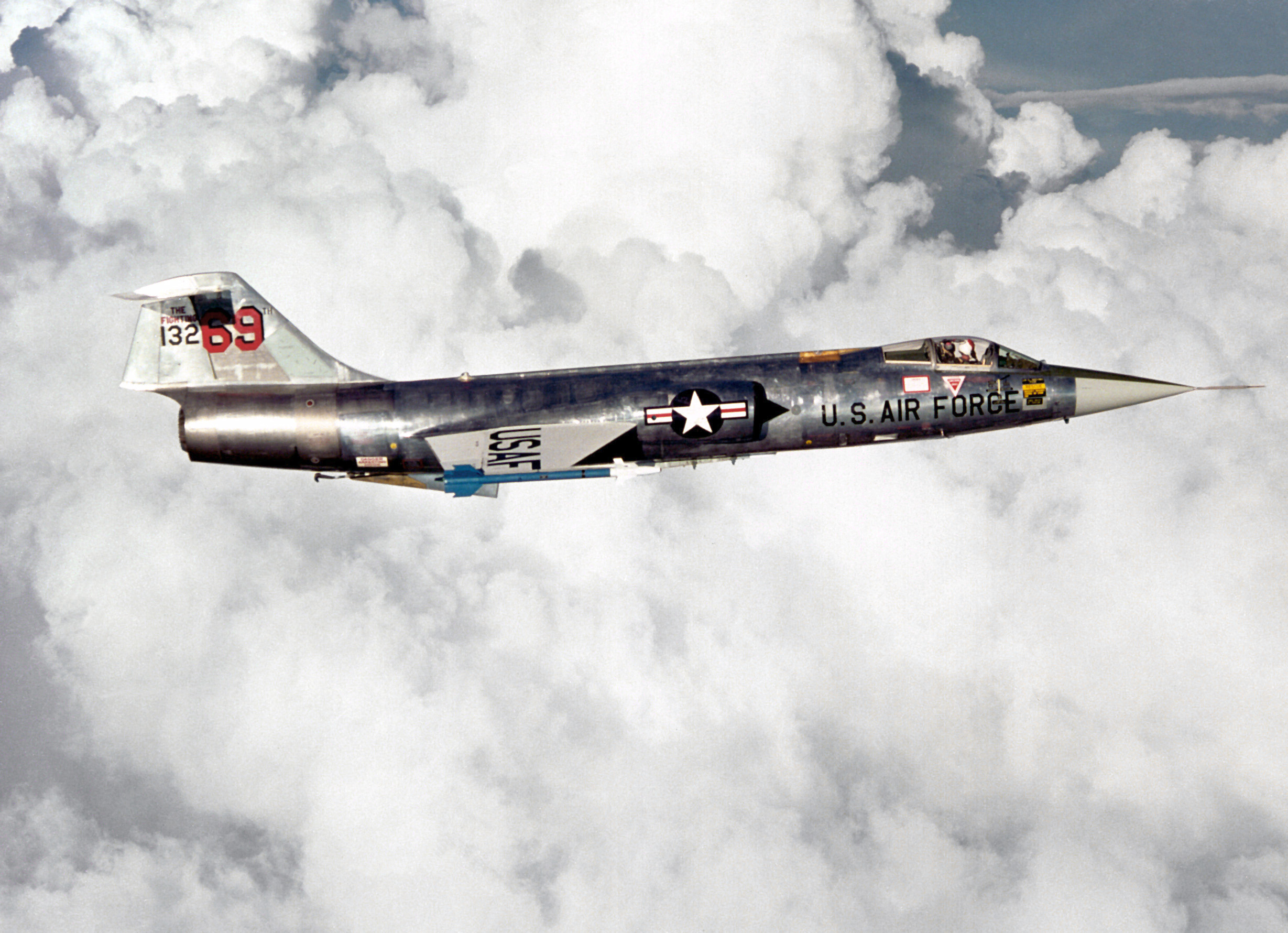
What did the phrase "banking with intent to turn" mean among F-104 pilots?
It was a joke among Canadian F-104 pilots: banking the aircraft "with intent to turn" referred to its poor low-speed turning. Its sustained turn capability… more…
Julian Herzog (Website) (CC BY), vía commons Physics of flight
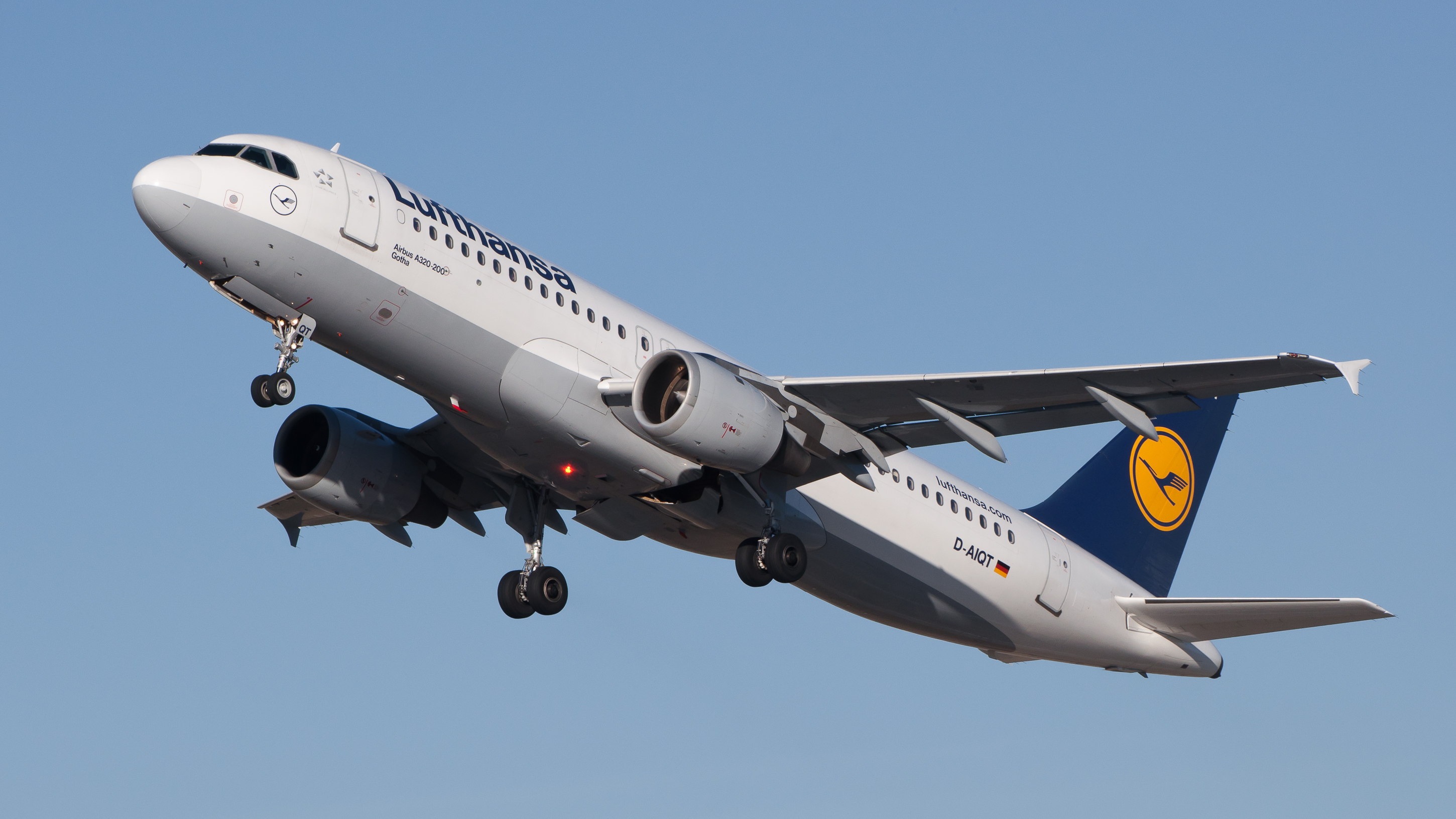
What is the A320's SHARP package for?
SHARP (SHort AiRfield Package) improves takeoff and landing performance on short runways and is designed to increase low-speed lift. It combines aerodynamic… more…
Physics of flight
What flaw sank Vought's all-metal V-141 fighter?
It wasn't a single flaw: tests showed the V-141 still flew poorly, was prone to spinning, and also suffered tail flutter, which is why it was rejected. It… more…
Physics of flight
What wind tunnel did NACA use to study the Corsair, and how big was it?
The full-scale 30- by 60-Foot Tunnel at the Langley Research Center, in Hampton, Virginia. NACA dedicated the facility on 27 May 1931 and used it to test the… more…
Physics of flight
What type of flap helped a World War II fighter turn best?
The slotted flap, the NACA type fitted to the F4U Corsair, with a dedicated 20° maneuver setting usable at 200 knots indicated or less. With it the fighter… more…

