Did you know…
What nickname did young US Navy pilots give the Corsair because it was so hard to land on a carrier?
Short answer
It was known as the "Ensign Eliminator," and not without reason. Early Navy pilots also called it the "hog," "hosenose," or "bent-wing Widow Maker." Its long nose and nose-up stance blocked forward view, and its oleo struts made it bounce on the deck.

The names they gave it
Early Navy pilots called the F4U the "hog," "hosenose," or "bent-wing Widow Maker." It was also known as the "Ensign Eliminator," and for good reason.
A plane that blocked the view of the deck
The fuel tank located in front of the pilot pushed the cockpit far back in the fuselage, which limited visibility on the landing approach. The long "hose nose" and the Corsair's nose-up attitude made it hard to see ahead. The "birdcage" canopy, with its struts, offered insufficient visibility for taxiing on deck. The visibility problem was solved by having the Corsair approach the carrier from the eight o'clock position and enter the final leg with a wide left-hand turn.
Deck bounces and left-wing stalls
The oleo struts of the landing gear had poor bounce characteristics on landing, which allowed the aircraft to go bouncing across the carrier deck. The gear was too stiff, and the Corsair tended to bounce on the deck and then dig its nose into it. During slow carrier landings, the left wing could stall and drop quickly and without warning. If power was applied suddenly, the left wing could stall and drop so fast that the fighter would flip over. That tendency to stall on the left wing first resulted in a deadly snap roll.
More questions
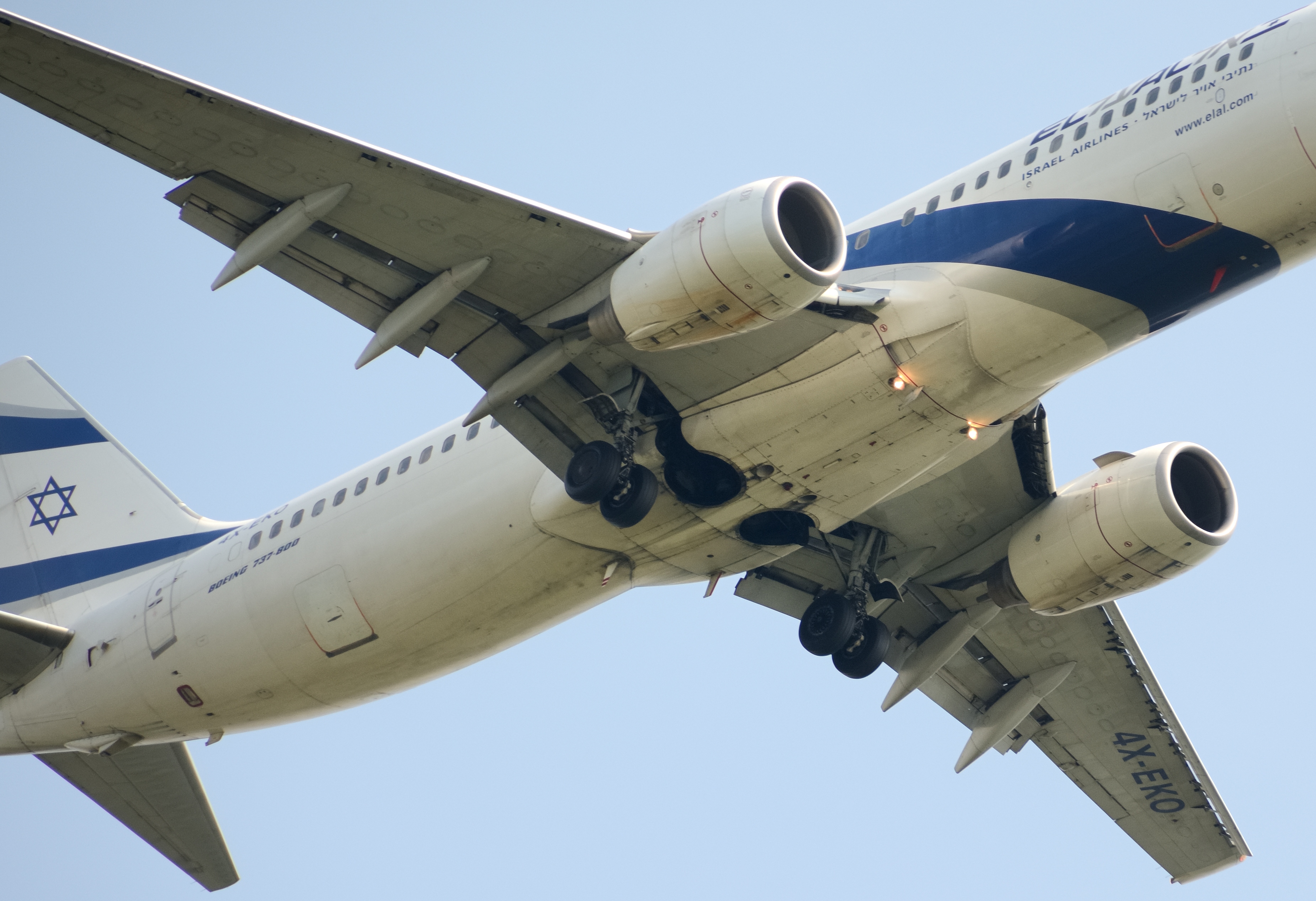
Peter Haas (CC BY SA), vía commons Military aviation
Why was the US Air Force's Boeing T-43 called "Gator"?
After its job: "Gator" is short for navigator. This modified Boeing 737-200 was used by the United States Air Force to train navigators, later called combat… more…
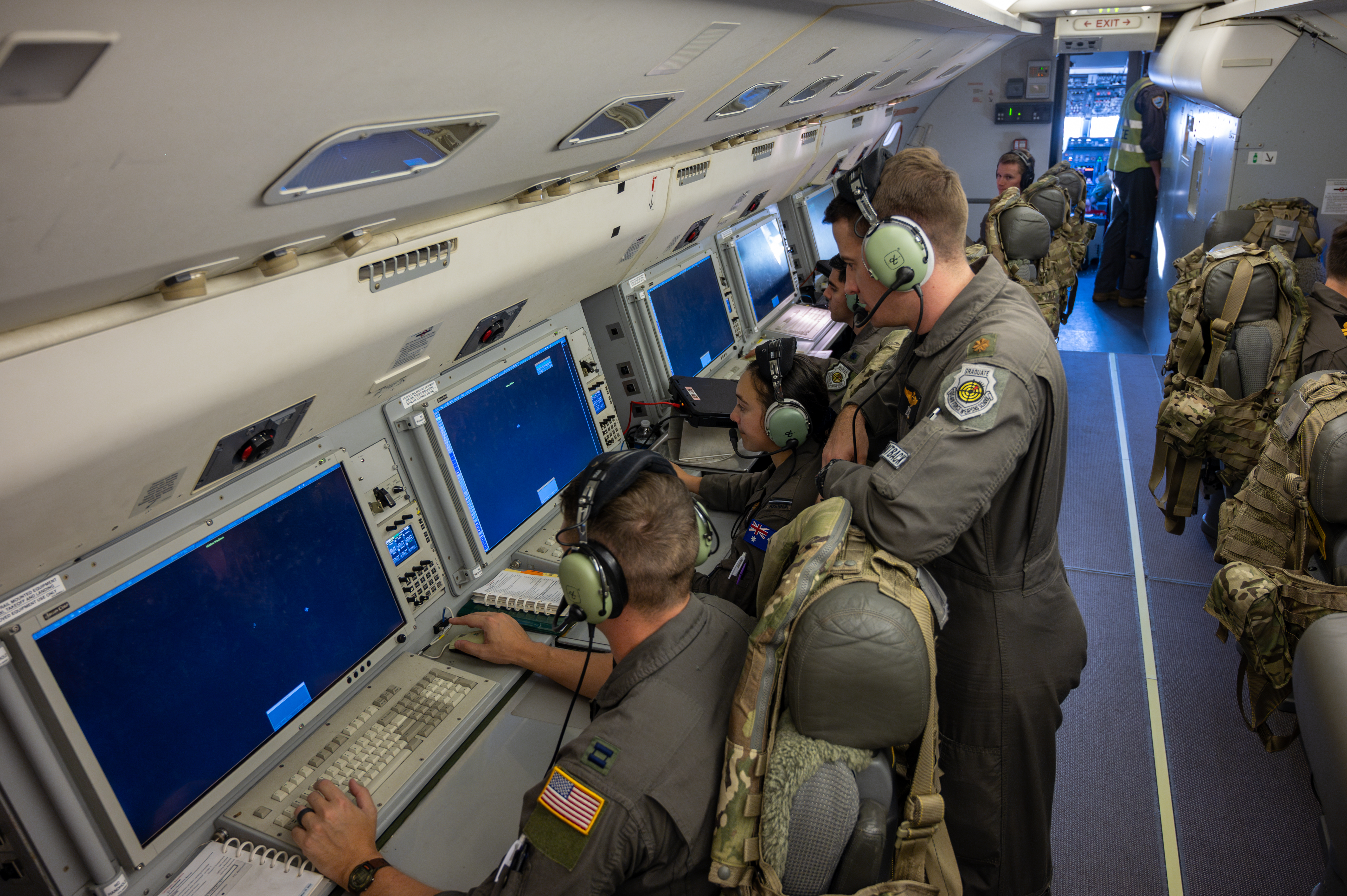
Military aviation
Where does the name of the E-7 Wedgetail radar aircraft come from?
The name comes from the wedge-tailed eagle, Australia's largest bird of prey. In 1996 Australia issued a request for tender for the RAAF under "Project… more…
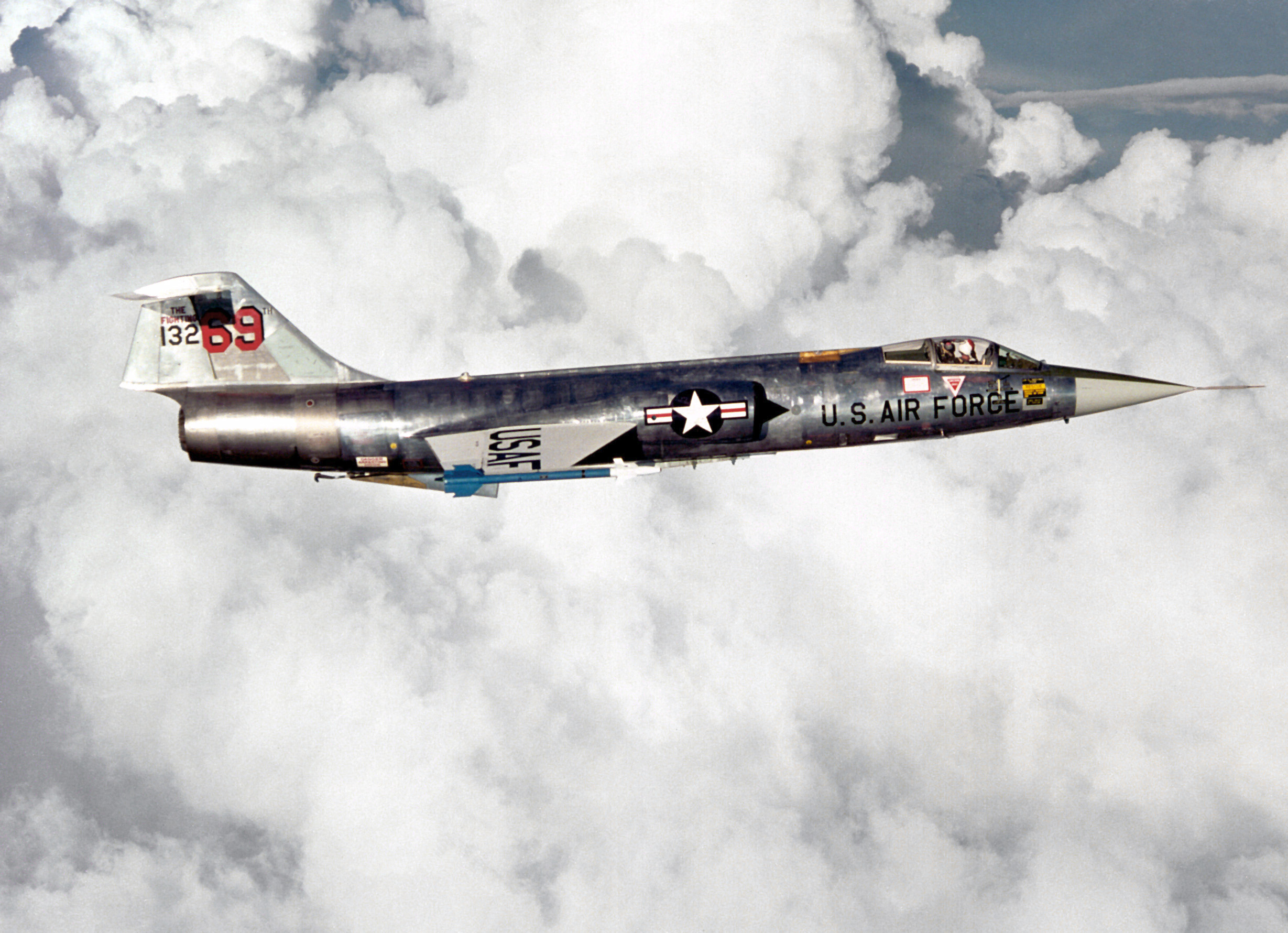
Military aviation
Did you know the F-104's first prototype had an ejection seat that fired the pilot downward?
Yes: the first prototype, the XF-104, carried a Stanley B seat that fired downward, out of fear that an upward-firing seat wouldn't clear the T-tail. Early… more…
Military aviation
Did you know the F-104 was tested being launched like a rocket, with no runway?
Yes: the F-104 was tested with Zero-Length Launch (ZeLL), with the fighter on a short ramp and a booster rocket underneath that fired it into the air within… more…
Military aviation
What part of the F-104s did Lockheed itself build?
Most production came from other factories: the F-104G was built by Lockheed, but also by Canadair and a European consortium with Messerschmitt/MBB, Dornier… more…
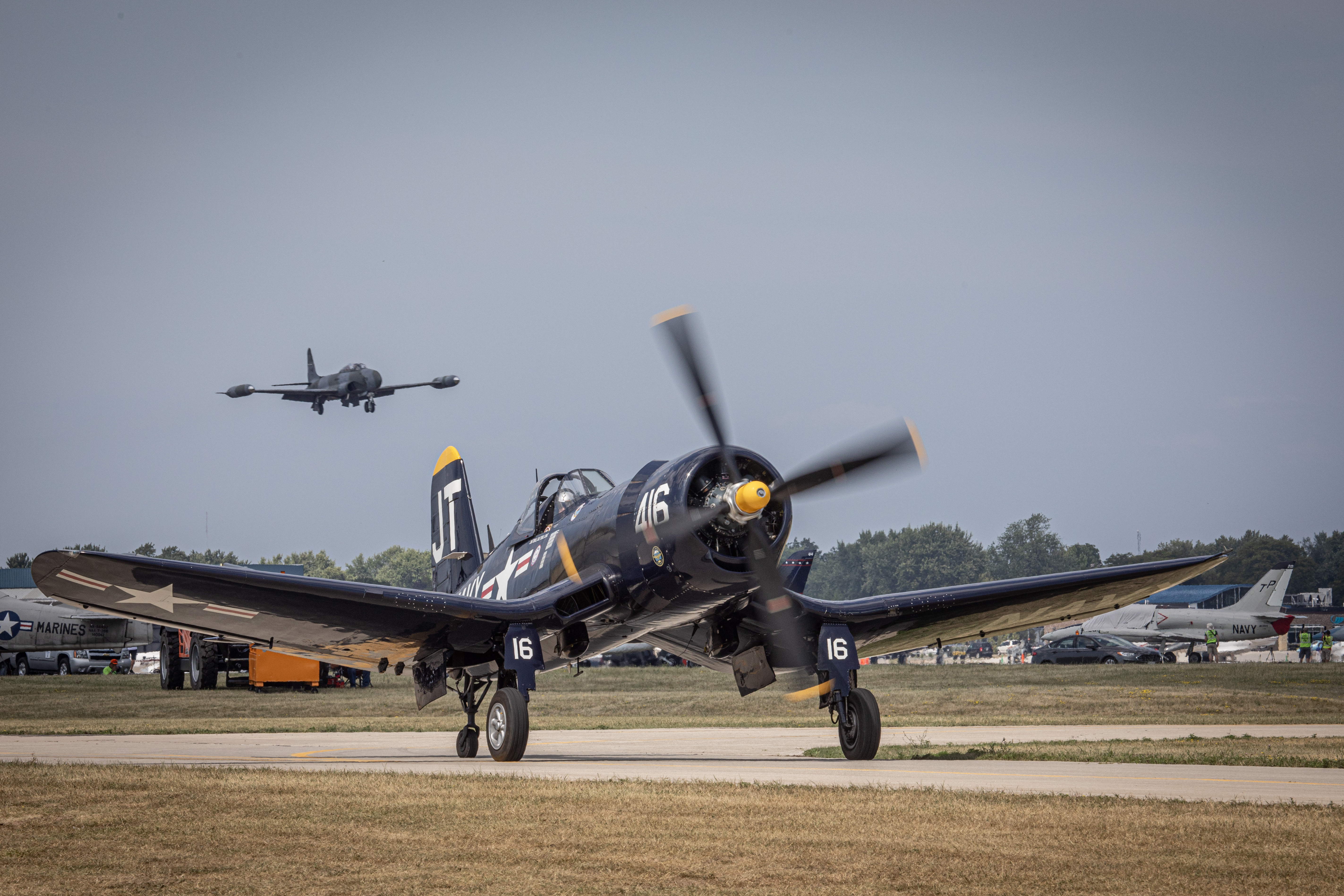
Military aviation
What tactic let the Corsair beat the Zero without turning with it?
The tactic was to dive from above: a high-speed pass, a short burst, and a quick climb back to altitude. Engaging a Zero in a classic turning dogfight could… more…


