Did you know…
Where did Anthony Fokker get the model for his triplane?
Short answer
Of the British Sopwith Triplane: in April 1917 Anthony Fokker saw a captured one during a visit to Jasta 11. The English triplane had begun to appear over the Western Front in February that year and proved superior to the more heavily armed Albatros fighters used by the Luftstreitkräfte.
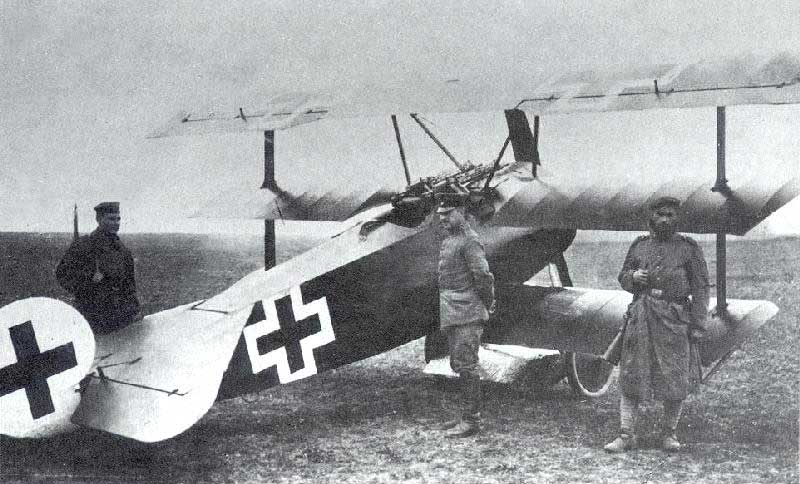
The triplane that dominated the front in 1917
The Sopwith Triplane began to appear over the Western Front in February 1917. Despite carrying a single Vickers machine gun as its only armament, it quickly gained the upper hand over the more heavily armed Albatros fighters then used by the Luftstreitkräfte. Its combat debut was very successful: an exceptional rate of climb and a high service ceiling gave it a clear advantage over the Albatros D.III. Its high degree of manoeuvrability has been attributed to relatively narrow-chord wings of short span. In April 1917, Manfred von Richthofen remarked that the Triplane was the best Allied fighter of the moment.
The visit to Jasta 11
Several Triplanes were captured and subjected to considerable evaluation and study. In April 1917, Anthony Fokker saw one of these captured aircraft while visiting Jasta 11. The Germans were so impressed by the aircraft's performance that a brief triplane craze broke out among German manufacturers. No fewer than 34 different prototypes came out of that work, among them the Fokker V.4, prototype of the successful Fokker Dr.I. The man who drew Fokker's aircraft, on commission from the company, was Reinhold Platz, who had never seen the British machine and who at first was not at all convinced by the three-wing formula.
From the V.4 to series production
The F.I was an improved version of the V.4 prototype, and three aircraft were built in 1917. The Inspectorate of Air Troops ordered one prototype on 7 July 1917 and, on 11 July, two pre-production aircraft for combat trials. Those three V.5s were designated F.I, while all subsequent triplanes received the designation Dr.I. Werner Voss, Manfred von Richthofen and Kurt Wolff were among the pilots who took the two F.Is into combat; the first and the last died flying them in September 1917. The Dr.I's front-line inventory peaked in late April 1918, with 171 aircraft in service on the Western Front. Dr.I production ended in May 1918, when only 320 had been built.
More questions
L-Bit (CC BY SA), vía commons Military aviation
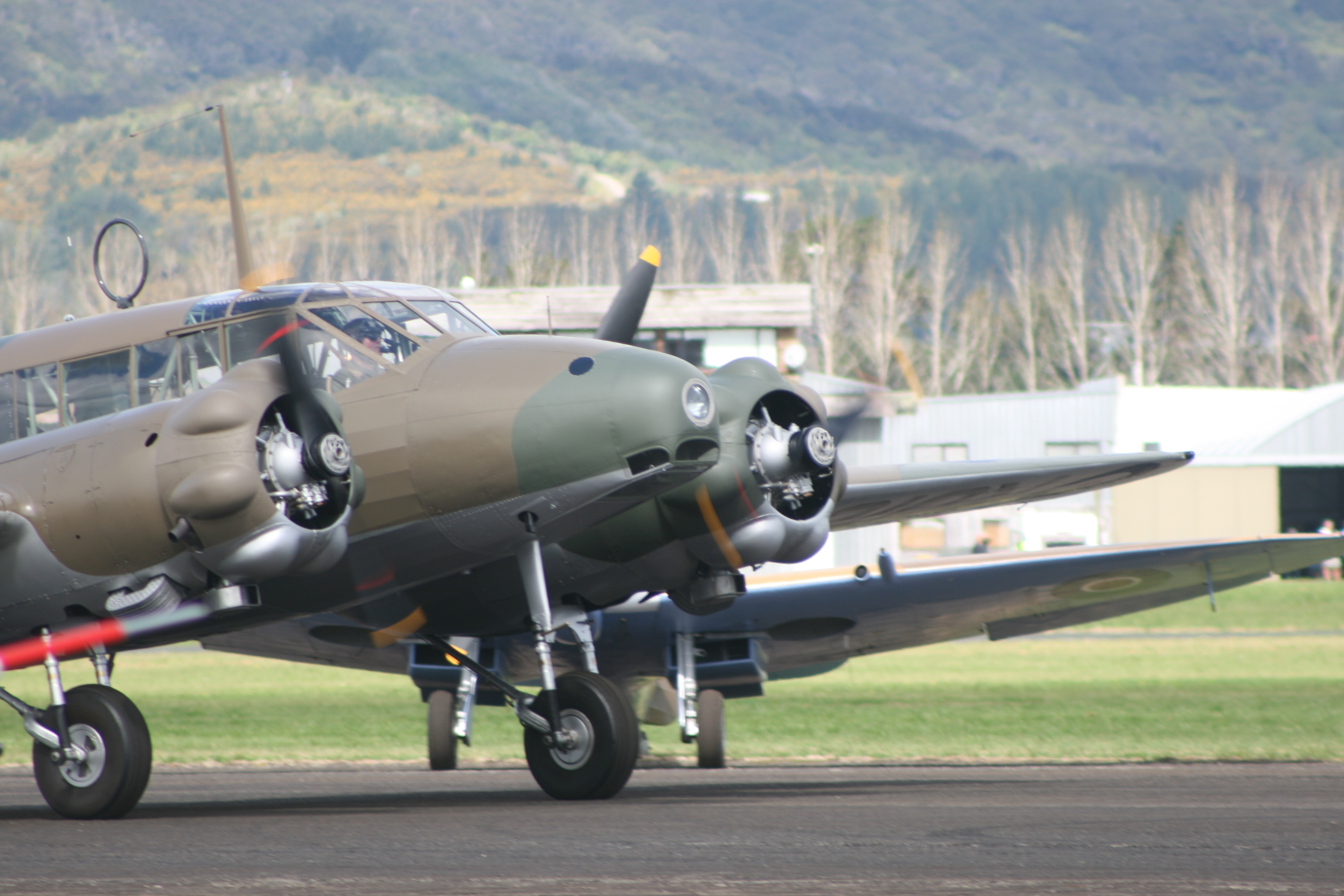
How many Anson Mk I were built?
6,688 or 6,742 Avro Anson Mk I were built, according to different sources; History of War, which gives the second figure, places 3,935 at Woodford and the… more…
Military aviation
Which flying boats rescued the crew of the Kensington Court in 1939?
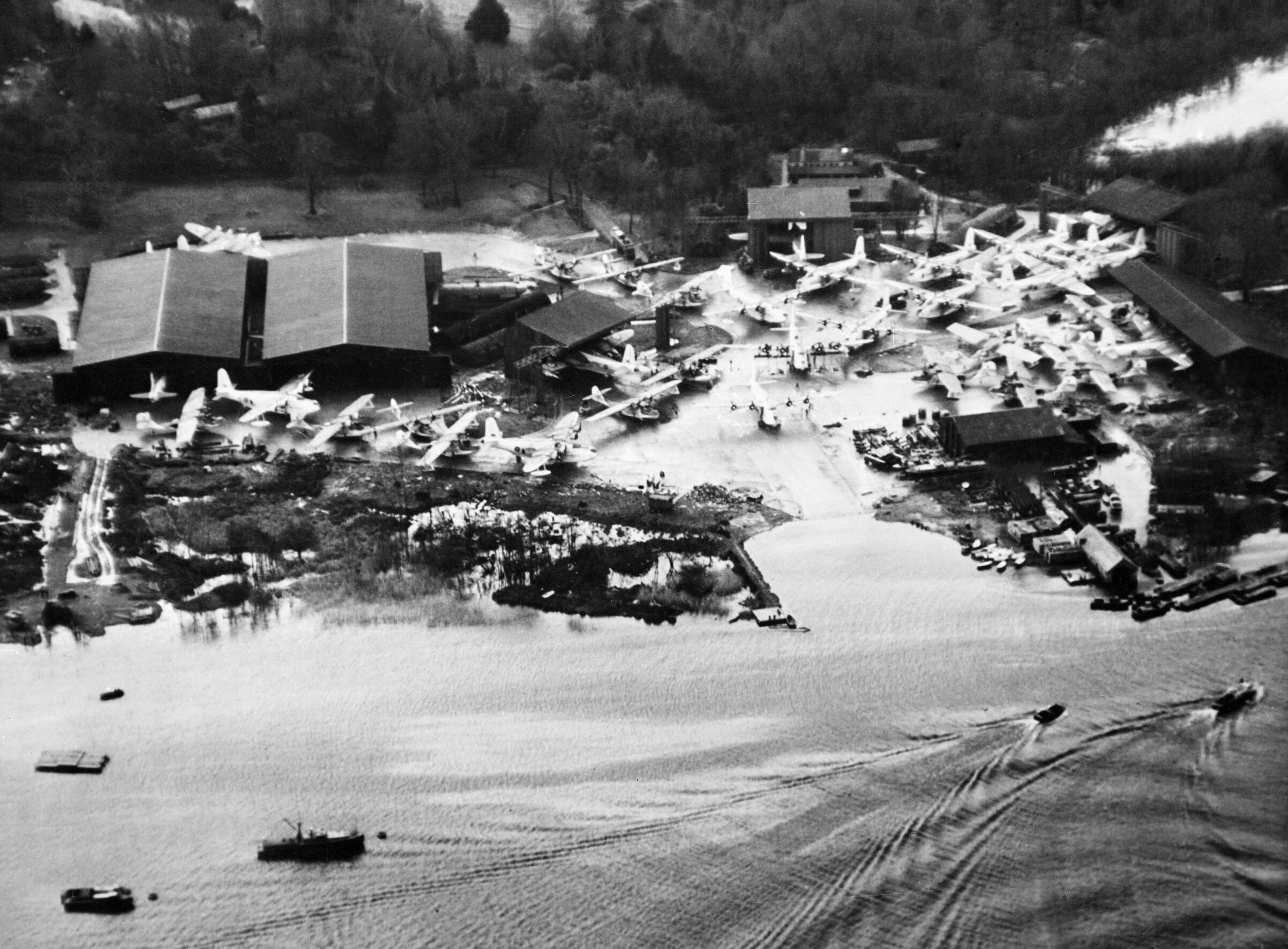
They were two RAF Sunderland flying boats: according to uboat.net, an aircraft of Squadron 228 and L5802 of Squadron 204 landed on the water next to the… more…
Military aviation
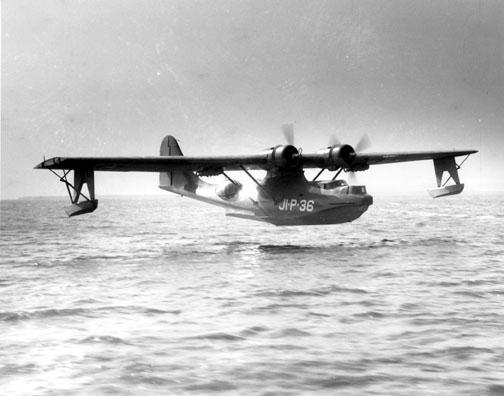
How long did Catalina convoy escort flights to the USSR last?
Many of the Catalina flights protecting convoys to the Soviet Union lasted between 15 and 20 hours and ended at Gryaznaya Bay (Murmansk) or at Arkhangelsk… more…
Military aviation
How many aircraft did the Axis lose in Crusader?
Around 332 aircraft destroyed and around 228 abandoned in the operation's tally, which took place between 18 November and 30 December 1941. According to their… more…
Military aviation
How many victories did No. 604 Squadron, the RAF night-fighter squadron, claim?
Around 127 aerial victories over the course of the war, 41 of them since May 1944. No. 604 (County of Middlesex) Squadron RAF spent most of the Second World… more…
Military aviation
Why did the "Torch" P-40Fs carry a flag on the fuselage?
To deter Vichy French forces from shooting them down: aircraft with yellow-outlined roundels sometimes had an American flag added in front of the roundel. The… more…


