Did you know…
How many astronauts have died in space?
Short answer
Three. Only the Soyuz 11 crew - Georgi Dobrovolski, Vladislav Volkov and Viktor Patsayev - have died in space itself, when their capsule lost its air in June 1971. Every other fatal spaceflight accident, including Challenger and Columbia, killed its crew inside the atmosphere.

The only crew lost above the atmosphere
On 30 June 1971 the Soyuz 11 crew were returning from Salyut 1, the world's first space station, after more than three weeks aboard. As the descent module separated from the service module, a pressure-equalisation valve jolted open and the cabin air escaped in seconds. The three cosmonauts were not wearing pressure suits, because the Soyuz cabin of that period had no room for three suited crew. The capsule flew its automatic re-entry and landed normally; the recovery team opened the hatch and found the crew dead. Soyuz crews have worn Sokol pressure suits for launch and landing ever since.
Accidents that happened inside the air
Every other fatal mission ended within the atmosphere. Soyuz 1 killed Vladimir Komarov in April 1967 when its parachute system failed during descent. Challenger broke apart 73 seconds after liftoff in January 1986, killing seven. Columbia disintegrated during re-entry in February 2003, again with seven aboard, after damage to a wing leading edge let hot gas into the structure. Added to Soyuz 11, those losses come to eighteen people killed on spaceflight missions.
The deaths counted separately
Other crews died without leaving the ground or without reaching space. The Apollo 1 astronauts were killed by a fire inside their sealed capsule during a launch rehearsal in January 1967; test pilots have died on high-altitude research flights; cosmonauts and astronauts have been lost in aircraft accidents during training. Those are normally listed apart from in-flight fatalities, which is why published totals differ depending on where the line is drawn.
More questions
.jpg)
Astronauts and life in space
Why does astronauts float in space?
Because they are in free fall, not because gravity is absent. At the International Space Station's altitude of about 400 km, Earth still pulls almost as hard… more…
YSSYguy (CC BY SA), vía commons Astronauts and life in space
Why did yuri gagarin die?
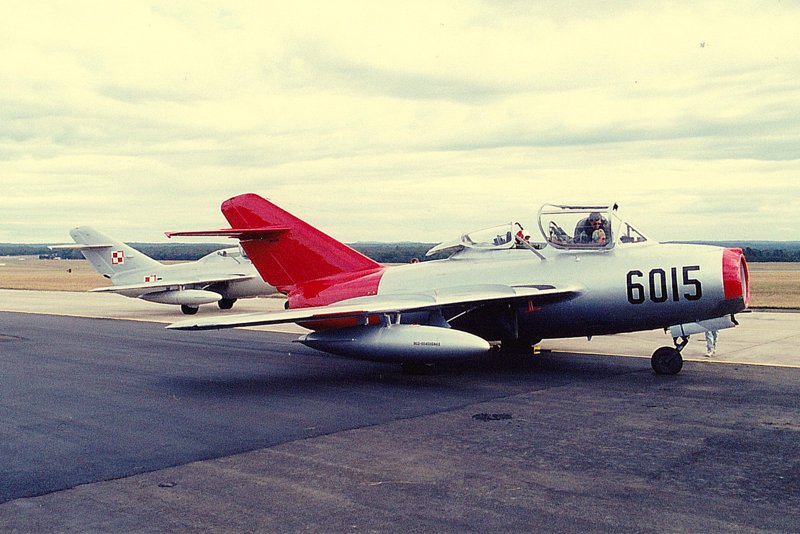
Gagarin died in an aircraft crash, not in a spacecraft. On 27 March 1968 the MiG-15UTI trainer he was flying with instructor Vladimir Seryogin went down in… more…

Astronauts and life in space
How much an astronaut is paid?
NASA's civilian astronauts are ordinary federal employees, paid on the General Schedule grade-and-step scale with no bonus per flight, per spacewalk or per… more…
.png)
Astronauts and life in space
Why is blue origin so slow?
Blue Origin was built on deliberate, owner-funded incrementalism: its motto is Gradatim Ferociter, step by step, and it spent its first two decades on… more…
Astronauts and life in space
When did astronauts last walk on the moon?
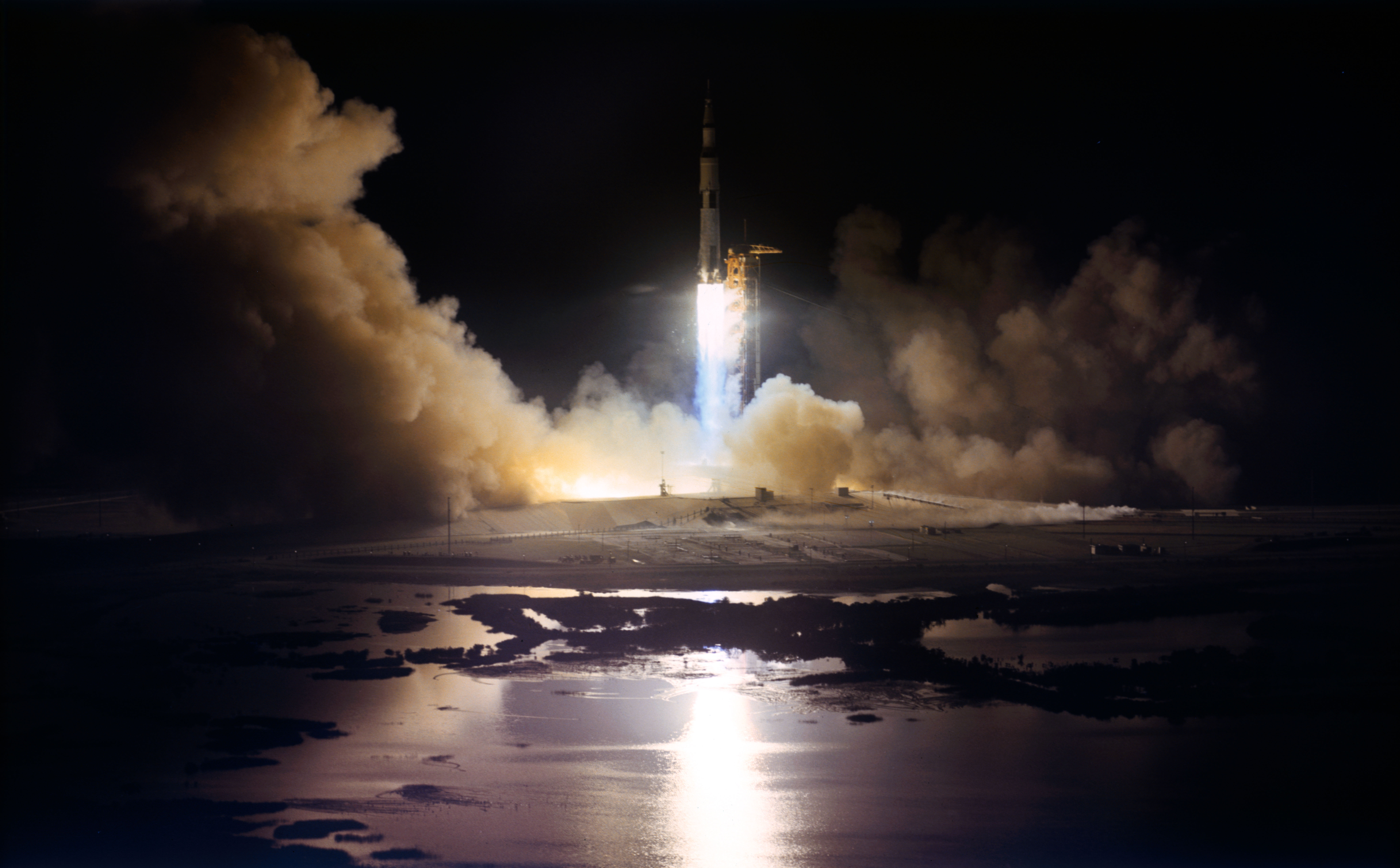
Apollo 17, in December 1972. Eugene Cernan and Harrison Schmitt landed in the Taurus-Littrow valley on 11 December 1972, worked on the surface for three days… more…
Astronauts and life in space
How high do astronauts orbit the earth?
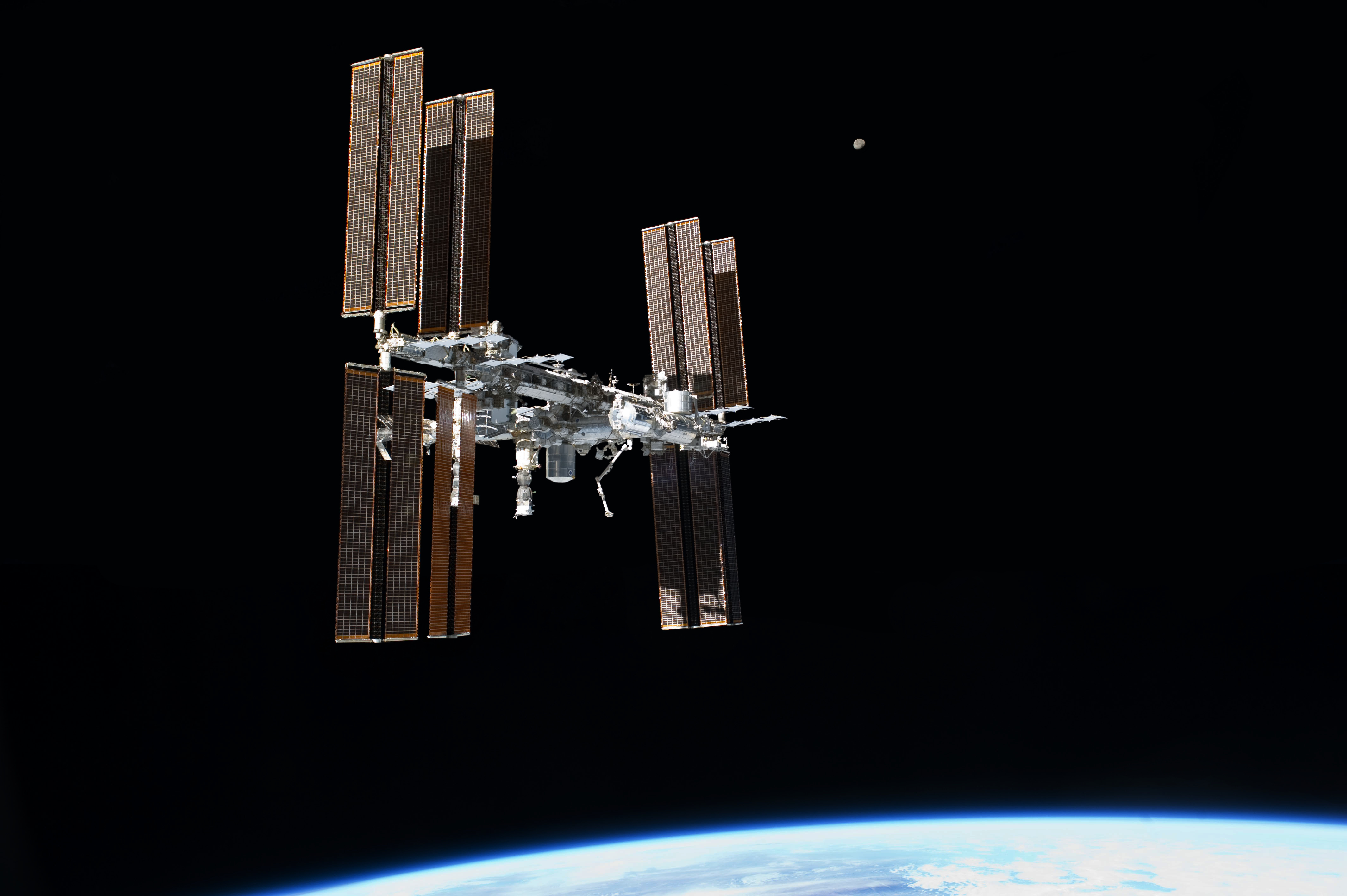
Crewed spaceflight today happens a few hundred kilometres up. The International Space Station orbits at about 400 km, lapping the planet roughly every 90… more…


