Did you know…
How long a rocket takes to reach space?
Short answer
Minutes, not hours. A suborbital New Shepard flight crosses the 100 km Karman line a few minutes after lift-off and the whole trip lasts about 11 minutes. Reaching orbit takes longer: the hard part is not altitude but building the roughly 28 000 km/h needed to stay up.

Altitude is the quick part
Getting to the edge of space is a matter of a few minutes of climb. The conventional boundary, the Karman line, sits at 100 km; the United States has long used a lower threshold of 80 km for awarding astronaut status, which is why some flights count under one convention and not the other. A suborbital vehicle such as New Shepard crosses the line only a few minutes after lift-off, coasts through apogee and is back under parachutes for a total flight of about 11 minutes, of which the passengers spend a handful of moments weightless.
Orbit is a speed problem
Orbital launches take longer because altitude alone earns nothing. Stop at 100 km with no horizontal speed and the vehicle falls straight back down. To stay in orbit a spacecraft needs around 28 000 km/h, and almost all of a launcher's burn goes into building that speed rather than into climbing. That is why a rocket pitches over early and spends most of its ascent flying nearly horizontally, shedding empty stages as it goes. Continuous thrust through those minutes is the whole trick: unlike an aircraft, a launcher cannot pause halfway to reconsider.
Why it looks so fast
By the time the first stage separates, the vehicle is already above most of the atmosphere and accelerating hard, because it is burning propellant and getting lighter every second. The drama is concentrated at the start, in the dense lower air, where the structure sees its greatest aerodynamic load. After that the ascent becomes almost undramatic: a long, flat push against nothing, with the upper stage running until cut-off arrives at a precise velocity rather than at a particular height. Miss that velocity and the payload comes back down, however high it went.
More questions
.jpg)
Astronauts and life in space
Why does astronauts float in space?
Because they are in free fall, not because gravity is absent. At the International Space Station's altitude of about 400 km, Earth still pulls almost as hard… more…
YSSYguy (CC BY SA), vía commons Astronauts and life in space
Why did yuri gagarin die?
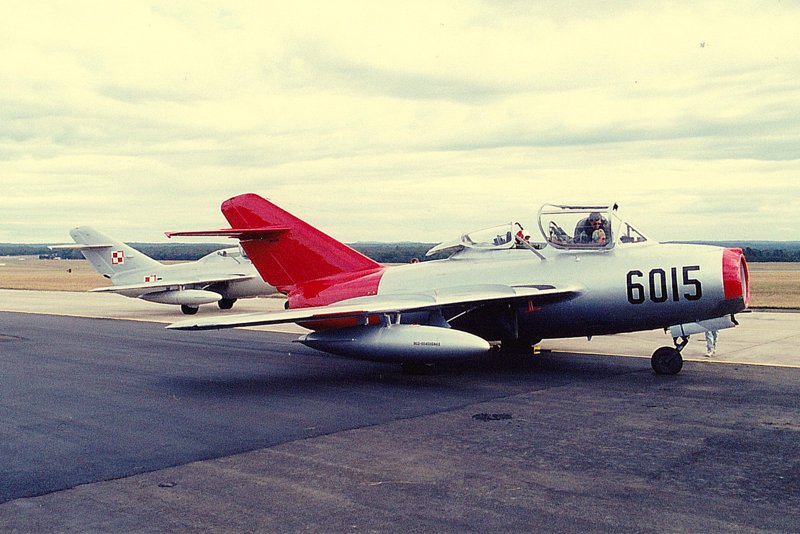
Gagarin died in an aircraft crash, not in a spacecraft. On 27 March 1968 the MiG-15UTI trainer he was flying with instructor Vladimir Seryogin went down in… more…

Astronauts and life in space
How much an astronaut is paid?
NASA's civilian astronauts are ordinary federal employees, paid on the General Schedule grade-and-step scale with no bonus per flight, per spacewalk or per… more…
.png)
Astronauts and life in space
Why is blue origin so slow?
Blue Origin was built on deliberate, owner-funded incrementalism: its motto is Gradatim Ferociter, step by step, and it spent its first two decades on… more…
Astronauts and life in space
When did astronauts last walk on the moon?
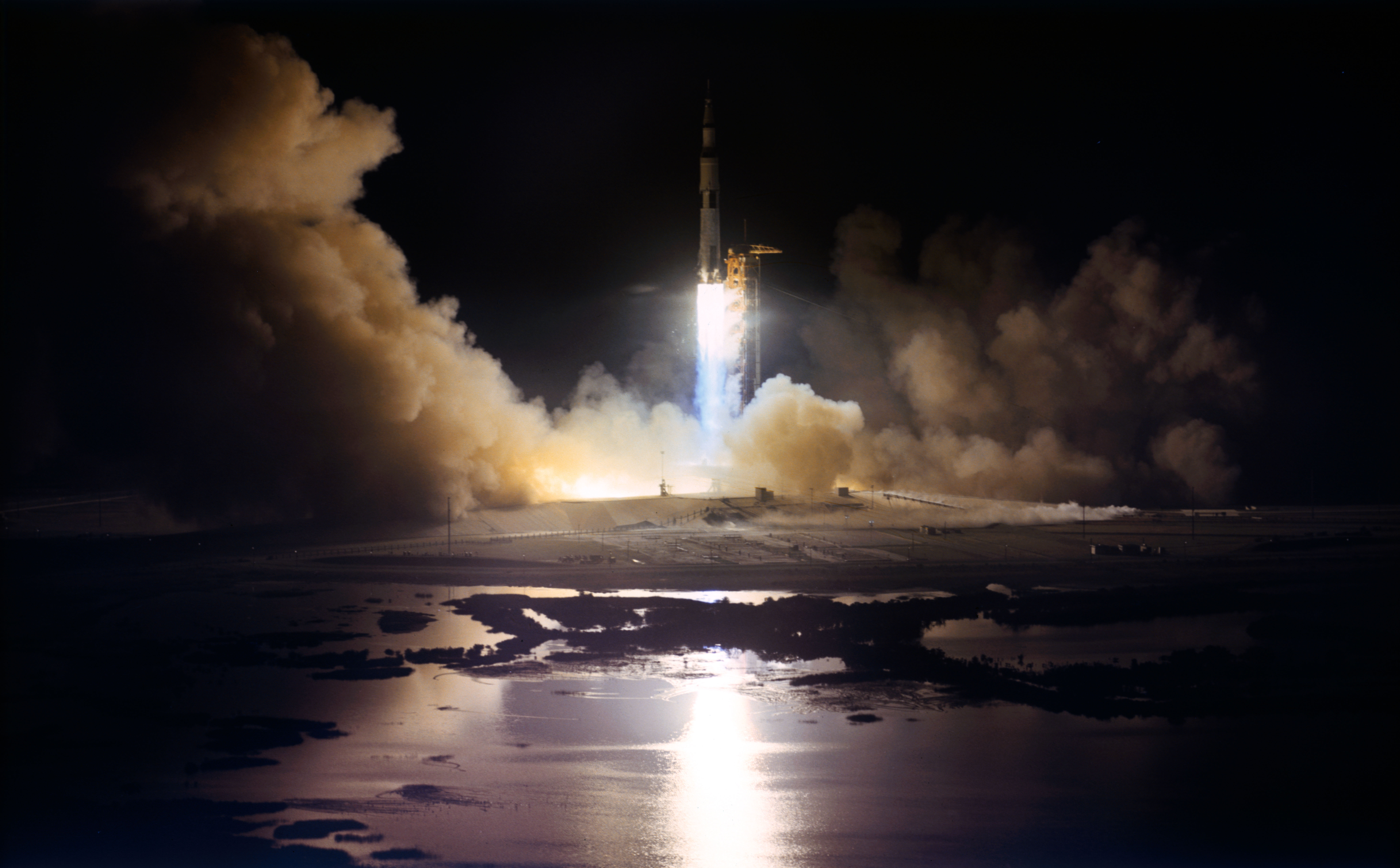
Apollo 17, in December 1972. Eugene Cernan and Harrison Schmitt landed in the Taurus-Littrow valley on 11 December 1972, worked on the surface for three days… more…
Astronauts and life in space
How high do astronauts orbit the earth?
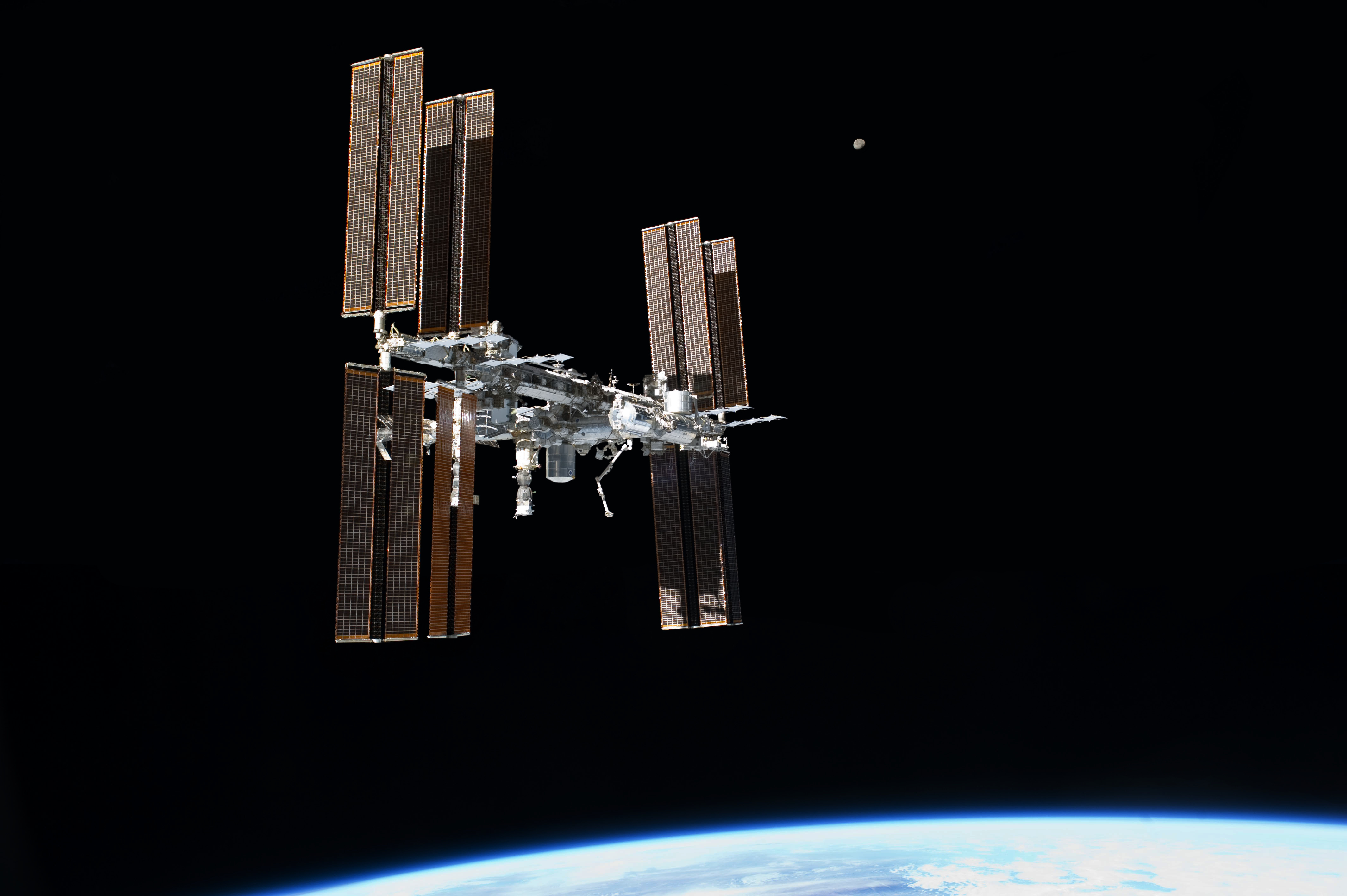
Crewed spaceflight today happens a few hundred kilometres up. The International Space Station orbits at about 400 km, lapping the planet roughly every 90… more…


