Did you know…
How fast does the Airbus A380 take off?
Short answer
The Airbus A380 rotates at around 270 to 310 km/h (145-170 kn) indicated airspeed, somewhat higher than smaller aircraft due to its huge mass: up to 575 tonnes maximum takeoff weight. As with any transport aircraft, the exact speed is calculated flight by flight based on weight, flaps, runway and conditions.

Weight calls the shots
With a maximum takeoff weight of 575 tonnes, the A380 is the heaviest passenger aircraft in service, and that translates into rotation speeds somewhat higher than those of a single-aisle twinjet: roughly 270 to 310 km/h (145-170 kn) indicated. The difference is smaller than the mass comparison suggests, because the Airbus giant compensates with a huge wing, over 840 square metres in area, which generates a lot of lift at moderate speeds.
That combination explains a common impression among observers: the A380 seems to take off slowly. In reality its takeoff roll and rotation speed aren't that different from those of other wide-body aircraft; what's misleading is scale, because such a large object takes longer to cover its own length, giving a sensation of slowness.
How the figure is set
For every departure the crew calculates three reference speeds: V1 decision speed, VR rotation speed, and V2 safe climb speed with one engine inoperative. The calculation factors in the actual weight for the day, flap and slat settings, runway length and condition, airport altitude, temperature and wind component. An A380 departing for a nearby destination with a half-full cabin rotates considerably earlier than one loaded to maximum for a fifteen-hour flight.
After rotation
After raising the nose, the aircraft holds a moderate pitch angle until the climb path is secured. The gear is retracted quickly to reduce drag, and the flaps are retracted in stages as speed builds, leaving the wing clean for the climb to cruise altitude.
More questions
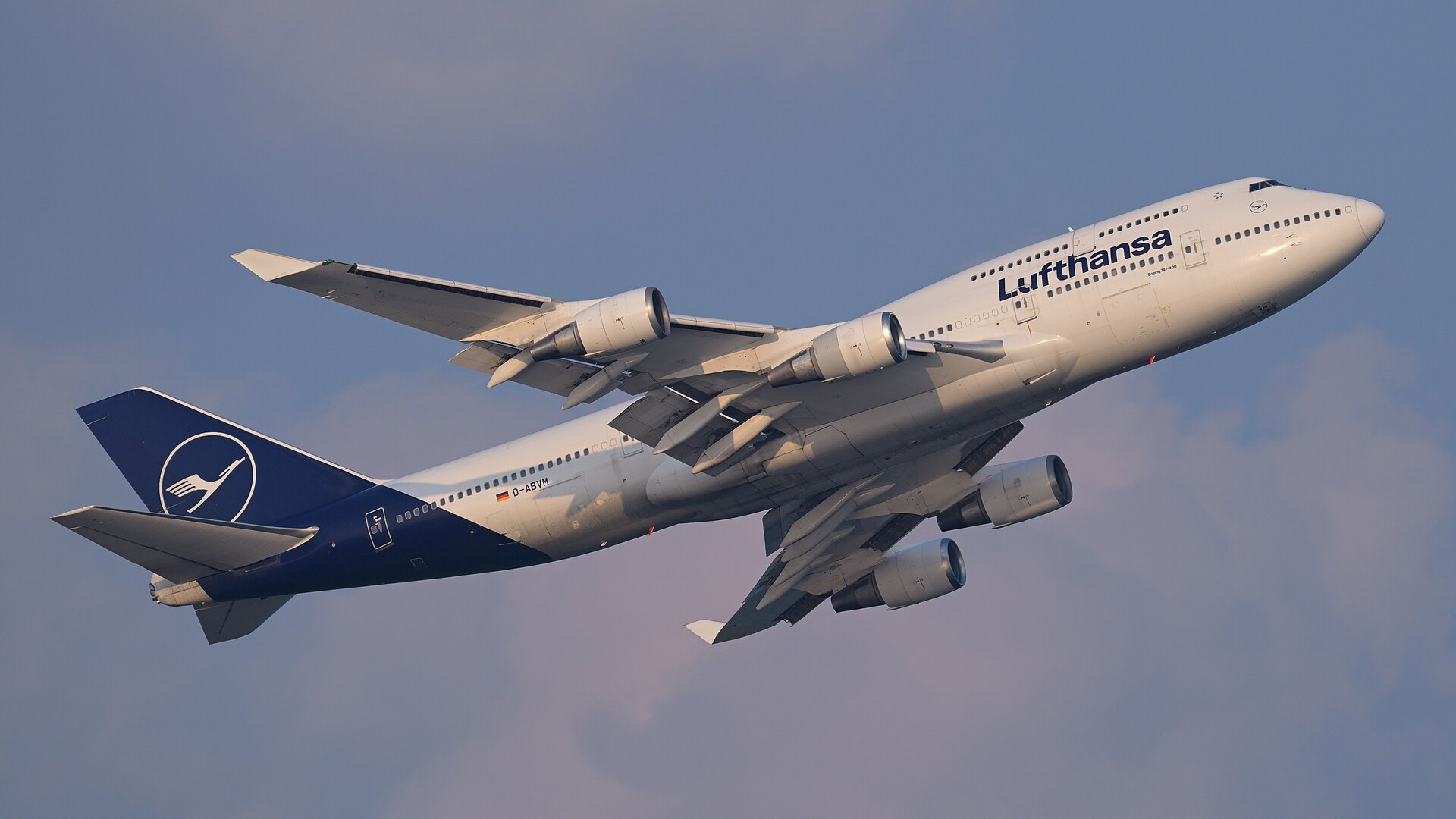
Foto: 4300streetcar (CC BY 4.0) Commercial aviation
Which 747 carried Enterprise "piggyback"?
The first Shuttle Carrier Aircraft was a Boeing 747-123 registered N905NA, originally built for American Airlines and acquired by NASA in 1974. Boeing… more…
Commercial aviation
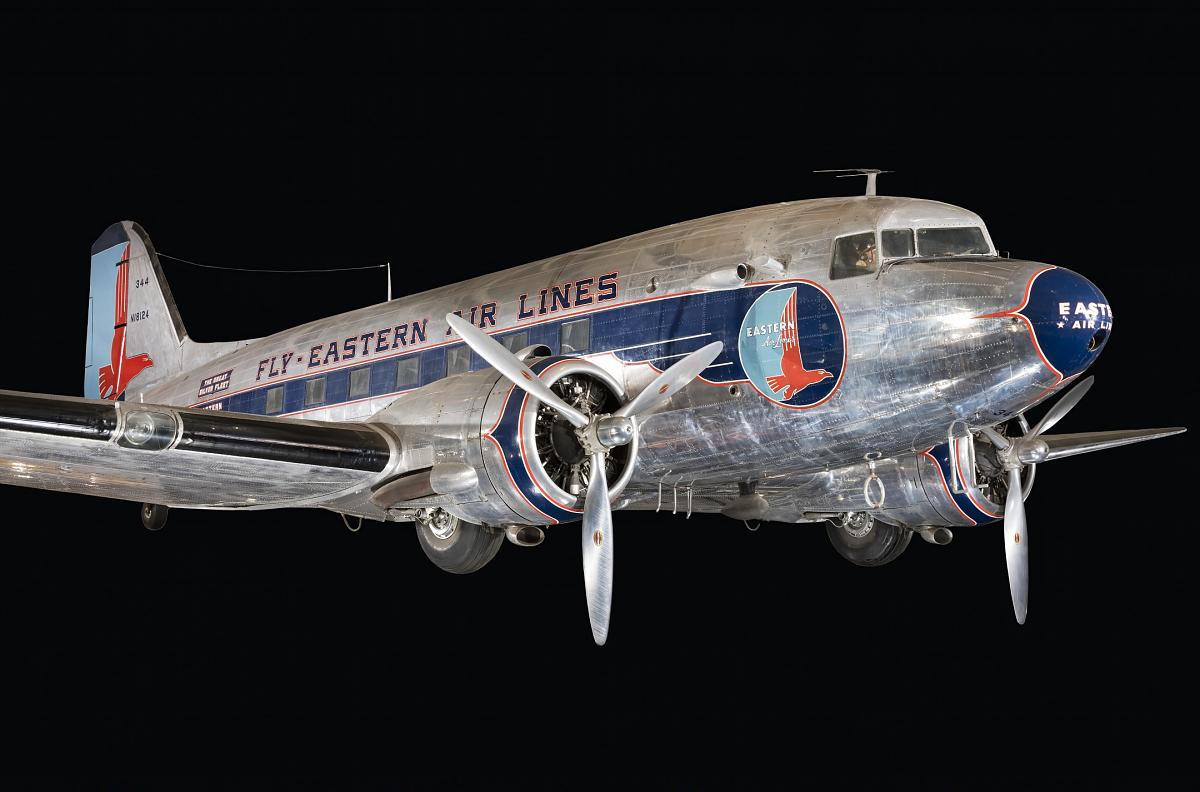
Was there an amphibious DC-3?
Yes: the Douglas XC-47C was created by fitting Edo Model 78 floats onto a standard C-47. The single-step metal floats carried retractable wheels that also… more…
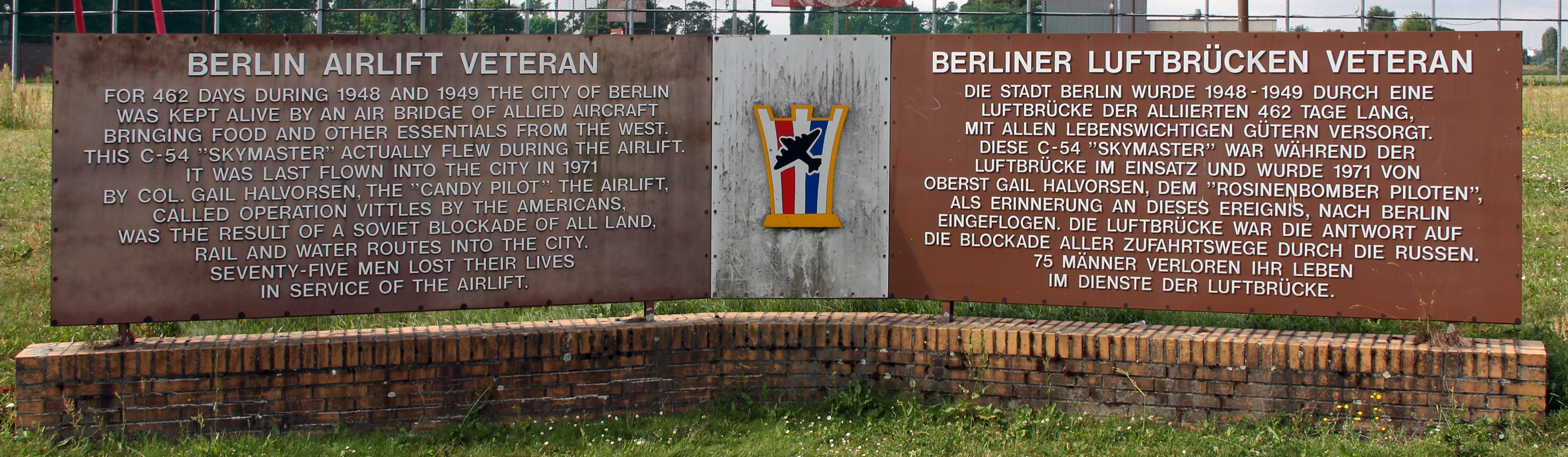
OTFW, Berlin (CC BY SA), vía commons Commercial aviation
Was a C-47 converted into a glider?
Yes: the Douglas XCG-17 was an assault glider created by converting a twin-engine C-47 Skytrain during World War II. Its engines were removed and the nacelles… more…
Commercial aviation
What did the USSR build from the DC-3?
The USSR built a version of the DC-3 under a licence granted to its government on 15 July 1936. It was designated PS-84 and, in 1942, renamed Lisunov Li-2… more…
Commercial aviation
What was "Puff, the Magic Dragon"?
It was the nickname of the Douglas AC-47 Spooky, the first in a series of fixed-wing gunships developed by the United States Air Force during the Vietnam War… more…
Commercial aviation
How did the RAF refer to the C-47?
The RAF called it Dakota: the Dakota I was the designation for 53 C-47s received under Lend-Lease. The Dakota III designated 962 C-47A Skytrains. The Dakota… more…


