Did you know…
What is the MiG-29?
Short answer
The MiG-29 is a twin-engine air-superiority fighter designed by the Soviet Mikoyan-Gurevich bureau to counter the American F-16 and F-15. It first flew on 6 October 1977 and entered service in 1983. More than 1,600 units were built, used by some thirty countries, and it remains in service in modernised versions.

Origin and design
At the start of the 1970s the Soviet Union launched two complementary fighters: the Su-27, large and long-range, and the MiG-29, lighter, for front-line air defence and support of ground forces. The result was a twin-engine aircraft powered by two Klimov RD-33 turbojets, with a swept wing featuring large wing-root extensions and underbelly air intakes that close during taxiing so the engine draws air through top louvres instead of ingesting debris from improvised runways. Its high angle of attack and strong thrust gave it a reputation as an excellent close-combat fighter.
Weapons and sensors
The original armament combined medium-range R-27 missiles and short-range R-73 missiles, the latter with a wide-field infrared seeker aimed via a helmet-mounted sight worn by the pilot, a capability the West did not match until years later. The radar was complemented by an infrared sensor and a laser rangefinder in the nose. Its weak points were its short range, due to limited internal fuel, and avionics that were outdated by Western standards — shortcomings that the MiG-29SMT, MiG-29M and MiG-35 variants have tried to correct.
Career and users
Besides the Soviet Union and Russia, the MiG-29 was adopted by East Germany, Poland, India, Ukraine, Malaysia and Peru, among others. After reunification, the Luftwaffe operated the inherited MiG-29s before later handing them over to Poland. In combat it has seen action in the Eritrean-Ethiopian War, in the Balkans and, since 2022, in Ukraine, where it has been adapted to launch Western weaponry. Series production exceeded 1,600 aircraft, and production lines remain active for the MiG-35 (as of September 2026).
More questions
L-Bit (CC BY SA), vía commons Military aviation
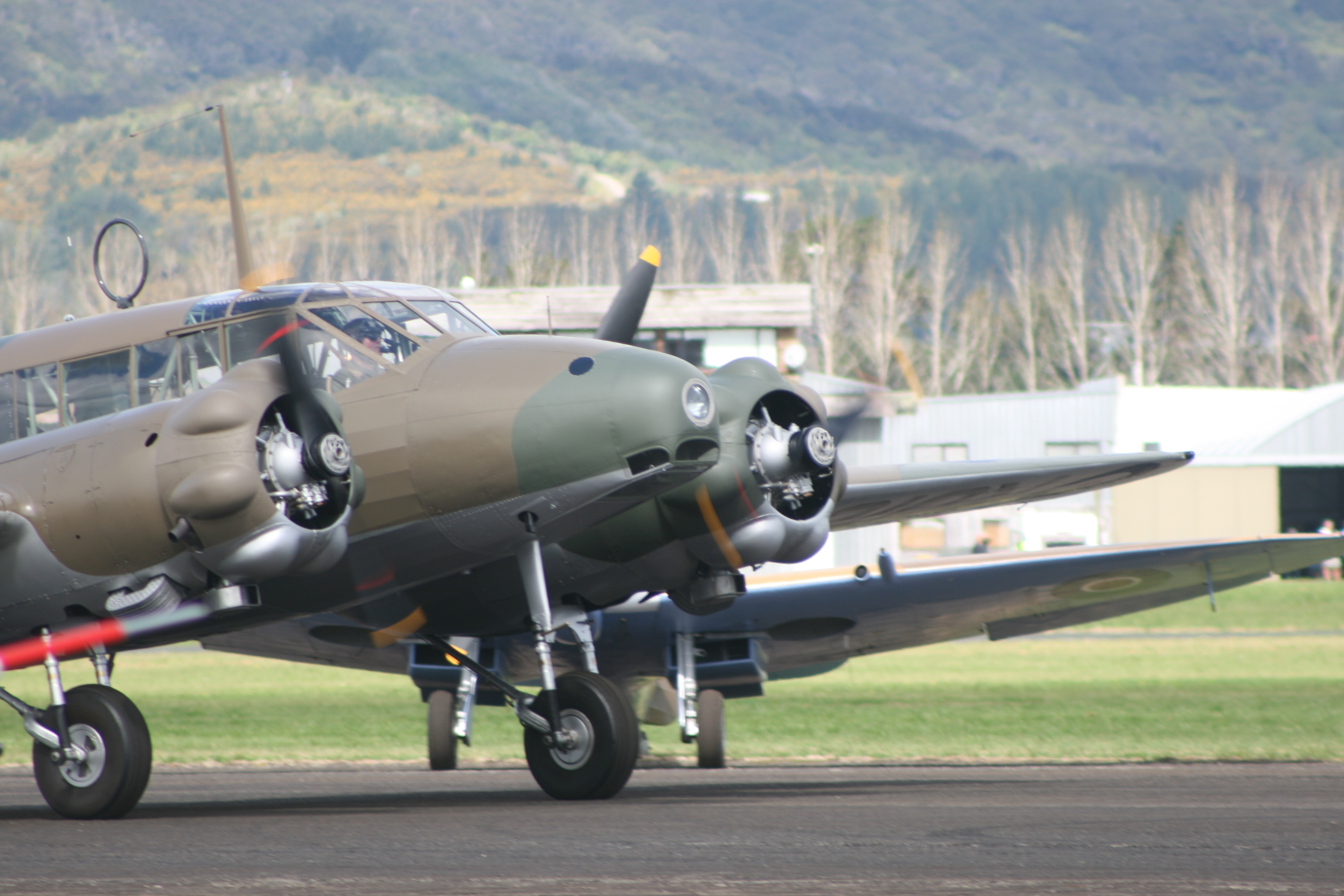
How many Anson Mk I were built?
6,688 or 6,742 Avro Anson Mk I were built, according to different sources; History of War, which gives the second figure, places 3,935 at Woodford and the… more…
Military aviation
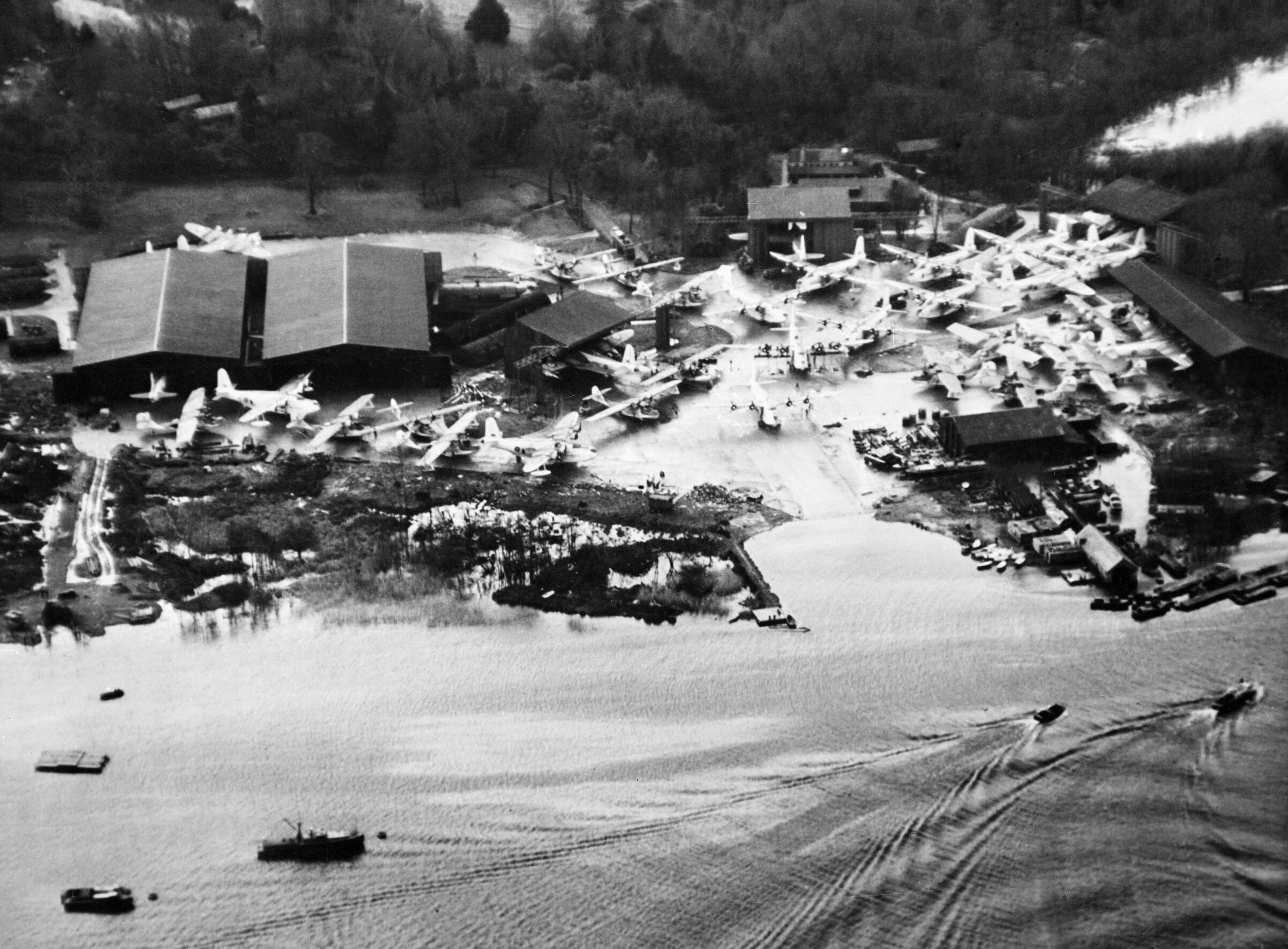
Which flying boats rescued the crew of the Kensington Court in 1939?
They were two RAF Sunderland flying boats: according to uboat.net, an aircraft of Squadron 228 and L5802 of Squadron 204 landed on the water next to the… more…
Military aviation
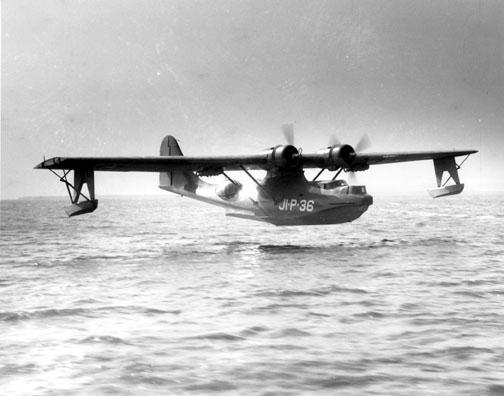
How long did Catalina convoy escort flights to the USSR last?
Many of the Catalina flights protecting convoys to the Soviet Union lasted between 15 and 20 hours and ended at Gryaznaya Bay (Murmansk) or at Arkhangelsk… more…
Military aviation
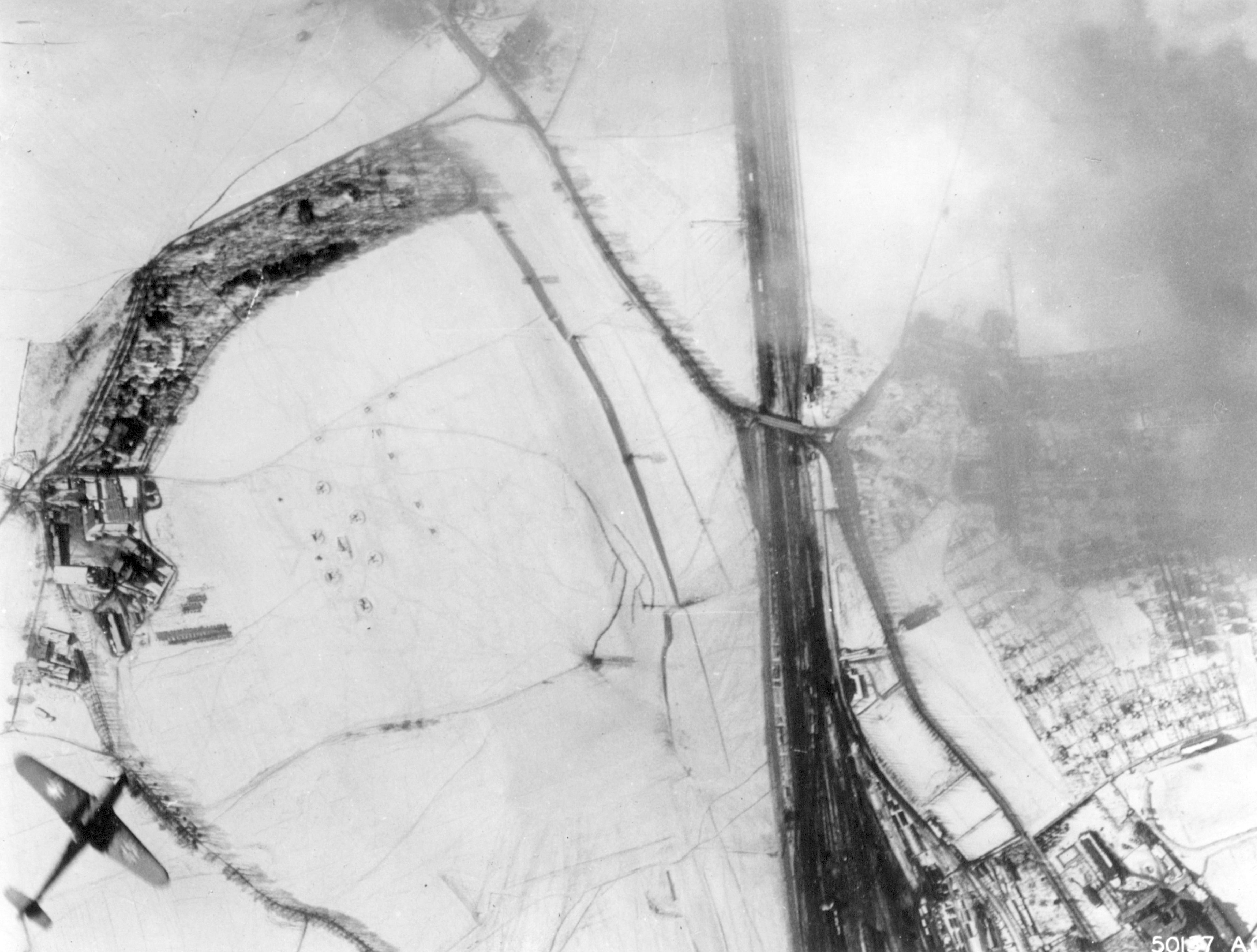
How many aircraft did the Axis lose in Crusader?
Around 332 aircraft destroyed and around 228 abandoned in the operation's tally, which took place between 18 November and 30 December 1941. According to their… more…
Military aviation
How many victories did No. 604 Squadron, the RAF night-fighter squadron, claim?
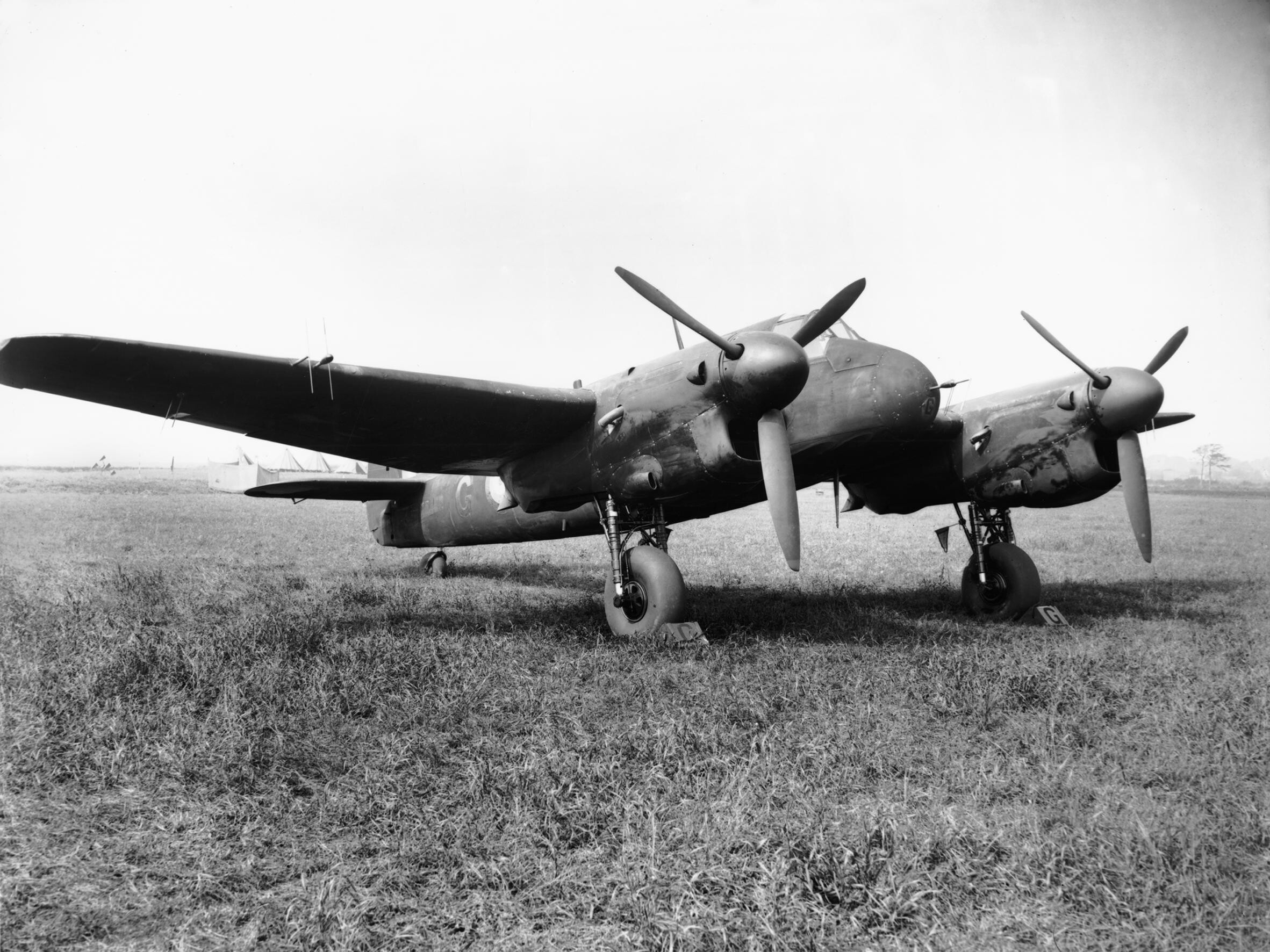
Around 127 aerial victories over the course of the war, 41 of them since May 1944. No. 604 (County of Middlesex) Squadron RAF spent most of the Second World… more…
Military aviation
Why did the "Torch" P-40Fs carry a flag on the fuselage?
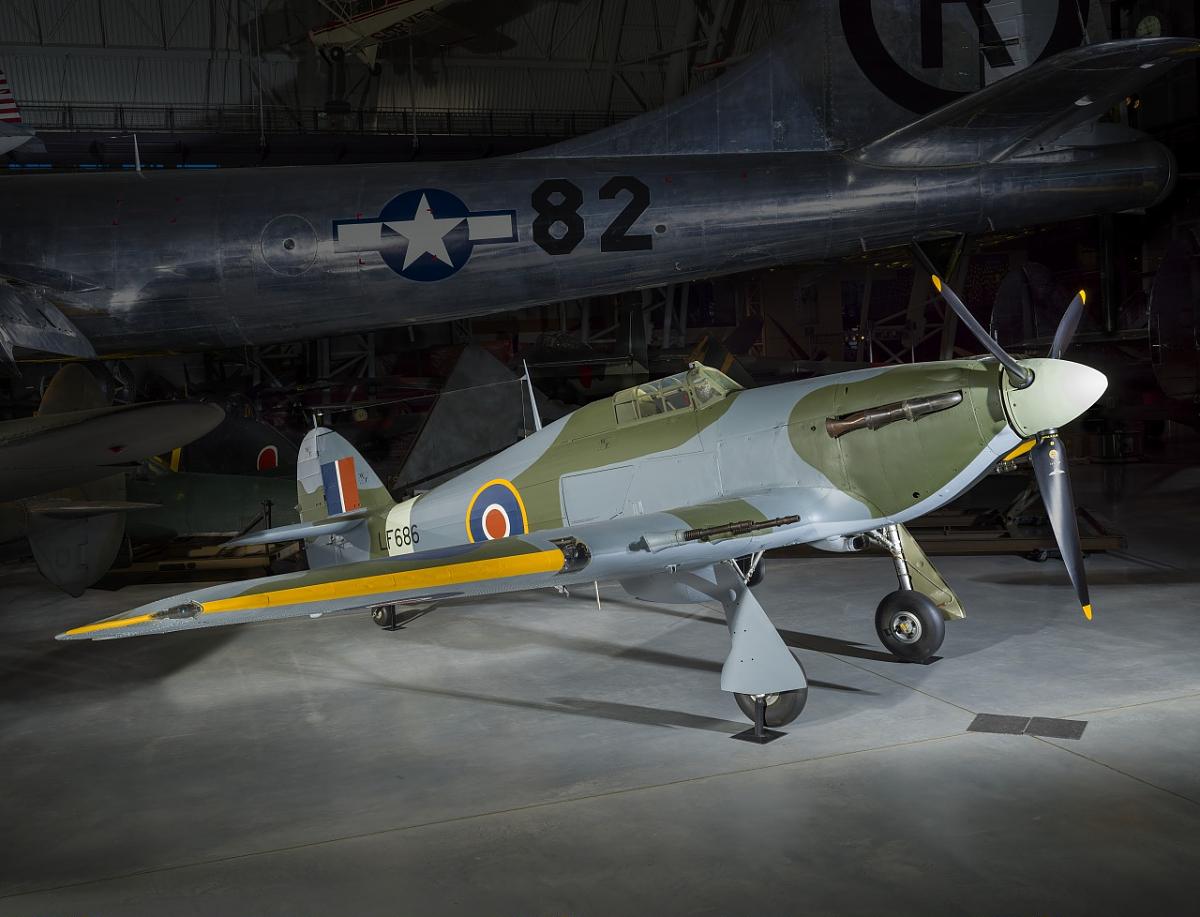
To deter Vichy French forces from shooting them down: aircraft with yellow-outlined roundels sometimes had an American flag added in front of the roundel. The… more…


