Did you know…
How long did it take an R7V-1 to convert from a passenger plane to a freighter?
Short answer
Two hours. The R7V-1, the US Navy's transport version derived from the L-1049B Super Constellation, could be quickly converted from a passenger aircraft, seating 97 to 107 people, into a freighter in that time. It could also carry 73 stretchers on medical evacuation flights.

A Super Constellation for the Navy
In August 1950 the US Navy ordered eleven convertible passenger-and-cargo aircraft based on the L-1049B Super Constellation, the stretched version of the Constellation it had already ordered as the WV-2 early-warning platform. Initially designated R7O, they were delivered before the WV-2 because they were simpler to build. The R7O, later renamed R7V-1, first flew in 1952.
Passengers, cargo, or wounded
Its great virtue was flexibility. The R7V-1 could be quickly converted from a passenger transport carrying 97 to 107 people into a cargo aircraft in two hours. The Navy reduced the number of available seats to make room for life rafts on flights over water, and the aircraft could also carry 73 stretchers on medical evacuation flights.
From the Atlantic to Antarctica
The R7V-1s served over the Atlantic and Pacific in squadrons VR-1, the Navy's oldest transport squadron, VR-7, and VR-8, and two modified aircraft were used on resupply missions to Antarctica. The family of military transports derived from the Constellation had begun with the Air Force's C-121A, some of which were converted into VIP transports under the designation VC-121A; the last C-121A were retired in 1968. The Constellation, with its triple tail and four Wright R-3350 radial engines, was for decades one of the great long-range transports of the US armed forces. According to Super Constellation production records, the Navy received a total of 50 R7V-1, plus two R7V-2 of the L-1249A series.
More questions
L-Bit (CC BY SA), vía commons Military aviation
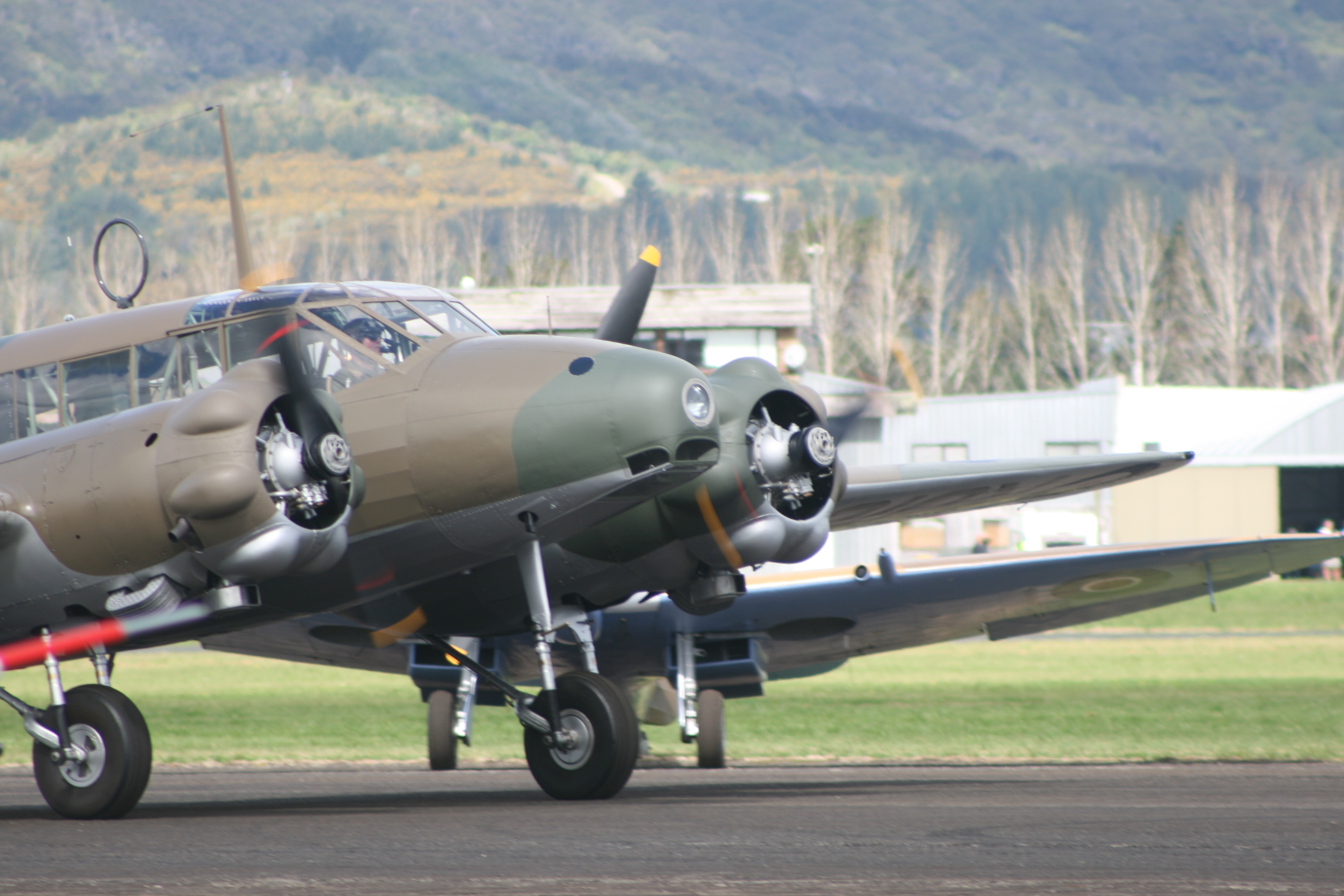
How many Anson Mk I were built?
6,688 or 6,742 Avro Anson Mk I were built, according to different sources; History of War, which gives the second figure, places 3,935 at Woodford and the… more…
Military aviation
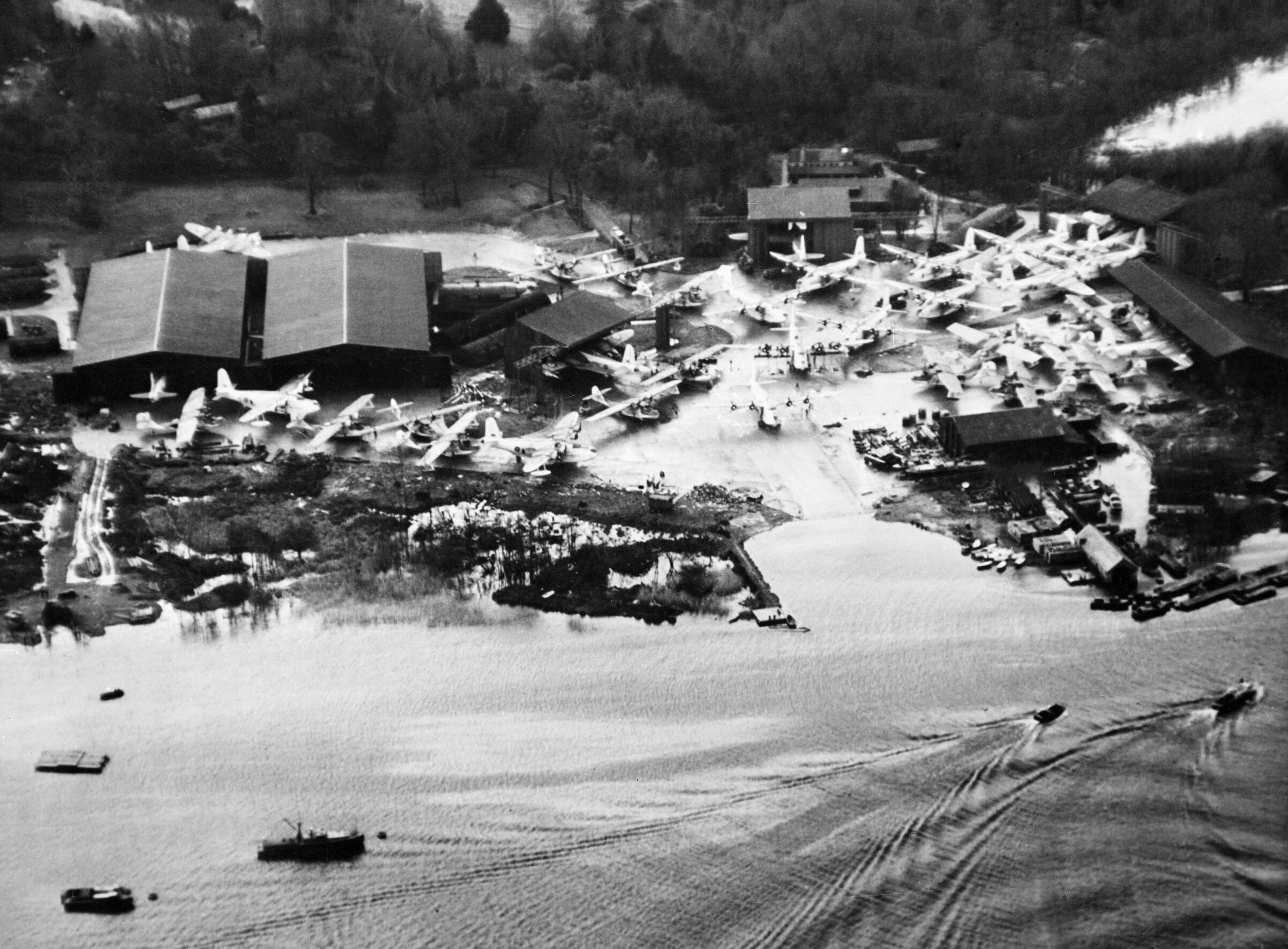
Which flying boats rescued the crew of the Kensington Court in 1939?
They were two RAF Sunderland flying boats: according to uboat.net, an aircraft of Squadron 228 and L5802 of Squadron 204 landed on the water next to the… more…
Military aviation
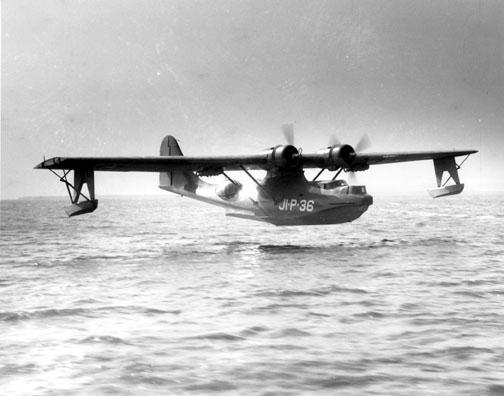
How long did Catalina convoy escort flights to the USSR last?
Many of the Catalina flights protecting convoys to the Soviet Union lasted between 15 and 20 hours and ended at Gryaznaya Bay (Murmansk) or at Arkhangelsk… more…
Military aviation
How many aircraft did the Axis lose in Crusader?
Around 332 aircraft destroyed and around 228 abandoned in the operation's tally, which took place between 18 November and 30 December 1941. According to their… more…
Military aviation
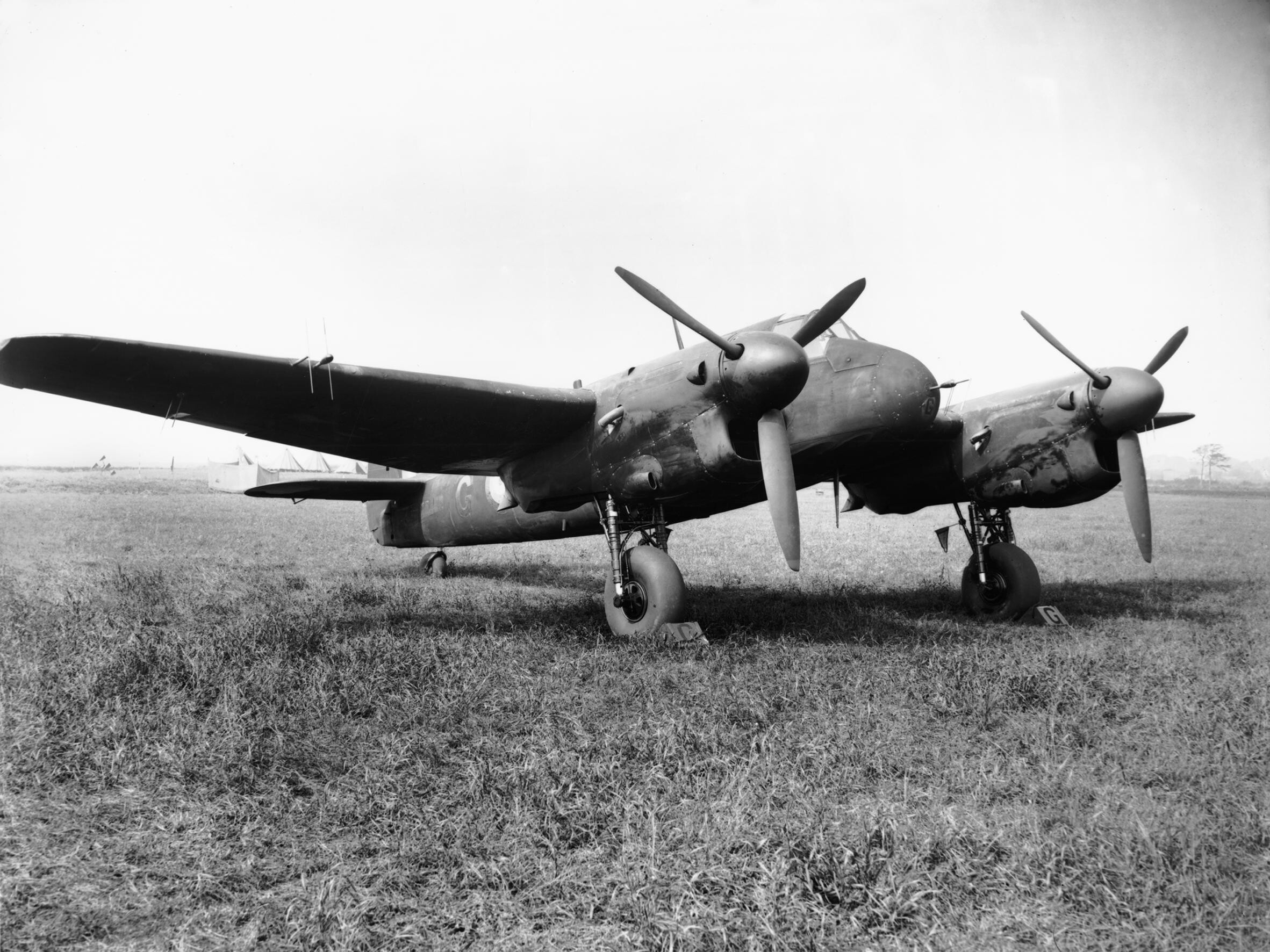
How many victories did No. 604 Squadron, the RAF night-fighter squadron, claim?
Around 127 aerial victories over the course of the war, 41 of them since May 1944. No. 604 (County of Middlesex) Squadron RAF spent most of the Second World… more…
Military aviation
Why did the "Torch" P-40Fs carry a flag on the fuselage?
To deter Vichy French forces from shooting them down: aircraft with yellow-outlined roundels sometimes had an American flag added in front of the roundel. The… more…


