Did you know…
How fast can Superman fly?
Short answer
Superman isn't a real speed: he's a fictional character whose limit changes with every writer, from "faster than a speeding bullet" in 1940 to surpassing light speed in later comics. In the real world, the fastest crewed aircraft was NASA's X-15, 7,274 km/h (Mach 6.7) in 1967, and the fastest jet the SR-71, about 3,500 km/h.

A limit written by scriptwriters
Superman is a comic book character created by Jerry Siegel and Joe Shuster in 1938, and his speed has never been a fixed measurement — it's a storytelling device. In the earliest issues he didn't fly at all; he leapt over buildings in a single bound and ran "faster than a speeding train." The phrase "faster than a speeding bullet" arrived with the 1940 radio serial and carried over into the Fleischer animated shorts and later television. In the Silver Age comics, starting in the 1950s, he was credited with faster-than-light speed and time travel; after the 1986 reboot, writers scaled that back to something "close to" the speed of light, and ever since, the ceiling has risen and fallen depending on the story. Asking how fast he can fly is like asking how much Thor's hammer weighs: the correct answer is whatever the plot requires.
What "faster than a speeding bullet" actually means
The 1940 comparison does have a real-world translation. A handgun bullet leaves the barrel at 300-400 m/s; a 5.56mm rifle round at roughly 900-1,000 m/s, that is, Mach 2.6-2.9 at sea level. No operational aircraft has ever sustained that speed at low altitude, where aerodynamic heating would destroy an aluminum structure within minutes. At altitude, the story changes. The Lockheed SR-71 Blackbird, with a titanium fuselage, cruised at Mach 3.2 and set the 1976 absolute speed record for a manned jet aircraft, 3,529.6 km/h, which still stands. The fastest crewed aircraft of all time was the North American X-15, a rocket plane launched from a B-52: on October 3, 1967, William "Pete" Knight flew it to 7,274 km/h, Mach 6.7, at about 31,000 m altitude. Only space capsules, which re-enter at over 28,000 km/h, exceed those figures — and they aren't aircraft.
Why Superman's flight is physically impossible
Beyond the character, physics sets three hard limits on any body flying very fast within the atmosphere. The first is drag, which grows with the square of speed: at Mach 3, a surface the size of a person needs tens of kilonewtons of thrust just to avoid slowing down. The second is heat: above Mach 5 the air compressed in front of the body exceeds 1,000°C, and at orbital speeds it turns into plasma. The third is the sonic boom, which during a low-altitude flyover of a city would shatter windows for kilometers around. A Superman genuinely flying at Mach 10 over Metropolis would, for anyone below, be indistinguishable from a meteor. Still, fiction has pushed reality forward: X-15 pilots earned astronaut wings, its data helped design the Space Shuttle, and today's hypersonic programs at NASA and the US Air Force are chasing exactly the speed range, Mach 5 to 10, where the comics place their hero.
More questions
Physics of flight
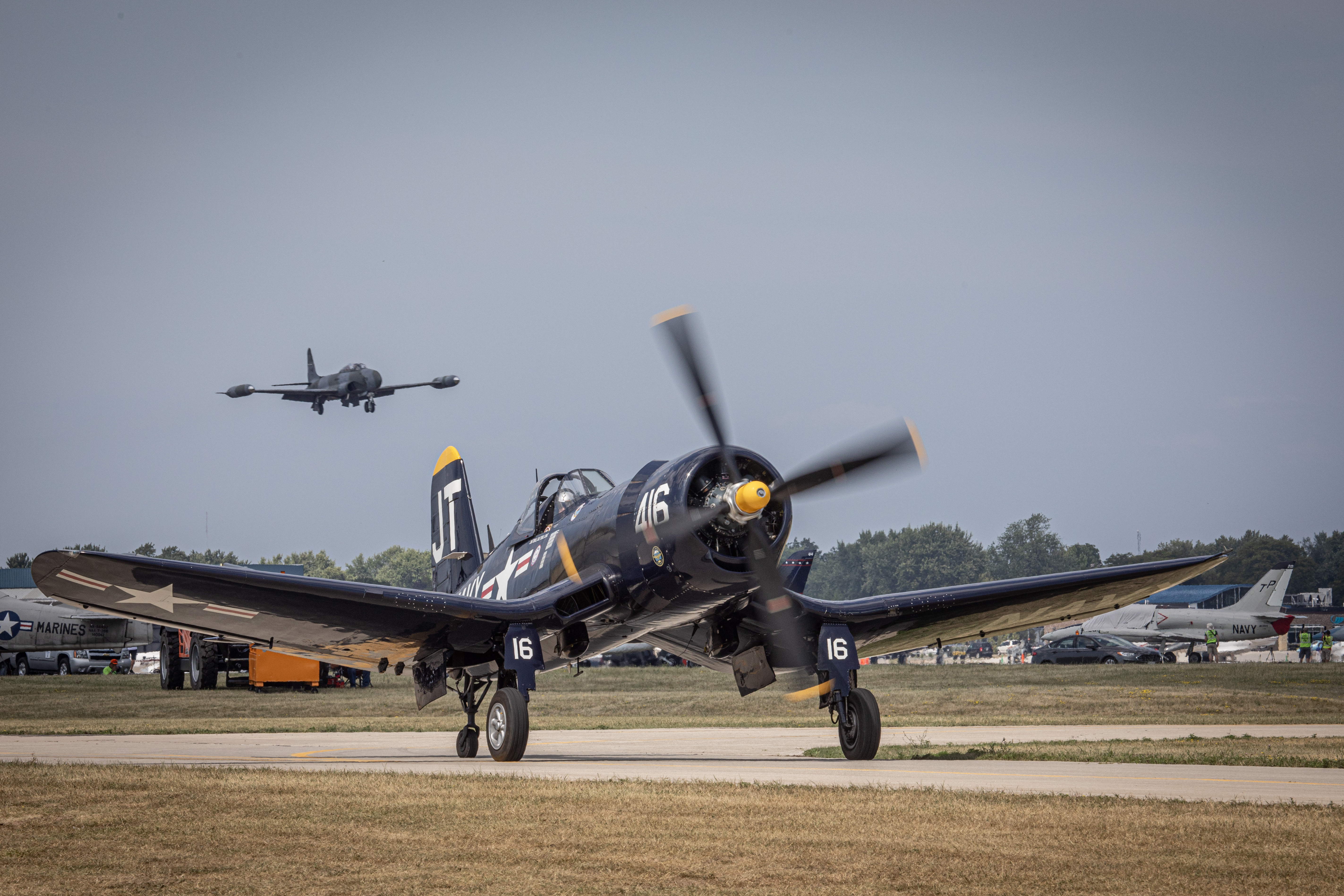
Why can't a Corsair pilot apply full power when going around after a failed carrier landing?
Because at low speed and high power the Corsair would drop its left wing suddenly and with almost no warning, due to propeller torque. If the throttle was… more…
Physics of flight
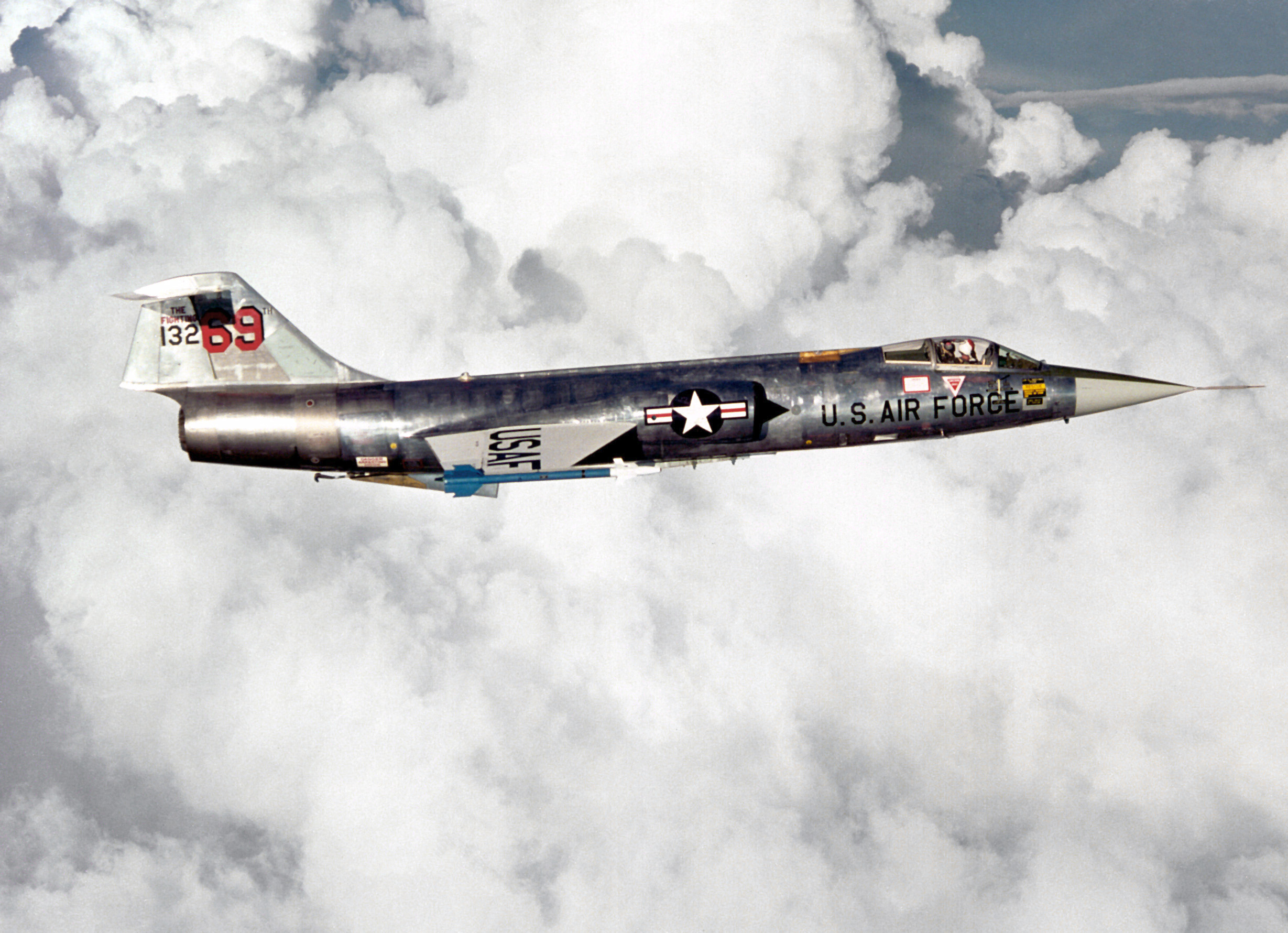
What did the phrase "banking with intent to turn" mean among F-104 pilots?
It was a joke among Canadian F-104 pilots: banking the aircraft "with intent to turn" referred to its poor low-speed turning. Its sustained turn capability… more…
Julian Herzog (Website) (CC BY), vía commons Physics of flight
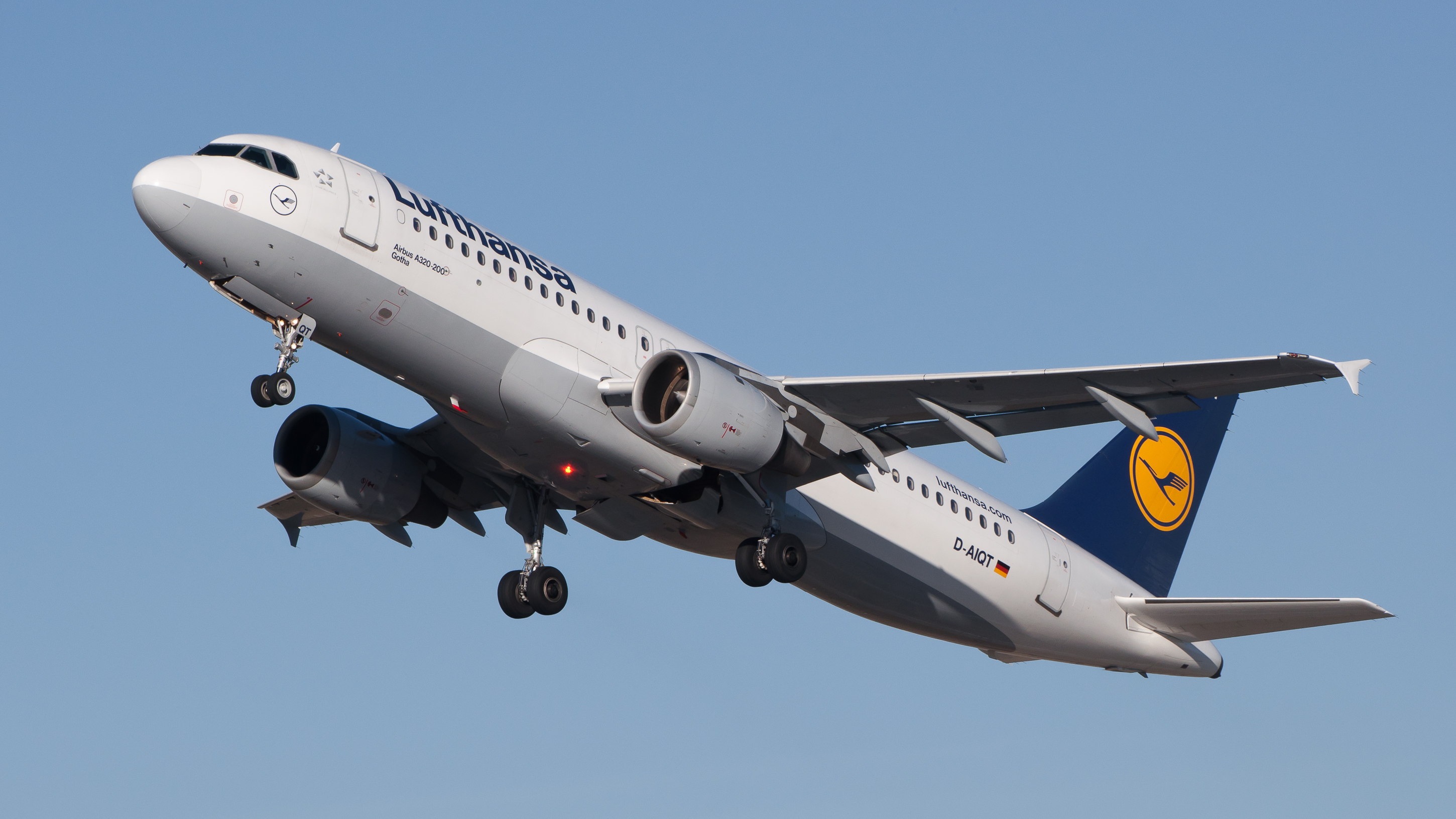
What is "flight envelope protection," which the A320 pioneered?
A set of limits embedded in the flight control software: it calculates the flight envelope, adds a safety margin, and blocks pilot inputs that would take the… more…
Julian Herzog (Website) (CC BY), vía commons Physics of flight
What is the A320's SHARP package for?
SHARP (SHort AiRfield Package) improves takeoff and landing performance on short runways and is designed to increase low-speed lift. It combines aerodynamic… more…
Physics of flight
What flaw sank Vought's all-metal V-141 fighter?
It wasn't a single flaw: tests showed the V-141 still flew poorly, was prone to spinning, and also suffered tail flutter, which is why it was rejected. It… more…
Physics of flight
What wind tunnel did NACA use to study the Corsair, and how big was it?
The full-scale 30- by 60-Foot Tunnel at the Langley Research Center, in Hampton, Virginia. NACA dedicated the facility on 27 May 1931 and used it to test the… more…


