Did you know…
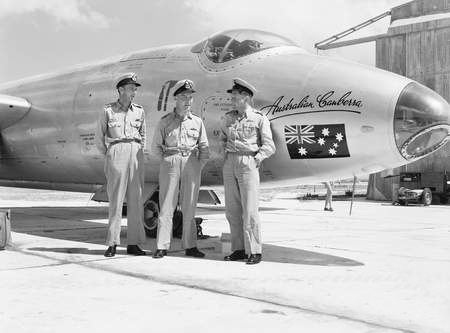
Why did the Canberra carry no defensive armament?
Short answer
Because the requirement demanded it: the Air Ministry's 1944 specification to succeed the Mosquito, in its initial E.3/45 revision, called for a fast, high-altitude bomber with no defensive armament. That armament had historically proven unable to match fighters, and the resulting performance gain let the Canberra avoid air-to-air combat.
A 1944 requirement
The Canberra formally originated from a requirement issued in 1944 by the Air Ministry to replace the de Havilland Mosquito; that specification, in its initial E.3/45 revision, called for a high-altitude, high-speed bomber that was not to be fitted with defensive armament.
Performance instead of turrets
Also following the Mosquito's philosophy, the Canberra was designed without defensive armament, which had historically proven unable to match fighters, and the resulting performance gain let it avoid air-to-air combat entirely. The first of the prototypes, VN799, made its maiden flight on 13 May 1949. In May 1951 the Canberra entered squadron service with the RAF.
Altitude and production
On 4 May 1953, the Canberra B.2 WD952, fitted with Rolls-Royce Olympus engines, set a world altitude record flying at 63,668 ft (19,406 m). On 28 August 1957, the Canberra B.2 WK163, fitted with a Napier Double Scorpion rocket motor, achieved an altitude record of 70,310 ft (21,430 m). A total of 901 Canberras were built across the various British manufacturers, and together with overseas licence production the worldwide total reached 1,352 aircraft. The USAF decided to order 403, built under licence by the Glenn L. Martin Company as the B-57 Canberra. The Government Aircraft Factories locally assembled 48 for the Royal Australian Air Force.
More questions
L-Bit (CC BY SA), vía commons Military aviation
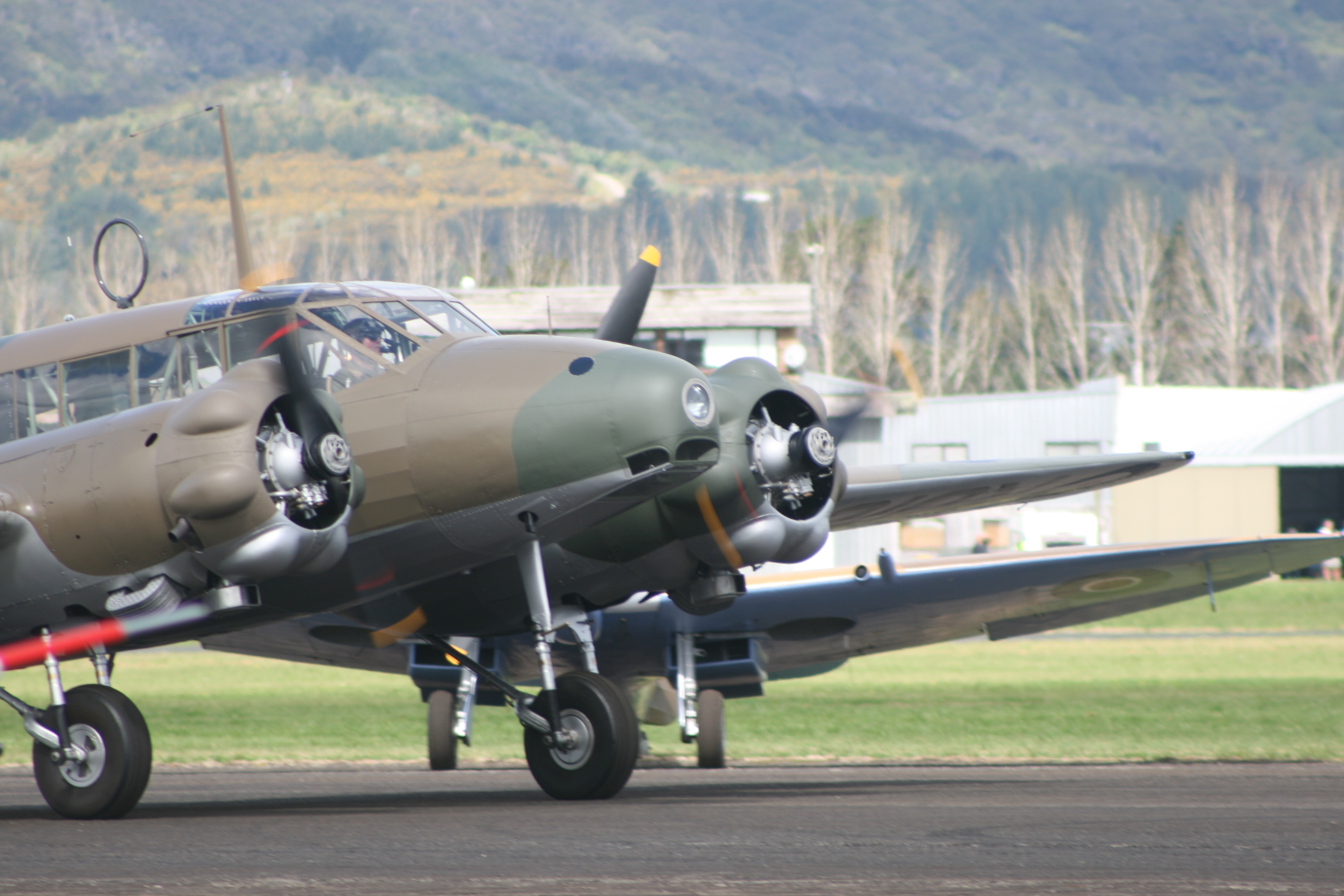
How many Anson Mk I were built?
6,688 or 6,742 Avro Anson Mk I were built, according to different sources; History of War, which gives the second figure, places 3,935 at Woodford and the… more…
Military aviation
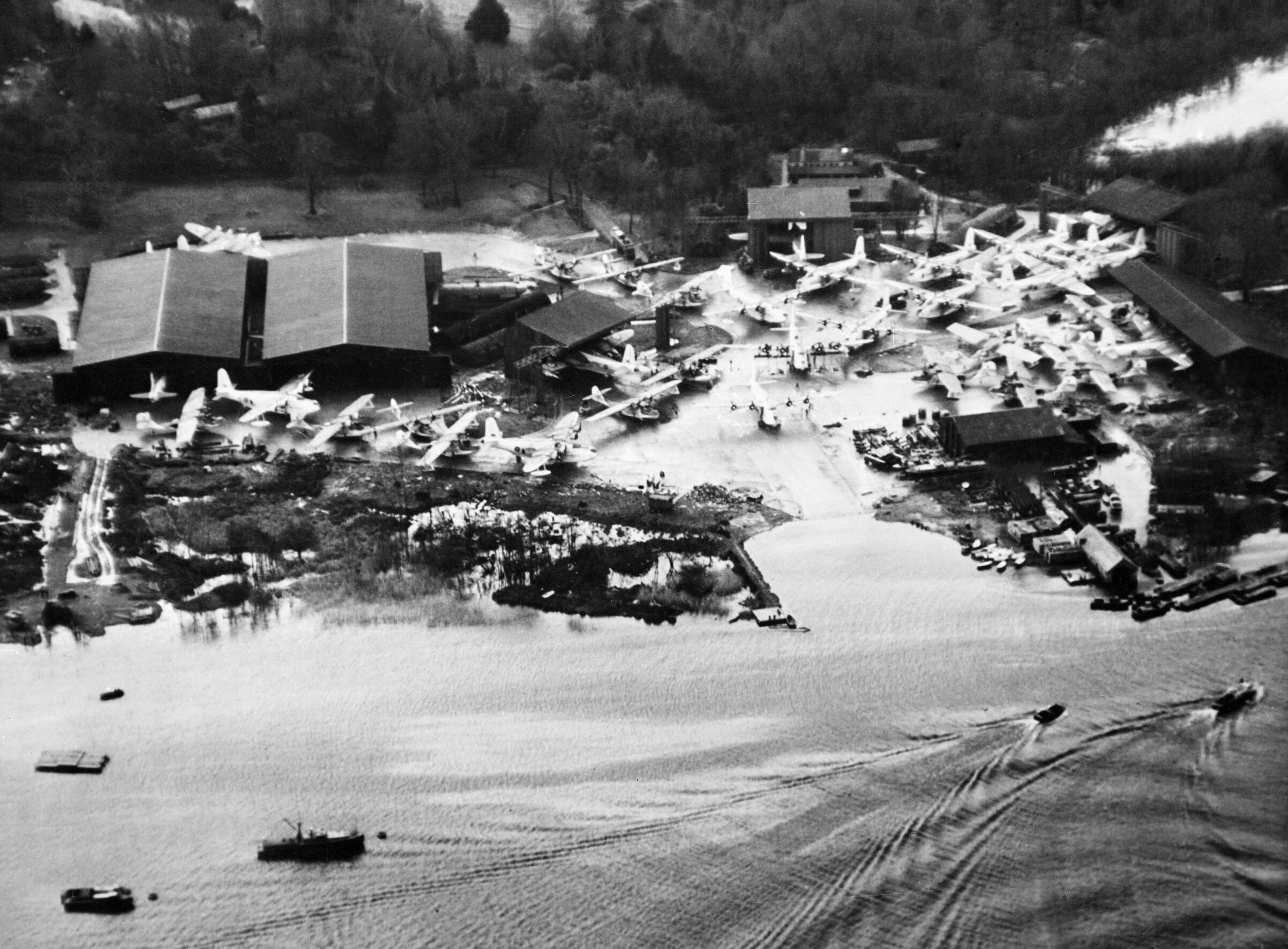
Which flying boats rescued the crew of the Kensington Court in 1939?
They were two RAF Sunderland flying boats: according to uboat.net, an aircraft of Squadron 228 and L5802 of Squadron 204 landed on the water next to the… more…
Military aviation
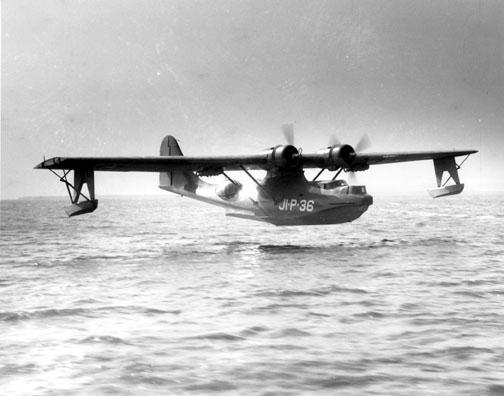
How long did Catalina convoy escort flights to the USSR last?
Many of the Catalina flights protecting convoys to the Soviet Union lasted between 15 and 20 hours and ended at Gryaznaya Bay (Murmansk) or at Arkhangelsk… more…
Military aviation
How many aircraft did the Axis lose in Crusader?
Around 332 aircraft destroyed and around 228 abandoned in the operation's tally, which took place between 18 November and 30 December 1941. According to their… more…
Military aviation
How many victories did No. 604 Squadron, the RAF night-fighter squadron, claim?
Around 127 aerial victories over the course of the war, 41 of them since May 1944. No. 604 (County of Middlesex) Squadron RAF spent most of the Second World… more…
Military aviation
Why did the "Torch" P-40Fs carry a flag on the fuselage?
To deter Vichy French forces from shooting them down: aircraft with yellow-outlined roundels sometimes had an American flag added in front of the roundel. The… more…


