Did you know…
Why did sailors call the EC-121 Warning Star "Willie Victor"?
Short answer
After the letters of its naval designation: before 1962 the US Navy called its early-warning Constellations WV-, and in phonetic-alphabet slang the W and V were read as "Willie Victor." The Air Force, by contrast, used the civilian nickname "Connie" for the EC-121.

Two services, two nicknames
The EC-121 Warning Star was the military early-warning version of the Lockheed Constellation, used by both the US Air Force and the US Navy. Each service named it in its own way. Air Force crews adopted the aircraft's civilian nickname, "Connie," short for Constellation. Navy crews called it "Willie Victor."
From WV to "Willie Victor"
The naval nickname comes directly from the aircraft's designation. Until 1962, the Air Force and the Navy had separate systems for naming their aircraft, which were unified that year. Before that date, the Navy designated these early-warning Constellations with the prefix WV-, as in WV-2 or WV-3. Pronounced with a slang version of the phonetic alphabet, those two letters sounded like "Willie Victor," and the name stuck among sailors. With the 1962 unification the aircraft became known as EC-121, but the nickname survived in crews' everyday speech.
An aircraft with many lives
The old Navy WV-2 and WV-3 had a second career in the Vietnam War. About 40 EC-121 were modified from those aircraft to work with ground-seeded sensors and detect troop movements along the Ho Chi Minh Trail, and 25 were deployed to Korat air base in Thailand as part of Operation Igloo White. That configuration, the EC-121R, received yet another nickname: "Batcat." The history of the EC-121's names thus reflects that of its users: the same civilian airliner adapted for very different military missions, renamed by each of the services that flew it.
More questions
L-Bit (CC BY SA), vía commons Military aviation
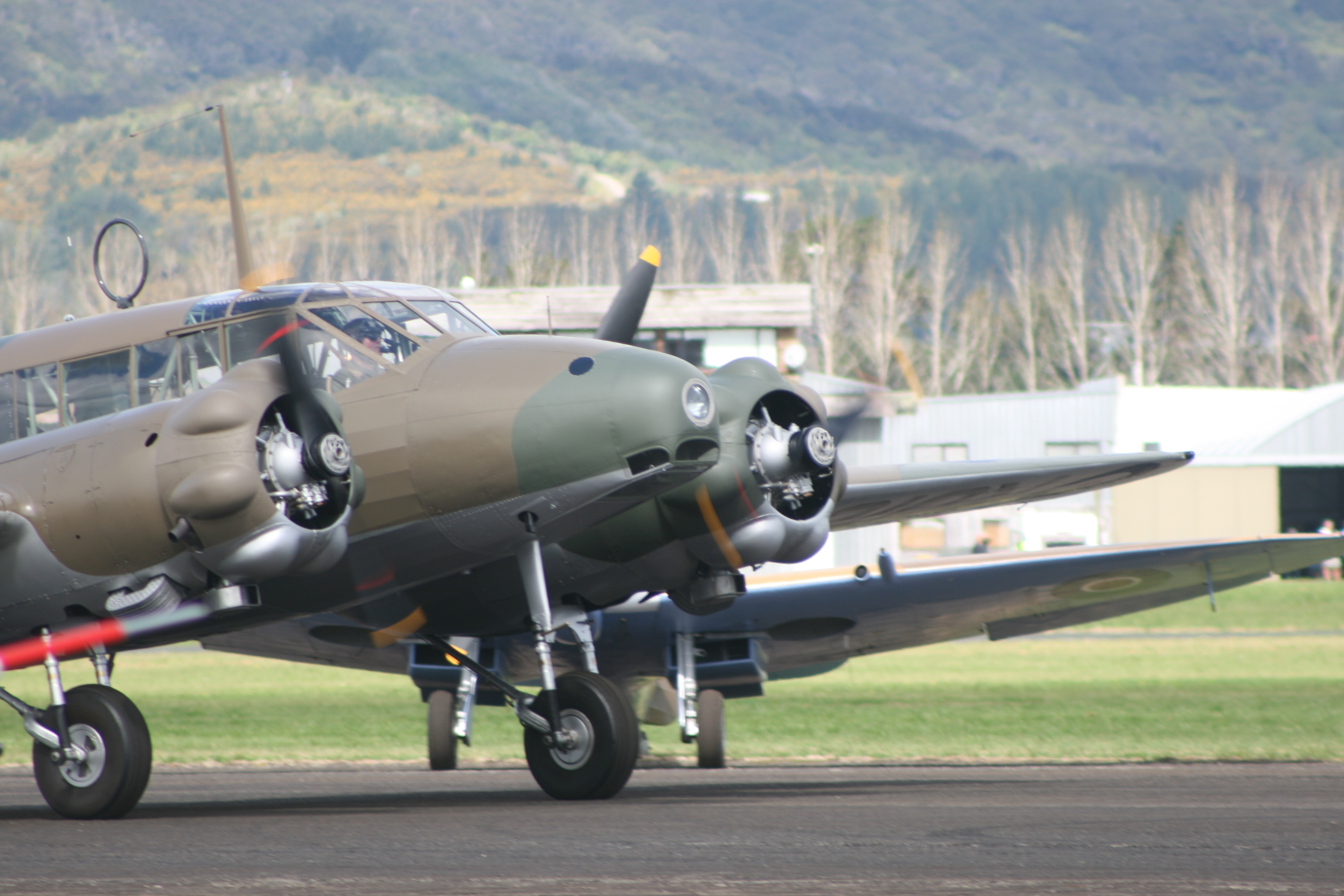
How many Anson Mk I were built?
6,688 or 6,742 Avro Anson Mk I were built, according to different sources; History of War, which gives the second figure, places 3,935 at Woodford and the… more…
Military aviation
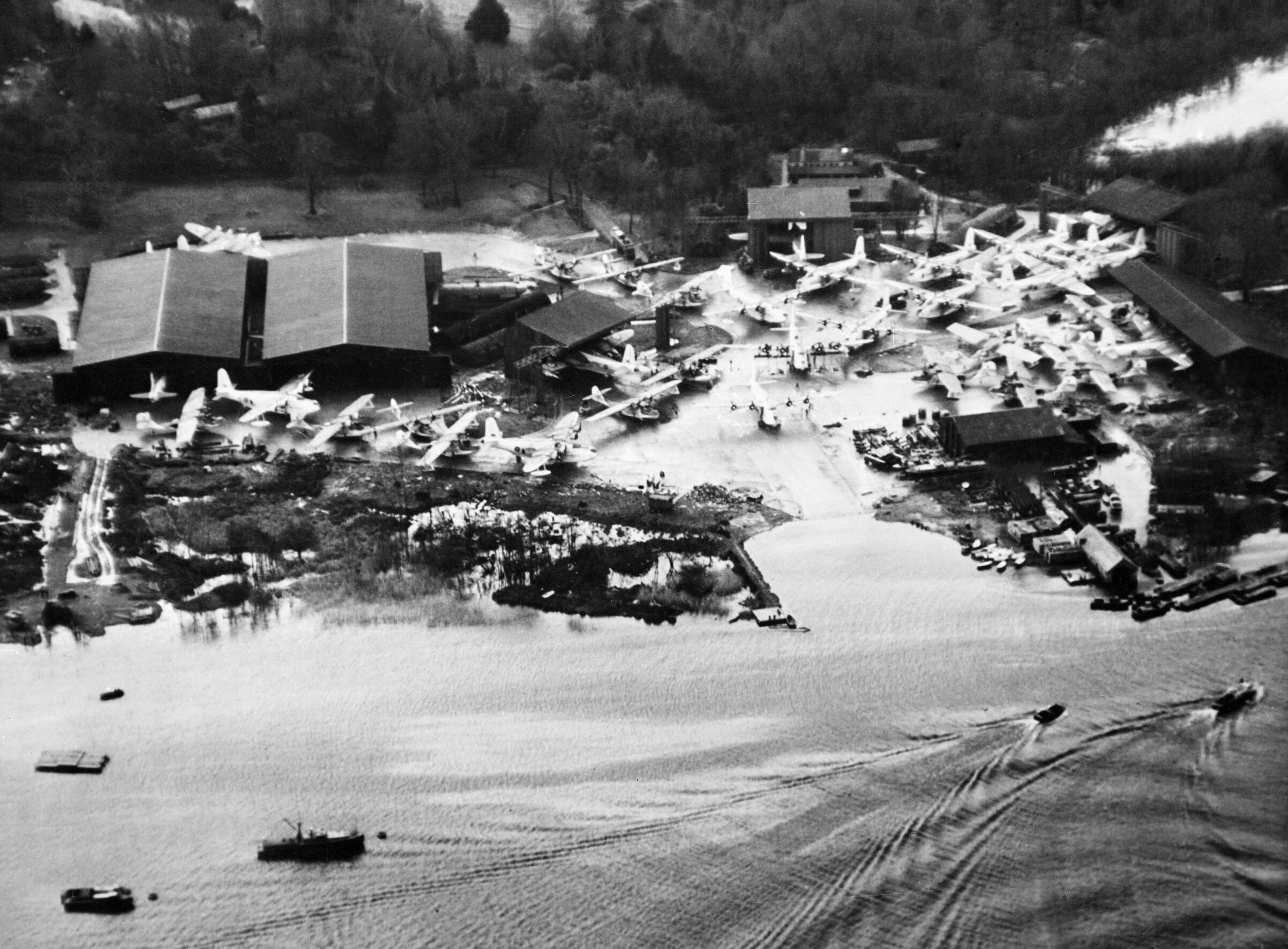
Which flying boats rescued the crew of the Kensington Court in 1939?
They were two RAF Sunderland flying boats: according to uboat.net, an aircraft of Squadron 228 and L5802 of Squadron 204 landed on the water next to the… more…
Military aviation
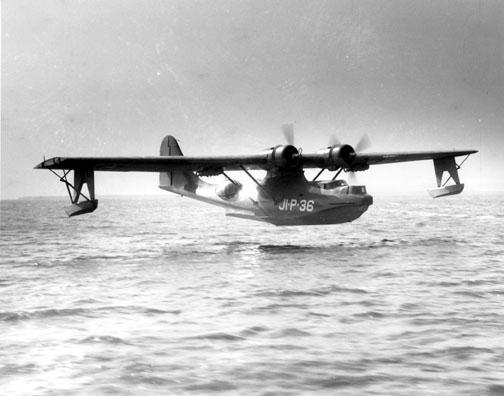
How long did Catalina convoy escort flights to the USSR last?
Many of the Catalina flights protecting convoys to the Soviet Union lasted between 15 and 20 hours and ended at Gryaznaya Bay (Murmansk) or at Arkhangelsk… more…
Military aviation
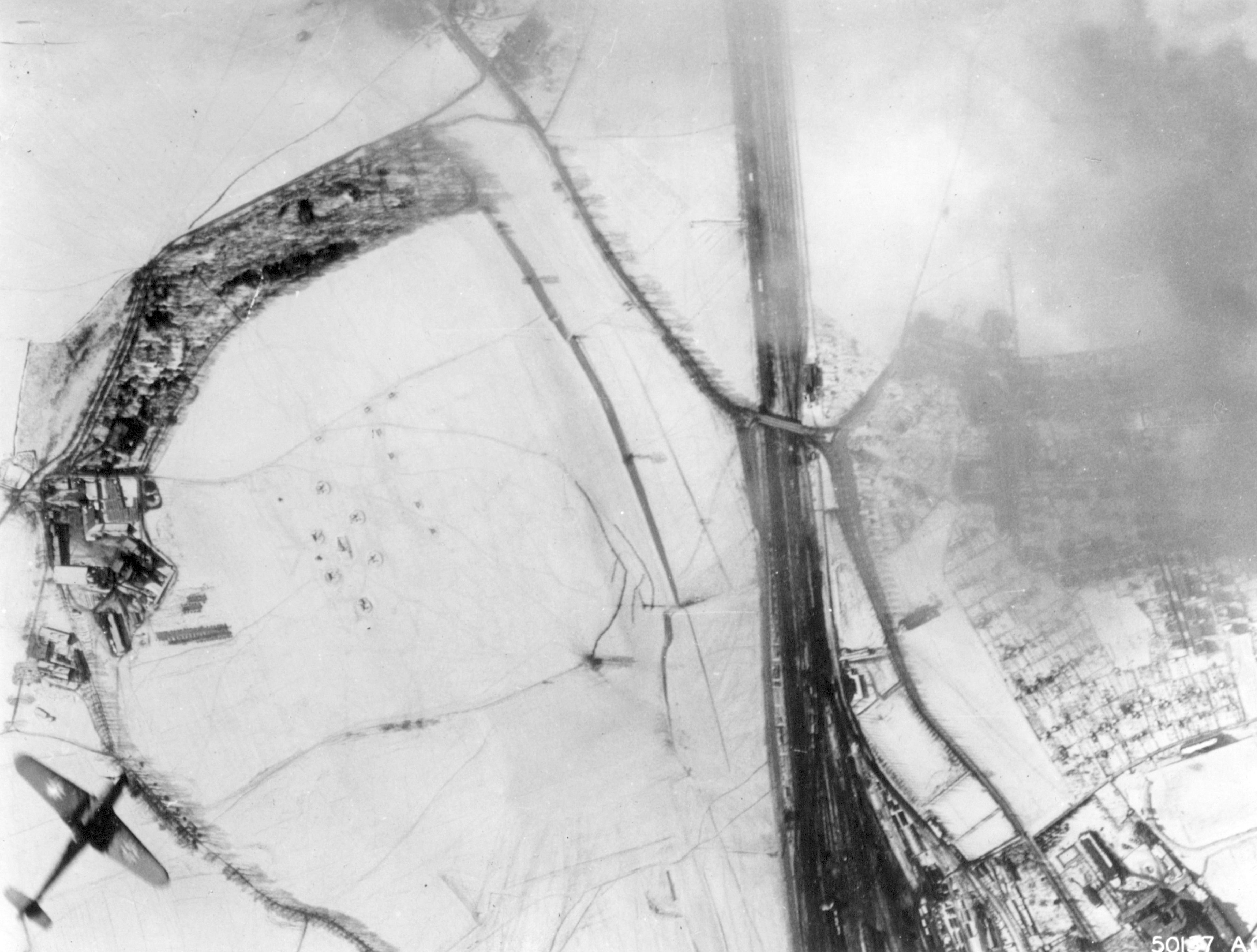
How many aircraft did the Axis lose in Crusader?
Around 332 aircraft destroyed and around 228 abandoned in the operation's tally, which took place between 18 November and 30 December 1941. According to their… more…
Military aviation
How many victories did No. 604 Squadron, the RAF night-fighter squadron, claim?
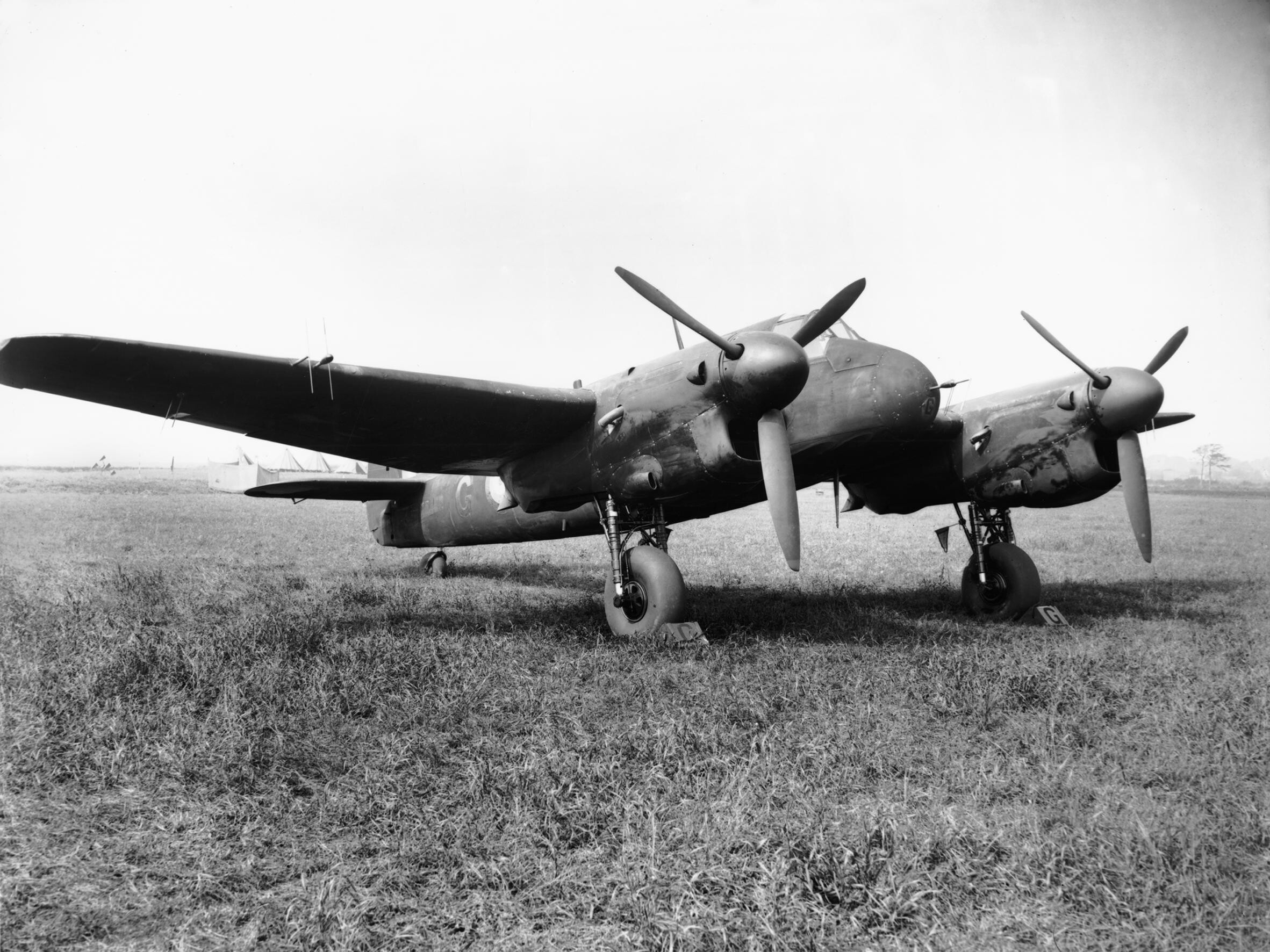
Around 127 aerial victories over the course of the war, 41 of them since May 1944. No. 604 (County of Middlesex) Squadron RAF spent most of the Second World… more…
Military aviation
Why did the "Torch" P-40Fs carry a flag on the fuselage?
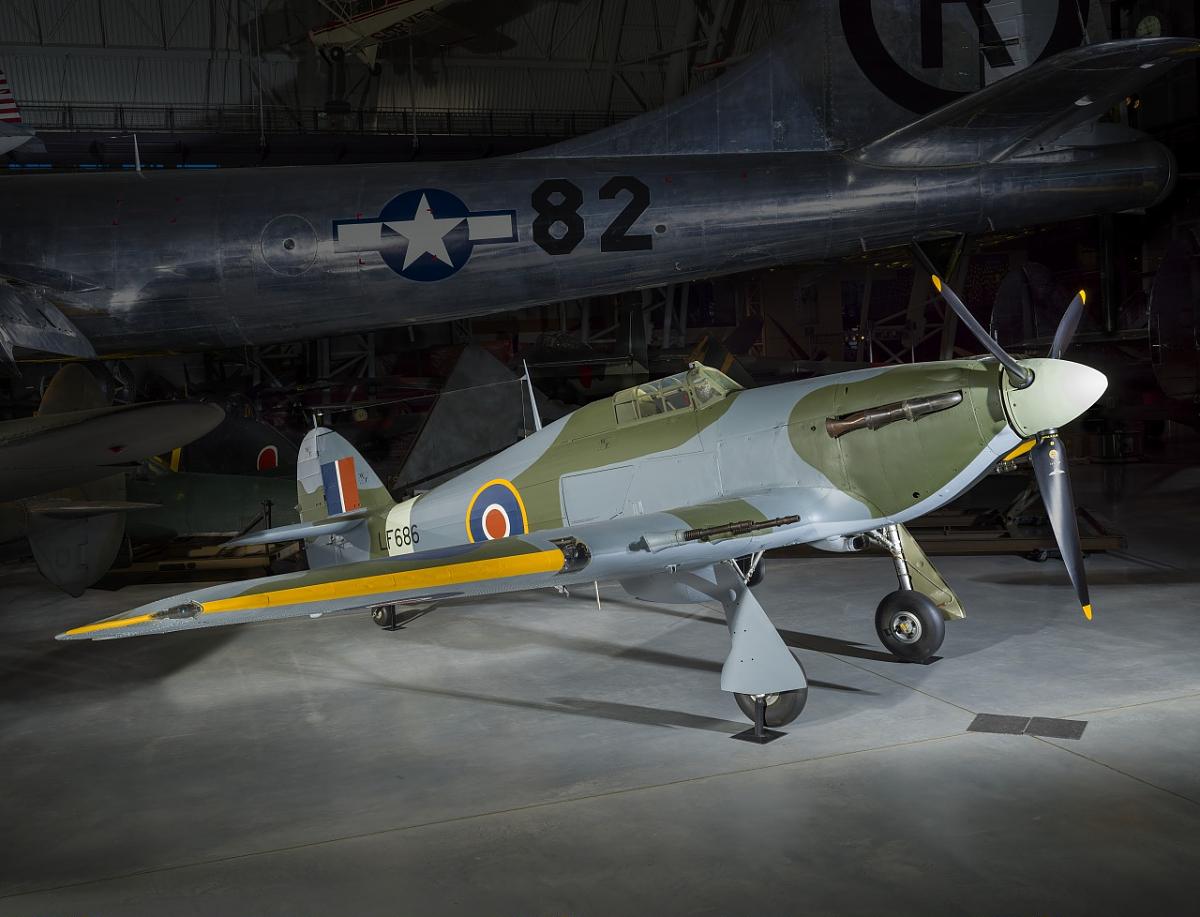
To deter Vichy French forces from shooting them down: aircraft with yellow-outlined roundels sometimes had an American flag added in front of the roundel. The… more…


